
Industry News
Curation by industry experts
Hot Articles
Popular Tags
Global Environmental Governance Trends to Watch in 2026
As 2026 approaches, global environmental governance is shifting from ambition to enforceable control. That shift matters because policy now influences technology choice, asset value, financing terms, and market access.
For sectors tied to water treatment, solid waste recovery, desalination, flue gas control, and nuclear waste management, global environmental governance is becoming an operating framework, not a distant policy topic.
Rules on carbon intensity, pollutant discharge, traceability, and safety assurance are converging. At the same time, regional differences remain strong, creating both risk and strategic opportunity.
This article reviews the main global environmental governance trends likely to shape 2026. It also connects those trends to practical decisions across environmental infrastructure and industrial compliance.
Definition and Scope of Global Environmental Governance
Global environmental governance refers to the systems, rules, institutions, and enforcement mechanisms used to manage shared ecological risks across borders. It includes treaties, trade measures, standards, reporting frameworks, and technical regulations.
In 2026, global environmental governance will be defined less by declarations and more by measurable compliance. Data quality, process transparency, and verified performance will carry greater weight than broad sustainability claims.
This is especially relevant for high-impact equipment sectors. Treatment plants, recovery systems, and advanced control units now sit at the intersection of environmental law, industrial competitiveness, and public infrastructure resilience.
Core elements shaping governance outcomes
- Legally binding emissions and discharge thresholds
- Carbon accounting and border adjustment mechanisms
- Extended producer responsibility and circularity mandates
- Water stress disclosure and reuse targets
- Hazardous and radioactive waste safety controls
- Third-party verification, digital MRV, and audit readiness
Key Signals Defining Global Environmental Governance in 2026
Several policy signals show where global environmental governance is heading. They suggest a market where environmental performance becomes a tradable, reportable, and enforceable business condition.
Together, these developments show that global environmental governance is no longer fragmented. It is progressively linking carbon, water, waste, air, and hazardous material accountability into one compliance logic.
Why These Governance Trends Matter Across Environmental Infrastructure
The practical impact of global environmental governance appears first in project design. Technical specifications increasingly need to satisfy future standards, not only current permits.
Capital allocation is also changing. Financiers and public agencies now examine lifecycle emissions, resource recovery rates, resilience under climate stress, and post-treatment safety obligations.
That creates a premium for systems able to document compliance with precision. Monitoring architecture, digital traceability, and verification pathways are becoming as important as process performance itself.
Business effects likely to intensify in 2026
- Higher demand for audit-ready plant data and reporting integration
- Preference for low-energy, high-recovery treatment configurations
- More retrofit activity driven by compliance deadlines
- Greater emphasis on supply chain environmental disclosure
- Stronger competition around certified reliability and safety performance
For an intelligence platform such as ESD, this means tracking not only policy headlines but also the technical thresholds hidden within regulation updates. Those thresholds often decide real project outcomes.
Sector-Level Exposure Under Global Environmental Governance
Not every environmental segment faces the same governance pressure. Exposure depends on energy intensity, pollutant risk, public sensitivity, and the degree of international regulatory coordination.
This comparison shows why global environmental governance should be read through operational context. The same policy language can create very different engineering priorities across sectors.
Typical Governance Scenarios to Monitor in 2026
Several recurring scenarios are likely to test how organizations respond to global environmental governance. These situations combine technical compliance with commercial timing.
1. Cross-border project bidding
Tender requirements are increasingly demanding lifecycle data, carbon metrics, and proof of regulatory alignment. Competitive bids may fail if documentation standards lag behind technical strength.
2. Industrial wastewater upgrades
Facilities facing tighter reuse rules may need membrane redesign, concentration management, or ZLD integration. Governance pressure here often appears through local permits backed by global financing standards.
3. Waste recovery investment screening
Circular economy policies are raising expectations for material recovery proof. Investors now look beyond throughput claims and ask whether recovered outputs meet traceable quality definitions.
4. Desalination under carbon constraints
Desalination remains essential in water-stressed regions, yet governance attention is moving toward energy intensity, intake ecology, and brine discharge. Plant optimization will increasingly require integrated environmental evidence.
5. Long-cycle nuclear stewardship
Nuclear waste governance depends on public trust, technical durability, and transparent oversight. In 2026, scrutiny will likely deepen around storage pathway credibility and long-term containment verification.
Practical Recommendations for Navigating Global Environmental Governance
Preparation for global environmental governance should start with structured visibility. It is no longer enough to know regulations by name; the operational trigger points must be mapped clearly.
- Build a regulation matrix linking jurisdictions, technology standards, and reporting obligations.
- Prioritize measurable indicators such as energy use, recovery rate, pollutant removal, and waste stability.
- Strengthen digital MRV systems to support audit, tender, and finance requirements.
- Stress-test projects against future thresholds, not only current permit conditions.
- Track how trade policy, carbon pricing, and environmental permits interact across project lifecycles.
- Use sector intelligence to compare evolving standards for membranes, catalysts, recovery lines, and vitrification systems.
These steps improve readiness because global environmental governance increasingly rewards documented adaptability. Compliance capacity is becoming a strategic asset, not just a legal necessity.
Strategic Direction for the Next Planning Cycle
The most important environmental governance trend for 2026 is integration. Carbon, water, waste, air, and hazardous risk are being governed through more connected policy architectures.
That integration favors organizations able to read regulatory movement at both macro and technical levels. Broad policy awareness must connect directly to equipment intelligence and project execution.
Global environmental governance will continue to shape infrastructure demand, compliance costs, and market access. The next practical step is to review current assets and bids against the 2026 governance signals outlined above.
For sectors covered by ESD, the advantage will come from combining policy interpretation with engineering depth. That is where resilient environmental strategy becomes real commercial authority.
Recommended News
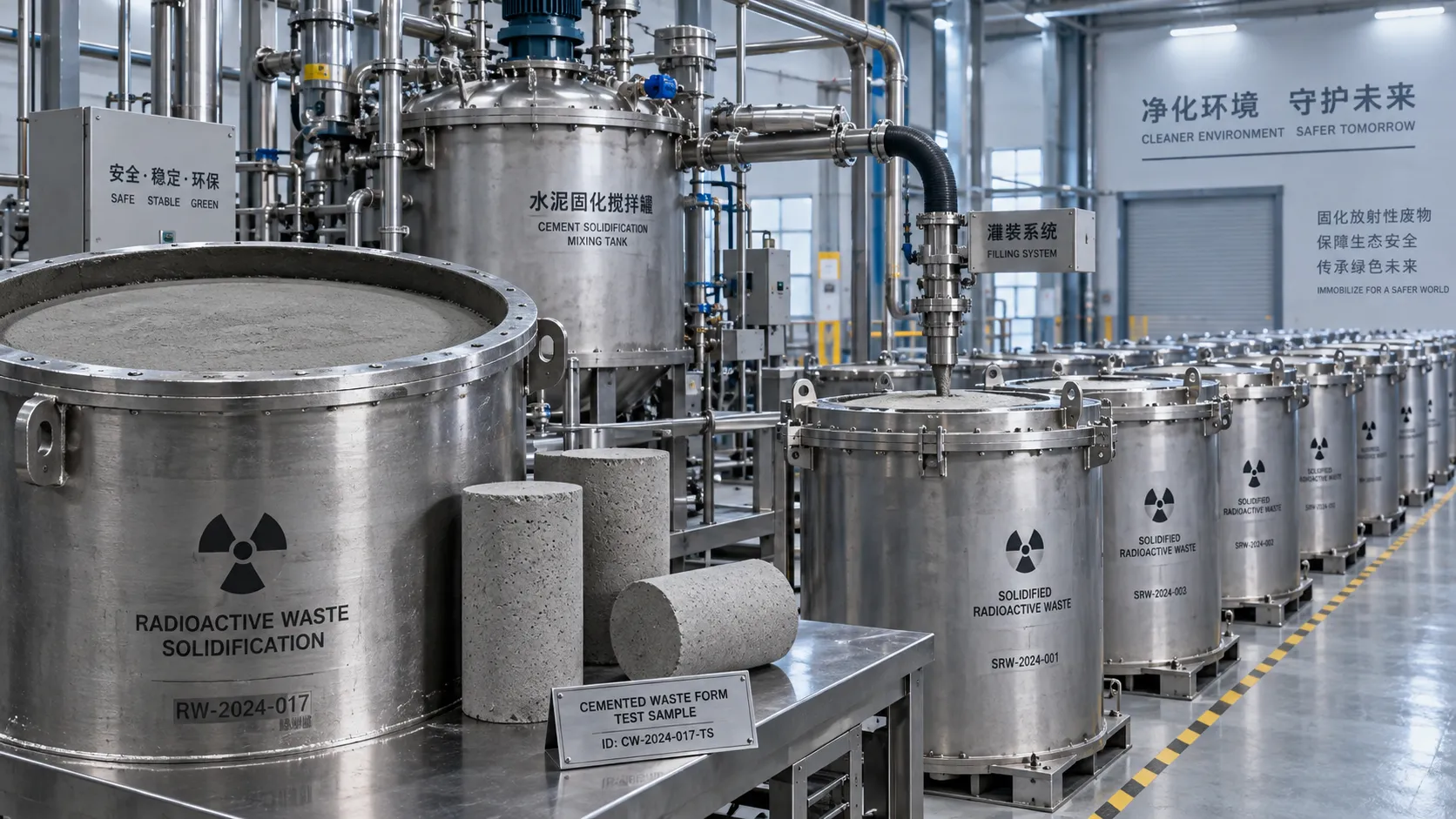
When is cementation suitable for nuclear decommissioning waste?
Explore nuclear waste treatment technology for decommissioning: learn when cementation fits, which risks to assess, and how disposal criteria guide an effective treatment choice.
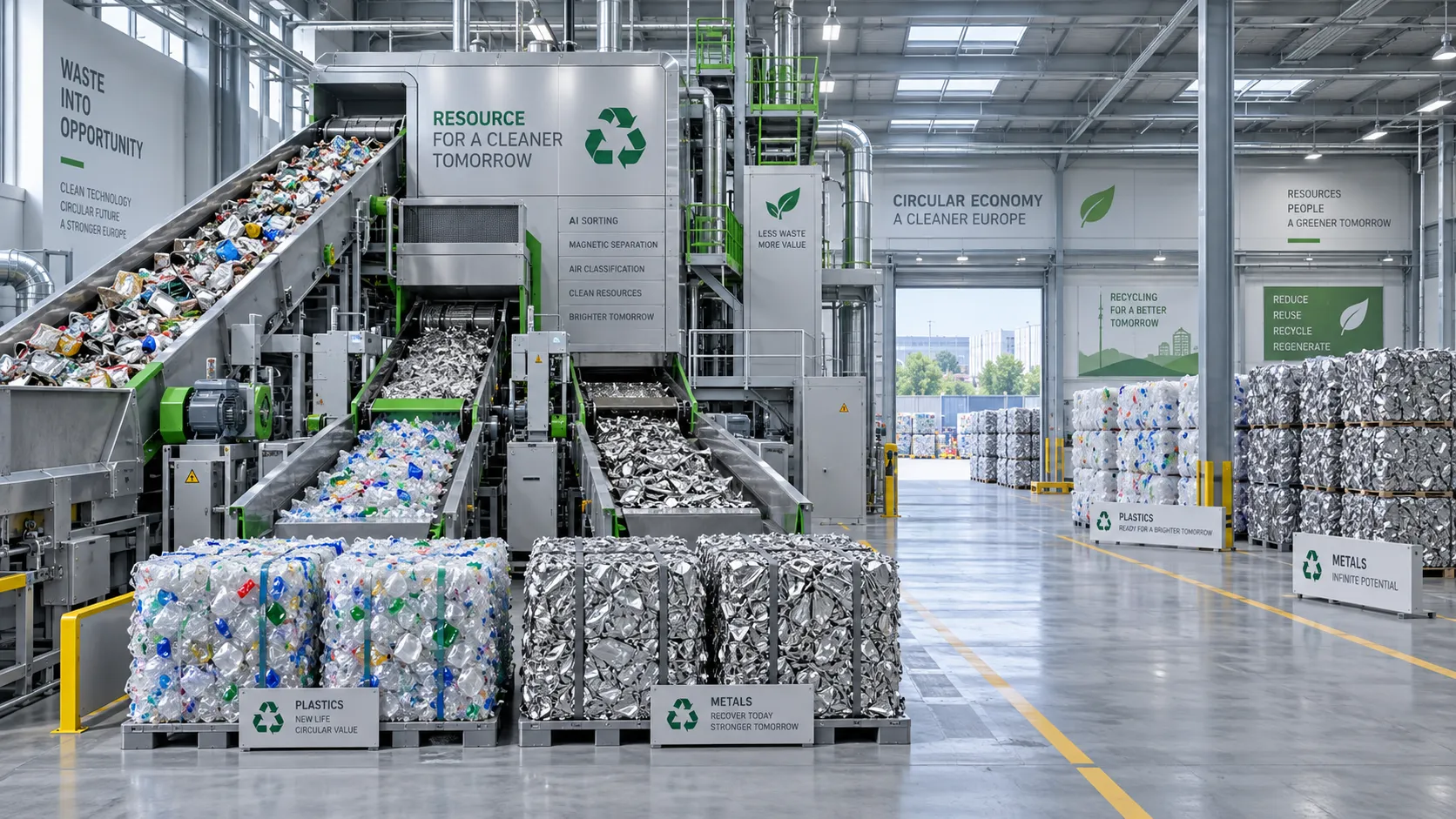
What determines payback for waste-to-resource systems in Europe?
Assess waste-to-resource systems Europe-wide: compare feedstock, recovery yields, costs and contracts to uncover payback drivers and make smarter investment decisions.
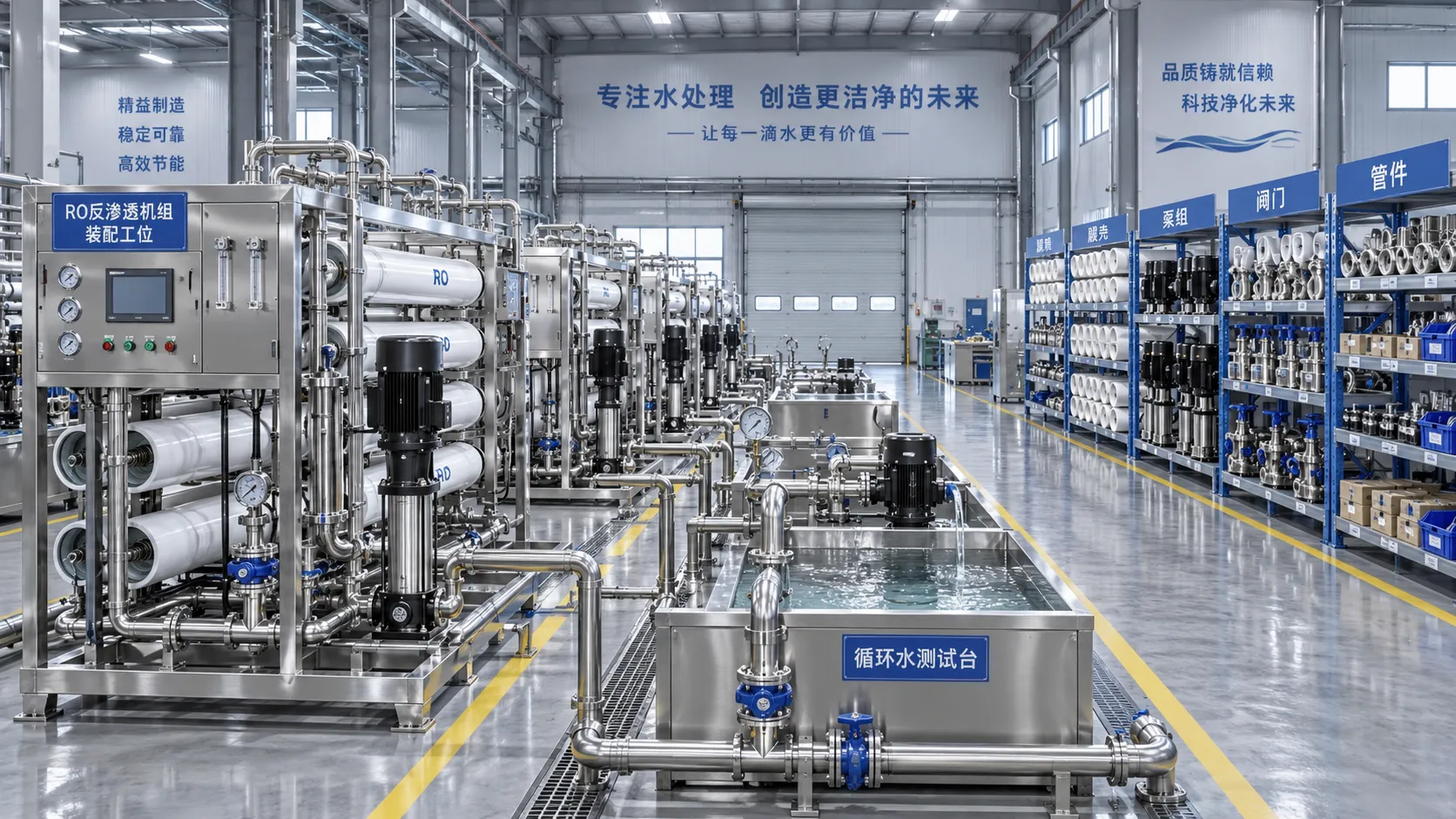
How to verify a water treatment system factory’s production capacity
Verify a water treatment systems factory’s production capacity through records, bottlenecks, component availability, and testing. Learn what to check before accepting a delivery promise.
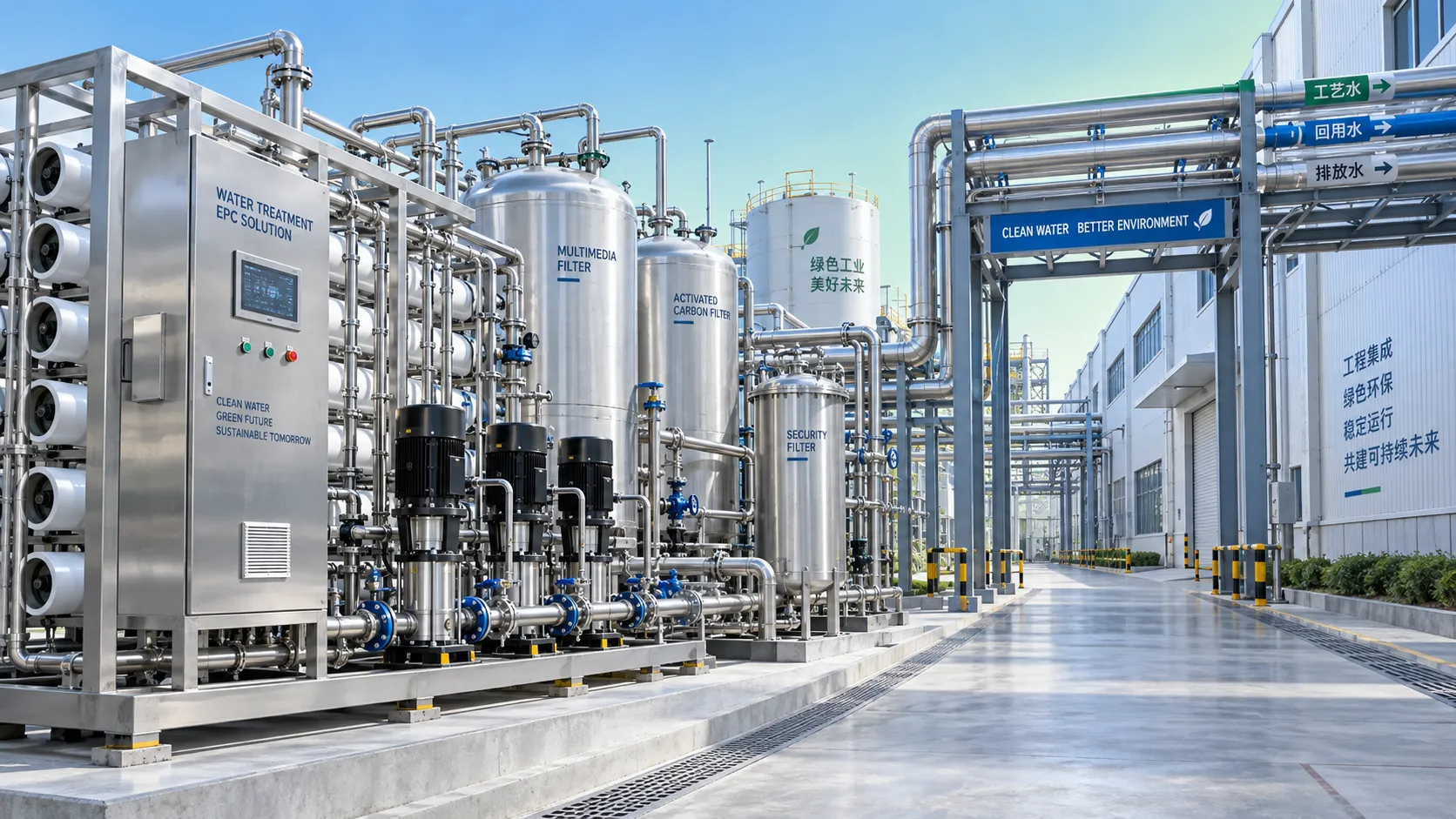
When does EPC environmental project support reduce delivery risk?
EPC environmental project support engineering reduces delivery risk by aligning design, procurement, compliance, construction, and commissioning decisions.
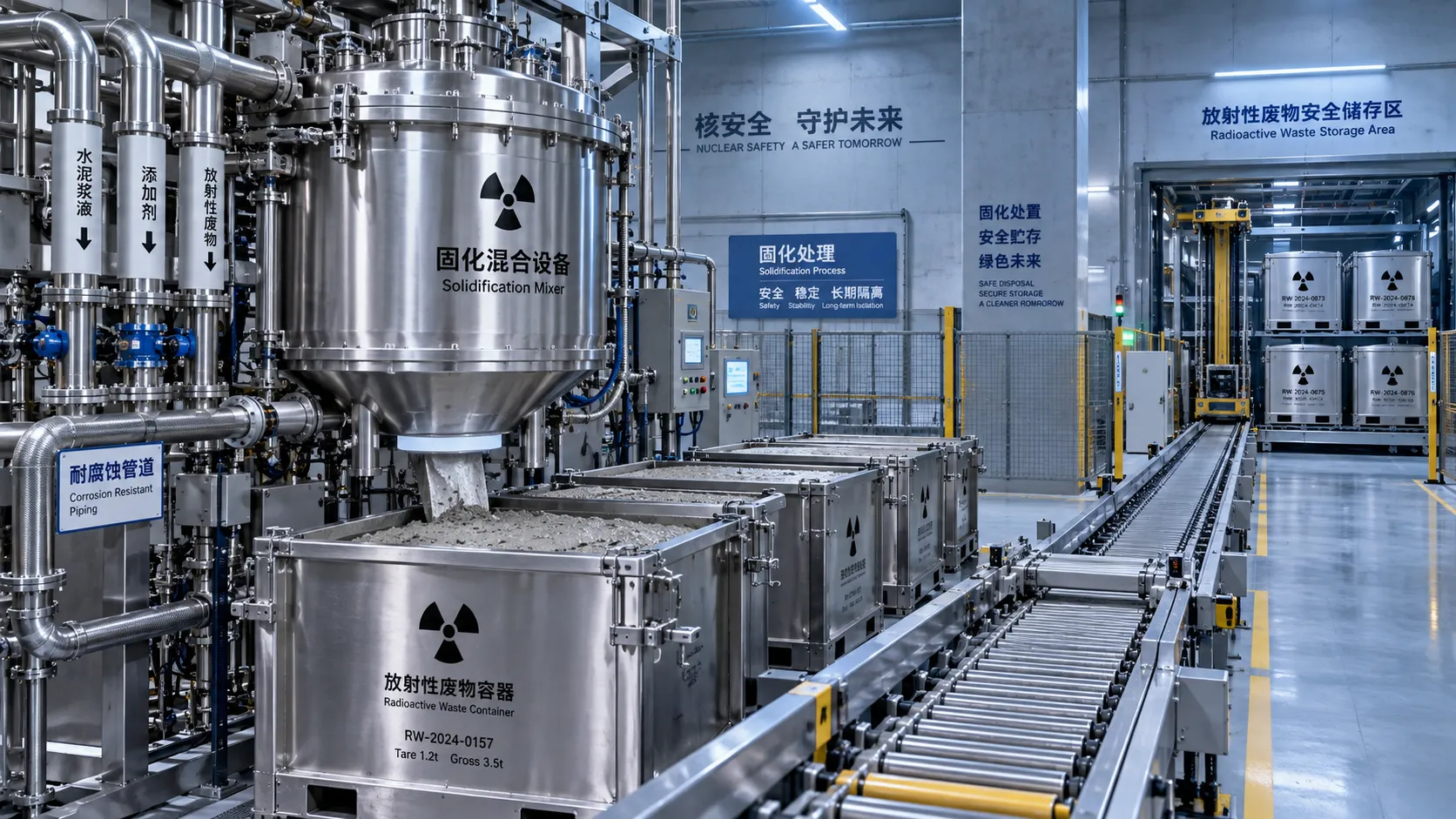
How nuclear plants select a radioactive waste solidification method
Radioactive waste management for nuclear plants: compare vitrification, cementation, polymers, and ceramics to select a compliant, durable solidification solution.
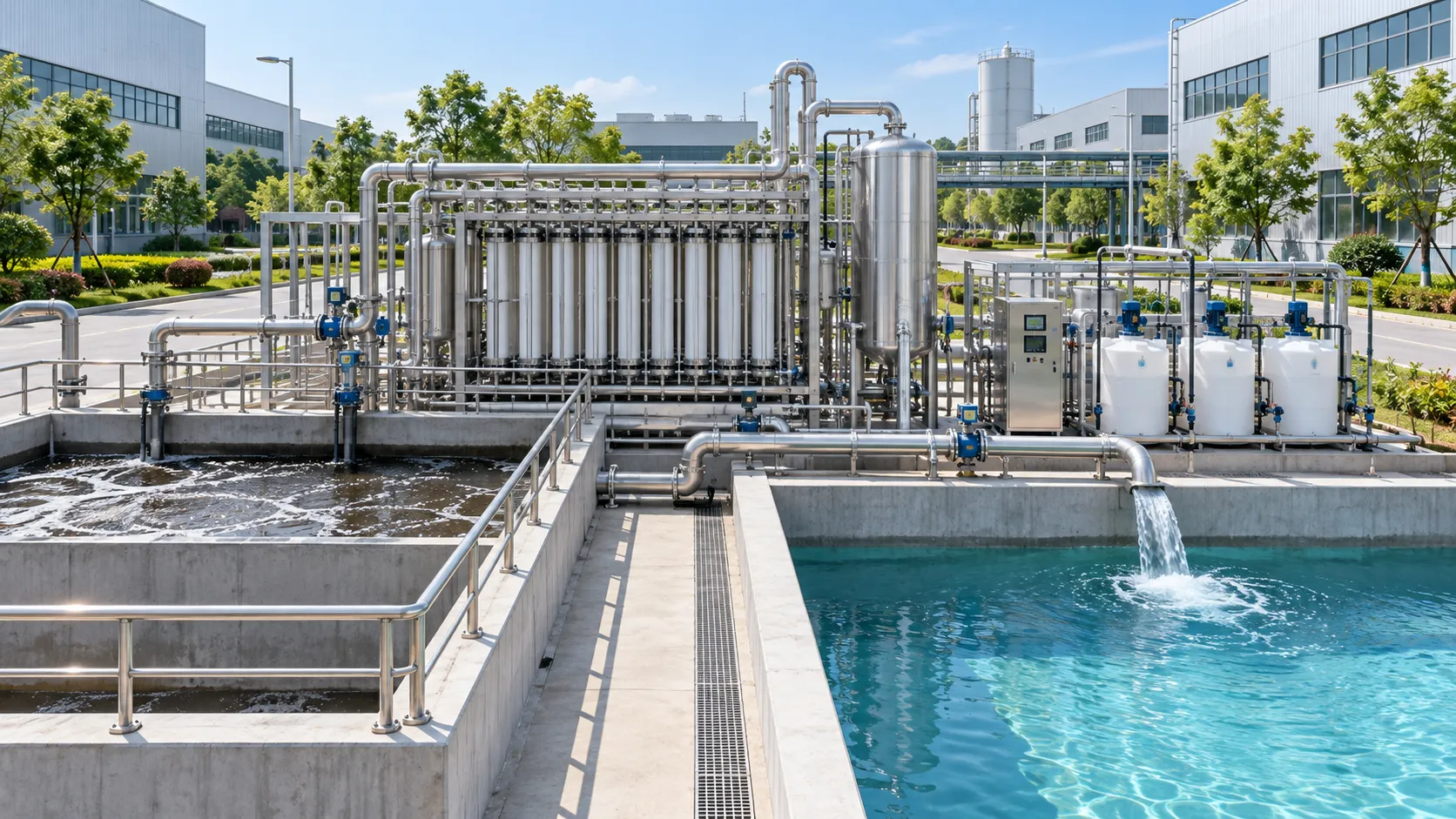
Comparing Upgrade Costs for Industrial Park Wastewater Treatment Systems
Compare costs for wastewater system upgrades in industrial parks with a lifecycle view of CAPEX, OPEX, compliance, resilience, and future expansion.
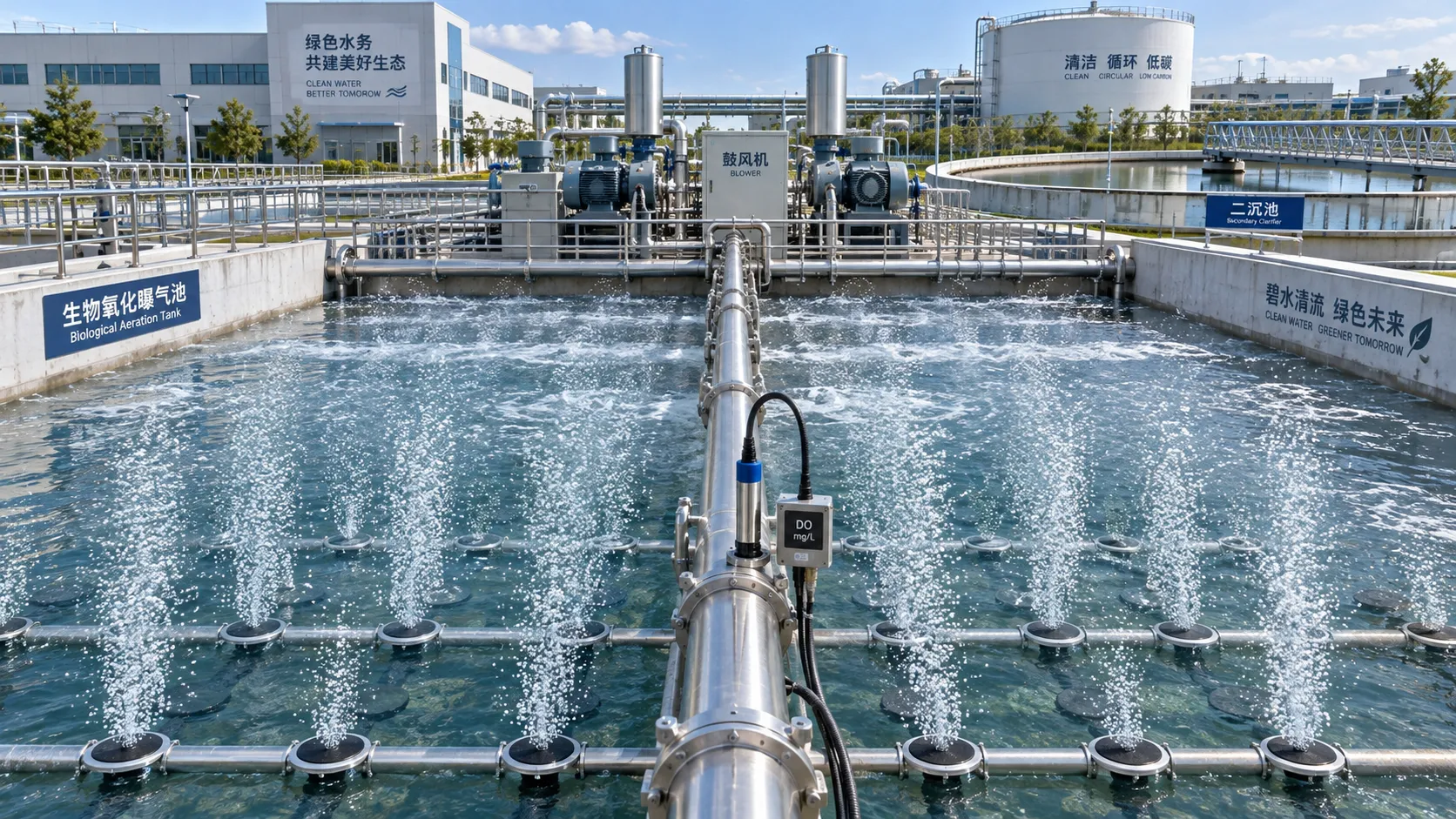
Biological Wastewater Oxidation Explained: Aeration Demand and Process Control
Biological wastewater oxidation explained: optimize aeration demand, DO control, nitrification, and sludge age for stable effluent quality and lower energy costs.
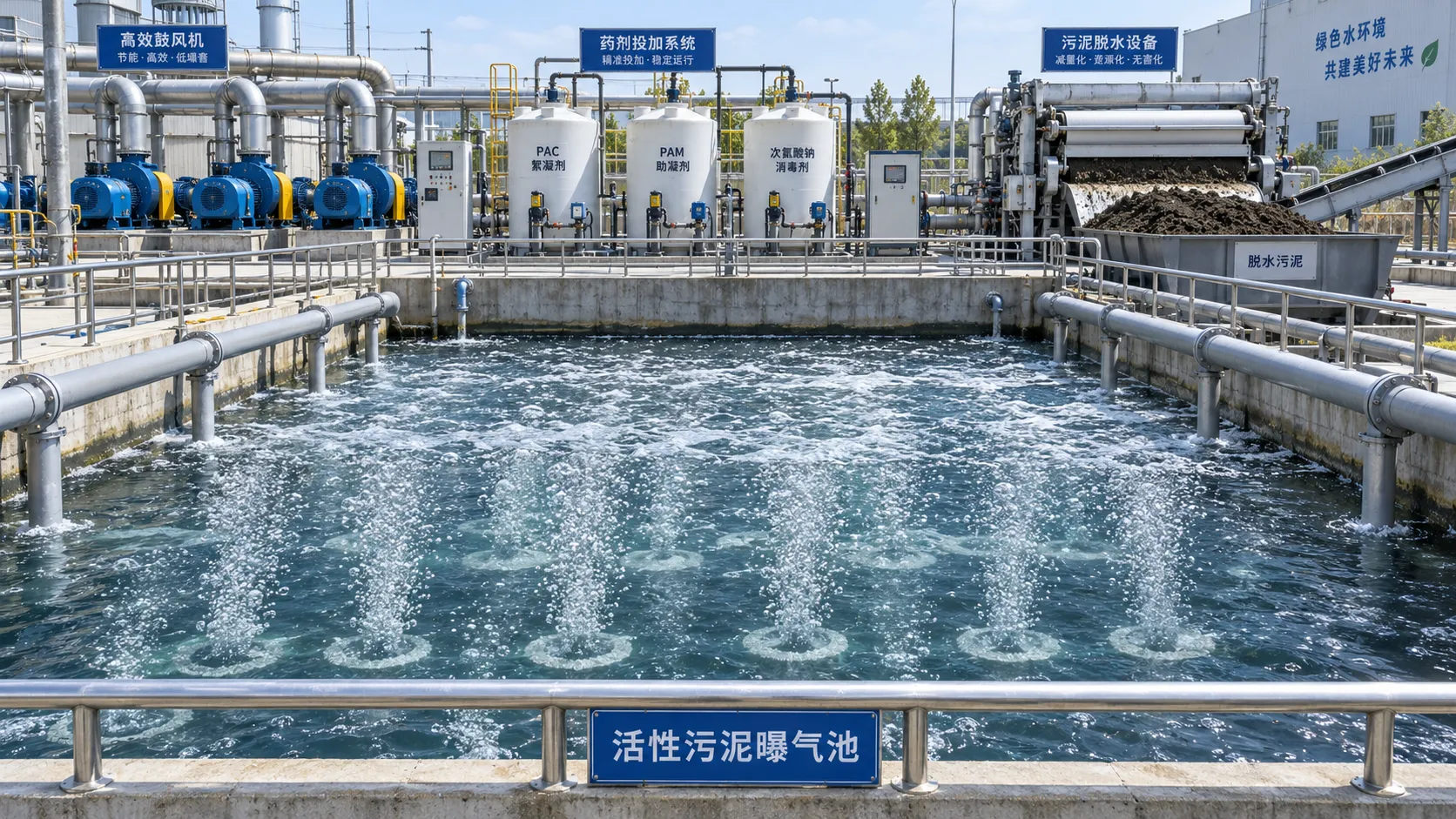
Activated Sludge Cost: Budgeting Energy, Chemicals, Sludge, and Labor
Activated sludge cost explained: compare energy, chemicals, sludge disposal, labor, and compliance risks to build a reliable lifecycle budget.
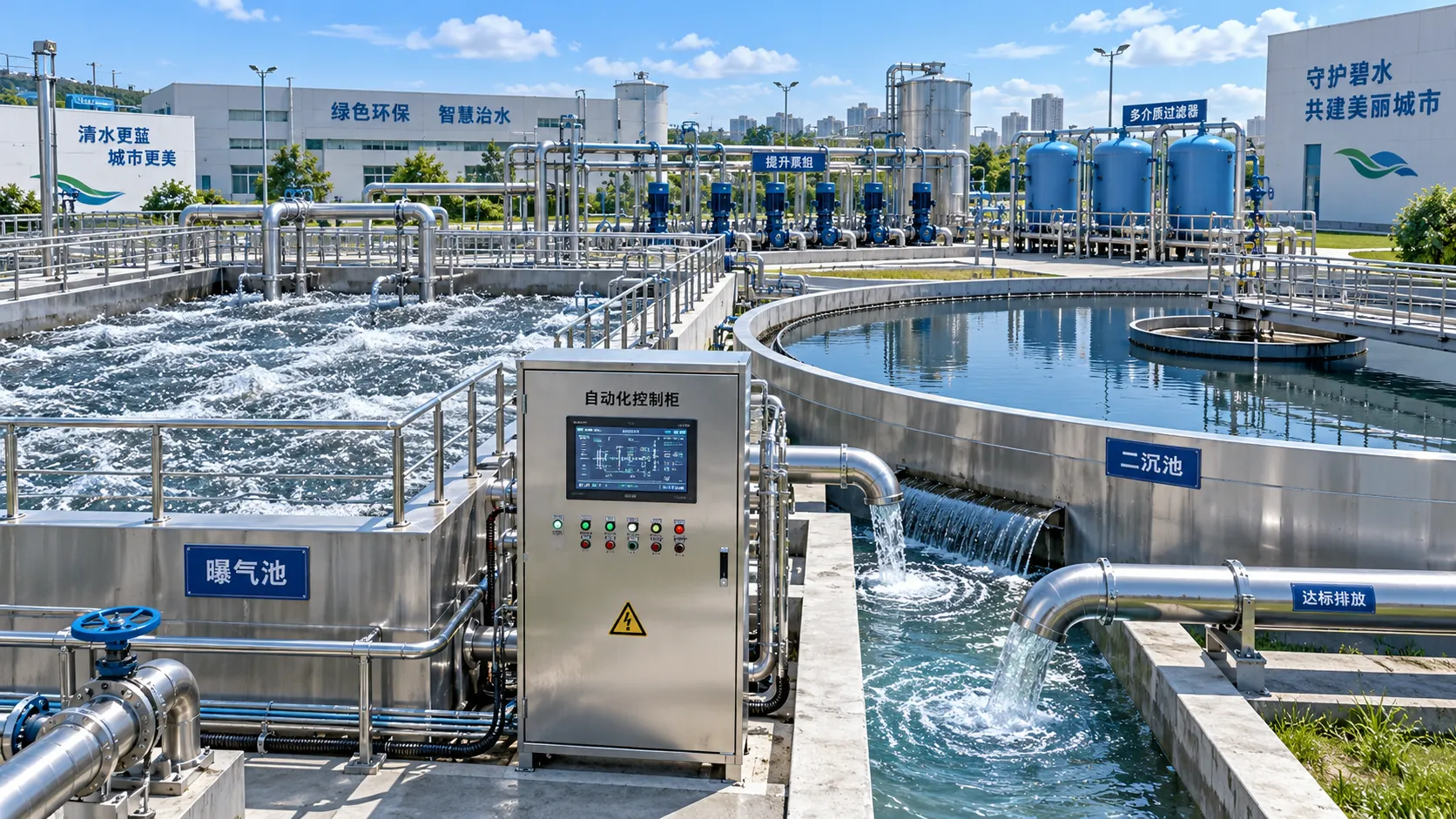
When Should Municipal Wastewater Plants Upgrade Treatment Capacity and Controls?
Municipal wastewater treatment upgrades: learn when capacity, controls, and resilient planning are needed to protect compliance and optimize plant performance.