
Industry News
Curation by industry experts
Hot Articles
Popular Tags
Environmental Value Chain: Where Profit Leaks Often Start
In the environmental value chain, profit rarely disappears by accident. It usually drains away where regulation, engineering, operations, and capital planning stop speaking to each other.
That pattern is now visible across water treatment, waste recovery, flue gas control, desalination, and nuclear waste management. Hidden gaps increasingly shape earnings quality, bidding strength, and asset durability.
For a platform like ESD, the environmental value chain is not only about equipment flow. It is about intelligence flow, compliance timing, process reliability, and the speed of technical adaptation.
When these links weaken, profit leaks begin early. They often emerge long before a plant fails, a permit changes, or a project balance sheet turns negative.
Why the environmental value chain is entering a harsher operating phase
The global environmental value chain has become more exposed to compliance acceleration. Rules now move faster than many equipment lifecycles, especially in emissions, water discharge, and waste traceability.
At the same time, performance expectations are rising. Clients no longer want simple treatment capacity. They want lower energy intensity, digital visibility, recovery value, and stronger proof of environmental outcomes.
This creates a sharper separation between assets that look efficient on paper and assets that remain profitable under real operating pressure. That distinction defines the modern environmental value chain.
Another shift comes from capital discipline. High-interest financing, public budget scrutiny, and tighter project governance mean technical underperformance now becomes a financial event much faster.
Where profit leaks often start inside complex environmental systems
Profit leaks in the environmental value chain usually begin in transitional zones. These are the spaces between design and operation, between chemistry and maintenance, or between compliance and commercial assumptions.
1. Misaligned design assumptions
Many systems are sized for nominal conditions rather than volatility. Feedwater swings, waste composition changes, or unstable flue gas loads can quickly erode real margins.
In desalination, membrane fouling assumptions may be too optimistic. In ZLD, brine concentration behavior may differ from the original modeling basis.
2. Compliance lag hidden inside operations
Permits and standards evolve faster than retrofit schedules. A plant may remain mechanically functional while quietly losing economic competitiveness under new environmental thresholds.
This is common in flue gas systems, wastewater reuse lines, and hazardous residue handling. Small compliance delays often become large margin losses.
3. Asset intelligence gaps
A facility may generate data without generating insight. When instrumentation, process modeling, and maintenance signals remain disconnected, the environmental value chain becomes reactive instead of predictive.
That drives excess chemical use, unplanned shutdowns, shorter media life, and poor spare-parts timing. Each issue seems operational, but all reduce enterprise value.
4. Recovery value that never reaches the balance sheet
In solid waste and secondary resource systems, recovered output often underperforms due to contamination, weak sorting accuracy, or unstable downstream buyers.
The environmental value chain promises circularity, but profit leaks when recovery quality is inconsistent. Material value depends on purity, logistics, and end-market acceptance.
5. End-of-life liabilities underestimated at the beginning
Nuclear waste and other long-horizon liabilities reveal a critical truth. The environmental value chain must price containment, monitoring, and stability across decades, not only commissioning periods.
When long-tail risk is discounted too aggressively, early returns appear stronger than they actually are. That is one of the most expensive forms of hidden leakage.
The strongest signals now reshaping value protection
Several trend signals are redefining how the environmental value chain should be evaluated. These signals matter because they change both asset risk and pricing power.
Why these leaks form faster than many organizations expect
The environmental value chain is unusually sensitive to cross-functional delay. Engineering may optimize throughput while compliance teams focus on limits and finance teams watch only capex.
The result is fragmented decision-making. A cheaper membrane, catalyst, lining, or sorting module may lower upfront cost while raising lifetime instability.
- Performance models often exclude real feed variability.
- Maintenance strategies may not reflect critical failure paths.
- Commercial forecasts can overstate recovery yields.
- Regulatory scanning is sometimes too slow for project cycles.
- Data systems may report status without revealing causality.
ESD’s intelligence model matters here because the environmental value chain is no longer manageable through isolated technical snapshots. It requires stitched insight across process science, regulation, and commercial timing.
How the impact spreads across major environmental sectors
In large water treatment plants, leaks often start with sludge handling, energy use, reagent optimization, and poor adaptation to influent change. These issues reduce resilience during permit tightening.
In solid waste recovery, AI sorting accuracy and off-take quality define whether circular claims become revenue. The environmental value chain fails when output cannot meet industrial reuse standards.
In flue gas treatment, low-temperature catalyst behavior, pressure drop, and reagent efficiency strongly affect cost per unit of compliance. Minor drift can destroy annual economics.
In heavy seawater desalination, the main leak points include pretreatment reliability, membrane life, brine management, and power intensity. Water security does not guarantee asset profitability.
In nuclear waste management, the environmental value chain is judged by containment certainty, vitrification stability, traceability, and institutional trust. Risk mispricing here carries exceptional consequences.
What deserves closer attention before value erosion becomes visible
- Check whether design assumptions match actual feed and load variability.
- Review compliance exposure over the full remaining asset life.
- Track energy, chemical, and consumable intensity by process stage.
- Measure recovery purity, not just recovery volume.
- Map weak links between sensor data, maintenance, and process decisions.
- Test whether digital tools improve action speed, not reporting volume.
- Stress-test long-term liabilities under stricter regulatory scenarios.
These checkpoints help reveal where the environmental value chain is structurally strong and where profitability depends on fragile assumptions.
A practical framework for reducing leaks and protecting strategic value
The environmental value chain rewards organizations that can convert fragmented technical facts into coordinated action. That is where intelligence becomes a margin defense tool.
The next judgment: treat environmental intelligence as value infrastructure
The central lesson is clear. In the environmental value chain, profit leaks often start before losses appear in financial reports.
They begin in unnoticed mismatches between technology limits, compliance direction, operating discipline, and market reality. Once visible, repair usually costs more than prevention.
A stronger response is to treat sector intelligence as infrastructure. That means continuously tracking membrane evolution, catalyst kinetics, recovery economics, discharge rules, and long-term safety constraints together.
ESD stands at that intersection. Its integrated view helps reveal where the environmental value chain is losing strength, where assets can regain resilience, and where strategic advantage is quietly being built.
The practical next step is simple. Reassess every critical environmental system through a leakage lens, then rank the gaps by compliance risk, performance sensitivity, and lifetime value impact.
That approach turns environmental pressure into informed action. More importantly, it protects the environmental value chain where real profit is either lost or defended.
Recommended News
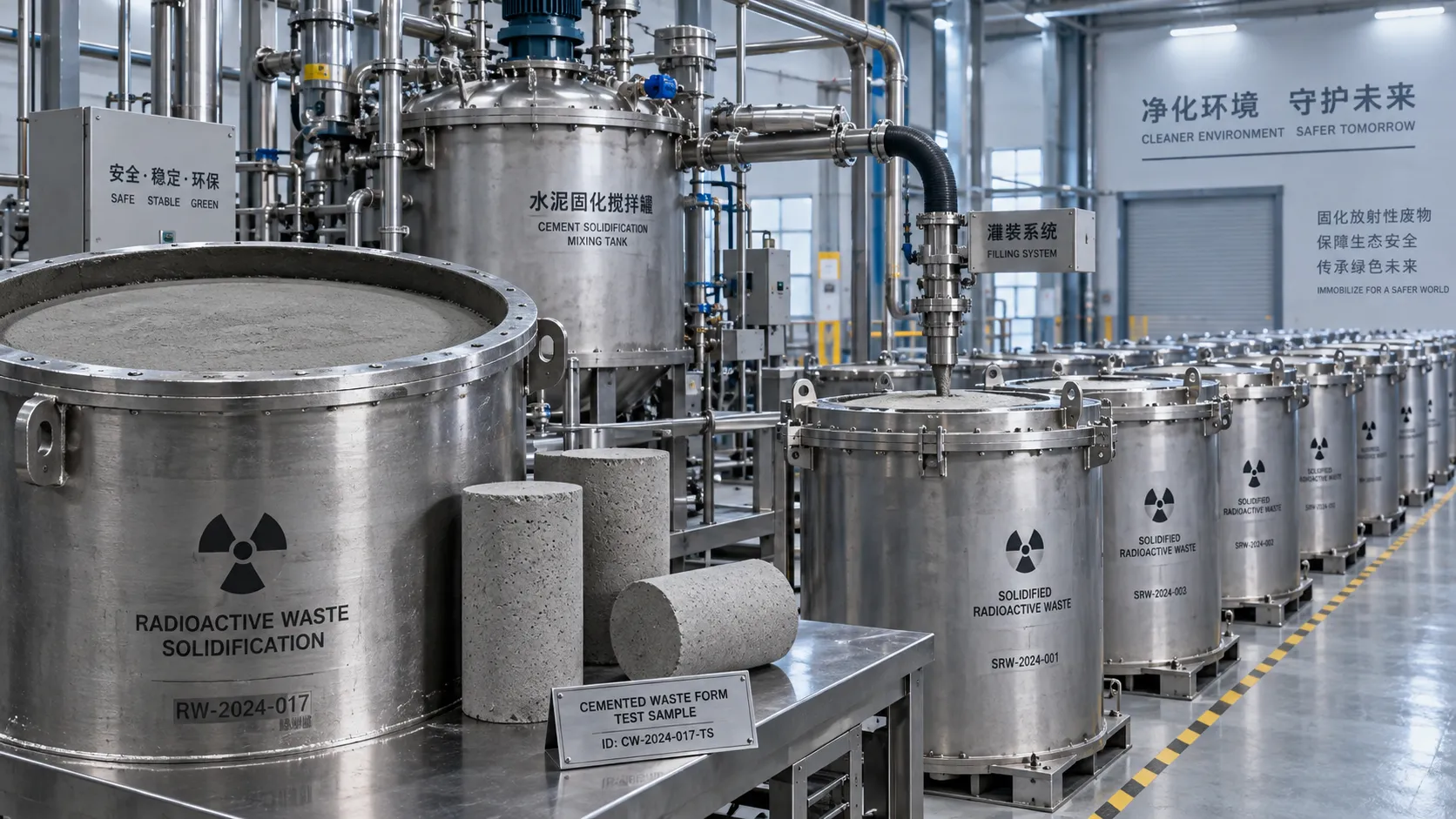
When is cementation suitable for nuclear decommissioning waste?
Explore nuclear waste treatment technology for decommissioning: learn when cementation fits, which risks to assess, and how disposal criteria guide an effective treatment choice.
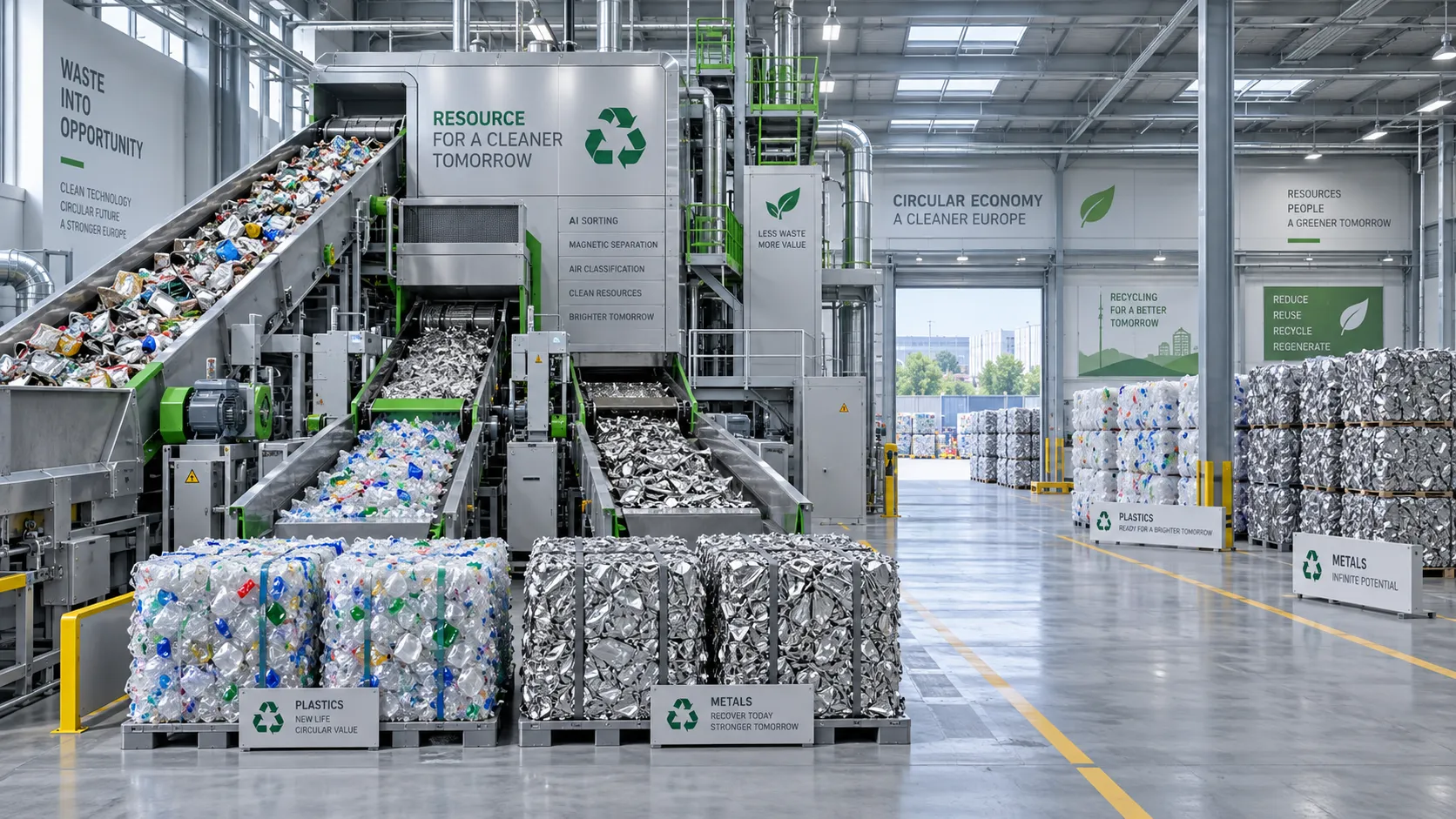
What determines payback for waste-to-resource systems in Europe?
Assess waste-to-resource systems Europe-wide: compare feedstock, recovery yields, costs and contracts to uncover payback drivers and make smarter investment decisions.
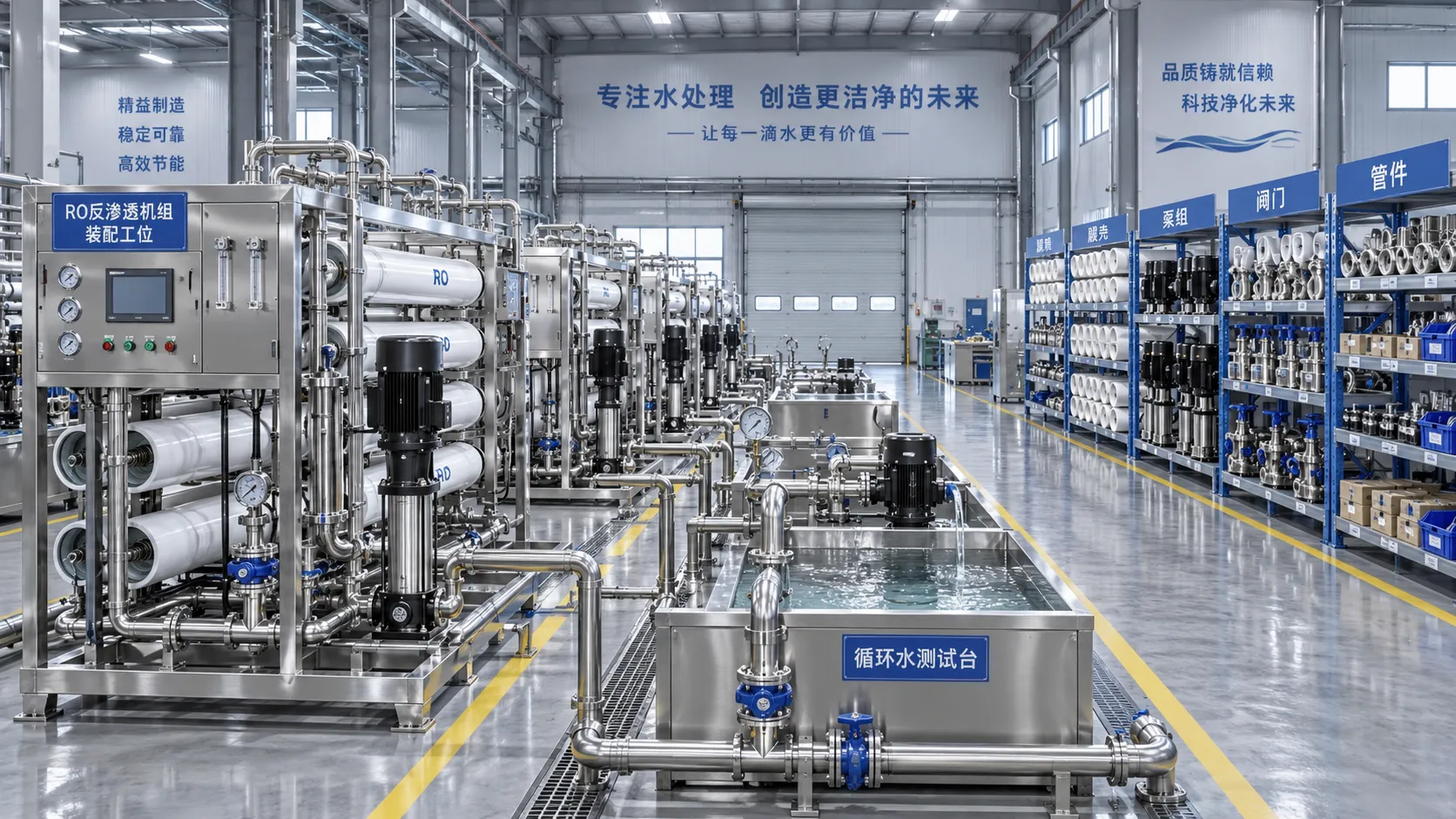
How to verify a water treatment system factory’s production capacity
Verify a water treatment systems factory’s production capacity through records, bottlenecks, component availability, and testing. Learn what to check before accepting a delivery promise.
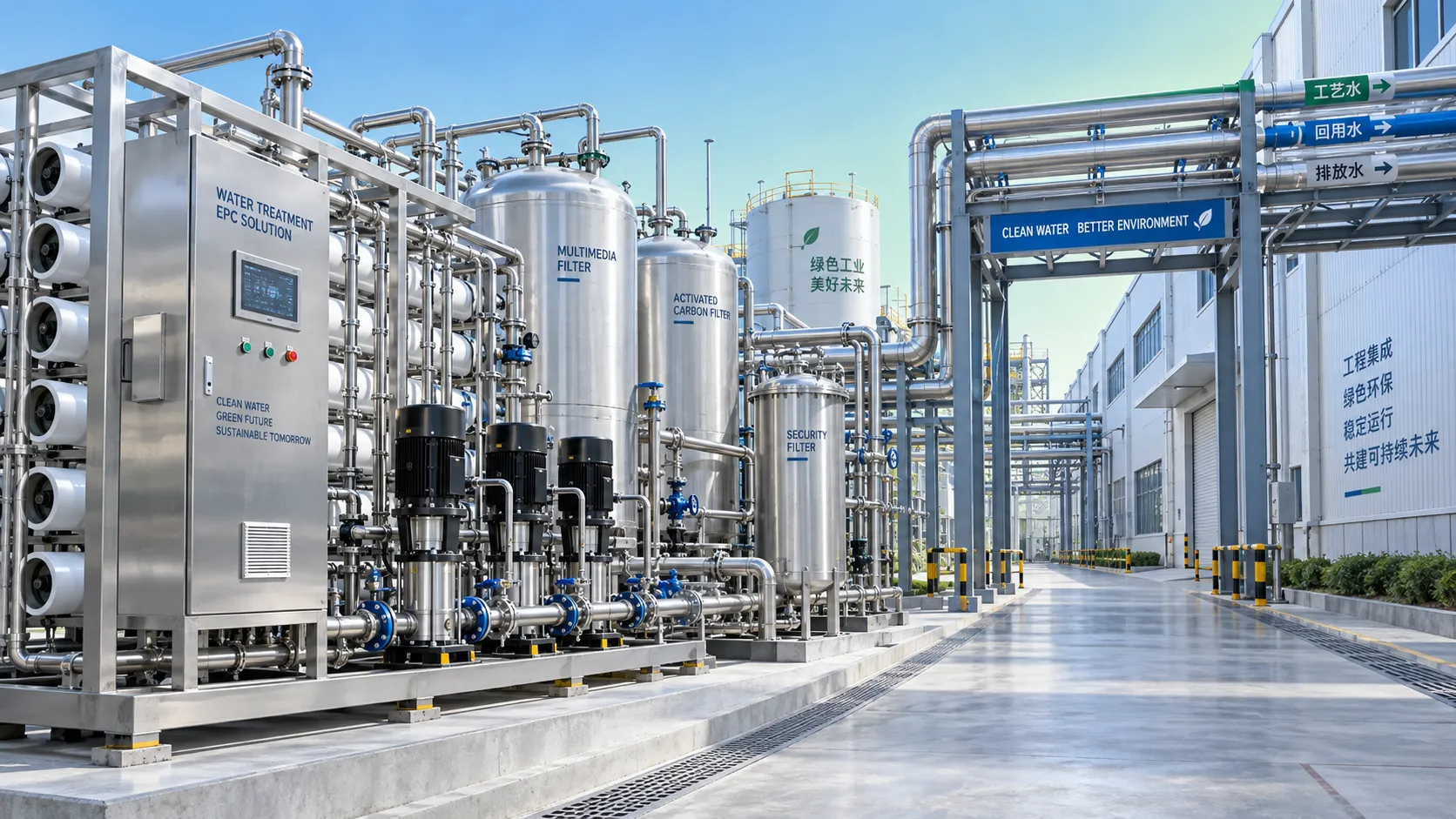
When does EPC environmental project support reduce delivery risk?
EPC environmental project support engineering reduces delivery risk by aligning design, procurement, compliance, construction, and commissioning decisions.
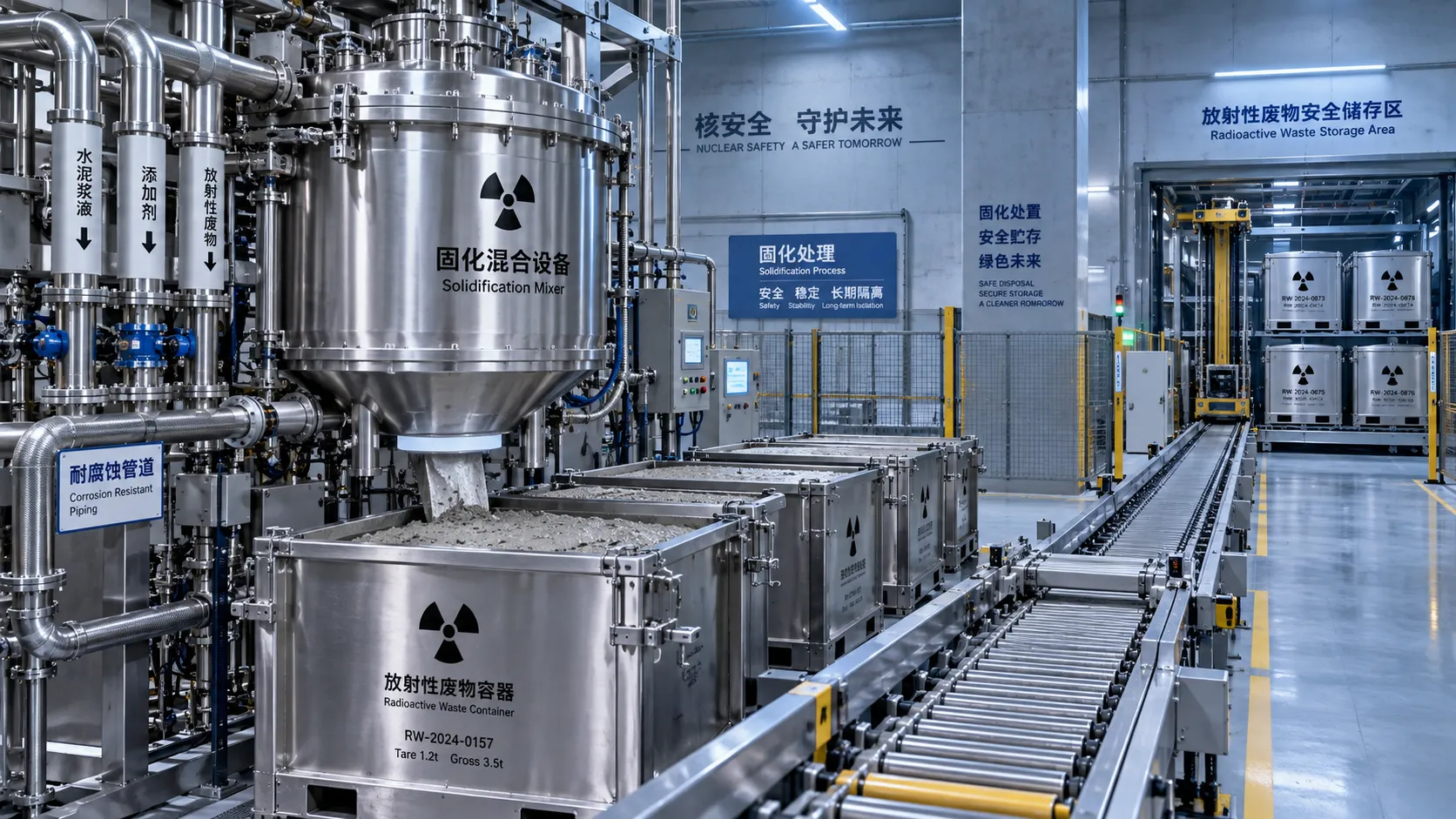
How nuclear plants select a radioactive waste solidification method
Radioactive waste management for nuclear plants: compare vitrification, cementation, polymers, and ceramics to select a compliant, durable solidification solution.
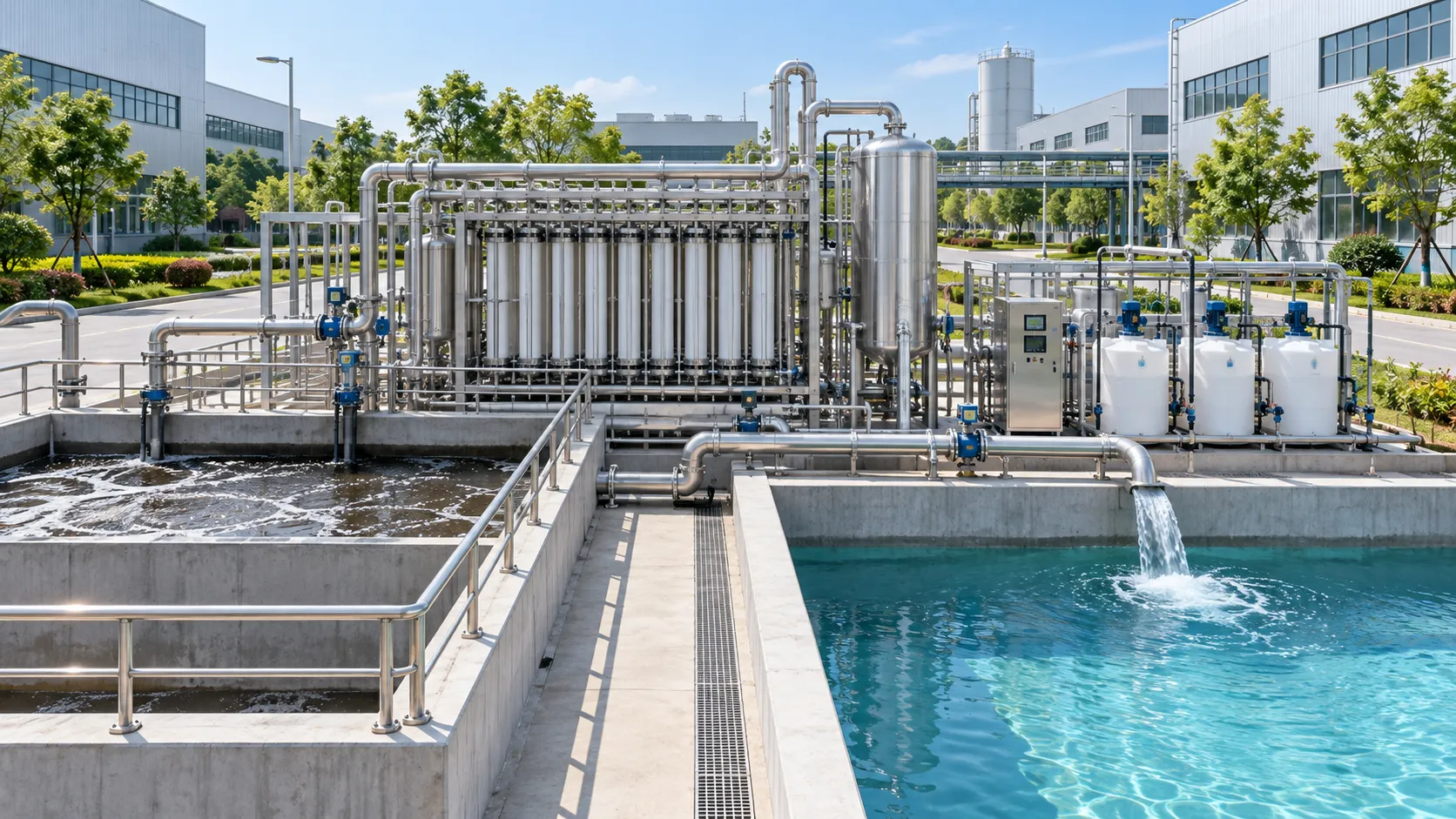
Comparing Upgrade Costs for Industrial Park Wastewater Treatment Systems
Compare costs for wastewater system upgrades in industrial parks with a lifecycle view of CAPEX, OPEX, compliance, resilience, and future expansion.
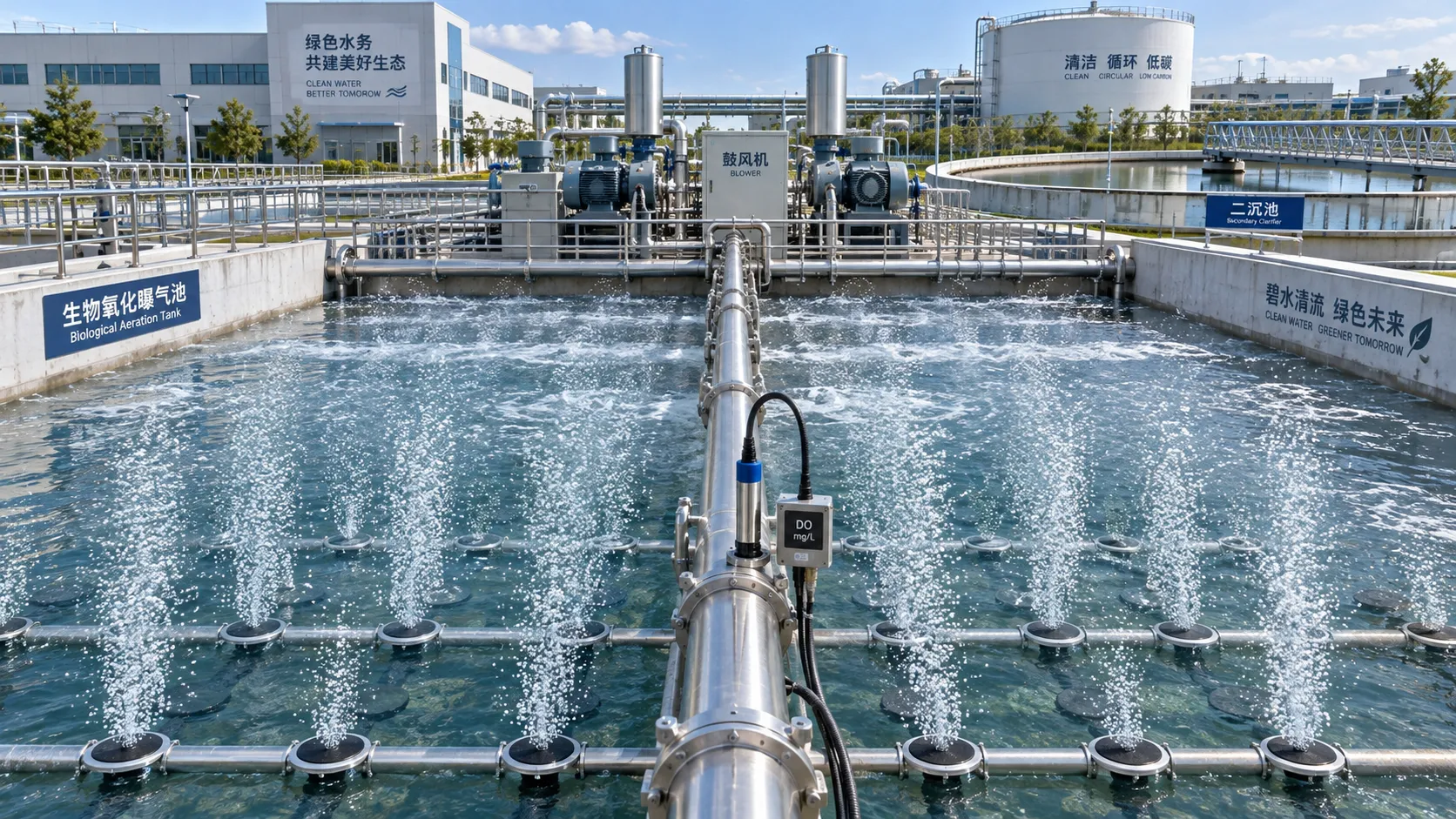
Biological Wastewater Oxidation Explained: Aeration Demand and Process Control
Biological wastewater oxidation explained: optimize aeration demand, DO control, nitrification, and sludge age for stable effluent quality and lower energy costs.
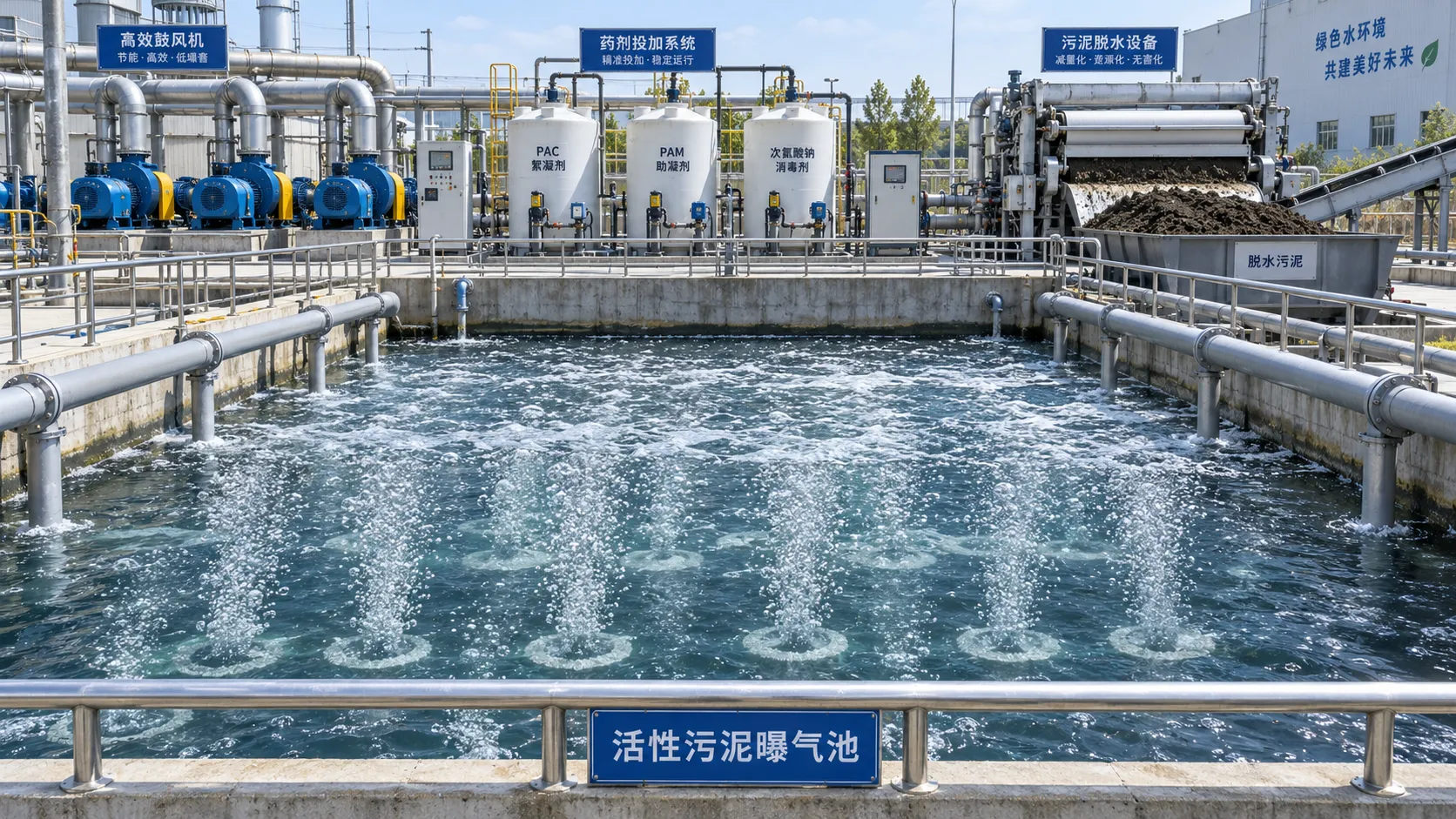
Activated Sludge Cost: Budgeting Energy, Chemicals, Sludge, and Labor
Activated sludge cost explained: compare energy, chemicals, sludge disposal, labor, and compliance risks to build a reliable lifecycle budget.
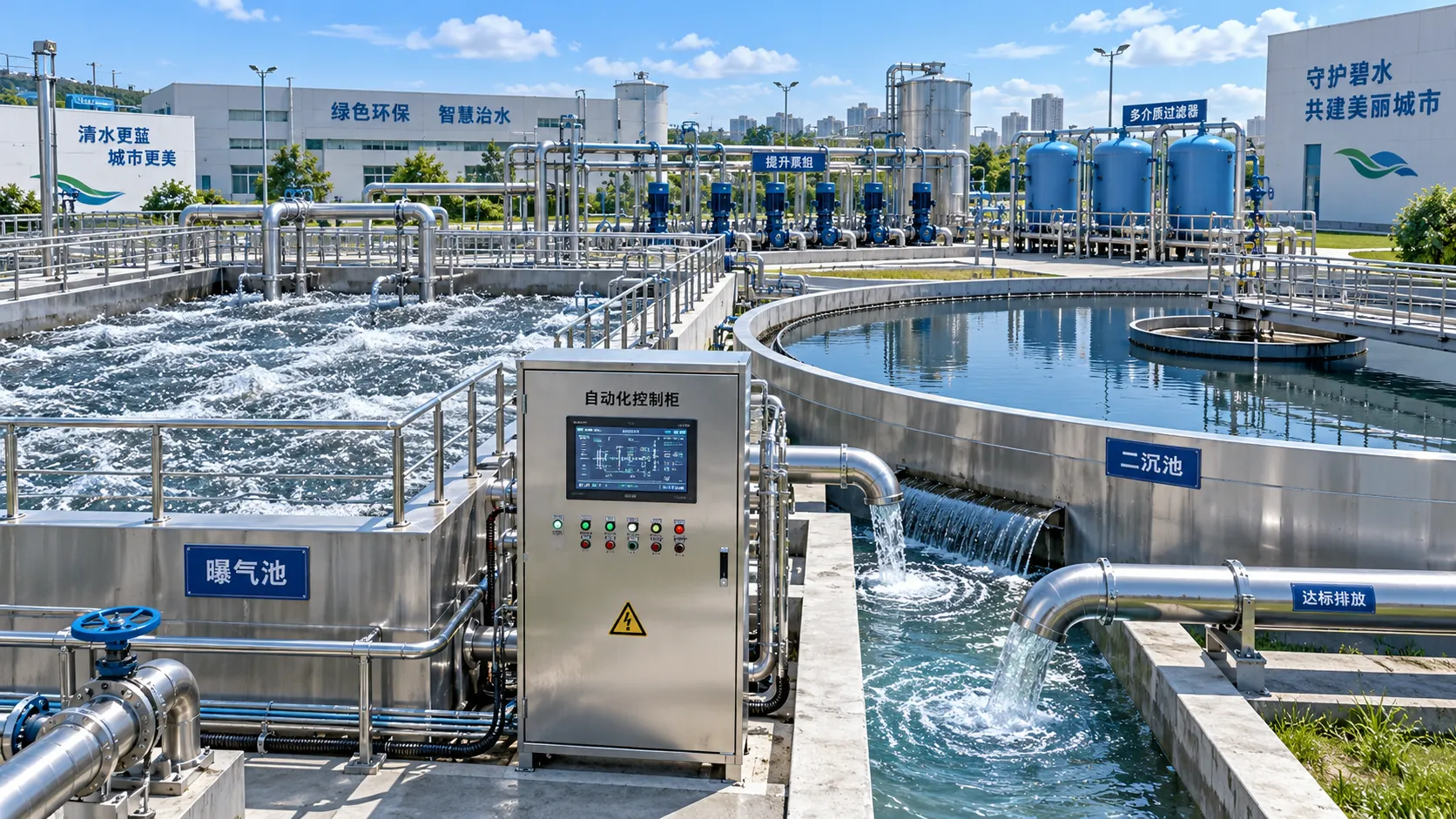
When Should Municipal Wastewater Plants Upgrade Treatment Capacity and Controls?
Municipal wastewater treatment upgrades: learn when capacity, controls, and resilient planning are needed to protect compliance and optimize plant performance.