
Industry News
Curation by industry experts
Hot Articles
Popular Tags
Global Environmental Governance: 2026 Shifts That May Reshape Projects
As global environmental governance enters a more volatile phase in 2026, project owners and industrial leaders face a new mix of compliance pressure, technology selection risk, and capital allocation challenges. From water treatment and waste recovery to desalination and nuclear waste control, the next regulatory shifts may redefine how major projects are approved, financed, and delivered across international markets.
Why global environmental governance in 2026 matters for project approval and investment timing
For enterprise decision-makers, global environmental governance is no longer a policy topic handled only by legal teams. It now shapes whether a project can secure permits, qualify for cross-border financing, pass environmental due diligence, and remain commercially viable through its full operating life.
In 2026, the pressure is expected to intensify across five linked areas: emissions accountability, water discharge limits, resource recovery requirements, supply chain transparency, and strategic scrutiny of high-risk waste streams. These shifts affect not just heavy industry, but also EPC firms, municipal authorities, infrastructure investors, and equipment suppliers.
For sectors followed closely by ESD, the implications are especially direct. A seawater desalination line may face higher energy and brine management scrutiny. A ZLD project may be judged on both compliance resilience and lifecycle energy intensity. A nuclear waste handling system may be assessed through a tighter lens of traceability, storage integrity, and public risk communication.
- Permitting risk is moving upstream, which means technology choices made during concept design can later determine whether a project stalls or advances.
- Financiers are asking for stronger environmental performance narratives, especially where carbon, water, hazardous residues, or transboundary obligations are involved.
- Procurement teams must compare not only capex and lead time, but also auditability, digital monitoring capability, and adaptability to tighter regulation.
What is actually changing beyond headline regulation?
The main shift in global environmental governance is not only stricter law. It is the convergence of environmental law, trade policy, industrial decarbonization, and disclosure expectations. That convergence creates practical consequences for specification writing, technology procurement, and contract structuring.
ESD’s intelligence value lies in reading these changes as an engineering and investment problem, not merely a news event. Decision quality improves when regulatory evolution is translated into process parameters, equipment reliability criteria, and project bankability indicators.
Which 2026 shifts in global environmental governance are most likely to reshape major projects?
The table below highlights the most relevant 2026 shift signals in global environmental governance for capital-intensive environmental and industrial projects. These are not abstract trends; they influence design basis, contract risk allocation, and long-term operating cost.
The key message is simple: projects are being judged less by installed nameplate capacity alone and more by their compliance durability. In global environmental governance, resilience to regulatory change is becoming a commercial asset.
How this affects ESD core sectors
- Large water treatment plants must balance discharge quality, chemical consumption, sludge handling, and digital audit readiness.
- Solid waste recovery systems are under pressure to prove material recovery efficiency, residue control, and downstream market legitimacy.
- Flue gas treatment systems need stronger evidence on low-load performance, catalyst life, and multi-pollutant adaptation.
- Heavy seawater desalination projects must address the combined challenge of energy intensity, marine discharge compliance, and water security value.
- Nuclear waste management requires conservative design logic, stable immobilization routes, and transparent control of containment risks.
Where decision-makers feel the pressure first: practical project scenarios
Scenario 1: Industrial wastewater and ZLD expansion
A manufacturer expanding production in a water-stressed region may find that conventional wastewater treatment is no longer enough. Under evolving global environmental governance, approval authorities increasingly ask whether the plant can reduce freshwater intake, recover valuable salts, and manage concentrate without hidden environmental transfer.
That means procurement must move beyond single-equipment comparison. The real question becomes whether pretreatment, membrane selection, evaporation load, corrosion resistance, automation, and residue handling work as one coherent compliance system.
Scenario 2: Municipal and industrial solid waste recovery
Cities and industrial parks are facing stronger demands to divert waste from landfill and prove higher recycling performance. A sorting line with attractive throughput numbers may still underperform if contamination levels remain high or downstream buyers reject output quality.
Here, global environmental governance intersects with circular economy rules. Decision-makers should examine feedstock stability, residue fraction, energy consumption, product purity, and the contractual strength of recovered-material offtake channels.
Scenario 3: Desalination under dual pressure from water security and carbon accountability
Desalination remains indispensable in many coastal regions, yet it is increasingly evaluated through a dual lens: strategic necessity and environmental intensity. Permitting can become more complex when marine ecosystems, intake design, and brine dispersion are under closer review.
For such projects, ESD’s sector intelligence is valuable because membrane evolution, energy recovery performance, pretreatment strategy, and discharge design should be assessed together rather than in isolation.
How to compare technology paths under stricter global environmental governance
When governance pressure rises, procurement errors become more expensive. The following comparison framework helps decision-makers evaluate solution paths not only on initial cost, but on regulatory endurance and operating flexibility.
The higher-resilience path does not always mean the highest capex. In many cases, it reduces redesign, permit delay, retrofit cost, and lost operating days. Under global environmental governance, that difference can define project economics more than the initial purchase price.
A practical selection checklist
- Confirm whether local compliance rules are likely to tighten during construction or within the first five operating years.
- Check whether the process design can absorb feed variability without losing permit performance.
- Ask vendors for evidence on monitoring architecture, not only core equipment output.
- Review consumables, residues, and maintenance burden because compliance cost often hides in operations.
- Evaluate whether the solution supports environmental disclosure, audit trails, and cross-border reporting needs.
Which standards and compliance signals should procurement teams watch?
Global environmental governance increasingly works through layered compliance. A project may need to satisfy local discharge permits, industry-specific technical codes, lender requirements, carbon reporting expectations, and buyer-side supply chain reviews at the same time.
For that reason, procurement teams should not treat standards as a final documentation step. They should be integrated into technical definition, bid evaluation, and FAT or SAT planning. This is especially important in water treatment, flue gas systems, and hazardous waste infrastructure where a performance gap can quickly become a regulatory exposure.
- Look for alignment with applicable environmental permits, safety codes, discharge norms, and monitoring rules in the target market.
- Check whether suppliers can support documentation for emissions, water quality, material traceability, and operating records.
- Where cross-border trade matters, assess how CBAM-related and carbon-accounting expectations may influence equipment strategy.
Why ESD’s intelligence model is relevant here
ESD bridges technical depth and compliance interpretation. That matters because a regulation update only becomes useful when translated into questions such as: Should a desalination plant increase pretreatment robustness? Should a waste recovery line change output specification? Should a flue gas system prepare for lower temperature catalyst performance constraints?
This “stitching” of regulation, process science, and commercial consequence helps decision-makers avoid fragmented judgment. It supports better timing, sharper vendor comparisons, and more defendable capital allocation decisions.
Common mistakes companies make when reading global environmental governance trends
Mistake 1: Treating regulation as a downstream legal issue
By the time legal review starts, core technical choices may already be fixed. In complex environmental projects, compliance risk often starts in pretreatment assumptions, materials selection, monitoring architecture, or residue disposal routes.
Mistake 2: Buying for current limits only
A cheaper system sized only for today’s standards may create a far higher lifecycle burden if 2026 or 2027 rules tighten. Retrofits, downtime, and reputational exposure can outweigh the initial savings.
Mistake 3: Evaluating equipment without system logic
In wastewater, desalination, and waste recovery projects, one strong component cannot compensate for weak system integration. Decision-makers should assess process continuity, controls, utilities, maintenance support, and residue management together.
FAQ: what enterprise leaders ask about global environmental governance
How should we prioritize projects if regulations are still evolving?
Prioritize projects where regulatory tightening could disrupt production, export access, or financing. Then rank investment options by compliance criticality, retrofit complexity, and strategic payback. For many companies, wastewater reuse, flue gas optimization, and waste recovery traceability are earlier priorities than purely cosmetic upgrades.
What procurement data should we request from suppliers in 2026?
Request performance ranges under variable feed or load, monitoring and control architecture, consumables profile, maintenance intervals, residue characteristics, material compatibility, and evidence of compliance documentation support. Under global environmental governance, static nameplate numbers are not enough.
Is the lowest capex option ever the right choice?
Yes, but only when compliance stability is high, operating conditions are predictable, and upgrade pathways remain open. If the regulatory environment is tightening or uncertain, the lowest capex option often carries the highest hidden risk.
Which sectors are most exposed to global environmental governance changes?
Water-intensive industry, waste management, emissions-heavy manufacturing, desalination infrastructure, and nuclear-related waste systems are among the most exposed. These sectors face simultaneous pressure from environmental permits, public scrutiny, trade rules, and disclosure demands.
Why many firms turn to specialized intelligence before locking specifications
The challenge is not a lack of information. It is the fragmentation of information across policy updates, engineering constraints, supplier claims, and market timing. That fragmentation creates expensive blind spots in global environmental governance planning.
ESD supports a more disciplined decision process by connecting frontier technical knowledge with regulatory interpretation and market insight. For enterprise leaders evaluating large water treatment plants, solid waste recovery systems, flue gas treatment, heavy seawater desalination, or nuclear waste management pathways, this integrated view can sharpen both strategy and procurement.
Why choose us for 2026 project intelligence and next-step consultation
If your team is reviewing how global environmental governance may affect project feasibility, ESD can help translate complex sector signals into actionable equipment and investment decisions. Our focus is not generic commentary. It is decision support built around environmental engineering realities.
You can consult us on specific issues such as parameter confirmation for wastewater or desalination systems, technology route comparison for waste recovery projects, likely delivery-cycle constraints for complex environmental equipment, compliance and certification checkpoints for cross-border bids, and tailored intelligence for tender preparation in large public or industrial projects.
- Discuss process parameters that may change under stricter discharge or emissions rules.
- Compare product selection paths for SWRO, ZLD, flue gas cleanup, AI sorting, or immobilization-related systems.
- Review delivery schedules, risk points, and specification gaps before formal procurement starts.
- Clarify documentation needs related to certification, reporting, and international bidding requirements.
- Request solution-oriented discussions on customization, quotation logic, and project-specific compliance priorities.
For decision-makers facing uncertain 2026 conditions, earlier intelligence often creates the greatest advantage. The more precisely you understand global environmental governance now, the more confidently you can choose technologies, structure budgets, and defend project timing later.
Recommended News
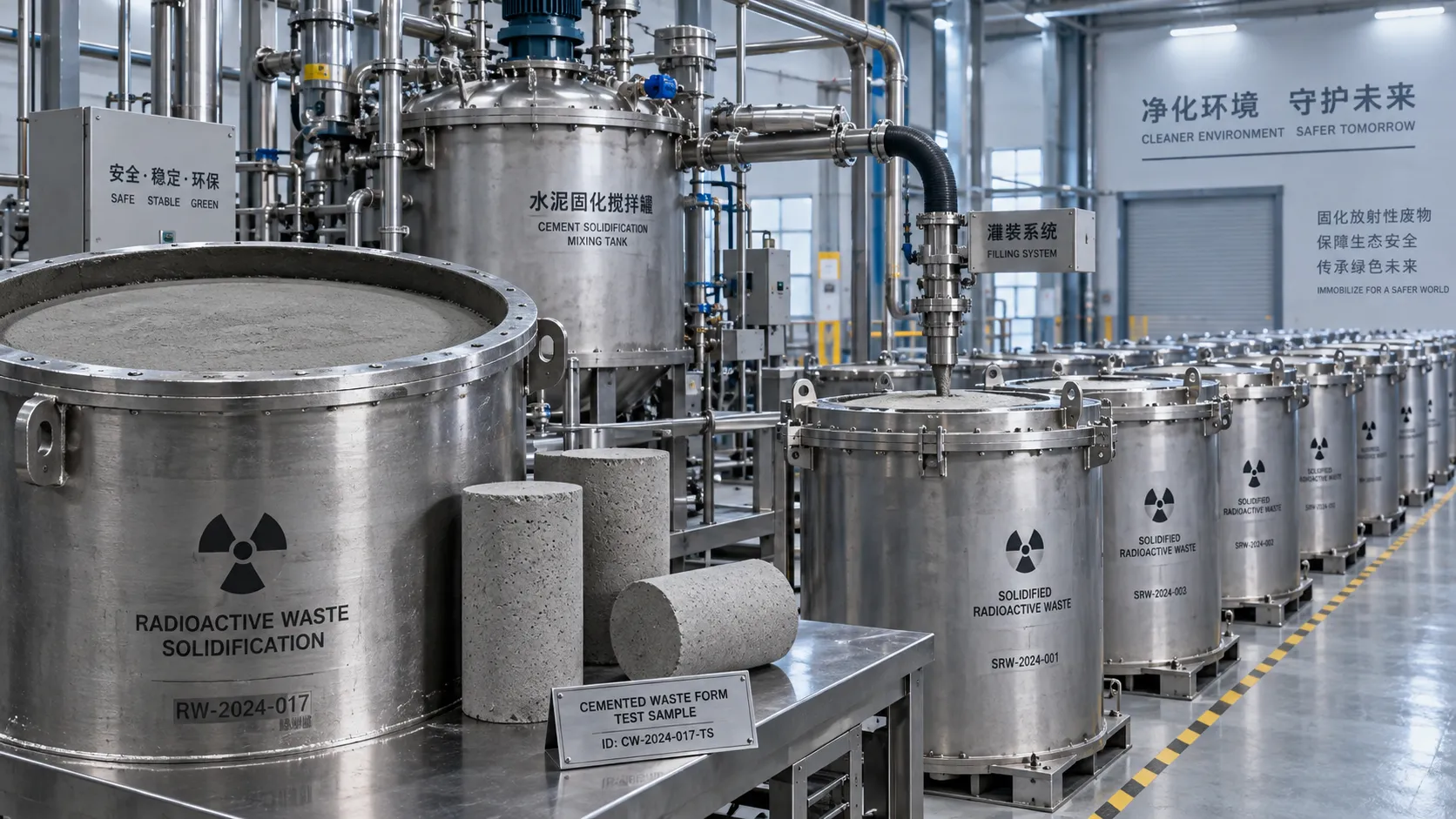
When is cementation suitable for nuclear decommissioning waste?
Explore nuclear waste treatment technology for decommissioning: learn when cementation fits, which risks to assess, and how disposal criteria guide an effective treatment choice.
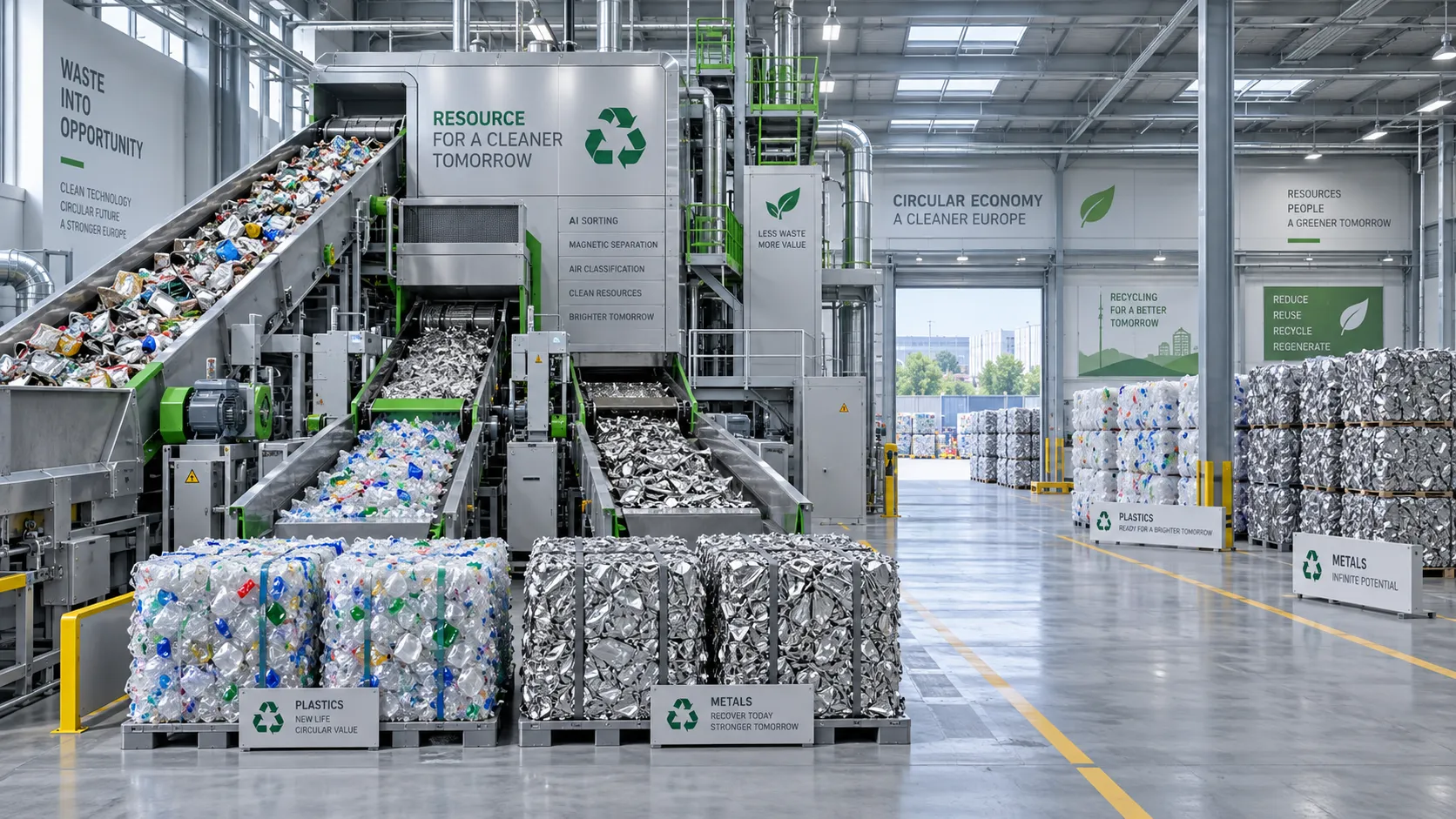
What determines payback for waste-to-resource systems in Europe?
Assess waste-to-resource systems Europe-wide: compare feedstock, recovery yields, costs and contracts to uncover payback drivers and make smarter investment decisions.
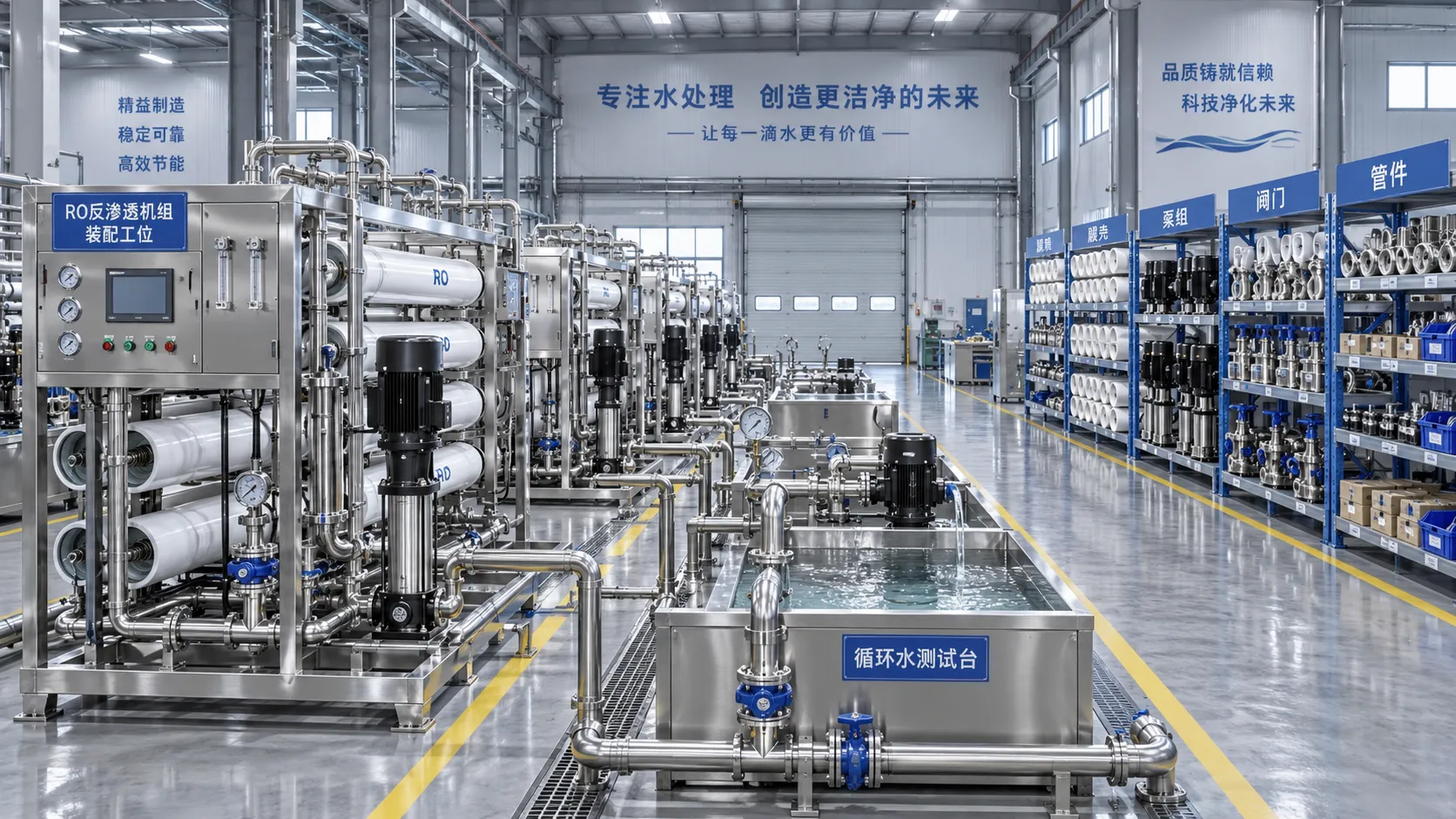
How to verify a water treatment system factory’s production capacity
Verify a water treatment systems factory’s production capacity through records, bottlenecks, component availability, and testing. Learn what to check before accepting a delivery promise.
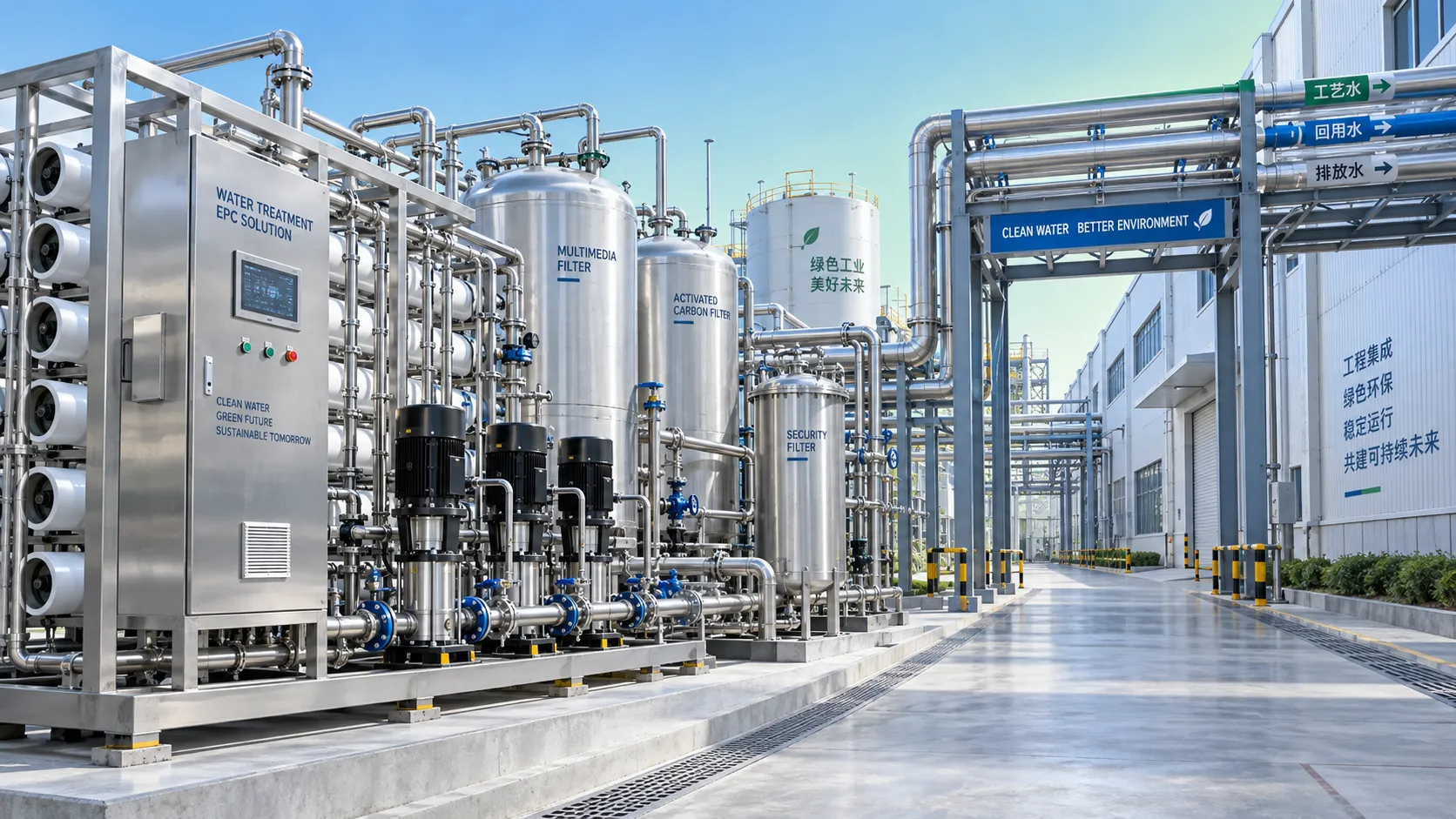
When does EPC environmental project support reduce delivery risk?
EPC environmental project support engineering reduces delivery risk by aligning design, procurement, compliance, construction, and commissioning decisions.
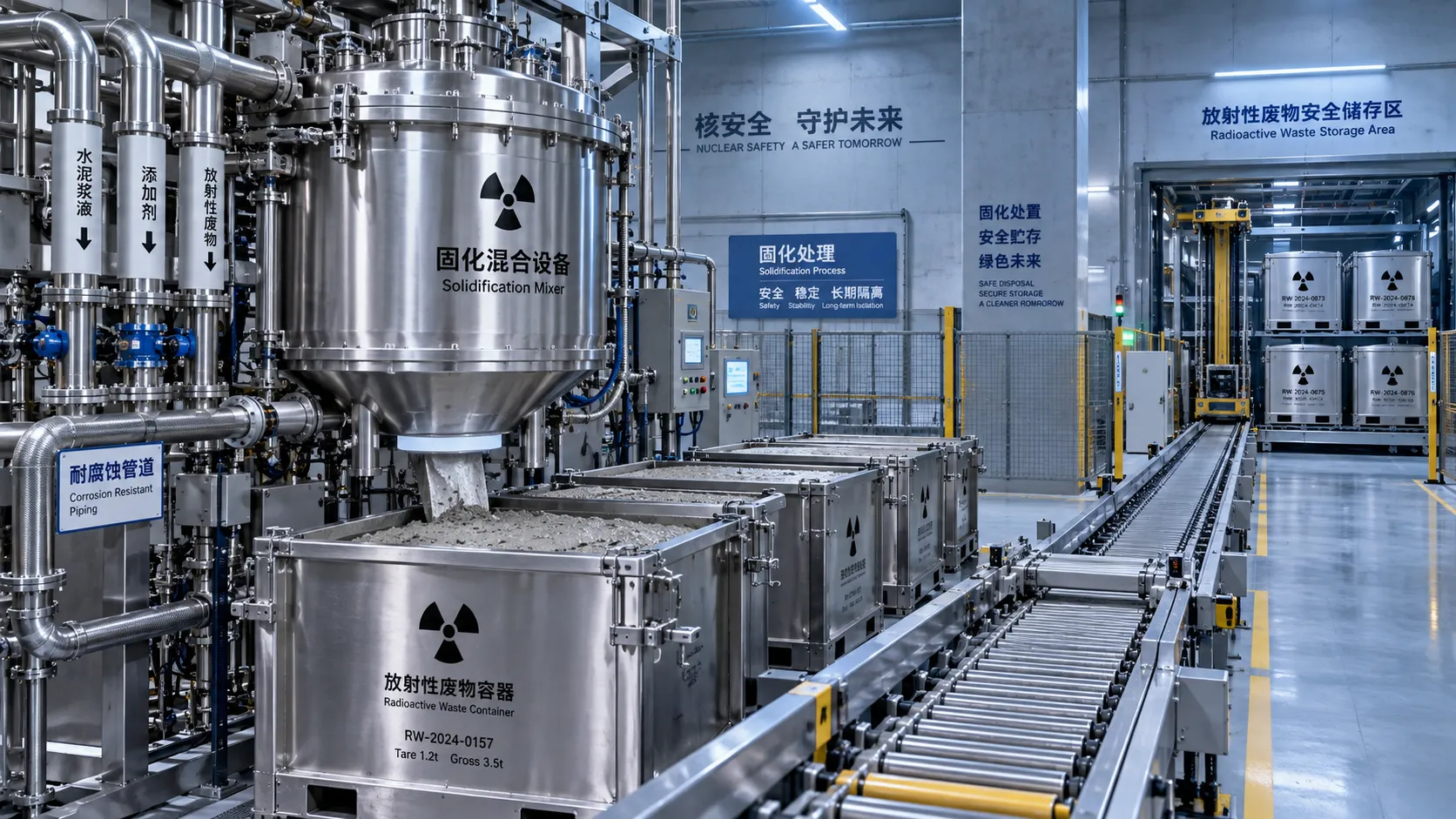
How nuclear plants select a radioactive waste solidification method
Radioactive waste management for nuclear plants: compare vitrification, cementation, polymers, and ceramics to select a compliant, durable solidification solution.
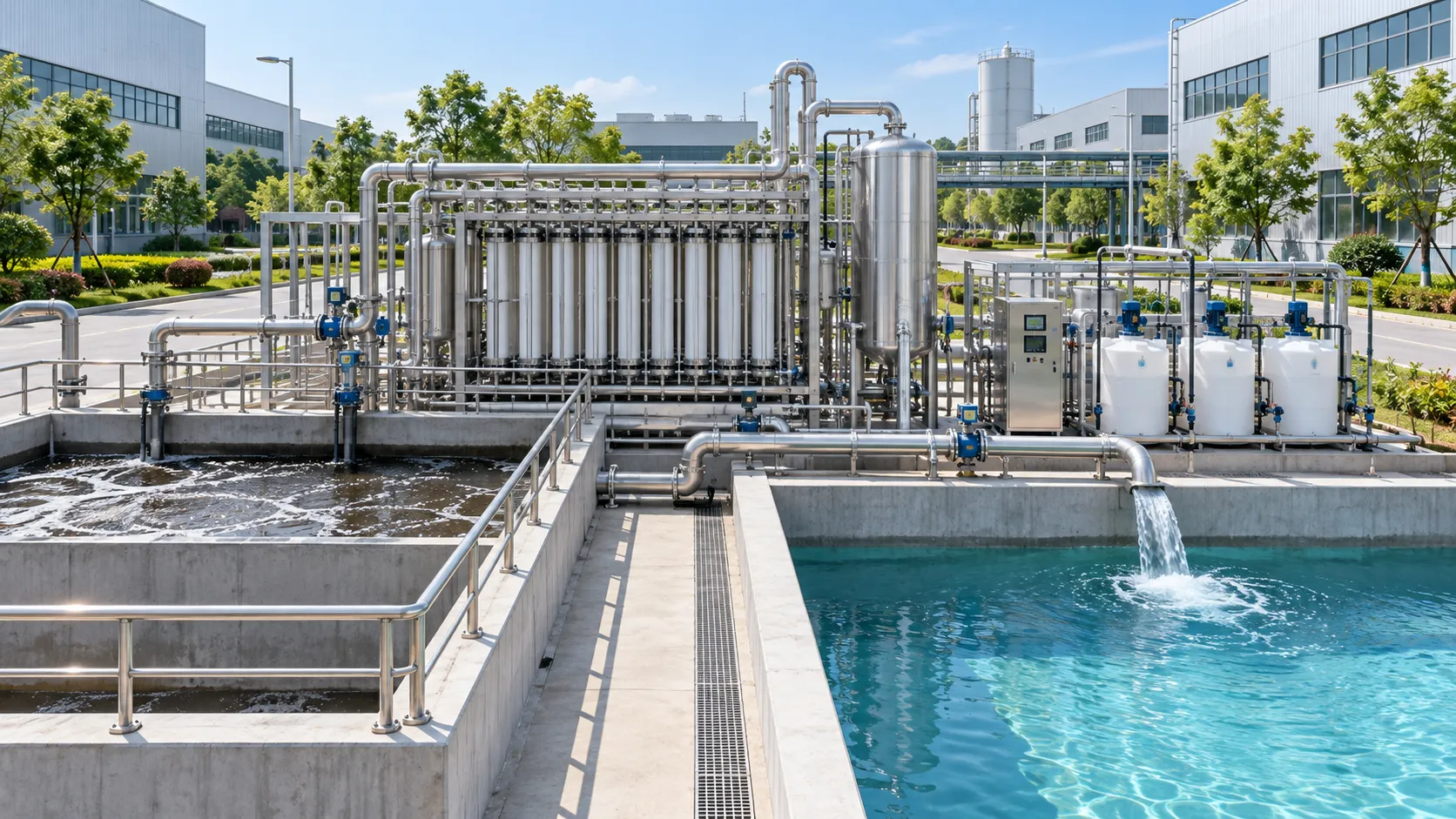
Comparing Upgrade Costs for Industrial Park Wastewater Treatment Systems
Compare costs for wastewater system upgrades in industrial parks with a lifecycle view of CAPEX, OPEX, compliance, resilience, and future expansion.
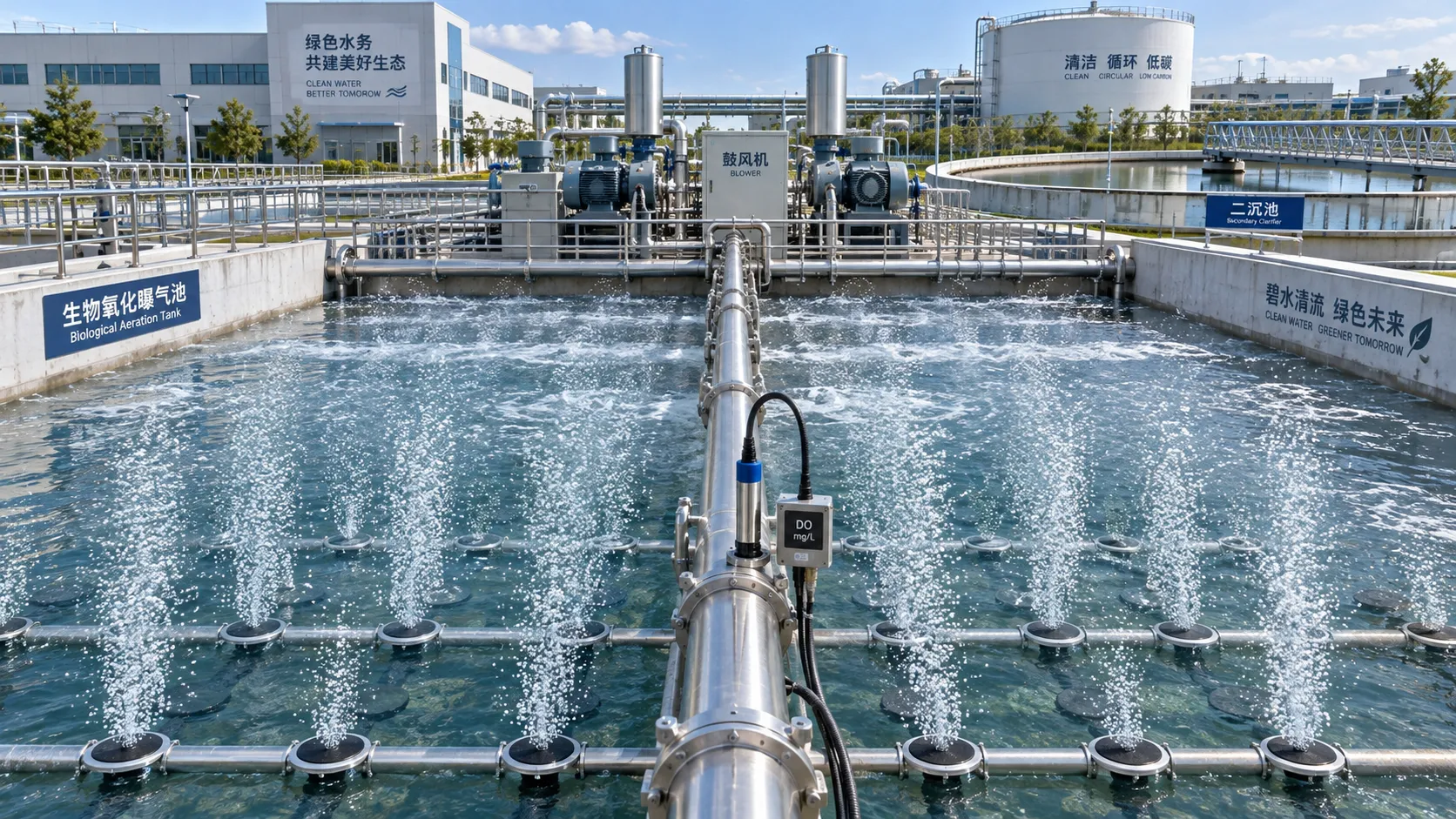
Biological Wastewater Oxidation Explained: Aeration Demand and Process Control
Biological wastewater oxidation explained: optimize aeration demand, DO control, nitrification, and sludge age for stable effluent quality and lower energy costs.
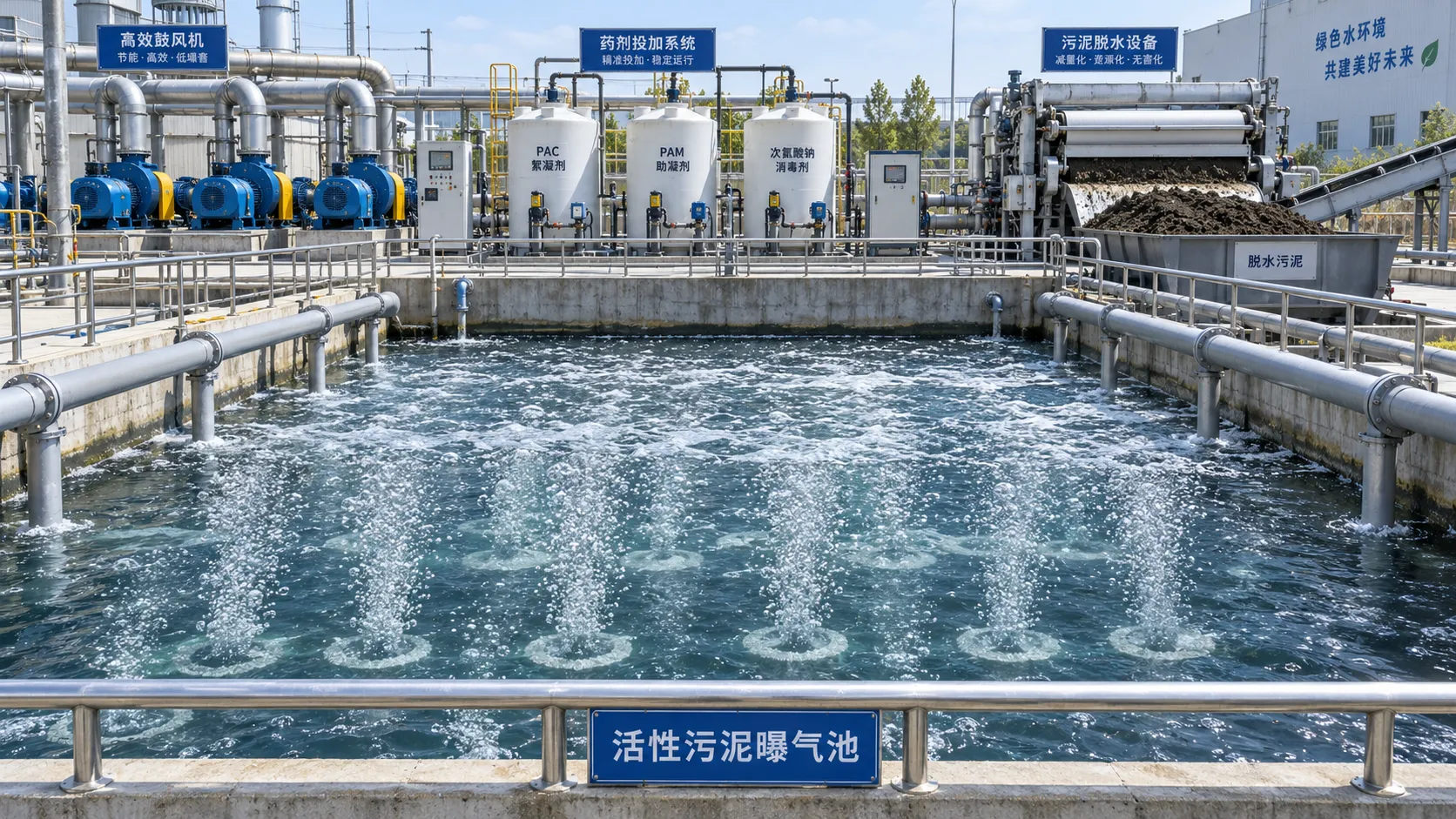
Activated Sludge Cost: Budgeting Energy, Chemicals, Sludge, and Labor
Activated sludge cost explained: compare energy, chemicals, sludge disposal, labor, and compliance risks to build a reliable lifecycle budget.
When Should Municipal Wastewater Plants Upgrade Treatment Capacity and Controls?
Municipal wastewater treatment upgrades: learn when capacity, controls, and resilient planning are needed to protect compliance and optimize plant performance.