
Industry News
Curation by industry experts
Hot Articles
Popular Tags
Ecological Immune System: A Practical Lens for 2026 Risk Planning
For quality control and safety leaders, the ecological immune system offers a practical way to connect compliance, operational resilience, and emerging environmental risk. As 2026 planning accelerates, this lens helps teams detect weak points earlier, align high-stakes equipment decisions with stricter global standards, and build more reliable protection across water treatment, waste recovery, desalination, and nuclear waste management.
Rather than treating environmental protection as a reporting task, the ecological immune system frames operations as a living defense network. Sensors, treatment units, recovery loops, emission controls, and safety barriers act like organs, signals, and responses.
This perspective is especially useful in complex industrial environments. It helps connect physicochemical performance, regulatory exposure, asset reliability, and commercial continuity into one planning model for 2026.
Why the ecological immune system matters in 2026 planning
Environmental risk is no longer isolated inside one plant boundary. It now moves through supply chains, carbon accounting, discharge permits, energy costs, and public trust.
The ecological immune system helps teams judge where a failure starts, how fast it spreads, and which barrier should respond first. This matters when one upset can trigger fines, downtime, or contract loss.
In 2026, the pressure points are clear. Water scarcity is tightening discharge rules. Circular economy targets are changing waste definitions. Cross-border compliance is affecting equipment choices. Reliability standards are rising in sensitive sectors.
Using the ecological immune system as a planning lens supports three goals:
- Identify hidden operational weak points before incidents expand.
- Match equipment investment with actual scenario-specific risk.
- Build layered protection that satisfies both production and compliance needs.
How to judge risk by scenario, not by isolated equipment
The ecological immune system becomes practical when risk is mapped by scenario. A membrane, scrubber, sorter, or vitrification line does not fail in isolation. It fails inside a chain of triggers.
Scenario judgment starts with three questions. What disturbance is most likely? Which barrier is most exposed? How quickly can the system recover without external escalation?
Scenario 1: High-concentration wastewater under stricter discharge control
In large water treatment plants, the ecological immune system is tested by load fluctuation, membrane fouling, brine concentration, and reagent instability. A small imbalance can quickly affect ZLD performance.
The key judgment point is not only treatment efficiency. It is whether monitoring, pretreatment, separation, and final polishing can respond together before permit exceedance occurs.
Scenario 2: Waste recovery lines facing unstable feedstock quality
In solid waste recovery systems, incoming materials often shift faster than design assumptions. Moisture, contamination, mixed polymers, and hazardous fractions reduce sorting accuracy and recovery value.
Here, the ecological immune system depends on early detection and flexible routing. AI sorting, pyrolysis preparation, and residue handling must work as one adaptive defense loop.
Scenario 3: Flue gas systems under lower-temperature operating windows
Heavy industrial plants increasingly run under variable loads. This creates difficult conditions for SCR catalysts, desulfurization units, and particulate control systems.
The ecological immune system lens highlights response speed. Can emission control maintain capture performance when temperature drops, sulfur chemistry shifts, or startup cycles increase?
Scenario 4: Seawater desalination exposed to energy and membrane stress
Heavy seawater desalination is a strategic answer to water scarcity, yet it carries high energy intensity and membrane vulnerability. Biofouling, salinity spikes, and pretreatment instability drive cost and reliability risk.
Within the ecological immune system, the critical issue is balance. SWRO performance, energy recovery, intake quality, and brine management must reinforce one another, not compete.
Scenario 5: Nuclear waste management where failure tolerance is near zero
Nuclear waste management represents the highest-stakes version of the ecological immune system. Every containment barrier, vitrification step, storage condition, and monitoring layer must remain stable over time.
The main judgment point is not daily throughput. It is long-term integrity under strict safety, traceability, and regulatory verification requirements.
Different scenarios create different ecological immune system priorities
A useful 2026 plan compares scenarios side by side. The ecological immune system does not assign the same defense logic to every facility.
Practical ways to adapt the ecological immune system to each scenario
Strong planning translates the ecological immune system into concrete actions. The best next step depends on the exposure profile of each facility.
- Map barrier layers from early sensing to final containment.
- Rank failure modes by spread speed, not only by severity.
- Link compliance indicators with equipment health indicators.
- Stress-test upset scenarios using real operating variability.
- Review whether backup systems truly isolate cascading failures.
For intelligence-led organizations, this is where strategic monitoring becomes critical. Regulation shifts, CBAM implications, membrane evolution, catalyst kinetics, and vitrification stability should inform capital timing.
That is why platforms like ESD matter. They connect environmental engineering detail with commercial and compliance intelligence, strengthening the ecological immune system beyond the plant floor.
Common mistakes when using the ecological immune system lens
Many 2026 plans mention resilience but miss the operational logic behind it. Several errors appear repeatedly across sectors.
- Treating compliance as an endpoint instead of a live response system.
- Overinvesting in one unit while leaving upstream signals weak.
- Ignoring changing feed conditions until performance drops sharply.
- Assuming design specifications reflect real operating stress.
- Separating safety data, process data, and environmental data.
The ecological immune system works only when detection, interpretation, and response are linked. Fragmented management creates blind spots, especially in high-consequence infrastructure.
A practical next step for 2026 ecological immune system planning
Start with one scenario review, not a full transformation program. Choose the area where a disturbance would spread fastest across compliance, cost, and continuity.
Then build a short decision sheet covering five items: trigger, weakest barrier, detection delay, recovery path, and investment option. This makes the ecological immune system measurable and actionable.
For 2026, the most resilient organizations will not be those with the most equipment. They will be those that understand how their ecological immune system behaves under stress, and improve it before failure becomes visible.
If planning now includes scenario-based intelligence, cross-disciplinary equipment insight, and stricter compliance interpretation, the ecological immune system becomes more than a concept. It becomes a practical operating advantage.
Recommended News
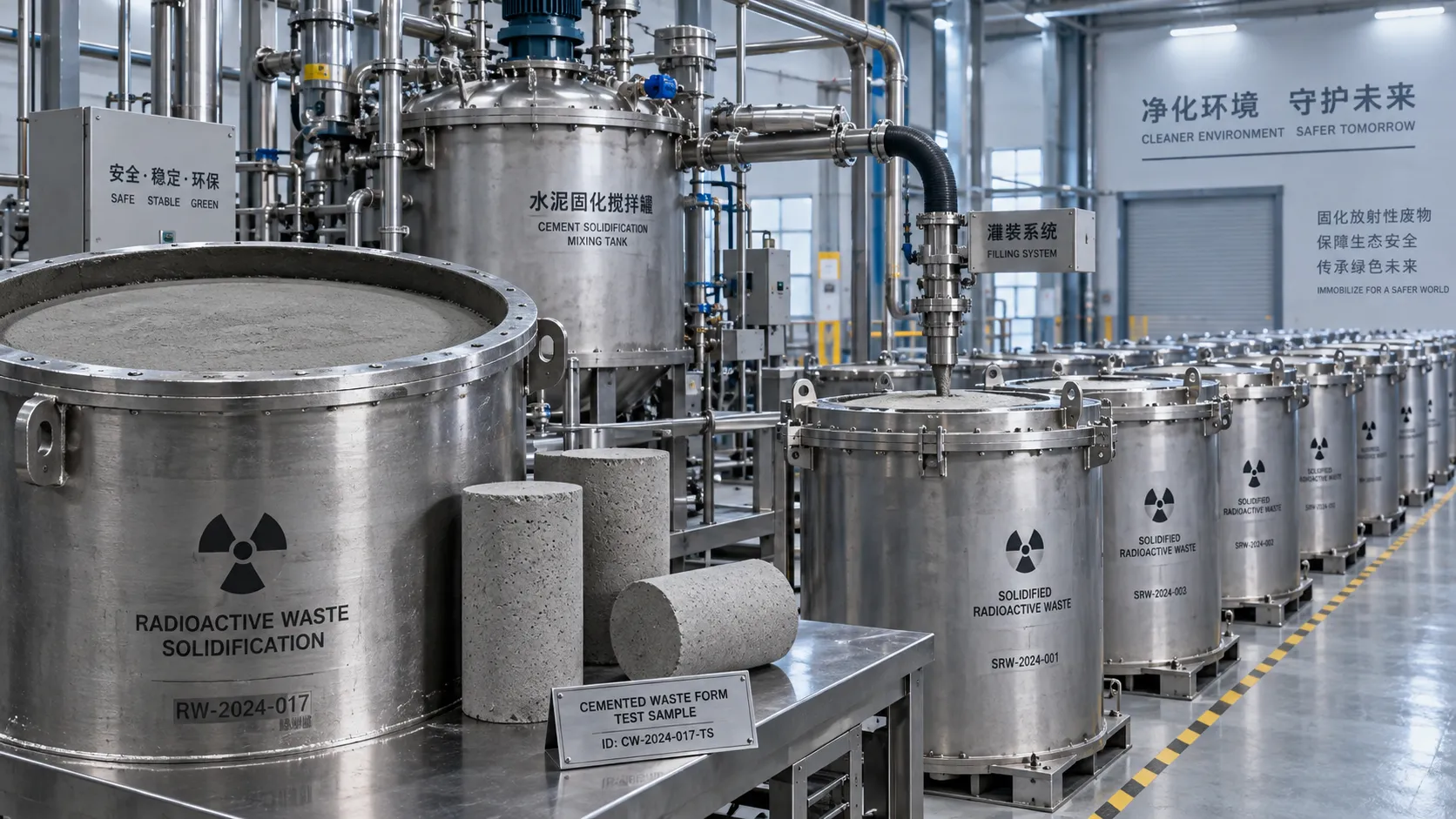
When is cementation suitable for nuclear decommissioning waste?
Explore nuclear waste treatment technology for decommissioning: learn when cementation fits, which risks to assess, and how disposal criteria guide an effective treatment choice.
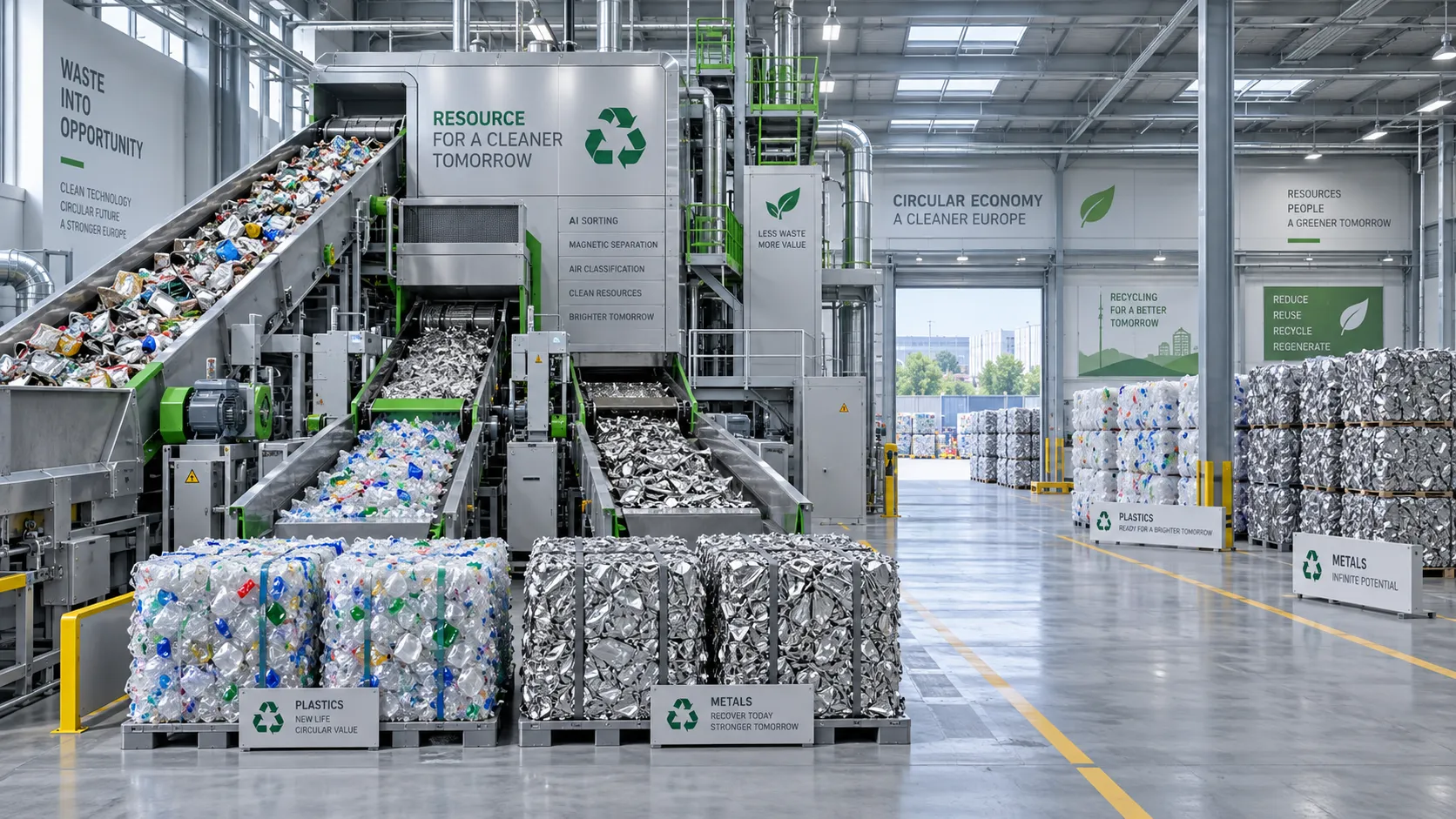
What determines payback for waste-to-resource systems in Europe?
Assess waste-to-resource systems Europe-wide: compare feedstock, recovery yields, costs and contracts to uncover payback drivers and make smarter investment decisions.
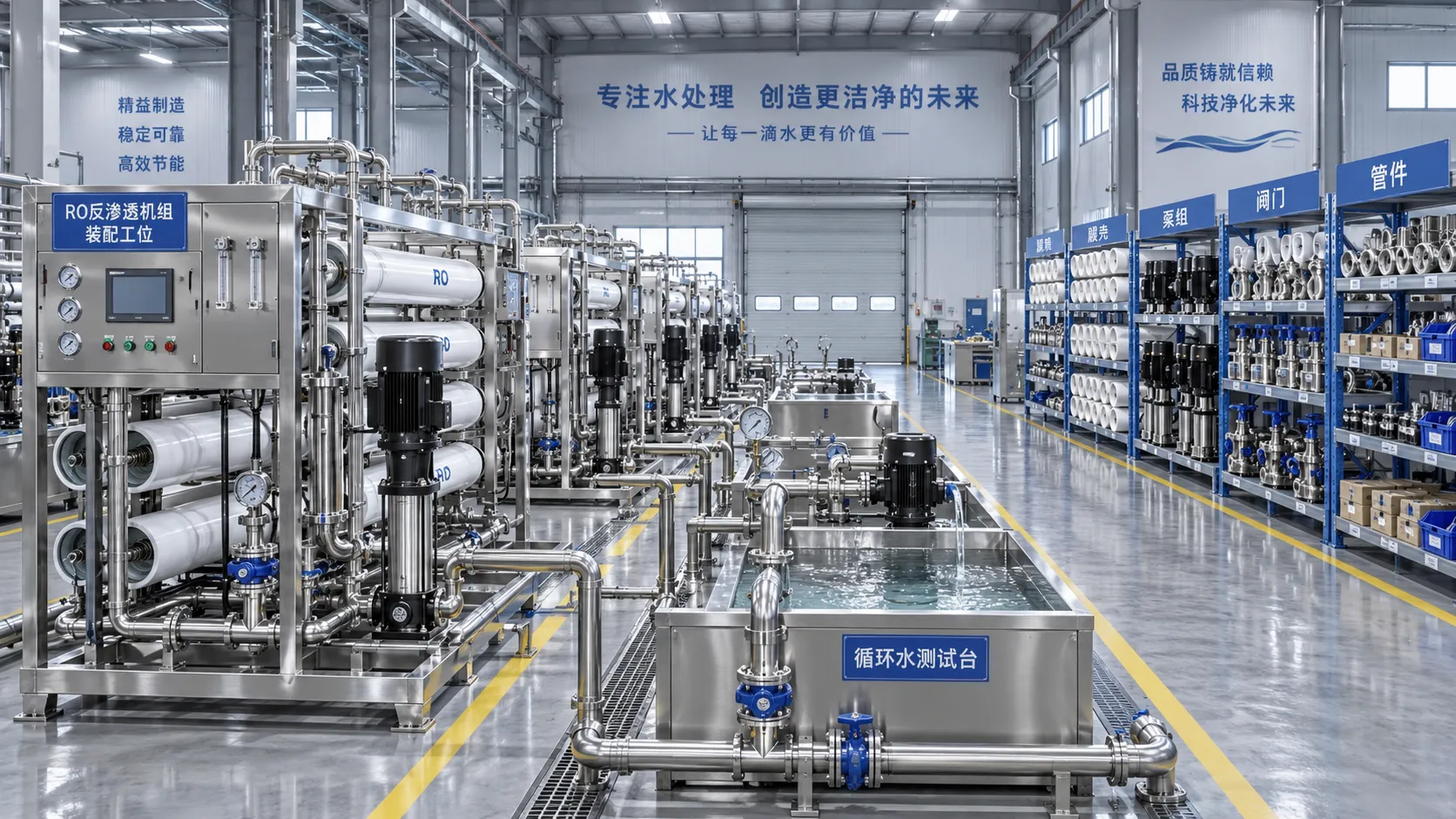
How to verify a water treatment system factory’s production capacity
Verify a water treatment systems factory’s production capacity through records, bottlenecks, component availability, and testing. Learn what to check before accepting a delivery promise.
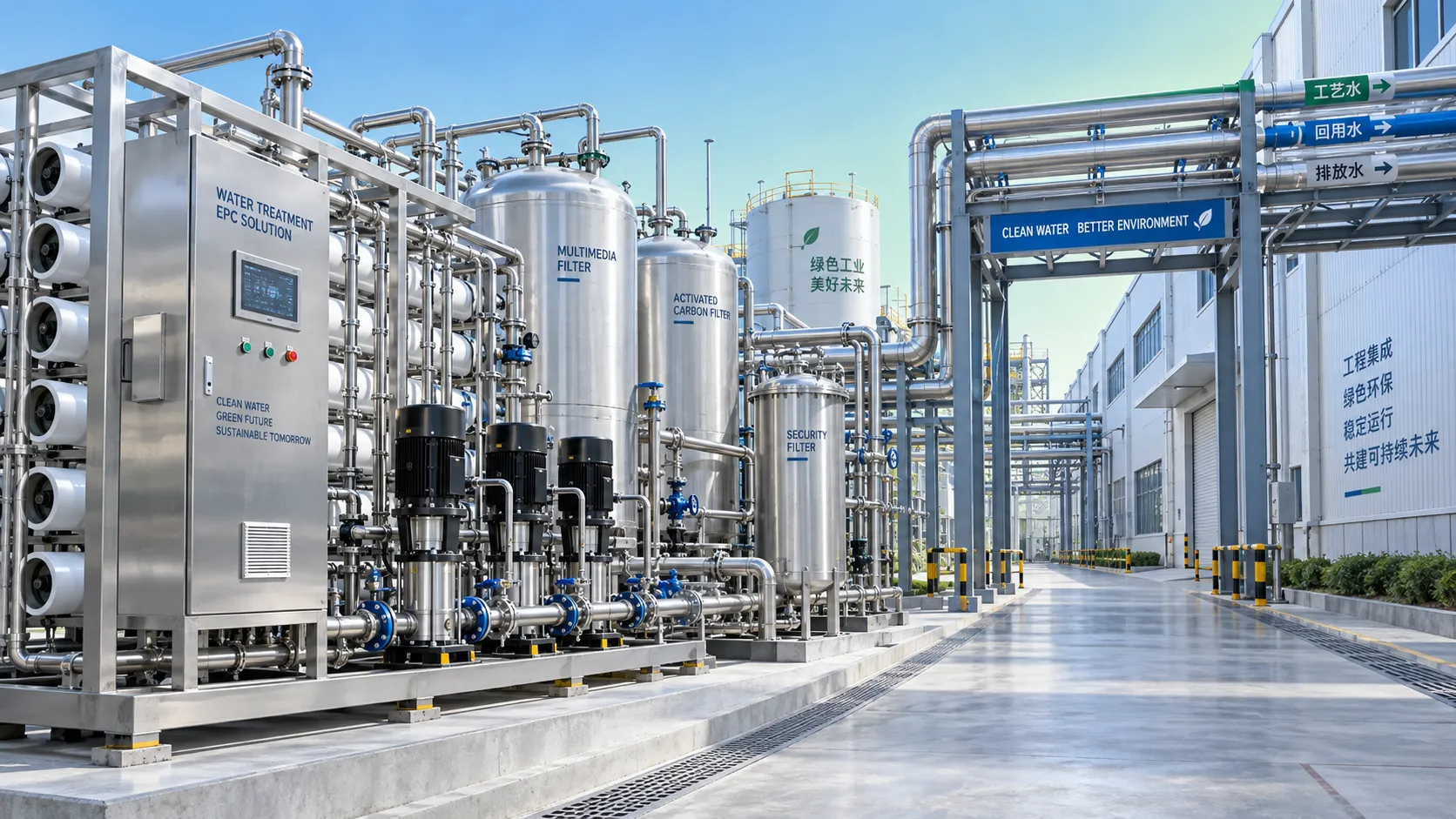
When does EPC environmental project support reduce delivery risk?
EPC environmental project support engineering reduces delivery risk by aligning design, procurement, compliance, construction, and commissioning decisions.
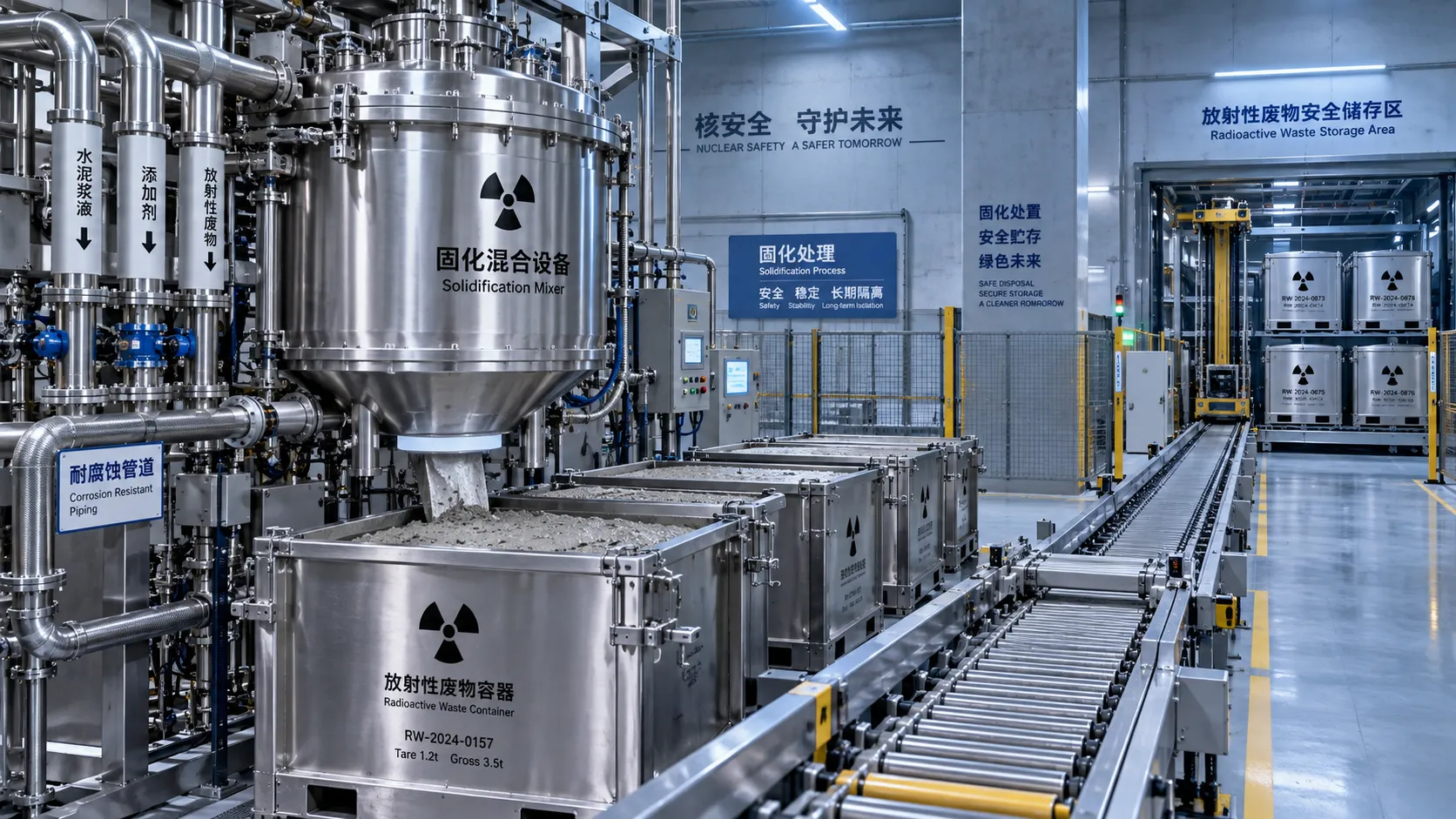
How nuclear plants select a radioactive waste solidification method
Radioactive waste management for nuclear plants: compare vitrification, cementation, polymers, and ceramics to select a compliant, durable solidification solution.
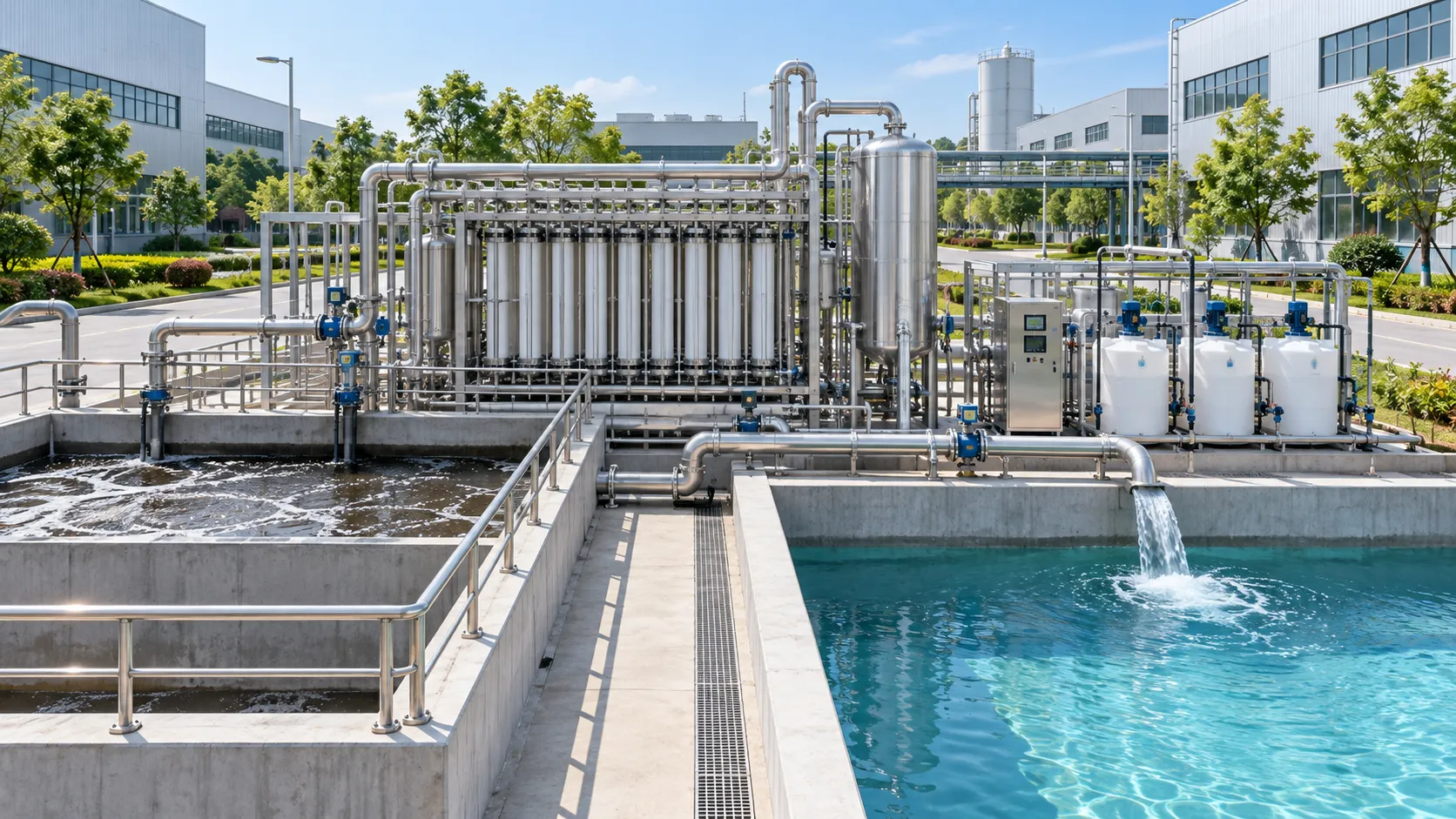
Comparing Upgrade Costs for Industrial Park Wastewater Treatment Systems
Compare costs for wastewater system upgrades in industrial parks with a lifecycle view of CAPEX, OPEX, compliance, resilience, and future expansion.
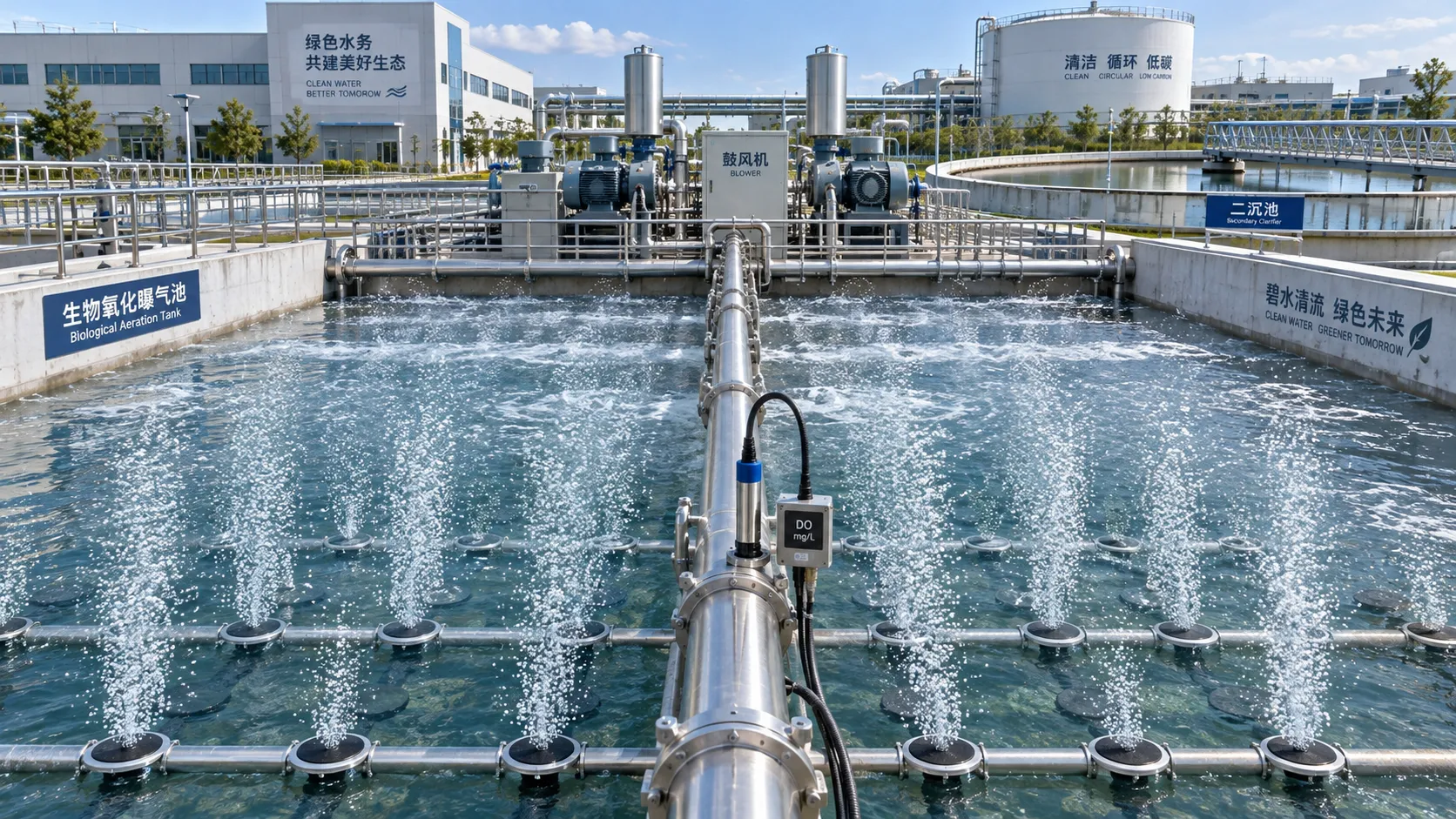
Biological Wastewater Oxidation Explained: Aeration Demand and Process Control
Biological wastewater oxidation explained: optimize aeration demand, DO control, nitrification, and sludge age for stable effluent quality and lower energy costs.
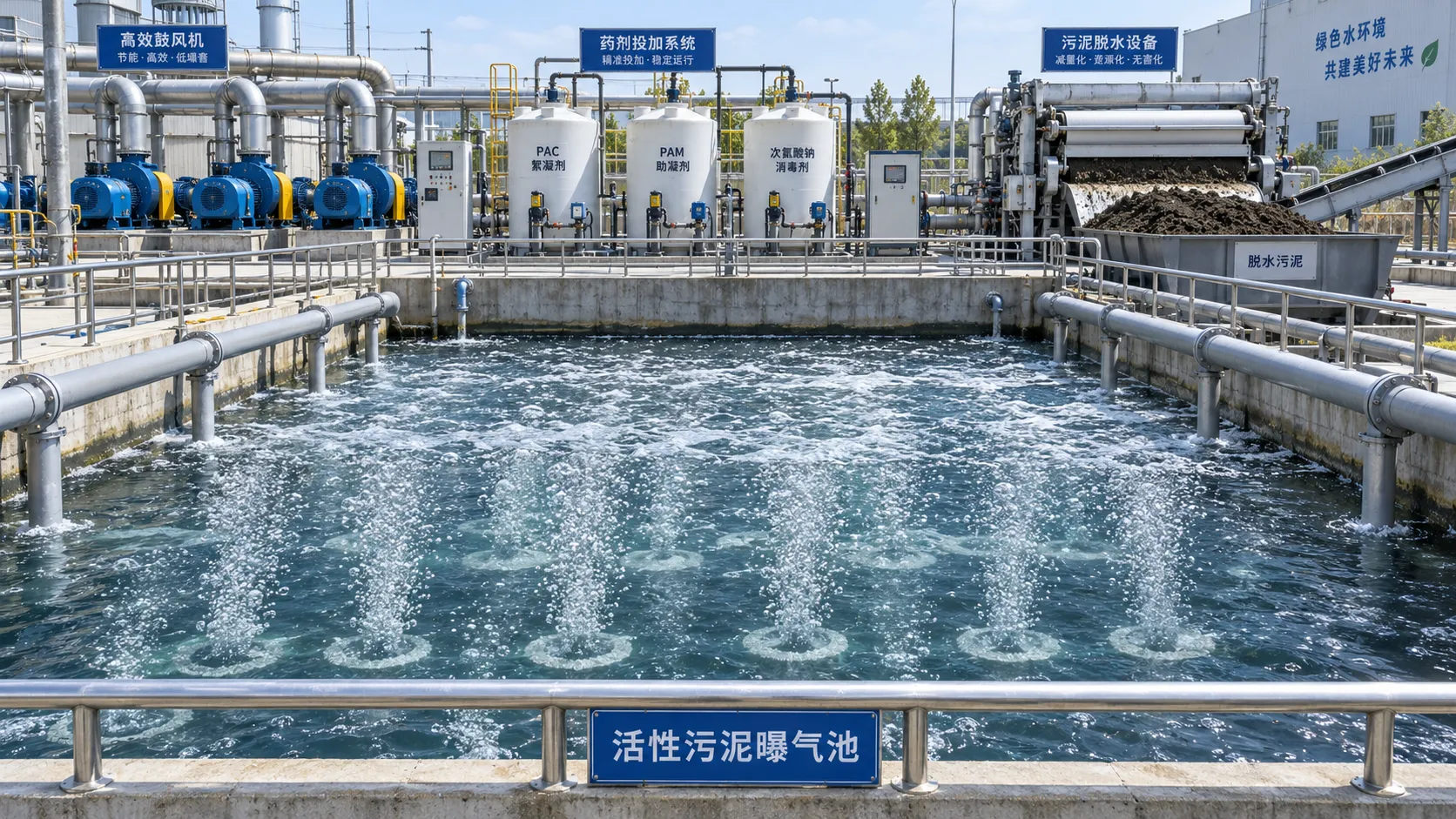
Activated Sludge Cost: Budgeting Energy, Chemicals, Sludge, and Labor
Activated sludge cost explained: compare energy, chemicals, sludge disposal, labor, and compliance risks to build a reliable lifecycle budget.
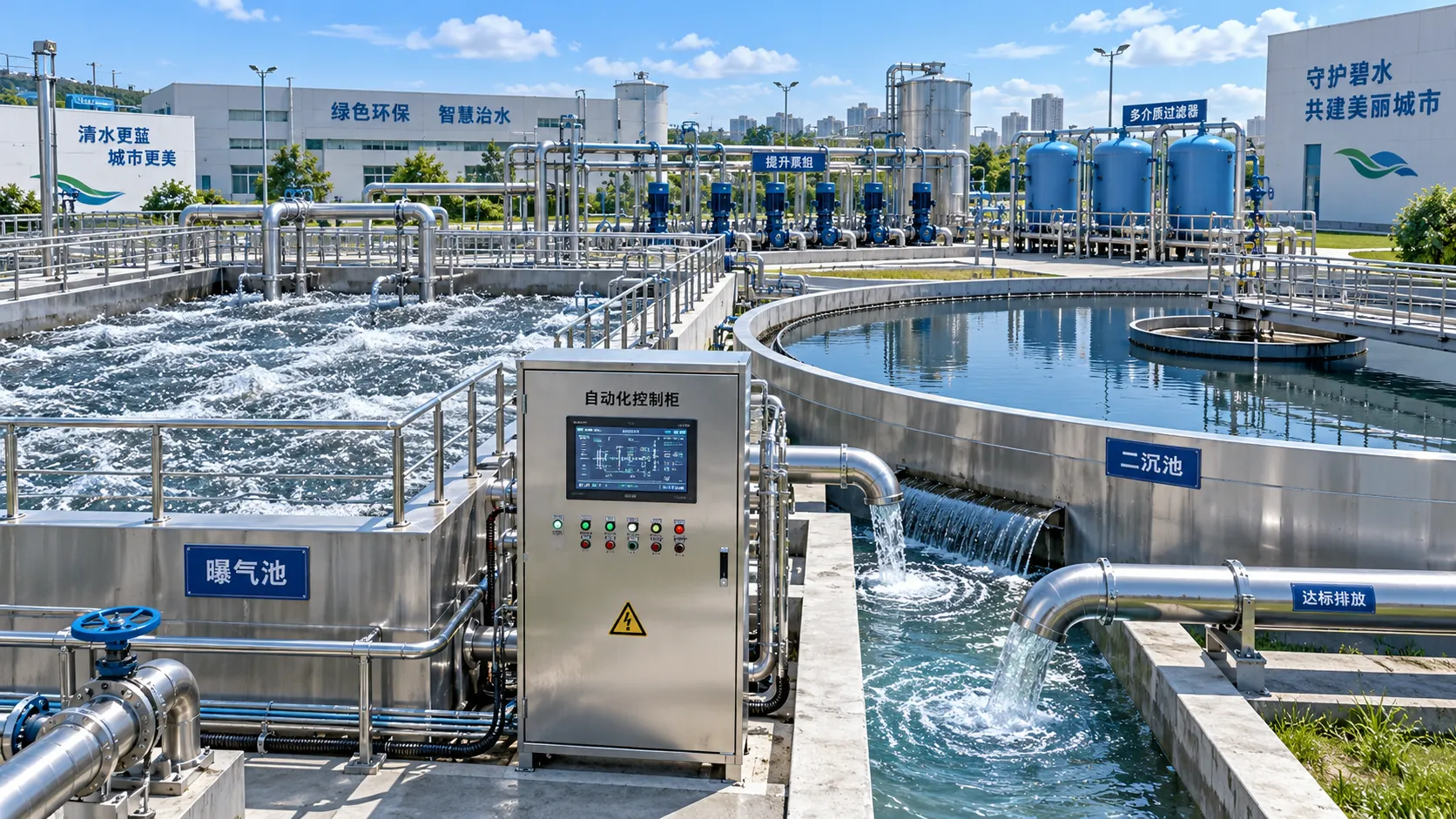
When Should Municipal Wastewater Plants Upgrade Treatment Capacity and Controls?
Municipal wastewater treatment upgrades: learn when capacity, controls, and resilient planning are needed to protect compliance and optimize plant performance.