
Industry News
Curation by industry experts
Hot Articles
Popular Tags
Water Crisis Solutions for Industrial Parks: What Scales First
For industrial parks under mounting water stress, choosing water crisis solutions is no longer a technical side topic. It has become a direct test of operating resilience, permitting security, and capital efficiency.
The first scalable moves are rarely the most extreme ones. In most cases, the best starting point combines water reuse, leak visibility, process segregation, and phased compliance upgrades.
This matters across the broader industrial landscape. From chemicals and food processing to power, electronics, textiles, and mixed-use parks, the right sequencing of water crisis solutions determines both short-term savings and long-term expansion capacity.
Why industrial parks need scenario-based water crisis solutions first
Not every water-stressed park faces the same constraint. Some struggle with intake scarcity. Others face tighter discharge limits, rising tariffs, or unstable feedwater quality.
That is why scalable water crisis solutions should be selected by scenario, not by trend. A desalination-led plan may fit coastal expansion, while inland parks may gain more from reuse and brine minimization.
A scenario-based approach reduces overdesign. It also prevents the common mistake of investing in a prestigious technology before fixing water balance, metering gaps, or internal reuse barriers.
The first decision is not technology, but the dominant constraint
Industrial parks usually scale faster when they identify the leading bottleneck first. The bottleneck could be freshwater access, discharge compliance, energy intensity, land limits, or social license pressure.
Once the bottleneck is clear, water crisis solutions can be ranked by payback, reliability, modularity, and compliance impact. That ranking often changes from one park to another.
Scenario 1: Water-scarce inland parks usually scale reuse before ZLD
Inland industrial parks with limited freshwater quotas typically benefit first from high-recovery reuse systems. These include tertiary treatment, membrane polishing, process water looping, and utility water substitution.
In this scenario, water crisis solutions scale faster when they reduce intake dependence before pursuing full Zero Liquid Discharge. Reuse lowers water purchases quickly and often requires less energy than full thermal concentration.
Key judgment points for inland reuse
- Freshwater allocation is capped or politically uncertain.
- Wastewater quality varies by tenant and process line.
- Cooling towers, boilers, and cleaning systems can accept treated reuse water.
- Brine disposal still exists, but can be temporarily managed.
A phased route works best here. Start with water mapping, segregation, equalization, biological or physico-chemical upgrades, then membrane reuse. Move to brine concentration only where economics justify it.
Scenario 2: Compliance-driven parks often scale discharge control before water expansion
Some parks are not short of water yet. Their real risk is regulatory tightening around salinity, nutrients, heavy metals, PFAS, COD, or color.
For these sites, the first water crisis solutions should improve consistency, traceability, and treatment robustness. Compliance failure can halt production faster than water scarcity itself.
What scales first in compliance-heavy environments
The most scalable investments are often online monitoring, source segregation, buffer tanks, toxic shock control, and advanced polishing. These upgrades stabilize the plant before larger reuse ambitions are added.
In mixed-industry parks, centralized treatment fails when incompatible streams are blended too early. Better segregation is one of the most underrated water crisis solutions because it raises both recovery and compliance performance.
Scenario 3: Coastal parks can scale desalination only with smart integration
Coastal industrial parks often view seawater desalination as the obvious answer. It can be a strong strategic asset, especially where freshwater transfers are fragile or urban demand is competing hard.
Still, desalination should not stand alone. The most effective water crisis solutions combine SWRO capacity with reclaimed water, energy recovery, brine strategy, and digital operations.
When desalination scales well
- Expansion demand is large and long term.
- Power cost and intake conditions are manageable.
- Discharge and marine permitting are predictable.
- Reuse alone cannot close the supply gap.
If these conditions are missing, desalination can become a stranded asset. In many parks, hybrid supply portfolios outperform single-source thinking.
Scenario 4: High-salinity or high-toxicity clusters may need selective ZLD, not universal ZLD
ZLD is often presented as the ultimate answer. It is powerful, but expensive, energy-intensive, and highly sensitive to feed variability and scaling chemistry.
For parks with dyes, pharmaceuticals, specialty chemicals, or metal finishing, the better path is often selective deployment. The strongest water crisis solutions target the worst streams first.
Where selective ZLD makes sense
Use ZLD on streams with severe discharge risk, high TDS, valuable salt recovery potential, or impossible brine disposal. Keep lower-risk streams on reuse-based pathways where feasible.
This segmented architecture lowers total cost while preserving compliance credibility. It also leaves room for future tightening without forcing immediate park-wide thermal systems.
How scenario differences change water crisis solutions priorities
Practical fit recommendations for scalable water crisis solutions
A scalable roadmap should connect engineering choices with business triggers. The best water crisis solutions are those that improve resilience before they maximize technical perfection.
- Map water balance by tenant, utility, and process quality requirement.
- Separate high-value recovery streams from contamination-heavy streams.
- Install digital metering before major expansion projects.
- Prioritize reuse outlets with stable demand and clear quality windows.
- Evaluate energy-water tradeoffs before selecting ZLD or desalination scale.
- Stage projects in modules to preserve flexibility under regulation shifts.
What strong projects usually include
Strong programs combine hardware with intelligence. Sensors, predictive maintenance, membrane performance analytics, and quality forecasting improve uptime and prevent expensive overdesign.
This is especially important in large industrial ecosystems. A centralized plant without reliable data cannot support modern water crisis solutions at scale.
Common misjudgments that delay effective water crisis solutions
One frequent mistake is treating all wastewater as equal. Quality tiers matter. Reuse economics improve sharply when streams are categorized by contamination profile and end-use quality demand.
Another mistake is evaluating projects only by initial capital cost. Real value depends on avoided shutdowns, permit stability, water security, and future expansion optionality.
A third mistake is underestimating brine and sludge logistics. Many water crisis solutions look attractive on paper but fail when residuals management is ignored.
Finally, some parks adopt ambitious targets without phased governance. Contracts, data ownership, emergency response rules, and quality accountability must be defined early.
The next move: build a staged decision pathway, not a single-technology answer
The most reliable water crisis solutions usually scale in three steps. First, make flows visible. Second, recover and reuse where quality match is easiest. Third, add advanced concentration or new supply only where necessary.
For industrial parks, this staged logic protects capital while improving compliance confidence. It also aligns with how infrastructure funding, environmental review, and tenant expansion decisions actually unfold.
ESD continues to track how reuse systems, SWRO platforms, selective ZLD, and intelligent monitoring are reshaping industrial water strategy. The parks that move first are not choosing the biggest system. They are choosing the most scalable sequence.
Recommended News
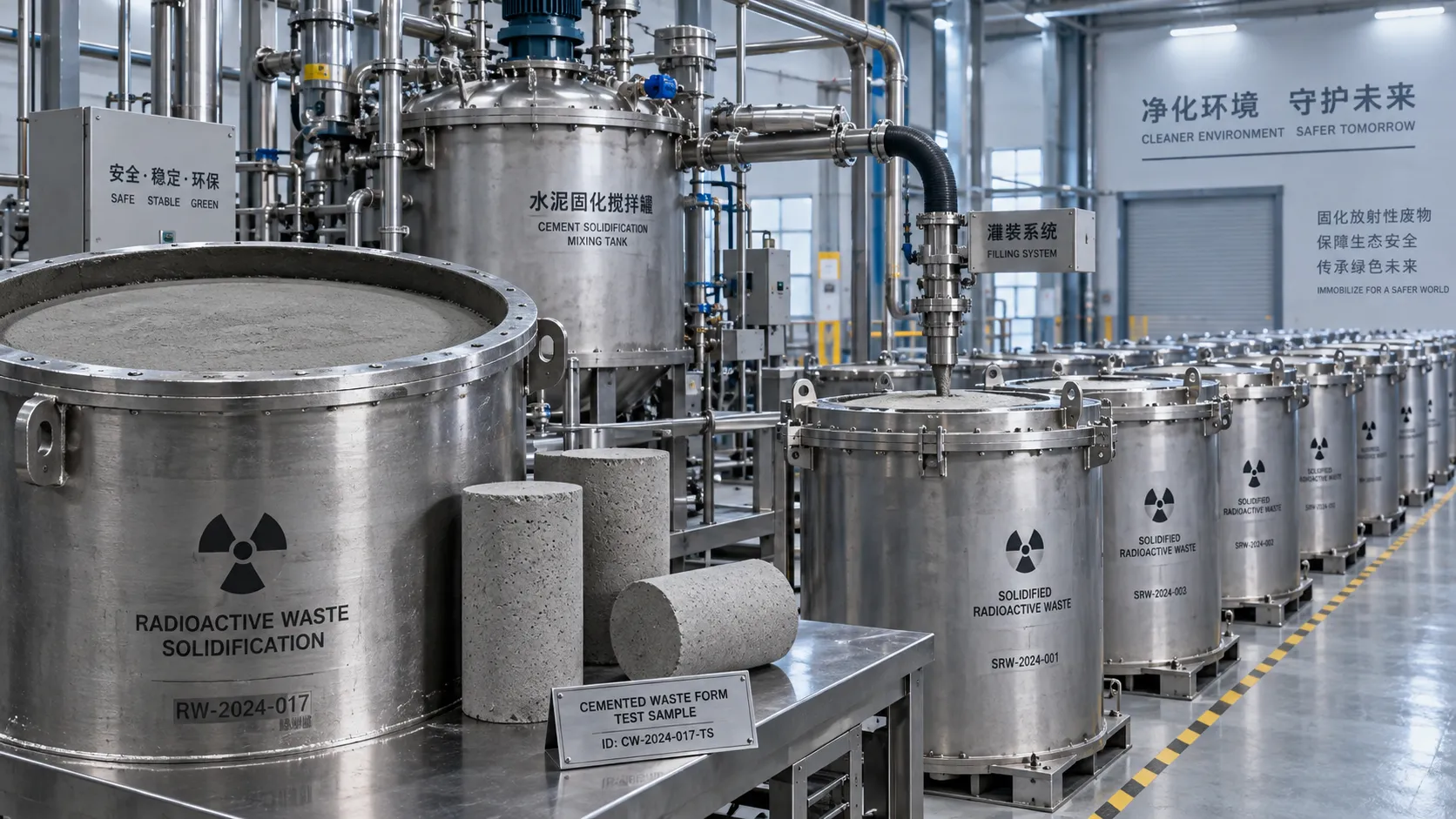
When is cementation suitable for nuclear decommissioning waste?
Explore nuclear waste treatment technology for decommissioning: learn when cementation fits, which risks to assess, and how disposal criteria guide an effective treatment choice.
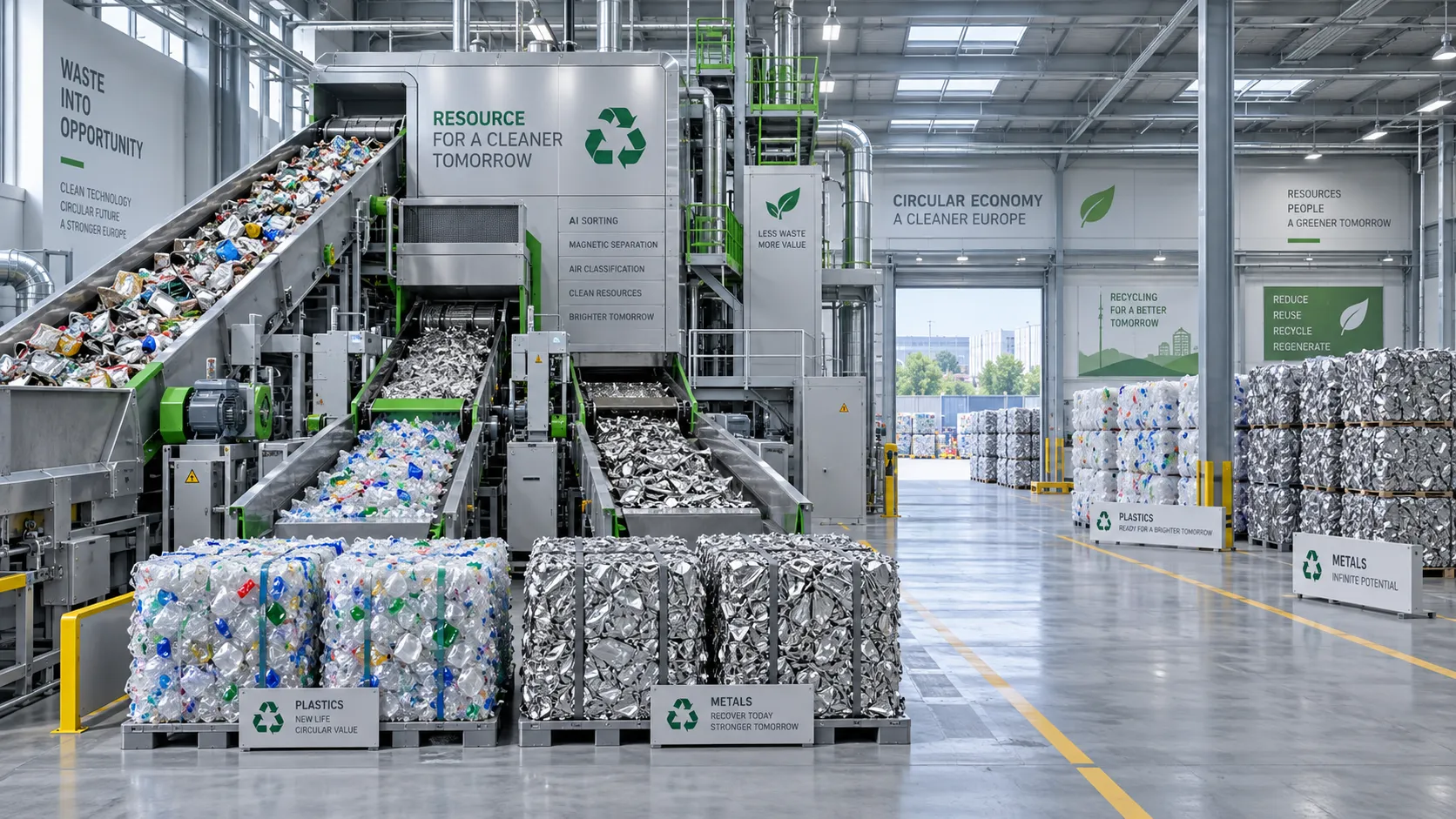
What determines payback for waste-to-resource systems in Europe?
Assess waste-to-resource systems Europe-wide: compare feedstock, recovery yields, costs and contracts to uncover payback drivers and make smarter investment decisions.
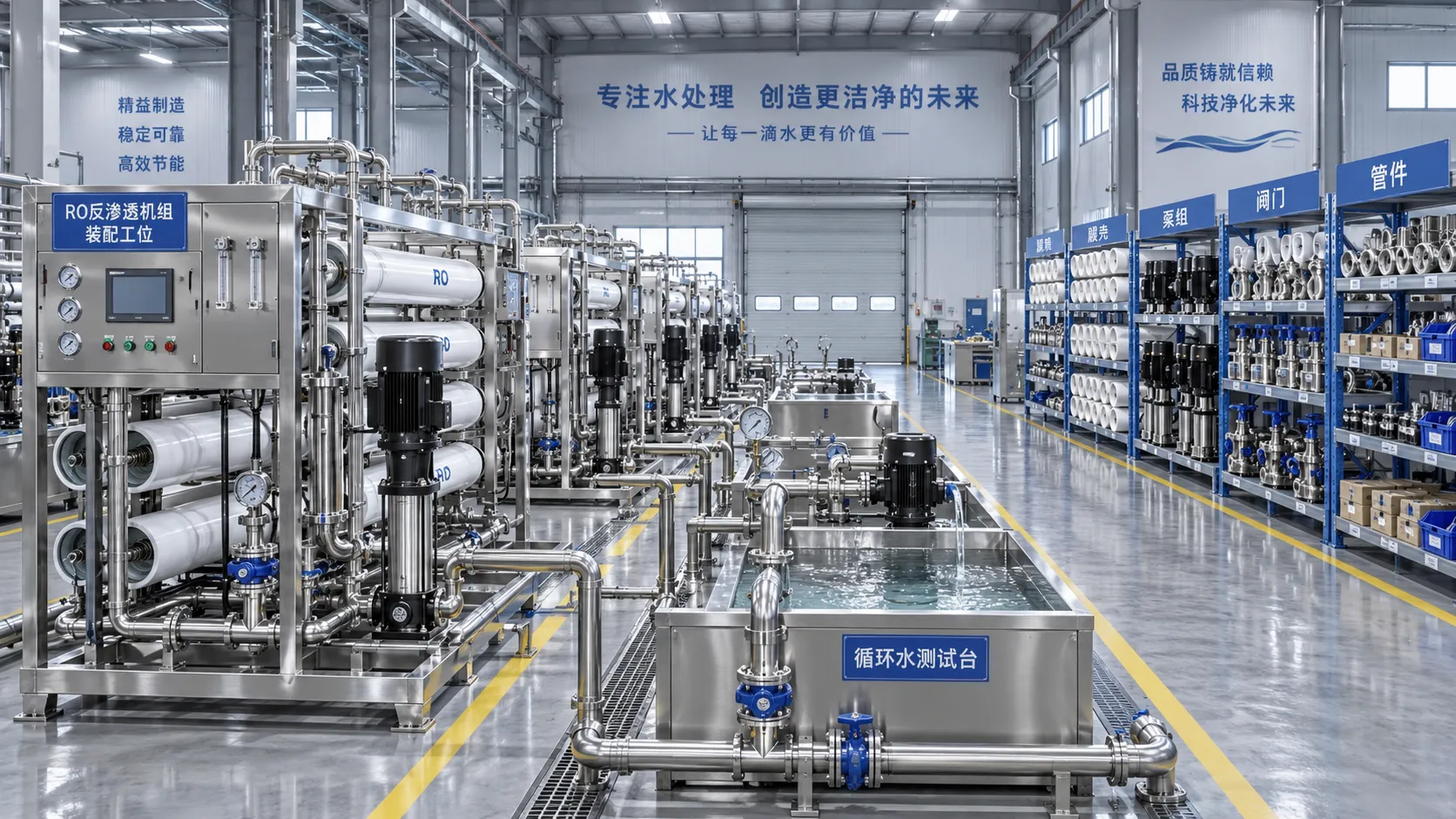
How to verify a water treatment system factory’s production capacity
Verify a water treatment systems factory’s production capacity through records, bottlenecks, component availability, and testing. Learn what to check before accepting a delivery promise.
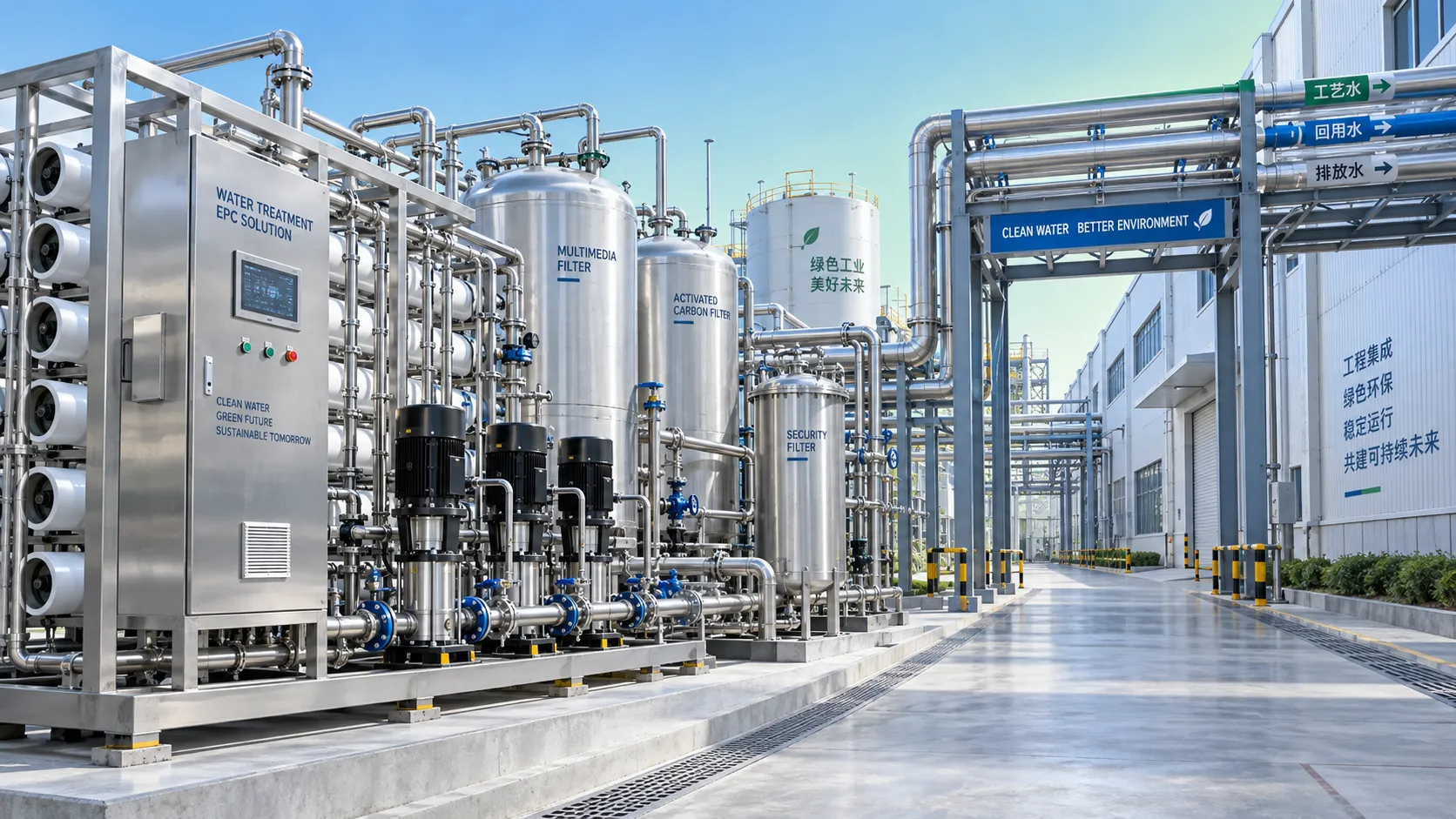
When does EPC environmental project support reduce delivery risk?
EPC environmental project support engineering reduces delivery risk by aligning design, procurement, compliance, construction, and commissioning decisions.
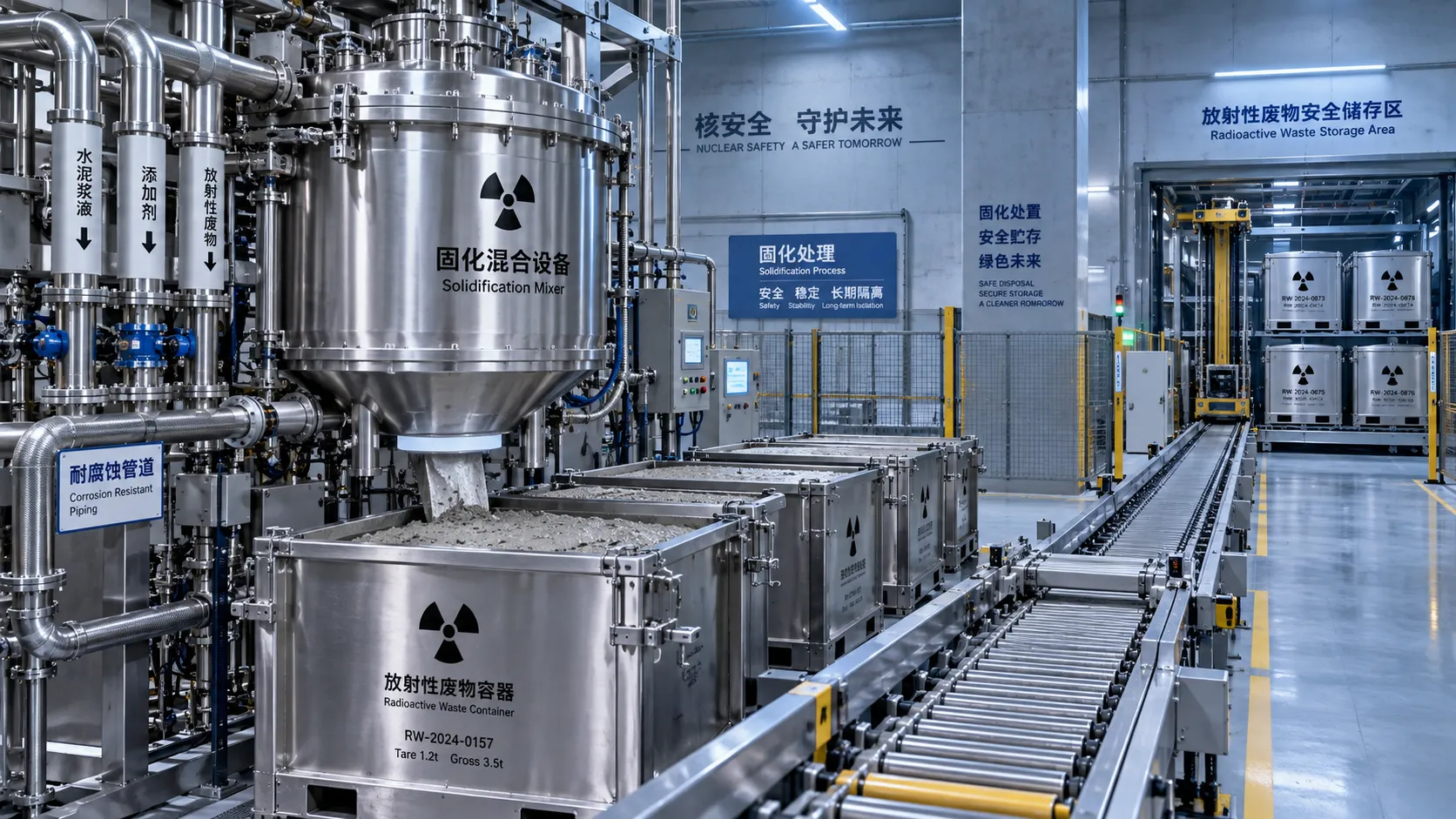
How nuclear plants select a radioactive waste solidification method
Radioactive waste management for nuclear plants: compare vitrification, cementation, polymers, and ceramics to select a compliant, durable solidification solution.
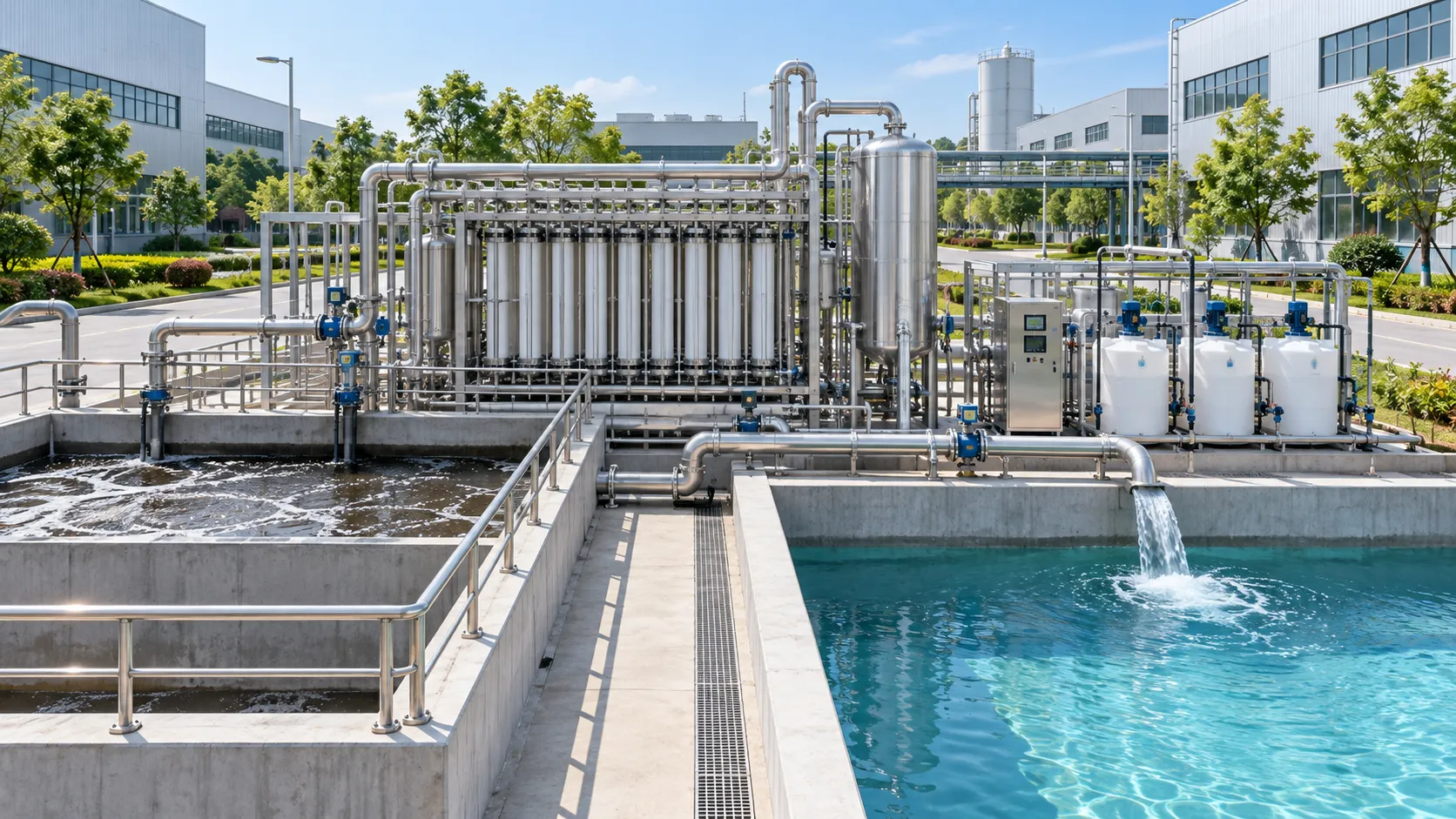
Comparing Upgrade Costs for Industrial Park Wastewater Treatment Systems
Compare costs for wastewater system upgrades in industrial parks with a lifecycle view of CAPEX, OPEX, compliance, resilience, and future expansion.
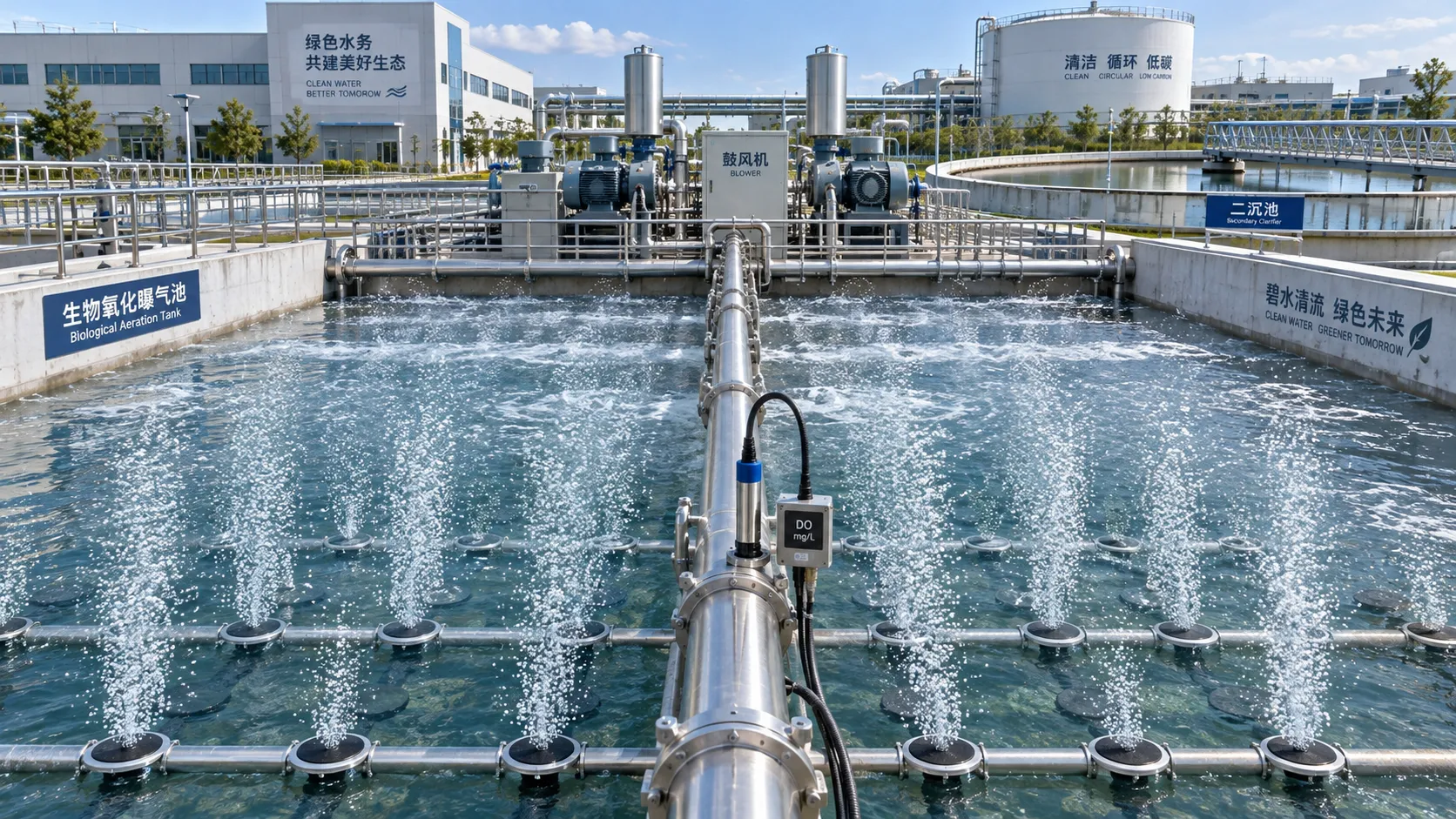
Biological Wastewater Oxidation Explained: Aeration Demand and Process Control
Biological wastewater oxidation explained: optimize aeration demand, DO control, nitrification, and sludge age for stable effluent quality and lower energy costs.
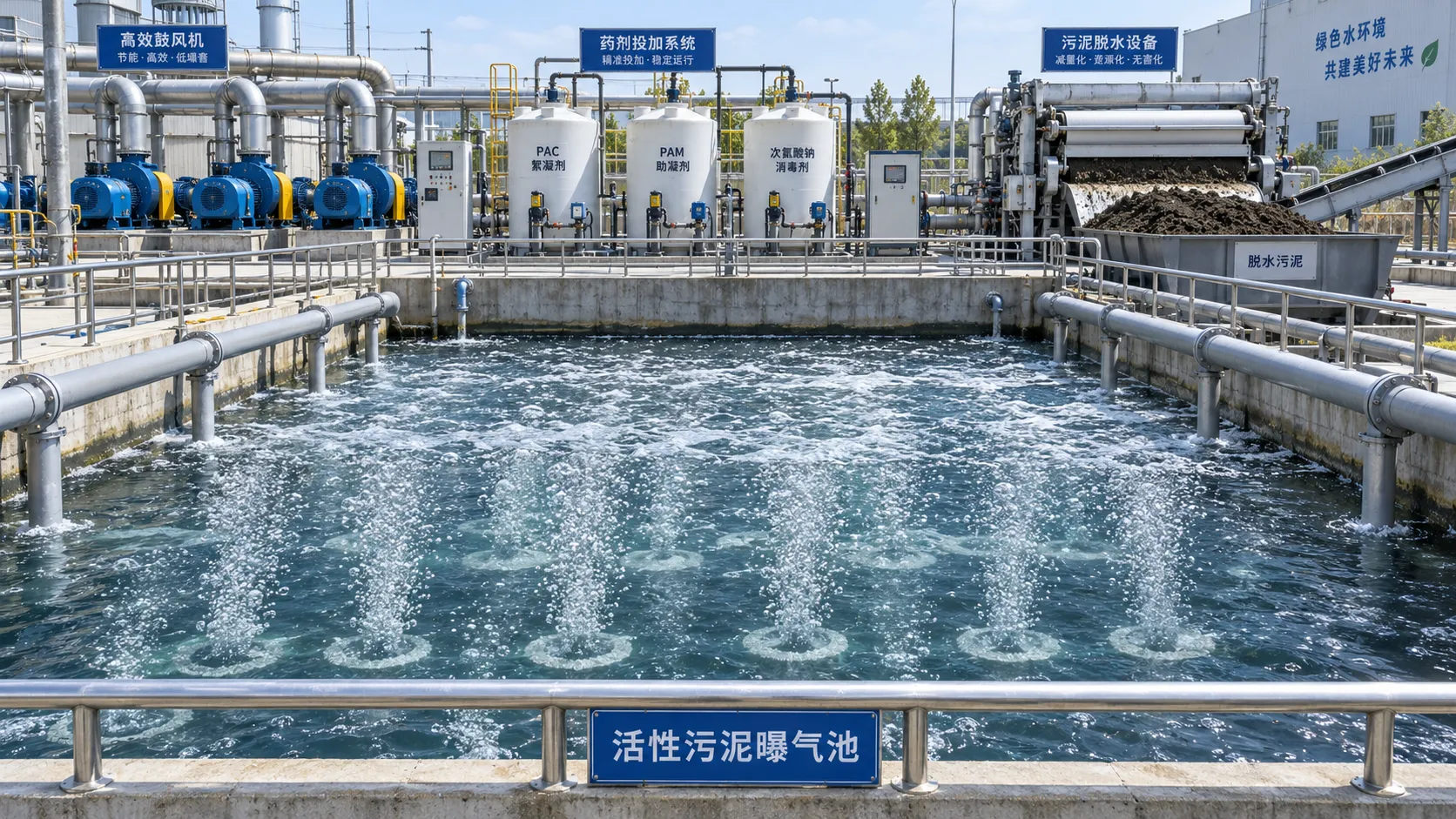
Activated Sludge Cost: Budgeting Energy, Chemicals, Sludge, and Labor
Activated sludge cost explained: compare energy, chemicals, sludge disposal, labor, and compliance risks to build a reliable lifecycle budget.
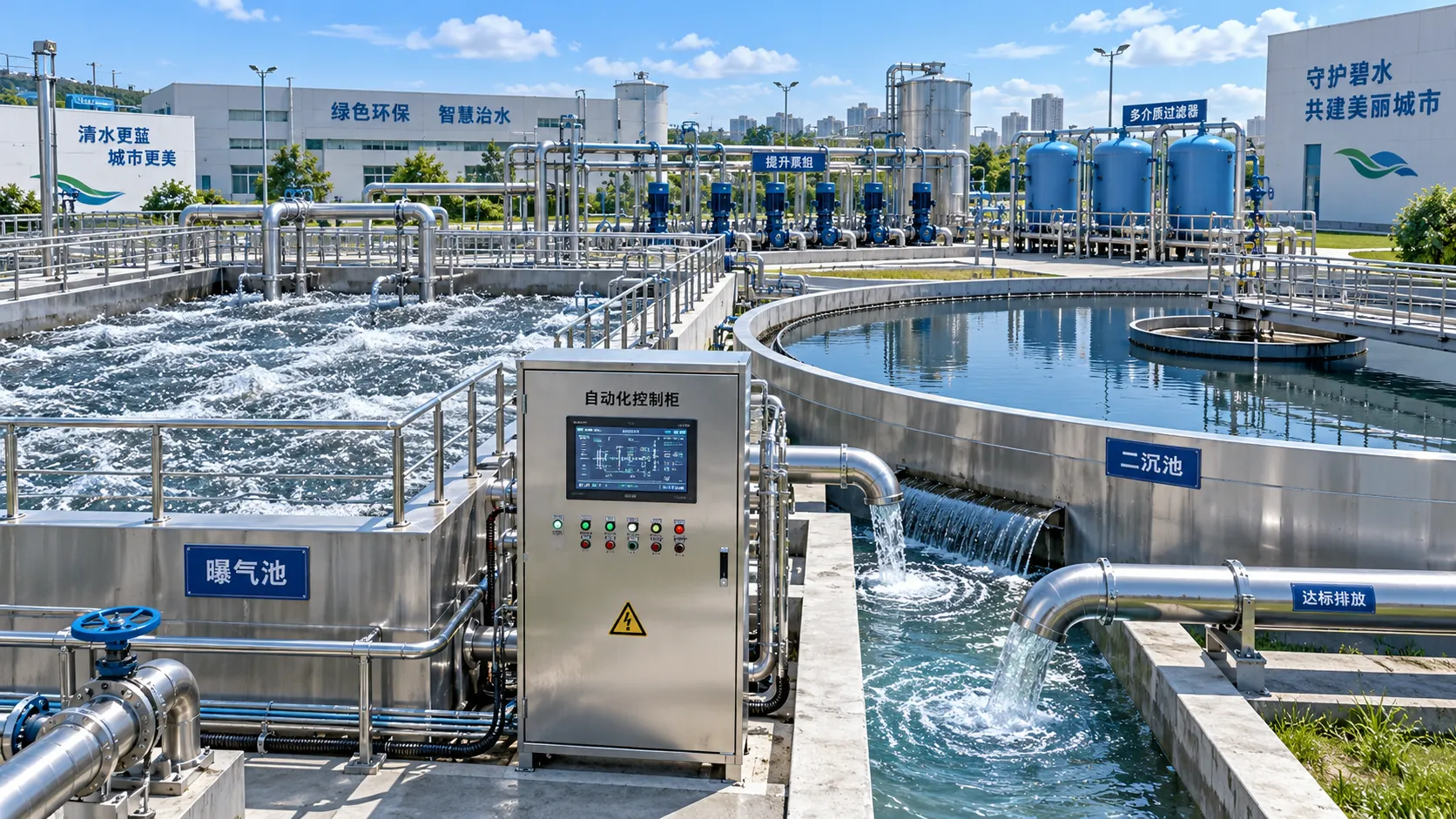
When Should Municipal Wastewater Plants Upgrade Treatment Capacity and Controls?
Municipal wastewater treatment upgrades: learn when capacity, controls, and resilient planning are needed to protect compliance and optimize plant performance.