
Industry News
Curation by industry experts
Hot Articles
Popular Tags
Green Tech Applications in Wastewater Treatment Compared
As utilities and industrial operators face stricter discharge limits, rising energy costs, and pressure to recover resources, green tech applications in wastewater treatment are becoming critical to technical decision-making. This comparison examines how advanced membranes, biological intensification, AI-enabled monitoring, electrochemical processes, and resource recovery systems differ in performance, scalability, carbon impact, and compliance value—helping evaluators identify which solutions can move beyond sustainability claims and deliver measurable operational resilience.
For technical evaluators, the central question is no longer whether a technology is “green.” The real issue is whether it can maintain effluent quality at variable flow, reduce lifecycle cost over 5–15 years, and support permit compliance without creating hidden chemical, sludge, or energy burdens.
How to Compare Green Wastewater Technologies in Real Operating Conditions
Green tech applications in wastewater treatment should be evaluated against the wastewater profile, not against generic sustainability claims. A textile plant, a food processor, a refinery, and a municipal utility may require very different combinations of separation, oxidation, biological treatment, and recovery.
A practical comparison starts with 4 baseline factors: influent variability, discharge targets, energy intensity, and residuals management. Evaluators should also consider hydraulic retention time, membrane fouling rate, sludge yield, chemical demand, and online monitoring frequency.
Core evaluation dimensions
- Treatment performance: COD, BOD, TSS, TN, TP, salinity, color, heavy metals, PFAS, or trace organics.
- Operational resilience: tolerance to shock loading, temperature swings, pH variation, and intermittent flow.
- Carbon and energy impact: kWh per cubic meter, aeration demand, reagent use, and recoverable biogas or heat.
- Compliance value: ability to support ZLD, water reuse, nutrient limits, or industrial discharge permits.
The table below compares major technology groups used in green wastewater projects. Values vary by influent composition and design, but the ranges reflect common engineering expectations during early screening.
No single option dominates all scenarios. The strongest green tech applications in wastewater treatment usually combine 2–4 processes, such as biological removal followed by membrane reuse or electrochemical polishing after conventional pretreatment.
Why standalone efficiency claims can mislead
A system with 95% removal in a pilot test may still fail commercially if upstream equalization is undersized or if concentrate volume increases disposal cost. Evaluators should request load curves, not only average performance values.
A robust assessment should include at least 30–90 days of influent data, 3 operating modes, and a clear mass balance for water, contaminants, chemicals, sludge, and recovered materials.
Advanced Membranes, Biological Intensification, and AI Monitoring Compared
Among green tech applications in wastewater treatment, membranes, intensified biology, and AI monitoring often form the backbone of modern upgrade projects. They address different bottlenecks: separation precision, biological capacity, and operational intelligence.
Advanced membranes: precision separation with lifecycle discipline
Ultrafiltration, nanofiltration, reverse osmosis, membrane bioreactors, and emerging ceramic membranes support water reuse and tighter discharge limits. Typical flux may range from 10–80 LMH, depending on wastewater type and pretreatment quality.
The environmental value is strongest when membranes replace freshwater intake or reduce downstream evaporation demand. In ZLD systems, reverse osmosis may cut thermal load by concentrating brine before crystallization.
However, membrane systems are not plug-and-play. A technical review should examine silt density index, scaling potential, cleaning chemicals, antiscalant compatibility, and recovery rate targets such as 70–90% for many reuse applications.
Biological intensification: more treatment in the same footprint
Biological intensification includes MBBR, IFAS, aerobic granular sludge, anaerobic digestion, and high-rate activated sludge. These approaches improve capacity without necessarily expanding civil structures by 20–50%.
For biodegradable streams, biological systems can provide lower carbon treatment than chemical-heavy alternatives. Anaerobic reactors may also generate biogas, especially when COD concentrations are high enough to justify energy recovery.
The main risk is biological instability. Toxic compounds, low temperatures below 12°C, nutrient imbalance, or sudden salinity changes may reduce treatment efficiency and increase operator intervention.
AI-enabled monitoring: turning compliance into continuous control
AI systems do not remove pollutants directly, but they improve decision speed. They can analyze DO, ORP, turbidity, ammonia, flow, pressure, and energy signals at intervals from seconds to 15 minutes.
For large water treatment plants, AI can optimize aeration, predict membrane fouling, prioritize alarms, and identify sensor drift. The result is often fewer manual checks and more consistent operating envelopes.
Technical evaluators should verify whether the platform integrates with SCADA, PLC, LIMS, and cybersecurity requirements. A 3-layer architecture—field sensors, edge gateway, and analytics platform—is common for resilient deployment.
Selection checkpoints for these three categories
- Confirm influent data quality for at least 1 seasonal cycle if the facility experiences strong production variation.
- Compare lifecycle cost over 10 years, including energy, consumables, labor, downtime, sludge, and concentrate handling.
- Define compliance margins, such as operating at 70–80% of permitted discharge thresholds rather than at the limit.
- Validate operator workload, training needs, and spare parts availability before full-scale procurement.
Electrochemical Processes and Resource Recovery: High-Value but Site-Specific
Electrochemical treatment and resource recovery are increasingly important green tech applications in wastewater treatment because they target difficult contaminants and circular economy value. Yet their success depends heavily on influent chemistry and market use for recovered outputs.
Electrochemical systems for refractory pollutants
Electrocoagulation, electrooxidation, electrodialysis, and capacitive deionization can treat contaminants that resist conventional biological processes. They are attractive for modular industrial sites because reaction control is fast and equipment footprint is compact.
Typical concerns include electrode material, current density, conductivity, passivation, and power price. For some wastewaters, energy demand can vary widely, from less than 1 kWh/m³ to several kWh/m³.
Evaluators should require by-product testing. Chlorinated species, metal hydroxide sludge, or altered nitrogen forms can create secondary compliance risks if the system is not paired with adequate polishing.
Resource recovery beyond water reuse
Resource recovery includes phosphorus recovery, nitrogen capture, biogas utilization, heat recovery, metal recovery, and brine valorization. These applications turn wastewater treatment from cost control into material management.
The business case is strongest when recovered products have predictable quality and local demand. For example, struvite systems need stable nutrient concentrations, while industrial brine recovery depends on salt purity and logistics cost.
The following matrix helps evaluators compare resource-oriented solutions by input requirements, operational complexity, and commercial readiness. It is useful during feasibility screening before pilot design.
The matrix shows why recovery is rarely a simple equipment purchase. It requires chemical characterization, market validation, and an offtake plan before procurement moves from concept to specification.
When electrochemical and recovery systems should be piloted
Piloting is recommended when wastewater contains variable metals, surfactants, solvents, or high chloride. A 4–12 week pilot can reveal electrode life, sludge properties, by-products, and recovery quality under real load changes.
Pilot protocols should include at least 3 flow conditions, 2 cleaning or regeneration cycles, and lab confirmation of all regulated parameters. Without this, commercial scale-up risk remains high.
Procurement, Integration, and Compliance Risks for Technical Evaluators
The procurement of green tech applications in wastewater treatment should connect engineering performance with financial and regulatory risk. A technically elegant system can become problematic if it lacks service access, spare parts, or permit alignment.
Key questions before issuing an RFQ
- What are the top 5 regulated parameters, and what safety margin is required during peak production?
- Is the project focused on water reuse, discharge compliance, carbon reduction, ZLD, or resource recovery?
- Can the vendor provide mass balance, energy balance, sludge estimate, and control philosophy?
- What happens during 8–24 hours of power interruption, sensor failure, or influent shock loading?
- Are consumables available locally, and what is the expected replacement interval?
Integration with existing infrastructure
Most retrofit projects face constraints in space, hydraulics, electrical capacity, and downtime windows. A membrane skid may be compact, but chemical cleaning tanks, access platforms, and concentrate piping still require planning.
For municipal upgrades, construction phasing may need to preserve treatment capacity at 50–80% of normal flow. Industrial projects often need commissioning during shutdown windows of 3–10 days.
Common implementation mistakes
- Selecting equipment from average influent data while ignoring peak COD, salinity, or oil events.
- Comparing capital cost only, without 7–10 year energy and consumables modeling.
- Underestimating residual handling, including membrane concentrate, chemical sludge, or spent media.
- Adding automation without sensor maintenance procedures and calibration frequency.
- Treating water reuse as a single process instead of a chain of barriers and verification points.
A better approach is to define technology packages around treatment objectives. For example, a high-salinity industrial site may combine equalization, softening, ultrafiltration, RO, brine concentration, and AI-driven fouling prediction.
A municipal utility may prioritize biological intensification, tertiary filtration, UV disinfection, and aeration optimization. In both cases, green value depends on measurable outputs, not on the number of advanced technologies installed.
Practical Decision Framework for Green Wastewater Upgrades
A structured decision framework helps evaluators compare green tech applications in wastewater treatment across technical, financial, and compliance dimensions. It also reduces the risk of vendor-driven specifications that overlook site realities.
A 5-step evaluation workflow
- Characterize wastewater: collect flow, pollutant, temperature, pH, conductivity, and seasonal data.
- Define success metrics: effluent limits, reuse rate, carbon target, sludge reduction, or payback range.
- Shortlist technologies: compare 3–5 process trains rather than isolated equipment items.
- Validate with pilot or reference data: test under peak, normal, and recovery conditions.
- Prepare procurement documents: include performance guarantees, acceptance tests, training, and service terms.
Performance indicators that matter
For credible comparison, use indicators that link engineering results to operating value. Useful metrics include kWh/m³, chemical dosage in mg/L, sludge kg per m³, water recovery percentage, membrane TMP trend, and downtime hours per month.
Compliance indicators should include both final discharge quality and process stability. A system that meets limits 98% of the time but fails during peak loading may still expose the operator to enforcement risk.
Recommended specification language
Instead of asking for a “low-carbon treatment system,” specifications should require defined outcomes. Examples include effluent COD below a defined permit threshold, recovery above 75%, automated alarm response within 5 minutes, or validated sludge reduction.
For AI-enabled systems, specify data retention, cybersecurity roles, alarm hierarchy, calibration responsibility, and integration points. For membranes, specify recovery rate, cleaning protocol, normalized permeability, and concentrate management boundaries.
Strategic Outlook: From Treatment Plants to Ecological Immune Systems
The next phase of wastewater infrastructure will be defined by integrated ecological protection rather than isolated treatment assets. Large plants will increasingly connect water purification, solid waste recovery, flue gas control, desalination, and hazardous residual management.
This is where intelligence-led evaluation becomes essential. Technical teams need a clear view of membrane evolution, ZLD economics, circular resource pathways, carbon border pressure, and the reliability of high-risk environmental equipment.
Where ESD adds decision value
Global Eco-Shield Dynamics focuses on rigorous intelligence for environmental infrastructure. Its perspective is especially relevant when green tech applications in wastewater treatment must be compared with desalination, solid waste recovery, or nuclear waste safety priorities.
For EPC firms, utilities, industrial operators, and technical evaluators, the value lies in connecting physicochemical parameters with procurement logic. This reduces uncertainty before bidding, pilot testing, or long-cycle capital allocation.
Final guidance for evaluators
Choose technologies by evidence: influent variability, verified removal, lifecycle cost, carbon impact, residuals pathway, and serviceability. The most effective green wastewater strategy is usually an integrated process train, not a single flagship device.
When advanced membranes, biological intensification, AI monitoring, electrochemical treatment, and recovery systems are matched correctly, they can improve compliance confidence, reduce resource waste, and strengthen operational resilience over 10 years or more.
To assess green tech applications in wastewater treatment for your site, compare technology pathways with real operating data, compliance obligations, and long-term maintenance capacity. Contact ESD to explore tailored intelligence, evaluate solution options, and learn more about deployable environmental equipment strategies.
Recommended News
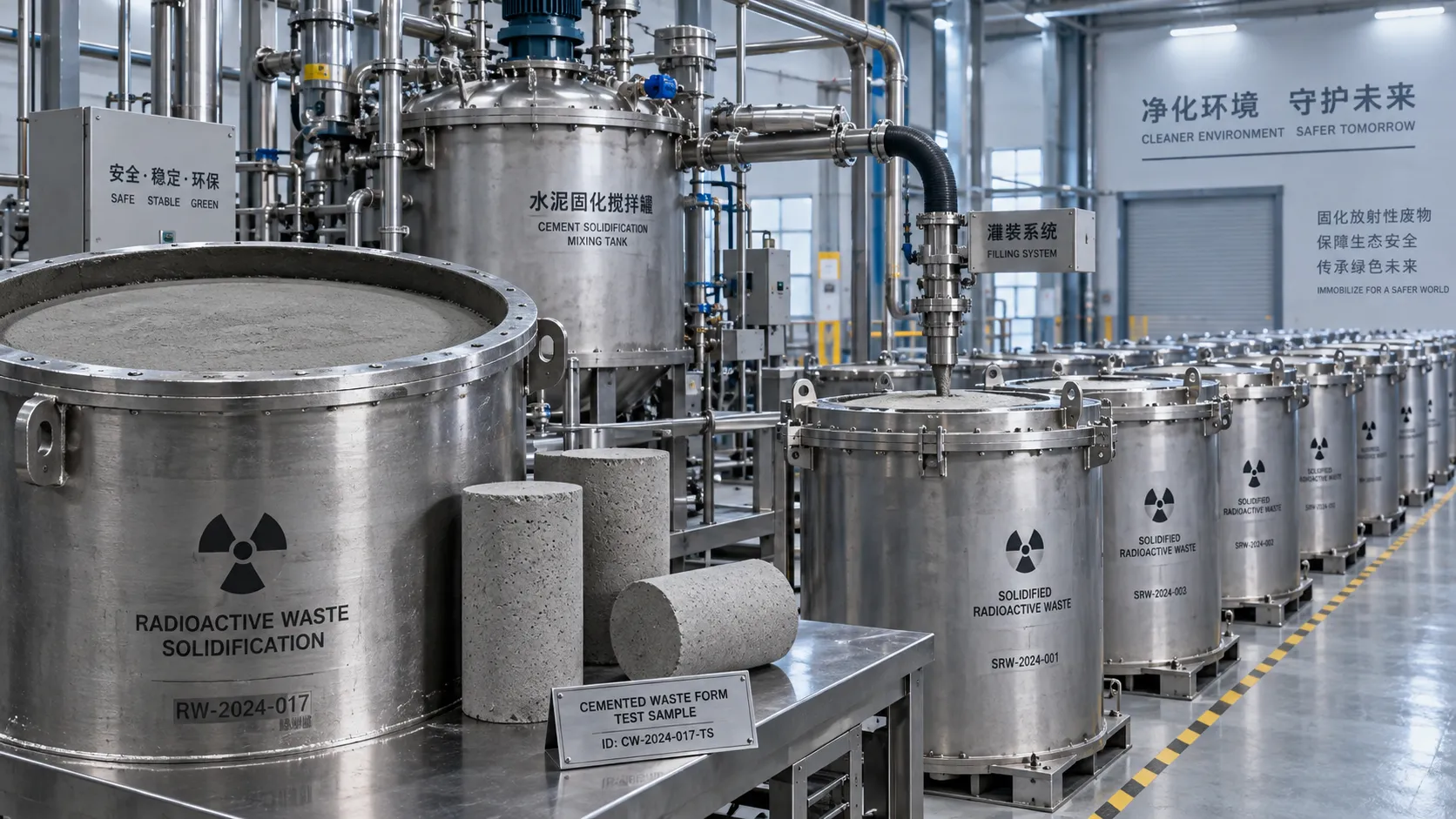
When is cementation suitable for nuclear decommissioning waste?
Explore nuclear waste treatment technology for decommissioning: learn when cementation fits, which risks to assess, and how disposal criteria guide an effective treatment choice.
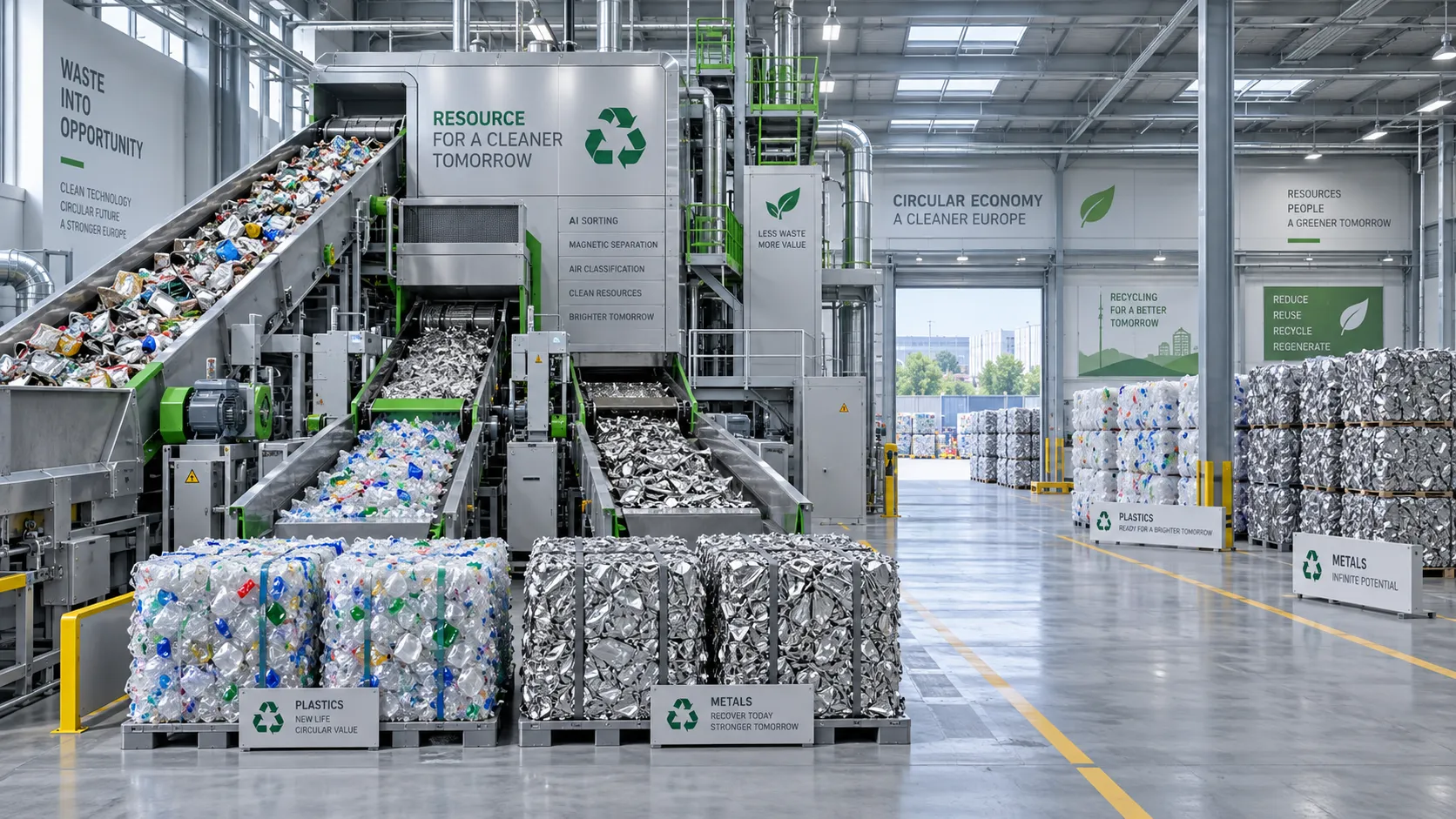
What determines payback for waste-to-resource systems in Europe?
Assess waste-to-resource systems Europe-wide: compare feedstock, recovery yields, costs and contracts to uncover payback drivers and make smarter investment decisions.
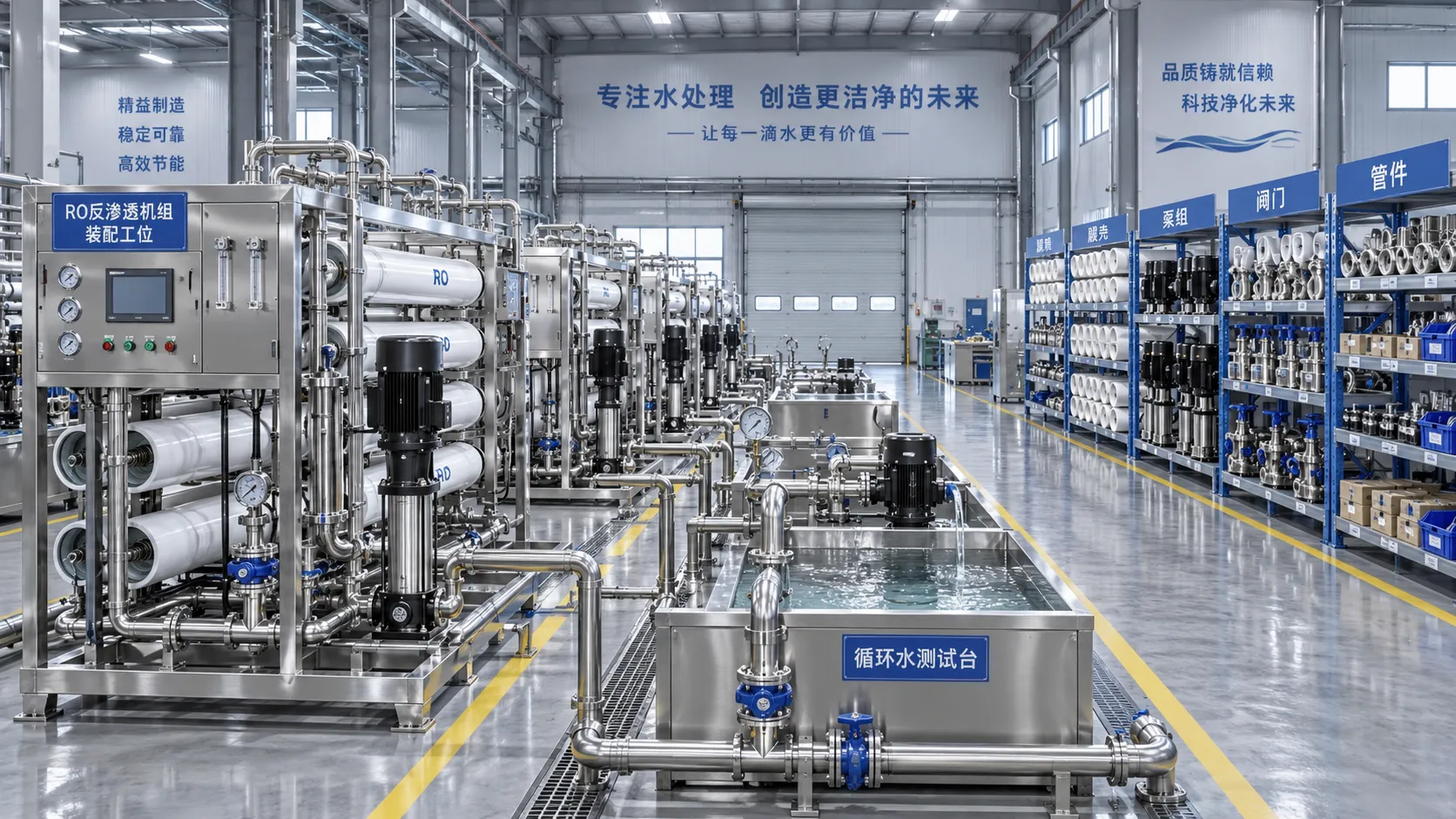
How to verify a water treatment system factory’s production capacity
Verify a water treatment systems factory’s production capacity through records, bottlenecks, component availability, and testing. Learn what to check before accepting a delivery promise.
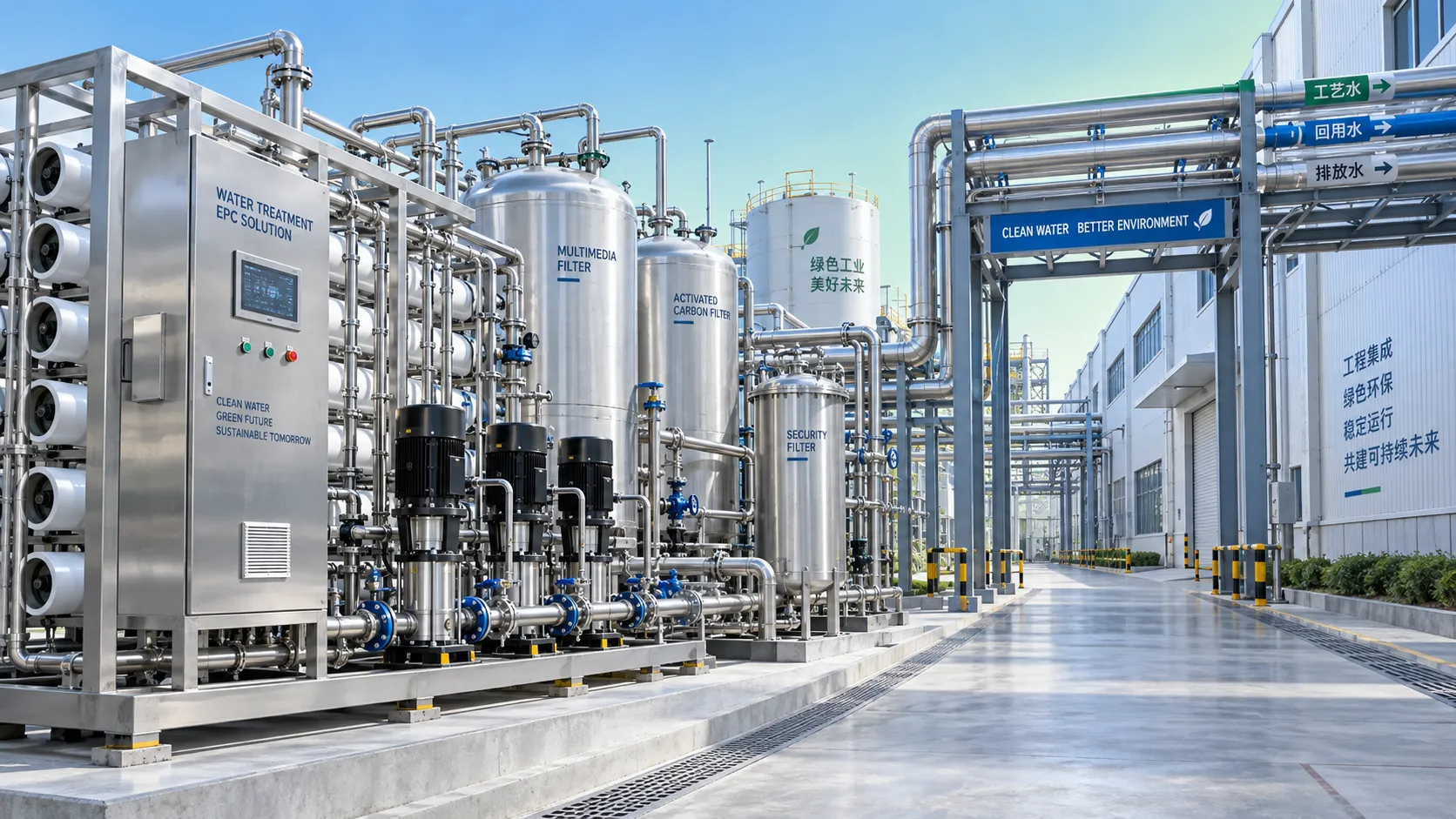
When does EPC environmental project support reduce delivery risk?
EPC environmental project support engineering reduces delivery risk by aligning design, procurement, compliance, construction, and commissioning decisions.
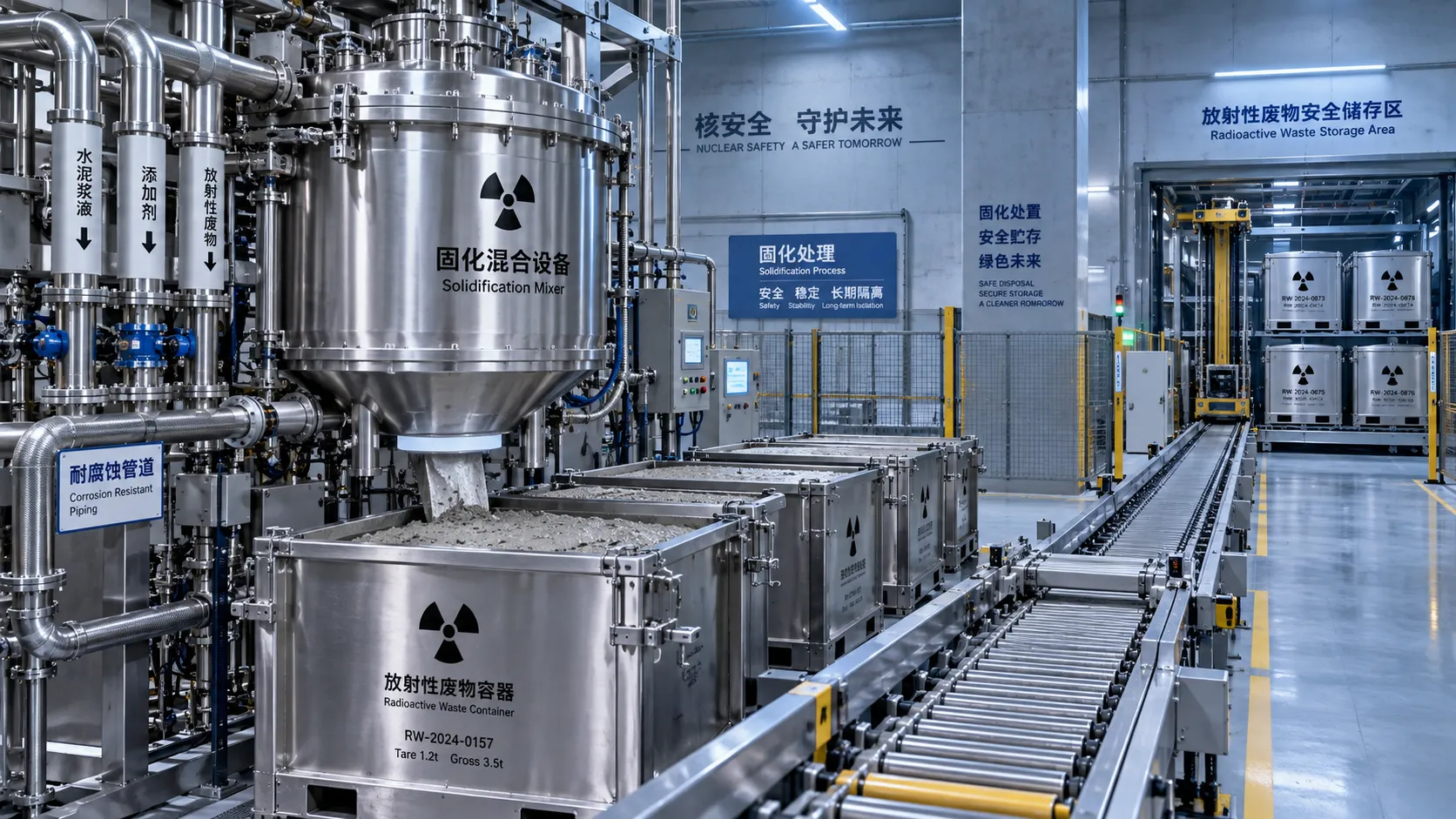
How nuclear plants select a radioactive waste solidification method
Radioactive waste management for nuclear plants: compare vitrification, cementation, polymers, and ceramics to select a compliant, durable solidification solution.
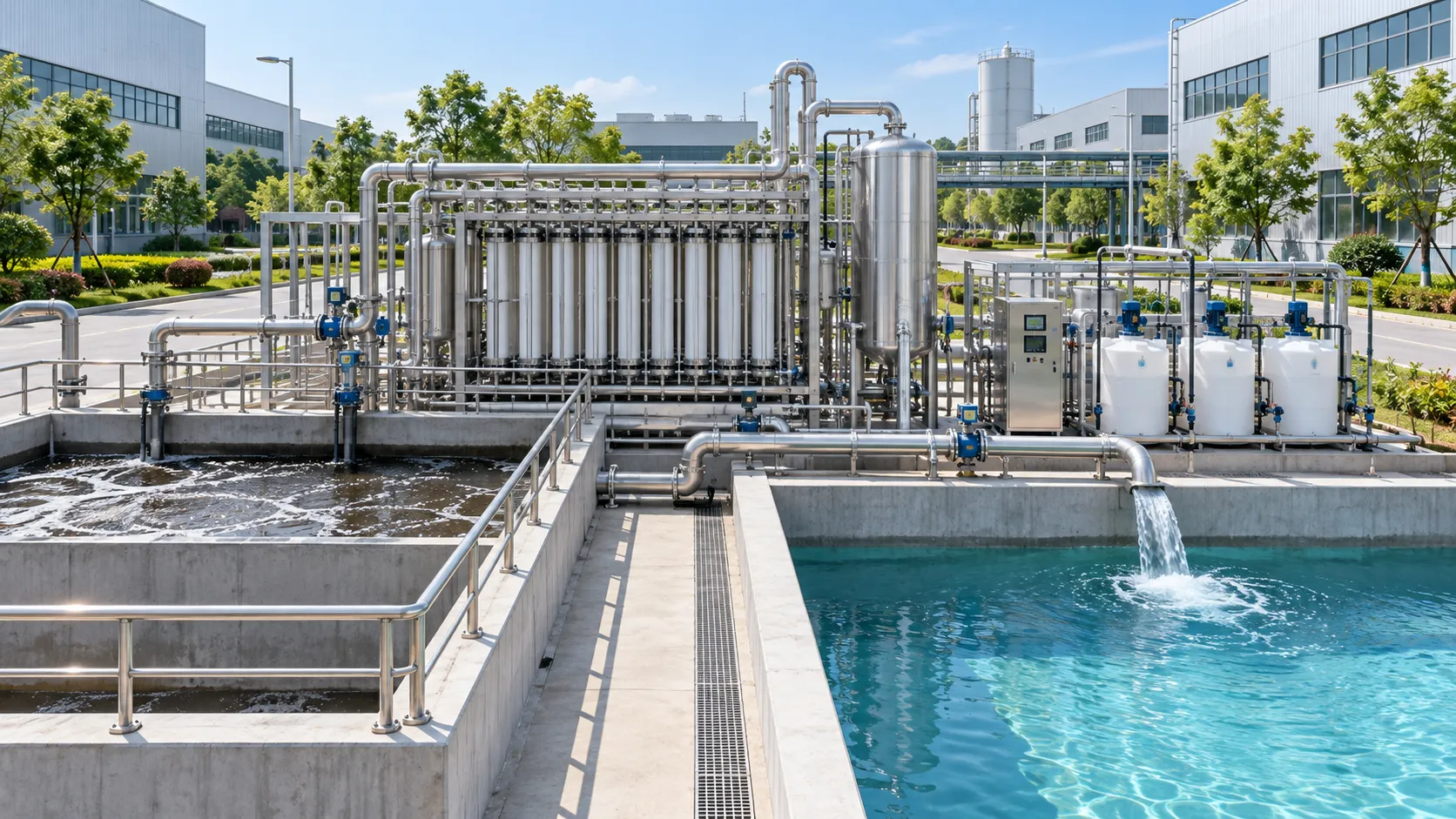
Comparing Upgrade Costs for Industrial Park Wastewater Treatment Systems
Compare costs for wastewater system upgrades in industrial parks with a lifecycle view of CAPEX, OPEX, compliance, resilience, and future expansion.
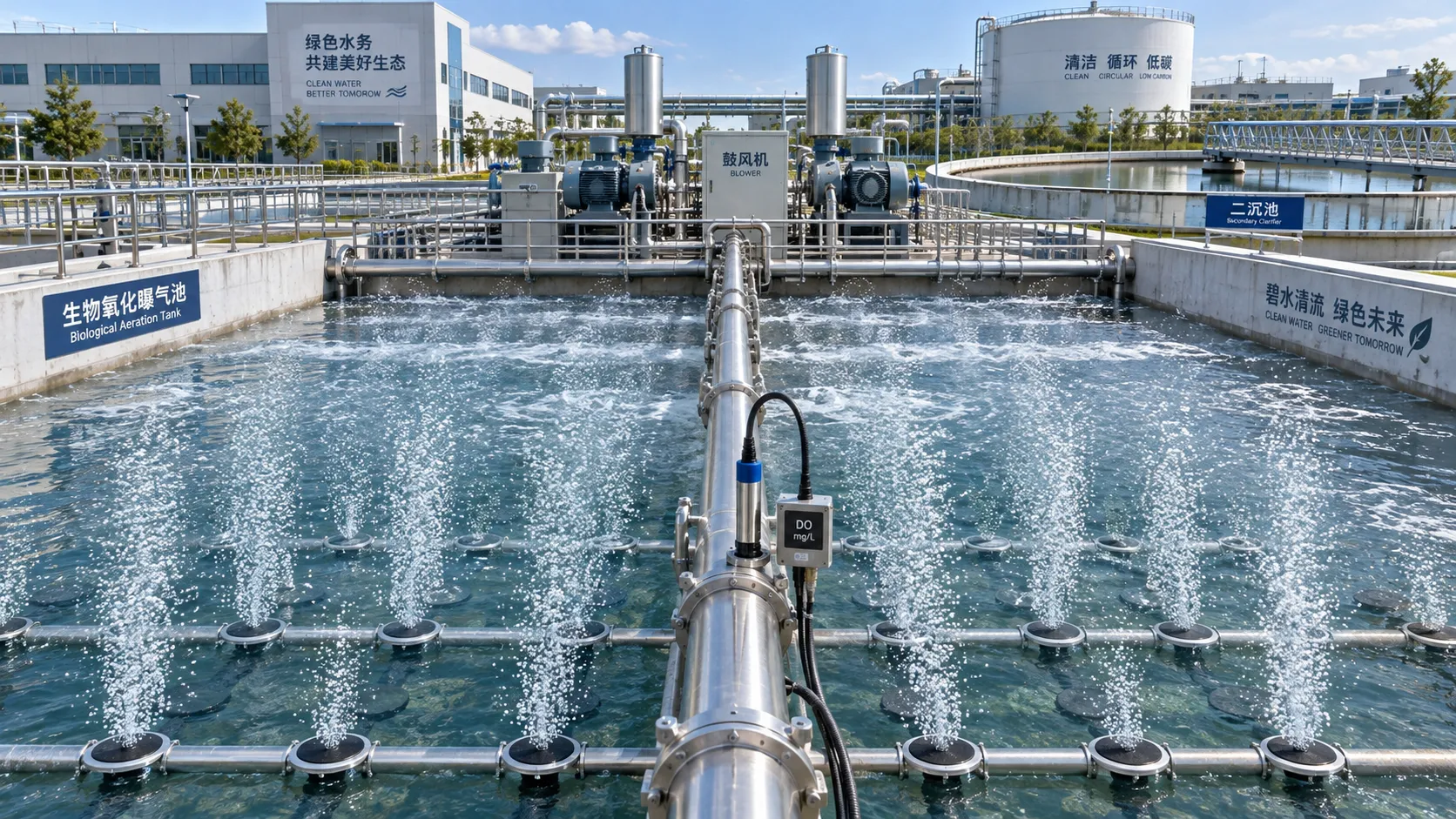
Biological Wastewater Oxidation Explained: Aeration Demand and Process Control
Biological wastewater oxidation explained: optimize aeration demand, DO control, nitrification, and sludge age for stable effluent quality and lower energy costs.
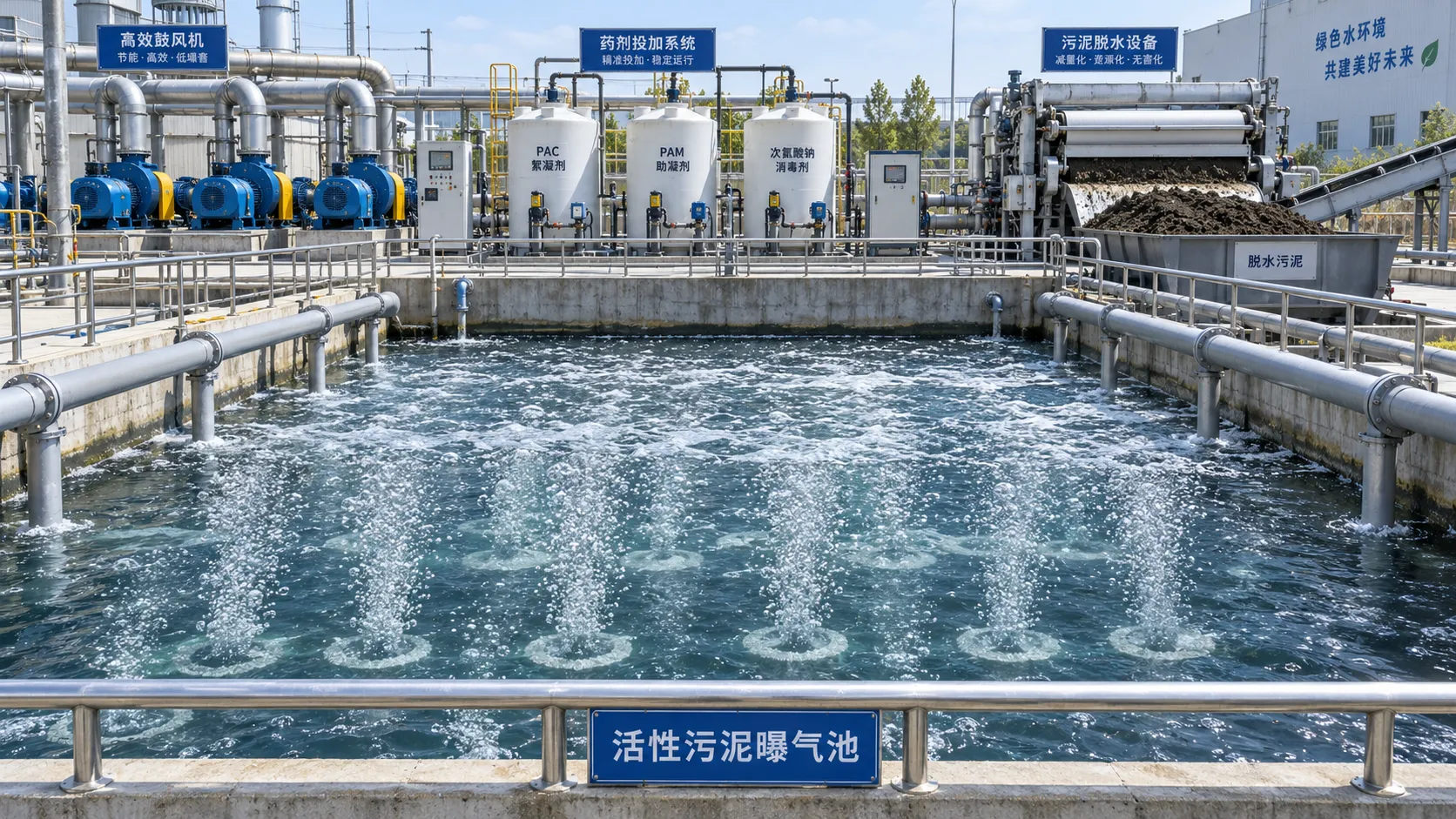
Activated Sludge Cost: Budgeting Energy, Chemicals, Sludge, and Labor
Activated sludge cost explained: compare energy, chemicals, sludge disposal, labor, and compliance risks to build a reliable lifecycle budget.
When Should Municipal Wastewater Plants Upgrade Treatment Capacity and Controls?
Municipal wastewater treatment upgrades: learn when capacity, controls, and resilient planning are needed to protect compliance and optimize plant performance.