
Industry News
Curation by industry experts
Hot Articles
Popular Tags
Decarbonization Technologies for Heavy Industries in 2026
In 2026, decarbonization technologies for heavy industries are moving from pilot ambition to boardroom urgency. Steel, cement, chemicals, mining, and power-intensive environmental infrastructure face tightening carbon rules, rising energy volatility, and investor scrutiny. For enterprise decision makers, the challenge is no longer whether to decarbonize, but which technologies can deliver measurable emissions cuts, operational resilience, and regulatory advantage. This article explores the solutions shaping the next industrial transition—from carbon capture and electrification to green hydrogen, AI optimization, waste-heat recovery, and circular resource systems.
Why Decarbonization Technologies for Heavy Industries Are Becoming a Capital Allocation Issue
Heavy industrial sites are no longer judged only by output, uptime, and unit cost. Carbon intensity now affects financing, export access, insurance exposure, and public procurement eligibility.
For enterprise decision makers, decarbonization technologies for heavy industries must be evaluated as infrastructure strategy, not as isolated environmental upgrades. A wrong pathway can lock in cost for decades.
The decision pressure is coming from four directions
- Carbon pricing and border mechanisms are making embedded emissions visible in trade, especially for steel, aluminum, cement, fertilizers, and energy-intensive equipment supply chains.
- Industrial customers increasingly request product carbon footprints, verified emissions data, and traceable energy sources before approving long-term contracts.
- Energy volatility is pushing plants to reduce fuel dependence through electrification, process integration, waste-heat recovery, and demand optimization.
- Environmental infrastructure, including desalination, ZLD wastewater systems, flue gas treatment, and waste recovery, must cut emissions while maintaining reliability under stricter discharge limits.
This is where Global Eco-Shield Dynamics focuses its intelligence: linking purification performance, circular resource logic, flue gas control, and carbon compliance into practical industrial investment decisions.
Which Technology Pathway Fits Each Heavy Industrial Scenario?
The most effective decarbonization technologies for heavy industries depend on process temperature, feedstock chemistry, power access, space constraints, and compliance exposure. No single solution fits all assets.
The table below compares major technology routes that enterprise teams typically consider when building a 2026 decarbonization roadmap.
This comparison shows why decarbonization technologies for heavy industries must be matched to asset reality. The first investment should reduce risk, not create a new operational bottleneck.
What Should Enterprise Buyers Measure Before Selecting a Solution?
Procurement teams often ask for equipment price first. In industrial decarbonization, that sequence is dangerous. Carbon reduction depends on baseline quality, load profile, and process integration.
Core evaluation parameters
Before comparing vendors, decision makers should define the technical boundary of decarbonization technologies for heavy industries across emissions, energy, water, waste, and compliance.
The strongest procurement specification connects equipment parameters with emissions accounting. ESD’s intelligence approach helps buyers examine purification limits, recovery logic, and carbon data together.
Application Scenarios: Where the First Projects Usually Pay Off
In 2026, many companies will not replace entire plants. They will prioritize modules where decarbonization technologies for heavy industries can cut energy, reduce compliance exposure, and improve asset flexibility.
Large water treatment and ZLD systems
High-salinity wastewater, evaporators, crystallizers, and advanced membrane trains can consume substantial power and steam. Energy recovery, AI dosing control, and optimized pretreatment reduce both cost and carbon.
Flue gas treatment and smokestack control
SCR, FGD, dust removal, and acid gas systems remain essential for industrial permits. Low-temperature catalyst strategy and fan energy optimization can cut emissions without weakening pollutant capture.
Seawater desalination and water security
SWRO projects face the carbon-water dilemma: water supply is critical, but energy demand is visible. Better membrane selection, pressure exchanger efficiency, and renewable power integration are key.
Solid waste recovery and circular material systems
AI sorting, pyrolysis, metals recovery, and ash utilization reduce virgin material demand. These systems also support circular economy targets when contamination and offtake risks are controlled.
- Start with units that combine high energy demand and stable operating data, such as pumps, blowers, compressors, evaporators, and thermal treatment lines.
- Avoid choosing only the lowest capital cost when downtime, residue treatment, or carbon reporting gaps can erase savings.
- Treat water, flue gas, waste, and energy as connected systems, not independent compliance departments.
How to Compare Cost, Payback, and Risk Without Oversimplifying
The economics of decarbonization technologies for heavy industries depend on carbon price exposure, fuel substitution, maintenance impact, avoided penalties, and product premium potential.
The following framework helps executives compare cost categories beyond upfront quotation values.
A balanced roadmap usually combines quick-return efficiency projects with deeper transition investments. This staged approach keeps management support while preparing for stricter emissions thresholds.
Standards, Carbon Data, and Compliance Factors Buyers Should Not Ignore
Decarbonization technologies for heavy industries increasingly require audit-ready evidence. Claims without verified boundaries can create reputational and commercial risk, especially in export markets.
Common compliance references
- ISO 14064 is commonly used for greenhouse gas quantification and verification at organizational or project level.
- ISO 14067 supports product carbon footprint assessment, which matters for materials supplied to global manufacturers.
- The GHG Protocol helps separate Scope 1, Scope 2, and selected Scope 3 emissions boundaries.
- CBAM-related documentation affects exporters of carbon-intensive goods entering regulated markets.
- Local air, wastewater, hazardous waste, and nuclear safety rules remain mandatory even when carbon reduction is achieved.
ESD tracks regulatory evolution alongside equipment intelligence, because carbon performance cannot be separated from discharge permits, brine disposal, catalyst waste, ash quality, or nuclear waste containment.
Implementation Roadmap: From Baseline Study to Scalable Deployment
Enterprise leaders need a disciplined path to avoid fragmented pilots. Decarbonization technologies for heavy industries should move through technical screening, commercial validation, and governance review.
A practical five-step process
- Build a verified baseline covering fuel use, electricity, steam, process emissions, water treatment load, waste streams, and production intensity.
- Identify high-impact nodes where energy loss, carbon exposure, or compliance risk is concentrated.
- Screen technology options by readiness, retrofit complexity, MRV capability, and supplier delivery capacity.
- Run scenario economics under different carbon prices, energy costs, plant utilization rates, and regulatory assumptions.
- Deploy modularly, verify performance, then scale across similar assets using lessons from commissioning and operator feedback.
This roadmap is especially useful for multi-site groups that operate wastewater plants, flue gas systems, desalination assets, solid waste recovery lines, or high-temperature production units.
FAQ: Practical Questions About Decarbonization Technologies for Heavy Industries
How should a company choose between carbon capture and electrification?
Choose based on emissions source. Electrification fits energy-related emissions when low-carbon power is available. Carbon capture is more relevant for unavoidable process CO₂, such as cement calcination.
Are decarbonization technologies for heavy industries suitable for environmental infrastructure?
Yes. Water treatment plants, desalination systems, flue gas treatment units, and waste recovery facilities are energy-intensive. Their decarbonization can reduce operating cost and strengthen compliance resilience.
What is the most common procurement mistake?
The most common mistake is buying equipment before defining the emissions boundary and operating profile. Without baseline data, vendors cannot prove actual carbon reduction or lifecycle value.
How long does implementation usually take?
Small optimization projects may align with routine shutdowns. Large retrofits involving utilities, carbon capture, hydrogen conversion, or ZLD integration require longer feasibility, permitting, procurement, and commissioning phases.
Why Choose ESD for Industrial Decarbonization Intelligence?
Global Eco-Shield Dynamics helps decision makers evaluate decarbonization technologies for heavy industries through the lens of equipment reality, regulatory pressure, and circular resource value.
Our focus spans large water treatment, ZLD, solid waste recovery, flue gas treatment, seawater desalination, and nuclear waste management. These are critical systems where carbon, reliability, and compliance intersect.
What you can consult with ESD
- Parameter confirmation for SWRO membranes, FGD scrubbers, SCR catalysts, AI sorting lines, ZLD systems, and thermal recovery modules.
- Technology selection support for carbon capture, electrification, waste-heat recovery, green fuel transition, and circular resource recovery.
- Compliance interpretation related to carbon disclosure, CBAM exposure, wastewater discharge, air pollutant control, and hazardous residue management.
- Commercial insight for EPC bidding, project feasibility, delivery-cycle evaluation, equipment comparison, and customized environmental governance solutions.
If your organization is planning a 2026 decarbonization roadmap, ESD can support early screening, procurement judgment, and technical intelligence before capital is committed.
Contact ESD to discuss operating parameters, application scenarios, certification requirements, delivery expectations, customized方案 alternatives, and quotation communication for your next industrial transition project.
- water treatment
- ZLD systems
- solid waste recovery
- urban mining
- flue gas treatment
- seawater desalination
- SWRO membranes
- nuclear waste management
- nuclear safety
- circular economy
- FGD scrubbers
- resource recovery
- environmental governance
- decarbonization
- SCR catalysts
- industrial decarbonization
- EPC bidding
- decarbonization technologies for heavy industries
Recommended News
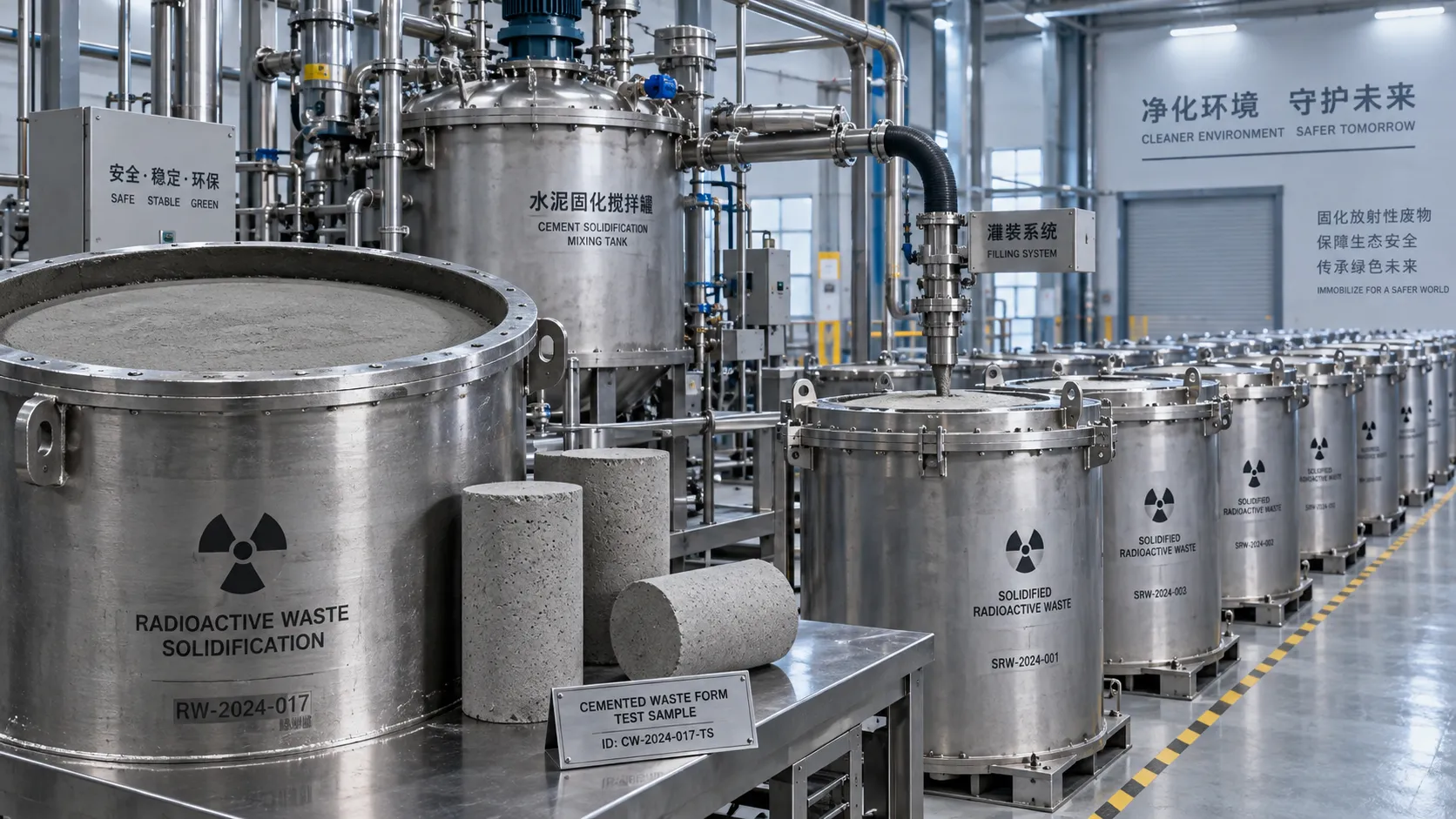
When is cementation suitable for nuclear decommissioning waste?
Explore nuclear waste treatment technology for decommissioning: learn when cementation fits, which risks to assess, and how disposal criteria guide an effective treatment choice.
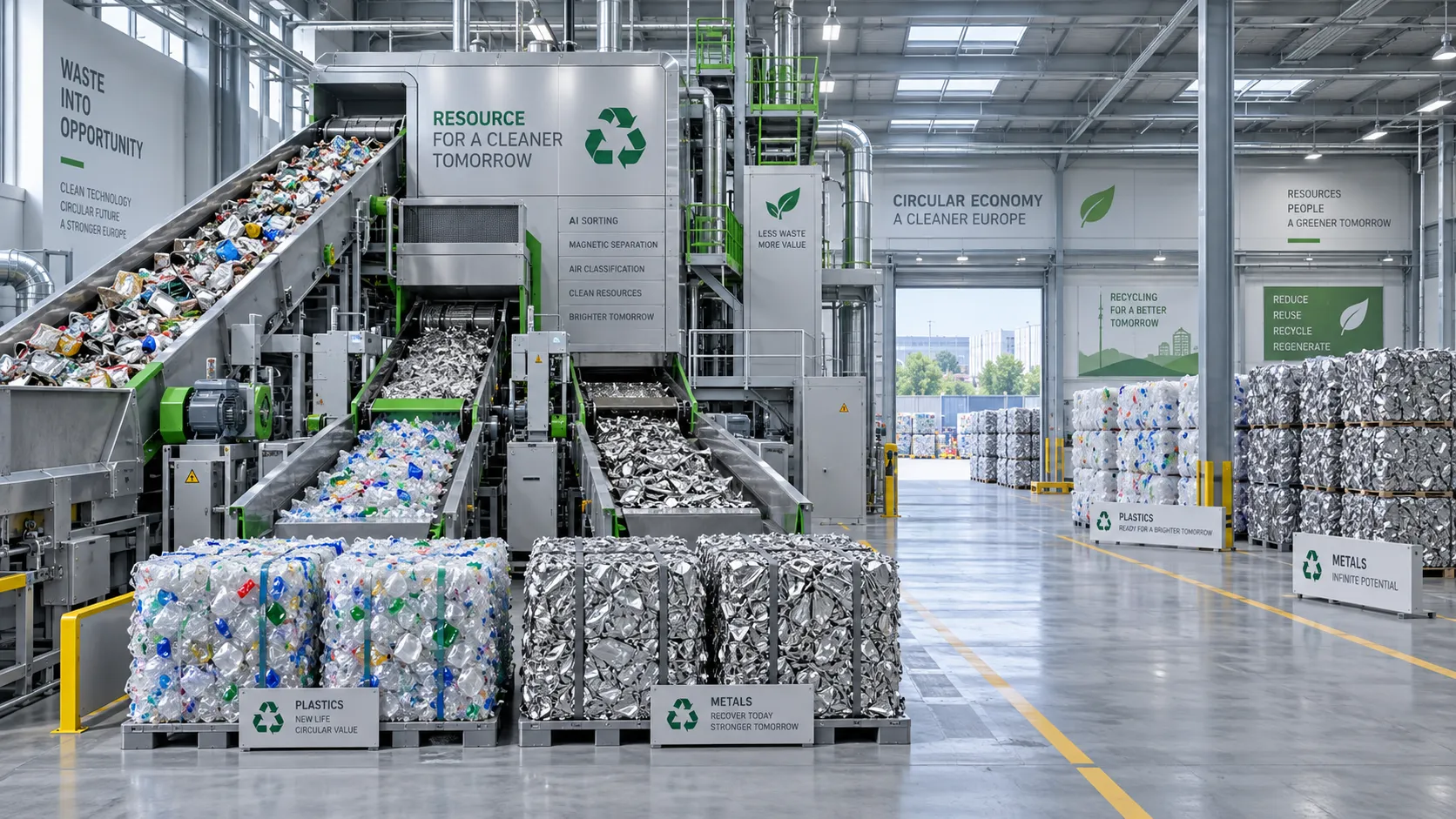
What determines payback for waste-to-resource systems in Europe?
Assess waste-to-resource systems Europe-wide: compare feedstock, recovery yields, costs and contracts to uncover payback drivers and make smarter investment decisions.
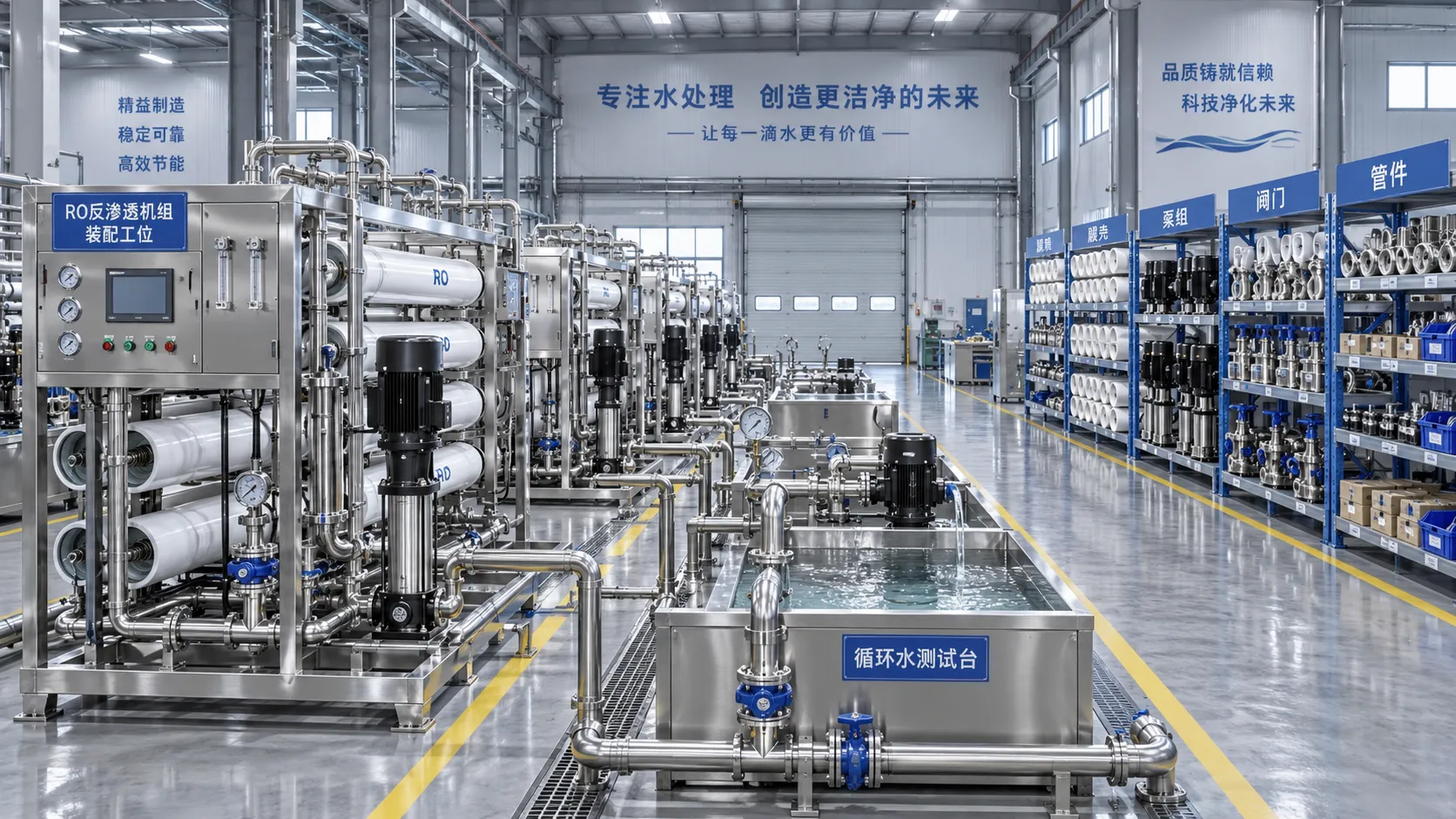
How to verify a water treatment system factory’s production capacity
Verify a water treatment systems factory’s production capacity through records, bottlenecks, component availability, and testing. Learn what to check before accepting a delivery promise.
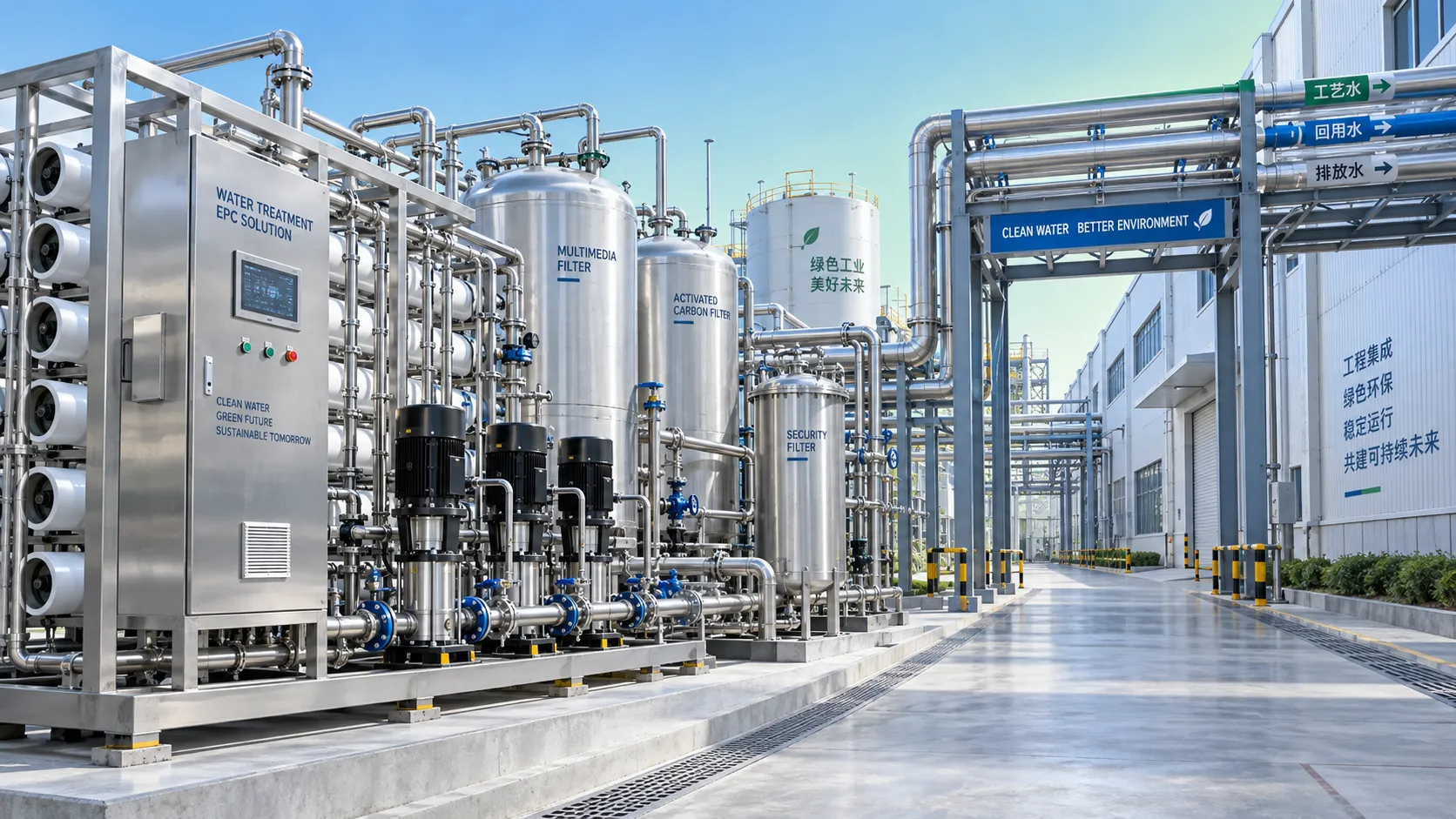
When does EPC environmental project support reduce delivery risk?
EPC environmental project support engineering reduces delivery risk by aligning design, procurement, compliance, construction, and commissioning decisions.
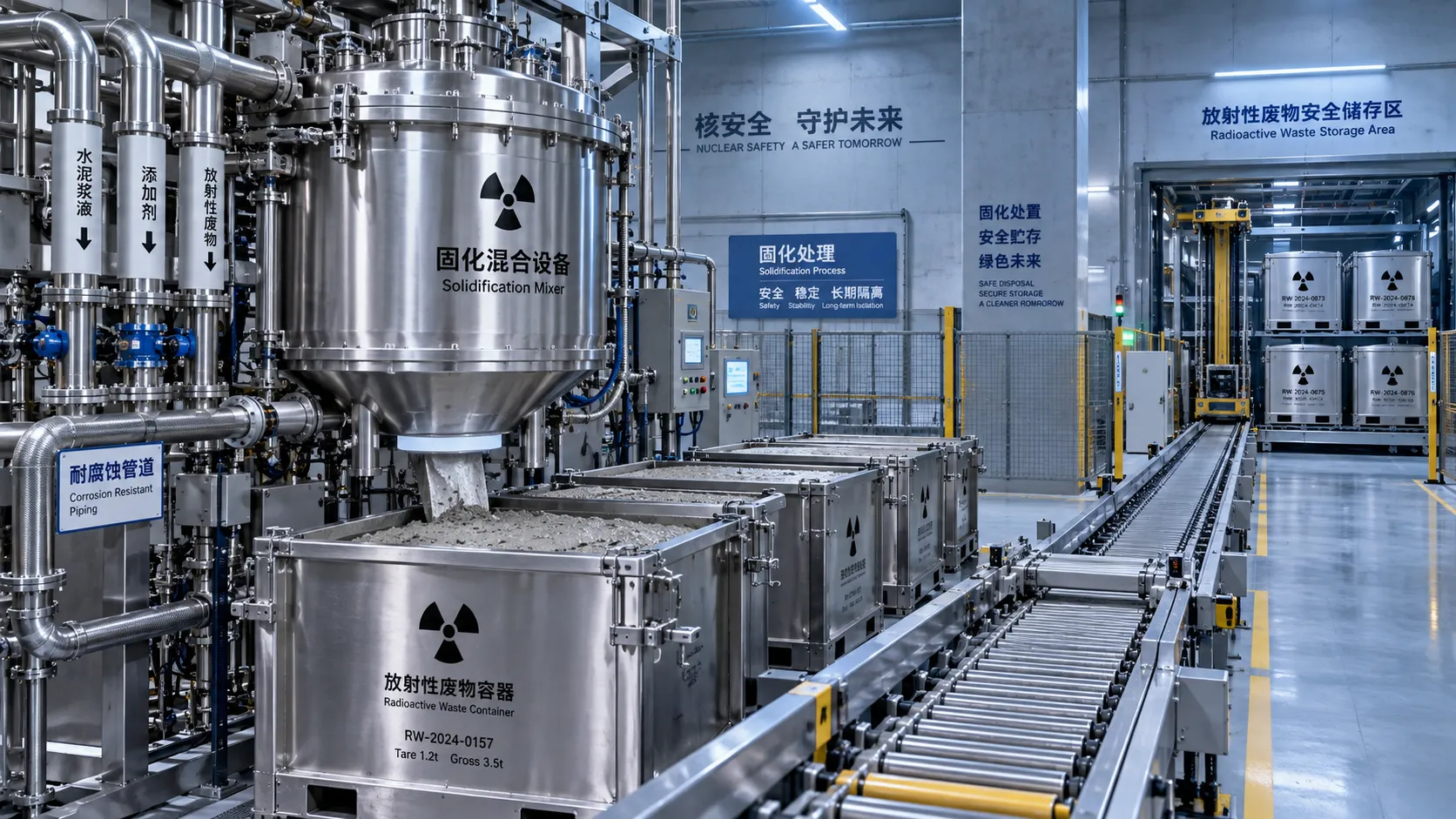
How nuclear plants select a radioactive waste solidification method
Radioactive waste management for nuclear plants: compare vitrification, cementation, polymers, and ceramics to select a compliant, durable solidification solution.
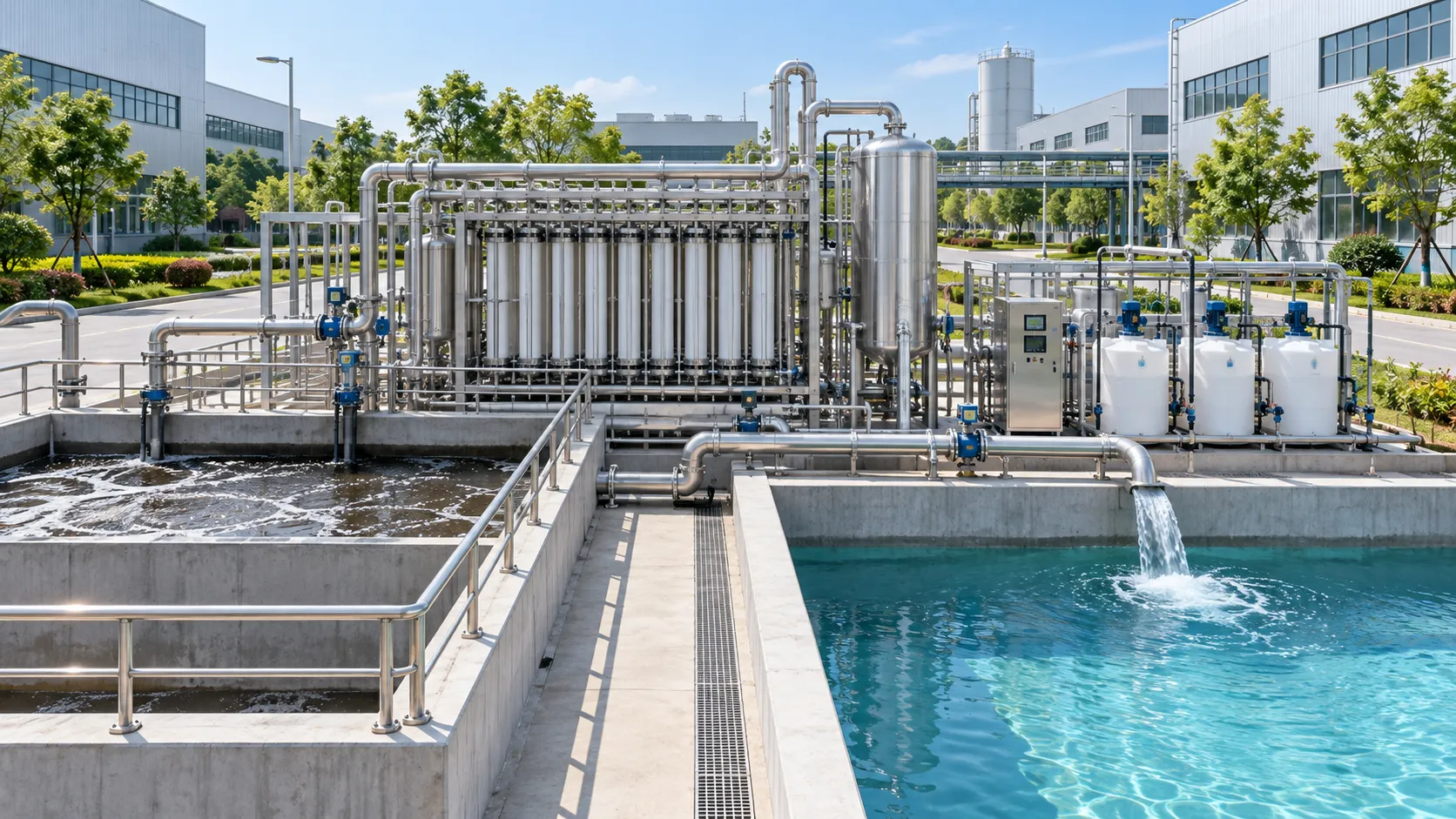
Comparing Upgrade Costs for Industrial Park Wastewater Treatment Systems
Compare costs for wastewater system upgrades in industrial parks with a lifecycle view of CAPEX, OPEX, compliance, resilience, and future expansion.
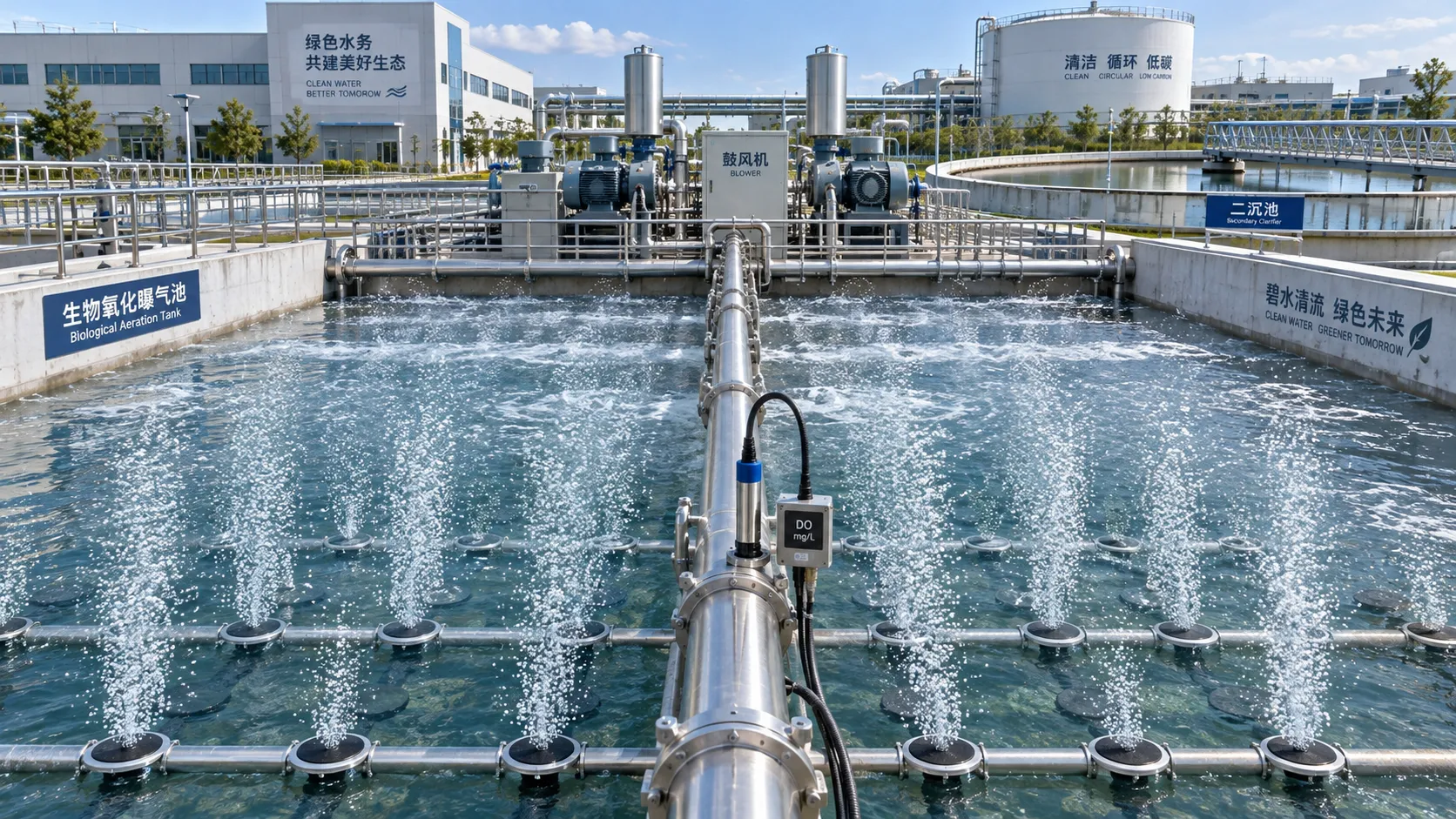
Biological Wastewater Oxidation Explained: Aeration Demand and Process Control
Biological wastewater oxidation explained: optimize aeration demand, DO control, nitrification, and sludge age for stable effluent quality and lower energy costs.
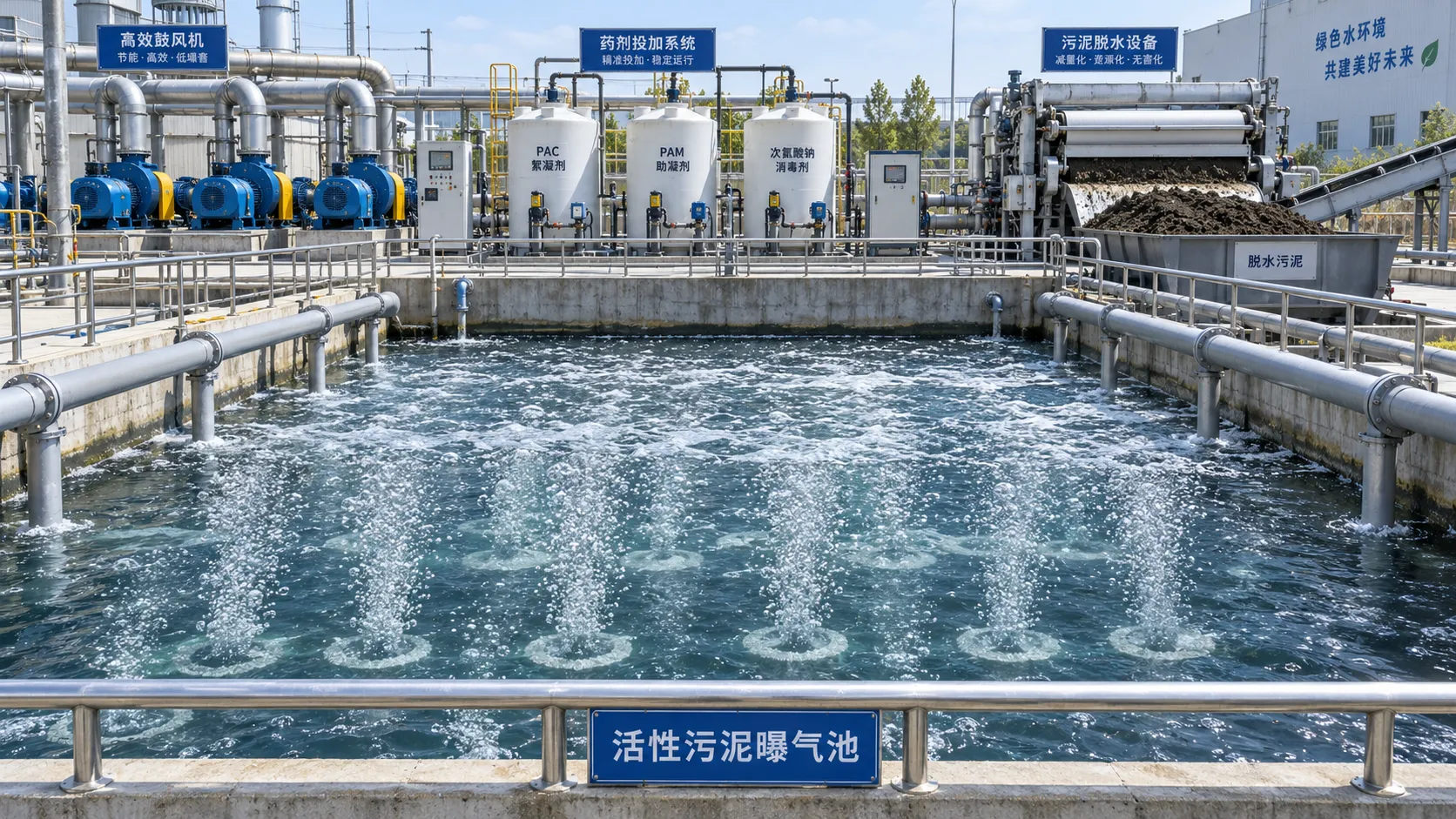
Activated Sludge Cost: Budgeting Energy, Chemicals, Sludge, and Labor
Activated sludge cost explained: compare energy, chemicals, sludge disposal, labor, and compliance risks to build a reliable lifecycle budget.
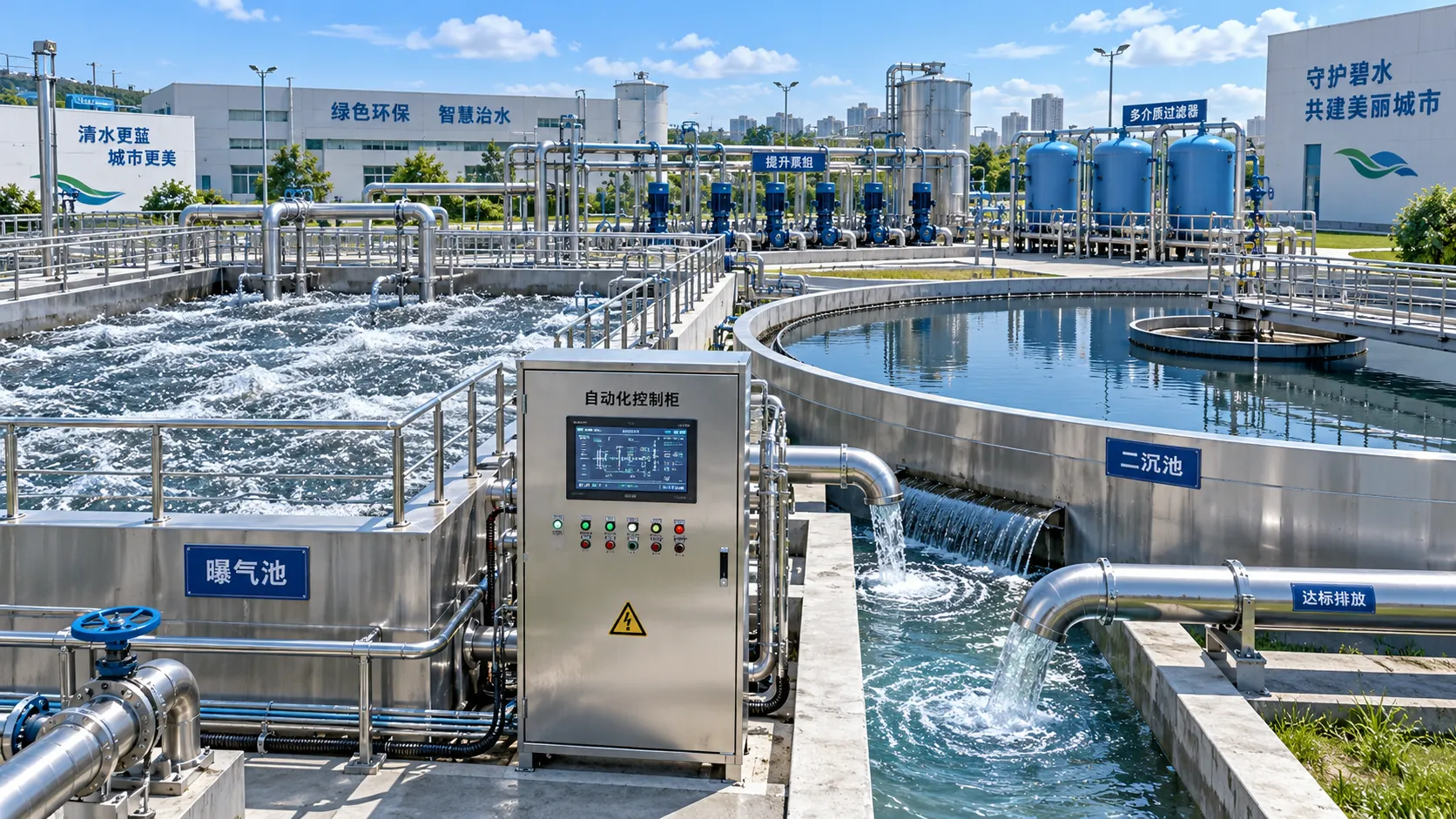
When Should Municipal Wastewater Plants Upgrade Treatment Capacity and Controls?
Municipal wastewater treatment upgrades: learn when capacity, controls, and resilient planning are needed to protect compliance and optimize plant performance.