
Industry News
Curation by industry experts
Hot Articles
Popular Tags
Green Tech Enterprises List: How to Judge Market Relevance Fast
Green Tech Enterprises List: What Makes It Useful in Real Decisions?
A green tech enterprises list is only valuable when it shortens real evaluation work.
That means it should reveal demand strength, compliance pressure, technical fit, and project scale.
In practice, many lists look impressive but mix pilot-stage names with bankable equipment suppliers.
That creates noise, especially in water treatment, waste recovery, flue gas control, desalination, and nuclear waste management.
A stronger approach is to read the green tech enterprises list as a market relevance map.
The fastest judgment usually comes from three signals: regulation, replacement demand, and operating reliability.
This is also where ESD’s industry perspective becomes useful.
Its coverage connects equipment intelligence with environmental compliance, resource loops, and long-cycle infrastructure trends.
So instead of asking which names are famous, a better question is simpler.
Which companies on a green tech enterprises list are aligned with real projects now, and still relevant three years from now?
When does a green tech enterprises list reflect the market, not just publicity?
A credible green tech enterprises list usually mirrors where capital and regulation are already moving.
That is why infrastructure-heavy segments often deserve more attention than broad sustainability branding.
For example, industrial ZLD systems, SWRO membranes, FGD scrubbers, AI sorting lines, and hazardous residue treatment all sit close to mandatory demand.
These are not optional image projects.
They are tied to permits, emissions limits, water scarcity, waste quotas, or grid-scale industrial operations.
A list becomes less reliable when it overweights startups with strong messaging but thin installed base.
It also weakens when it ignores replacement markets.
Many profitable opportunities come from retrofits, performance upgrades, and compliance tightening rather than brand-new plants.
In sectors tracked by ESD, relevance often appears where engineering complexity is high and failure cost is unacceptable.
That includes desalination trains, low-temperature SCR systems, advanced recycling lines, and nuclear waste containment technologies.
A quick screen before deeper research
- Is the company linked to regulated industrial demand?
- Does it serve utility-scale or municipal-scale projects?
- Can its equipment run reliably under continuous load?
- Is there evidence of repeat deployment, not one-off pilots?
- Does the business benefit from stricter environmental rules?
Which sectors on a green tech enterprises list usually matter first?
Not every segment on a green tech enterprises list moves at the same speed.
Some are driven by sentiment.
Others are driven by unavoidable engineering demand.
The second group is usually easier to judge.
Large water treatment stands out because municipal upgrades and industrial discharge standards keep moving upward.
Solid waste recovery also remains active, especially where pyrolysis, RDF, metals recovery, and AI sorting improve landfill diversion economics.
Flue gas treatment stays relevant because heavy industry still faces direct emissions enforcement.
Desalination becomes more important where drought risk meets population growth and industrial expansion.
Nuclear waste management is narrower, but its technical barriers and compliance demands are exceptionally high.
That makes supplier quality more important than headline volume.
The table below helps sort sectors by relevance speed.
How can you judge market relevance quickly without reading everything?
The fastest method is to test each company against a short decision frame.
Think in terms of pull, proof, and persistence.
Pull means the market is forcing demand through regulation, scarcity, or operating risk.
Proof means the company has real installations, not only demonstrations.
Persistence means the demand is likely to survive policy shifts or funding cycles.
This matters because a green tech enterprises list often mixes mature infrastructure vendors with early narrative-driven firms.
If speed matters, start with publicly visible indicators.
- Tender participation in municipal or industrial projects
- References in harsh operating environments
- Alignment with CBAM, discharge, recycling, or emissions rules
- After-sales service depth and commissioning capability
- Ability to support retrofits, not just greenfield builds
In ESD-tracked segments, technical depth is often hidden behind ordinary marketing language.
So it helps to look for clues like membrane durability, catalyst behavior at lower temperatures, sorting precision under contamination, or vitrification stability.
Those details usually separate relevant suppliers from decorative entries on a green tech enterprises list.
What mistakes make a green tech enterprises list misleading?
One common mistake is treating all environmental technologies as equally scalable.
They are not.
A company may have a promising process and still lack procurement readiness, site adaptation, or service reach.
Another mistake is focusing on funding announcements more than operating evidence.
Capital can accelerate adoption, but it does not replace performance under field conditions.
There is also a geography problem.
A green tech enterprises list built around one region may ignore where desalination, flue gas upgrades, or waste recovery are expanding fastest.
That reduces its practical value.
Red flags worth checking early
- Only pilot references, no commercial plant history
- Strong sustainability claims, weak process data
- No clear answer on consumables, maintenance, or downtime
- Revenue story depends on subsidies alone
- Technology sounds broad, but target applications stay vague
More often than not, relevance is lost in the gap between concept value and project execution.
That is why the better green tech enterprises list is rarely the longest one.
It is the one filtered by proof, compliance fit, and repeatable deployment.
Is it better to compare companies by technology, project type, or compliance pressure?
The most practical answer is to combine all three, but in the right order.
Start with compliance pressure, because that creates the demand floor.
Then compare project type, because municipal, industrial, marine, and hazardous applications behave differently.
Only after that should technology comparison go deeper.
For example, a membrane supplier may look strong on paper.
Yet if its economics fail under high-fouling seawater conditions, market relevance drops.
The same logic applies to waste sorting or flue gas systems.
Performance only matters when it holds under the conditions buyers actually face.
ESD’s intelligence model is useful here because it links technical parameters with policy movement and commercial demand.
That avoids the usual mistake of reading a green tech enterprises list as a branding directory.
A more reliable reading is this: which names can defend performance, pass compliance scrutiny, and scale across real projects?
What should you do after narrowing the list?
Once a green tech enterprises list is shortened, the next step is structured verification.
Do not jump straight from awareness to commitment.
Build a short comparison sheet around project references, service capability, compliance alignment, and lifecycle economics.
It is also worth tracking whether demand is driven by temporary funding or by permanent operating necessity.
That distinction changes long-term value.
In practical terms, a useful green tech enterprises list should lead to clearer questions, not faster assumptions.
If the market is tied to water stress, emissions enforcement, circular resource recovery, or high-risk waste control, relevance can usually be judged with reasonable speed.
The key is to read names through the lens of infrastructure reality.
A short next step works well: define target applications, rank compliance pressure, compare operating proof, and flag timeline risks.
That turns a broad green tech enterprises list into a usable market tool instead of a static collection of company names.
Recommended News

How high purity heavy metal recovery affects recovered metal value
High purity heavy metal recovery boosts recovered metal value by improving payability, reducing penalties, and unlocking stronger buyer opportunities. Explore smarter netback strategies.
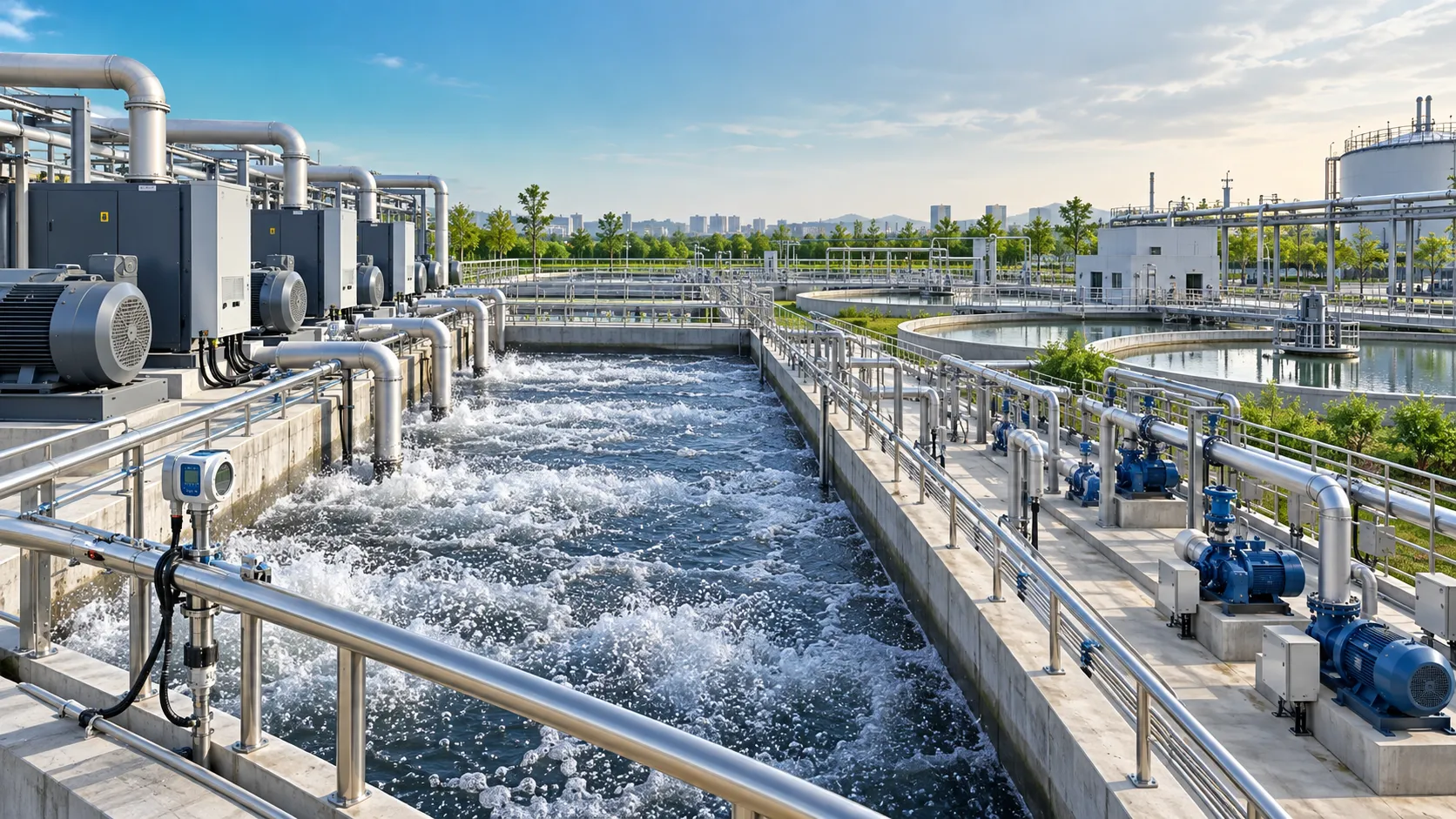
When does environmental equipment intelligence reduce wastewater plant energy use?
Environmental equipment intelligence for wastewater plants cuts energy use through smarter aeration, pumping, and data-driven controls—without compromising compliance. Discover when it delivers measurable savings.
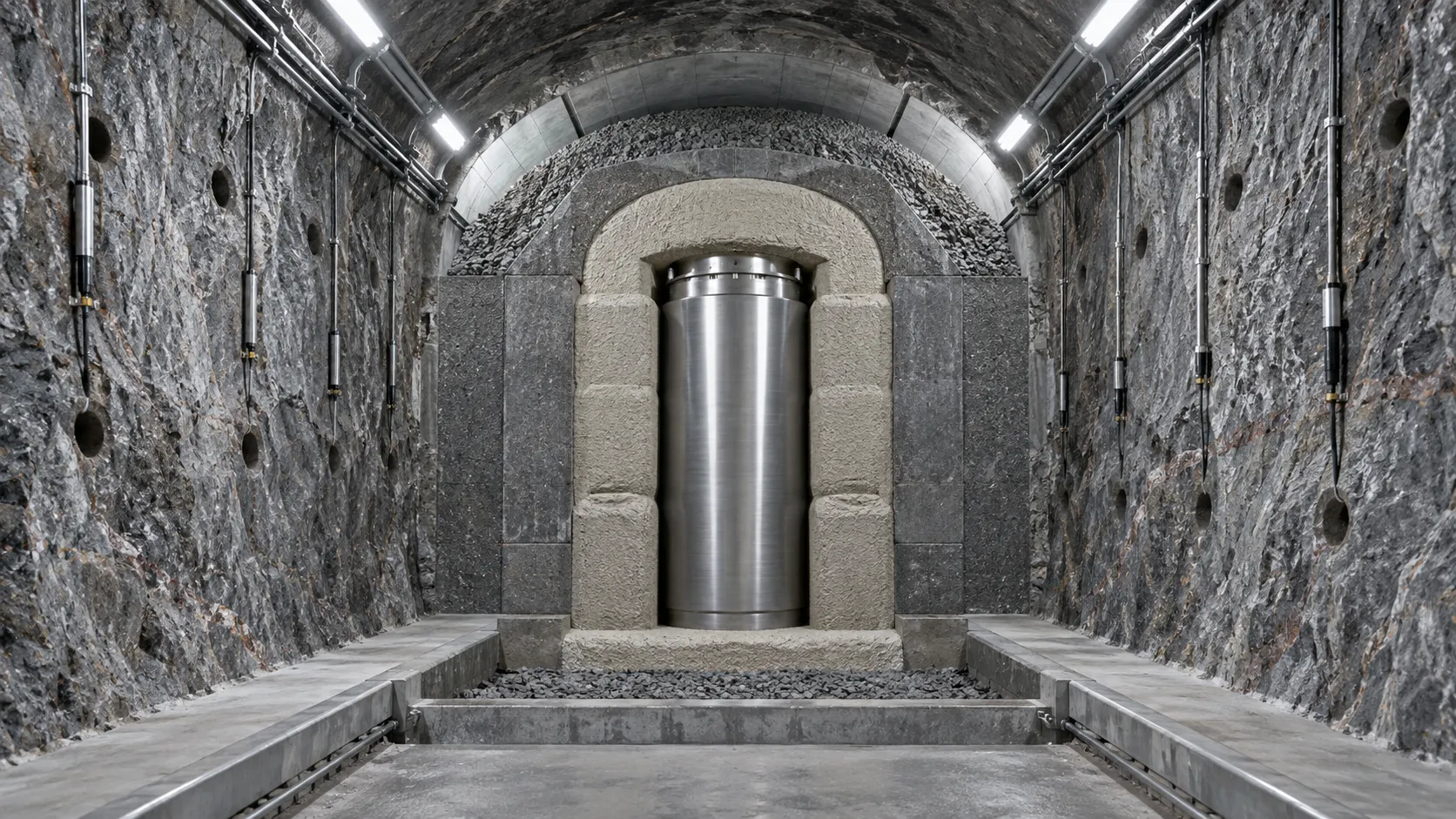
What Evidence Supports the Long-Term Safety Case for Geological Disposal?
Long-term safety of geological disposal: explore the evidence behind multi-barrier systems, site science, uncertainty testing, and auditable safety cases.
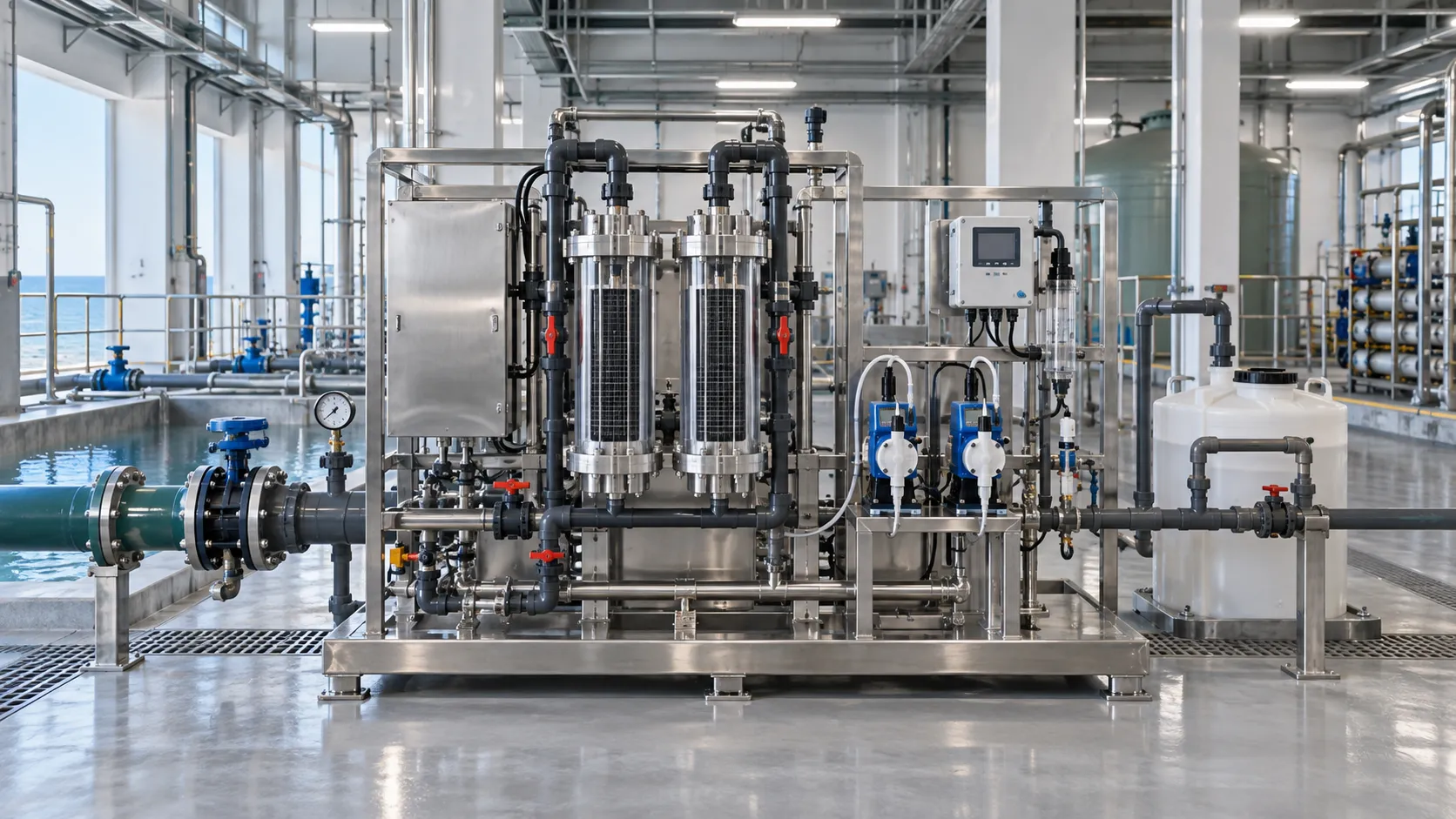
What Do Seawater Disinfection Systems Cost Over Their Full Operating Life?
What are the costs associated with seawater disinfection systems? Explore lifecycle expenses for equipment, energy, chemicals, maintenance, compliance, and risk.
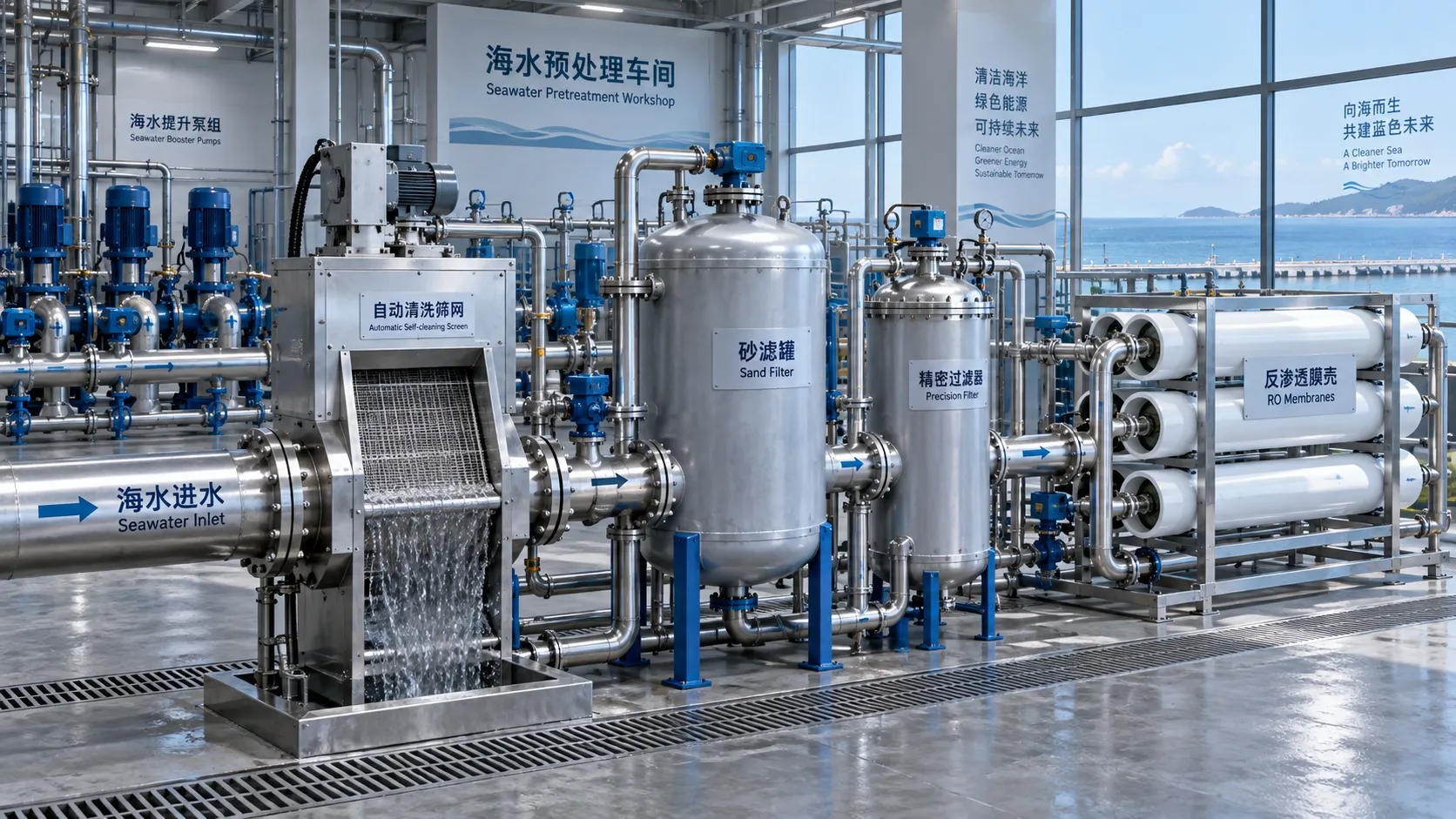
How to Improve Industrial Seawater Quality Before Cooling or Membrane Treatment
How can I improve the quality of seawater used for industrial processes? Explore proven pretreatment strategies for cooling systems and RO membranes.
Desalination Plant Maintenance Priorities That Prevent Unplanned Downtime
Desalination plant maintenance priorities that reduce unplanned downtime: protect pretreatment, RO membranes, pumps, chemical dosing, and critical controls.
Which supplier evaluation support tools improve audit consistency?
Supplier evaluation support tools improve audit consistency with controlled checklists, evidence capture, risk scoring, CAPA workflows, and traceable approvals. Explore the essentials.
How reactor retention time affects denitrification equipment performance
Denitrification equipment reactor performance depends on retention time, carbon, mixing, and load control. Explore practical insights for reliable nitrogen removal.
How feed salinity affects energy use in ZLD system brine treatment
ZLD system brine treatment: discover how feed salinity drives energy use, scaling risk, and technology choices for efficient, reliable zero liquid discharge.