
Industry News
Curation by industry experts
Hot Articles
Popular Tags
Green Tech Enterprises in 2026: Margin Pressure and Growth Signals
In 2026, green tech enterprises are navigating a tougher market where margin pressure collides with rising demand from water treatment, waste recovery, desalination, and emissions control. For distributors, agents, and channel partners, the real opportunity lies in spotting where compliance, infrastructure investment, and technology upgrades are creating durable growth signals—and where premium equipment can still defend pricing power.
For channel-focused businesses, that tension is no longer theoretical. Bid cycles are longer, price negotiations are sharper, and end users increasingly expect lifecycle support rather than simple equipment delivery. At the same time, environmental regulation, water scarcity, carbon controls, and resource recovery economics are pushing new projects into the pipeline across multiple regions.
This is where green tech enterprises can still expand with discipline. For distributors and agents serving EPC firms, utilities, industrial plants, and municipal buyers, the strongest opportunities in 2026 are not evenly spread. They are concentrated in applications where compliance deadlines are fixed, operating reliability matters more than headline capex, and technical complexity limits low-cost substitution.
Within that landscape, ESD’s intelligence lens is especially relevant. High-end equipment in large water treatment, solid waste recovery, flue gas treatment, seawater desalination, and nuclear waste management is increasingly sold through a combination of technical credibility, local service readiness, and strategic timing. Margin pressure is real, but so are the growth signals for those who read the market correctly.
Why Margin Pressure Is Intensifying for Green Tech Enterprises in 2026
The first challenge is a shift in procurement behavior. In many tenders, buyers now compare not just 2 or 3 brands, but 5 to 7 technically acceptable options. This widens the competitive field and compresses distributor margins, especially in mid-spec equipment where differentiation is weak.
The second challenge is cost volatility. In treatment systems and recovery lines, lead components such as pumps, pressure vessels, specialty alloys, membranes, catalyst substrates, and control modules can still show price swings over 8 to 15 weeks. That makes fixed-price channel commitments riskier than they were 24 months ago.
Third, after-sales expectations are rising. Buyers increasingly ask for 12 to 36 months of spare parts visibility, response windows under 48 hours, and preventive maintenance schedules every 3, 6, or 12 months. These service obligations add cost for channel partners that rely on price-led selling without building technical capacity.
Where price pressure is strongest
- Standardized wastewater skids with low customization requirements
- Basic sorting equipment where AI capability is not required
- Commodity filtration and low-complexity gas treatment components
- Projects where award criteria are weighted over 60% toward upfront price
Where premium pricing still survives
Premium positioning remains defensible when the cost of failure is high. In ZLD systems, SWRO trains, low-temperature SCR performance, advanced resource recovery, or nuclear waste handling interfaces, buyers usually focus on uptime, recovery rate, corrosion resistance, reagent efficiency, and compliance documentation. In these segments, a 5% to 12% higher equipment price may be accepted if it reduces operating instability over a 10- to 15-year asset life.
For green tech enterprises, the implication is clear: margin defense depends less on generic sales claims and more on measurable value. Channel partners must be able to explain salt rejection ranges, sludge reduction effects, catalyst activity windows, sorting purity benchmarks, service intervals, and commissioning requirements in practical terms.
A practical distributor view
If a distributor is selling into a municipal desalination project of 50,000 to 250,000 m³/day, downtime risk and membrane performance drift matter far more than a small capex discount. The same logic applies in hazardous waste recovery and high-compliance flue gas systems, where replacement, penalties, or rework can erase any initial savings.
The Strongest Growth Signals Across ESD’s Core Segments
Not all environmental sectors are moving at the same speed. In 2026, the most reliable signals for green tech enterprises come from structural demand drivers rather than temporary spending waves. These include tighter discharge limits, water security planning, carbon-related trade pressure, urban mining economics, and asset modernization for aging infrastructure.
1. Large-scale water treatment and ZLD
Industrial water reuse is moving from optional to mandatory in many high-load sectors. Chemical processing, mining, textiles, power generation, and semiconductors increasingly require recovery rates above 75% or staged reuse strategies that reduce freshwater demand. In this environment, ZLD-linked equipment packages create strong channel opportunities.
Distributors should watch applications where wastewater chemistry is difficult: high TDS, variable pH, silica, organics, and scaling risk. These projects are technically demanding, which limits low-end competition and rewards suppliers who can support pretreatment design, membrane selection, evaporative stages, and automation integration.
2. Solid waste recovery and AI sorting
Waste is increasingly treated as a feedstock. In mixed municipal and industrial streams, AI-enabled sorting lines can improve purity, labor efficiency, and downstream pyrolysis or recycling economics. Typical value creation comes from better separation of plastics, metals, fibers, and organics rather than from volume alone.
For channel partners, growth is strongest where landfill costs are rising, recyclate value is visible, and municipalities or operators are upgrading from manual or optical-only sorting. Even a 5% to 10% improvement in purity can materially change recovery economics in secondary material networks.
3. Flue gas treatment retrofits
Heavy industry is under pressure to reduce particulate matter, SOx, NOx, and acid gases without shutting down production. Retrofit demand remains resilient because many facilities prefer staged upgrades over full plant replacement. This favors modular scrubbers, catalyst-related components, controls, and corrosion-resistant system elements.
Low-temperature operating conditions are especially important in some facilities, since catalyst performance and reagent efficiency can vary sharply below certain thresholds. That creates room for technical selling rather than pure price competition.
The table below highlights where demand signals are strongest and what distributors should monitor before committing sales resources.
The core takeaway is that green tech enterprises should prioritize sectors where regulation and operating economics reinforce each other. When compliance urgency aligns with measurable payback, distributors gain more room to sell on value instead of discounting.
4. Heavy seawater desalination
Desalination remains one of the clearest long-term signals for green tech enterprises. Large projects are driven by water security, population concentration, industrial corridor expansion, and climate stress. Yet the market is not simple. Energy intensity, membrane life, pretreatment quality, and intake conditions all shape project bankability.
For distributors, the most attractive opportunities often sit around critical subsystems rather than complete plants: SWRO membranes, energy recovery devices, high-pressure pumps, pretreatment units, chemical dosing systems, corrosion-resistant piping, and digital monitoring layers. Typical project timelines can extend 9 to 24 months, so early positioning matters.
5. Nuclear waste management support systems
This is a specialized segment, but one with high barriers and high importance. Procurement cycles are strict, qualification demands are significant, and documentation discipline is non-negotiable. For most channel partners, the opportunity is not mass volume but high-value involvement in containment support, treatment interfaces, handling systems, monitoring components, or material performance solutions.
Because the technical and regulatory threshold is high, green tech enterprises active in this area must invest in process understanding, not just sales access. Even a small number of qualified opportunities per year can be commercially meaningful if the distributor can support tender compliance and traceability requirements.
How Distributors and Agents Should Evaluate Opportunity Quality
In a margin-constrained market, the best channel strategy is not “more quotations.” It is better qualification. Green tech enterprises need a repeatable way to separate low-value inquiries from strategic opportunities. A disciplined screen usually reduces wasted effort within the first 2 to 4 weeks of engagement.
Four filters that improve channel efficiency
- Technical fit: Does the equipment meet process conditions, flow range, material compatibility, and compliance expectations?
- Decision structure: Is the buyer led by EPC, owner, utility, or public procurement authority?
- Service burden: Can local teams support commissioning, spare parts, and troubleshooting within agreed response windows?
- Margin durability: Is the sale driven by lowest price, or by measurable lifecycle value?
Typical red flags
- No clear water analysis, feed composition, or emissions baseline
- Compressed delivery demands under 6 weeks for customized systems
- Price comparison against non-equivalent specifications
- No maintenance scope or spare parts assumptions in the tender package
The following table can help distributors score opportunity quality before allocating engineering hours and commercial concessions.
A structured filter like this protects both sales time and margin. It also helps green tech enterprises decide when to lead with premium configurations and when to step back from low-probability bids.
Selection Standards That Help Premium Equipment Defend Pricing
In 2026, premium equipment does not win because it is expensive. It wins when buyers can link technical performance to operating outcomes. That means distributors must translate engineering detail into commercial logic with discipline.
Focus on lifecycle economics, not unit price
For water treatment and desalination, small differences in fouling rate, pressure drop, recovery efficiency, and chemical consumption can compound over 12 to 18 months. For flue gas systems, catalyst activity and maintenance access affect shutdown planning. For sorting lines, detection accuracy and downtime shape labor cost and recovered material value.
A distributor who can model even 3 to 5 operating variables is far better positioned than one who only presents a quotation. In many bids, that analytical support is what allows green tech enterprises to preserve 3% to 8% more margin.
Key technical proof points to present
- Operating range under variable feed or load conditions
- Maintenance intervals and consumables replacement cycles
- Material compatibility with corrosive, saline, abrasive, or hazardous environments
- Expected commissioning duration, often 3 to 14 days depending on system complexity
- Availability of local training, spare kits, and remote diagnostics
Common mistake in channel selling
One of the most common errors is treating high-end systems like commodity equipment. If a distributor cannot explain why one membrane train lasts longer under scaling stress, why one FGD component reduces corrosion exposure, or why one sorting system improves purity consistency over an 8-hour shift, the sale will collapse into price comparison.
Implementation, Service, and Risk Control for Channel Partners
Winning the order is only half the job. In environmental infrastructure, post-award execution is where margin is either protected or lost. Green tech enterprises that support distributors with clearer implementation frameworks usually outperform those that rely on reactive troubleshooting.
A five-step delivery model
- Pre-sale validation of process conditions, utility availability, and interface points
- Commercial alignment on scope boundaries, exclusions, and acceptance criteria
- Factory coordination, inspection planning, and shipping preparation
- Installation, commissioning, and operator training
- Spare parts planning, service schedule, and performance follow-up after 30, 90, and 180 days
Risk areas that deserve early attention
The highest execution risks usually come from mismatched specifications, under-scoped utility requirements, unrealistic delivery expectations, and missing service commitments. In corrosive or hazardous applications, documentation gaps can delay handover far more than hardware issues.
For that reason, distributors should set minimum checkpoints before order confirmation: at least 6 process data items verified, 3 acceptance criteria agreed, lead times confirmed for critical components, and a named technical contact on both supplier and buyer sides.
Why intelligence matters in 2026
Channel advantage now depends on intelligence as much as inventory. Regulatory changes, CBAM-related pressure, utility pricing, and local infrastructure budgets all shape the buying cycle. ESD’s focus on technical evolution and commercial insight reflects a simple reality: green tech enterprises grow faster when they connect process detail with market timing.
For distributors in water treatment, recovery systems, desalination, flue gas treatment, and nuclear waste support, the winning model is increasingly clear. Sell fewer weak-fit projects, qualify harder, support the buyer with technical confidence, and build margin around reliability, compliance, and lifecycle value.
The 2026 market will reward green tech enterprises that can read durable growth signals while managing margin discipline across the channel. If you serve EPC firms, utilities, municipalities, or industrial operators, the best opportunities are in segments where environmental compliance, infrastructure renewal, and technical complexity overlap.
ESD is positioned to help distributors, agents, and partners interpret those signals with sharper sector intelligence across large water treatment, waste recovery, flue gas control, heavy desalination, and nuclear waste management. To identify stronger-fit projects, compare solution pathways, or refine your equipment strategy, contact us today to get tailored guidance and explore more solutions.
Recommended News
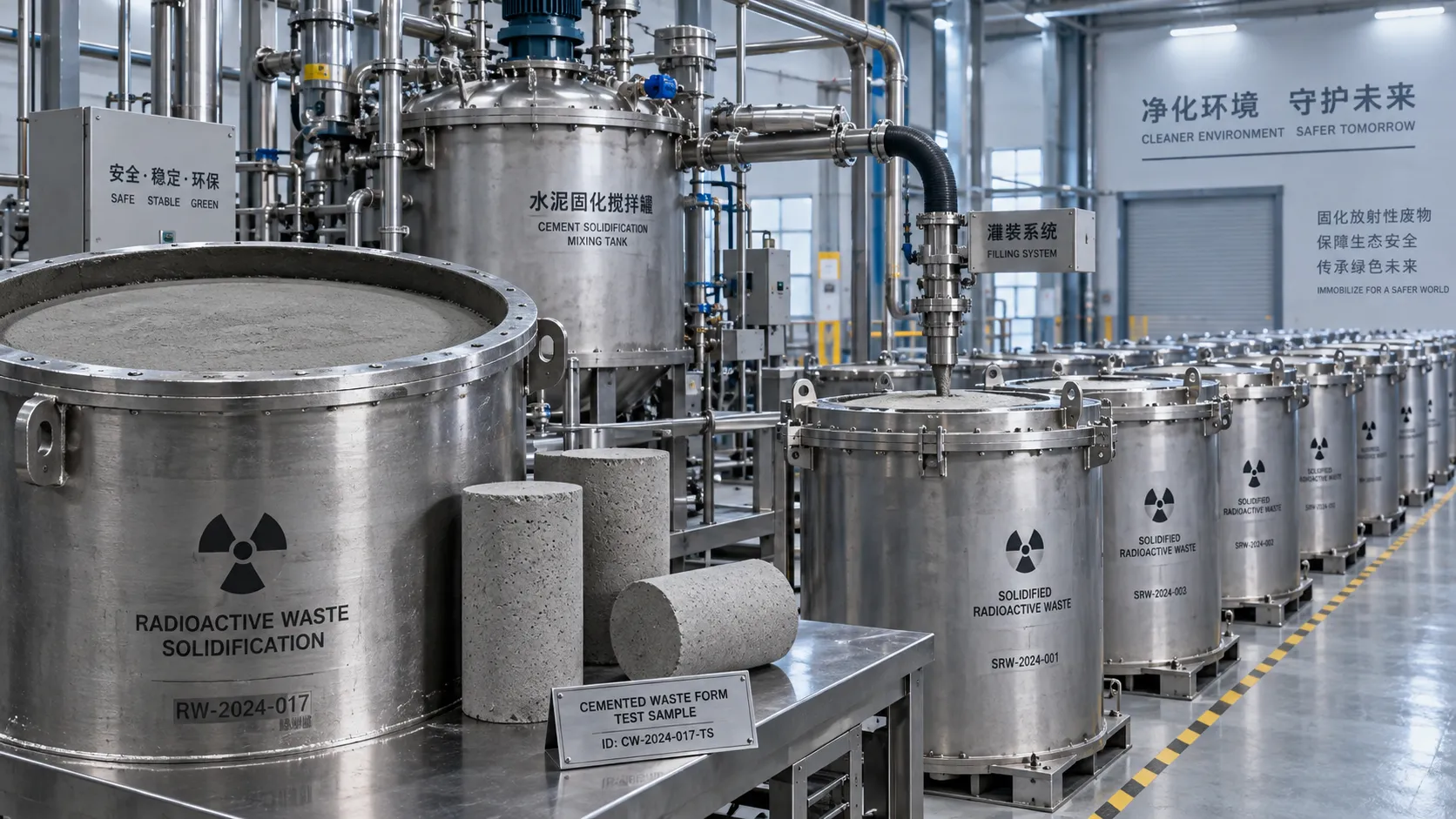
When is cementation suitable for nuclear decommissioning waste?
Explore nuclear waste treatment technology for decommissioning: learn when cementation fits, which risks to assess, and how disposal criteria guide an effective treatment choice.
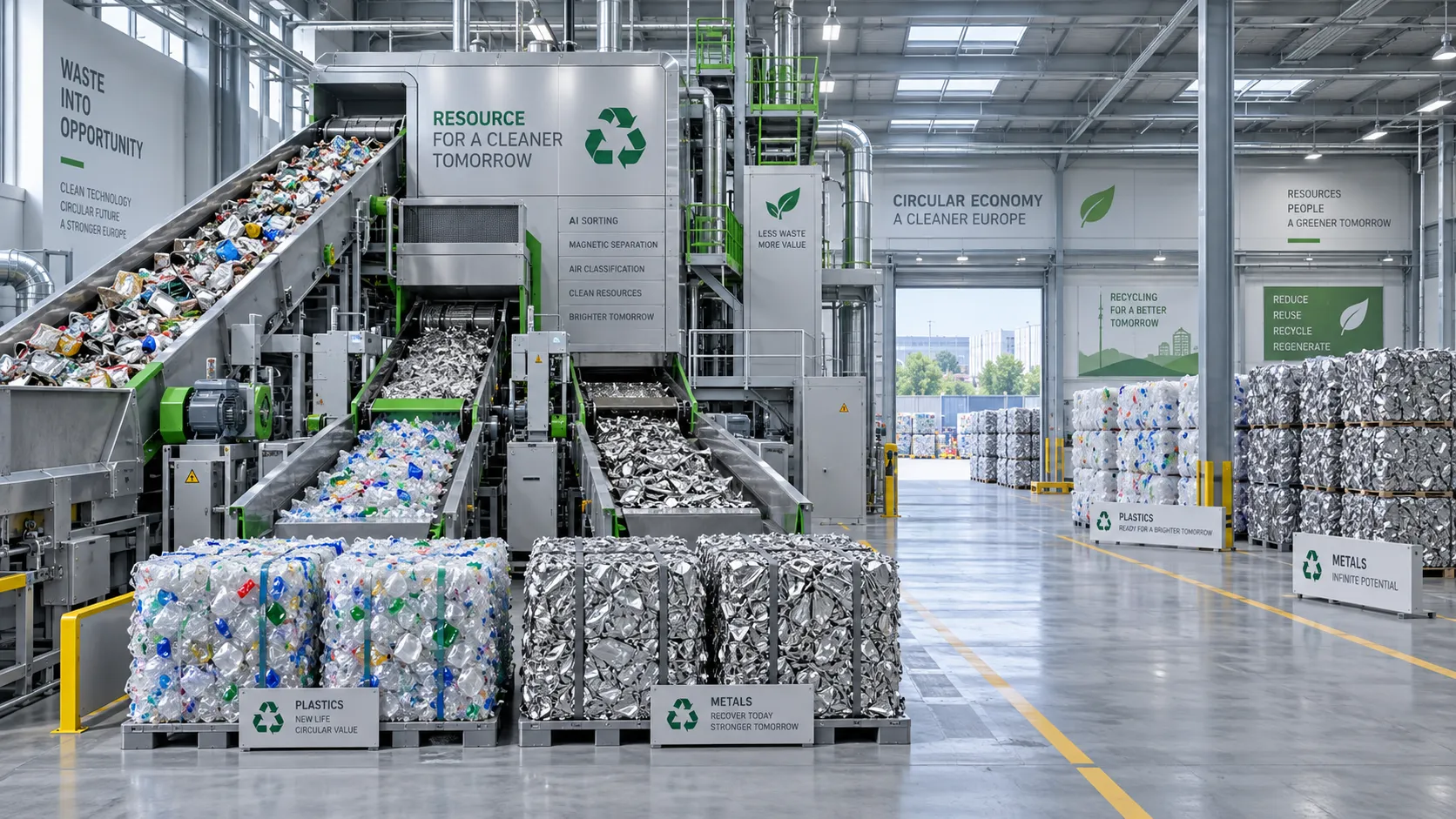
What determines payback for waste-to-resource systems in Europe?
Assess waste-to-resource systems Europe-wide: compare feedstock, recovery yields, costs and contracts to uncover payback drivers and make smarter investment decisions.
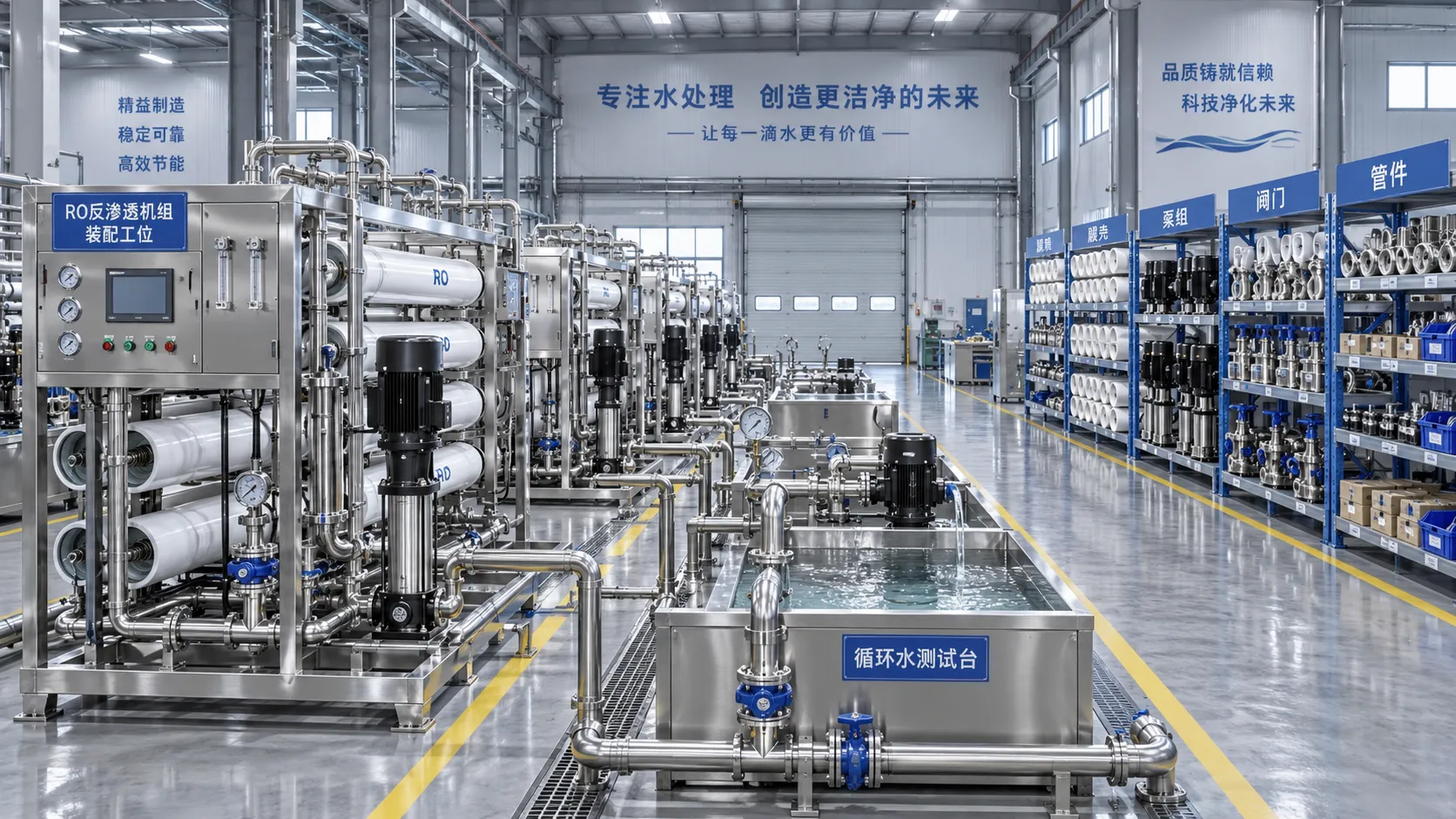
How to verify a water treatment system factory’s production capacity
Verify a water treatment systems factory’s production capacity through records, bottlenecks, component availability, and testing. Learn what to check before accepting a delivery promise.
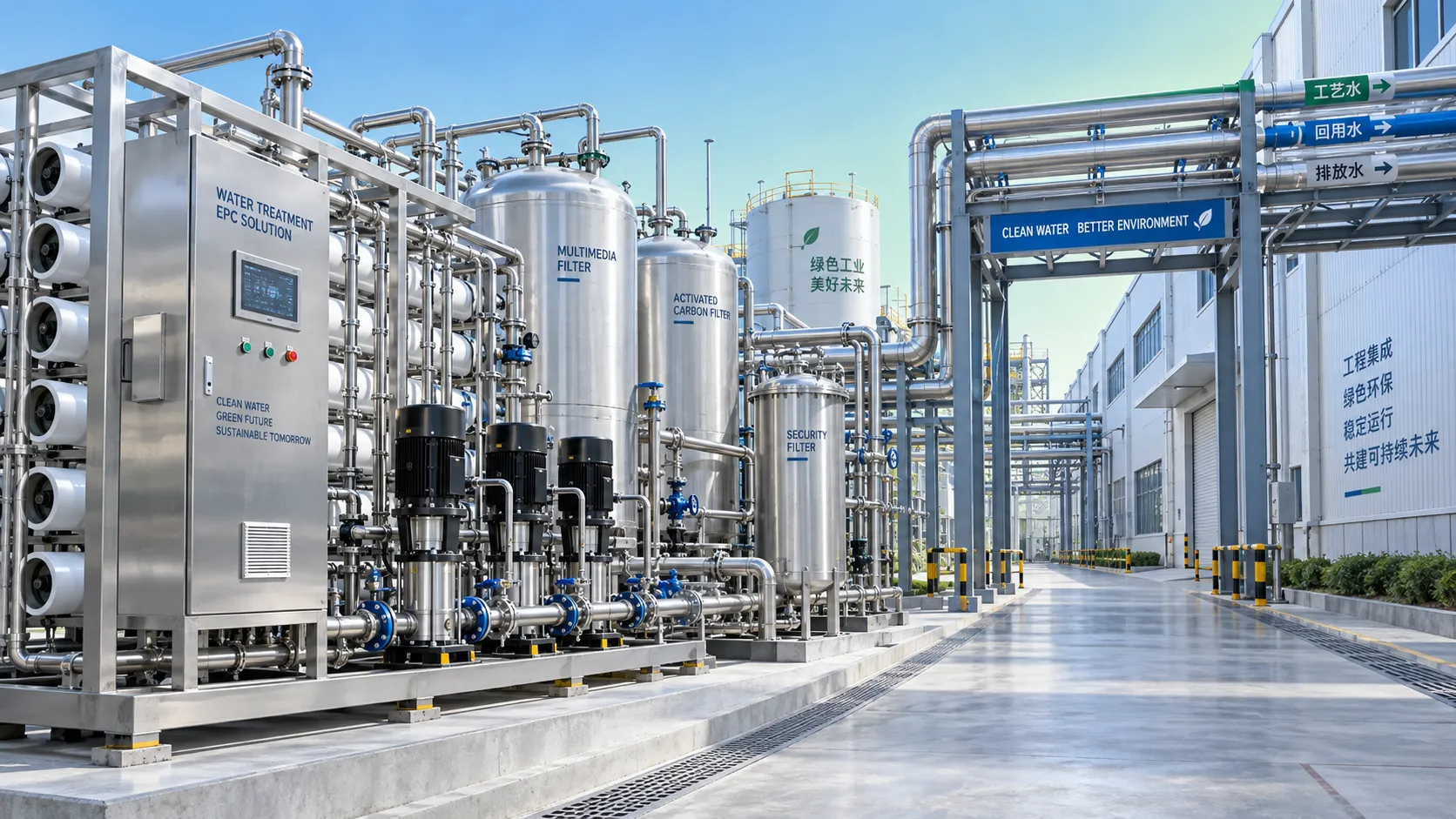
When does EPC environmental project support reduce delivery risk?
EPC environmental project support engineering reduces delivery risk by aligning design, procurement, compliance, construction, and commissioning decisions.
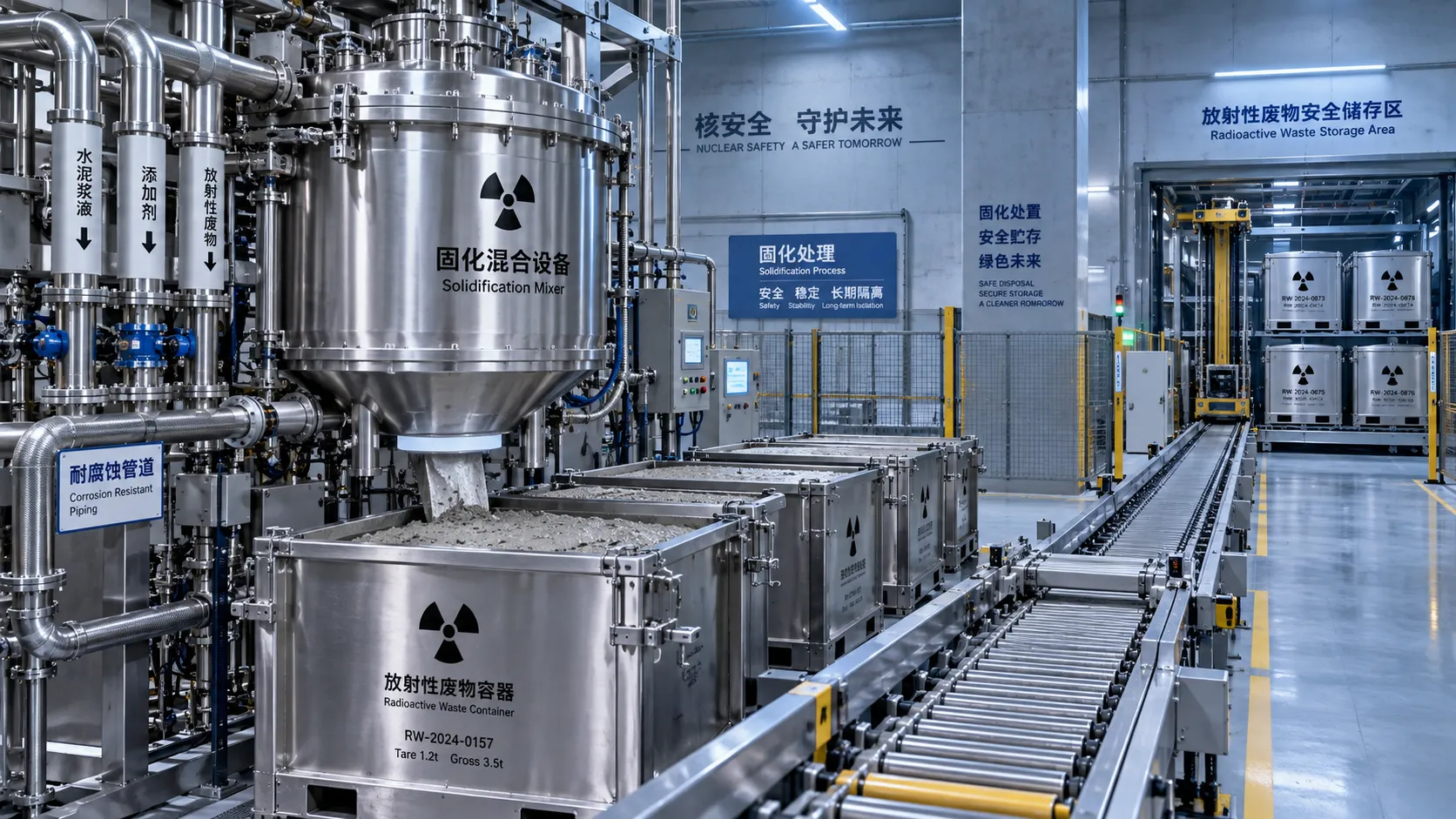
How nuclear plants select a radioactive waste solidification method
Radioactive waste management for nuclear plants: compare vitrification, cementation, polymers, and ceramics to select a compliant, durable solidification solution.
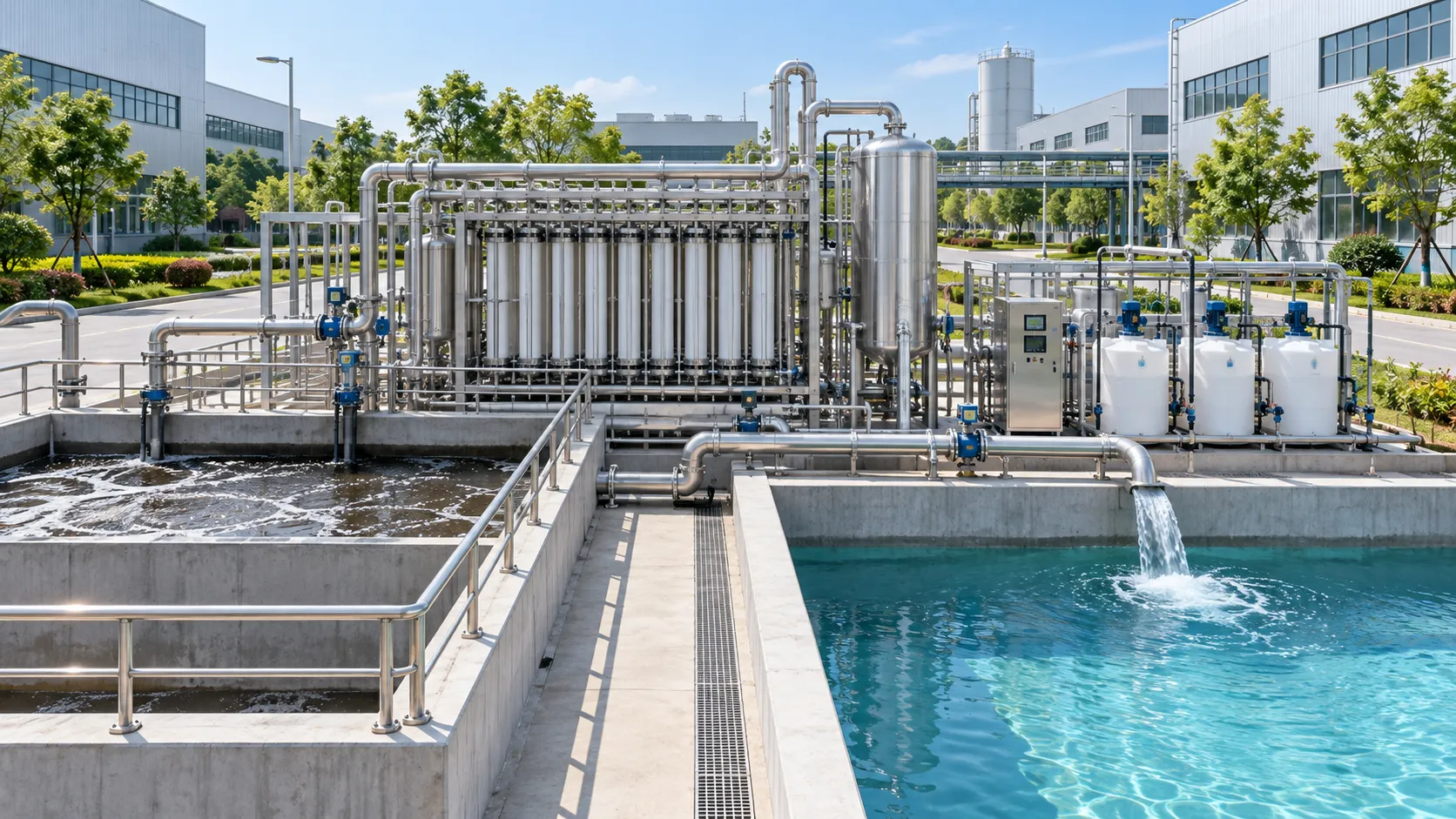
Comparing Upgrade Costs for Industrial Park Wastewater Treatment Systems
Compare costs for wastewater system upgrades in industrial parks with a lifecycle view of CAPEX, OPEX, compliance, resilience, and future expansion.
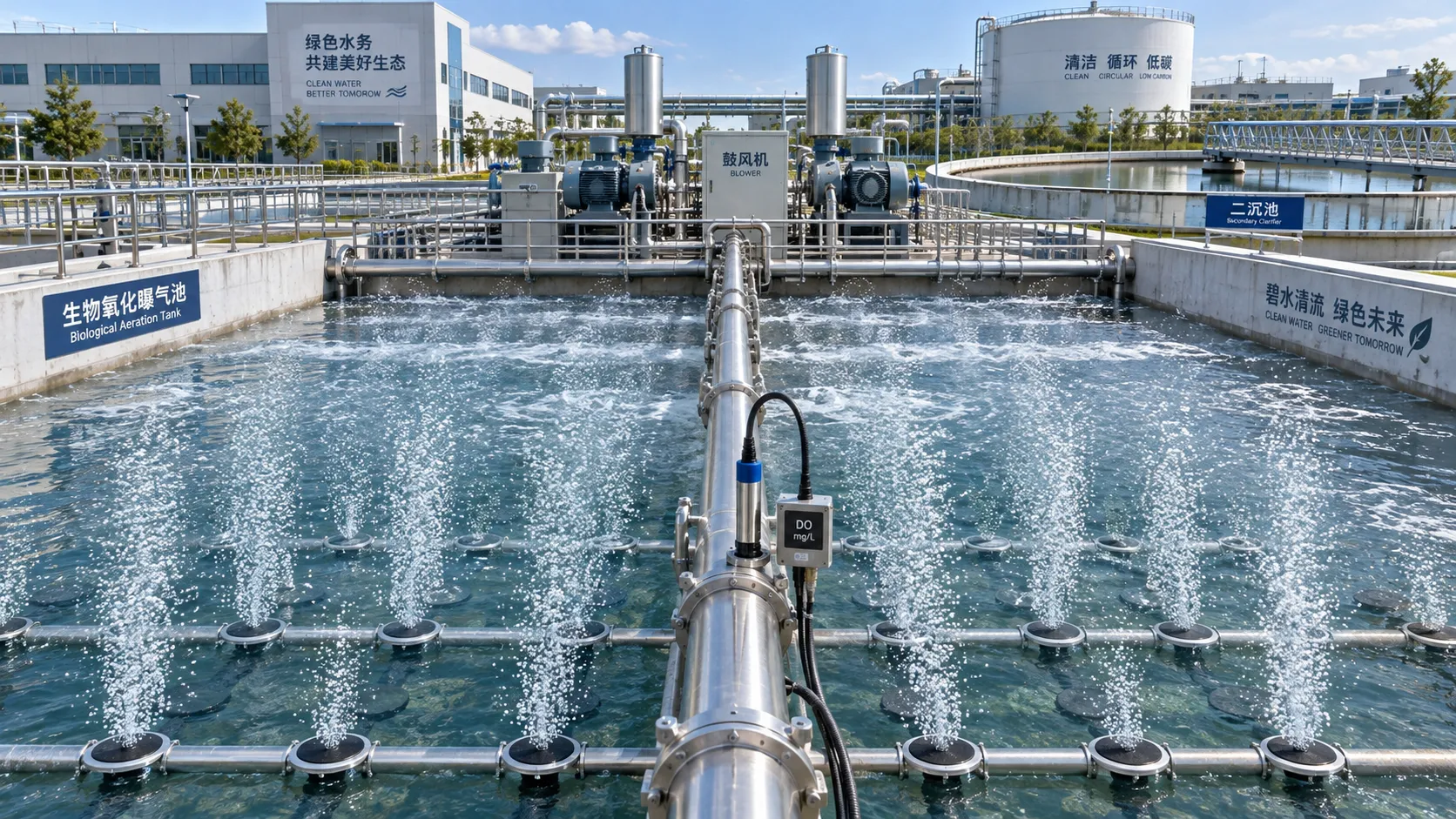
Biological Wastewater Oxidation Explained: Aeration Demand and Process Control
Biological wastewater oxidation explained: optimize aeration demand, DO control, nitrification, and sludge age for stable effluent quality and lower energy costs.
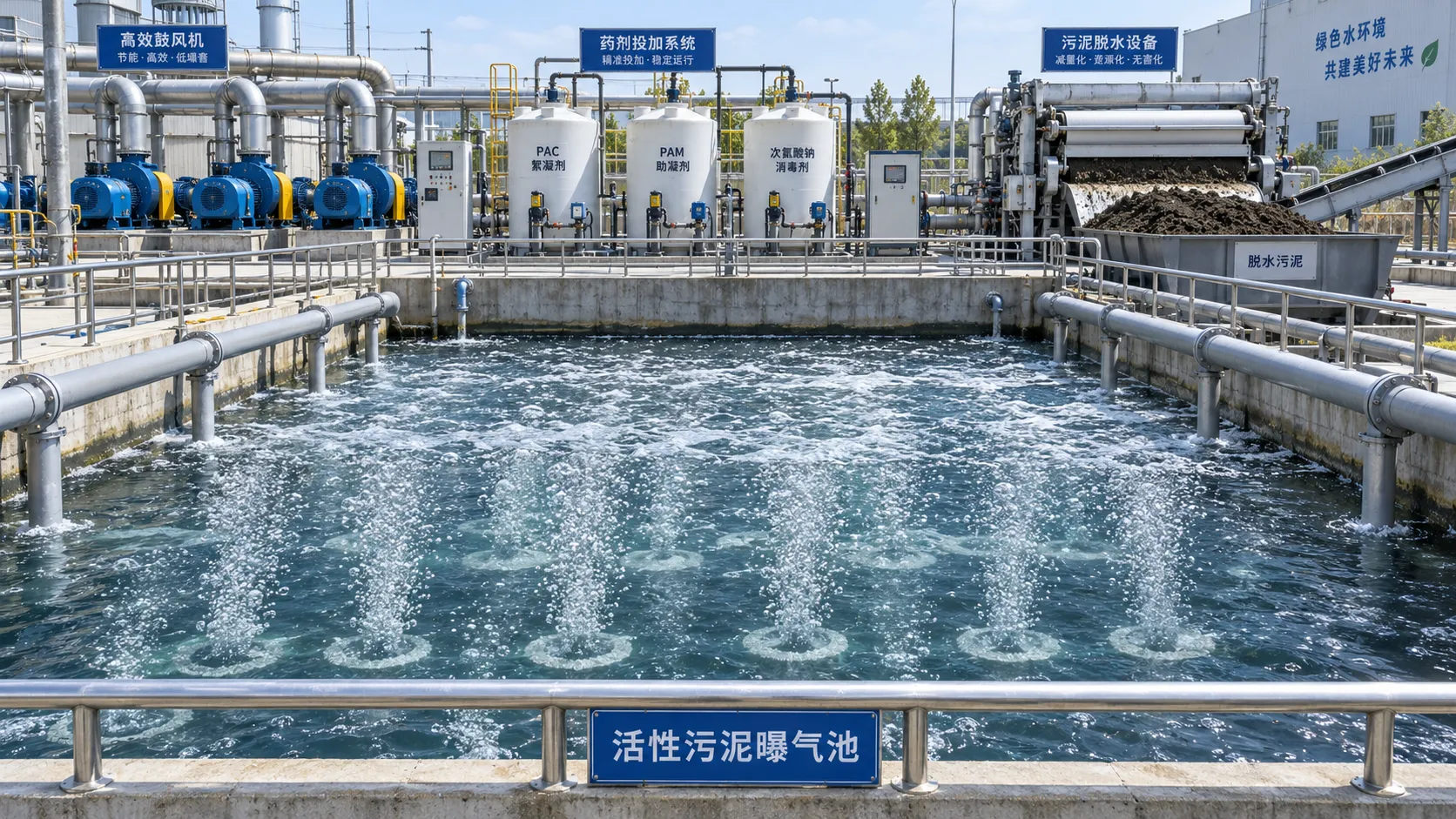
Activated Sludge Cost: Budgeting Energy, Chemicals, Sludge, and Labor
Activated sludge cost explained: compare energy, chemicals, sludge disposal, labor, and compliance risks to build a reliable lifecycle budget.
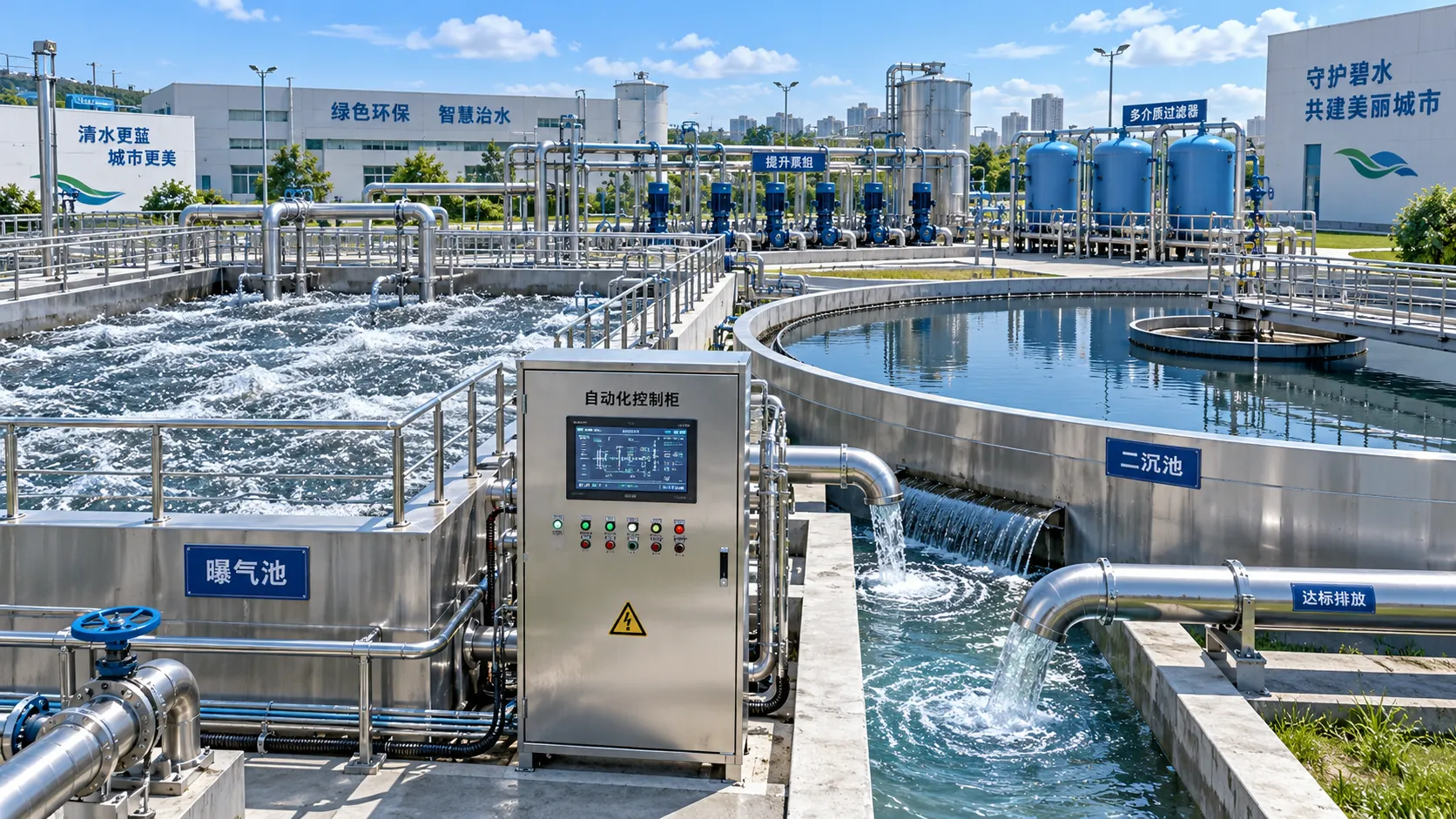
When Should Municipal Wastewater Plants Upgrade Treatment Capacity and Controls?
Municipal wastewater treatment upgrades: learn when capacity, controls, and resilient planning are needed to protect compliance and optimize plant performance.