
Industry News
Curation by industry experts
Hot Articles
Popular Tags
Waste Vitrification: Where It Fits Better Than Landfill Stabilization
For enterprise decision-makers evaluating high-risk waste strategies, waste vitrification offers a compelling alternative when landfill stabilization falls short. In sectors facing strict compliance, long-term liability, and hazardous residue challenges, understanding where each method performs best is critical. This article outlines the operational, environmental, and strategic scenarios in which waste vitrification can deliver superior risk control and long-term value.
For capital-intensive industries, the choice is rarely about treatment alone. It is about containment over 20 to 100 years, permit defensibility, transport risk, site footprint, and the cost of failure after closure.
That is why waste vitrification is increasingly evaluated not only in nuclear waste management, but also in selected hazardous ash, metal-bearing residues, and difficult inorganic waste streams where landfill stabilization may meet a minimum threshold yet still leave strategic exposure.
Why the Comparison Matters for Industrial Waste Strategy
Landfill stabilization and waste vitrification are not interchangeable tools. Both aim to reduce environmental risk, but they operate through different mechanisms, involve different capital profiles, and support different compliance outcomes.
Landfill stabilization usually relies on binders such as cementitious agents, lime, pozzolans, or chemical additives to reduce leachability and improve physical handling. Waste vitrification, by contrast, immobilizes contaminants inside a glass or glass-ceramic matrix at temperatures often ranging from 1,100°C to 1,500°C.
The core decision question
For a decision-maker, the key issue is not which method is more advanced. It is which method better aligns with the waste profile, liability horizon, treatment volume, and regulatory pathway of a given facility or portfolio.
When low-cost compliance is enough
If the waste stream is moderate in hazard, chemically stable after treatment, and destined for an engineered hazardous landfill with robust leachate management, stabilization may remain practical. This is often true for higher-volume, lower-toxicity residues where transport distances are below 200 km and disposal permits are stable.
When residual risk becomes the dominant cost
Waste vitrification becomes more attractive when future liability, uncertain landfill acceptance, or contaminant persistence drives the economics. In those cases, a higher upfront treatment cost may reduce 3 downstream risk categories: long-term monitoring burden, reclassification risk, and remediation exposure.
The following comparison helps frame where each route generally fits in industrial practice.
The practical takeaway is clear: stabilization often optimizes near-term disposal cost, while waste vitrification is selected when the penalty of long-term failure is materially higher than the added capital and energy input.
Where Waste Vitrification Fits Better Than Landfill Stabilization
The strongest case for waste vitrification appears in waste streams that combine hazardous chemistry with long regulatory visibility. These are not every waste stream, but the subset where conventional stabilization leaves too many variables unresolved.
1. Wastes with high leaching sensitivity
Some residues pass an initial leach test after stabilization yet remain sensitive to pH shifts, carbonation, sulfate exposure, or physical weathering over time. Inorganic toxics such as lead, cadmium, chromium, and certain mixed-metal residues can become problematic if matrix degradation occurs after 5, 10, or 20 years.
Waste vitrification is often better in these cases because the glass matrix can provide stronger chemical durability and lower permeability than binder-based solidification, especially where long-term groundwater protection is a central permit issue.
2. High-risk ash and secondary residues
Fly ash from thermal treatment, air pollution control residues, and certain incineration byproducts can contain concentrated heavy metals and soluble salts. Stabilization may still be used, but the final material can expand in volume and remain dependent on the integrity of the landfill system.
Where landfill capacity is constrained, gate fees are rising, or export restrictions apply, waste vitrification can convert difficult residues into a denser, more stable final form. This can be valuable when every cubic meter of disposal space carries a premium.
3. Nuclear and radiologically contaminated materials
This is the most established strategic domain for waste vitrification. In high-hazard radioactive waste management, the treatment objective is not merely short-term handling. It is containment performance over decades, often under national regulatory review and multistage engineered barrier concepts.
For enterprise groups operating in nuclear services, decommissioning support, or specialized hazardous treatment, vitrification is relevant where residue stability and disposal package integrity are more important than minimizing initial treatment cost.
4. Sites with severe liability exposure
A company managing legacy contamination, cross-border compliance pressure, or public scrutiny may choose waste vitrification because it offers a stronger narrative of permanent immobilization. This matters in sectors where a single post-closure issue can trigger reputational loss, permit delays, or impairment of future project bids.
Below is a scenario-based view of where waste vitrification typically has the stronger strategic fit.
These scenarios do not make waste vitrification universally superior. They show where its high-specification containment value is more aligned with enterprise risk management than a landfill-led strategy.
Operational and Financial Trade-Offs Decision-Makers Must Model
No executive team should choose waste vitrification based on technical elegance alone. The decision requires a full lifecycle model that compares treatment, transport, disposal, permitting, closure, and long-tail liability across at least 3 scenarios.
Capital intensity versus liability reduction
Waste vitrification usually requires higher capital expenditure, more energy input, and stronger off-gas control than stabilization. A project may also need pretreatment, feed homogenization, refractory maintenance, and secondary emissions management.
However, cost models that stop at gate treatment price often miss the larger picture. If stabilized waste requires 30% more disposal volume, multi-decade monitoring, and higher future remediation contingency, the apparent cost advantage can narrow significantly.
Three cost layers to compare
- Direct treatment cost per ton, including reagents, energy, and labor.
- Disposal and logistics cost, including transport distance, packaging, and landfill class.
- Residual risk cost, including closure obligations, post-closure monitoring, and potential rework.
Key technical checkpoints
- Feed variability across 2 to 4 major contaminant groups
- Moisture range and calorific interference for thermal systems
- Volatile metals behavior in off-gas treatment
- Final waste form acceptance criteria and storage configuration
- Planned throughput, such as 5 tons/day versus 100 tons/day scale
In many integrated environmental projects, these checkpoints decide whether waste vitrification is best deployed as a central treatment platform, a niche line for specific residues, or a strategic contingency option for the most problematic fractions.
How to Select the Right Method by Waste Profile and Compliance Context
A sound selection process should connect chemistry, infrastructure, and corporate risk appetite. For large industrial groups, the right answer may vary across sites, geographies, and regulatory regimes.
A five-step evaluation framework
- Characterize the waste stream with leaching, mineralogical, and contaminant distribution data.
- Define the disposal or storage horizon, whether 5 years, 30 years, or longer.
- Map landfill acceptance limits, transport constraints, and permit exposure.
- Run comparative pilot or bench testing for stabilization and waste vitrification.
- Build a total-cost-of-risk model before procurement or EPC tendering.
Questions procurement and strategy teams should ask
Can the stabilized waste maintain performance under variable pH and moisture conditions? Will additive use increase disposal mass beyond budget assumptions? Does the site have enough utility capacity for a vitrification line? How will each option affect bidding strength in future regulated projects?
For ESD’s core sectors, including solid waste recovery, flue gas residues, and nuclear waste management, these questions are not theoretical. They shape technology bankability, project timelines, and the credibility of long-term environmental commitments.
Common selection mistakes
- Using disposal price alone as the primary decision metric
- Assuming short-term leach compliance equals long-term stability
- Ignoring future tightening of landfill acceptance standards
- Overlooking secondary systems such as off-gas polishing and monitoring
A disciplined method selection process typically takes 4 to 12 weeks, depending on sampling complexity and whether pilot-scale thermal testing is required. That timeline is small compared with the lifespan of the resulting liability.
Implementation Guidance for Enterprises Considering Waste Vitrification
Once waste vitrification becomes the preferred route, implementation quality matters as much as the process choice. Poor feed preparation, weak off-gas design, or incomplete maintenance planning can erode the expected risk reduction.
What a robust project plan should include
- A waste acceptance protocol covering composition variability and exclusion thresholds
- Thermal balance and utility integration, especially electricity and cooling demand
- Secondary pollution control for particulates, acid gases, and volatile species
- Sampling and verification of the vitrified product under agreed acceptance criteria
- Maintenance planning for refractories, melter components, and downtime response
Where external intelligence adds value
Decision-makers benefit from independent technical intelligence when evaluating novel or high-consequence treatment lines. This is particularly true in projects crossing multiple domains, such as ash from flue gas treatment, hazardous residues from ZLD systems, or radiological materials requiring exceptional containment discipline.
A specialized intelligence partner can help compare technology routes, translate emerging regulations, identify hidden infrastructure demands, and align treatment selection with EPC strategy and compliance positioning.
Final Decision Perspective for High-Risk Waste Portfolios
Waste vitrification fits better than landfill stabilization when the waste stream is chemically difficult, the compliance burden is unforgiving, and the cost of future failure is disproportionate to current savings. It is most compelling where long-term immobilization, volume control, and liability reduction outweigh higher treatment intensity.
For enterprise decision-makers, the right comparison is not cheap versus expensive. It is reversible risk versus durable containment, short-term budget relief versus long-term asset protection, and minimum compliance versus resilient environmental strategy.
If your organization is assessing hazardous ash, difficult inorganic residues, or nuclear-adjacent waste pathways, now is the time to build a sharper treatment selection framework. Contact ESD to explore tailored intelligence, evaluate waste vitrification options, and identify the most defensible solution for your next project or bid.
Recommended News
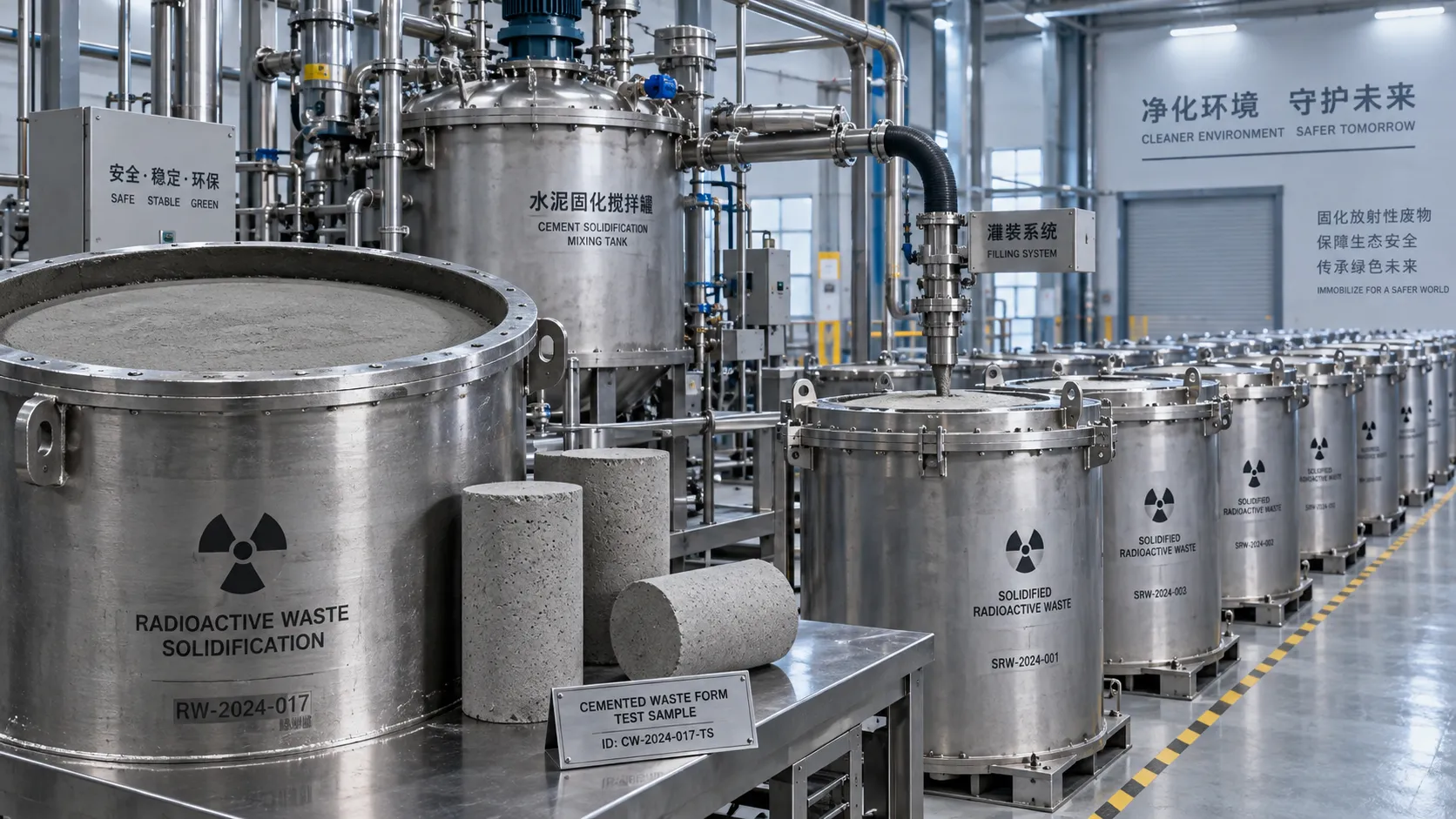
When is cementation suitable for nuclear decommissioning waste?
Explore nuclear waste treatment technology for decommissioning: learn when cementation fits, which risks to assess, and how disposal criteria guide an effective treatment choice.
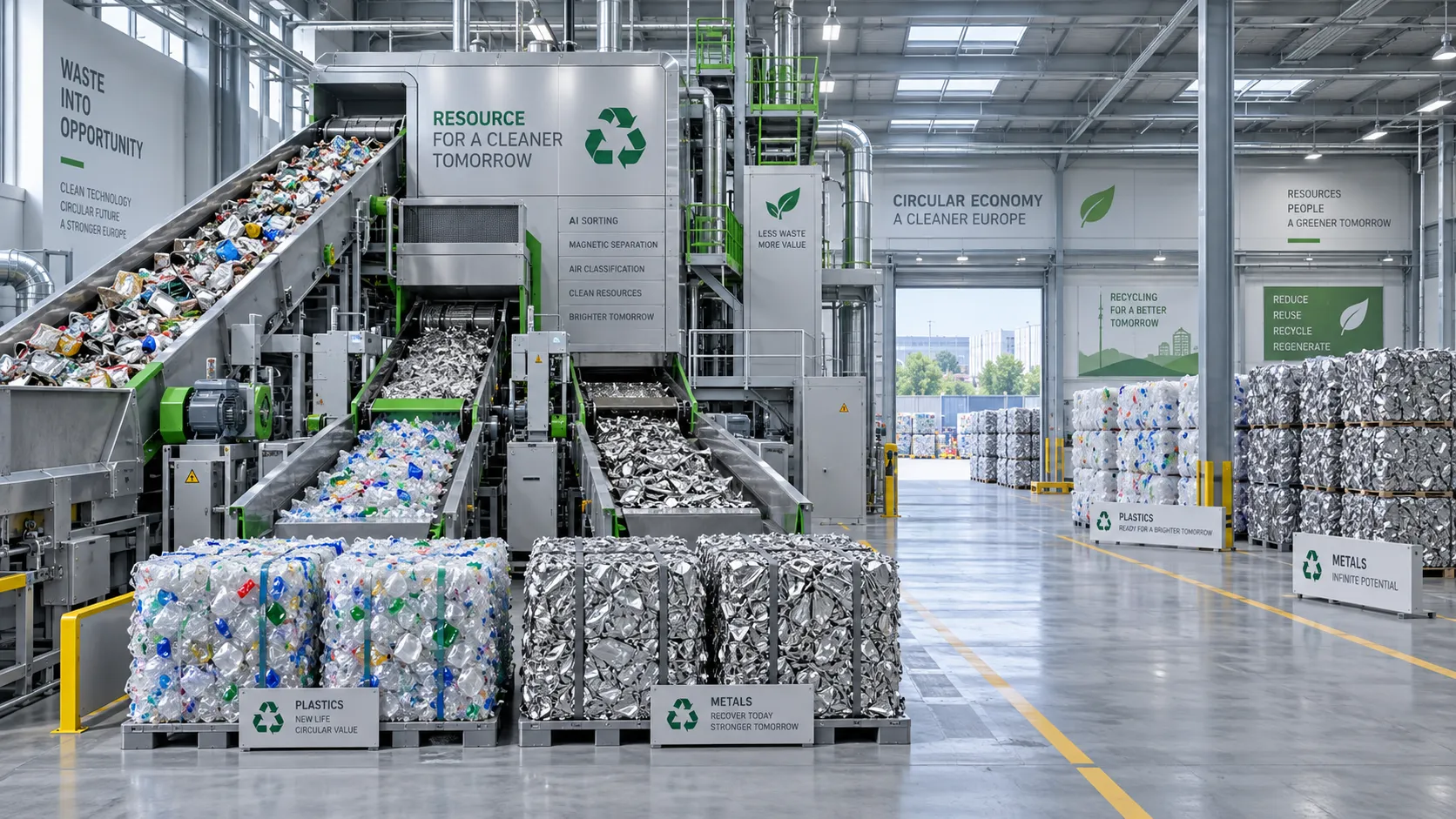
What determines payback for waste-to-resource systems in Europe?
Assess waste-to-resource systems Europe-wide: compare feedstock, recovery yields, costs and contracts to uncover payback drivers and make smarter investment decisions.
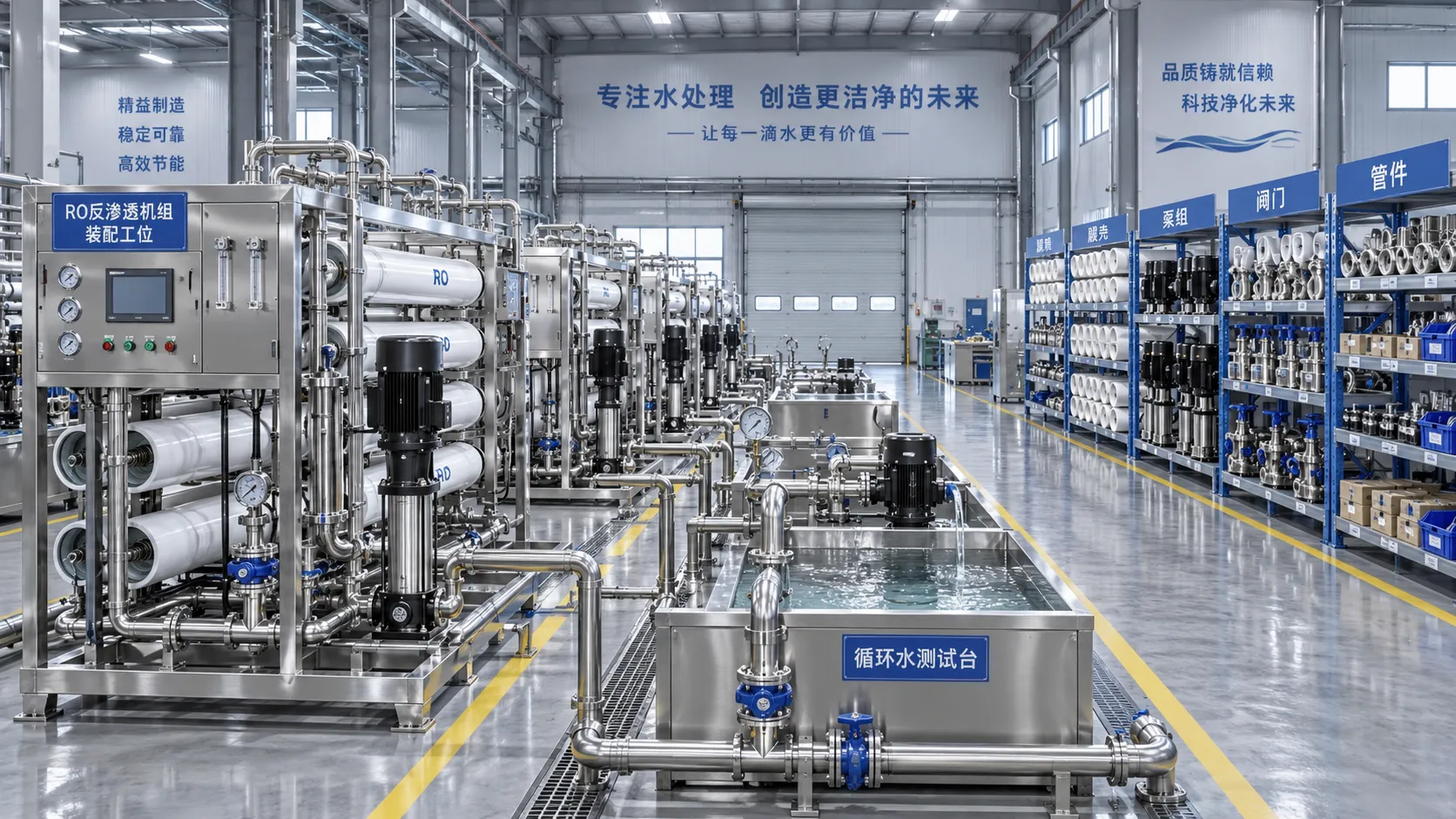
How to verify a water treatment system factory’s production capacity
Verify a water treatment systems factory’s production capacity through records, bottlenecks, component availability, and testing. Learn what to check before accepting a delivery promise.
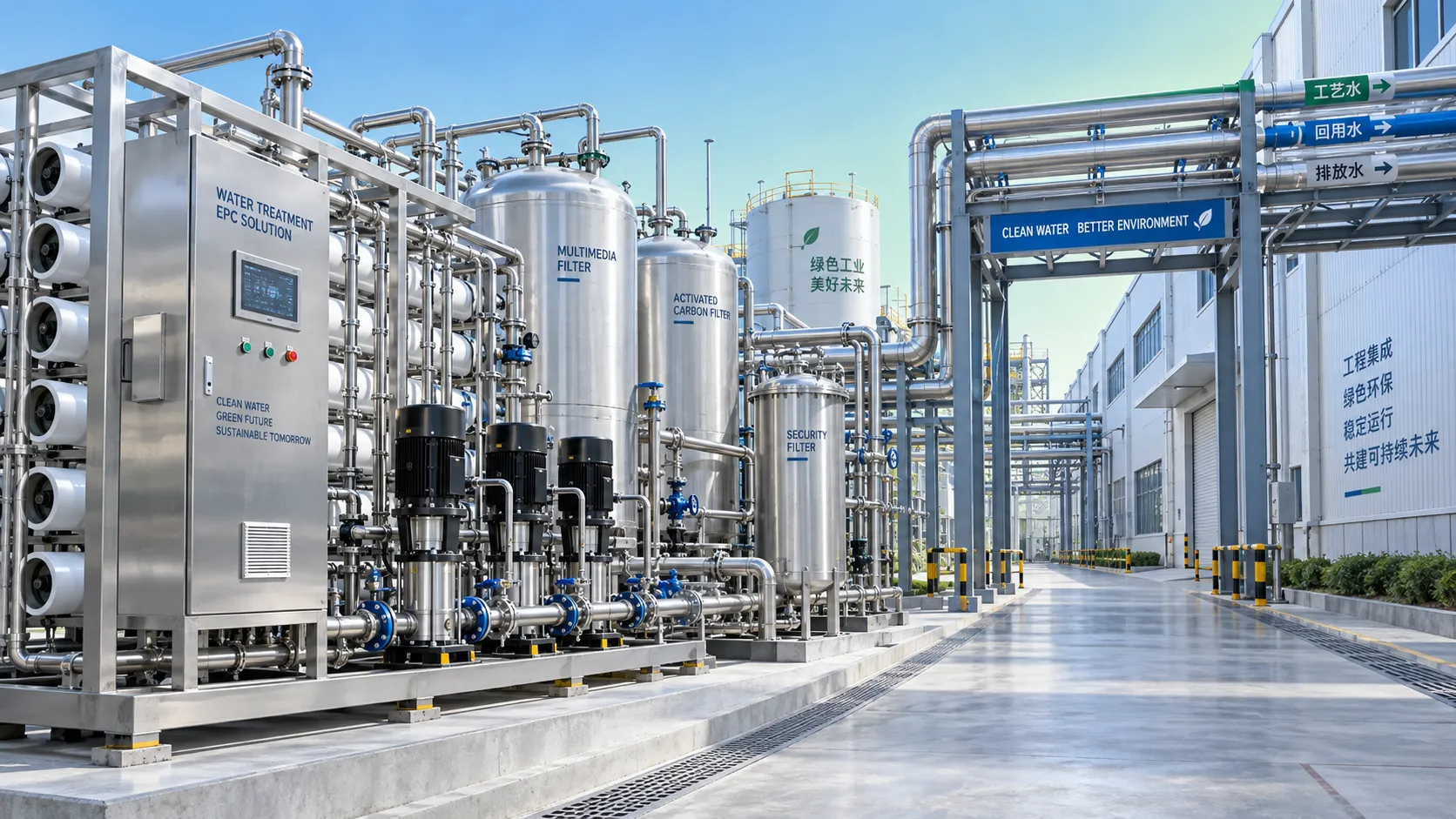
When does EPC environmental project support reduce delivery risk?
EPC environmental project support engineering reduces delivery risk by aligning design, procurement, compliance, construction, and commissioning decisions.
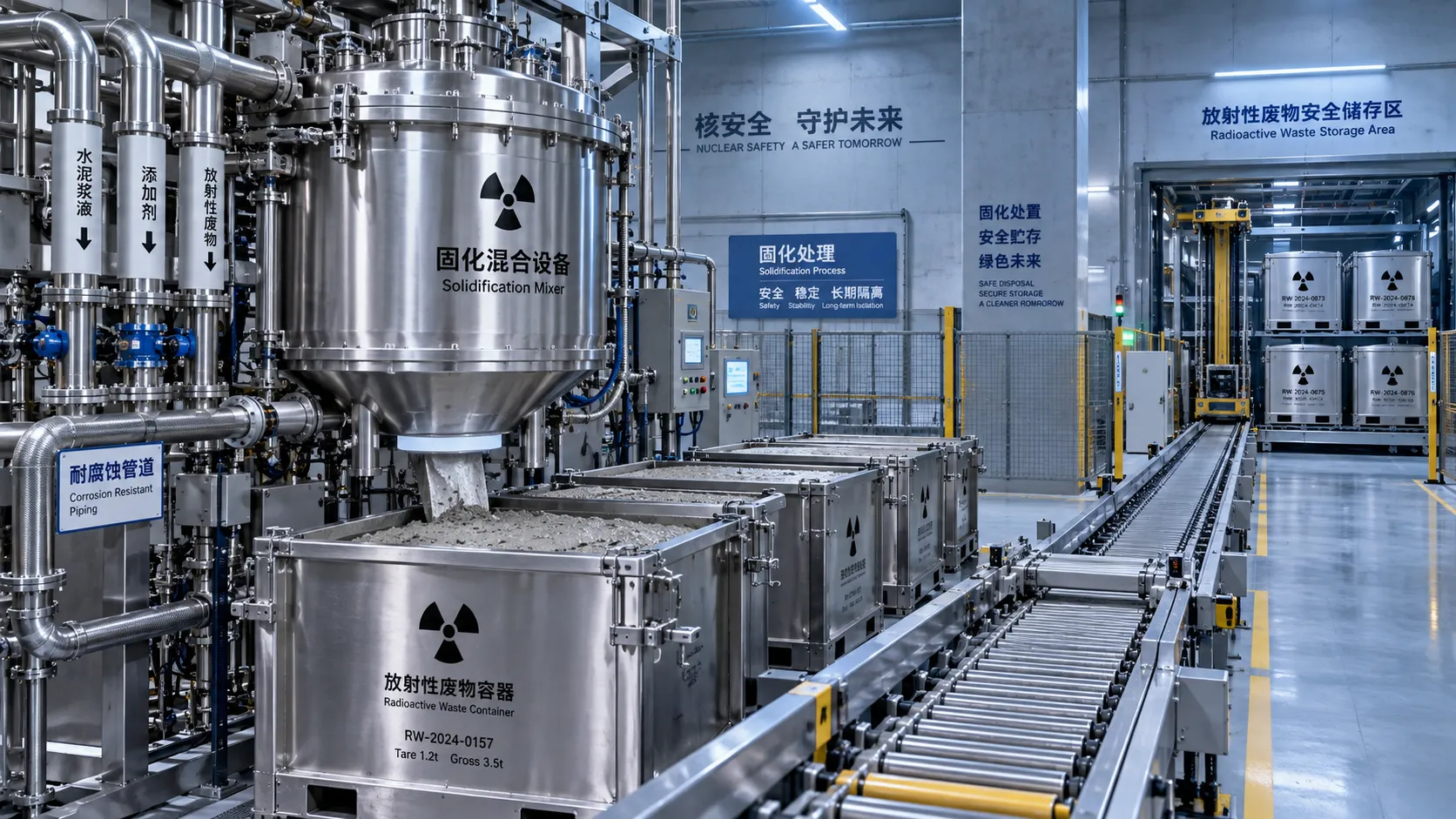
How nuclear plants select a radioactive waste solidification method
Radioactive waste management for nuclear plants: compare vitrification, cementation, polymers, and ceramics to select a compliant, durable solidification solution.
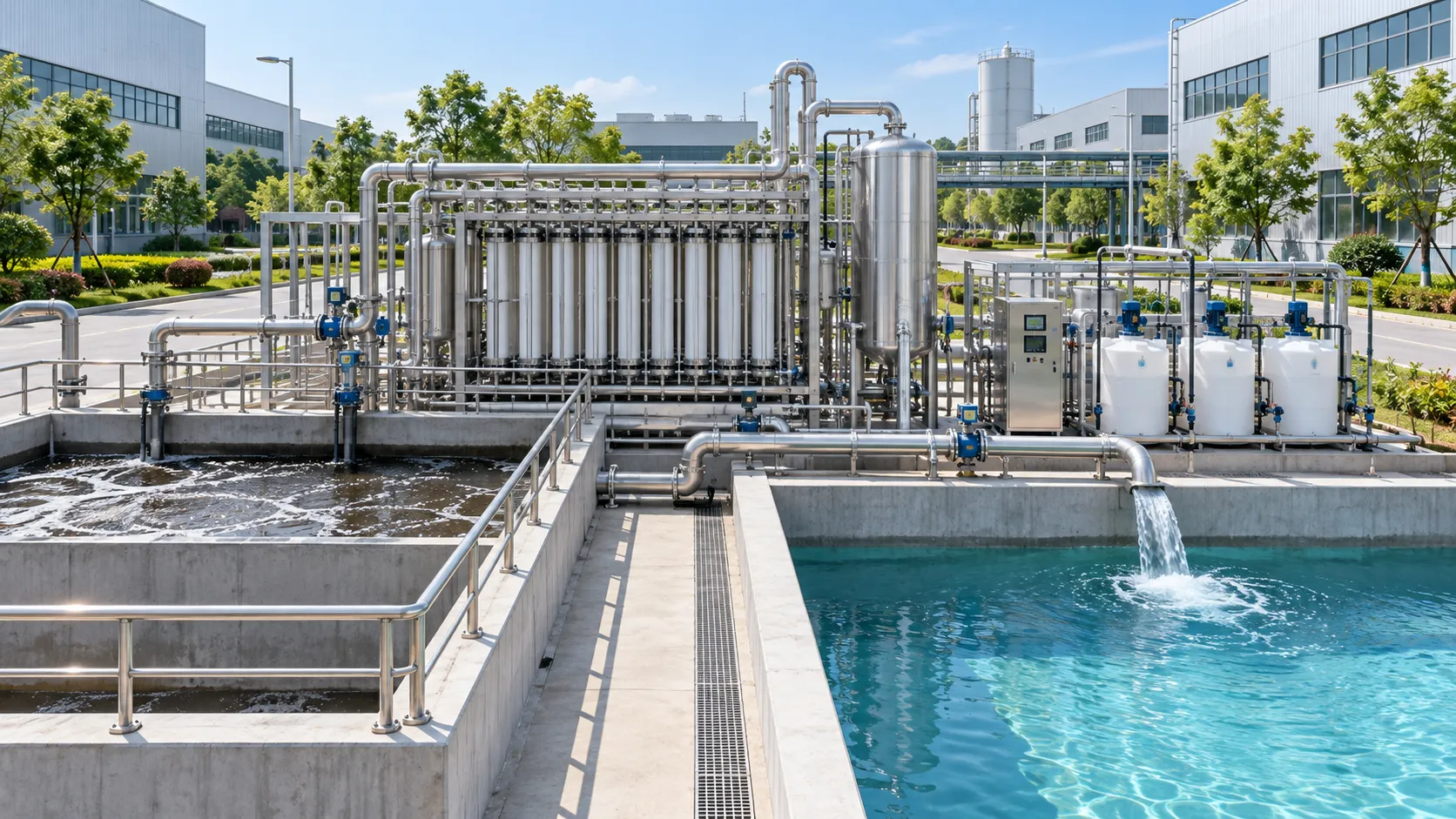
Comparing Upgrade Costs for Industrial Park Wastewater Treatment Systems
Compare costs for wastewater system upgrades in industrial parks with a lifecycle view of CAPEX, OPEX, compliance, resilience, and future expansion.
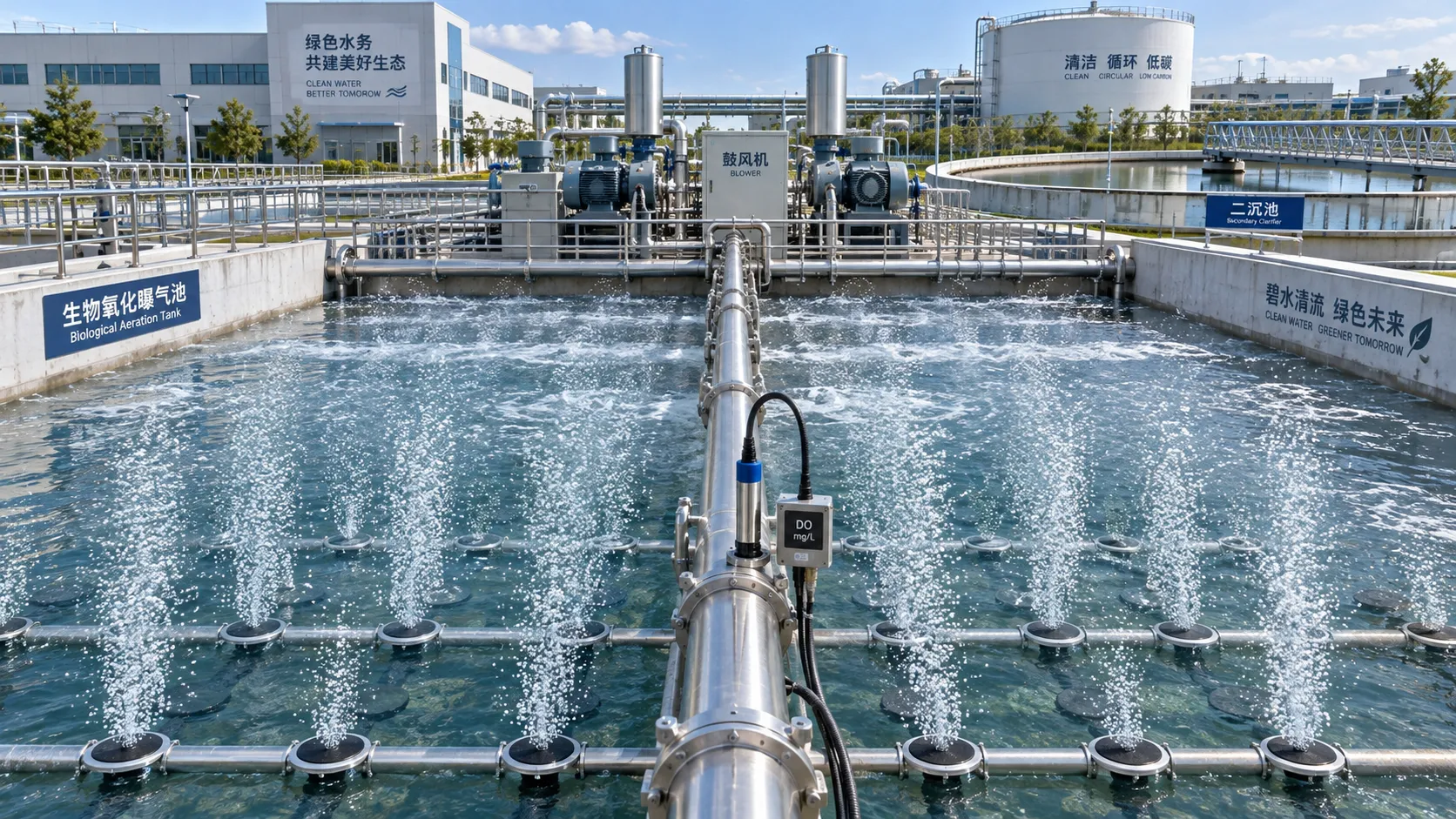
Biological Wastewater Oxidation Explained: Aeration Demand and Process Control
Biological wastewater oxidation explained: optimize aeration demand, DO control, nitrification, and sludge age for stable effluent quality and lower energy costs.
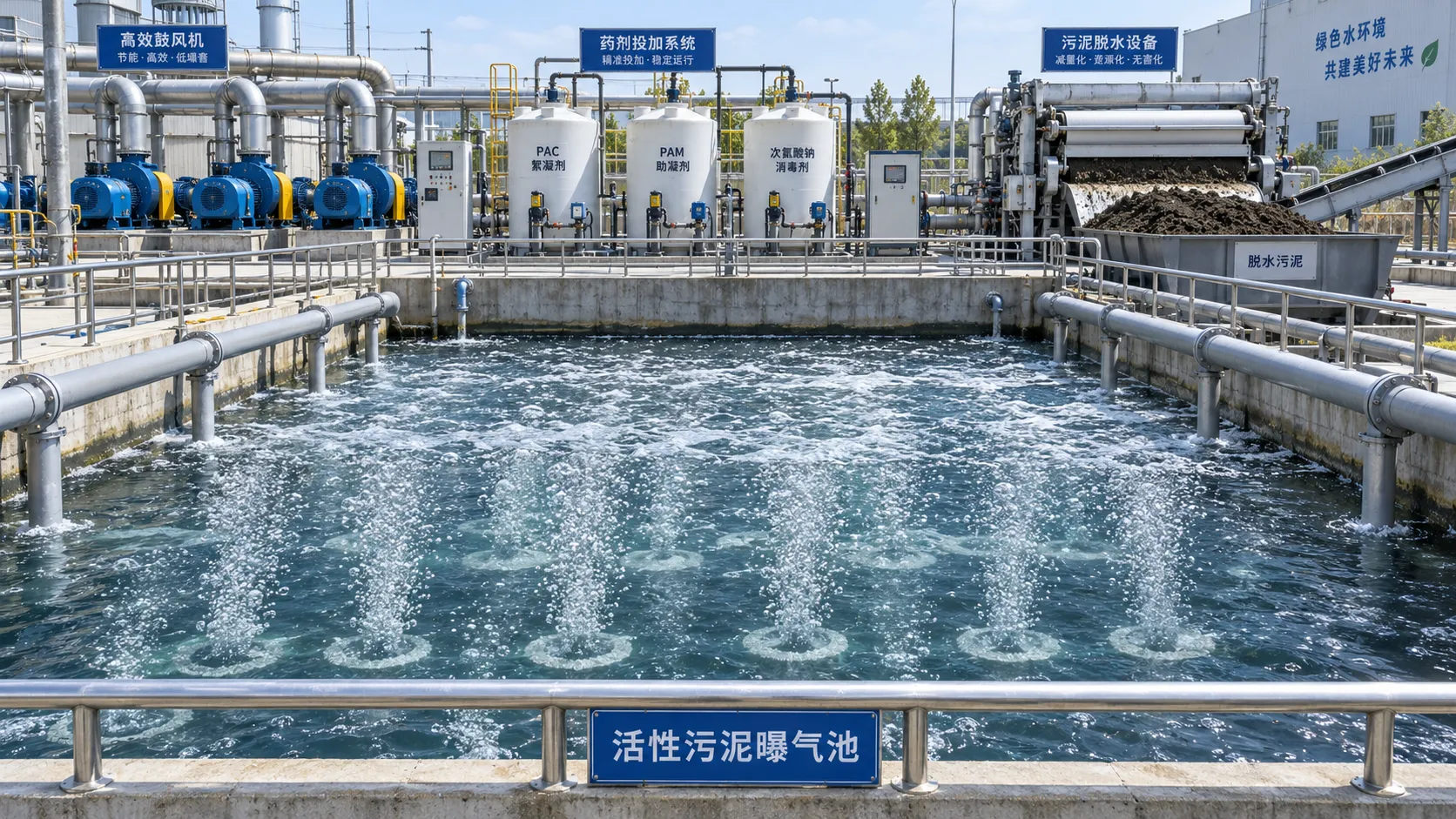
Activated Sludge Cost: Budgeting Energy, Chemicals, Sludge, and Labor
Activated sludge cost explained: compare energy, chemicals, sludge disposal, labor, and compliance risks to build a reliable lifecycle budget.
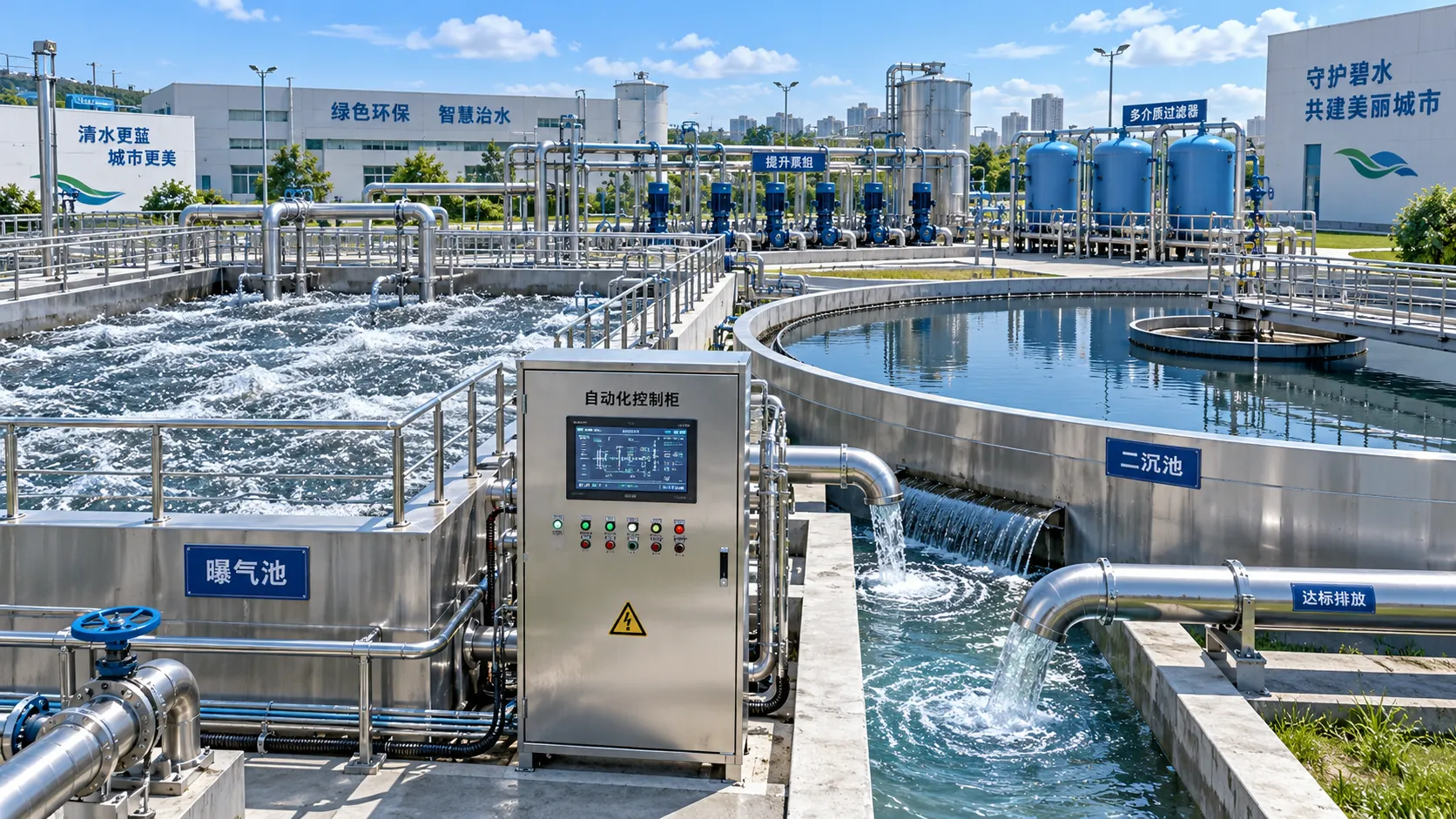
When Should Municipal Wastewater Plants Upgrade Treatment Capacity and Controls?
Municipal wastewater treatment upgrades: learn when capacity, controls, and resilient planning are needed to protect compliance and optimize plant performance.