
Industry News
Curation by industry experts
Hot Articles
Popular Tags
Industrial Purification: Common Mistakes That Hurt Performance
Industrial purification fails more often in operation than in design
Industrial purification rarely loses performance because a specification sheet was weak.
More often, output slips because operating conditions drift, loading patterns change, and small mistakes go unchallenged for too long.
That pattern appears across large water treatment plants, flue gas treatment lines, desalination systems, recovery facilities, and nuclear waste handling environments.
In practice, industrial purification is a moving target.
Feed composition changes, ambient conditions shift, compliance thresholds tighten, and maintenance windows shrink.
This is why ESD often frames purification performance as part engineering, part operational discipline, and part regulatory intelligence.
When one of those three pieces is ignored, costs rise before alarms do.
The most common industrial purification mistakes are not dramatic failures.
They are routine misjudgments in monitoring, media selection, cleaning frequency, control logic, and long-term adaptation.
The first judgment point is always the real operating scene
Different industrial purification environments create different failure patterns.
A membrane train treating high-TDS wastewater does not decline like an SCR reactor in low-temperature flue gas service.
An AI sorting and recovery line faces contamination variability, while nuclear waste purification depends on stability, traceability, and absolute process control.
The mistake is assuming similar removal targets mean similar operating priorities.
That shortcut causes wrong KPIs, wrong spare part strategies, and wrong maintenance timing.
A strong industrial purification strategy starts with this contrast, not with generic efficiency targets.
In water and desalination, hidden fouling usually starts the decline
Water-focused industrial purification systems often look healthy until cleaning intervals suddenly shorten.
That usually means pretreatment was matched to average conditions, not to spikes in silica, organics, hardness, or biological activity.
In municipal reuse and industrial wastewater, one frequent error is trusting influent history more than current variability.
In seawater desalination, the same habit appears when seasonal bloom events are treated like short-term noise.
Industrial purification performance then falls through pressure increase, unstable permeate quality, and rising chemical consumption.
A better approach is to track differential pressure, normalized flux, pretreatment carryover, and cleaning trigger logic together.
If one indicator moves without the others, the system may be masking the real cause.
That is especially relevant in ZLD chains, where upstream inconsistency quickly amplifies downstream energy and crystallization burdens.
Where operators often misread the problem
- Increasing antiscalant dose without rechecking concentrate chemistry
- Cleaning membranes more often instead of correcting pretreatment gaps
- Treating temporary conductivity drift as a sensor issue only
- Using standard cartridge replacement intervals during unstable loading periods
In flue gas and thermal processes, the danger is false stability
Industrial purification in flue gas treatment can appear steady for months.
Then removal efficiency drops because catalyst aging, dust characteristics, and low-load operation changed the reaction environment.
This is common in SCR, FGD, and hybrid gas-cleaning lines.
A frequent mistake is to monitor outlet emissions closely but neglect internal process windows.
By the time stack data shows a clear problem, catalyst poisoning or absorber imbalance may already be established.
In actual operation, the more useful judgment is whether gas temperature, residence time, reagent dispersion, and particulate profile still match the design basis.
Industrial purification in this setting depends less on nameplate capacity and more on how often process edges are crossed.
This matters even more where CBAM pressure and tighter emissions reporting make marginal drift commercially visible.
Recovery systems lose purity when feed variability is underestimated
In solid waste recovery, industrial purification is not just about removing contaminants.
It is about protecting the purity of downstream material streams.
This is where many pyrolysis, sorting, and washing lines underperform.
They are optimized for a design mix, while real incoming waste shifts by region, season, collection quality, and upstream sorting behavior.
A line may still run, yet industrial purification value drops because recovered fractions carry too much moisture, ash, chlorine, or organic residue.
That weakens resale value and creates secondary treatment costs.
A practical response is to define contamination thresholds for each output stream, not just one overall recovery rate.
When AI sorting is used, calibration discipline matters as much as algorithm quality.
A smart line fed by poor sampling logic still makes poor decisions faster.
High-risk purification environments punish small procedural shortcuts
Nuclear waste management shows the strictest version of an industrial purification truth.
Small process shortcuts can create large long-term consequences.
Here, the common mistake is transferring habits from conventional treatment systems into a containment-critical environment.
Throughput, media life, and unit cost still matter, but they do not outrank stability, traceability, and controlled deviation management.
Industrial purification in vitrification, polishing, and radionuclide separation has to be judged across the full safety loop.
That includes storage behavior, material compatibility, alarm response, and documentation quality.
In these environments, an unverified process change is not an efficiency experiment.
It is a control failure.
The most expensive mistakes come from narrow decision criteria
Across sectors, industrial purification decisions are often narrowed too early.
One team watches capex, another watches compliance, and another watches output volume.
Performance suffers when nobody watches the interaction between them.
ESD’s cross-sector view is useful here because purification failures often share the same logic even when technologies differ.
- A low-cost media choice may increase changeout frequency and disposal complexity
- A higher recovery target may destabilize downstream polishing or sludge handling
- A tighter control loop may improve purity but overload maintenance capabilities
- A compliant process today may fail under revised discharge or carbon rules tomorrow
That is why industrial purification should be reviewed as a lifecycle decision, not a single performance snapshot.
A more reliable way to improve industrial purification performance
In real facilities, improvement usually starts with sharper diagnosis rather than major replacement.
The useful question is not whether the system is underperforming.
It is where the mismatch began between design assumptions and operating reality.
For industrial purification, the following actions are typically worth taking first.
- Rebuild the feed and load profile using current, not historical, operating data
- Separate symptom indicators from root-cause indicators in dashboards
- Review cleaning, replacement, and calibration intervals against recent variability
- Check whether compliance changes alter acceptable performance margins
- Test process adjustments at subsystem level before full-line implementation
When those steps are done well, industrial purification gains are usually more stable and easier to defend economically.
The next move is to map each purification line against real operating scenarios, confirm the limiting parameters, and compare short-term savings with long-term reliability risk.
That is the point where performance improvement becomes repeatable rather than reactive.
Recommended News
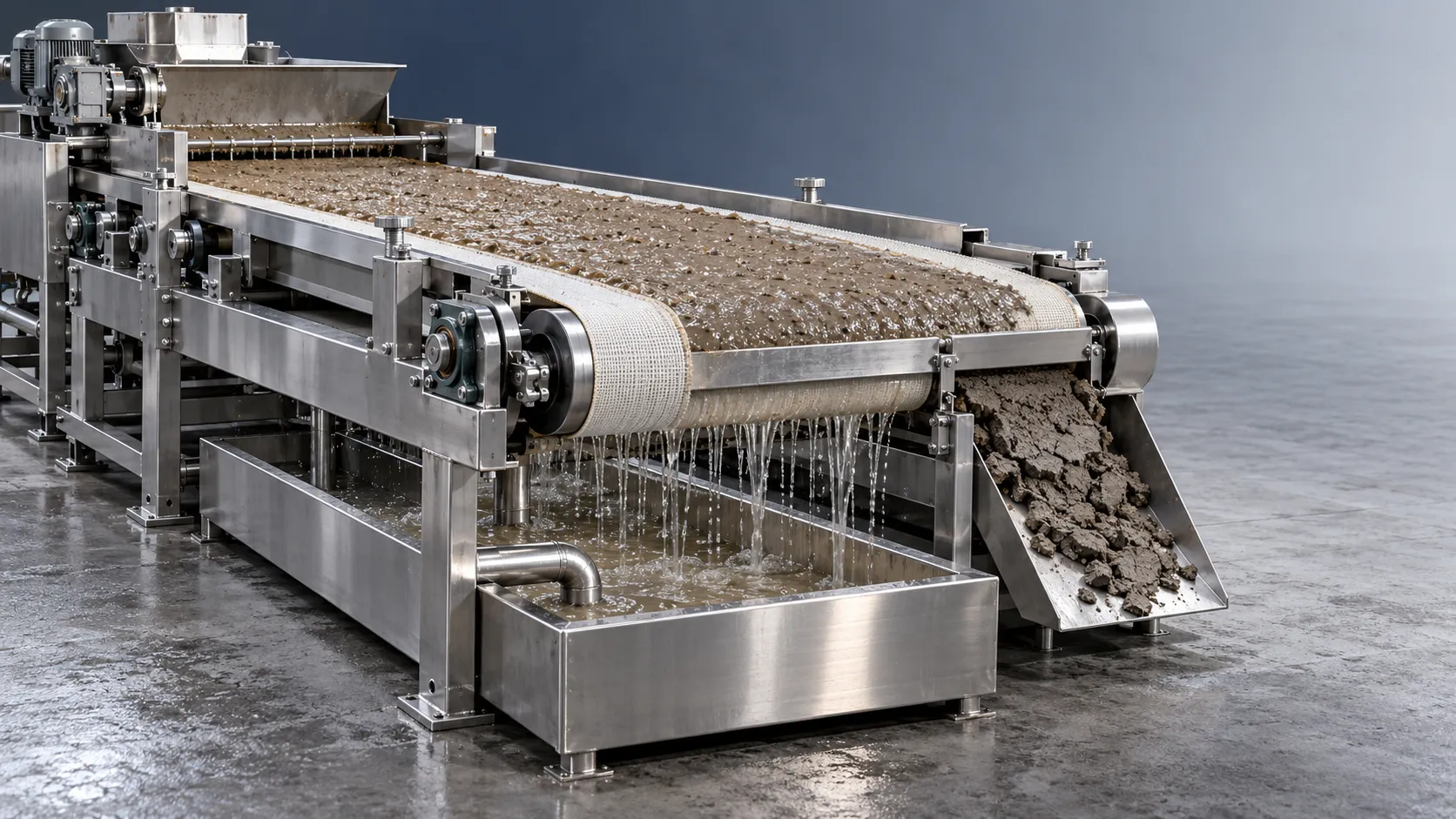
How solids concentration affects dewatering in waste recovery systems
Optimize waste recovery systems dewatering with insights on solids concentration. Learn to balance throughput, cake dryness, and solids capture while avoiding costly equipment overloads.
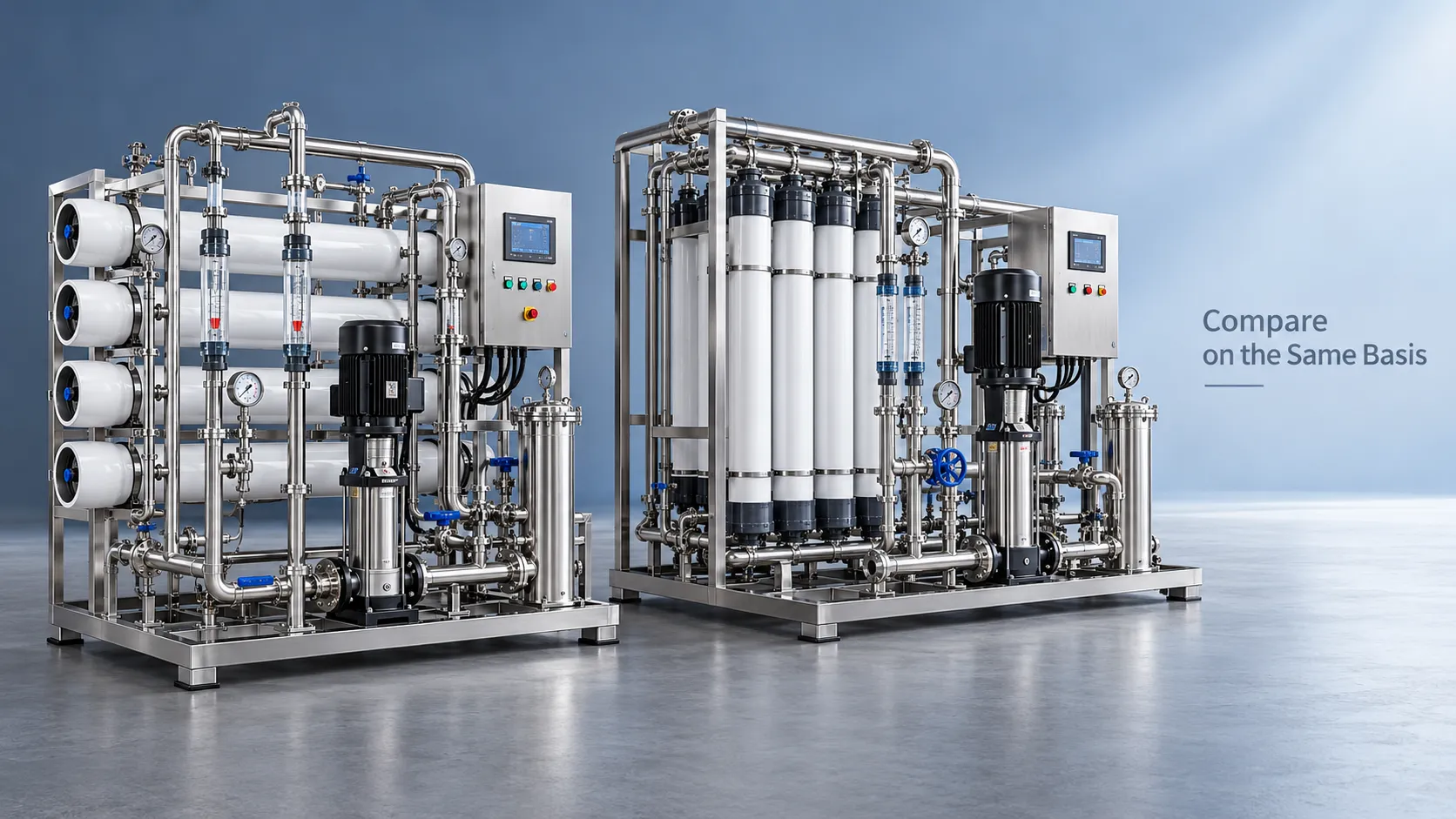
How to compare technical specs in an environmental equipment directory
Use this environmental equipment directory technical guide to compare capacity, energy use, compliance, and supplier evidence. Build a defensible shortlist and choose with confidence.
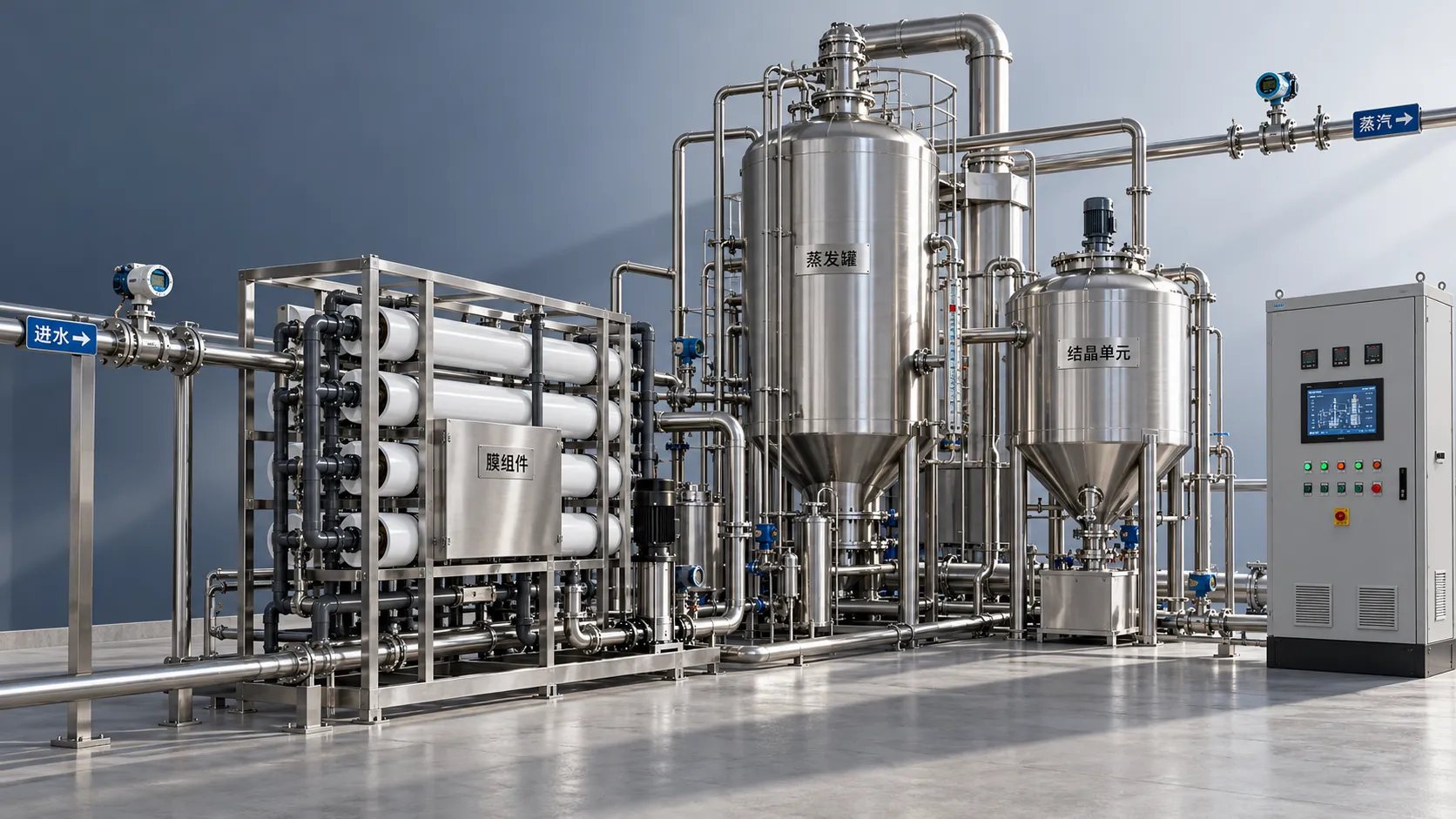
How to assess a zero liquid discharge equipment supplier’s energy claims
Assess a zero liquid discharge equipment supplier’s energy claims. Learn how to verify system boundaries, compare real costs, and demand testable guarantees before you buy.
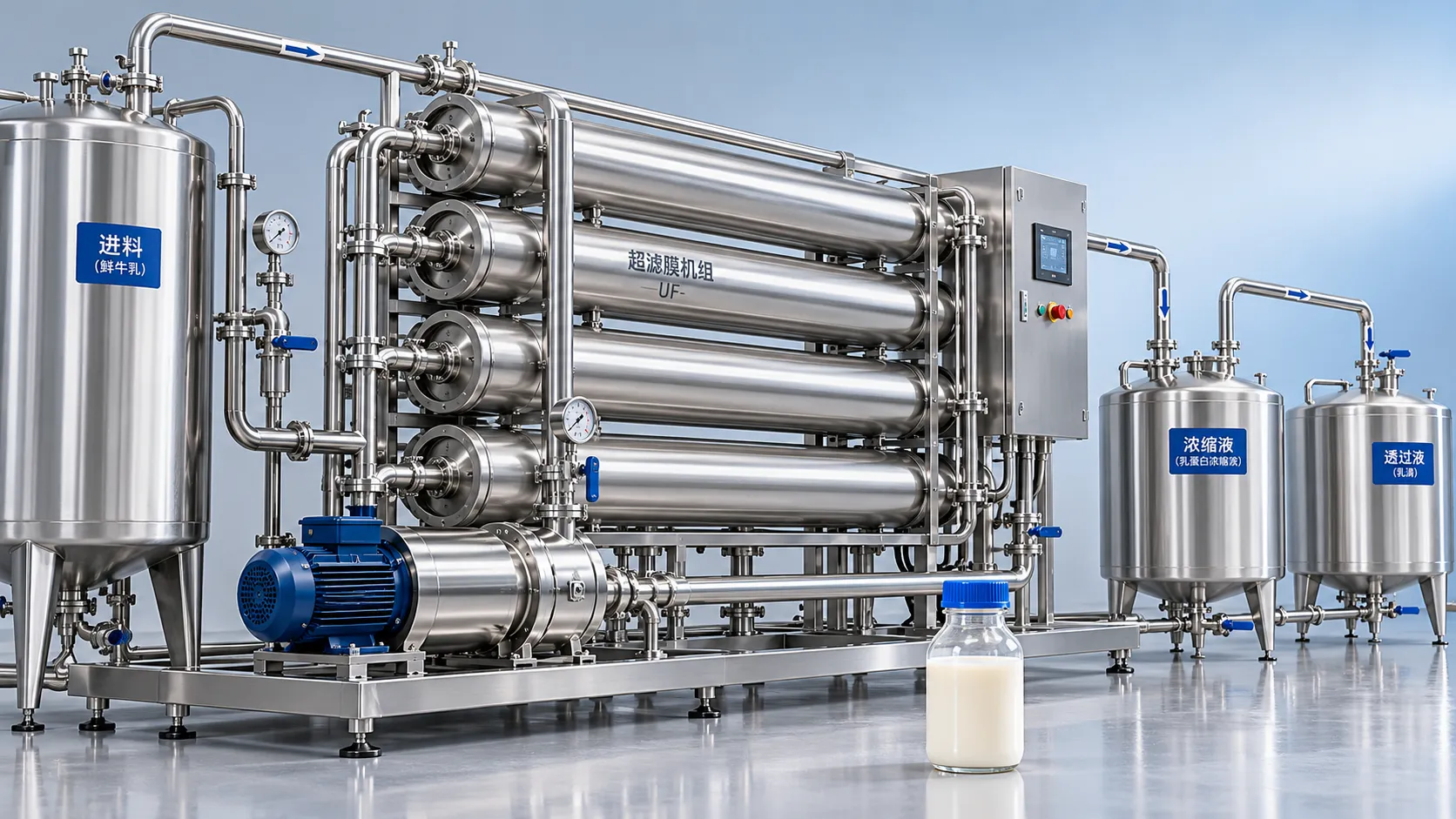
Which membrane filtration process suits dairy protein concentration?
Explore membrane filtration for dairy: compare UF, MF, and RO to select the right process for protein concentration, lactose reduction, and better recovery. Find your best fit.
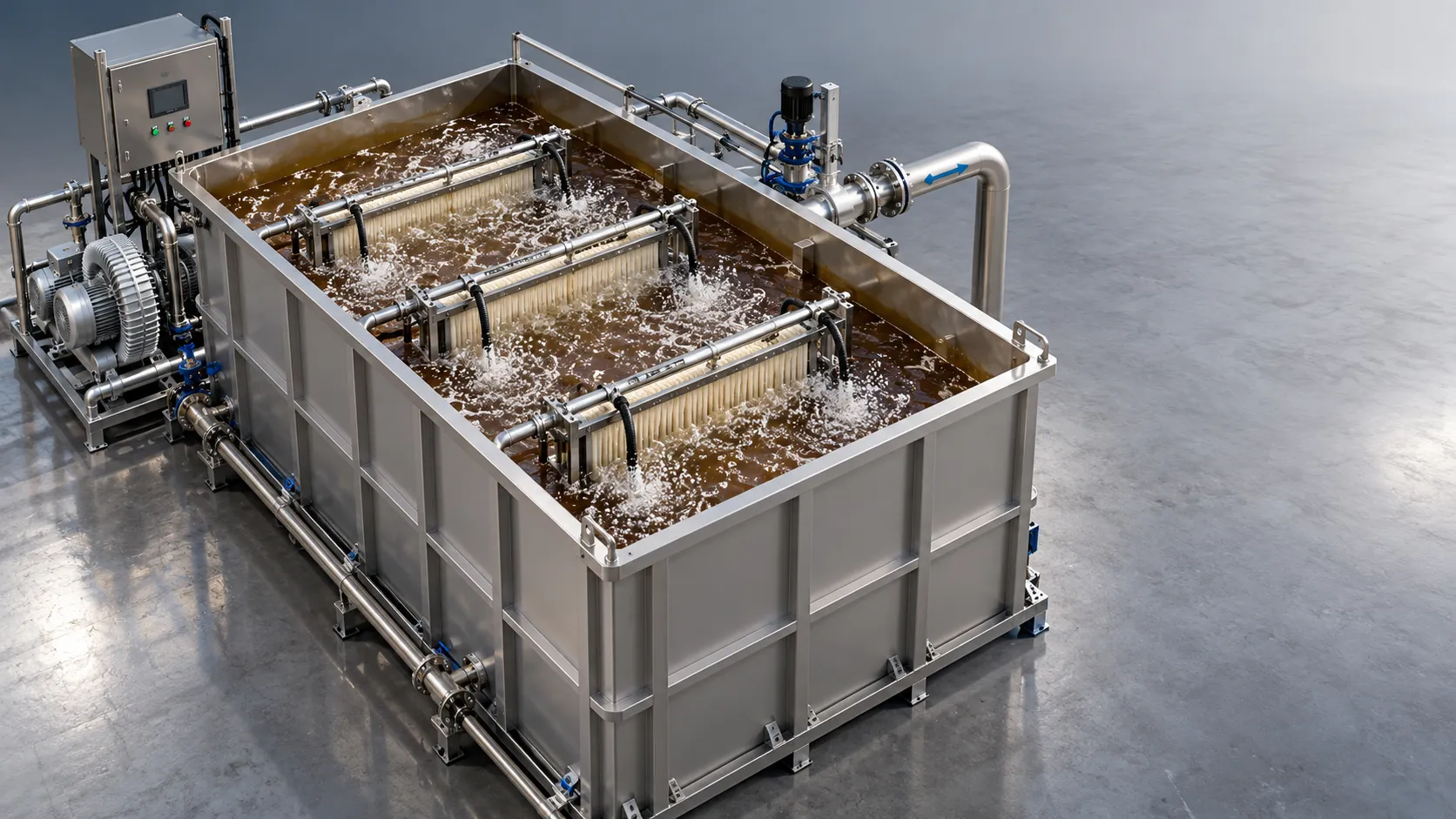
When is an MBR suitable for wastewater purification for bioprocessing?
For wastewater purification for bioprocessing, discover when an MBR fits your needs. Compare water quality, fouling risks, and lifecycle costs before investing.
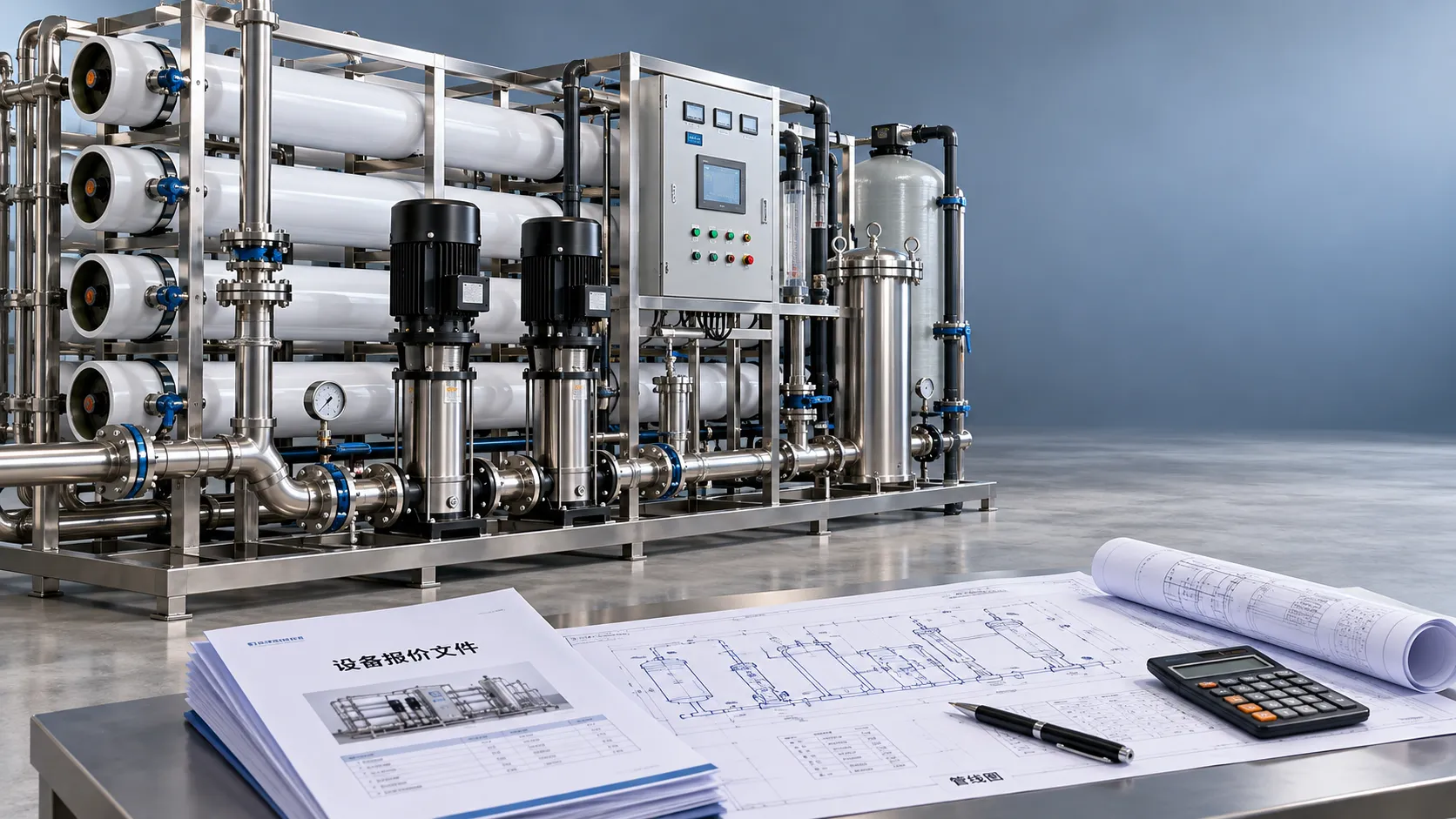
How to check a water treatment quotation for hidden project costs
Review your water treatment quotation for hidden costs, scope gaps, and operating expenses. Learn what to check before signing to protect your budget and avoid costly surprises.
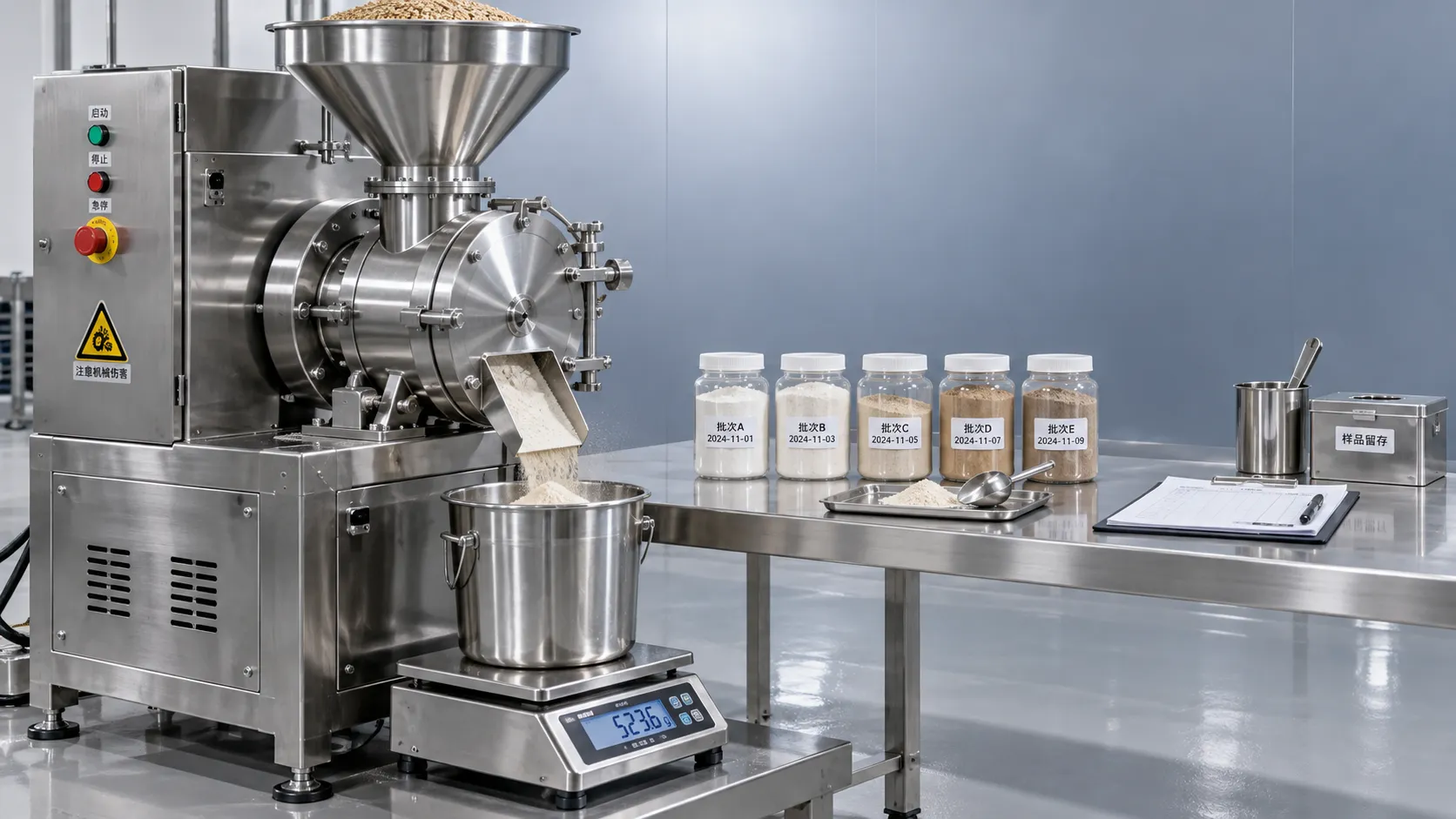
How to vet ingredient processing equipment manufacturers using trials
Vet ingredient processing equipment manufacturers with real-world trials. Learn how to verify yield, cleaning, energy use, and scale-up before you invest.
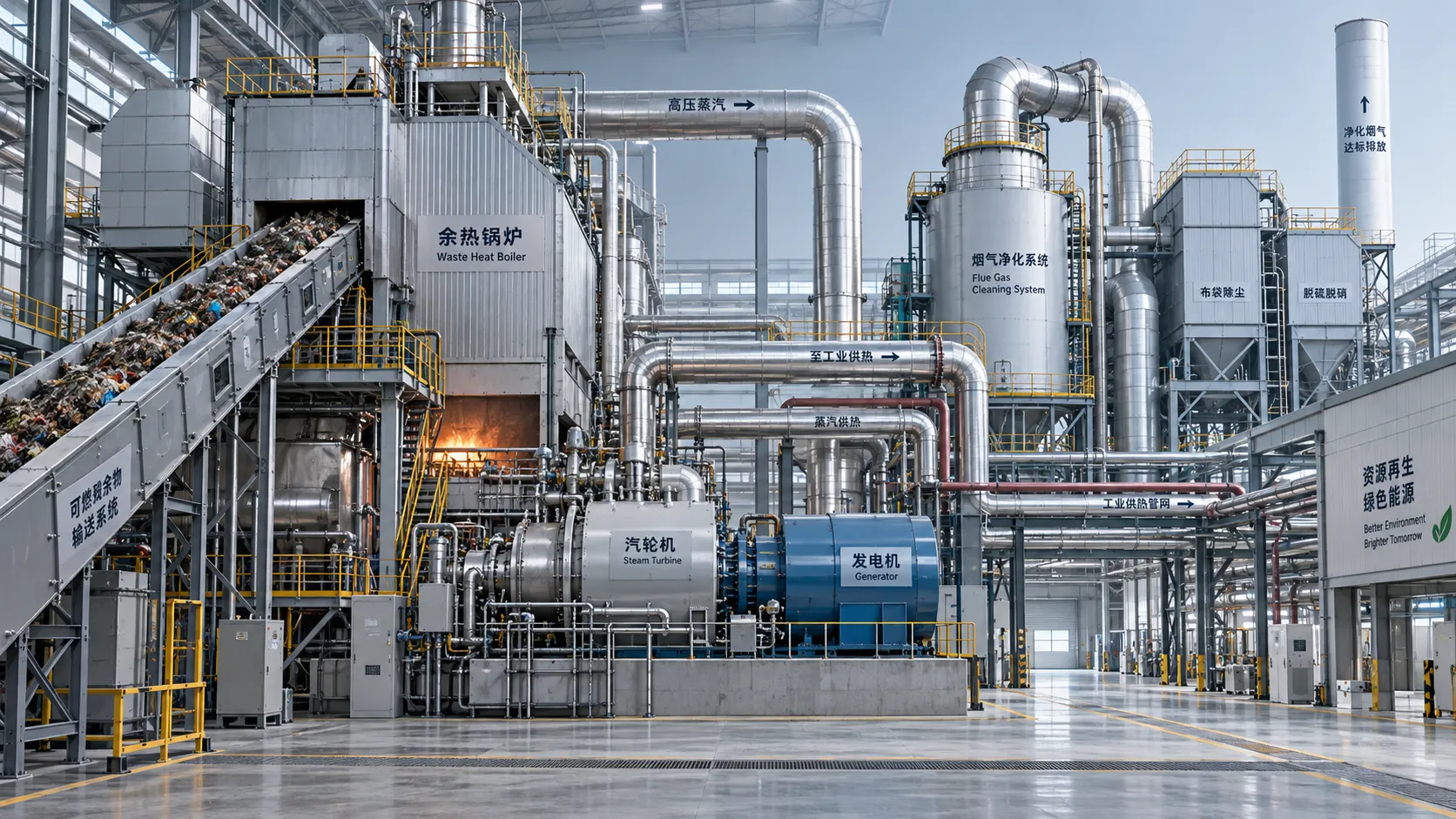
When is energy recovery viable in the solid waste recovery process?
When is energy recovery viable in the solid waste recovery process? Explore feedstock quality, net energy, emissions, and costs to assess feasibility and make smarter investment decisions.
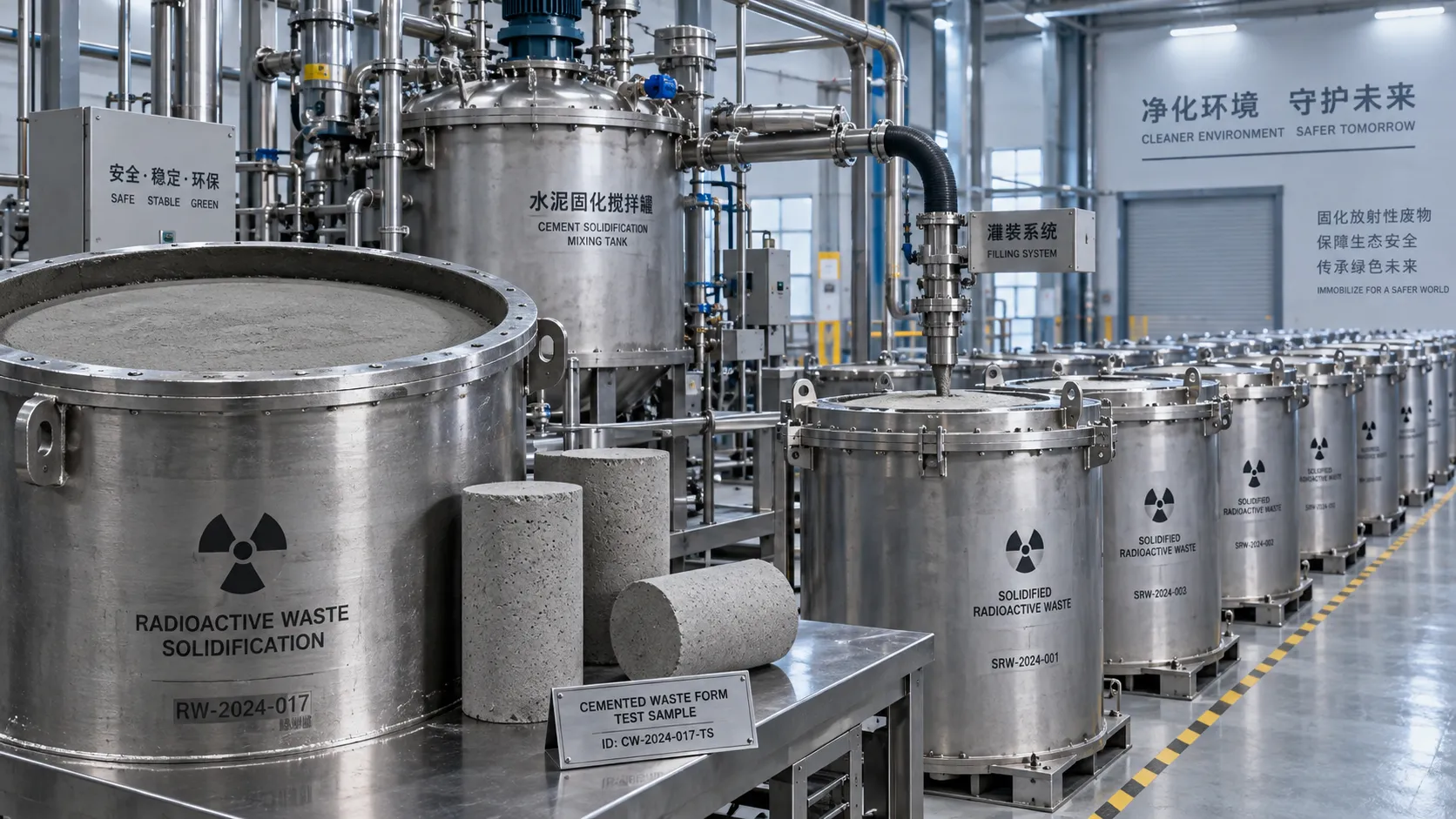
When is cementation suitable for nuclear decommissioning waste?
Explore nuclear waste treatment technology for decommissioning: learn when cementation fits, which risks to assess, and how disposal criteria guide an effective treatment choice.