
Industry News
Curation by industry experts
Hot Articles
Popular Tags
Green Tech Solutions for Water Treatment: 2026 Cost vs Performance
As water stress, compliance pressure, and energy costs intensify, green tech solutions for water treatment are becoming strategic assets rather than optional upgrades.
In 2026, the real question is not only upfront price. It is how cost, performance, energy use, discharge targets, and policy resilience work together over time.
For complex projects, the best green tech solutions for water treatment combine measurable efficiency with stable operation, flexible scaling, and stronger environmental compliance.
What do green tech solutions for water treatment include in 2026?
The term covers technologies that reduce energy, chemicals, waste sludge, and lifecycle emissions while maintaining required water quality.
It includes process upgrades, digital monitoring, resource recovery, and advanced separation systems for industrial, municipal, and desalination applications.
Common examples include low-energy membranes, anaerobic treatment, advanced oxidation, smart dosing, sludge-to-resource systems, and Zero Liquid Discharge pathways.
For ESD-aligned sectors, green tech solutions for water treatment also connect with desalination efficiency, circular recovery logic, and compliance intelligence.
Why the definition is changing
Earlier evaluations focused on removal efficiency alone. In 2026, buyers increasingly assess power intensity, membrane life, concentrate handling, and data transparency.
A system may purify well, yet still fail sustainability targets if energy demand, brine disposal, or sludge generation remains too high.
How should cost vs performance be judged for green tech solutions for water treatment?
The most reliable approach is lifecycle evaluation. Capital expenditure matters, but operating cost often shapes the final economic outcome.
Performance should be measured across five dimensions, not one. This avoids selecting low-cost systems that create hidden burdens later.
- Energy use per cubic meter treated
- Chemical consumption and dosing stability
- Water recovery rate and reject volume
- Maintenance frequency and spare parts dependency
- Compliance reliability under variable feedwater conditions
For example, a premium membrane train may cost more initially. However, lower fouling, longer replacement intervals, and reduced pumping demand can improve total value.
Similarly, AI-assisted dosing may appear secondary. Yet it can cut reagent use, reduce operator intervention, and stabilize discharge quality during load changes.
A practical 2026 comparison model
Which applications benefit most from green tech solutions for water treatment?
Not every site needs the same configuration. The value depends on feedwater complexity, discharge rules, water scarcity, and energy price structure.
Still, several application groups are seeing faster returns from green tech solutions for water treatment in 2026.
- High-salinity industrial wastewater with reuse targets
- Municipal plants facing nutrient and micropollutant tightening
- Desalination facilities seeking lower specific energy consumption
- Water-intensive processing sites with volatile influent quality
- Projects where sludge, brine, or concentrate handling drives hidden cost
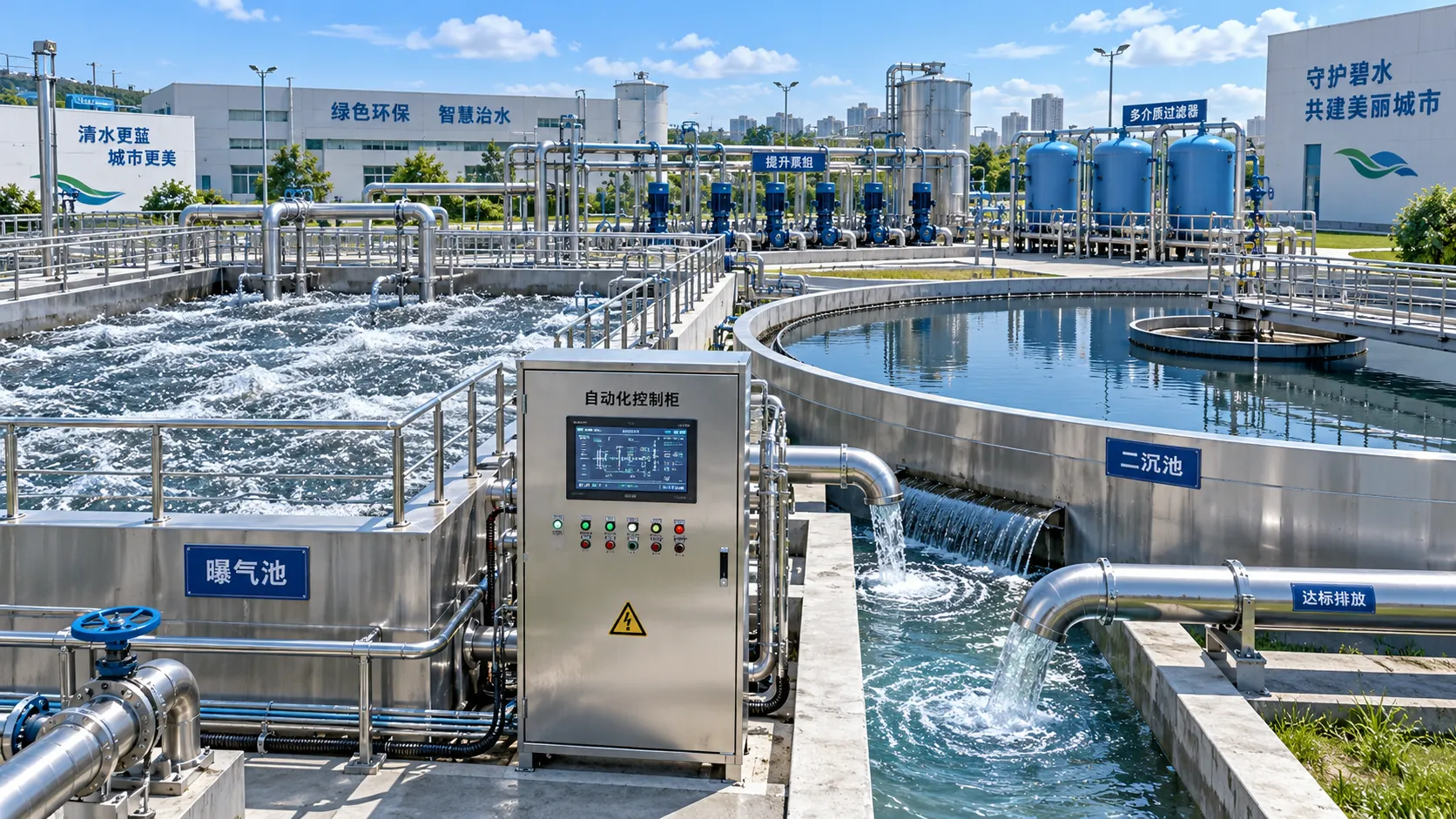
In large water treatment plants, digital controls and energy-optimized aeration often produce quick efficiency gains without complete process replacement.
In seawater desalination, membrane improvements, pressure recovery systems, and pretreatment optimization can shift the cost-performance curve significantly.
In industrial reuse projects, ZLD-linked designs may look expensive. Yet they become attractive where freshwater access is constrained or discharge fees are rising.
How do major technology paths compare in cost and results?
There is no universal winner. The best path depends on contaminants, recovery goals, available footprint, and tolerance for operational complexity.
Membrane-centered systems
These remain core green tech solutions for water treatment because they deliver high-quality effluent and strong reuse potential.
Costs improve when pretreatment is robust. Poor pretreatment causes fouling, higher cleaning frequency, and shorter asset life.
Biological and hybrid treatment
Anaerobic and hybrid biological systems can lower energy demand while supporting resource recovery through biogas or nutrient capture.
Their performance depends heavily on wastewater stability, temperature, and control sophistication.
Advanced oxidation and polishing
These methods target refractory organics, color, pharmaceuticals, and trace contaminants that conventional steps often miss.
They can be highly effective, but energy and reagent balance must be studied carefully.
Smart automation and analytics
Digital layers are often underestimated. In many cases, they are the fastest route to better performance without major civil expansion.
Predictive maintenance, online sensors, and dynamic dosing improve uptime and reduce compliance surprises.
What mistakes distort investment decisions?
The biggest mistake is buying against a single benchmark. Water quality, recovery, cost, and resilience must be reviewed together.
Another mistake is ignoring side-stream economics. Concentrate disposal, sludge dewatering, and chemical logistics can overturn an apparently cheap design.
- Overvaluing nameplate capacity while ignoring seasonal feed variation
- Assuming pilot data transfers perfectly to full-scale operation
- Choosing advanced equipment without operator readiness
- Missing future regulation on PFAS, salinity, nutrients, or carbon reporting
- Treating desalination brine or ZLD residue as a minor issue
A good evaluation asks what happens during upset conditions. The strongest green tech solutions for water treatment maintain control during fluctuations, not just during ideal tests.
How can projects choose the right green tech solutions for water treatment in 2026?
A disciplined selection process reduces risk and improves long-term returns. It should combine technical evidence with commercial realism.
- Define influent variability, target effluent, and reuse ambition clearly.
- Model CAPEX, OPEX, and side-stream cost over a realistic operating horizon.
- Check energy intensity against local tariff scenarios.
- Review spare parts access, service support, and automation maturity.
- Stress-test compliance under tighter future standards.
- Pilot when water chemistry uncertainty is high.
For intelligence-led planning, technical selection should also track regulation, carbon exposure, and water security trends across regions.
That broader lens is especially important for projects tied to desalination, industrial recycling, or export-facing environmental compliance frameworks.
Quick FAQ reference table
In 2026, the strongest green tech solutions for water treatment will be those that unite process efficiency, compliance durability, and economic clarity.
The right choice is rarely the cheapest line item. It is the system that protects water security, limits operational surprises, and stays viable under future regulation.
A practical next step is to build a comparison sheet using lifecycle cost, recovery, energy, side-stream burden, and compliance margin as equal decision columns.
That method turns green tech solutions for water treatment from a marketing phrase into a measurable infrastructure strategy.
Recommended News
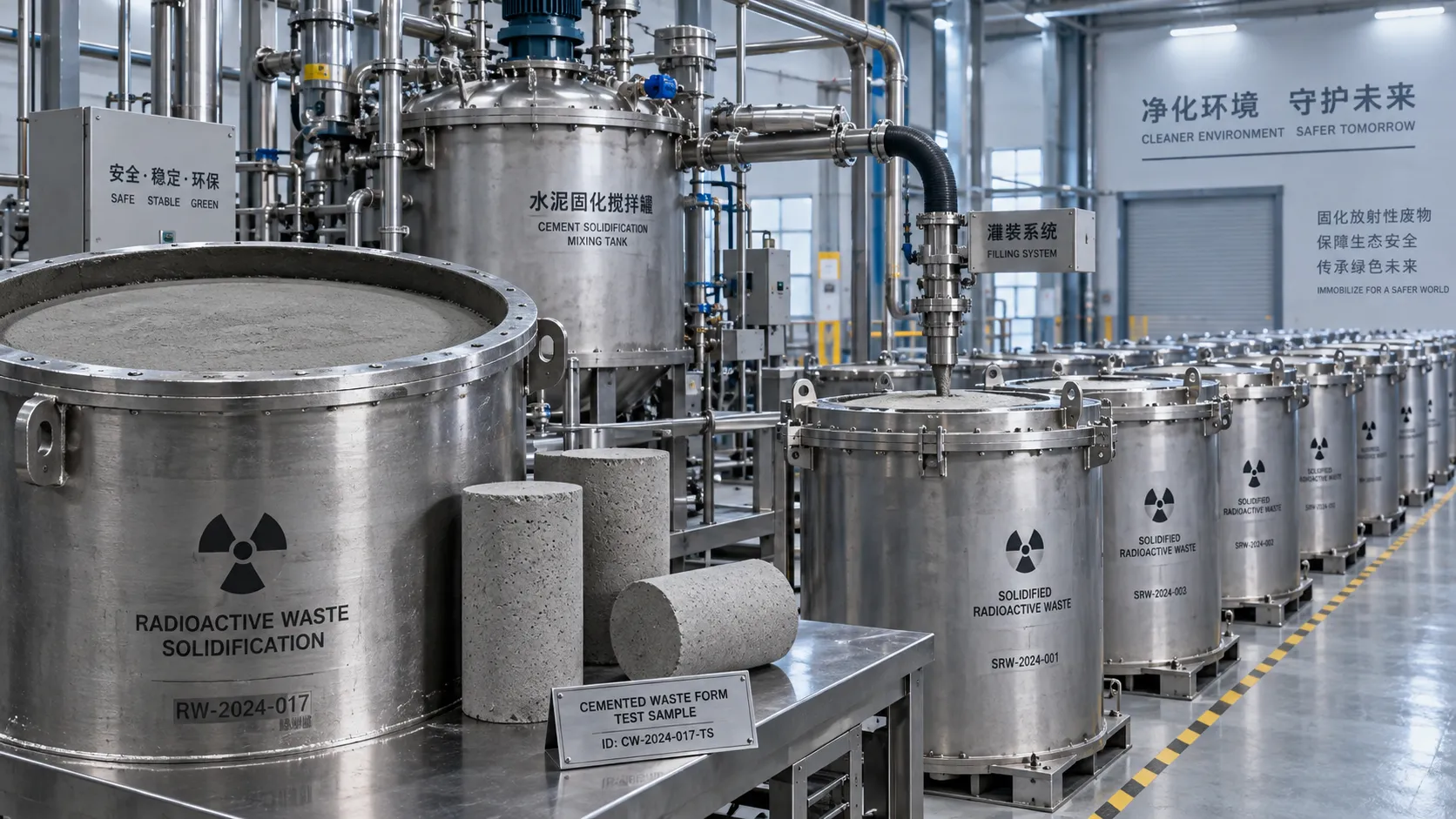
When is cementation suitable for nuclear decommissioning waste?
Explore nuclear waste treatment technology for decommissioning: learn when cementation fits, which risks to assess, and how disposal criteria guide an effective treatment choice.
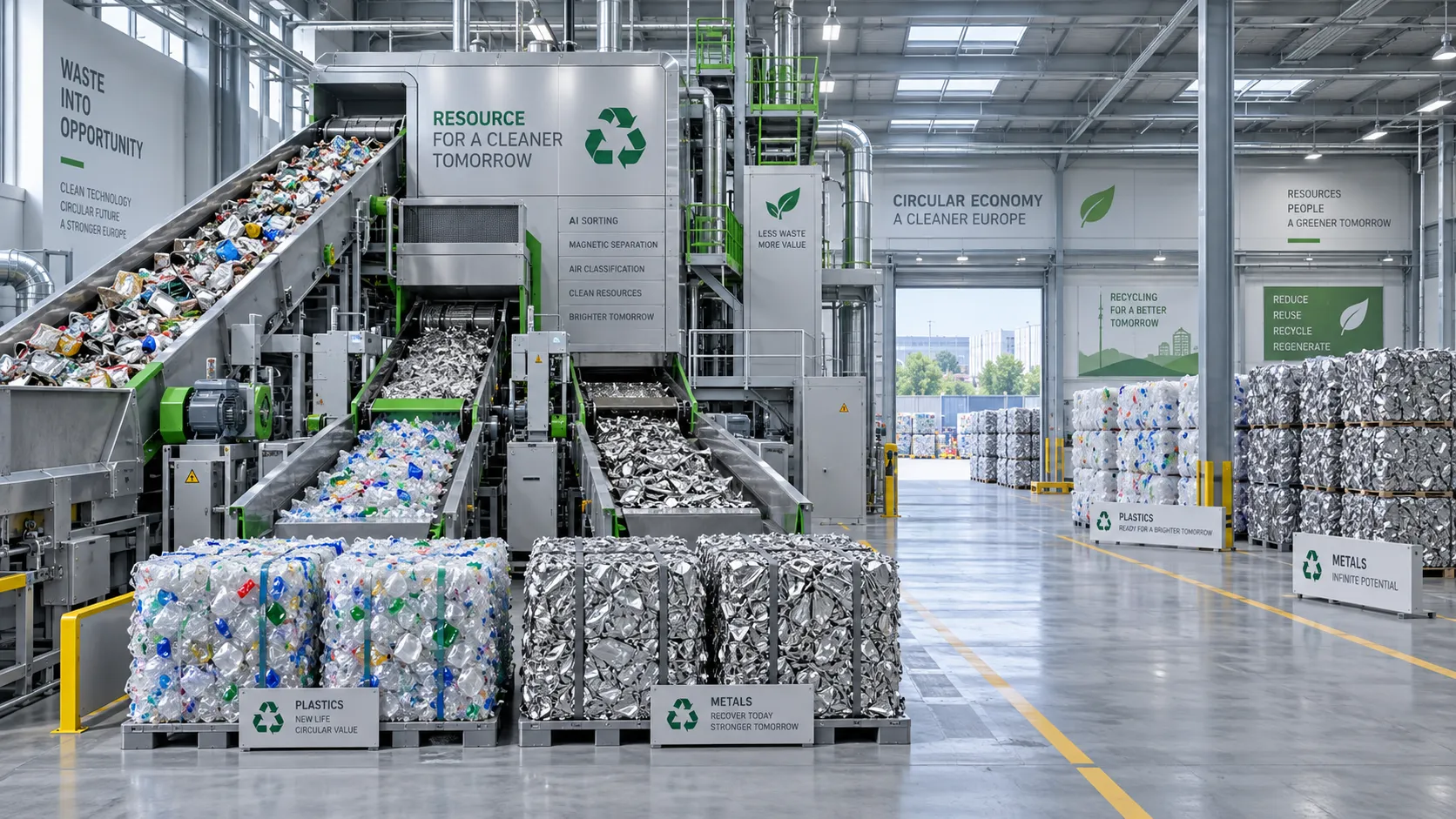
What determines payback for waste-to-resource systems in Europe?
Assess waste-to-resource systems Europe-wide: compare feedstock, recovery yields, costs and contracts to uncover payback drivers and make smarter investment decisions.
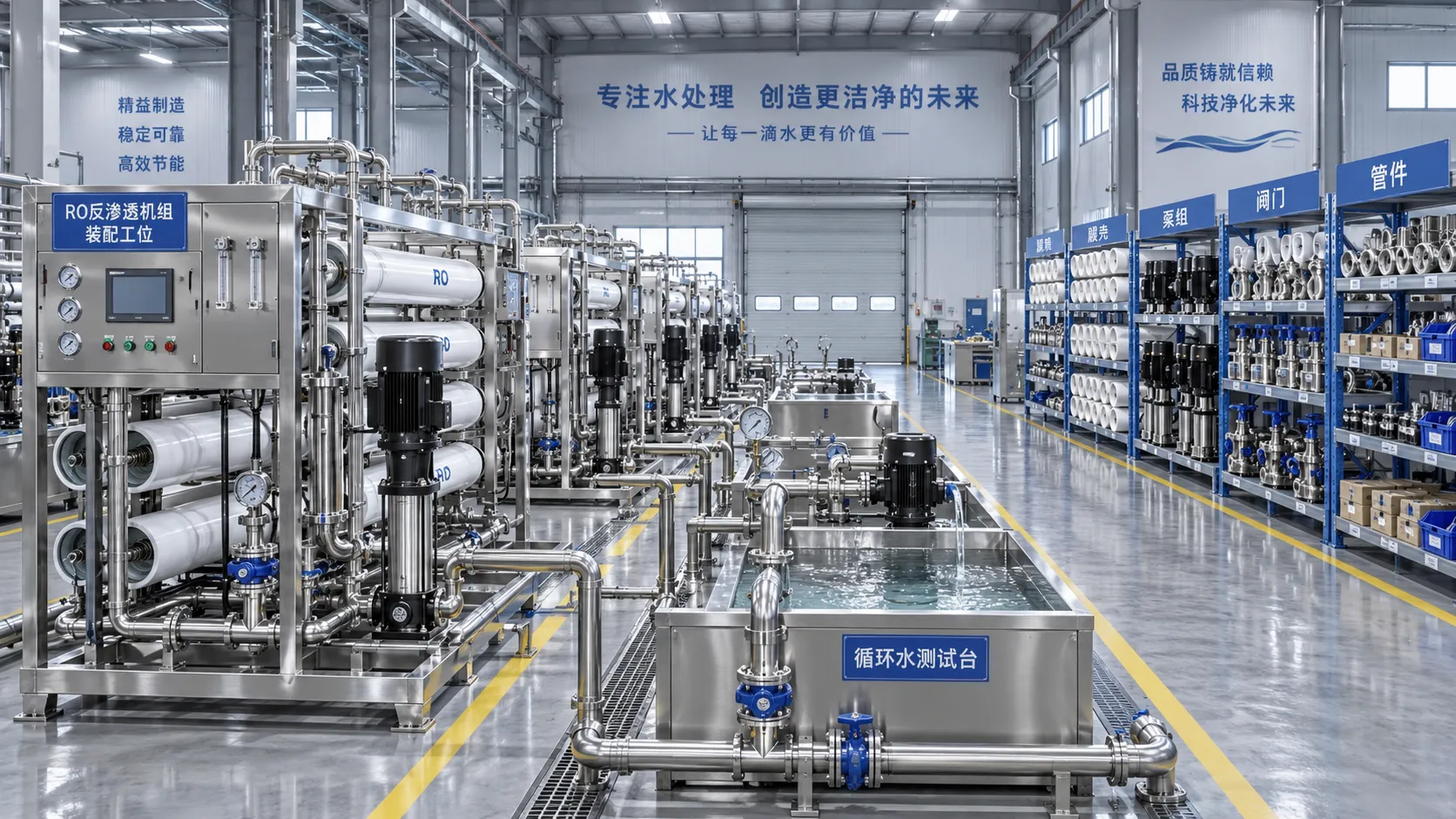
How to verify a water treatment system factory’s production capacity
Verify a water treatment systems factory’s production capacity through records, bottlenecks, component availability, and testing. Learn what to check before accepting a delivery promise.
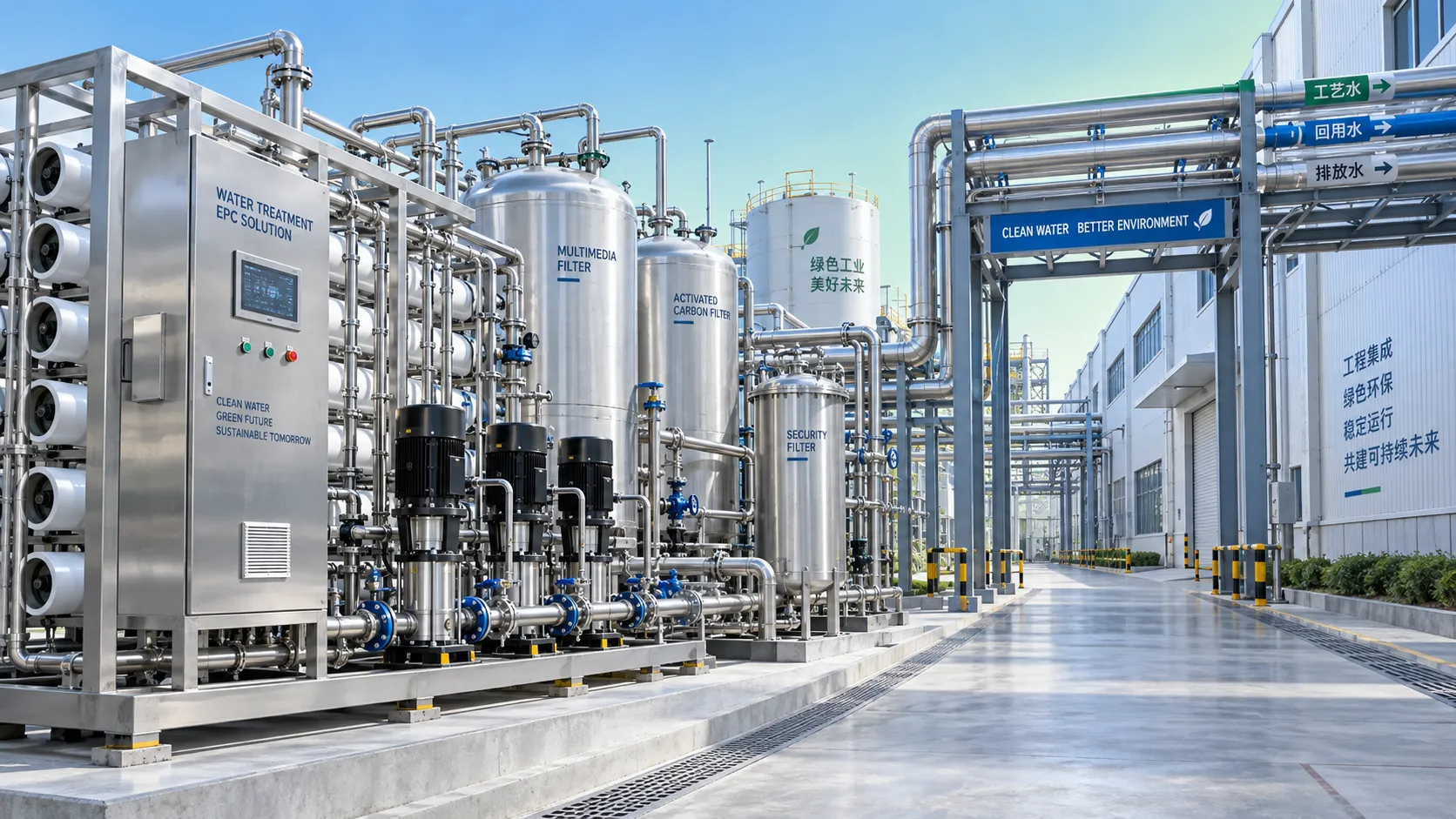
When does EPC environmental project support reduce delivery risk?
EPC environmental project support engineering reduces delivery risk by aligning design, procurement, compliance, construction, and commissioning decisions.
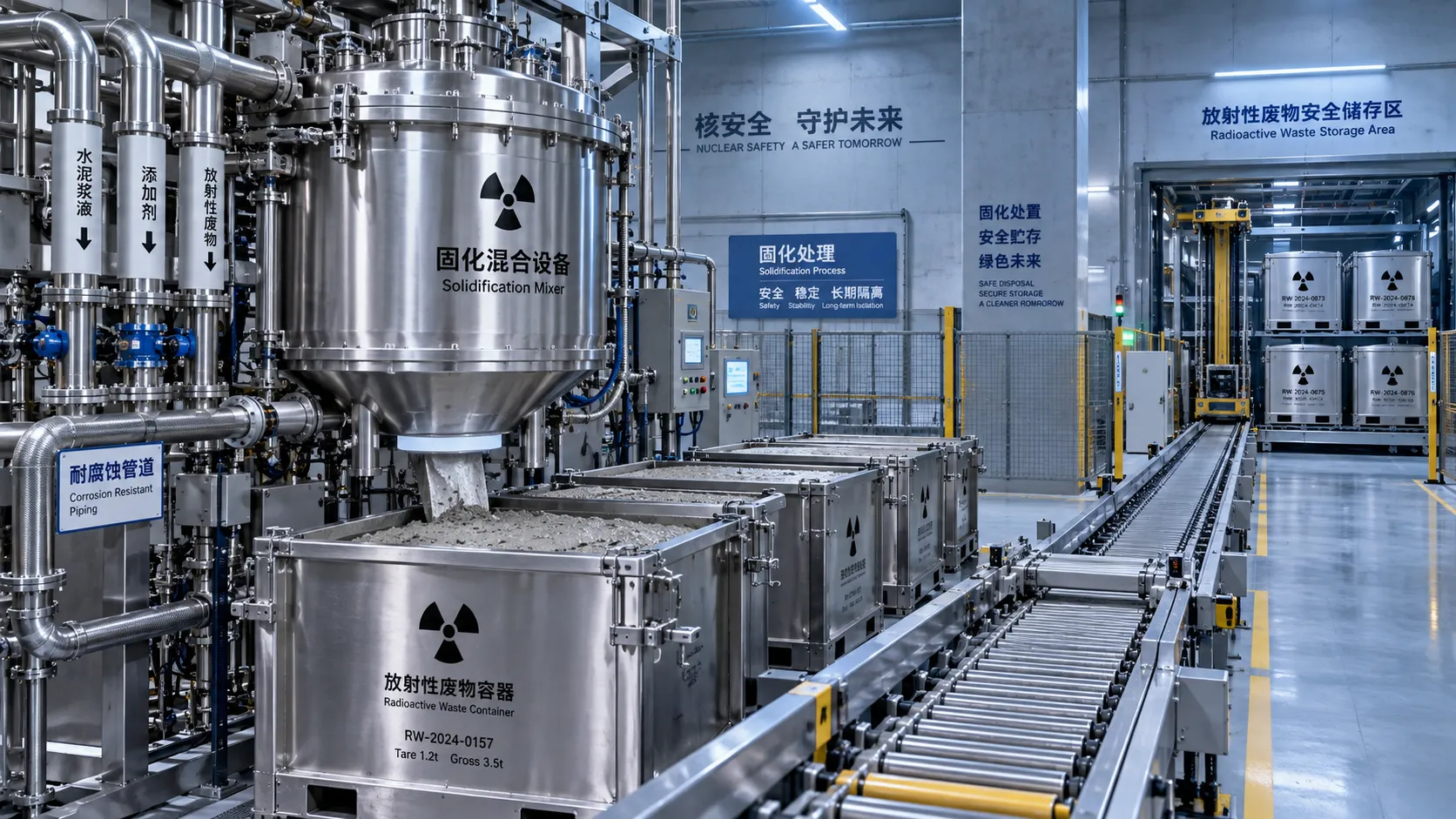
How nuclear plants select a radioactive waste solidification method
Radioactive waste management for nuclear plants: compare vitrification, cementation, polymers, and ceramics to select a compliant, durable solidification solution.
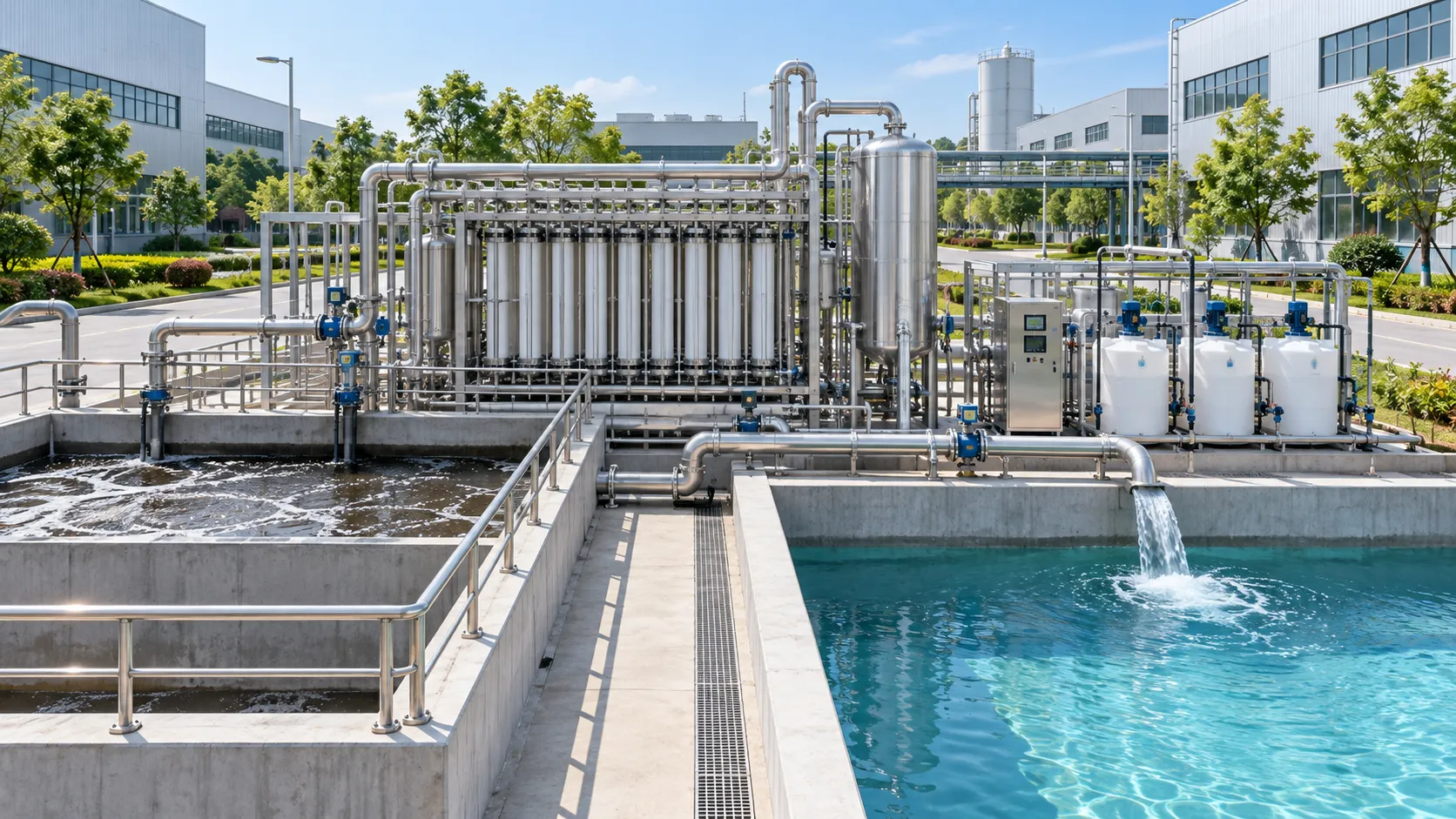
Comparing Upgrade Costs for Industrial Park Wastewater Treatment Systems
Compare costs for wastewater system upgrades in industrial parks with a lifecycle view of CAPEX, OPEX, compliance, resilience, and future expansion.
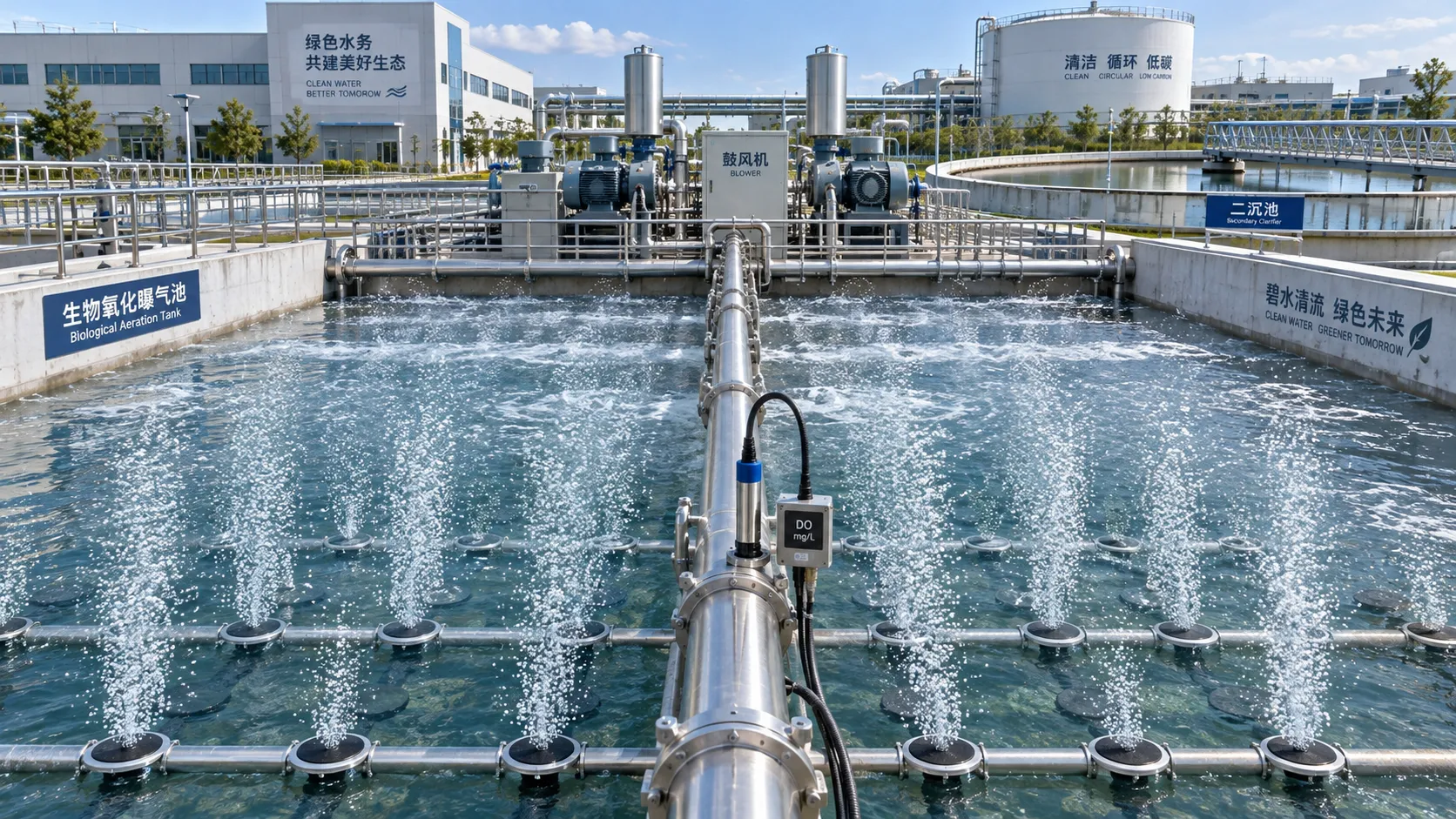
Biological Wastewater Oxidation Explained: Aeration Demand and Process Control
Biological wastewater oxidation explained: optimize aeration demand, DO control, nitrification, and sludge age for stable effluent quality and lower energy costs.
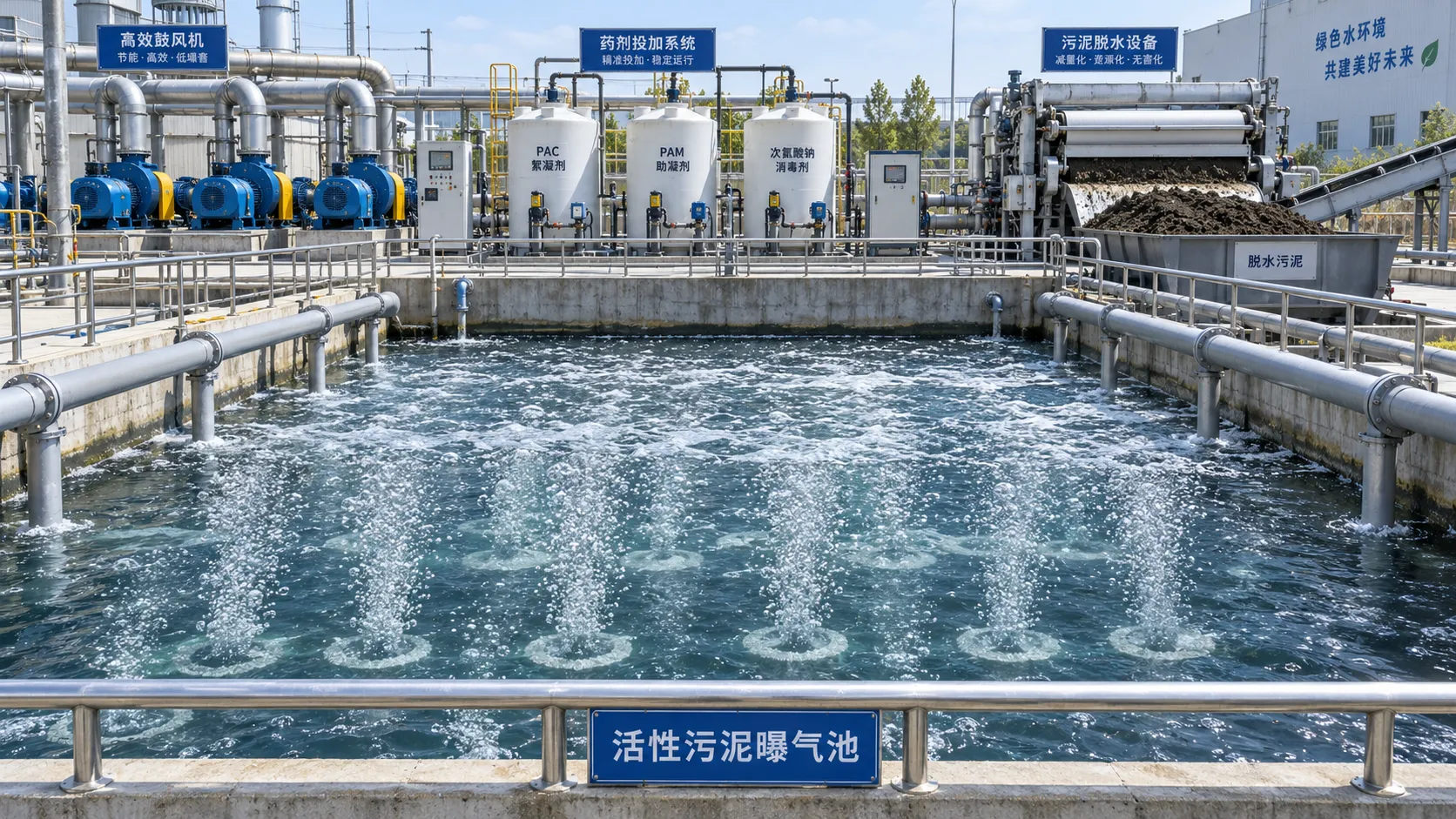
Activated Sludge Cost: Budgeting Energy, Chemicals, Sludge, and Labor
Activated sludge cost explained: compare energy, chemicals, sludge disposal, labor, and compliance risks to build a reliable lifecycle budget.
When Should Municipal Wastewater Plants Upgrade Treatment Capacity and Controls?
Municipal wastewater treatment upgrades: learn when capacity, controls, and resilient planning are needed to protect compliance and optimize plant performance.