
Industry News
Curation by industry experts
Hot Articles
Popular Tags
Industrial Wastewater Recycling: When Reuse Pays Off
Industrial wastewater recycling is no longer just an environmental upgrade. It is increasingly a capital allocation decision tied to operating stability, water security, and compliance exposure. The central question is practical: when does industrial wastewater recycling reduce total cost, improve resilience, and create measurable asset value? In many facilities, reuse pays off when freshwater prices rise, discharge permits tighten, and wastewater quality remains consistent enough for engineered recovery.
For complex industrial systems, the answer is rarely based on one technology alone. It depends on water balance, contaminant profile, energy use, recovery target, maintenance burden, and the economic value of recovered water or by-products. A checklist approach helps screen projects quickly and prevents expensive overdesign.
Why a checklist is essential before investing in industrial wastewater recycling
Industrial wastewater recycling projects often fail at the approval stage for one reason: the business case is incomplete. Teams may focus on treatment performance while missing hidden variables such as brine disposal, pretreatment downtime, membrane fouling risk, or seasonal flow variation.
A structured review keeps technical ambition aligned with financial reality. It also supports better comparisons between partial reuse, internal cascading, and high-recovery systems such as ZLD. In broad industrial settings, that discipline matters more than choosing the most advanced process on paper.
Core checklist: when industrial wastewater recycling pays off
Use the following points to evaluate whether industrial wastewater recycling can deliver a real return instead of a compliance-only expense.
- Map the full water balance, including intake, process losses, cooling demand, washdown, and discharge points, before selecting any reuse target or recovery technology.
- Measure wastewater variability over time, not just average quality, because peak COD, TDS, oil, silica, or metals often determine system complexity and operating cost.
- Prioritize the highest-value reuse destination first, such as boiler makeup, cooling towers, rinsing lines, or utility water with the strongest replacement value.
- Compare freshwater tariff escalation against treatment cost, because industrial wastewater recycling becomes more attractive when local water pricing is volatile or rising.
- Include discharge fees, sewer surcharges, and off-site hauling costs, since avoided disposal often contributes more savings than reduced water intake alone.
- Quantify compliance risk reduction, especially where permits are tightening around salinity, nutrients, PFAS, heavy metals, or thermal discharge limitations.
- Test pretreatment thoroughly, because poor solids removal, scaling control, or oil separation will shorten membrane life and distort lifecycle economics.
- Model energy demand by treatment stage, including pumping, oxidation, evaporation, and polishing, rather than relying only on vendor recovery percentages.
- Value reliability gains where water shortages interrupt production, because stable internal reuse can protect output and reduce the financial impact of downtime.
- Assess by-product recovery opportunities, including salts, heat, organics, or metals, if circular economy benefits can offset part of project expenditure.
- Separate low-strength and high-strength streams early, since source segregation usually lowers treatment intensity and improves industrial wastewater recycling economics.
- Calculate lifecycle cost over ten years, including chemicals, labor, membrane replacement, sludge handling, and brine management, not only initial CAPEX.
Economic signals that usually justify reuse
Industrial wastewater recycling tends to pay off fastest where three conditions overlap. First, water purchase and discharge costs are both high. Second, wastewater quality is stable enough for standardized treatment. Third, reused water can directly replace a dependable internal demand.
The strongest projects often avoid extreme polishing. Instead of targeting ultrapure water everywhere, they match treatment depth to use. That simple design principle lowers energy use, reduces fouling pressure, and improves return on investment.
Facilities with high water intensity
Large water users usually see the clearest value from industrial wastewater recycling. Cooling systems, rinsing operations, utilities, and cleaning cycles create repeatable demand for non-potable or partially polished water.
When these sites face rising intake charges or extraction limits, internal reuse can protect throughput. The business case improves further when discharge volumes also decline, lowering wastewater fees and easing permit pressure.
Sites under strict discharge regulation
In regulated basins, industrial wastewater recycling is often justified by risk avoidance as much as direct savings. Tighter limits on nutrients, dissolved solids, or hazardous constituents can turn traditional discharge models into future liabilities.
Reuse systems provide flexibility. They reduce the treated volume sent outside the fence line and can delay or avoid expensive permit amendments. In many cases, this regulatory buffer has significant financial value.
Remote or water-stressed operations
Where supply reliability is weak, industrial wastewater recycling supports business continuity. Remote industrial sites often face high transport costs, unstable municipal supply, or competition for scarce freshwater resources.
In those settings, the cost of not having water can exceed treatment cost by a wide margin. Reuse becomes a resilience investment, especially for continuous processes that cannot tolerate interruption.
Plants with separable process streams
The best industrial wastewater recycling economics often come from selective treatment. If a plant can isolate cleaner rinse water from concentrated reject streams, it can recover more water with less energy and fewer consumables.
This approach also keeps advanced systems focused on the streams that truly require them. That reduces unnecessary polishing and usually shortens payback time.
Commonly overlooked risks in industrial wastewater recycling
Ignoring variability and designing to average conditions
Average wastewater data hides upsets. A recycle system sized around typical conditions may fail during cleaning cycles, batch discharges, or raw material changes. That leads to bypass events, higher chemical use, and lower recovery than expected.
Underestimating concentrate and sludge handling
Industrial wastewater recycling does not eliminate waste. It changes the waste form. Concentrate, sludge, or spent media can become the real cost driver if disposal routes are constrained or hazardous classification changes.
Over-specifying water quality
Treating every stream to the highest purity standard destroys project economics. Reuse water should be matched to end use tolerance. Cooling makeup, floor washing, and certain process steps rarely need the same quality as boiler feed.
Relying on CAPEX-only comparisons
A cheaper installation can become more expensive over time if it consumes more power, fouls faster, or needs frequent operator intervention. Industrial wastewater recycling decisions should always compare lifecycle cost and uptime risk together.
Practical execution steps
- Start with a ninety-day sampling program that captures normal operations, shutdown cleaning, and seasonal variation across all major wastewater streams.
- Build a reuse hierarchy that ranks water uses by quality requirement, replacement value, and operational criticality.
- Screen multiple configurations, including direct reuse, side-stream recovery, membrane systems, biological treatment, and hybrid high-recovery options.
- Run a total-cost model with energy, chemicals, labor, maintenance, residuals, permit exposure, and avoided water purchases.
- Pilot the most sensitive treatment stage before final design, especially where fouling, scaling, organics, or trace contaminants may affect long-term performance.
- Phase implementation if needed, starting with low-risk streams that can generate quick savings and operational confidence.
Conclusion: decide where industrial wastewater recycling creates real value
Industrial wastewater recycling pays off when it is tied to a clear water balance, a realistic treatment target, and a disciplined economic model. The most successful projects do not chase maximum recovery at any cost. They target the right streams, the right reuse applications, and the right level of treatment.
The next step is simple: quantify current water cost, discharge cost, and interruption risk, then test them against a reuse scenario built around actual wastewater data. That process reveals whether industrial wastewater recycling is a compliance burden, a cost-saving upgrade, or a strategic resilience asset.
Recommended News
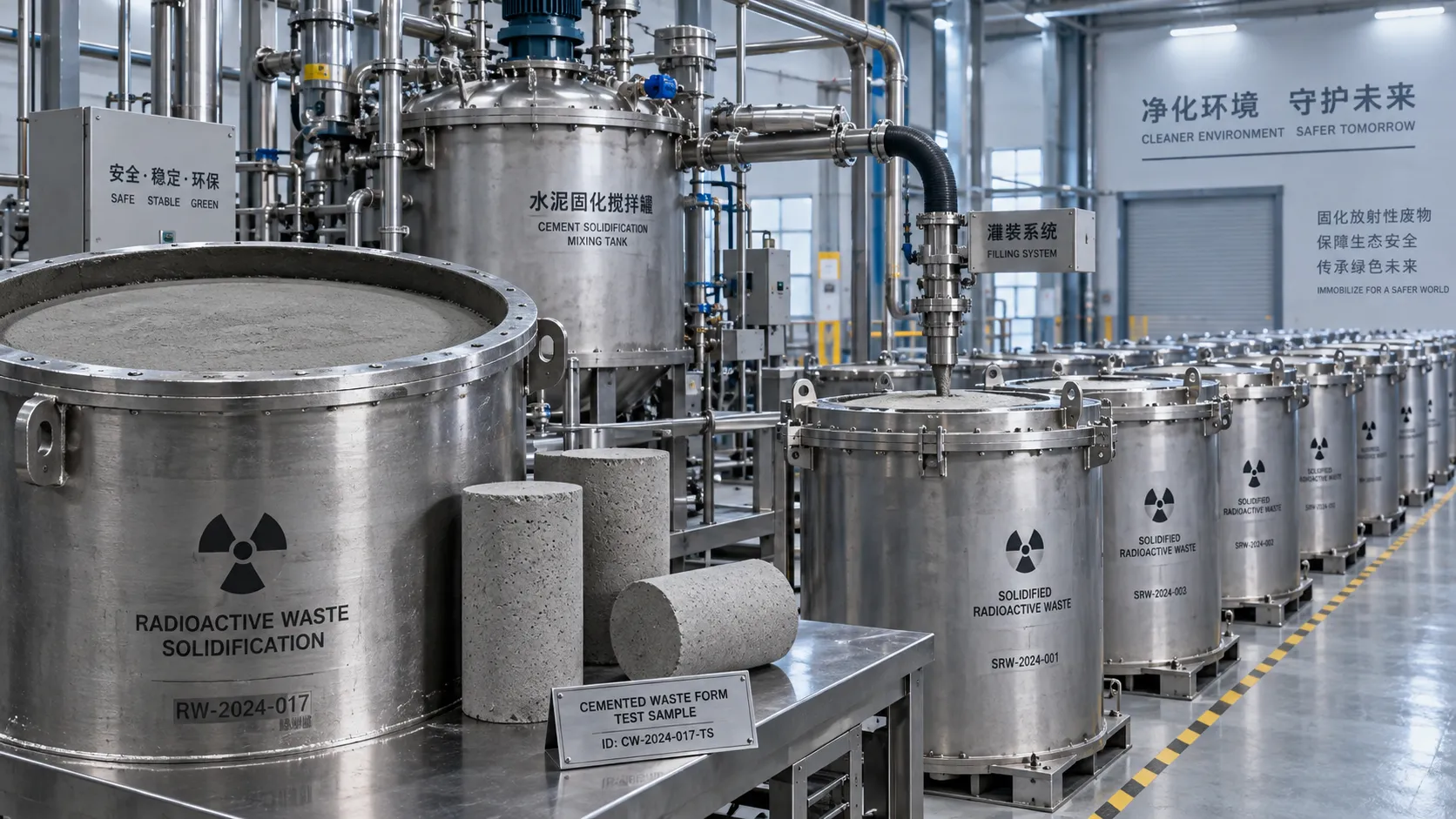
When is cementation suitable for nuclear decommissioning waste?
Explore nuclear waste treatment technology for decommissioning: learn when cementation fits, which risks to assess, and how disposal criteria guide an effective treatment choice.
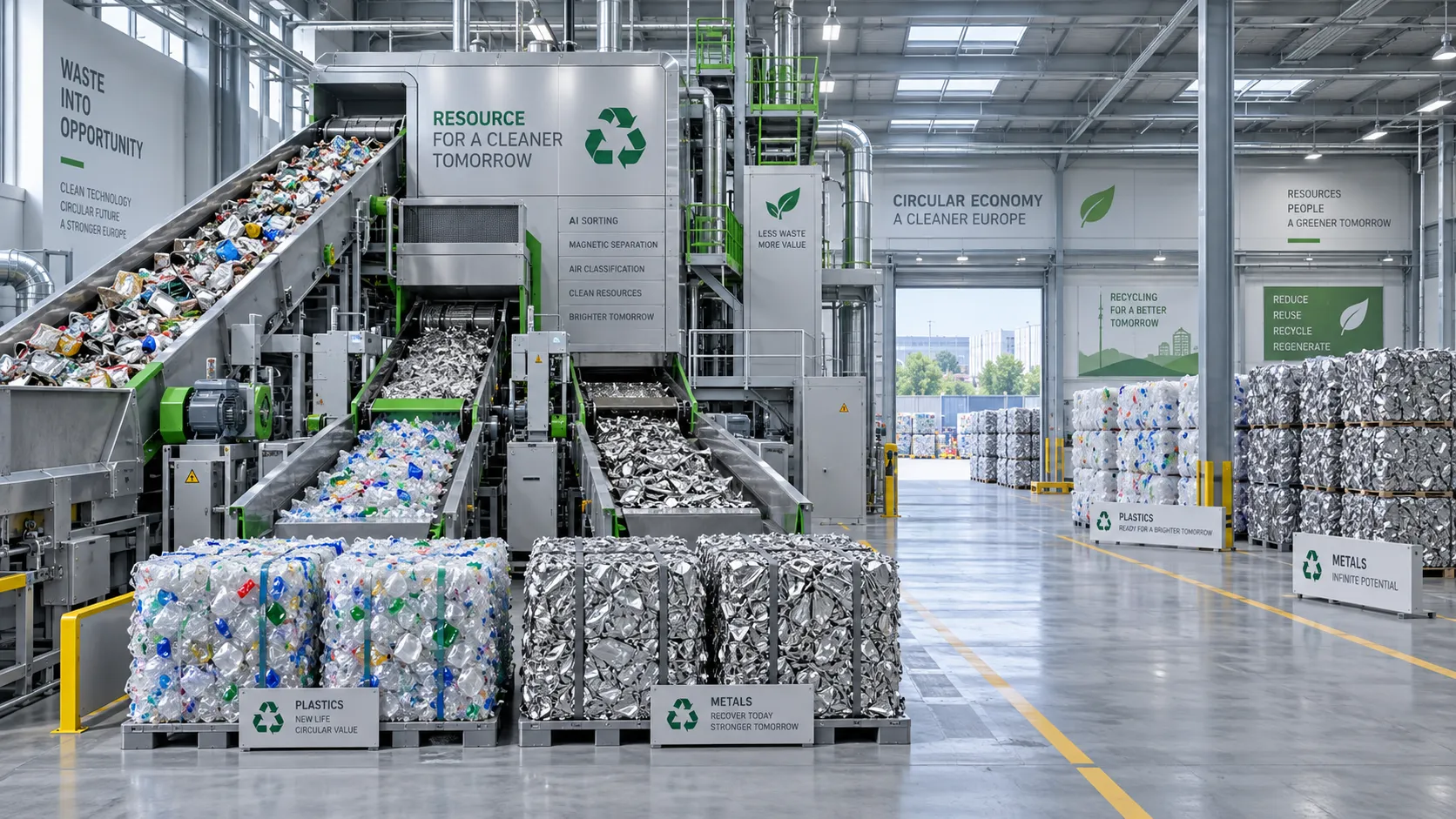
What determines payback for waste-to-resource systems in Europe?
Assess waste-to-resource systems Europe-wide: compare feedstock, recovery yields, costs and contracts to uncover payback drivers and make smarter investment decisions.
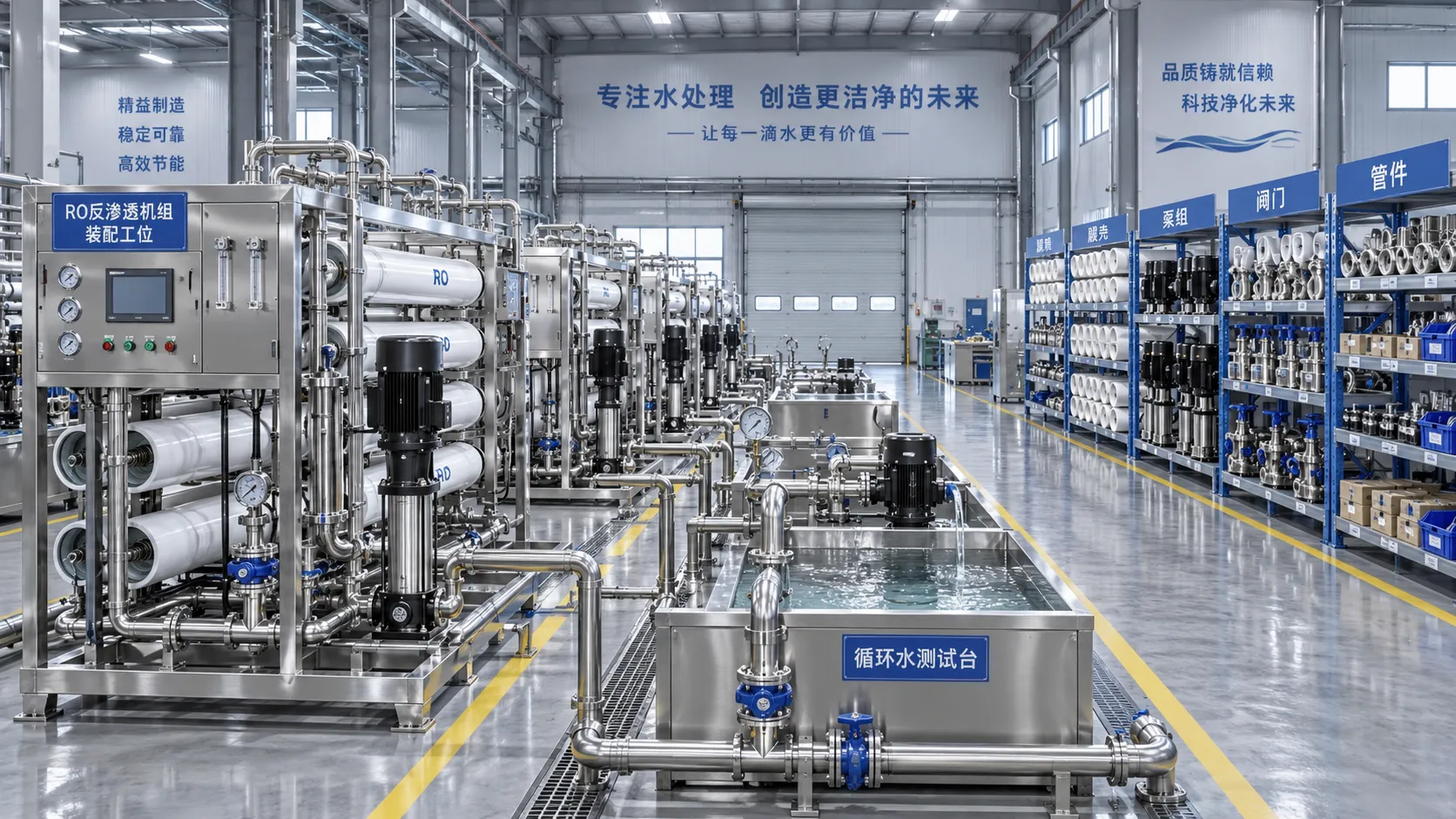
How to verify a water treatment system factory’s production capacity
Verify a water treatment systems factory’s production capacity through records, bottlenecks, component availability, and testing. Learn what to check before accepting a delivery promise.
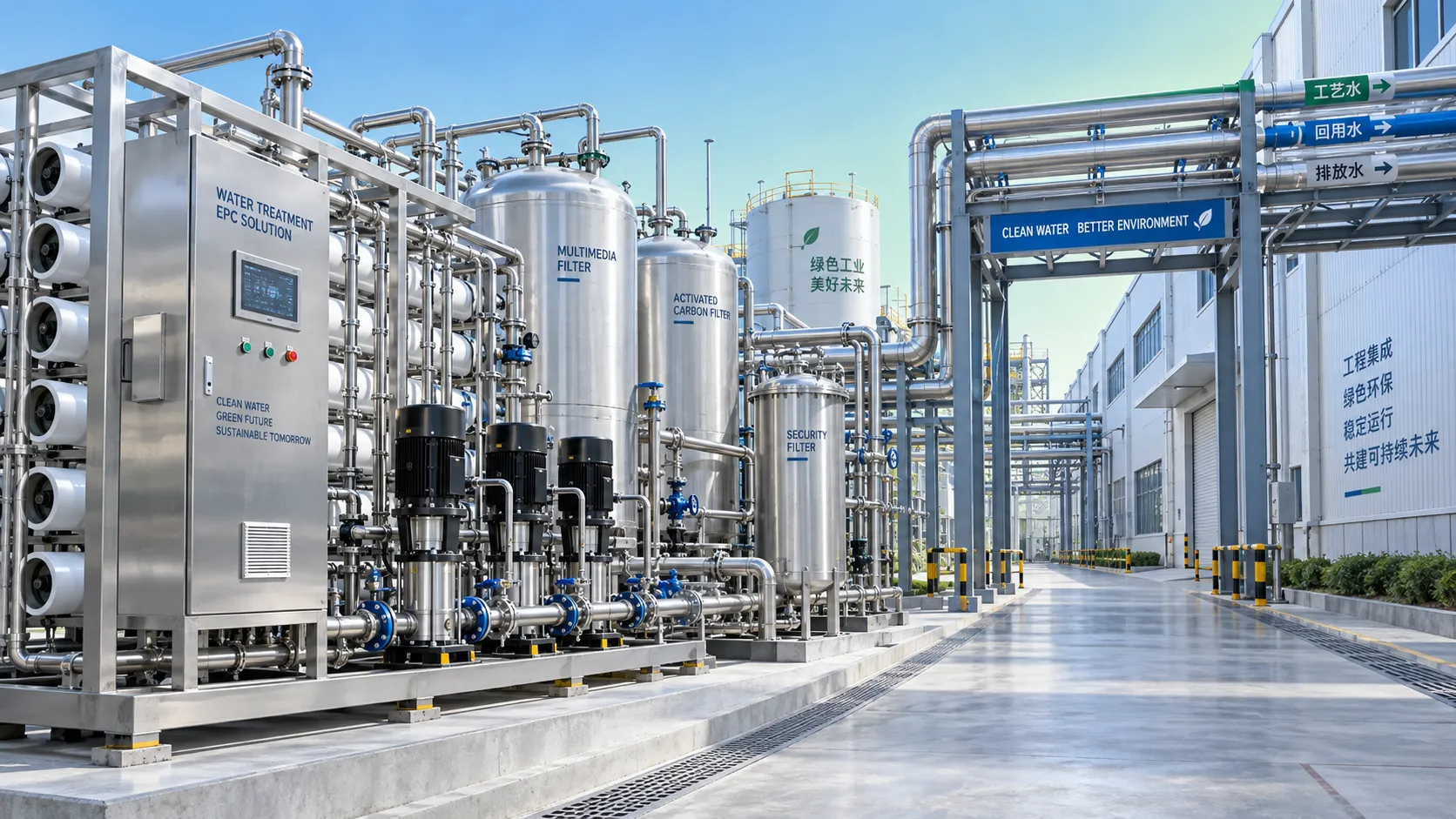
When does EPC environmental project support reduce delivery risk?
EPC environmental project support engineering reduces delivery risk by aligning design, procurement, compliance, construction, and commissioning decisions.
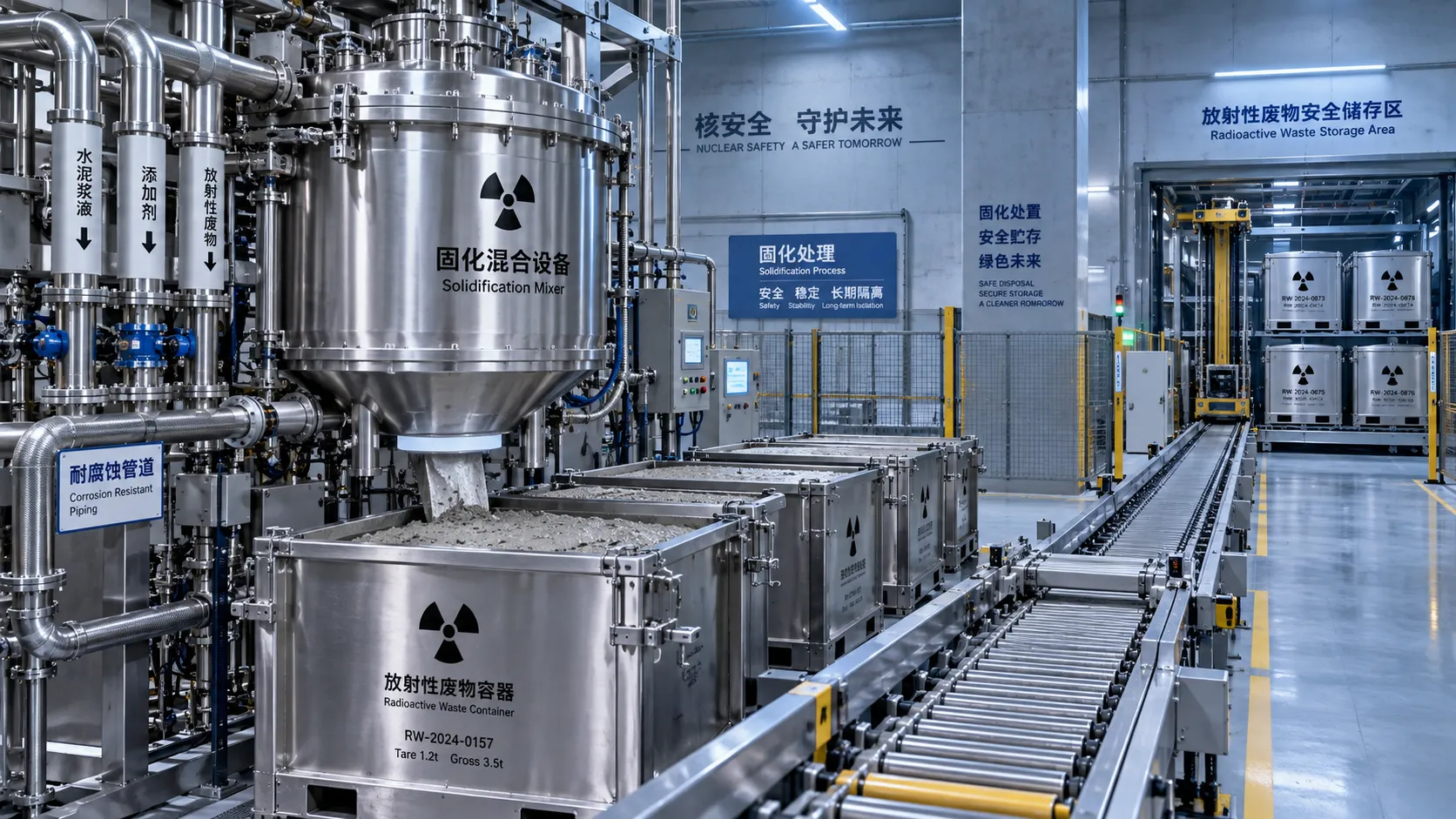
How nuclear plants select a radioactive waste solidification method
Radioactive waste management for nuclear plants: compare vitrification, cementation, polymers, and ceramics to select a compliant, durable solidification solution.
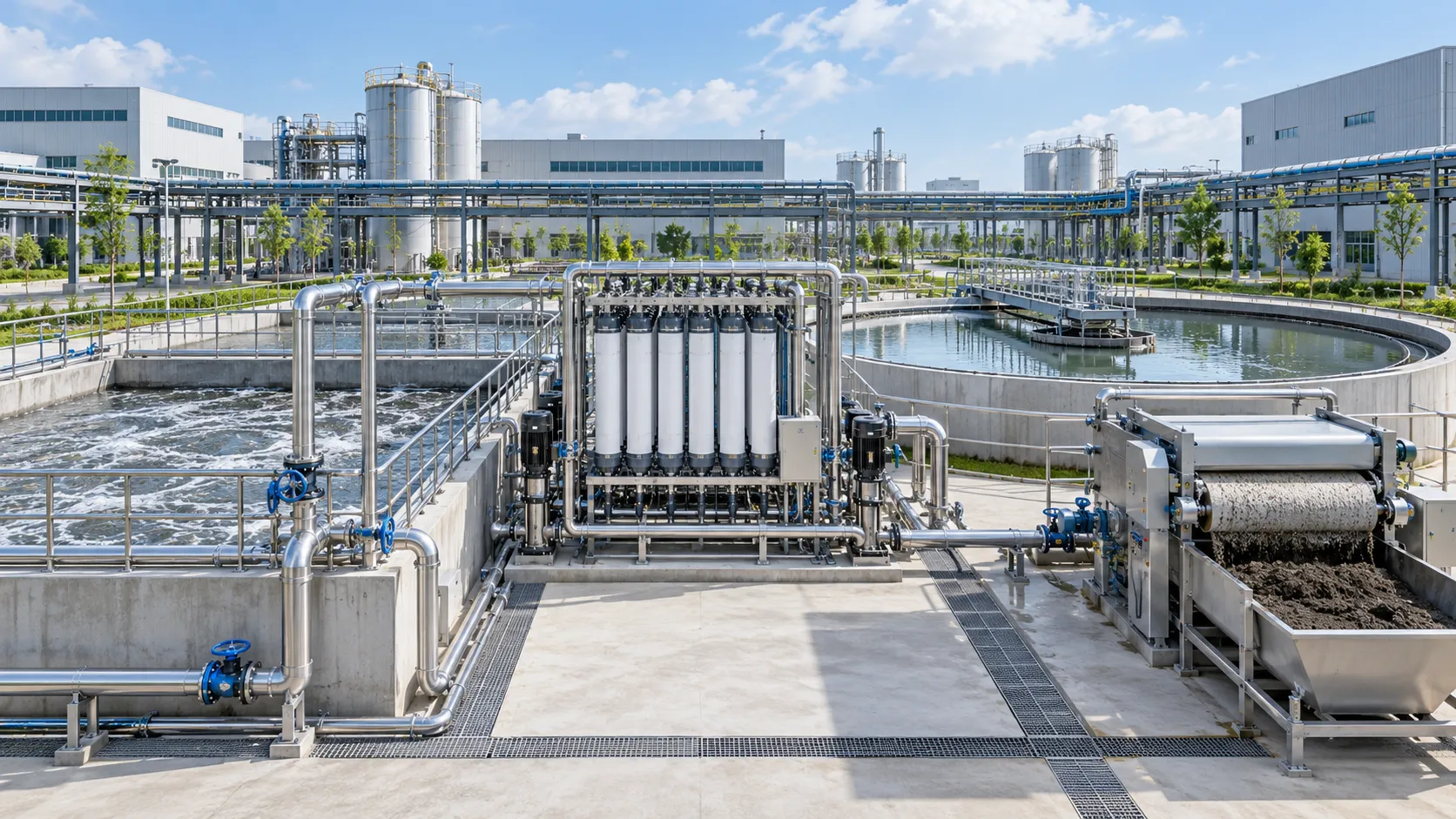
What Drives the Cost of Wastewater System Upgrades in Industrial Parks?
Costs of wastewater system upgrades in industrial parks: uncover key drivers from influent variability and civil works to sludge, energy, compliance, and lifecycle risk.
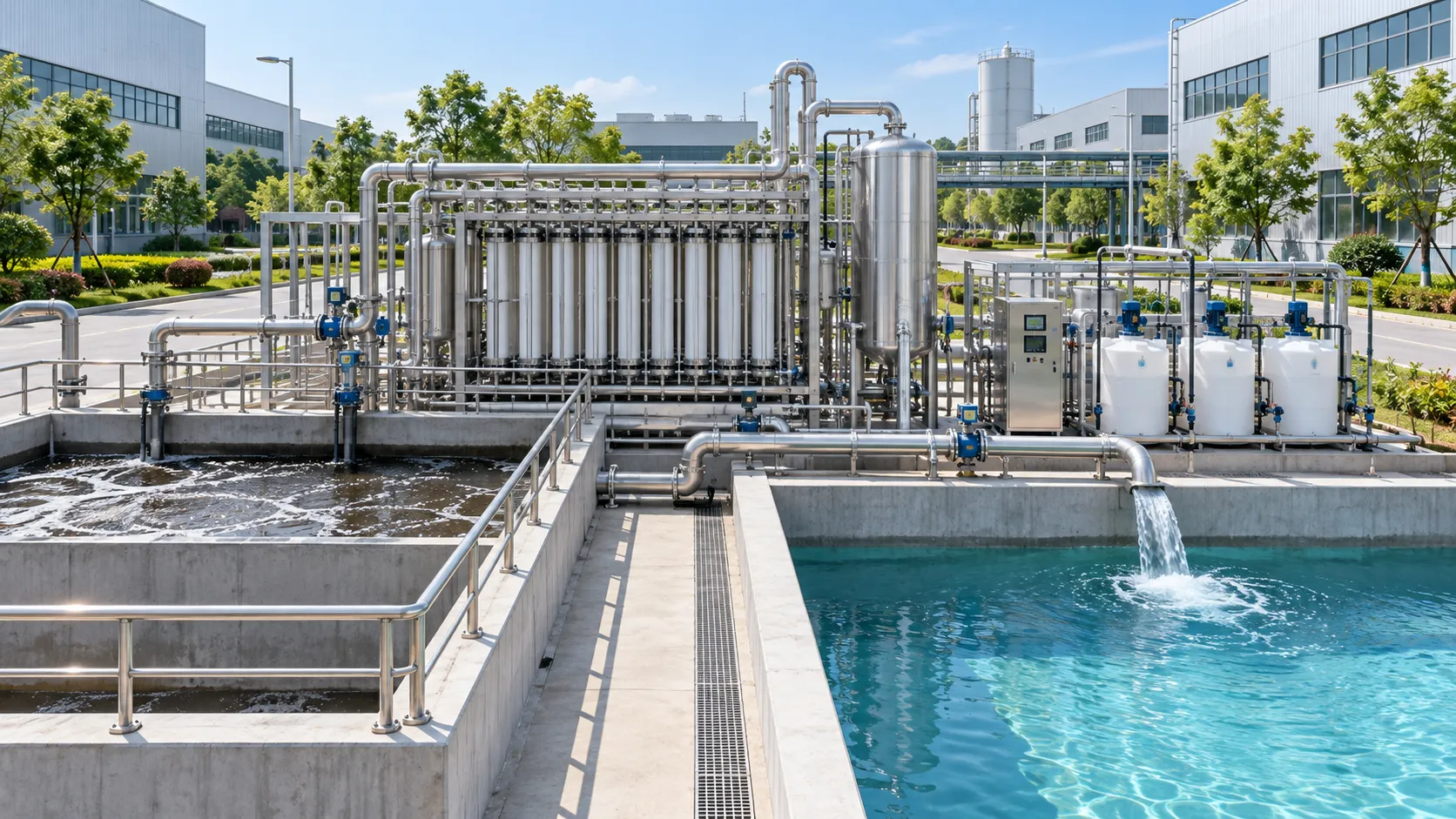
Comparing Upgrade Costs for Industrial Park Wastewater Treatment Systems
Compare costs for wastewater system upgrades in industrial parks with a lifecycle view of CAPEX, OPEX, compliance, resilience, and future expansion.
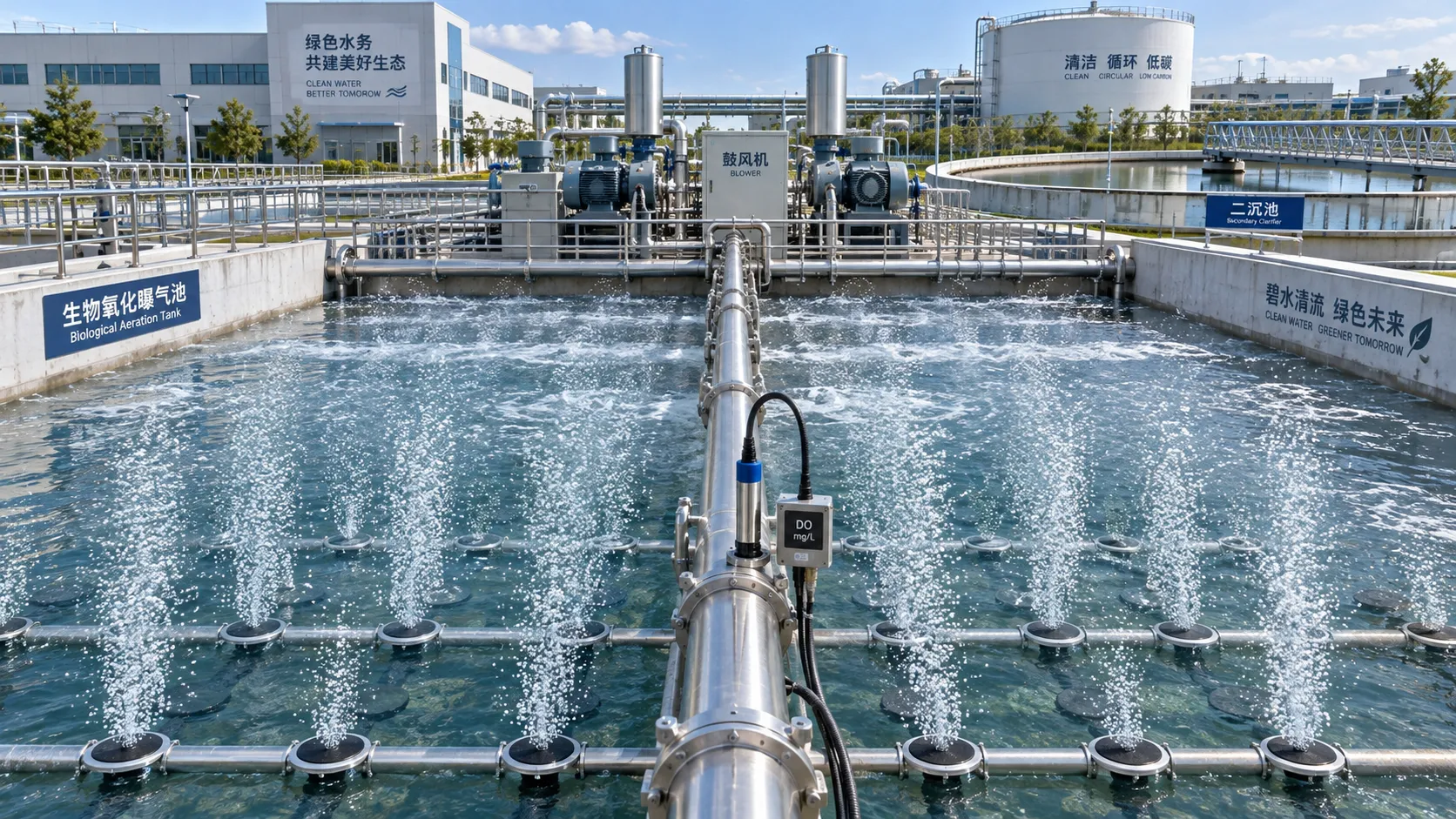
Biological Wastewater Oxidation Explained: Aeration Demand and Process Control
Biological wastewater oxidation explained: optimize aeration demand, DO control, nitrification, and sludge age for stable effluent quality and lower energy costs.
Activated Sludge Cost: Budgeting Energy, Chemicals, Sludge, and Labor
Activated sludge cost explained: compare energy, chemicals, sludge disposal, labor, and compliance risks to build a reliable lifecycle budget.