
Industry News
Curation by industry experts
Hot Articles
Popular Tags
When a Waste-to-Resource Feasibility Study Changes Investment Decisions
When does a waste-to-resource feasibility study actually change the investment case?
A waste-to-resource feasibility study matters most when a project looks attractive on paper but remains uncertain in cash flow, compliance, or scaling logic.
That is common in resource recovery, industrial water reuse, sludge valorization, pyrolysis, and mixed solid waste conversion.
At that point, the study stops being a technical checkbox.
It becomes a decision filter for capital allocation, timing, and project structure.
In practical terms, a strong waste-to-resource feasibility study tests whether waste is truly a feedstock, not just a disposal problem with optimistic language.
It also clarifies whether recovered outputs can enter real markets at stable quality and acceptable margins.
This is why the topic now reaches beyond waste management alone.
It connects to water treatment, flue gas systems, desalination brine handling, and even sensitive waste streams requiring strict containment.
ESD tracks these intersections closely because environmental equipment decisions increasingly depend on linked process intelligence, not isolated unit economics.
A serious study can therefore change an investment decision in three directions: accelerate, redesign, or stop.
Is a waste-to-resource feasibility study only about technology validation?
No. Technology validation is only one layer, and often not the layer that decides financial viability.
The more useful approach is to read the waste-to-resource feasibility study as a bankability document.
That means asking different questions.
- Can the incoming waste stream stay consistent enough for continuous operation?
- Will pretreatment consume more energy, chemicals, or labor than expected?
- Can recovered materials meet offtake specifications every month, not only in pilot tests?
- How exposed is the project to local permit changes, emissions limits, or carbon reporting rules?
- Does the project strengthen an existing site strategy, or create a separate operational burden?
In actual projects, technology may perform well while the business model still fails.
A pyrolysis line can convert material efficiently, yet collapse under poor feedstock sorting discipline.
A ZLD-linked recovery system can show high purity, yet lose viability if concentrate volumes fluctuate sharply.
That is why ESD’s intelligence model matters.
Its value comes from connecting process parameters, circular revenue logic, and compliance risk into one investment view.
Without that stitching, feasibility results often look cleaner than reality.
Which signals suggest the study could overturn a preliminary “yes” decision?
The warning signs are usually commercial before they become technical.
A waste-to-resource feasibility study often reverses an early decision when hidden variability becomes visible.
The table below shows where that change usually happens.
When two or more of these findings appear together, investment committees usually revisit project structure.
Sometimes the answer is not cancellation.
More often, it means smaller phased deployment, different offtake terms, or tighter upstream sorting control.
What should be tested before choosing equipment or locking the process route?
This is where many decisions move too quickly.
A waste-to-resource feasibility study should be completed before the equipment shortlist becomes politically fixed.
Otherwise, the study may end up defending a choice instead of examining it.
The critical tests usually include feedstock characterization, process compatibility, utilities integration, residue handling, and market acceptance of the recovered output.
In water-heavy facilities, the process route must also reflect broader site balance.
For example, brine concentration, sludge dryness, odor control, and wastewater recirculation can reshape the preferred technology path.
In more regulated segments, the issue becomes stricter.
Hazardous residues, flue gas treatment byproducts, or specialized waste streams need a closed-loop view of containment and disposal liability.
That is one reason ESD’s cross-sector coverage is useful.
A recovery project rarely sits inside one silo.
It may depend on membrane behavior, thermal treatment limits, sorting accuracy, emissions control, and regulatory trend analysis at the same time.
- Request sensitivity cases, not only base-case economics.
- Check startup and ramp-up assumptions separately from steady-state performance.
- Verify downstream buyers for recovered fuel, salts, metals, or water.
- Map failure costs, including downtime, residue export, and permit delays.
How do timeline, cost, and risk usually get misread?
The classic mistake is to treat feasibility as a short technical study with a simple capex estimate.
That approach misses the commercial timing of the project.
A waste-to-resource feasibility study should examine whether the project is timely, not just possible.
Feedstock access can tighten.
Recovered product premiums can narrow.
Environmental policy can turn from incentive to obligation faster than many models assume.
CBAM-related pressures, landfill restrictions, water stress, and circular procurement rules all affect timing.
The study should therefore answer four timing questions.
- Is there a first-mover advantage in the target region?
- Will waiting improve technology certainty or worsen compliance cost?
- Can the site absorb construction and commissioning disruption now?
- Does phased deployment reduce risk without destroying return?
More common than outright failure is a project that enters too early at the wrong scale.
That is why risk appetite and schedule should be discussed alongside technology readiness.
What does a decision-ready waste-to-resource feasibility study look like?
A decision-ready study does not try to sound universally positive.
It makes the boundaries clear.
It shows where returns hold, where they weaken, and what conditions must be secured before approval.
Look for these outputs.
- A defensible feedstock supply profile with variance ranges
- A process route compared against realistic alternatives
- A compliance roadmap covering emissions, residues, water, and reporting
- A commercial model tied to verified offtake assumptions
- A phased implementation option, if scale-up risk is material
- Clear stop-go triggers for price, throughput, contamination, and uptime
This is also the point where external intelligence becomes valuable.
ESD’s Strategic Intelligence Center reflects a useful model here.
It combines engineering depth with market and policy interpretation.
That kind of integrated view is increasingly necessary when projects touch water reuse, emissions control, resource recovery, and long-term environmental liability together.
So what should happen next before any final approval?
A waste-to-resource feasibility study should lead directly to a sharper decision framework.
If the study confirms strong economics, the next step is not blind acceleration.
It is to lock the conditions that protect those economics.
If the study exposes weak points, the value is still high.
It may save capital from being trapped in the wrong scale, wrong location, or wrong feedstock assumption.
The most effective next move is usually disciplined comparison.
Recheck feedstock security, compare alternate process routes, pressure-test revenue assumptions, and separate compliance costs from generic operating costs.
Where uncertainty remains, define pilot scope, trigger thresholds, and review dates before any major equipment commitment.
That is how a waste-to-resource feasibility study changes investment decisions in a useful way.
It does not simply justify a project.
It reveals whether the project deserves capital now, later, in phases, or not at all.
Recommended News
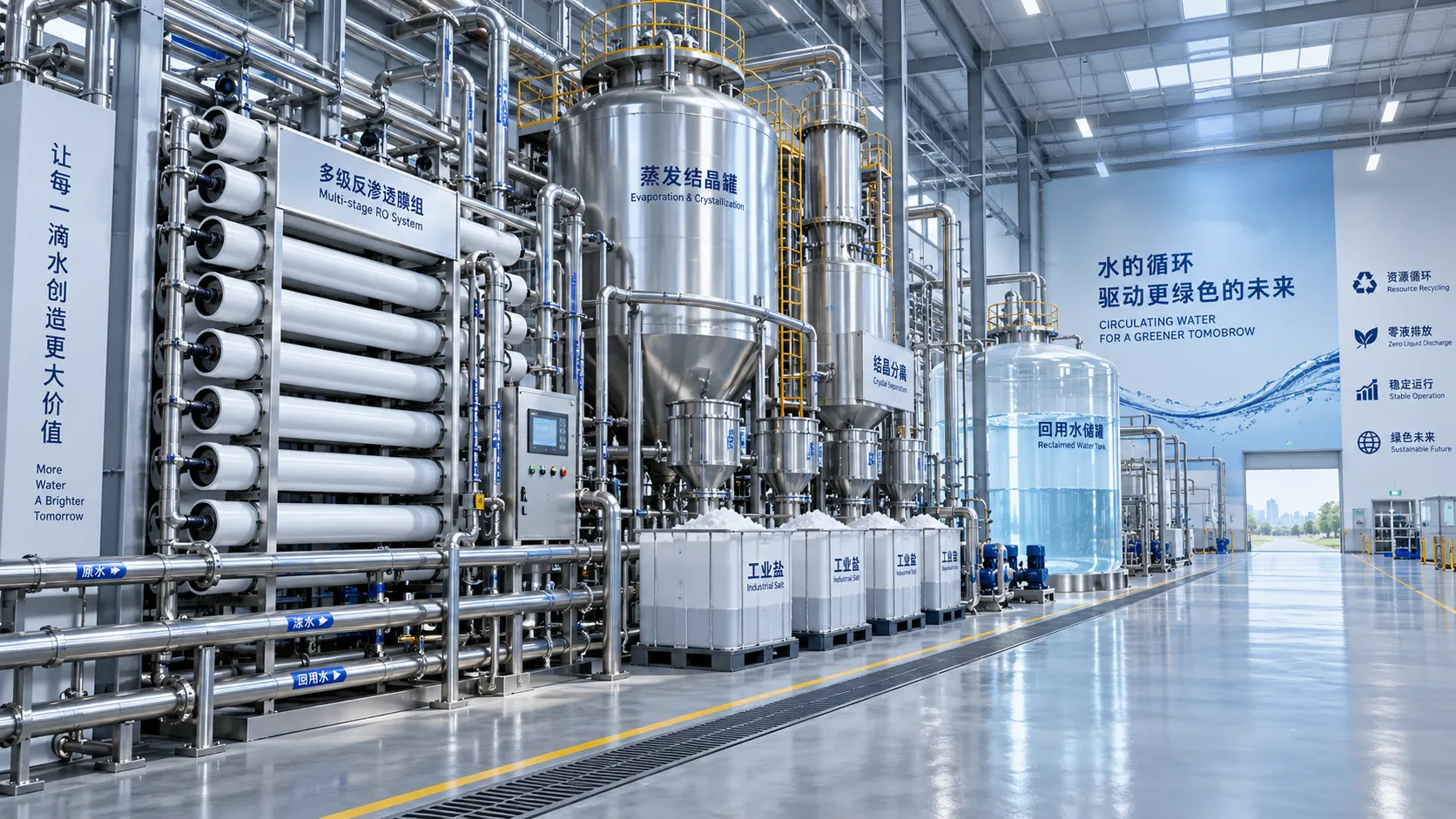
When does high recovery ZLD equipment justify its higher capital cost?
High recovery ZLD equipment can justify higher capital cost when water scarcity, discharge risks, brine disposal, and downtime threaten operations. Explore the decision factors.
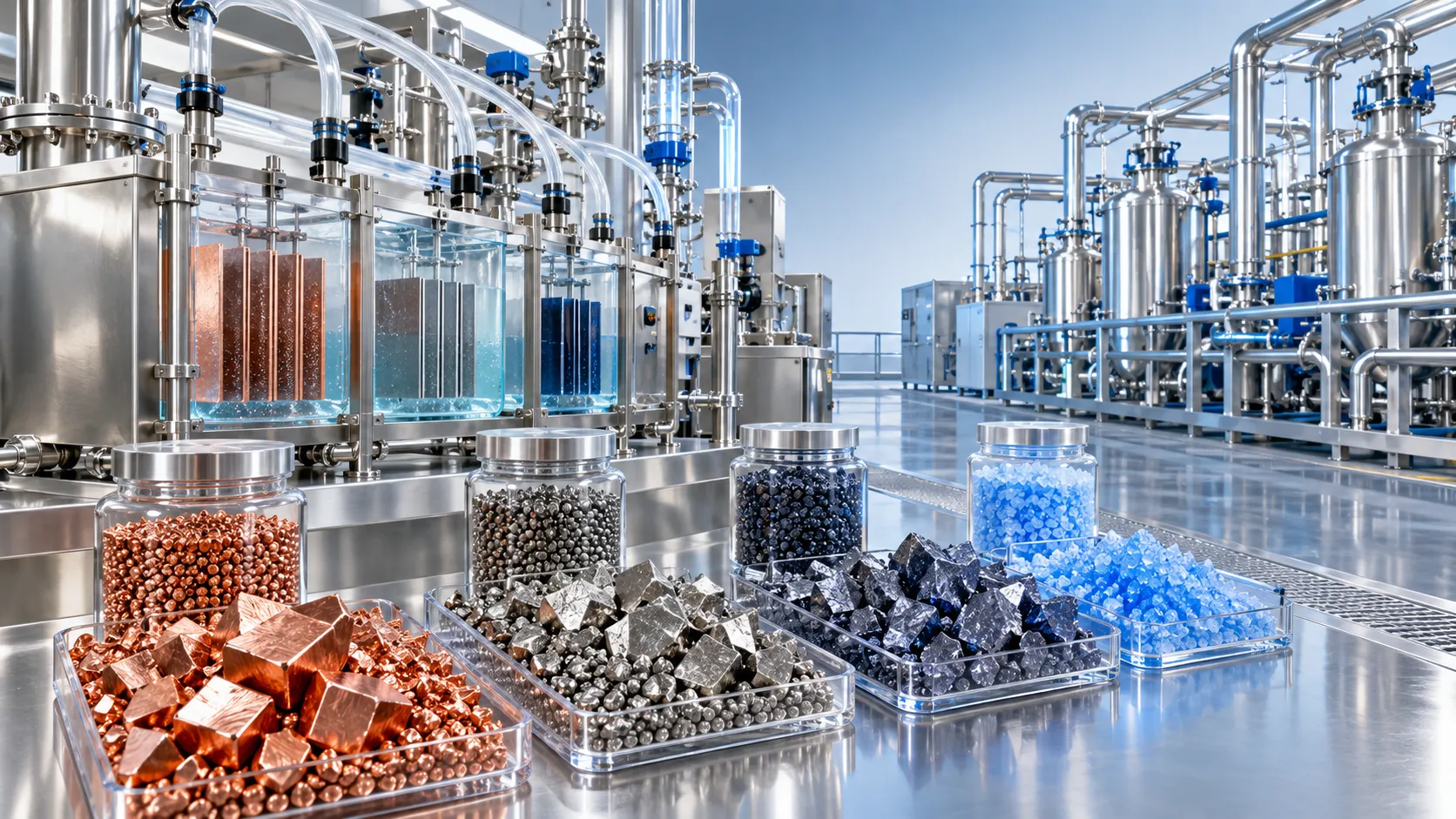
How high purity heavy metal recovery affects recovered metal value
High purity heavy metal recovery boosts recovered metal value by improving payability, reducing penalties, and unlocking stronger buyer opportunities. Explore smarter netback strategies.
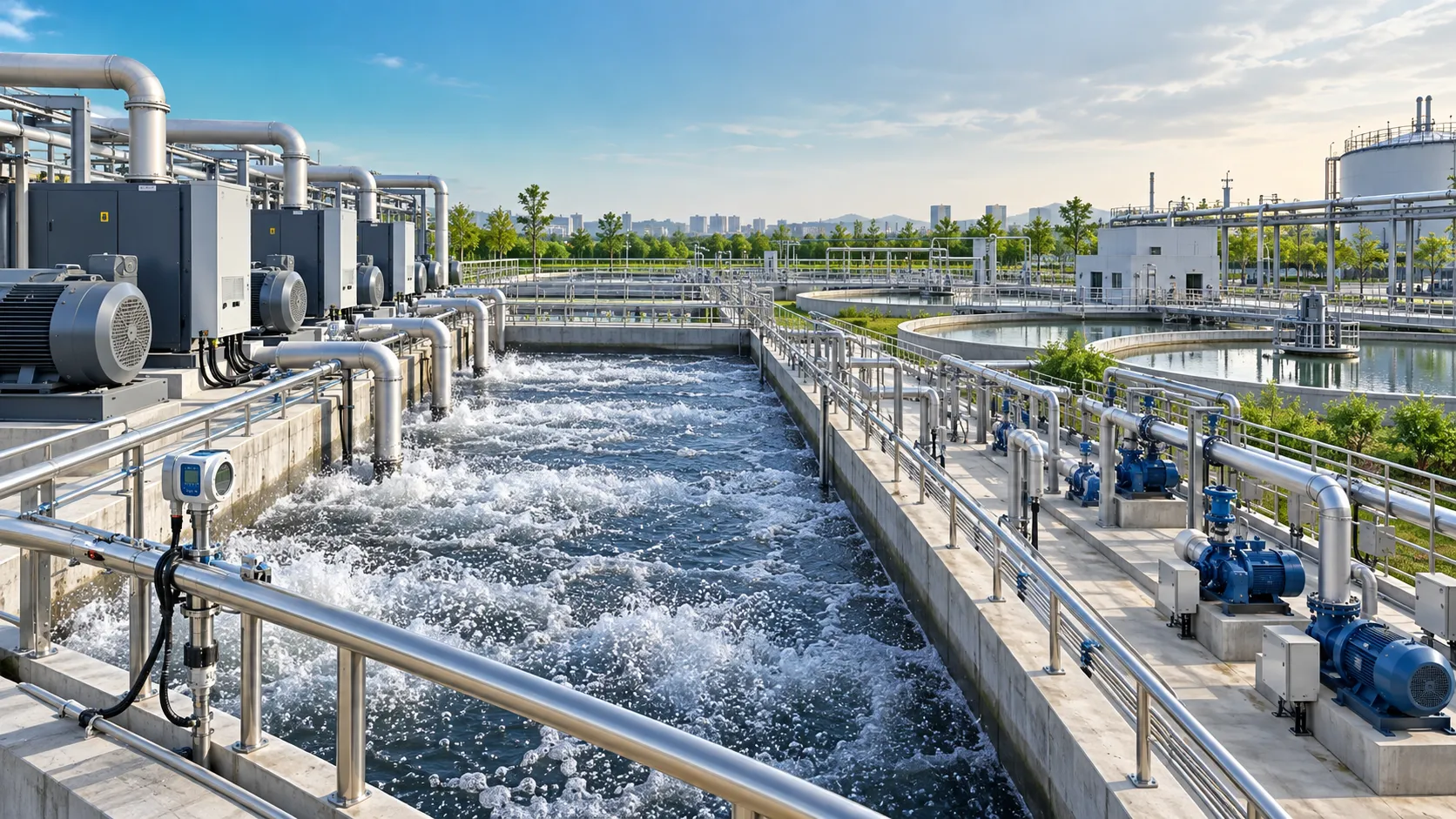
When does environmental equipment intelligence reduce wastewater plant energy use?
Environmental equipment intelligence for wastewater plants cuts energy use through smarter aeration, pumping, and data-driven controls—without compromising compliance. Discover when it delivers measurable savings.
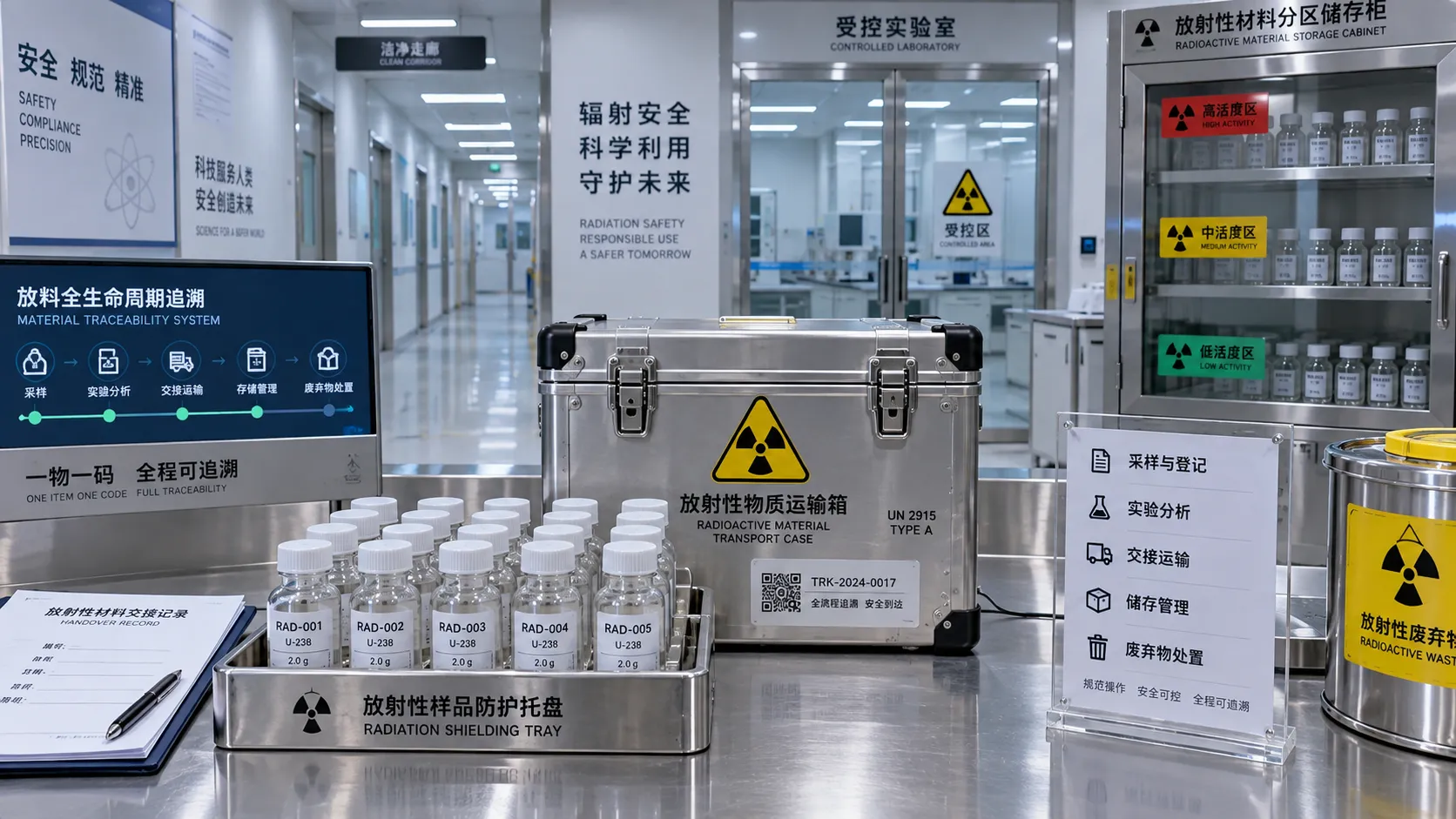
Choosing a Radioisotope Management System for Multi-Site Research Facilities
Radioisotope management system guide for multi-site research facilities: compare traceability, chain of custody, waste controls, roles, and integrations.
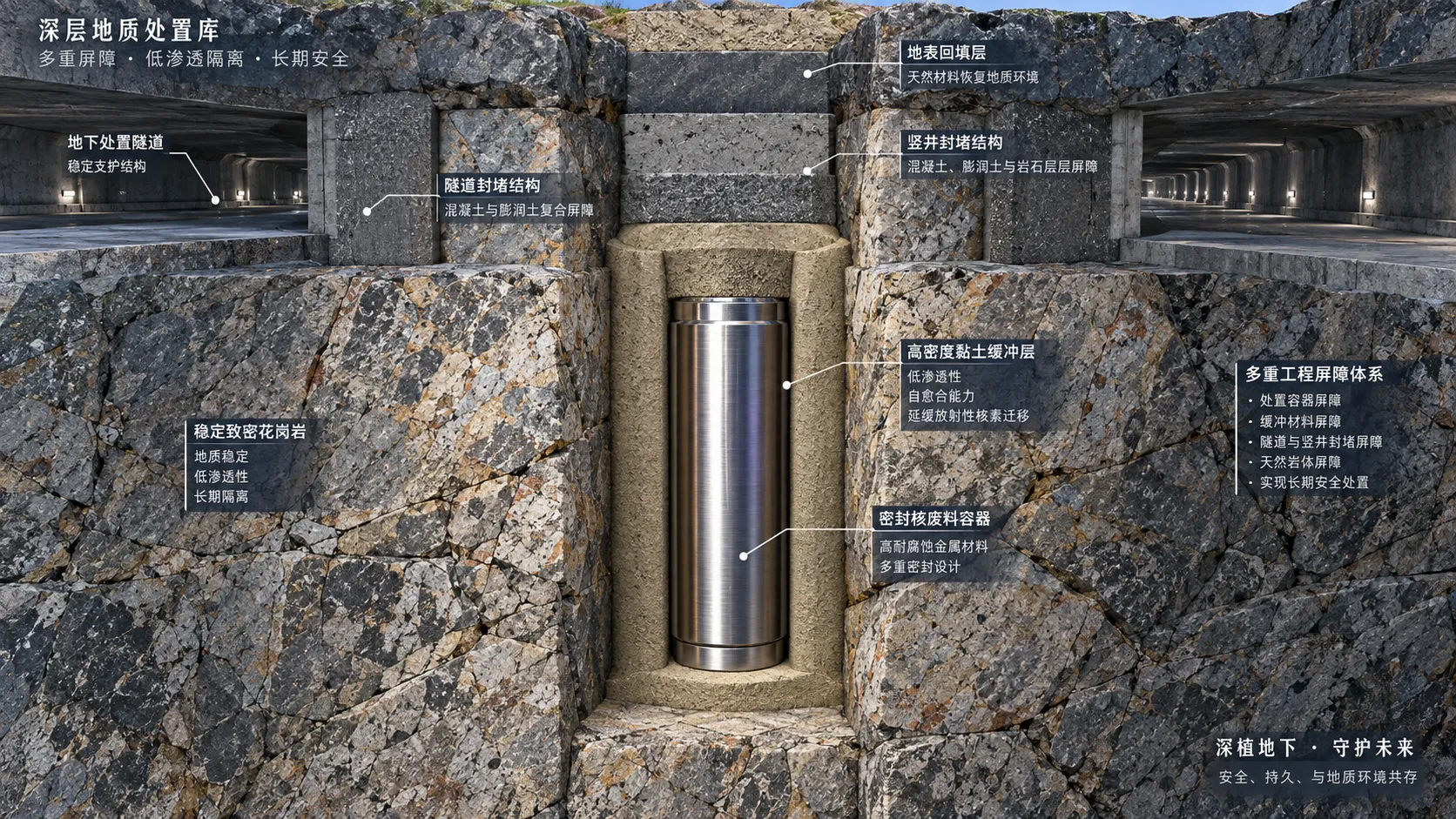
Applying C. McCombie’s Disposal Principles to Long-Lived Radioactive Waste
Explore principles and standards for the disposal of long-lived radioactive wastes C. McCombie, covering geological isolation, engineered barriers, safety cases, and intergenerational protection.
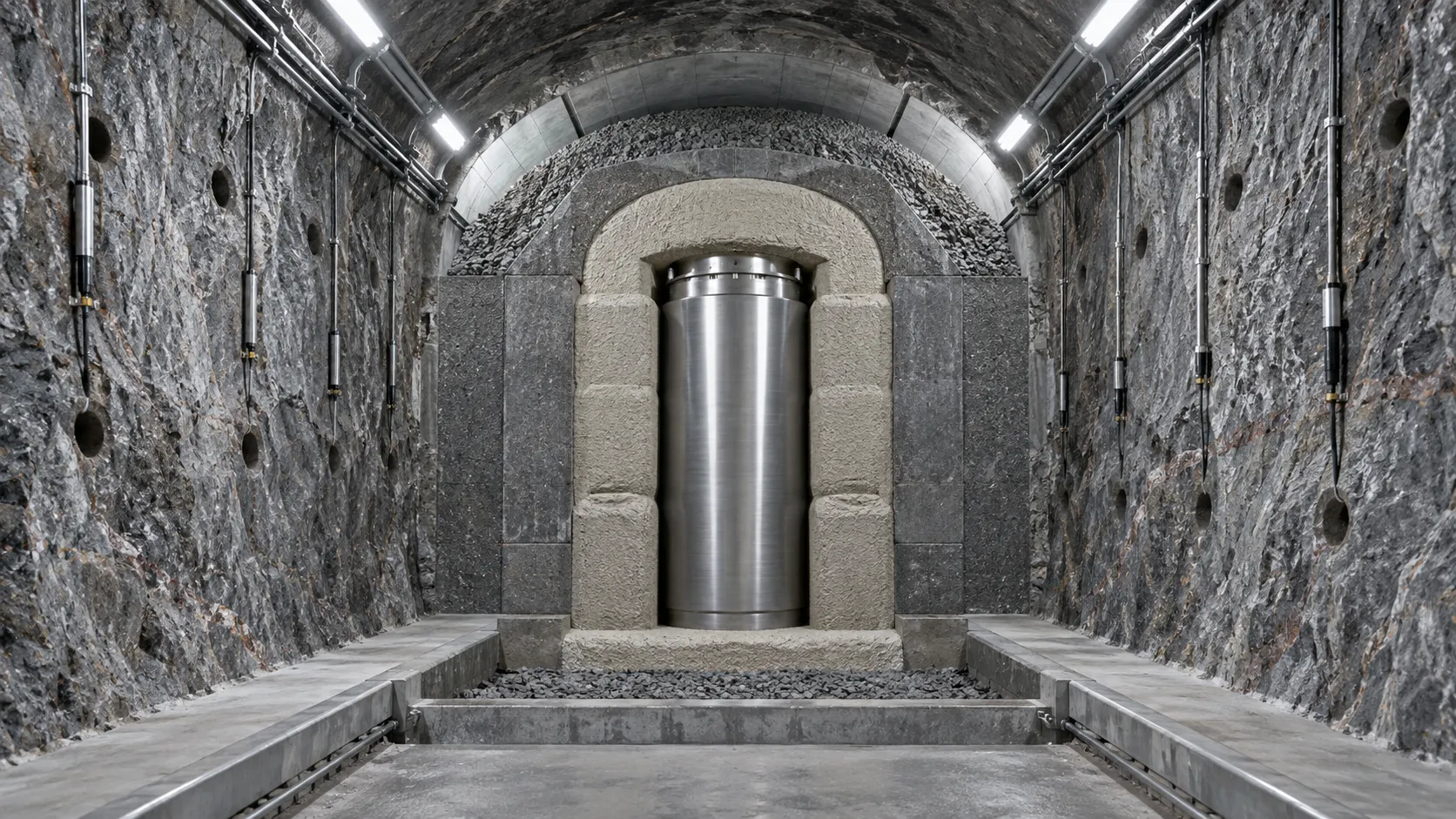
What Evidence Supports the Long-Term Safety Case for Geological Disposal?
Long-term safety of geological disposal: explore the evidence behind multi-barrier systems, site science, uncertainty testing, and auditable safety cases.
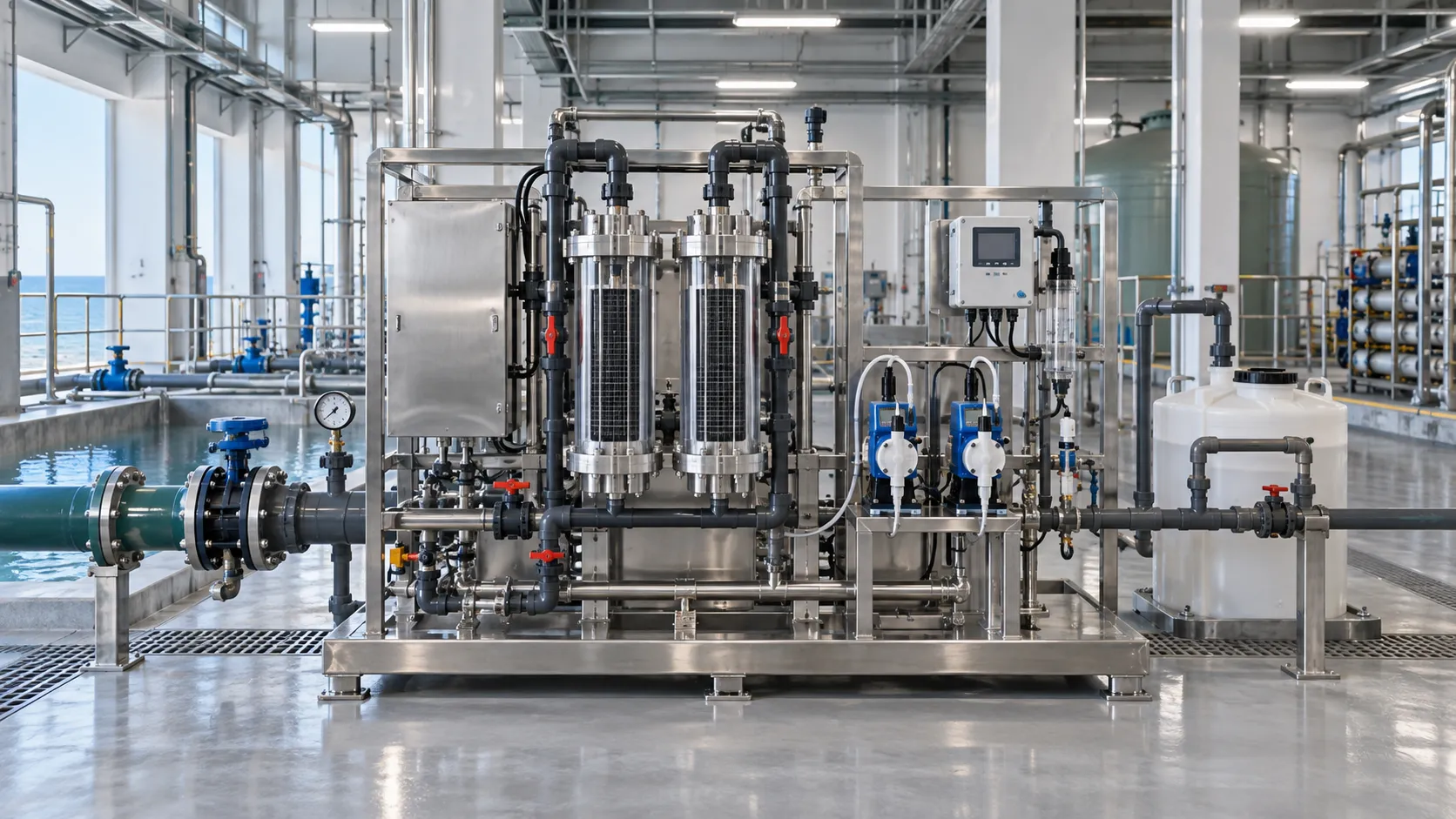
What Do Seawater Disinfection Systems Cost Over Their Full Operating Life?
What are the costs associated with seawater disinfection systems? Explore lifecycle expenses for equipment, energy, chemicals, maintenance, compliance, and risk.
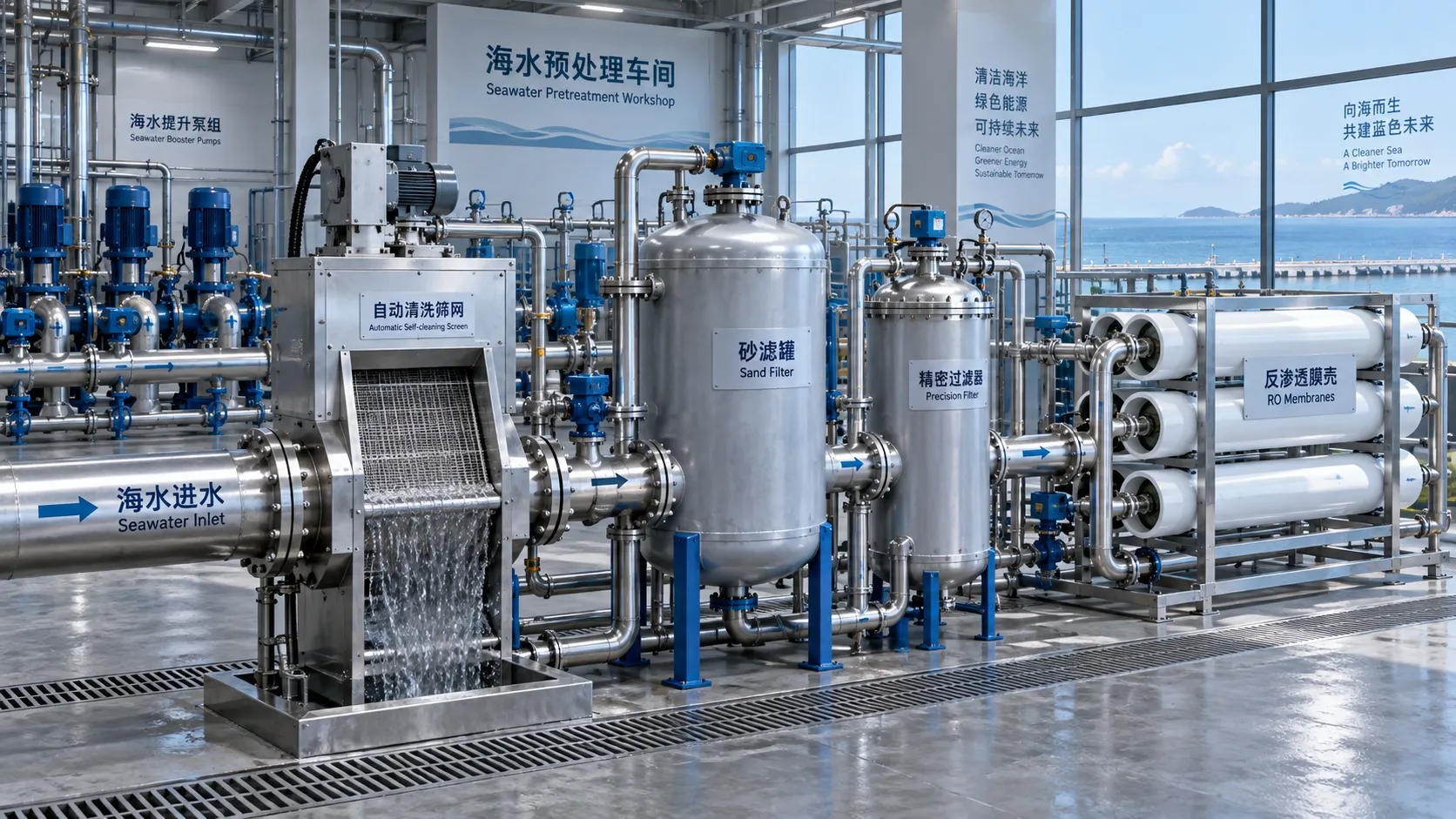
How to Improve Industrial Seawater Quality Before Cooling or Membrane Treatment
How can I improve the quality of seawater used for industrial processes? Explore proven pretreatment strategies for cooling systems and RO membranes.
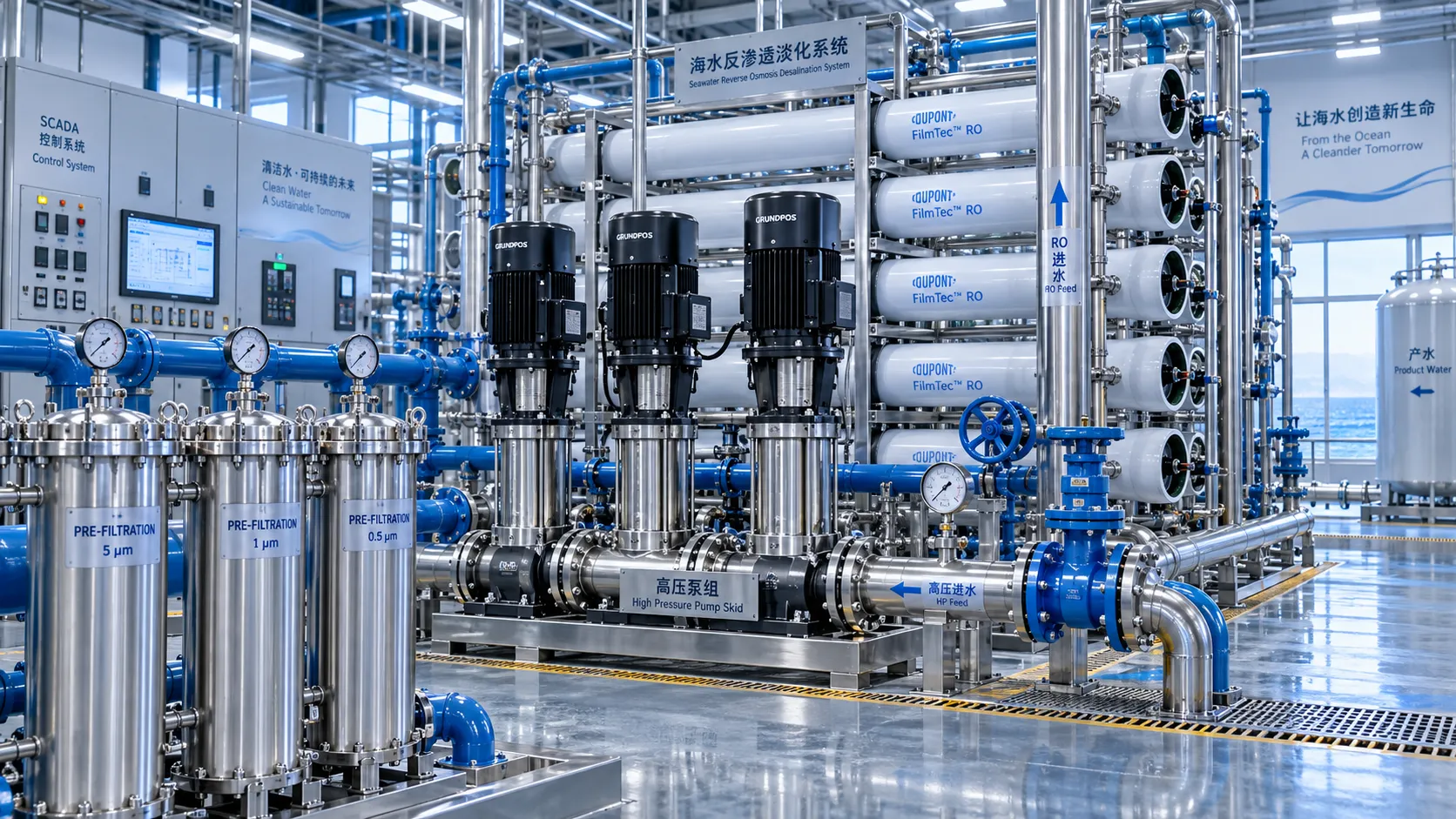
Desalination Plant Maintenance Priorities That Prevent Unplanned Downtime
Desalination plant maintenance priorities that reduce unplanned downtime: protect pretreatment, RO membranes, pumps, chemical dosing, and critical controls.