
Industry News
Curation by industry experts
Hot Articles
Popular Tags
Heavy Metal Recovery: Payback Factors Beyond Metal Prices
In heavy metal recovery projects, payback is rarely determined by commodity pricing alone. Strong headline prices can improve returns, but weak process control can erase that advantage quickly.
A realistic heavy metal recovery assessment must include recovery yield, feed chemistry shifts, reagent use, energy intensity, residue handling, and compliance exposure.
For environmental infrastructure, circular economy systems, and advanced treatment networks, this broader view matters. It helps test whether a project remains bankable during volatile market and regulatory cycles.
What does payback really mean in heavy metal recovery?
In heavy metal recovery, payback is the time needed for net cash inflows to recover total invested capital. That includes equipment, installation, commissioning, and working capital.
However, simple payback can be misleading. Many projects look attractive on paper because they assume stable feed quality and ideal metal prices for many years.
A better approach combines simple payback with sensitivity analysis. It also tests operating margin under lower recovery rates, higher energy tariffs, and stricter discharge obligations.
This is especially relevant in integrated sectors such as wastewater treatment, ash recycling, battery waste processing, plating sludge recovery, and mining residue management.
Key payback components
- Capital expenditure for process units, automation, and safety systems
- Operating expenditure for power, chemicals, labor, and maintenance
- Recovered metal sales or avoided raw material purchases
- Avoided disposal, transport, and landfill costs
- Compliance savings from reduced toxic discharge and residue volume
Why are metal prices only one part of heavy metal recovery economics?
Metal prices influence revenue, but they do not control process stability. A project that recovers copper, nickel, zinc, or chromium still depends on consistent technical performance.
In many cases, the larger value comes from avoided liability. Recovering hazardous metals can reduce sludge classification risks, transport fees, and future remediation exposure.
That is why heavy metal recovery often behaves like a hybrid investment. It combines resource monetization with pollution control and compliance risk reduction.
Non-price drivers that often matter more
- Recovery efficiency across variable feed streams
- Purity of recovered material and downstream acceptance
- Energy demand per ton treated or per kilogram recovered
- Chemical consumption and reagent recycling capability
- Downtime caused by fouling, scaling, corrosion, or unstable feed
- Residue disposal costs after partial recovery
If these factors are not modeled carefully, heavy metal recovery payback can stretch far beyond the original business case.
How do feed variability and process design affect project resilience?
Feed variability is one of the biggest hidden threats in heavy metal recovery. The chemistry of industrial wastewater, sludge, ash, or leachate can change by season, source, or production shift.
A recovery system designed for one average composition may perform poorly when pH, salinity, organics, suspended solids, or competing ions move outside design windows.
That creates lower metal capture, higher reagent demand, and unstable product quality. It also increases cleaning cycles and shortens asset life.
Typical design responses
- Add buffering tanks to smooth concentration peaks.
- Use modular process trains for staged recovery.
- Install real-time monitoring for pH, ORP, conductivity, and metals.
- Include bypass, polishing, or fallback treatment capacity.
For ESD-tracked infrastructure sectors, resilience is a strategic metric. In advanced environmental assets, process flexibility often creates more value than chasing peak metal revenue.
Which cost factors most often reshape heavy metal recovery payback?
Several cost categories are routinely underestimated in heavy metal recovery models. They become especially important when regulations tighten or utility prices rise.
1. Energy consumption
Electrowinning, evaporation, thermal concentration, and high-pressure separation can consume large amounts of power. Energy inflation can turn a profitable line into a marginal one.
2. Chemical and consumable use
Precipitation agents, acids, alkalis, membranes, resins, and filter media directly affect unit economics. Price changes and replacement frequency deserve conservative assumptions.
3. Residue and by-product management
Not all mass becomes saleable product. Secondary sludge, concentrated brine, spent media, and contaminated solids still need compliant handling and reporting.
4. Maintenance and uptime losses
Corrosive streams accelerate wear. Pumps, electrodes, liners, dosing systems, and instrumentation can fail earlier than expected under aggressive operating conditions.
5. Environmental compliance costs
Sampling, permits, waste manifests, emissions documentation, and emergency containment all add cost. Yet these same items can justify recovery by lowering legal and reputational risk.
How should recovered material quality and downstream marketability be judged?
A heavy metal recovery project does not succeed just because metal is captured. The recovered output must be stable, spec-compliant, and acceptable to the next processing step.
Low-purity solids may trade at steep discounts. In some cases, they are not products at all, but regulated waste requiring further treatment.
Questions that improve marketability assessment
- Is the recovered metal sold as concentrate, salt, cathode, or mixed residue?
- What impurity thresholds are accepted by refiners or recyclers?
- Are there local offtake channels, or is export required?
- What packaging, storage, and transport controls are needed?
These details often decide whether heavy metal recovery produces premium value or operational friction. Logistics and specification risk should be modeled from the beginning.
What common mistakes distort heavy metal recovery investment decisions?
The first mistake is using average metal prices as the main decision anchor. Prices move, but process penalties from poor design usually appear faster and last longer.
The second mistake is ignoring integration costs. Recovery units must connect with pretreatment, water reuse, residue stabilization, and plant control systems.
The third mistake is underestimating compliance evolution. New discharge thresholds, circularity mandates, and traceability rules can redefine the economics within a few years.
Risk reminder table
A disciplined heavy metal recovery review should therefore combine engineering validation, market testing, and compliance forecasting in one decision framework.
How can a project test heavy metal recovery viability before full deployment?
Pilot testing is the most practical starting point. It reveals recovery consistency, impurity behavior, reagent demand, and fouling risk under actual operating conditions.
A staged evaluation should also compare multiple scenarios. One model should focus on commodity upside, while another should focus on compliance and disposal savings.
Useful pre-investment checklist
- Complete representative sampling across operating periods
- Run pilot or bench tests for recovery and purity validation
- Estimate disposal savings under present and future regulations
- Stress-test energy, chemical, and maintenance cost ranges
- Confirm downstream buyers or internal reuse routes
This method supports stronger decision quality in the broader environmental sector, where water treatment, resource recovery, and emissions control increasingly overlap.
Heavy metal recovery is most robust when value comes from several channels at once. Metal sales help, but avoided waste cost, compliance resilience, and process stability often matter more.
A sound next step is to build a scenario-based model using real feed data, pilot evidence, and downstream quality requirements. That creates a more credible view of payback under changing conditions.
Within ESD’s intelligence perspective, the strongest heavy metal recovery projects are those designed not only for extraction, but for regulatory endurance, circular efficiency, and long-term ecological value.
Recommended News
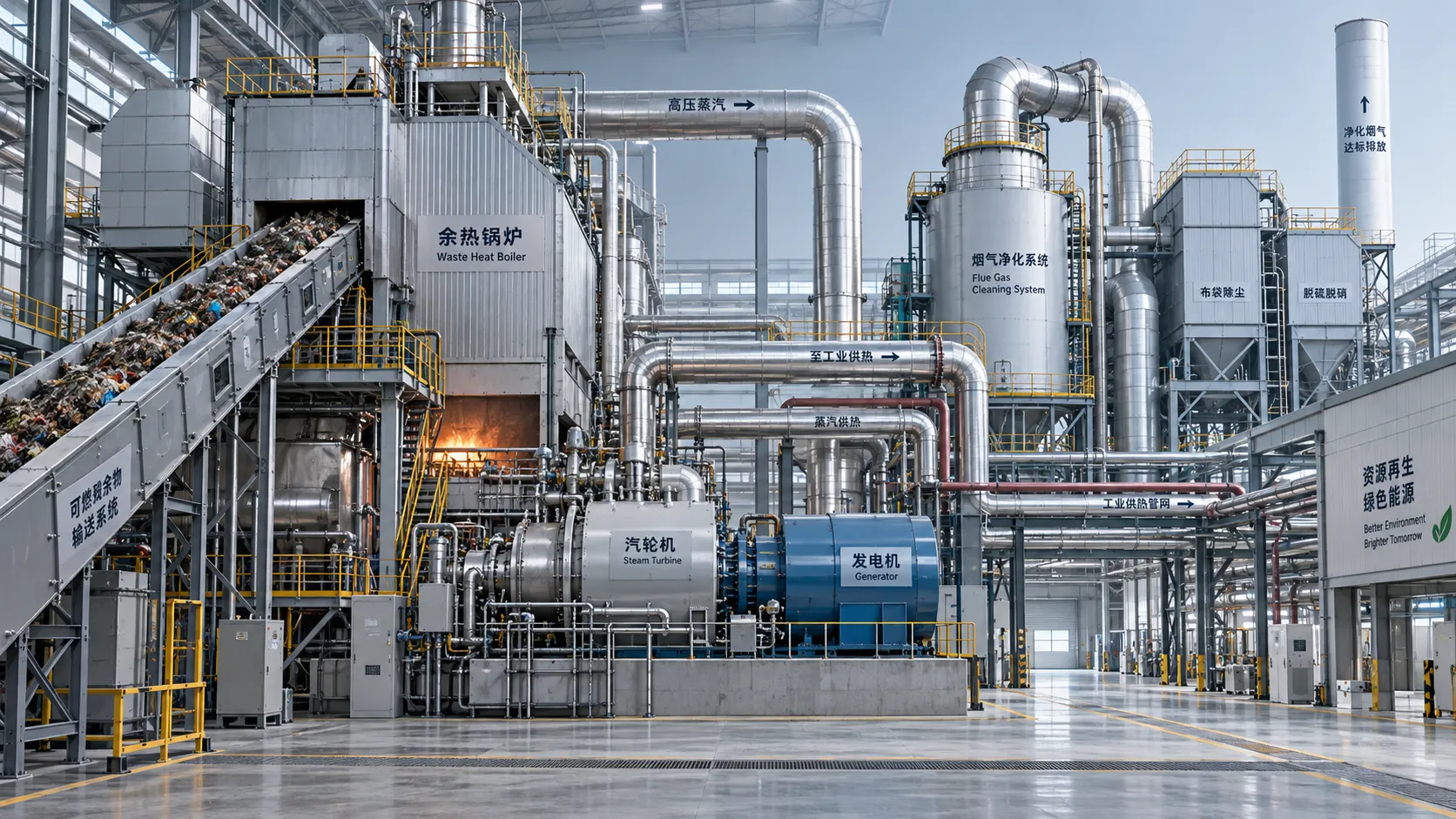
When is energy recovery viable in the solid waste recovery process?
When is energy recovery viable in the solid waste recovery process? Explore feedstock quality, net energy, emissions, and costs to assess feasibility and make smarter investment decisions.
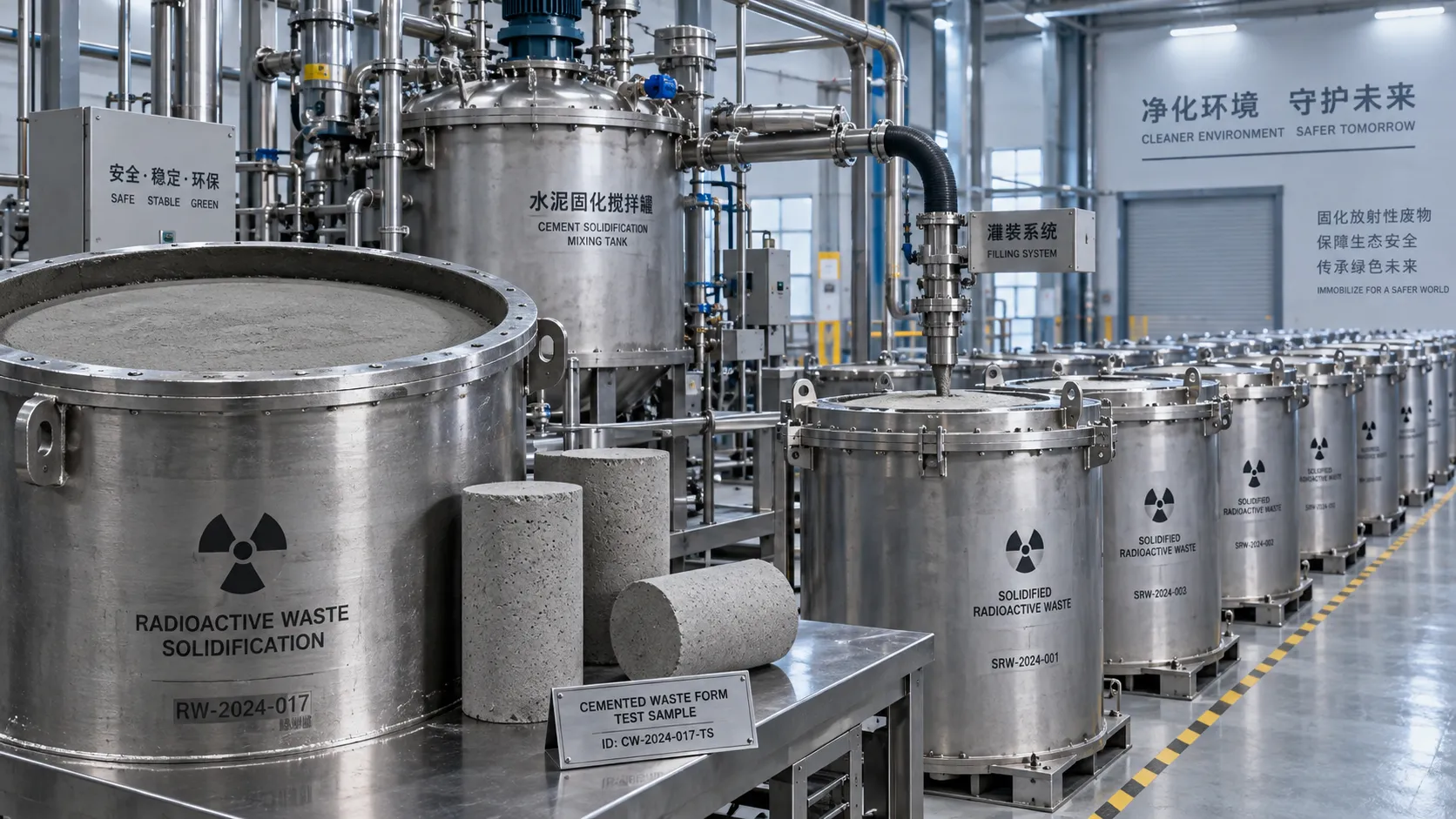
When is cementation suitable for nuclear decommissioning waste?
Explore nuclear waste treatment technology for decommissioning: learn when cementation fits, which risks to assess, and how disposal criteria guide an effective treatment choice.
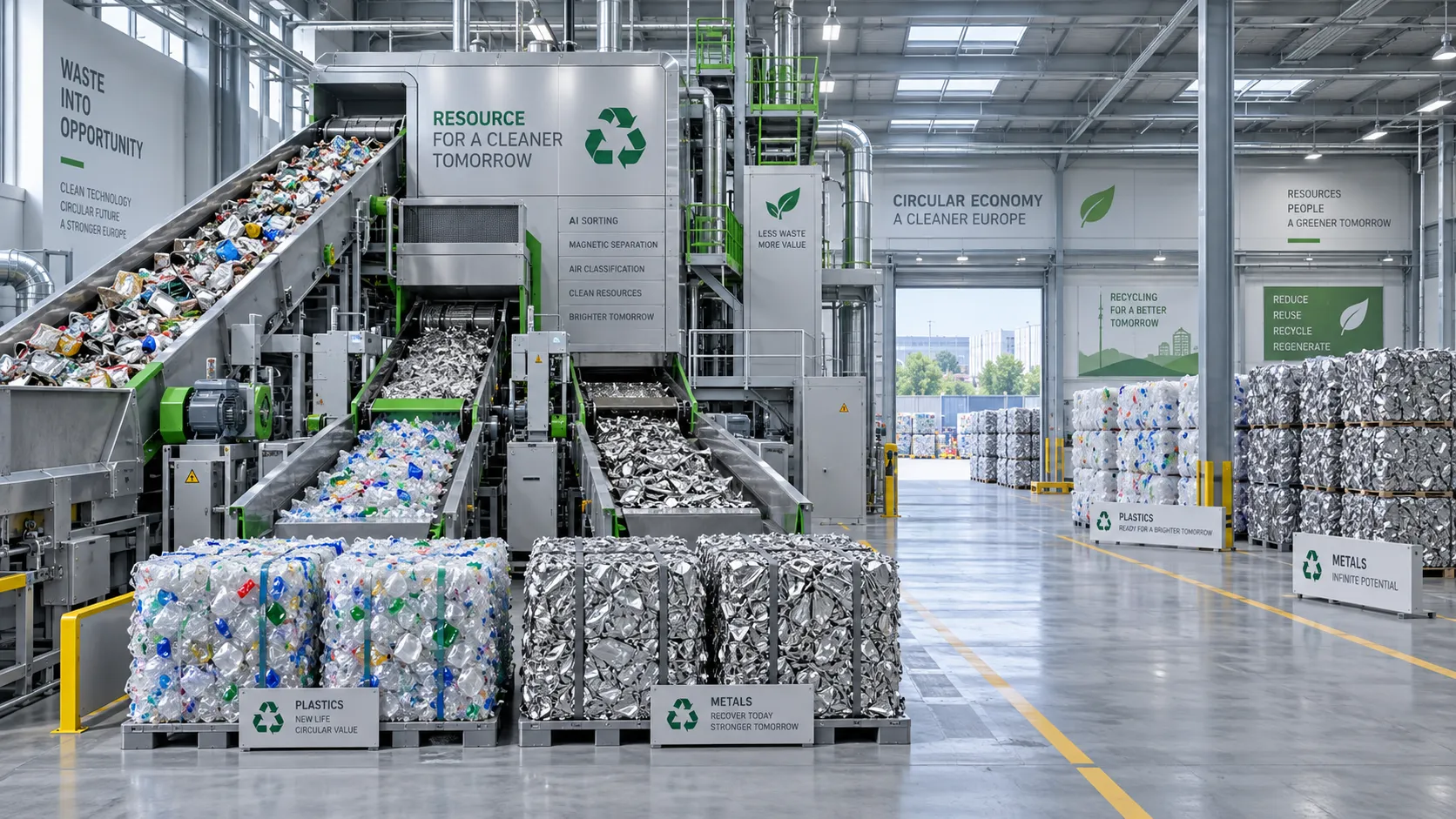
What determines payback for waste-to-resource systems in Europe?
Assess waste-to-resource systems Europe-wide: compare feedstock, recovery yields, costs and contracts to uncover payback drivers and make smarter investment decisions.
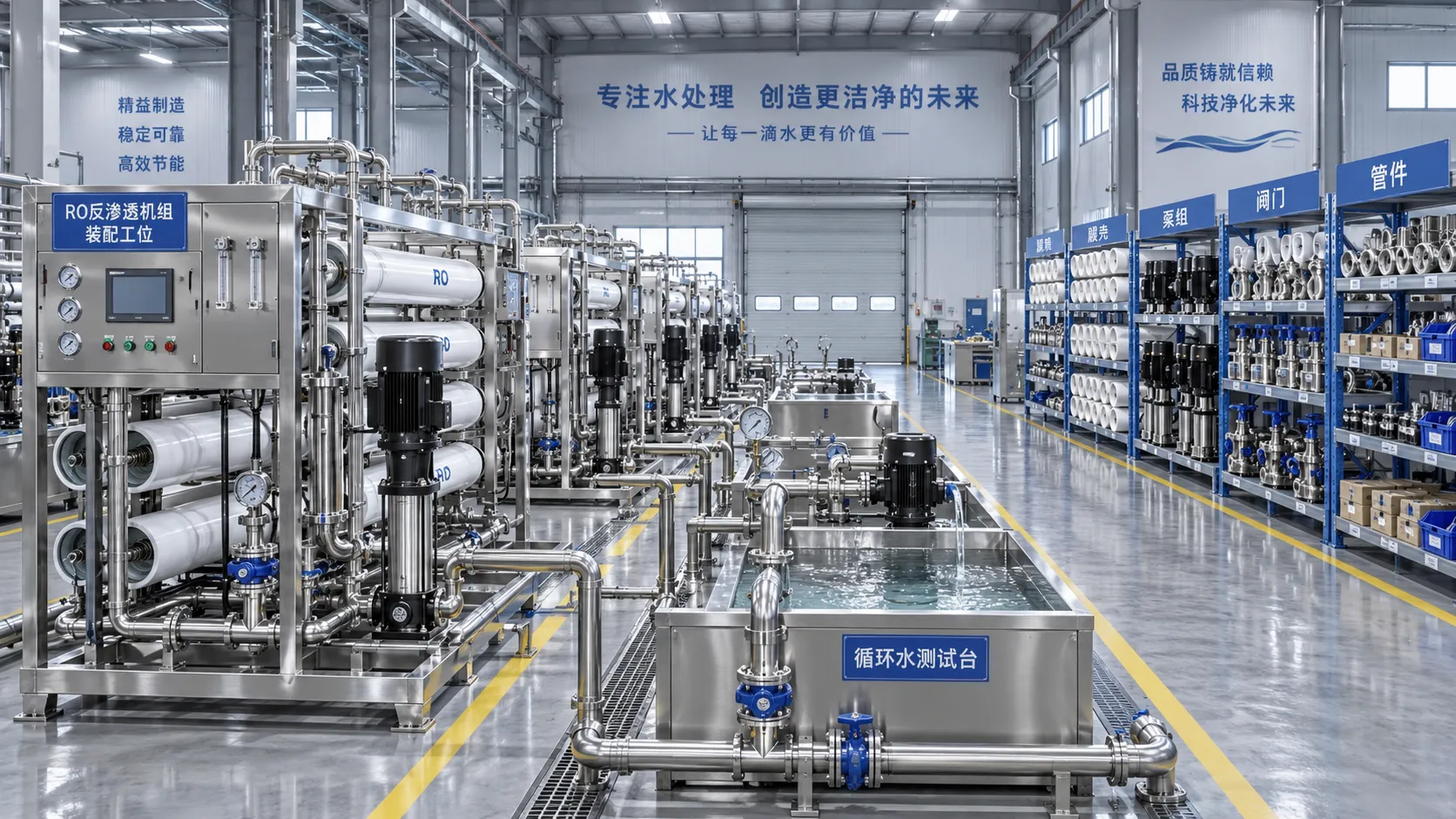
How to verify a water treatment system factory’s production capacity
Verify a water treatment systems factory’s production capacity through records, bottlenecks, component availability, and testing. Learn what to check before accepting a delivery promise.
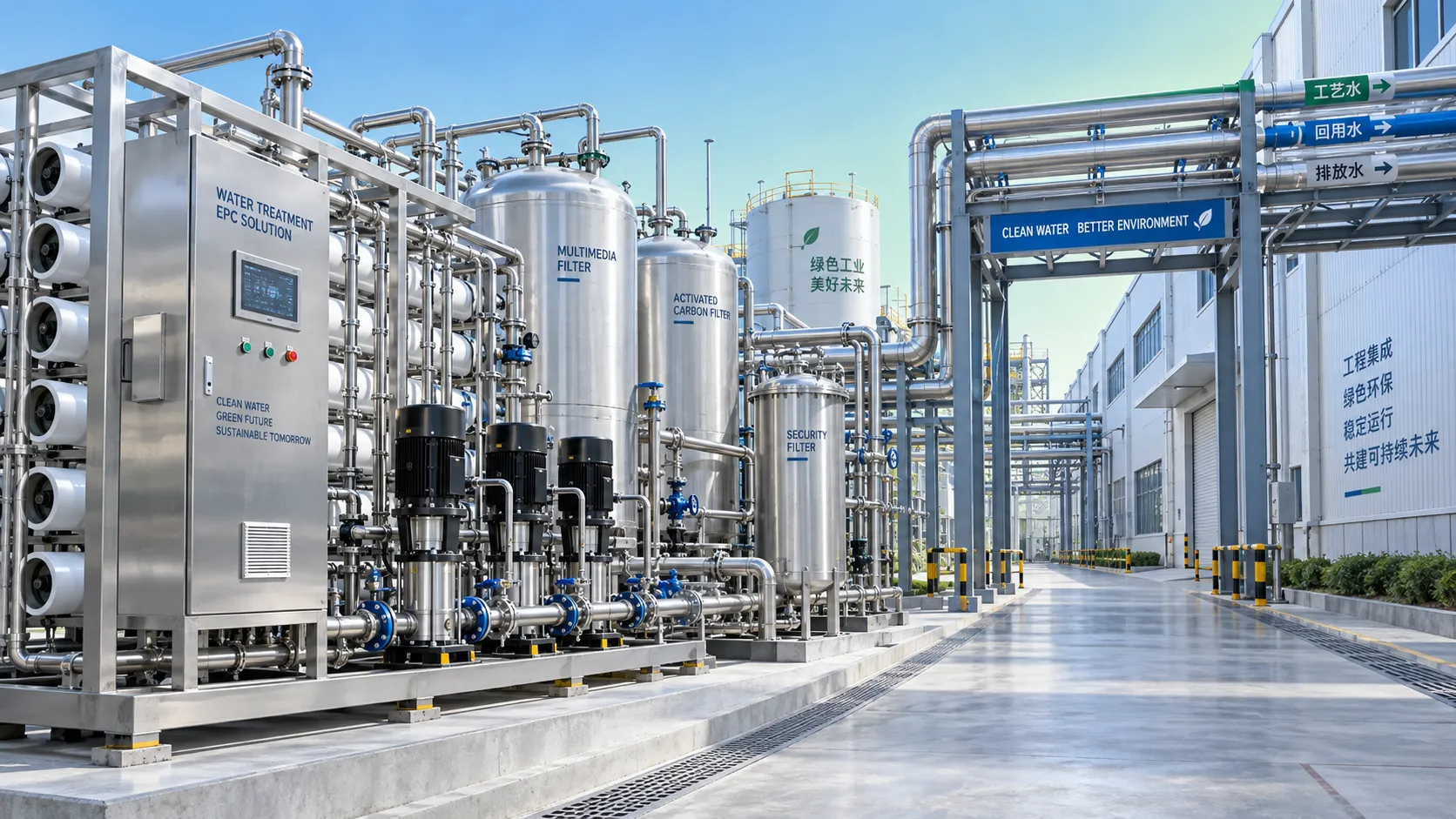
When does EPC environmental project support reduce delivery risk?
EPC environmental project support engineering reduces delivery risk by aligning design, procurement, compliance, construction, and commissioning decisions.
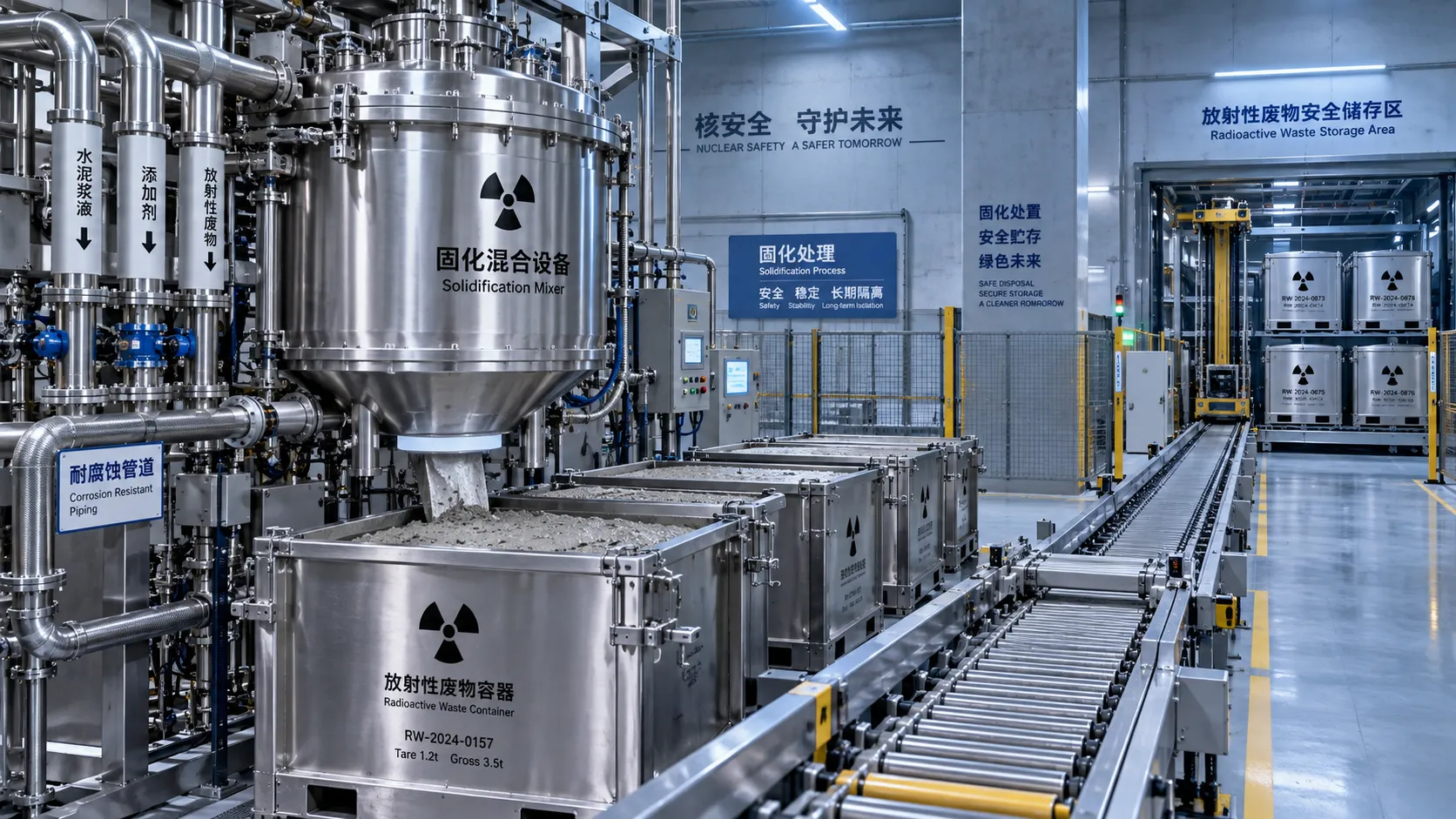
How nuclear plants select a radioactive waste solidification method
Radioactive waste management for nuclear plants: compare vitrification, cementation, polymers, and ceramics to select a compliant, durable solidification solution.
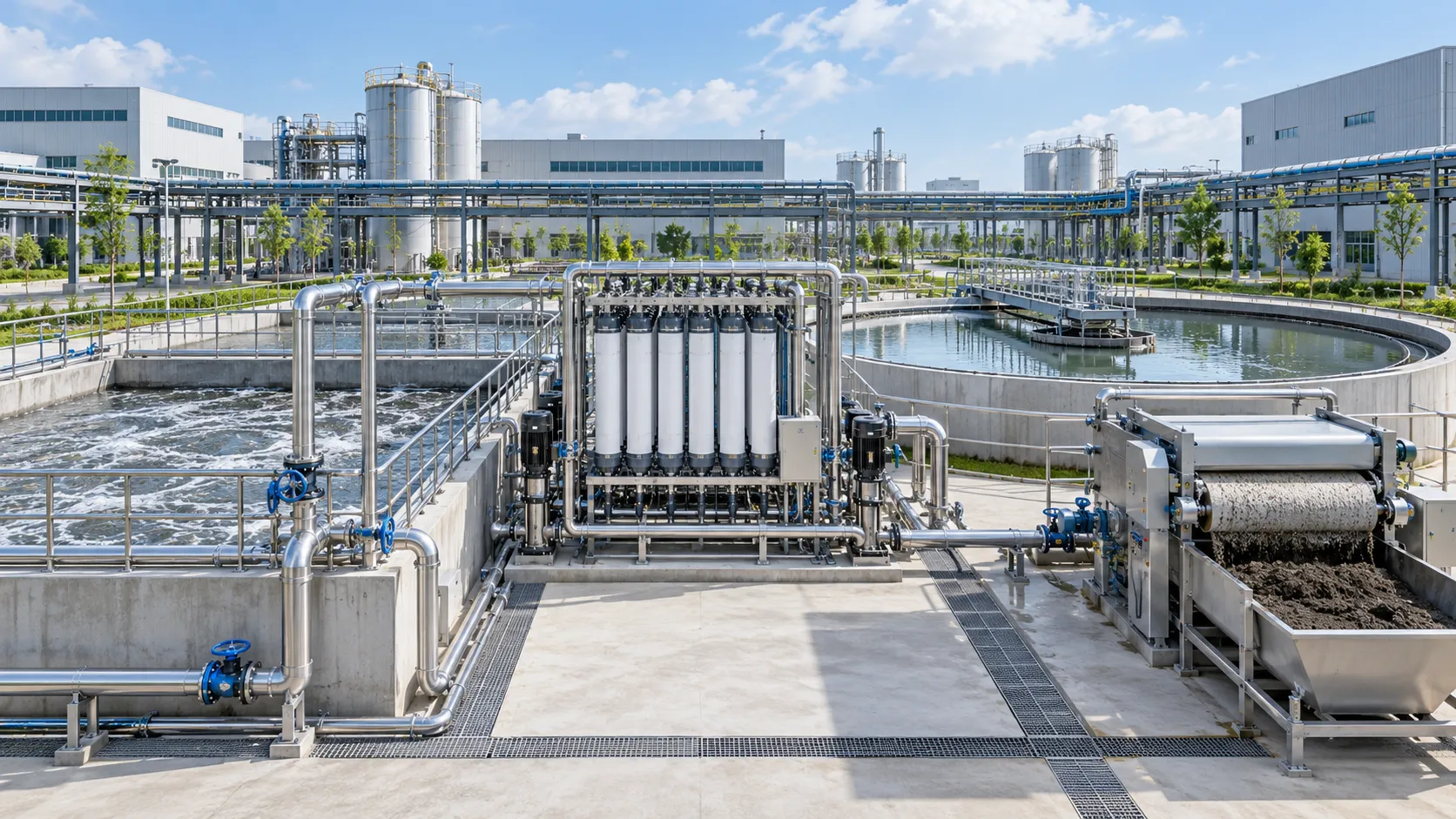
What Drives the Cost of Wastewater System Upgrades in Industrial Parks?
Costs of wastewater system upgrades in industrial parks: uncover key drivers from influent variability and civil works to sludge, energy, compliance, and lifecycle risk.
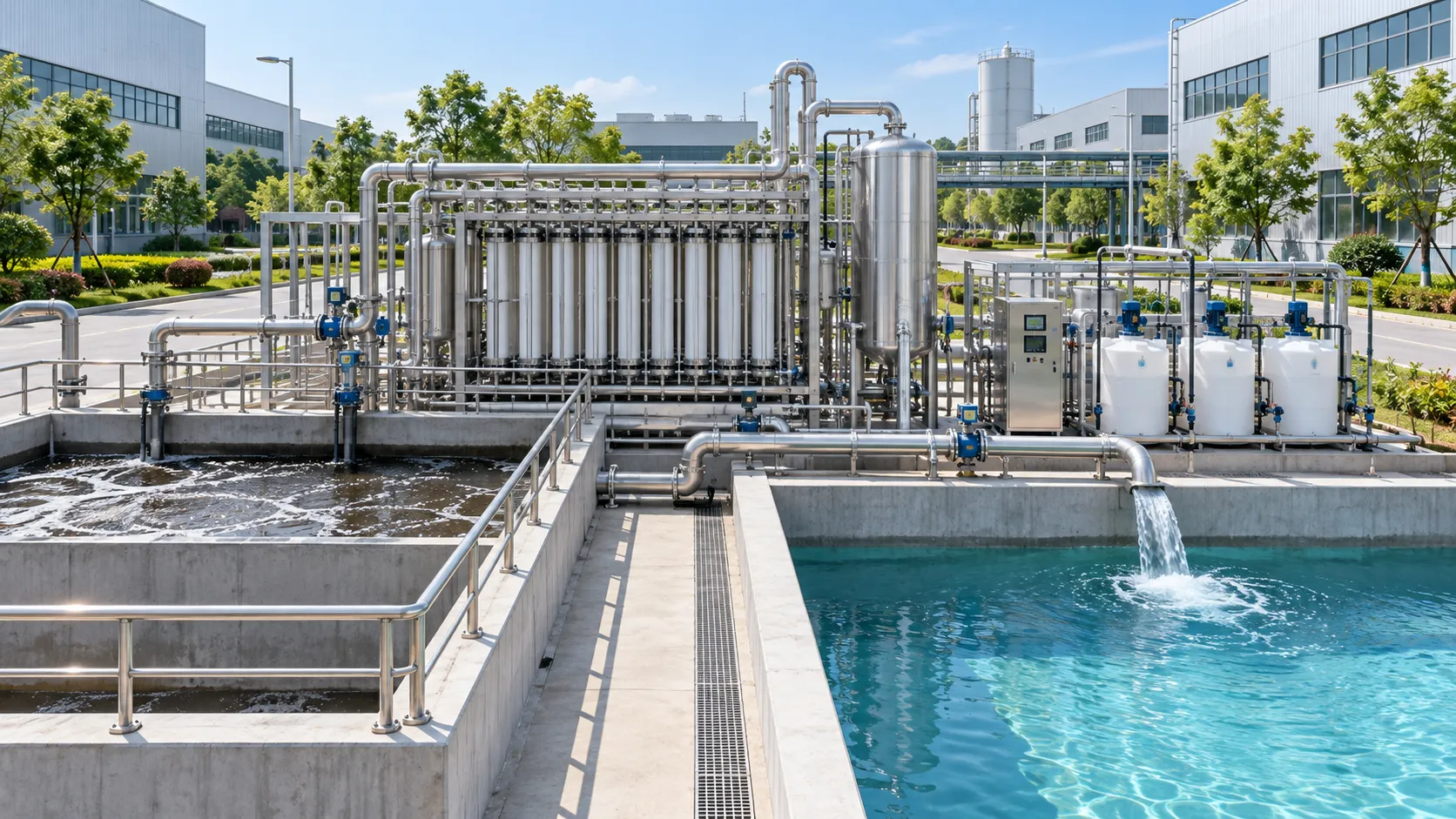
Comparing Upgrade Costs for Industrial Park Wastewater Treatment Systems
Compare costs for wastewater system upgrades in industrial parks with a lifecycle view of CAPEX, OPEX, compliance, resilience, and future expansion.
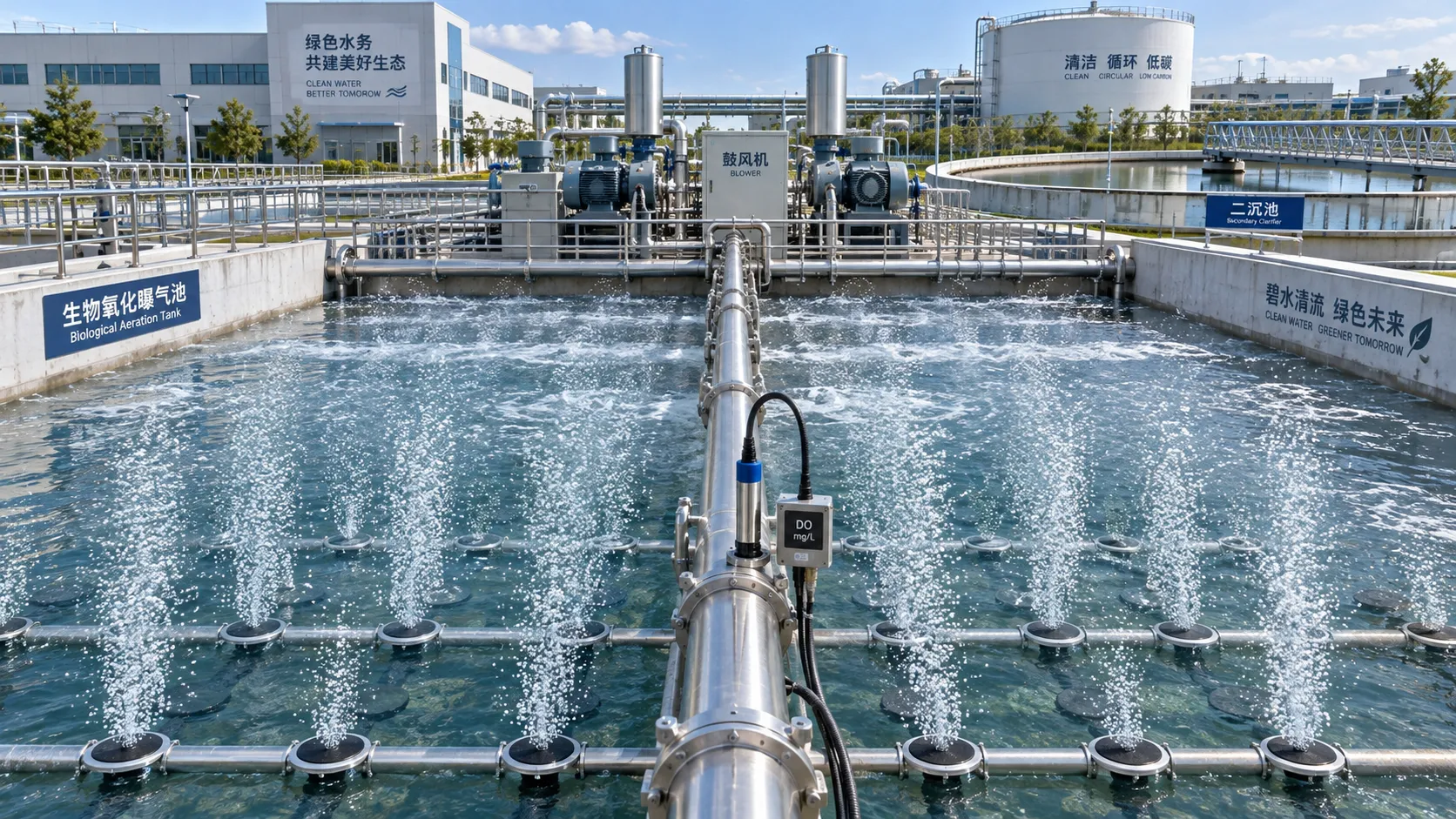
Biological Wastewater Oxidation Explained: Aeration Demand and Process Control
Biological wastewater oxidation explained: optimize aeration demand, DO control, nitrification, and sludge age for stable effluent quality and lower energy costs.