
Industry News
Curation by industry experts
Hot Articles
Popular Tags
How Green Tech Enterprises Reduce Compliance Risk
How Green Tech Enterprises Reduce Compliance Risk
For green tech enterprises, compliance risk is no longer a back-office concern—it is a board-level factor shaping market access, project financing, and global competitiveness.
From tightening wastewater discharge limits to CBAM, waste traceability, and nuclear safety protocols, regulatory pressure is accelerating across every environmental infrastructure segment.
This article explores how decision-makers can reduce exposure by aligning technology selection, operational intelligence, and strategic reporting with evolving environmental rules.
For green tech enterprises, the goal is clear: turn compliance from a cost center into a defensible commercial advantage.
Why Green Tech Enterprises Need a Checklist-Based Compliance Discipline
Environmental regulation is becoming more technical, more data-driven, and more connected across borders.
A wastewater plant, SWRO desalination facility, flue gas treatment system, or recovery line must now prove performance continuously.
Green tech enterprises face three pressures at once: stricter limits, shorter reporting windows, and greater scrutiny from financiers, regulators, and project owners.
A checklist-based method reduces blind spots before they become permit delays, penalties, contract disputes, or reputational damage.
It also helps green tech enterprises connect engineering decisions with legal obligations, carbon rules, and lifecycle accountability.
Core Compliance Risk Checklist for Green Tech Enterprises
Use the following checklist before bidding, commissioning, upgrading, or expanding environmental infrastructure assets.
- Map every applicable regulation across discharge, emissions, waste transfer, radiation, carbon accounting, procurement, and local environmental impact approval requirements.
- Verify that equipment specifications match the strictest foreseeable limit, not only the current permit baseline or minimum tender requirement.
- Document design assumptions for flow variation, pollutant spikes, salinity, sludge quality, catalyst aging, membrane fouling, and emergency operating modes.
- Build continuous monitoring into critical control points, including effluent quality, stack emissions, brine concentration, sorting accuracy, and containment integrity.
- Connect operational data with audit-ready records, ensuring every alarm, bypass, maintenance action, and calibration event remains traceable.
- Assess supplier compliance maturity, especially for membranes, sorbents, catalysts, liners, sensors, pressure vessels, and radioactive waste packaging materials.
- Translate CBAM, carbon pricing, and energy-efficiency requirements into measurable procurement, operating, and reporting indicators.
- Review waste ownership, transport liability, treatment certificates, chain-of-custody records, and final disposal evidence before contract execution.
- Stress-test emergency plans for chemical leakage, brine discharge interruption, flue gas excursions, sorting fires, or containment breach scenarios.
- Prepare regulator-facing evidence packs that combine permits, design files, operating logs, laboratory results, risk assessments, and corrective actions.
For green tech enterprises, the checklist should be updated whenever rules, feedstock, production load, or ownership structure changes.
Technology Selection: Reduce Risk Before the Asset Is Built
Compliance protection starts with design margins.
A plant that only meets today’s standard may become obsolete after one regulatory revision.
Green tech enterprises should evaluate technology against future tightening scenarios, not merely against initial capital cost.
- Select treatment processes with verifiable performance buffers under seasonal, hydraulic, chemical, and energy-stress conditions.
- Require third-party validation data for removal efficiency, degradation rates, recovery ratios, emissions reduction, or containment performance.
- Specify modular upgrade paths so equipment can respond to stricter discharge limits or changed feed composition without full replacement.
- Link automation architecture with compliance reporting, avoiding isolated control systems that cannot generate reliable audit evidence.
This approach is especially important for ZLD, seawater desalination, SCR systems, AI sorting lines, and nuclear waste vitrification assets.
For green tech enterprises, resilient specifications often prevent later legal exposure more effectively than post-event remediation.
Operational Intelligence: Make Compliance Visible Every Day
Regulators increasingly expect continuous proof, not occasional declarations.
Operational intelligence converts equipment performance into defensible compliance evidence.
Green tech enterprises can reduce risk by building data systems that detect drift early and preserve complete records.
- Monitor critical parameters continuously, including COD, ammonia, conductivity, PM, NOx, SOx, brine density, radiation dose, and residual moisture.
- Set threshold alerts below legal limits, giving operators time to intervene before violations occur.
- Correlate sensor data with laboratory results to confirm accuracy, identify drift, and defend reports during audits.
- Use predictive maintenance for pumps, membranes, scrubbers, valves, conveyors, sensors, and shielding systems before failure creates exposure.
- Protect compliance data with access control, backup routines, cybersecurity measures, and change-log discipline.
For green tech enterprises, digital monitoring is not only an efficiency tool.
It is the foundation for credible reporting, faster investigations, and lower enforcement uncertainty.
Scenario Notes Across Environmental Infrastructure Segments
Large Water Treatment and ZLD Systems
Water compliance risk often emerges from variability.
Industrial wastewater loads can shift quickly due to upstream production changes, chemical substitutions, or stormwater intrusion.
Green tech enterprises should maintain dynamic mass-balance models and regularly test worst-case influent scenarios.
For ZLD projects, concentrate handling, crystallizer stability, scaling control, and final salt classification require special attention.
Solid Waste Recovery and AI Sorting
Recovery systems must prove material traceability.
Contaminated recyclables, hazardous fractions, and misclassified residues can create downstream liability.
Green tech enterprises should audit sorting algorithms, manual inspection protocols, bale quality data, and final outlet documentation.
Where pyrolysis is used, emissions control, oil quality, char classification, and fire prevention should be tested against local rules.
Flue Gas Treatment
Flue gas compliance depends on stable removal under variable fuel, load, temperature, and moisture conditions.
SCR catalysts, FGD scrubbers, baghouses, and activated carbon injection systems require integrated performance review.
Green tech enterprises should track reagent quality, pressure drop, catalyst activity, ammonia slip, gypsum quality, and continuous emissions monitoring reliability.
Seawater Desalination
Desalination risk extends beyond product water quality.
Energy intensity, intake ecology, brine dispersion, antiscalant chemistry, and membrane replacement practices affect permitting and public acceptance.
Green tech enterprises should quantify carbon intensity per cubic meter and maintain evidence for marine-impact mitigation.
Nuclear Waste Management
Nuclear waste compliance requires absolute discipline.
Material characterization, shielding design, dose monitoring, package integrity, transport authorization, and long-term storage records must align perfectly.
For green tech enterprises active in this segment, conservative documentation is not bureaucracy.
It is the core safety barrier supporting public trust and regulatory confidence.
Commonly Overlooked Compliance Risks
Permit drift: Operating reality can gradually diverge from approved design conditions.
Green tech enterprises should compare permits with actual throughput, chemicals, emissions, residues, discharge points, and equipment modifications every quarter.
Supplier documentation gaps: A compliant machine can still create risk if certificates, testing records, or material declarations are incomplete.
Require suppliers to provide traceable compliance evidence before acceptance testing and final payment.
Unclear waste ownership: Liability may remain after waste leaves the site.
Green tech enterprises should verify transporter licenses, treatment destinations, disposal receipts, and contractual responsibility for rejected loads.
Carbon reporting mismatch: Equipment efficiency claims may conflict with formal carbon accounting rules.
Align energy data, emission factors, product boundaries, and CBAM-relevant declarations before publishing performance statements.
Human override risk: Manual bypasses, temporary operating changes, or undocumented maintenance can destroy audit defensibility.
Every override should include approval, duration, cause, measured impact, and corrective action records.
Practical Execution Plan for Green Tech Enterprises
Compliance risk reduction works best as a repeated operating cycle.
The cycle should combine legal intelligence, engineering review, operational monitoring, and commercial decision-making.
- Create a regulatory register covering each asset, jurisdiction, permit condition, reporting deadline, and responsible internal function.
- Run quarterly gap reviews against new discharge limits, carbon rules, waste obligations, safety codes, and tender compliance clauses.
- Prioritize upgrades using risk ranking, considering penalty severity, violation probability, asset criticality, and public sensitivity.
- Standardize data formats for emissions, water quality, material recovery, energy use, maintenance, and incident response reporting.
- Train operating teams on evidence preservation, sampling integrity, alarm response, escalation rules, and regulator communication.
- Review commercial claims before publication, ensuring sustainability statements are supported by measured data and accepted methodologies.
For green tech enterprises, this execution plan also improves bidding strength.
Project owners increasingly prefer partners that can prove both technical performance and regulatory readiness.
Turning Compliance into Competitive Advantage
Compliance is often treated as defensive work.
In environmental infrastructure, it can become a commercial differentiator.
Green tech enterprises that build audit-ready systems can reduce financing friction, shorten due diligence, and strengthen government project bids.
They can also demonstrate resilience against regulatory tightening, climate-related resource stress, and cross-border carbon scrutiny.
The most defensible position combines advanced equipment, verified operating data, transparent reporting, and rapid corrective action.
That combination helps green tech enterprises protect licenses, contracts, assets, and reputation simultaneously.
Summary and Next Actions
Compliance risk will continue to rise across water treatment, solid waste recovery, flue gas control, desalination, and nuclear waste management.
Green tech enterprises can reduce exposure by acting before regulatory pressure turns into enforcement, delay, or lost market access.
Start with a full regulatory map, then align technology specifications, monitoring systems, supplier evidence, and reporting routines.
Next, test the highest-risk assets against future standards, not only current permit thresholds.
Finally, make compliance intelligence part of every design review, operating meeting, upgrade plan, and commercial claim.
For green tech enterprises, the strongest eco-shield is not a single technology.
It is a disciplined system that converts regulatory complexity into safer operations and stronger global credibility.
Recommended News
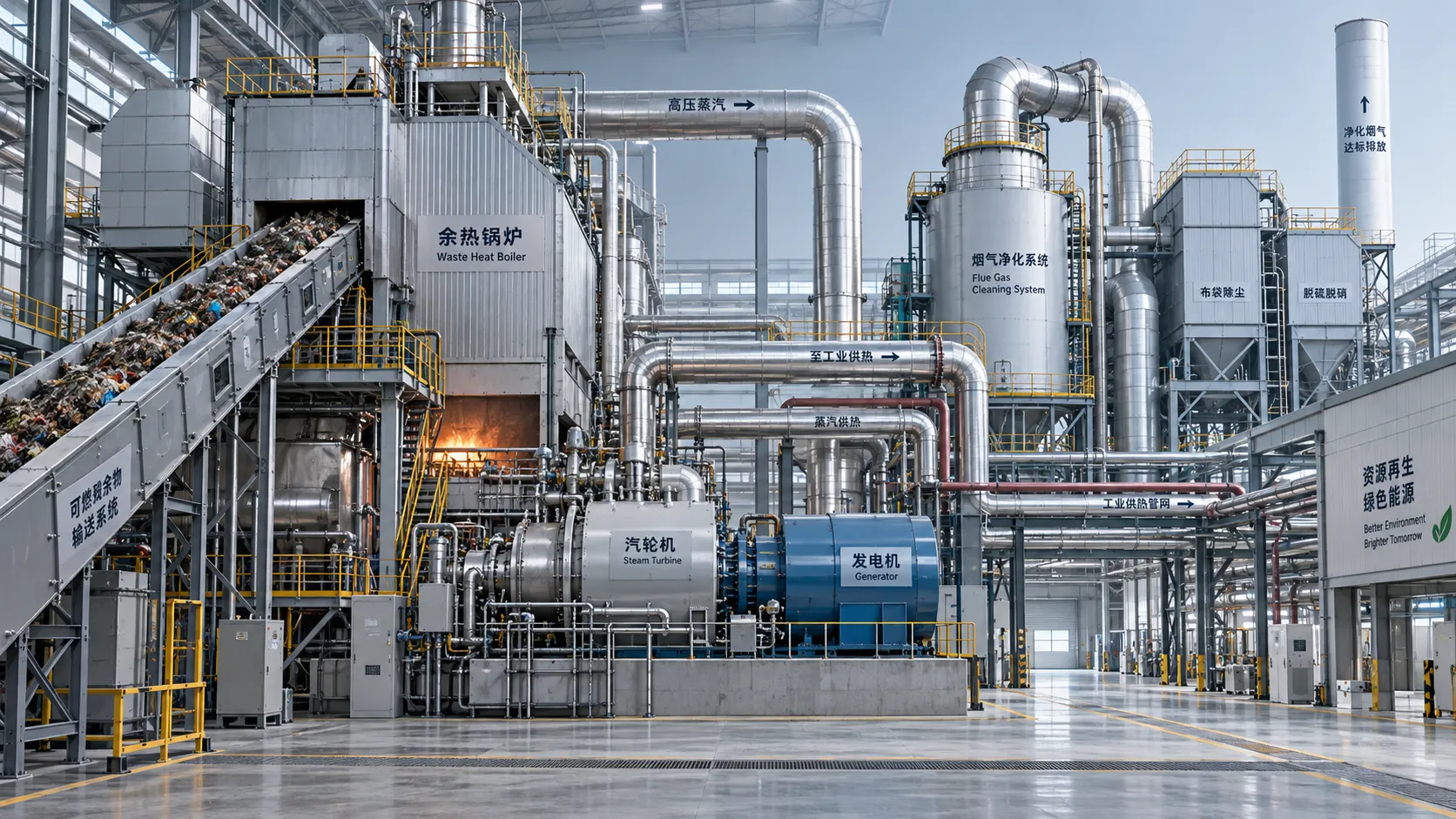
When is energy recovery viable in the solid waste recovery process?
When is energy recovery viable in the solid waste recovery process? Explore feedstock quality, net energy, emissions, and costs to assess feasibility and make smarter investment decisions.
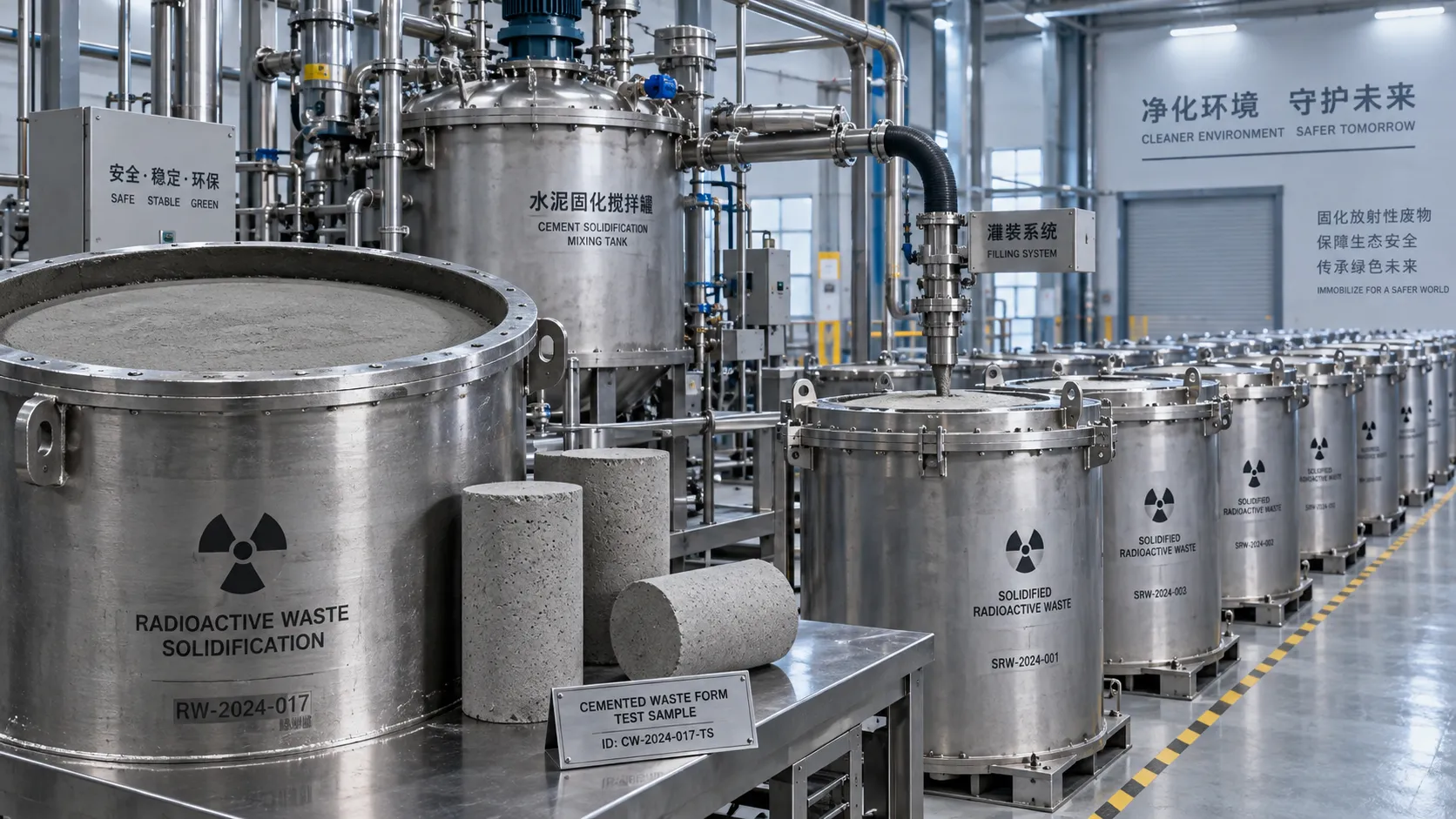
When is cementation suitable for nuclear decommissioning waste?
Explore nuclear waste treatment technology for decommissioning: learn when cementation fits, which risks to assess, and how disposal criteria guide an effective treatment choice.
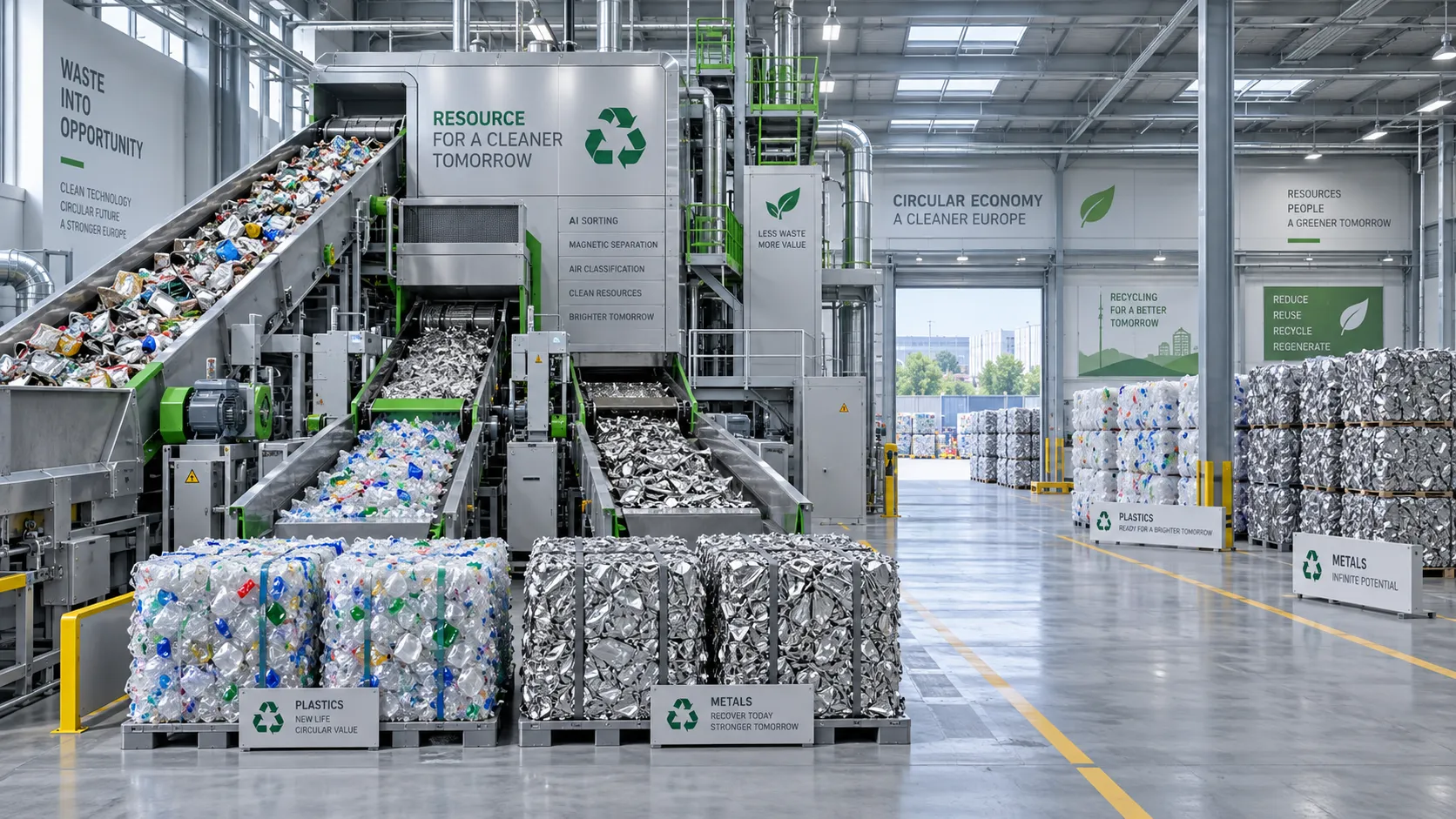
What determines payback for waste-to-resource systems in Europe?
Assess waste-to-resource systems Europe-wide: compare feedstock, recovery yields, costs and contracts to uncover payback drivers and make smarter investment decisions.
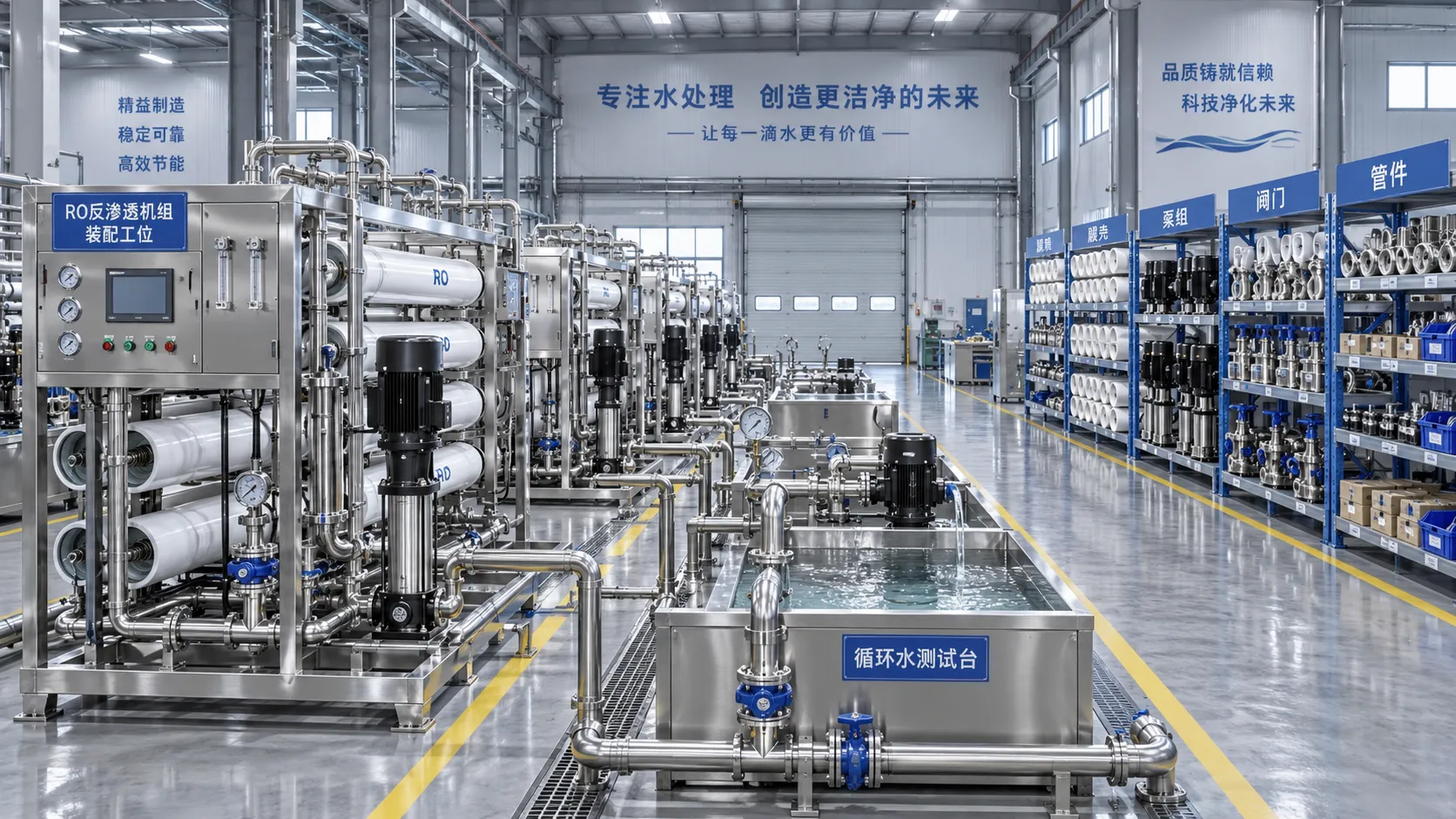
How to verify a water treatment system factory’s production capacity
Verify a water treatment systems factory’s production capacity through records, bottlenecks, component availability, and testing. Learn what to check before accepting a delivery promise.
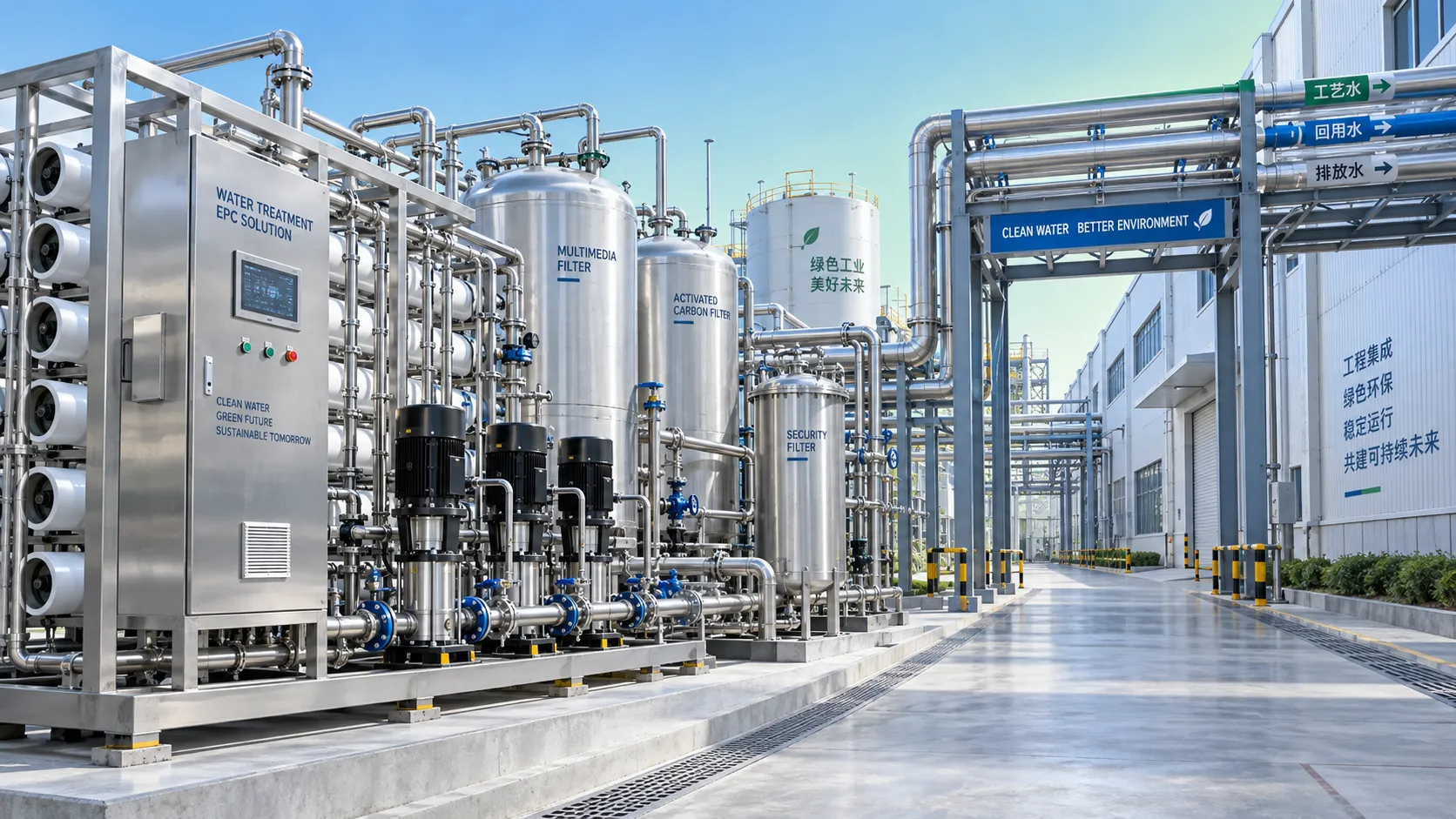
When does EPC environmental project support reduce delivery risk?
EPC environmental project support engineering reduces delivery risk by aligning design, procurement, compliance, construction, and commissioning decisions.
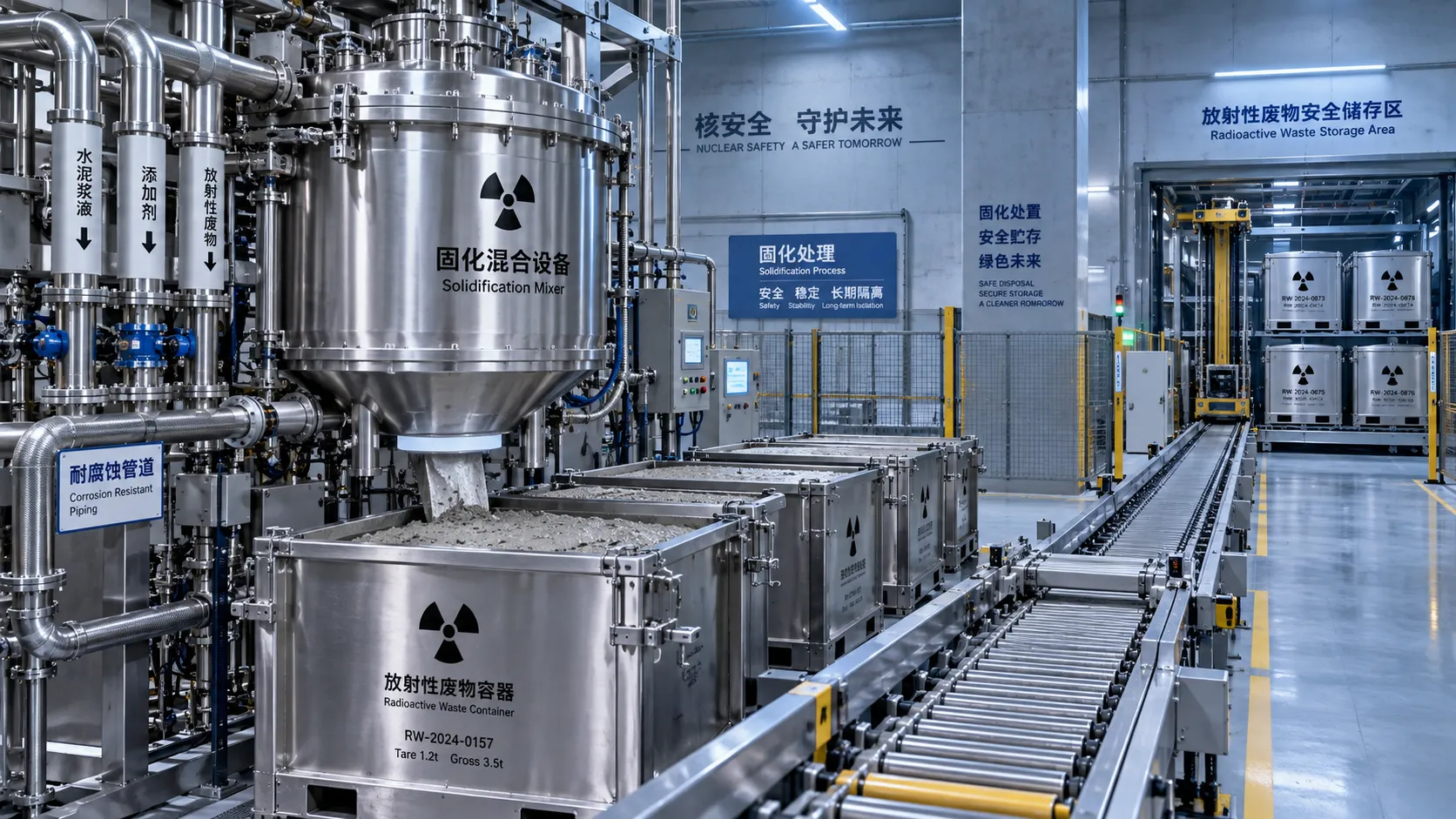
How nuclear plants select a radioactive waste solidification method
Radioactive waste management for nuclear plants: compare vitrification, cementation, polymers, and ceramics to select a compliant, durable solidification solution.
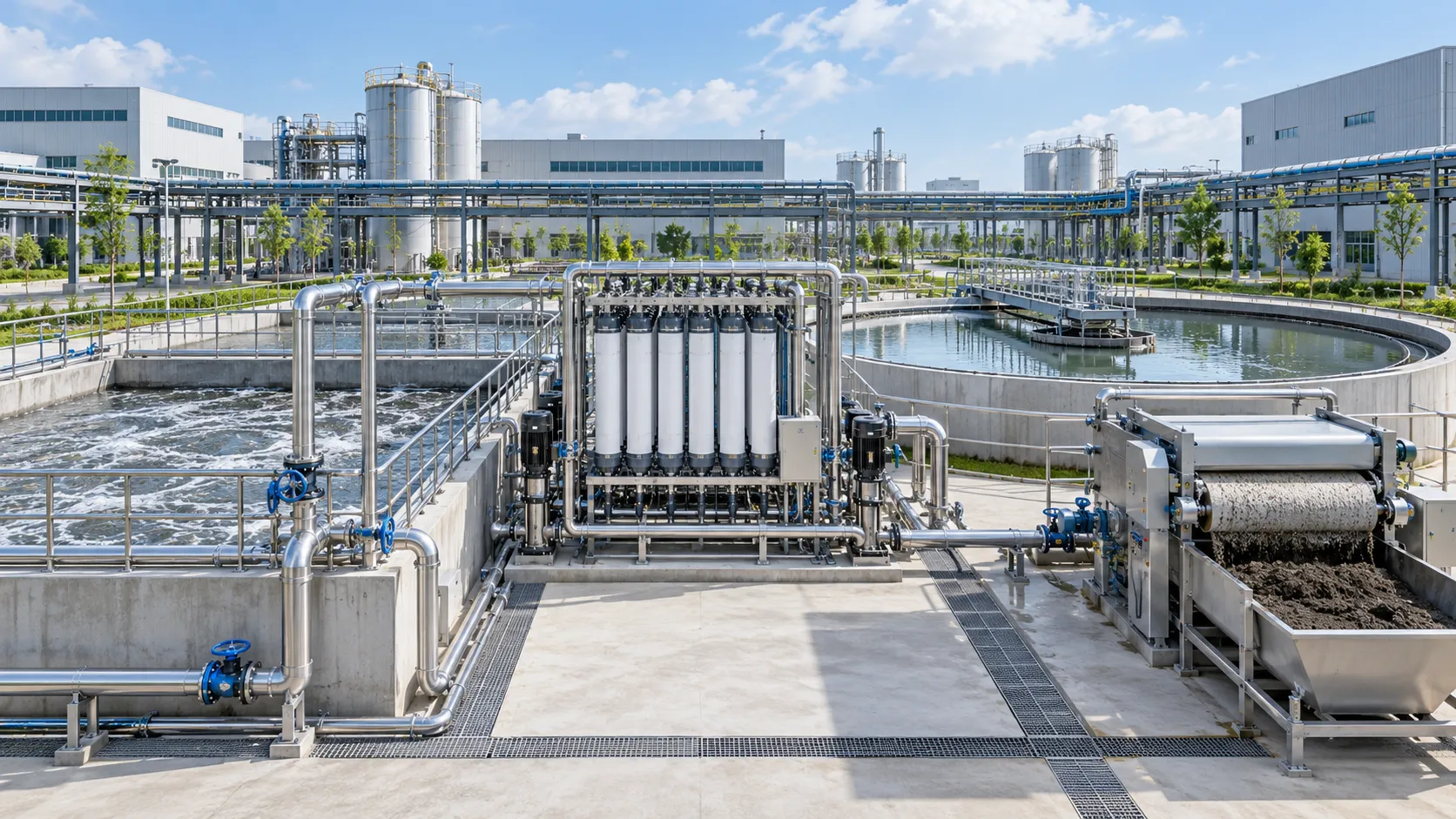
What Drives the Cost of Wastewater System Upgrades in Industrial Parks?
Costs of wastewater system upgrades in industrial parks: uncover key drivers from influent variability and civil works to sludge, energy, compliance, and lifecycle risk.
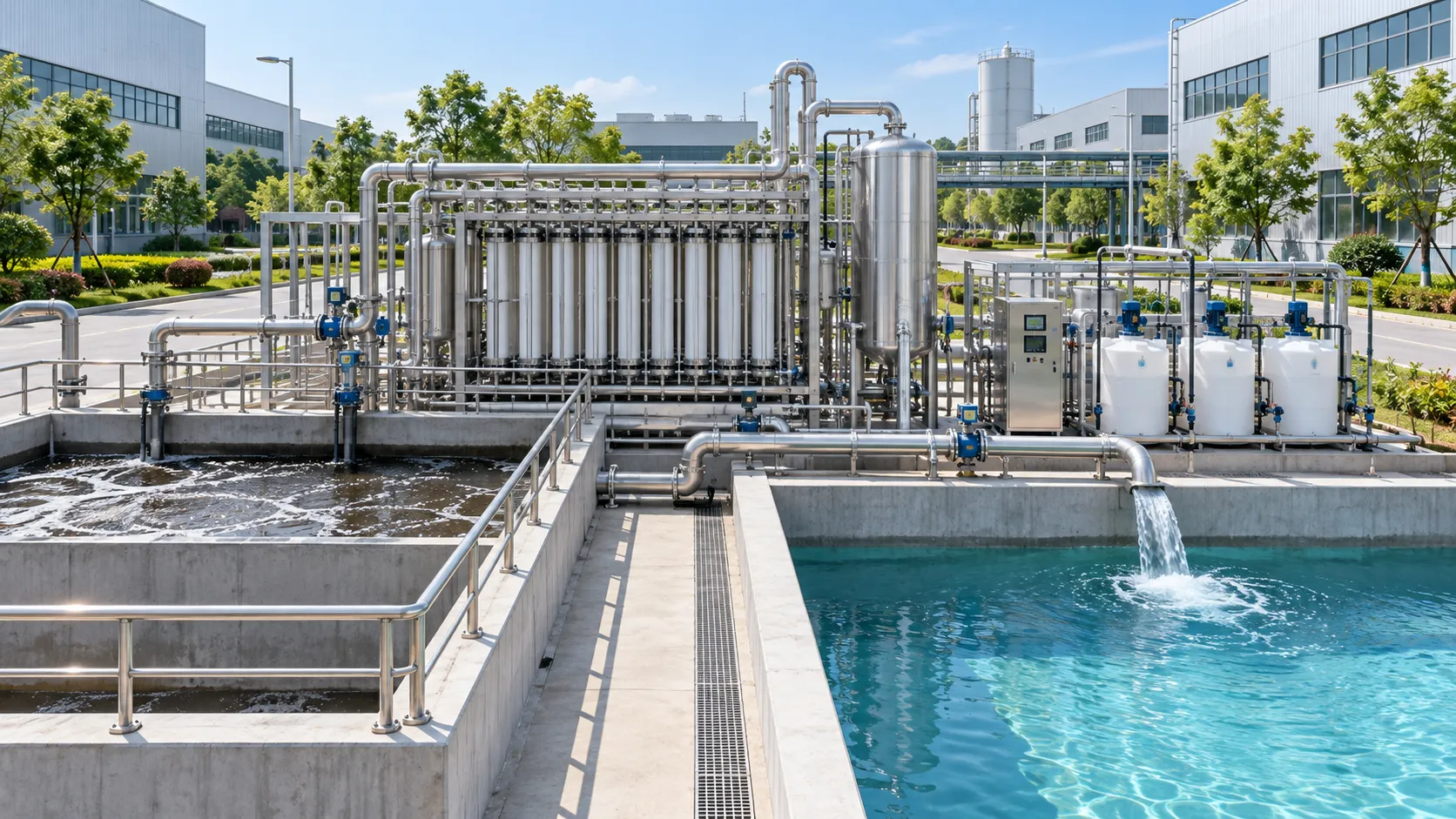
Comparing Upgrade Costs for Industrial Park Wastewater Treatment Systems
Compare costs for wastewater system upgrades in industrial parks with a lifecycle view of CAPEX, OPEX, compliance, resilience, and future expansion.
Biological Wastewater Oxidation Explained: Aeration Demand and Process Control
Biological wastewater oxidation explained: optimize aeration demand, DO control, nitrification, and sludge age for stable effluent quality and lower energy costs.