
Industry News
Curation by industry experts
Hot Articles
Popular Tags
Water Treatment Selection: MBR vs Conventional Systems
Choosing between membrane bioreactor (MBR) technology and conventional systems is a critical water treatment decision for project managers balancing effluent quality, footprint, lifecycle cost, compliance risk, and operational resilience. As discharge standards tighten and infrastructure budgets face greater scrutiny, the right selection depends not only on capital expenditure but also on sludge handling, energy demand, automation readiness, and future expansion needs. This guide compares both approaches from an engineering and project delivery perspective, helping teams align treatment performance with long-term environmental and commercial objectives.
Why the MBR vs Conventional Decision Matters in Modern Water Treatment Projects
For project managers, water treatment selection is rarely a single-technology question. It is a decision about permits, land, delivery schedule, operator capacity, and future compliance exposure.
Conventional activated sludge systems use biological treatment followed by secondary clarification. MBR systems combine biological degradation with membrane filtration, replacing the clarifier with microfiltration or ultrafiltration membranes.
The distinction affects civil works, hydraulic design, sludge age, automation, maintenance planning, and discharge reliability. A lower initial price may become costly if effluent limits tighten later.
Core decision pressures for project teams
- Effluent targets may include low suspended solids, nutrient limits, reuse suitability, or protection of downstream desalination and ZLD equipment.
- Site constraints often force compact layouts, especially in industrial parks, urban utilities, coastal facilities, and brownfield upgrades.
- Procurement teams must compare CAPEX, membrane replacement, aeration energy, chemical cleaning, sludge disposal, and staffing requirements.
- Compliance teams need defensible design assumptions for discharge permits, environmental impact assessments, and future audit documentation.
Global Eco-Shield Dynamics views this decision through an integrated ecological infrastructure lens, connecting water treatment performance with decarbonization, resource recovery, and regulatory resilience.
MBR and Conventional Systems Compared for Engineering Selection
The following comparison gives project leaders a practical screening framework before detailed design. Actual values depend on wastewater characteristics, design standards, and operating discipline.
The table shows why no universal answer exists. MBR favors high effluent quality and compactness, while conventional systems remain competitive for stable flows and available land.
For procurement teams, the key is not asking which technology is newer. The better question is which water treatment architecture reduces project risk over fifteen to twenty years.
Which Application Scenarios Favor MBR or Conventional Treatment?
Application context is often more decisive than theoretical performance. Wastewater composition, receiving water sensitivity, reuse targets, and upgrade constraints should drive selection.
MBR is usually stronger when discharge risk is high
MBR water treatment is well suited to projects requiring consistent turbidity control, compact installation, or treated effluent for industrial reuse and advanced polishing.
- Municipal upgrades near residential areas where additional land is expensive or politically difficult to secure.
- Industrial wastewater projects requiring reliable solids removal before reverse osmosis, evaporation, or ZLD concentration steps.
- Facilities with phased capacity growth, where modular membrane trains support staged investment and controlled commissioning.
Conventional systems remain practical when conditions are stable
Conventional systems can be appropriate where effluent limits are moderate, land is sufficient, operators understand biological control, and hydraulic peaks are manageable.
- Large municipal plants with mature operating teams, predictable influent, and established sludge handling infrastructure.
- Projects where treated water is discharged after meeting standard permit limits, rather than reused in sensitive processes.
- Budget-driven projects where civil construction costs are low and future tightening of effluent standards is unlikely.
ESD encourages project teams to map the treatment system against downstream assets, including desalination membranes, resource recovery units, and flue gas wastewater treatment interfaces.
Key Technical Parameters Project Managers Should Verify
A procurement specification should not stop at design flow. It must define wastewater variability, biological loading, membrane flux, sludge age, redundancy, and monitoring requirements.
These parameters convert a generic water treatment concept into a buildable system. They also reduce disputes during performance testing and handover.
For MBR projects, membrane cleaning access, air scouring energy, chemical storage, and replacement logistics should be clarified before bid award, not after commissioning.
Lifecycle Cost: Where the Budget Really Moves
Initial price comparisons can mislead. A credible lifecycle view includes civil works, equipment redundancy, power, consumables, sludge disposal, labor, downtime risk, and compliance penalties.
A cost model should compare at least ten years of operation. For many water treatment projects, energy and compliance exposure exceed the savings from cheaper procurement.
Where carbon accounting matters, teams should evaluate blower efficiency, variable frequency drives, chemical consumption, sludge haulage, and opportunities for water reuse credits.
Procurement Guide: How to Build a Defensible Selection Process
A defensible procurement process protects the project manager from fragmented vendor claims. It also helps EPC teams convert technical uncertainty into measurable evaluation criteria.
Recommended selection workflow
- Confirm influent data using representative sampling, including storm events, production peaks, toxic shocks, salinity, oil, grease, and temperature variation.
- Define mandatory effluent outcomes, including discharge limits, reuse goals, downstream membrane protection, and future regulatory tightening scenarios.
- Request process design assumptions, including sludge age, flux, hydraulic retention time, redundancy, cleaning frequency, and aeration basis.
- Compare lifecycle cost under identical electricity price, chemical cost, sludge disposal cost, labor model, and membrane replacement assumptions.
- Evaluate delivery risk, including long-lead equipment, commissioning support, operator training, spare parts, and performance test responsibilities.
Documents worth requesting before award
- Process flow diagram, hydraulic profile, mass balance, equipment list, control philosophy, and preliminary general arrangement.
- Cleaning protocol, chemical compatibility notes, membrane preservation requirements, and safety provisions for confined spaces or chemical rooms.
- Performance guarantee wording, testing duration, exclusion conditions, sampling method, and responsibilities during influent abnormality events.
ESD’s Strategic Intelligence Center supports this step by comparing water treatment equipment logic, regulatory pressure, technology maturity, and commercial delivery implications across markets.
Compliance and Risk: What Many Projects Underestimate
Compliance is not only about meeting today’s permit. It is about proving the selected water treatment system can remain stable under changing loads and stricter supervision.
Relevant compliance considerations
- Local discharge permits may regulate BOD, COD, TSS, ammonia, total nitrogen, total phosphorus, pH, oil, metals, and residual disinfectants.
- Reuse projects may require additional controls for turbidity, pathogens, conductivity, trace organics, and compatibility with industrial process water needs.
- Environmental management systems such as ISO 14001 can influence documentation, monitoring discipline, and continuous improvement expectations.
- Projects linked to export industries may face carbon and resource efficiency scrutiny, including procurement discussions affected by CBAM-related thinking.
In high-risk projects, conventional systems may require tertiary filtration to approach MBR effluent clarity. That additional package can change the real comparison significantly.
MBR also has risks. Poor screening, oil shocks, incompatible chemicals, or underfunded cleaning programs can reduce membrane life and disrupt water treatment continuity.
Implementation Checklist for Project Delivery Teams
Technology selection must translate into construction, commissioning, and operations. The best specification is ineffective if interfaces are unclear during project execution.
This checklist helps project managers keep water treatment decisions connected to schedule, constructability, operations, and environmental accountability.
FAQ: Practical Questions Before Choosing a Water Treatment System
Is MBR always better than a conventional system?
No. MBR is stronger when footprint and effluent clarity are critical. Conventional systems can be more economical for stable wastewater, moderate limits, and large sites.
When should a project manager consider a hybrid solution?
Hybrid thinking is useful when existing basins remain valuable but effluent reliability needs improvement. Tertiary filtration, side-stream MBR, or staged upgrades may reduce disruption.
What is the most common procurement mistake?
The most common mistake is comparing quotations without normalizing design assumptions. Flux, redundancy, power, cleaning chemicals, sludge handling, and automation can change true cost.
How does water reuse affect the selection?
Reuse raises the value of stable low-turbidity effluent. MBR often becomes attractive when treated water feeds RO, cooling systems, boiler makeup pretreatment, or ZLD processes.
Future Trends: Automation, Reuse, and Carbon-Aware Treatment
The future of water treatment selection will be shaped by digital operation, energy intensity, reuse economics, and tighter reporting on environmental performance.
MBR systems are gaining from smarter aeration control, membrane material improvements, predictive cleaning, and remote diagnostics. These advances can improve operational discipline.
Conventional systems are also evolving through advanced sensors, real-time aeration optimization, improved biological nutrient removal, and tertiary upgrades for reuse-readiness.
For large ecological infrastructure, the best choice may integrate wastewater treatment, sludge resource recovery, desalination pretreatment, and industrial water recycling into one decision architecture.
Why Choose ESD for Water Treatment Selection Intelligence
Global Eco-Shield Dynamics helps project managers move beyond vendor brochures and isolated price comparisons. Our focus is equipment intelligence for complex environmental infrastructure.
ESD connects water purification science, circular economy strategy, desalination knowledge, flue gas treatment context, and nuclear safety discipline into structured decision support.
For your next water treatment project, consult ESD for parameter confirmation, technology comparison, procurement evaluation, compliance mapping, delivery risk review, and customized solution direction.
Our team can support discussions on MBR selection, conventional plant upgrades, ZLD interfaces, reuse pathways, certification expectations, delivery schedules, and quotation clarification.
When the selection affects long-term compliance, operating cost, and project credibility, early intelligence is less expensive than late redesign. ESD helps forge that decision shield.
Recommended News
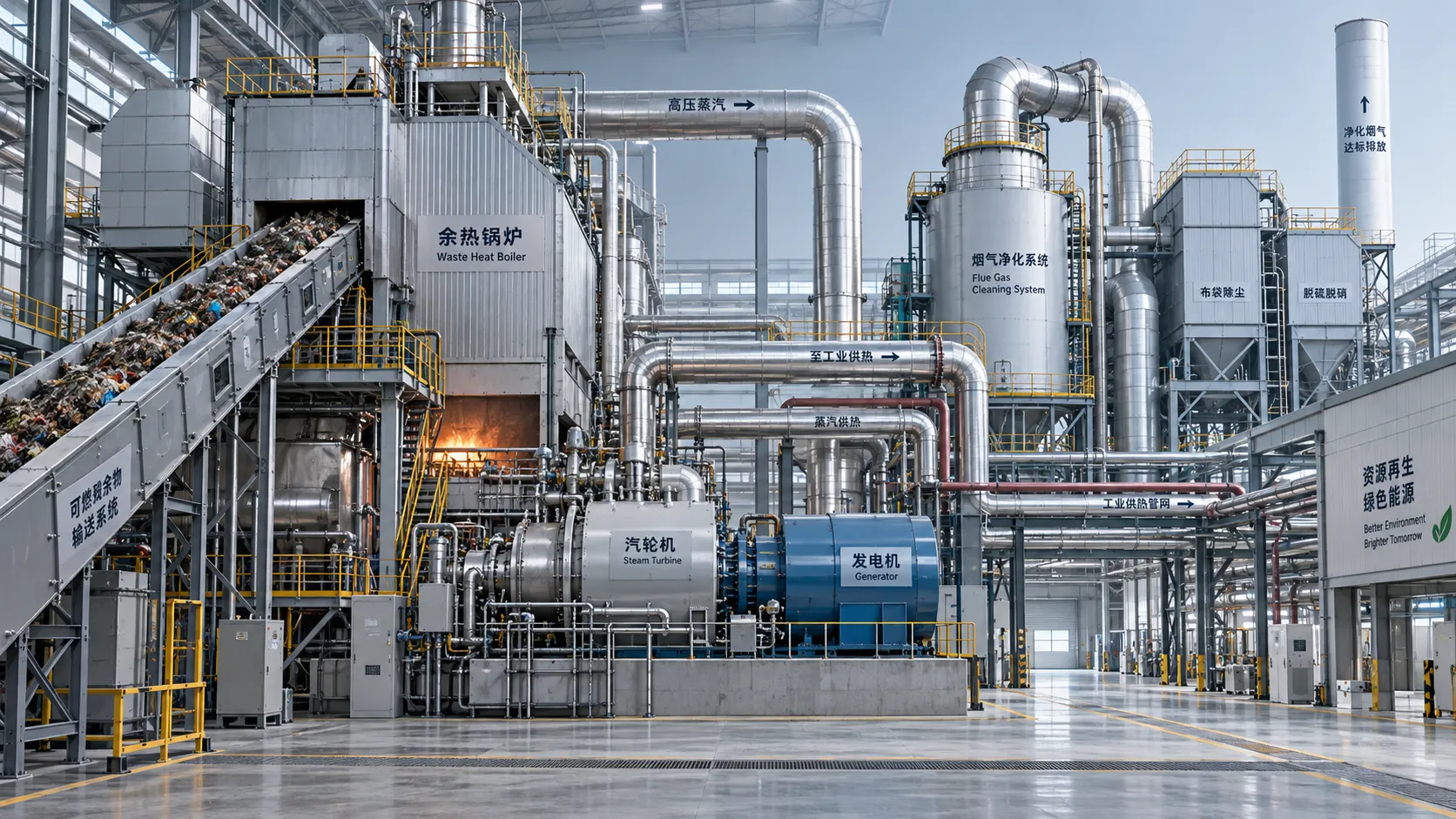
When is energy recovery viable in the solid waste recovery process?
When is energy recovery viable in the solid waste recovery process? Explore feedstock quality, net energy, emissions, and costs to assess feasibility and make smarter investment decisions.
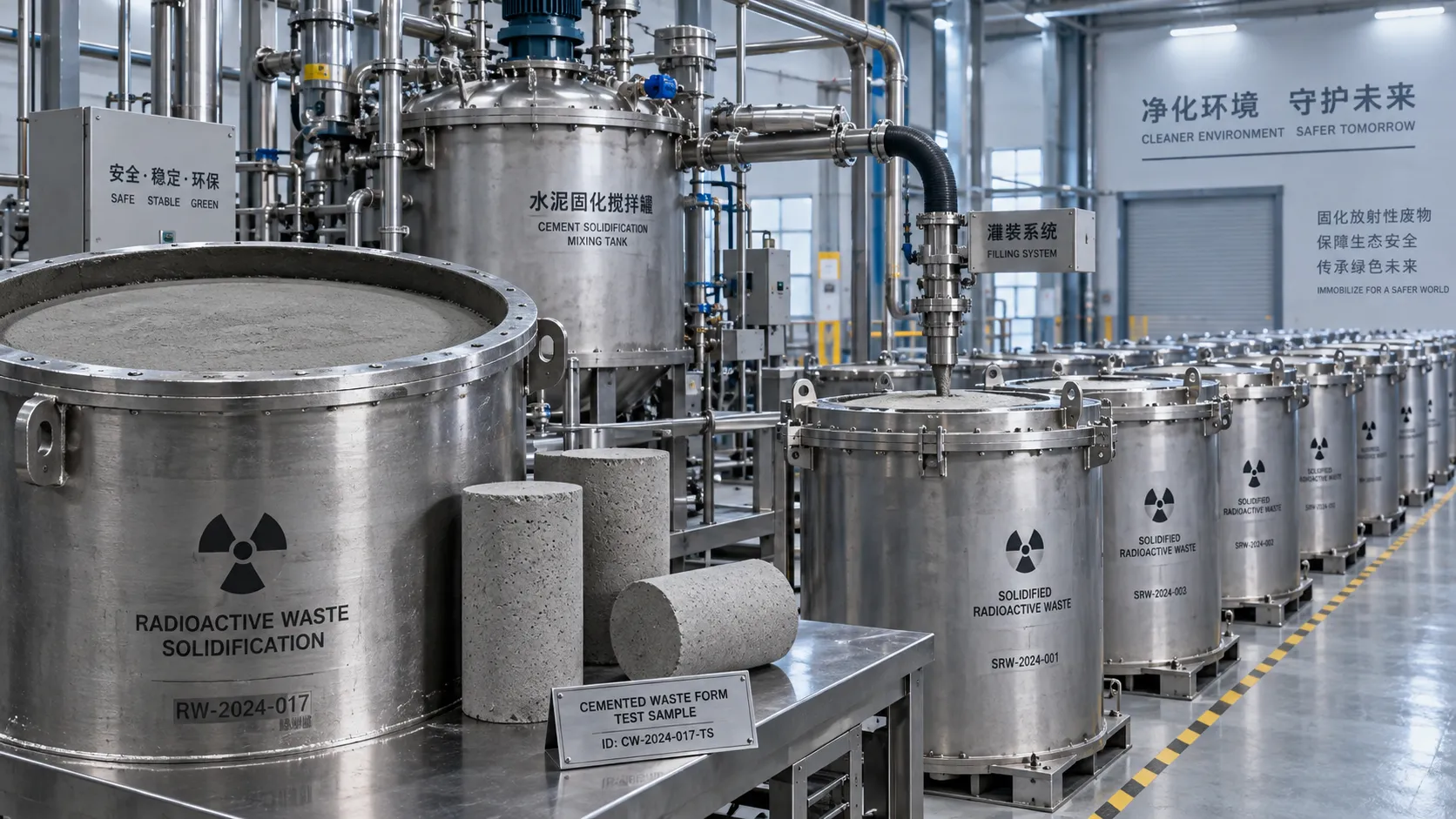
When is cementation suitable for nuclear decommissioning waste?
Explore nuclear waste treatment technology for decommissioning: learn when cementation fits, which risks to assess, and how disposal criteria guide an effective treatment choice.
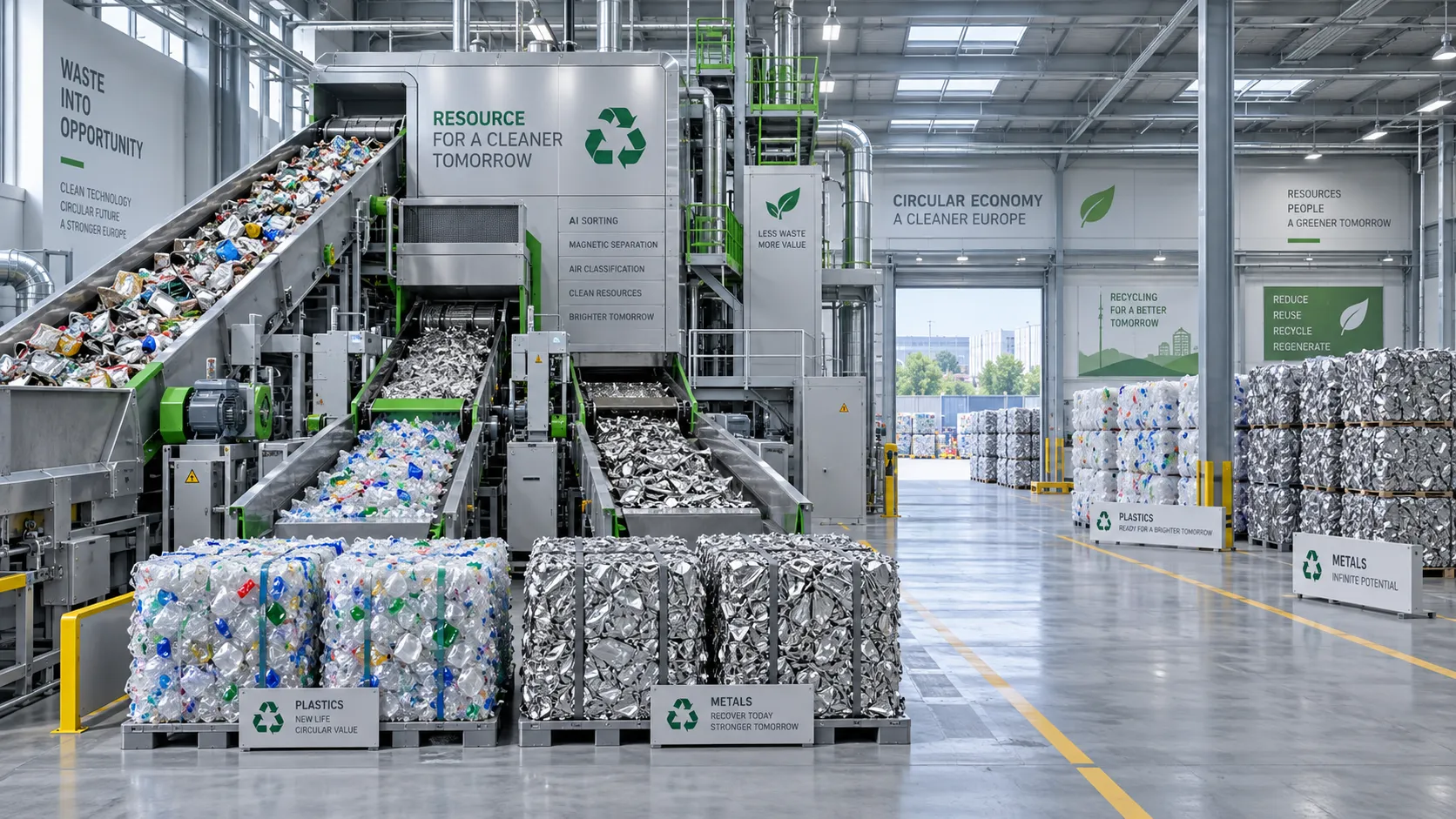
What determines payback for waste-to-resource systems in Europe?
Assess waste-to-resource systems Europe-wide: compare feedstock, recovery yields, costs and contracts to uncover payback drivers and make smarter investment decisions.
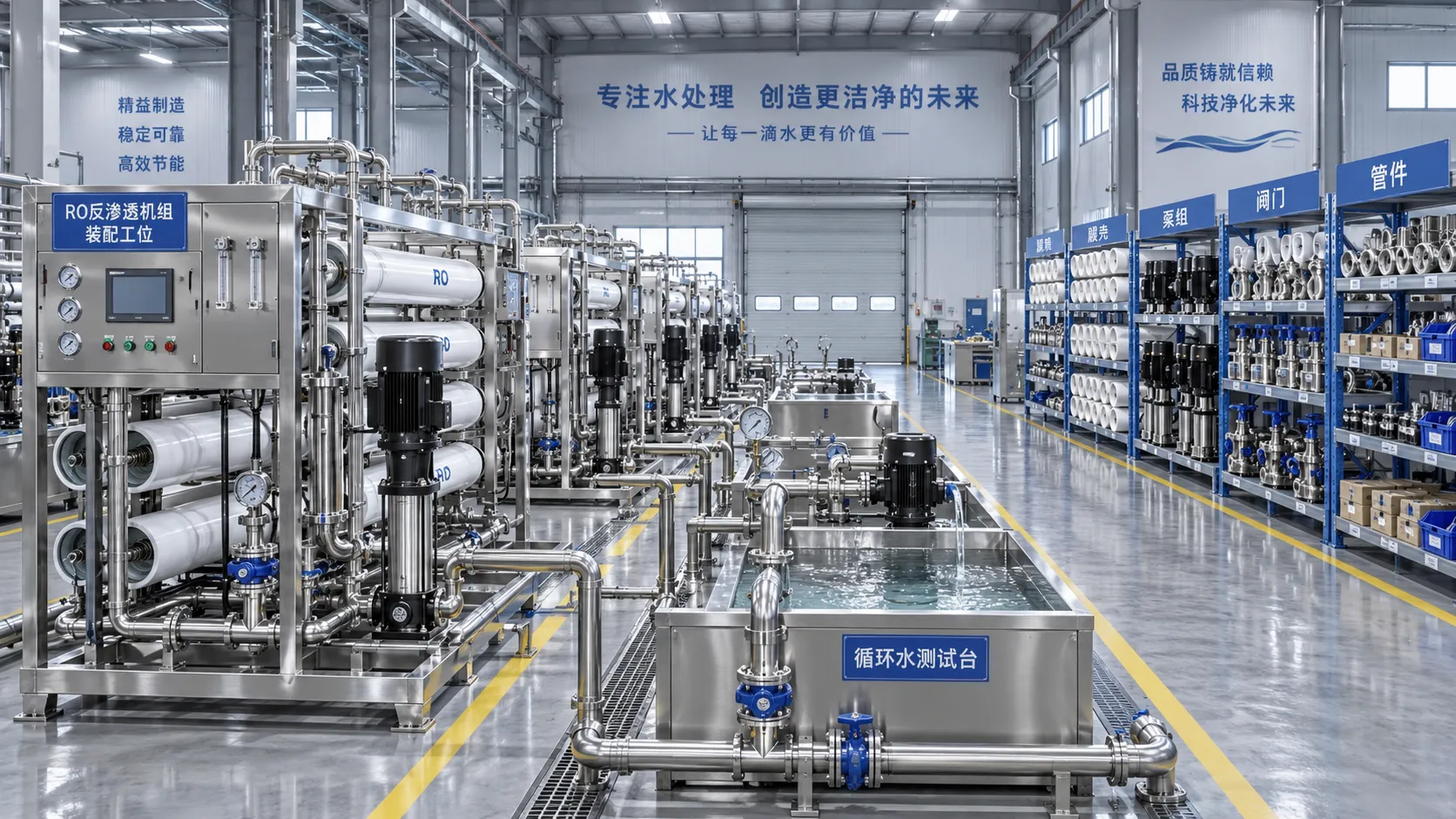
How to verify a water treatment system factory’s production capacity
Verify a water treatment systems factory’s production capacity through records, bottlenecks, component availability, and testing. Learn what to check before accepting a delivery promise.
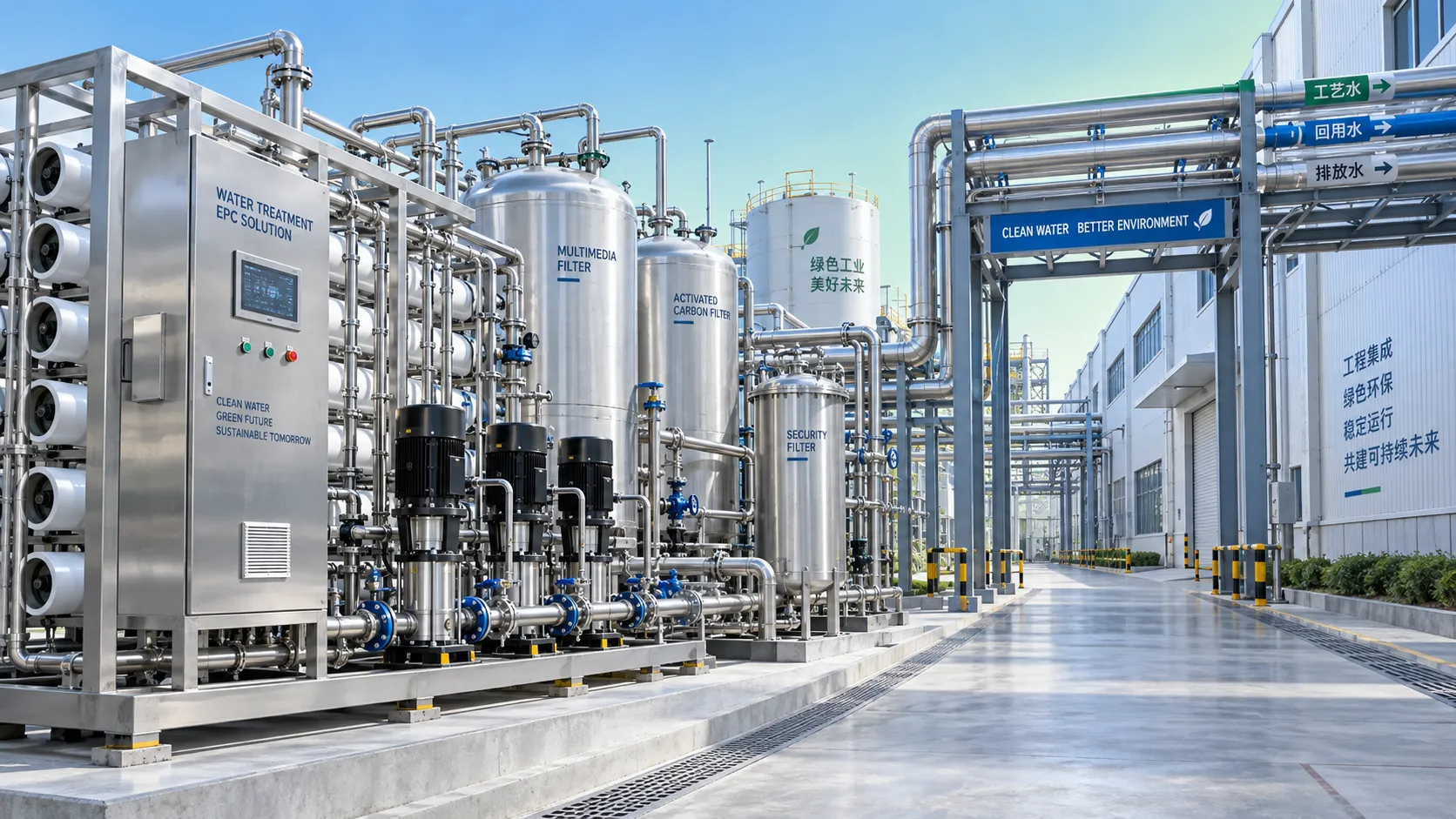
When does EPC environmental project support reduce delivery risk?
EPC environmental project support engineering reduces delivery risk by aligning design, procurement, compliance, construction, and commissioning decisions.
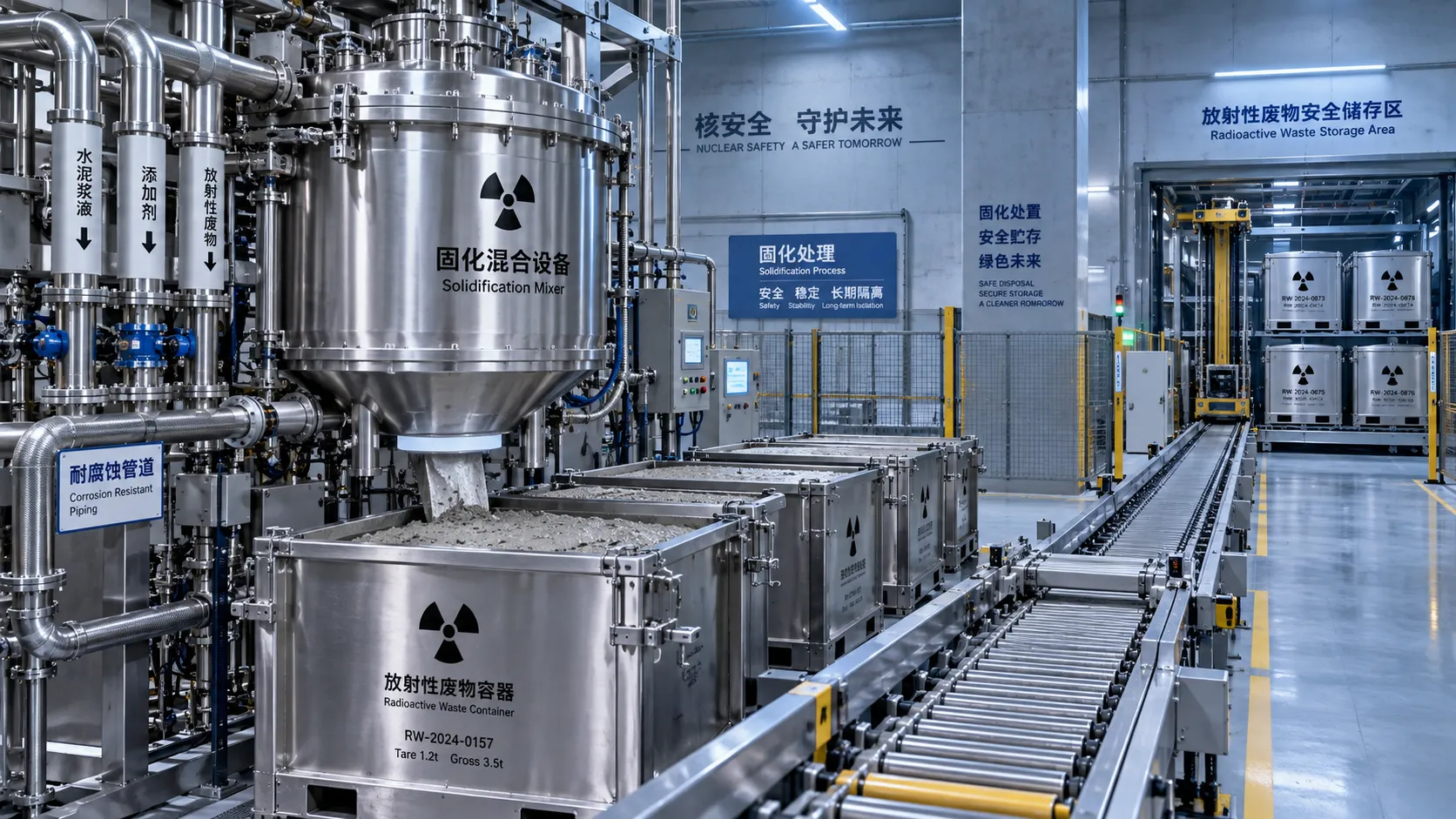
How nuclear plants select a radioactive waste solidification method
Radioactive waste management for nuclear plants: compare vitrification, cementation, polymers, and ceramics to select a compliant, durable solidification solution.
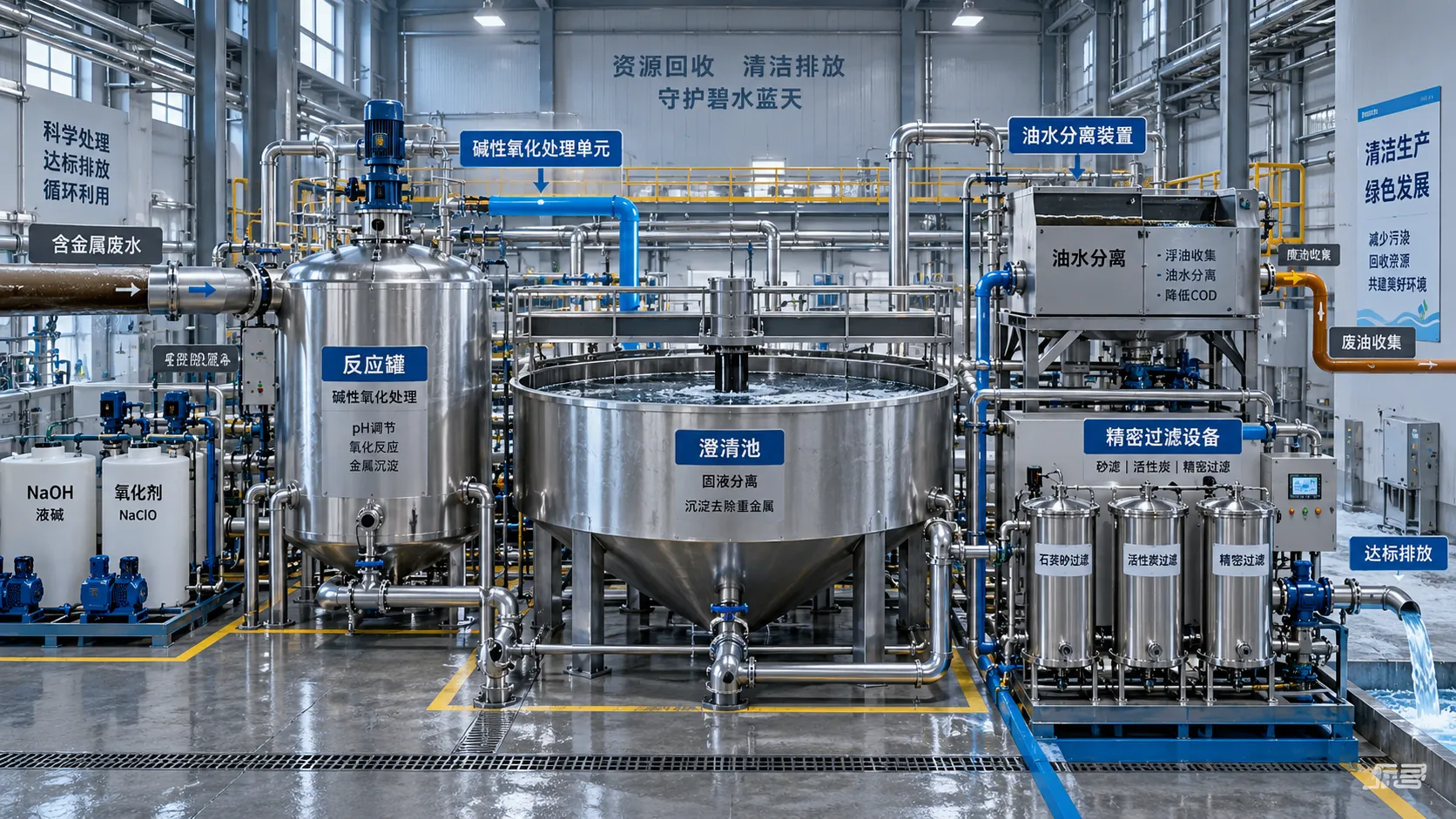
Treating Metal Finishing Wastewater: Removing Metals, Cyanide, and Oil Reliably
Metal finishing wastewater treatment made reliable: learn how to safely remove metals, cyanide, oil, and complex contaminants with proven stream segregation and control strategies.
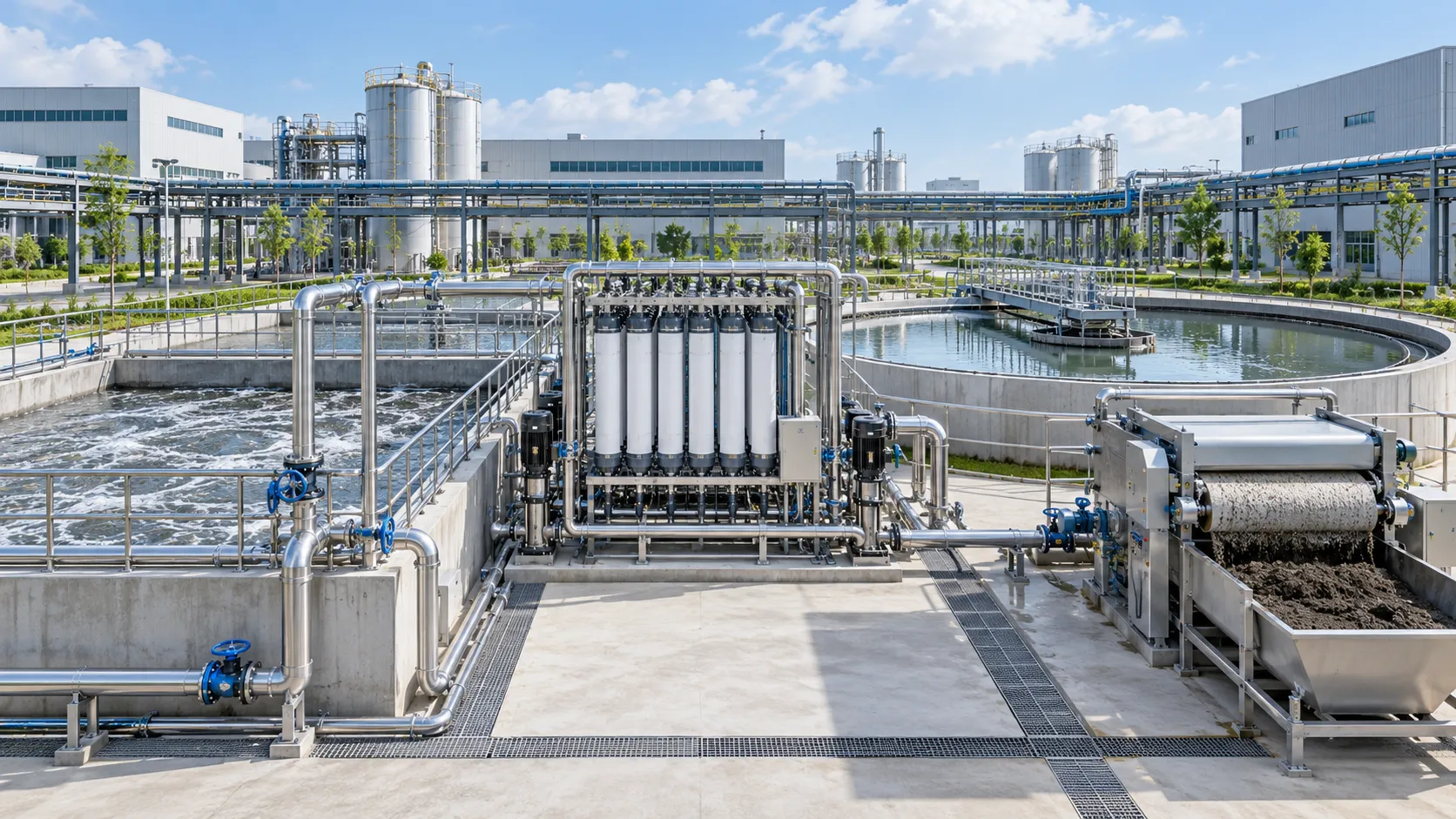
What Drives the Cost of Wastewater System Upgrades in Industrial Parks?
Costs of wastewater system upgrades in industrial parks: uncover key drivers from influent variability and civil works to sludge, energy, compliance, and lifecycle risk.
Comparing Upgrade Costs for Industrial Park Wastewater Treatment Systems
Compare costs for wastewater system upgrades in industrial parks with a lifecycle view of CAPEX, OPEX, compliance, resilience, and future expansion.