
Industry News
Curation by industry experts
Hot Articles
Popular Tags
Zero Discharge Solutions: Key Design Risks to Check
For technical evaluators, zero discharge solutions promise compliance, water recovery, and operational resilience—but design flaws can quickly turn these goals into cost and reliability risks. This article highlights the key design issues worth checking early, from process integration and material selection to energy balance, scaling control, and long-term maintainability.
Why zero discharge solutions often fail at the design review stage
In industrial water treatment, zero discharge solutions are rarely just a single technology package. They are usually a tightly linked system of pretreatment, membrane concentration, thermal evaporation, crystallization, solids handling, utilities, automation, and compliance control.
Technical evaluators face a recurring problem: vendors may present attractive recovery rates, but the deeper design risks sit in interfaces. A plant can meet target discharge on paper and still fail in uptime, energy use, or maintenance burden.
This is especially relevant across ESD’s focus sectors, from high-TDS industrial wastewater and municipal reuse upgrades to desalination brine management and hazardous concentrate treatment. The more extreme the chemistry, the more carefully zero discharge solutions must be checked as integrated systems rather than isolated equipment lots.
- A high recovery target may increase scaling pressure beyond practical cleaning windows.
- An efficient evaporator may still create downstream solids handling bottlenecks.
- A corrosion-resistant section may be undermined by cheaper materials at transfer points, valves, or storage units.
- A compliant design may become uneconomic if heat integration and power demand are not evaluated early.
What technical evaluators should verify first
Before reviewing vendor claims, confirm whether the design basis is stable. Feed variability, contaminant spikes, seasonal temperature shifts, and production changes often matter more than brochure performance. In zero discharge solutions, uncertainty in feed chemistry can multiply risk in every downstream unit.
Which design basis data matters most in zero discharge solutions?
A weak design basis is the fastest route to oversizing, underperformance, or premature fouling. Evaluators should require more than average water quality. Maximum values, transient events, and upset conditions are often the true design drivers.
The table below summarizes key feed and operating variables that should be confirmed before approving zero discharge solutions for budget or tender comparison.
If these parameters are missing or lightly sampled, any comparison between zero discharge solutions becomes misleading. ESD’s intelligence approach is valuable here because it links chemistry, equipment behavior, and compliance exposure rather than reviewing water data in isolation.
Do not accept single-point feed assumptions
In large treatment plants and resource recovery systems, feed composition often changes with upstream production cycles. Ask for sensitivity analysis. A serious design should show what happens when silica rises, hardness spikes, or antiscalant compatibility changes.
How should you assess process integration risk?
Most zero discharge solutions combine several concentration steps. The question is not whether each unit works independently, but whether the train remains balanced as water is progressively removed and contaminants become harder to control.
Typical process train checkpoints
- Pretreatment must remove suspended solids, oil, hardness, or specific foulants to protect membranes and thermal units.
- Membrane concentration should operate below practical scaling and cleaning thresholds, not just theoretical recovery limits.
- Thermal concentration and crystallization should be matched to solids characteristics, heat availability, and target product moisture.
- Final salt cake, sludge, or recovered by-product handling must fit transport, storage, and disposal or reuse rules.
A common mistake is overloading membranes to reduce thermal duty. That may lower apparent capital intensity, but it can raise cleaning frequency, shorten membrane life, and create unstable brine for downstream evaporation.
Another risk is weak utility integration. Steam, cooling, condensate reuse, and electrical harmonics can all affect lifecycle performance. In desalination brine concentration or hazardous industrial ZLD systems, utility constraints often define the real feasibility boundary.
What materials and corrosion points deserve extra scrutiny?
Zero discharge solutions frequently process high chlorides, elevated temperature streams, and chemically aggressive cleaning agents. Material selection cannot be validated by looking only at major equipment shell material. Failure often begins at nozzles, welds, instrumentation ports, pump internals, and storage interfaces.
The comparison below helps evaluators identify where apparent savings may introduce corrosion or replacement risk.
The main lesson is simple: corrosion review should follow real chemistry, not nominal line lists. ESD’s sector perspective is useful when projects cross boundaries, such as industrial wastewater tied to resource recovery or desalination reject linked to high-salinity polishing.
Ask for upset-condition material review
Material decisions should account for CIP acids, oxidants, standby conditions, concentration during shutdown, and localized deposition. Evaluators should ask not only “what is the material?” but also “what exact condition was the material selected for?”
How do energy balance and operating cost change project viability?
Many zero discharge solutions pass technical screening but fail commercial review once utilities are modeled properly. Thermal systems can dominate OPEX, yet membrane-heavy designs may also become expensive if pretreatment, chemicals, and cleaning downtime are underestimated.
What to check in the energy model
- Whether steam, electricity, and cooling demand are based on guaranteed feed conditions or idealized assumptions.
- Whether waste heat, mechanical vapor recompression, or condensate recovery options were evaluated.
- Whether startup, standby, and part-load operation are included in annual utility estimates.
- Whether solids moisture content affects disposal cost and heat duty.
In practice, the best zero discharge solutions are often not the highest theoretical recovery systems. They are the systems that balance water recovery with manageable energy intensity, stable operation, and acceptable maintenance intervals.
What scaling, fouling, and cleaning assumptions should be challenged?
Scaling control is one of the most underestimated risks in zero discharge solutions. A process can look robust during pilot work and still struggle after commissioning if feed variability, residence time, or mixed salt behavior was simplified too aggressively.
Critical review points
- Check whether silica, calcium sulfate, barium sulfate, and organics were evaluated together, not independently.
- Confirm the basis for antiscalant selection and whether jar tests, pilot data, or field analogs support it.
- Review planned CIP frequency, downtime, chemical consumption, and waste neutralization implications.
- Verify whether online monitoring can detect concentration drift before severe deposition occurs.
Technical evaluators should be cautious when recovery targets are justified by software outputs alone. Real-world operation depends on hydrodynamics, dead zones, seed control in crystallizers, and the behavior of impurities that are difficult to model precisely.
Which procurement questions reduce technical risk before award?
A disciplined bid review can prevent later disputes over performance, change orders, or operating cost overruns. The goal is not only to compare prices, but to uncover design assumptions hidden behind them.
A practical procurement checklist for zero discharge solutions
- Request a clear battery limit and list of excluded systems, especially chemicals, condensate polishing, sludge handling, and automation interfaces.
- Ask for guaranteed values for recovery, product water quality, specific energy, chemical consumption, and cleaning intervals.
- Require explanation of turndown ratio, startup logic, and response to off-spec feed.
- Clarify spare parts philosophy, critical wear components, and recommended inventory for the first operating year.
- Verify whether local discharge, waste transport, or by-product reuse rules affect final system boundaries.
For EPC firms and plant owners, this is where intelligence matters. ESD supports evaluation by connecting process claims with market realities, equipment trends, and compliance context, helping teams make better comparisons before contract lock-in.
How do compliance and long-term maintainability affect the final decision?
Zero discharge solutions are often selected for environmental compliance, but technical evaluators should look beyond discharge elimination alone. Noise, chemical storage, worker exposure, concentrate transport, and solid waste classification may all influence project acceptance.
Where applicable, designs should be reviewed against general frameworks such as industrial wastewater regulations, pressure equipment rules, electrical safety requirements, hazardous chemical handling provisions, and site-specific environmental permits. The exact set will vary by jurisdiction, but ignoring them early can delay delivery.
Maintainability indicators worth scoring
- Accessibility of pumps, valves, strainers, and instrumentation for routine maintenance.
- Availability of online monitoring for conductivity, pH, temperature, pressure, and critical density or solids indicators.
- Isolation and bypass philosophy to allow cleaning or repair without total plant shutdown.
- Operator training requirements for multi-stage zero discharge solutions with advanced automation.
FAQ: what do technical evaluators ask most about zero discharge solutions?
How do I compare two zero discharge solutions with different recovery claims?
Do not compare recovery alone. Compare guaranteed water quality, annual energy use, chemical consumption, expected cleaning frequency, solids disposal cost, and uptime assumptions. A slightly lower recovery design may deliver lower lifecycle risk and better annual availability.
Are zero discharge solutions only suitable for very large industrial plants?
No, but scale strongly affects economics. Larger and more stable flows often justify complex trains more easily. Smaller plants may need modular concentration plus outsourced solids management or partial recovery strategies if full ZLD becomes too energy-intensive.
What is the most common hidden cost in zero discharge solutions?
Unexpected operating cost usually comes from utilities, cleaning, and solids handling rather than from the core skid alone. Evaluators should also watch for hidden costs in corrosion repairs, instrumentation reliability, and consumable replacement.
When should pilot testing be considered essential?
Pilot work becomes highly valuable when feed composition varies, organics are complex, scaling salts coexist, or by-product recovery is part of the business case. It is especially useful when the project depends on narrow operating windows or aggressive recovery assumptions.
Why choose us for zero discharge solutions evaluation support?
ESD approaches zero discharge solutions as part of a broader ecological engineering system, not as isolated equipment procurement. Our coverage of large water treatment, solid waste recovery, desalination, flue gas treatment, and nuclear waste management gives technical evaluators a cross-sector view of how extreme chemistry, energy use, and compliance pressures interact.
If you are screening vendors or refining a tender package, we can support discussions around parameter confirmation, process route comparison, corrosion and material checkpoints, utility balance logic, maintainability concerns, and regulatory alignment relevant to your project context.
You can contact us to discuss feedwater data review, zero discharge solutions selection, expected delivery scope, customization paths, operating cost checkpoints, spare parts planning, and quotation comparison logic. For EPC teams and owners handling complex bids, this helps turn technical uncertainty into a more defensible procurement decision.
Recommended News
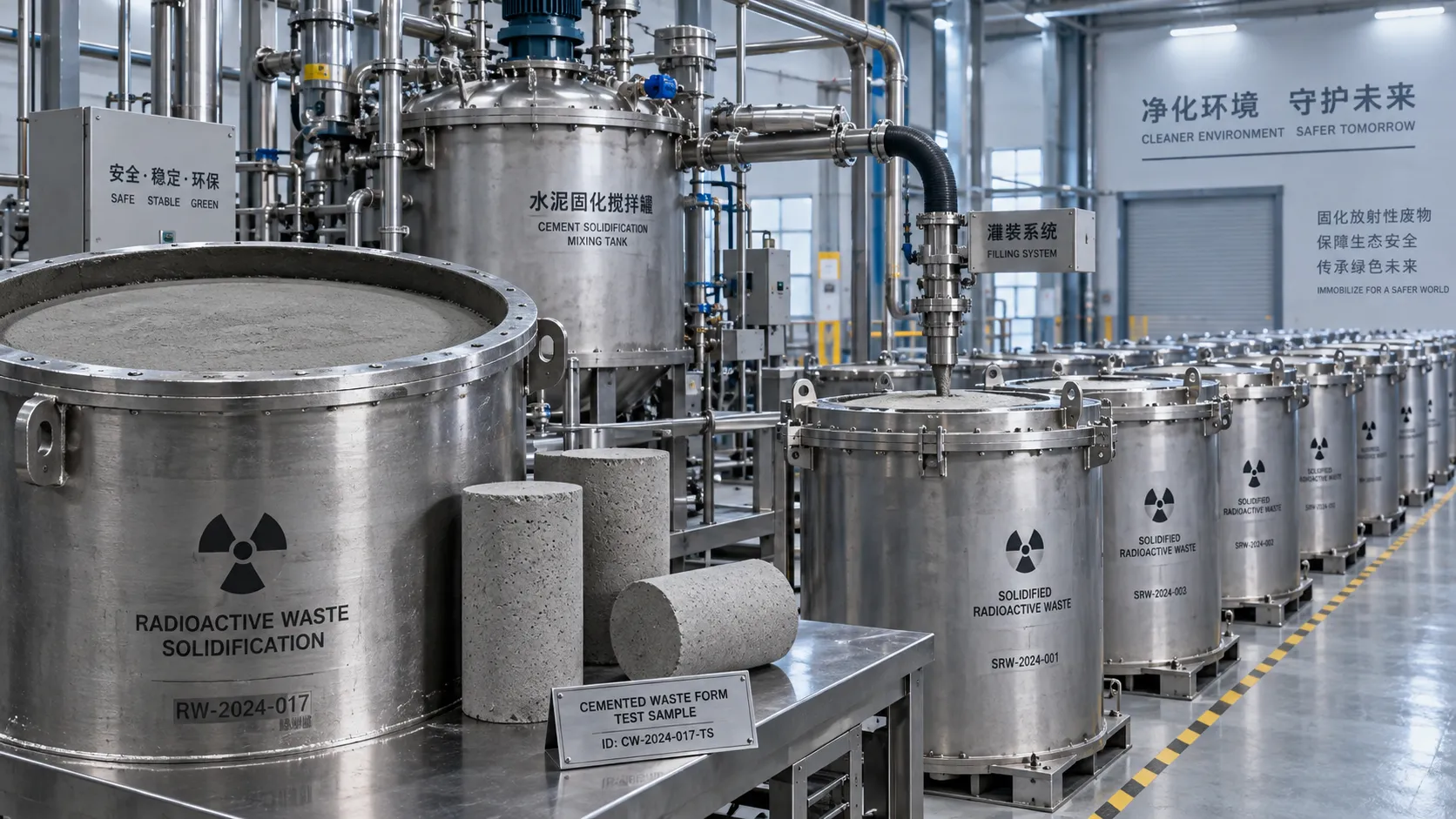
When is cementation suitable for nuclear decommissioning waste?
Explore nuclear waste treatment technology for decommissioning: learn when cementation fits, which risks to assess, and how disposal criteria guide an effective treatment choice.
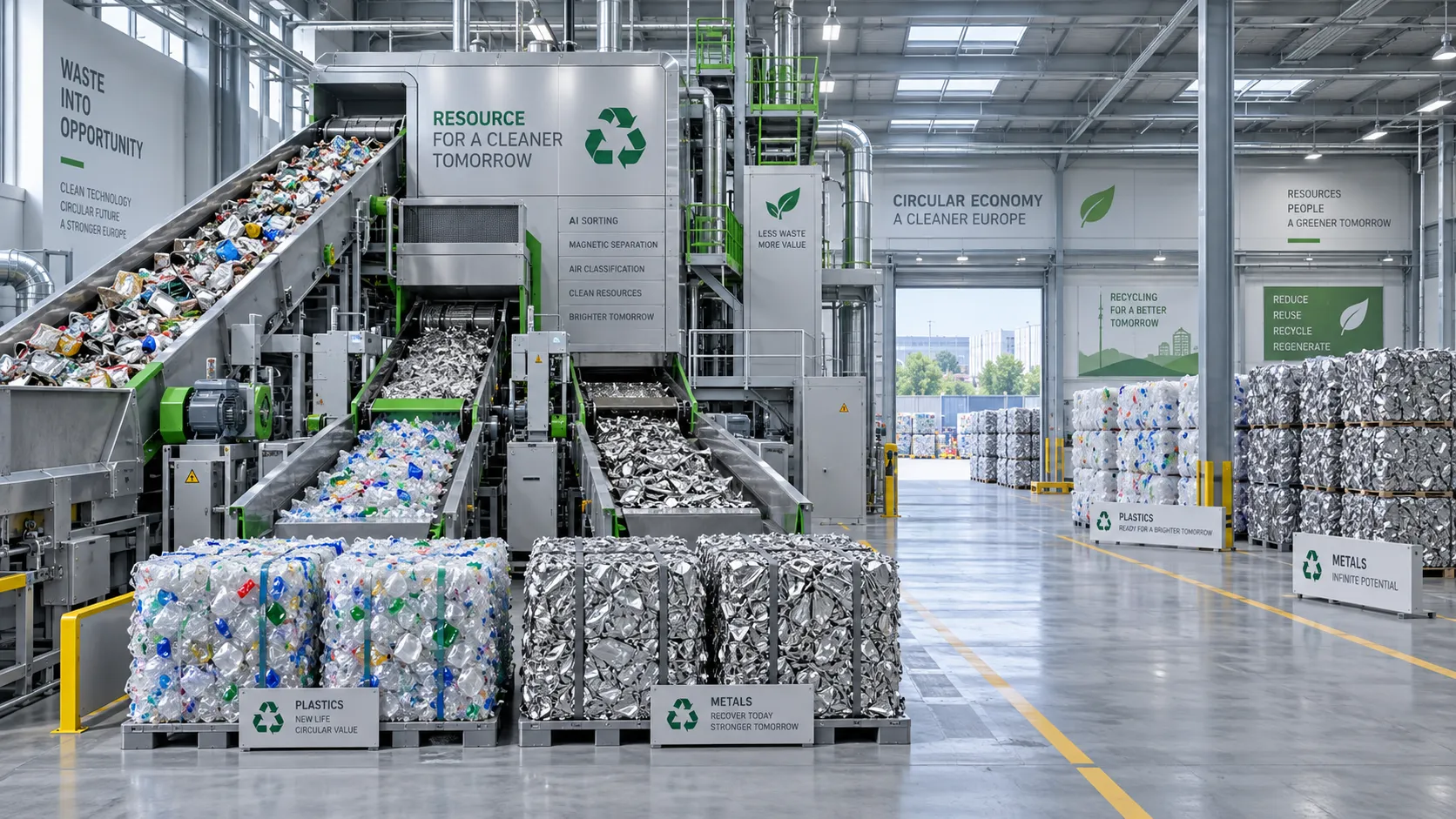
What determines payback for waste-to-resource systems in Europe?
Assess waste-to-resource systems Europe-wide: compare feedstock, recovery yields, costs and contracts to uncover payback drivers and make smarter investment decisions.
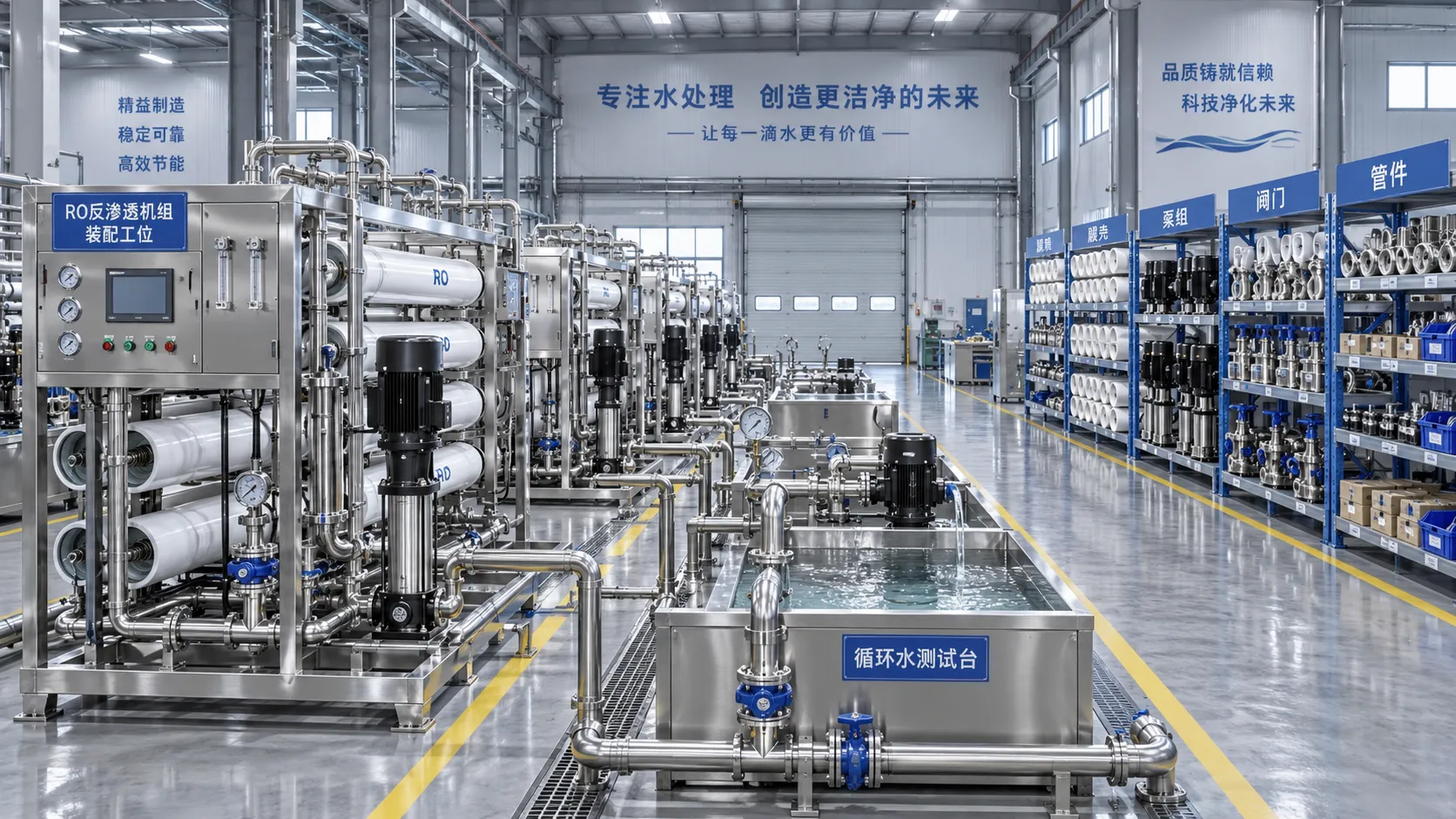
How to verify a water treatment system factory’s production capacity
Verify a water treatment systems factory’s production capacity through records, bottlenecks, component availability, and testing. Learn what to check before accepting a delivery promise.
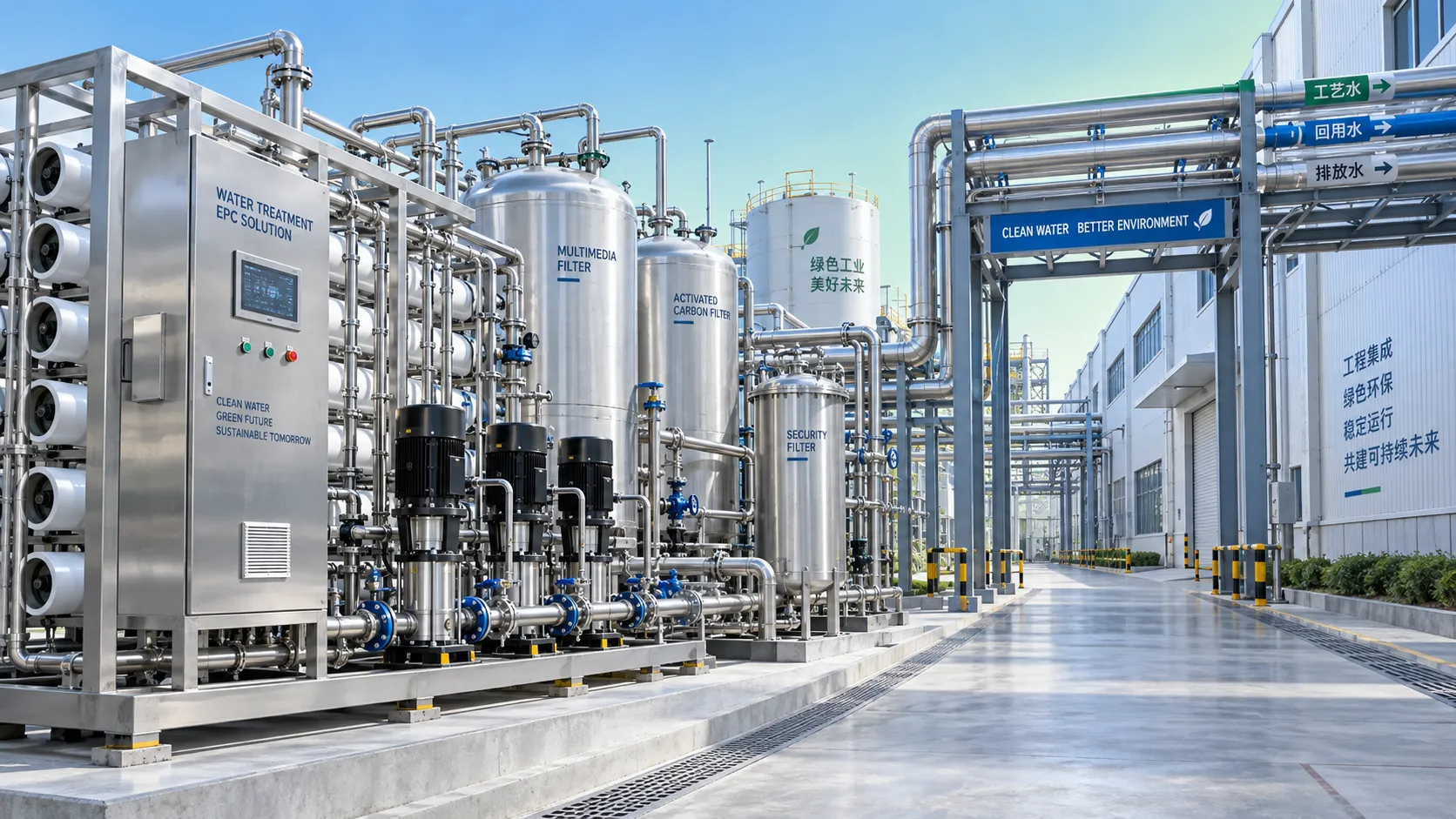
When does EPC environmental project support reduce delivery risk?
EPC environmental project support engineering reduces delivery risk by aligning design, procurement, compliance, construction, and commissioning decisions.
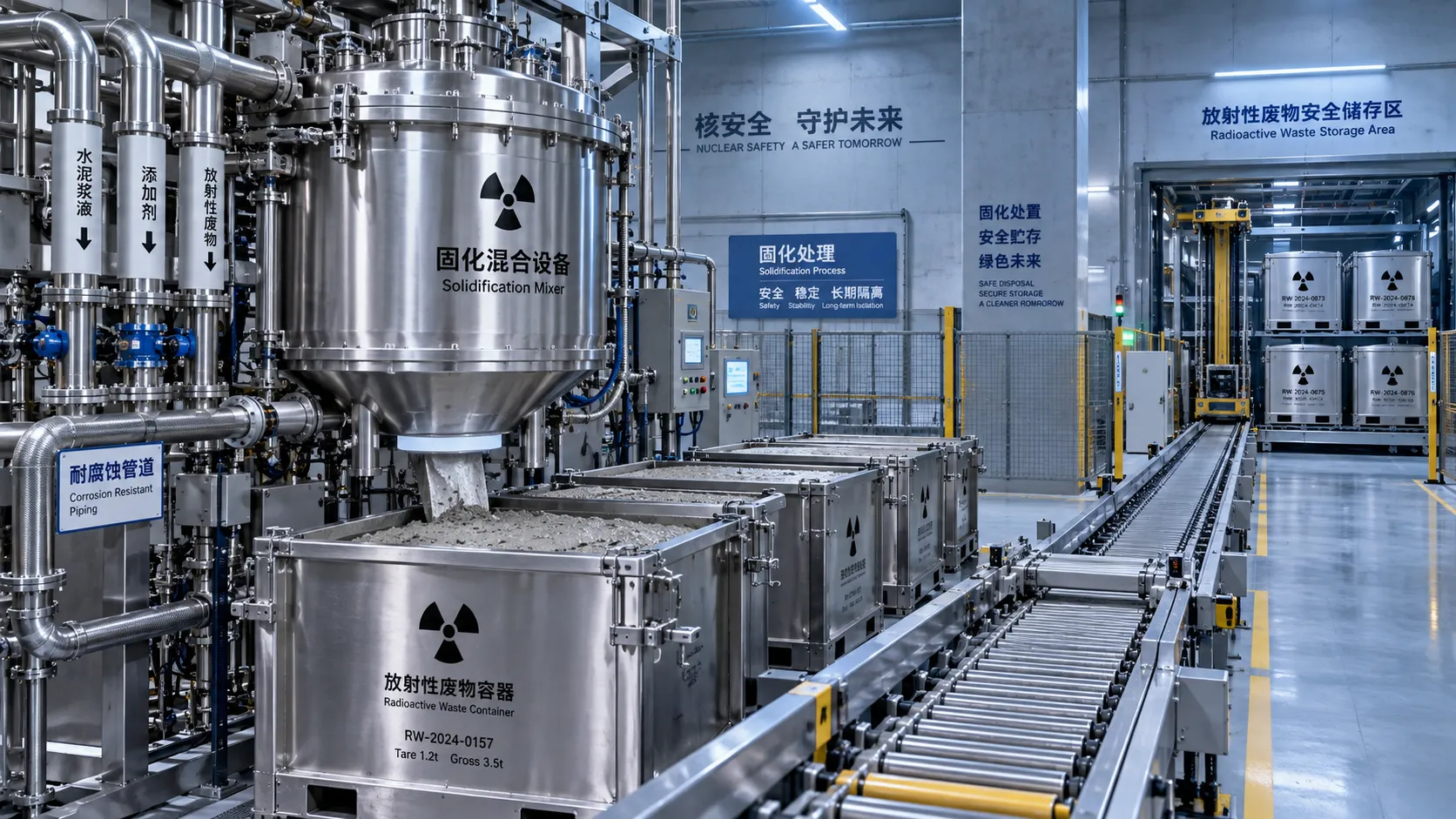
How nuclear plants select a radioactive waste solidification method
Radioactive waste management for nuclear plants: compare vitrification, cementation, polymers, and ceramics to select a compliant, durable solidification solution.
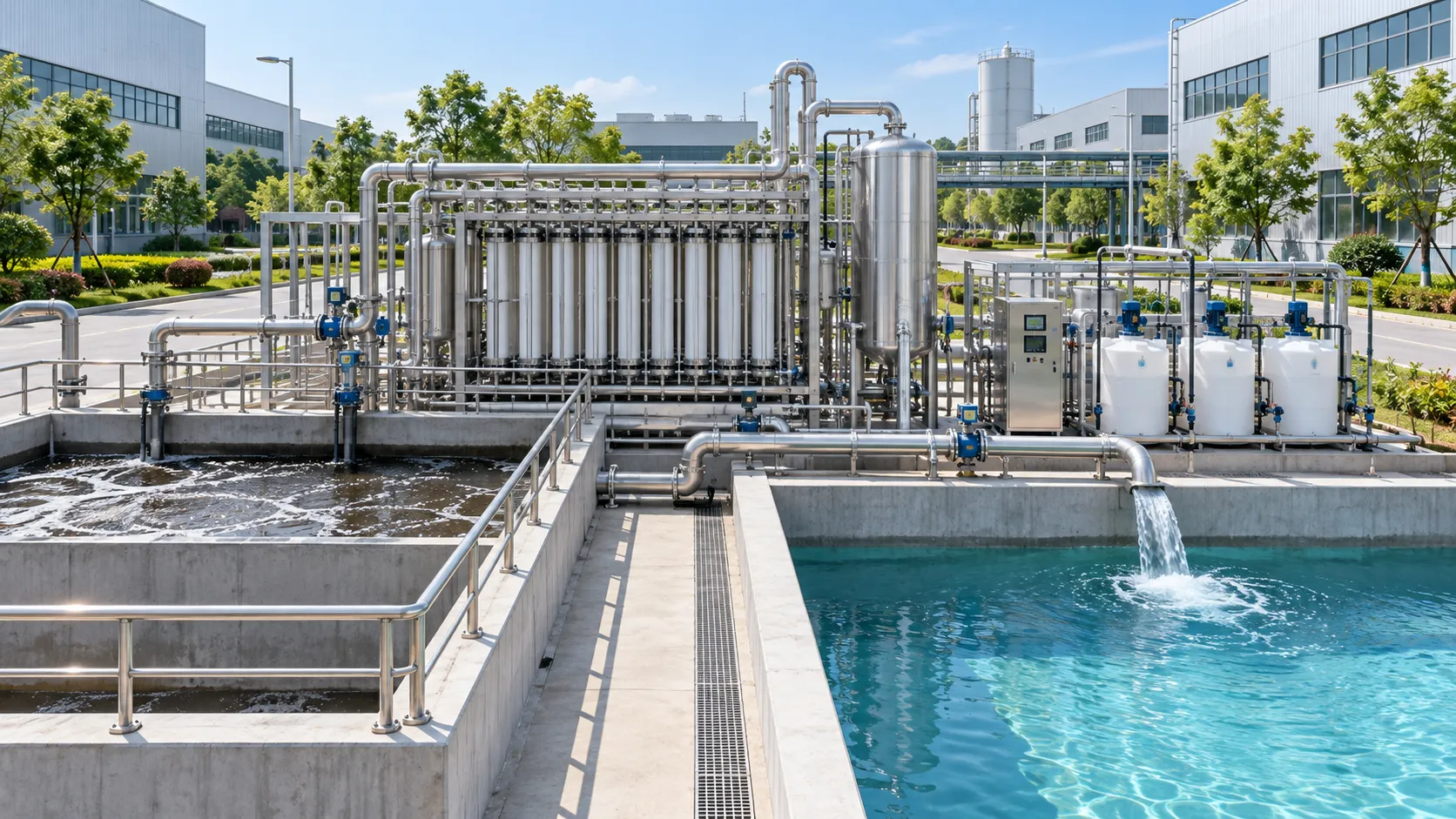
Comparing Upgrade Costs for Industrial Park Wastewater Treatment Systems
Compare costs for wastewater system upgrades in industrial parks with a lifecycle view of CAPEX, OPEX, compliance, resilience, and future expansion.
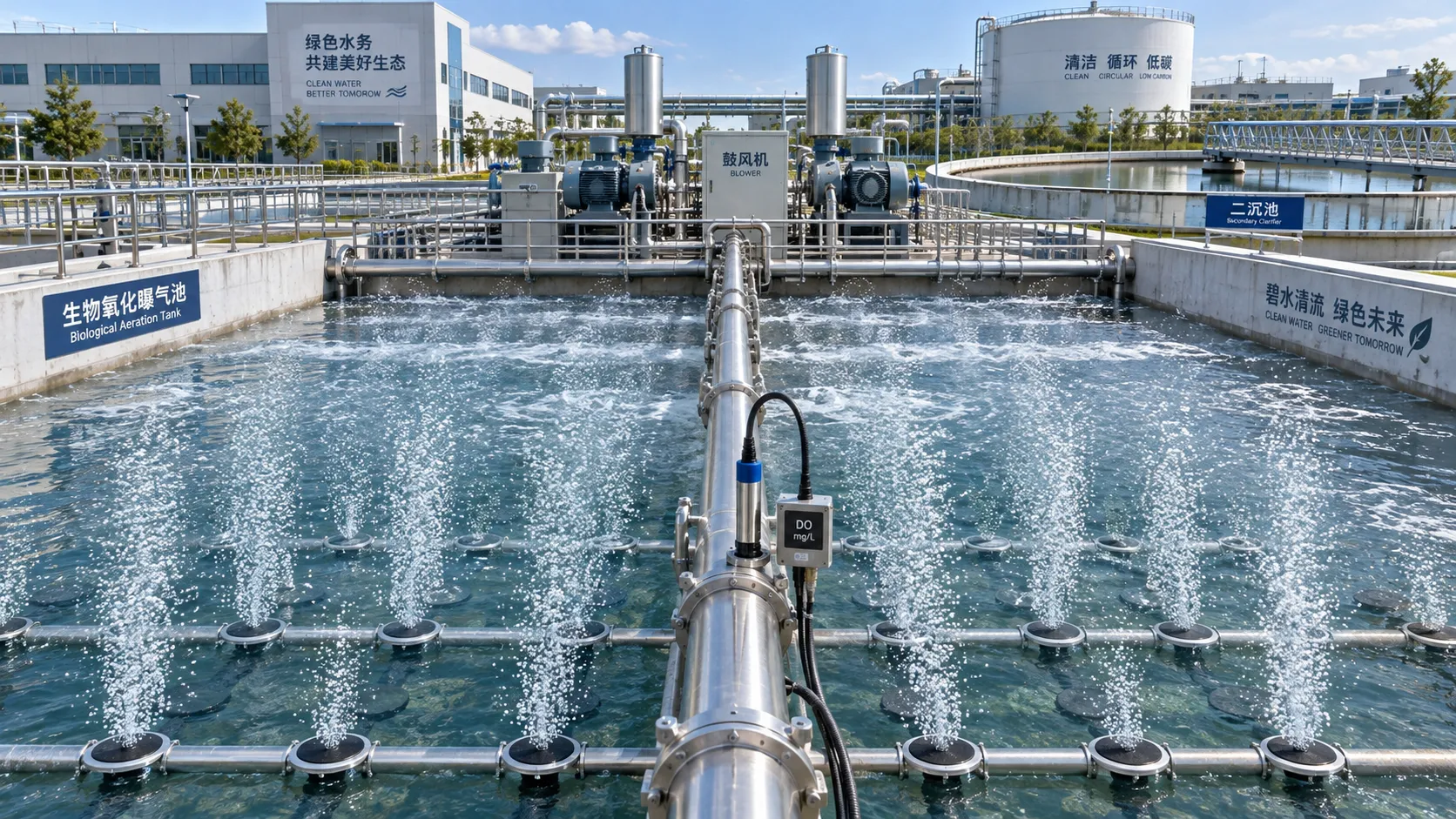
Biological Wastewater Oxidation Explained: Aeration Demand and Process Control
Biological wastewater oxidation explained: optimize aeration demand, DO control, nitrification, and sludge age for stable effluent quality and lower energy costs.
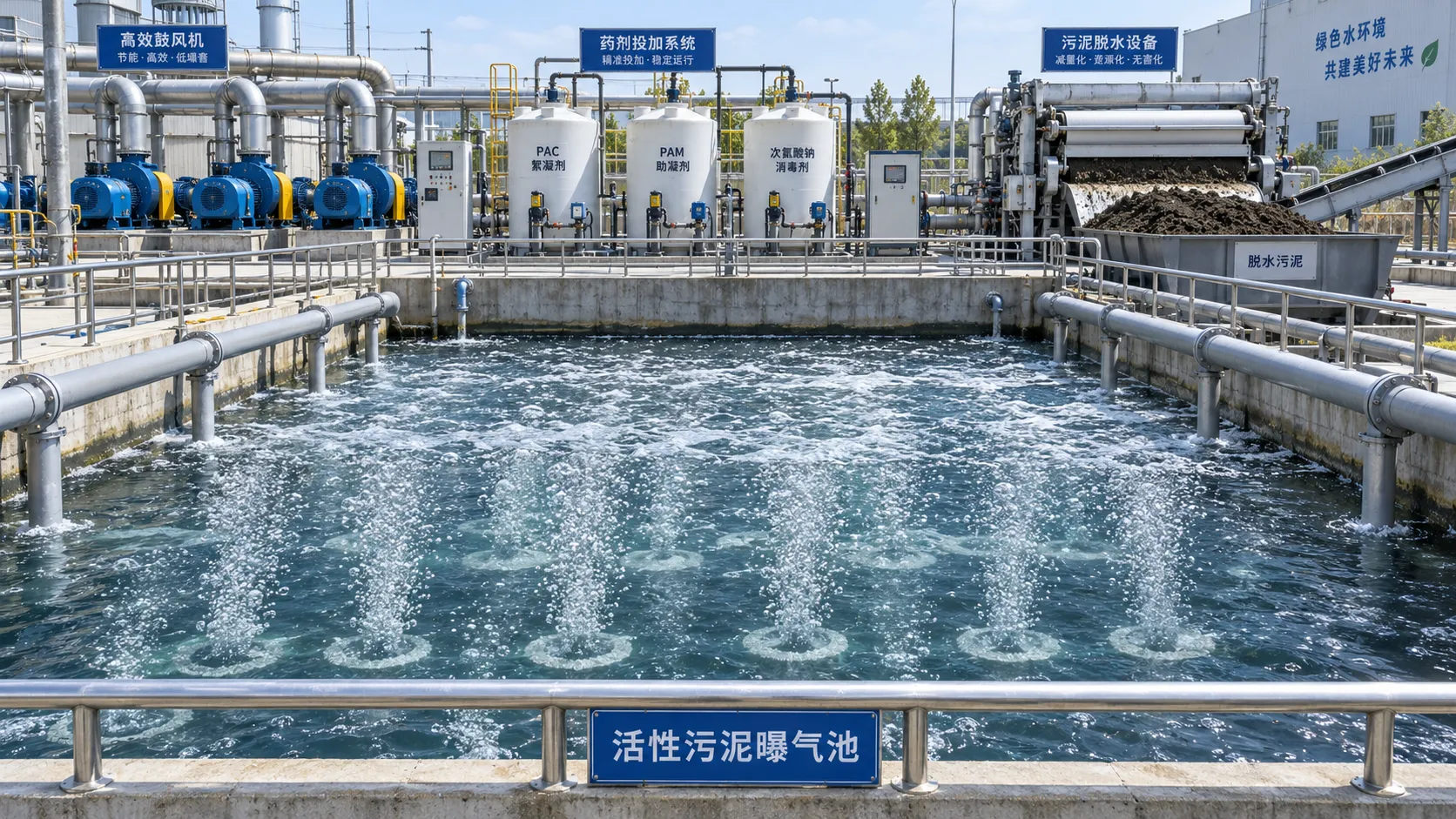
Activated Sludge Cost: Budgeting Energy, Chemicals, Sludge, and Labor
Activated sludge cost explained: compare energy, chemicals, sludge disposal, labor, and compliance risks to build a reliable lifecycle budget.
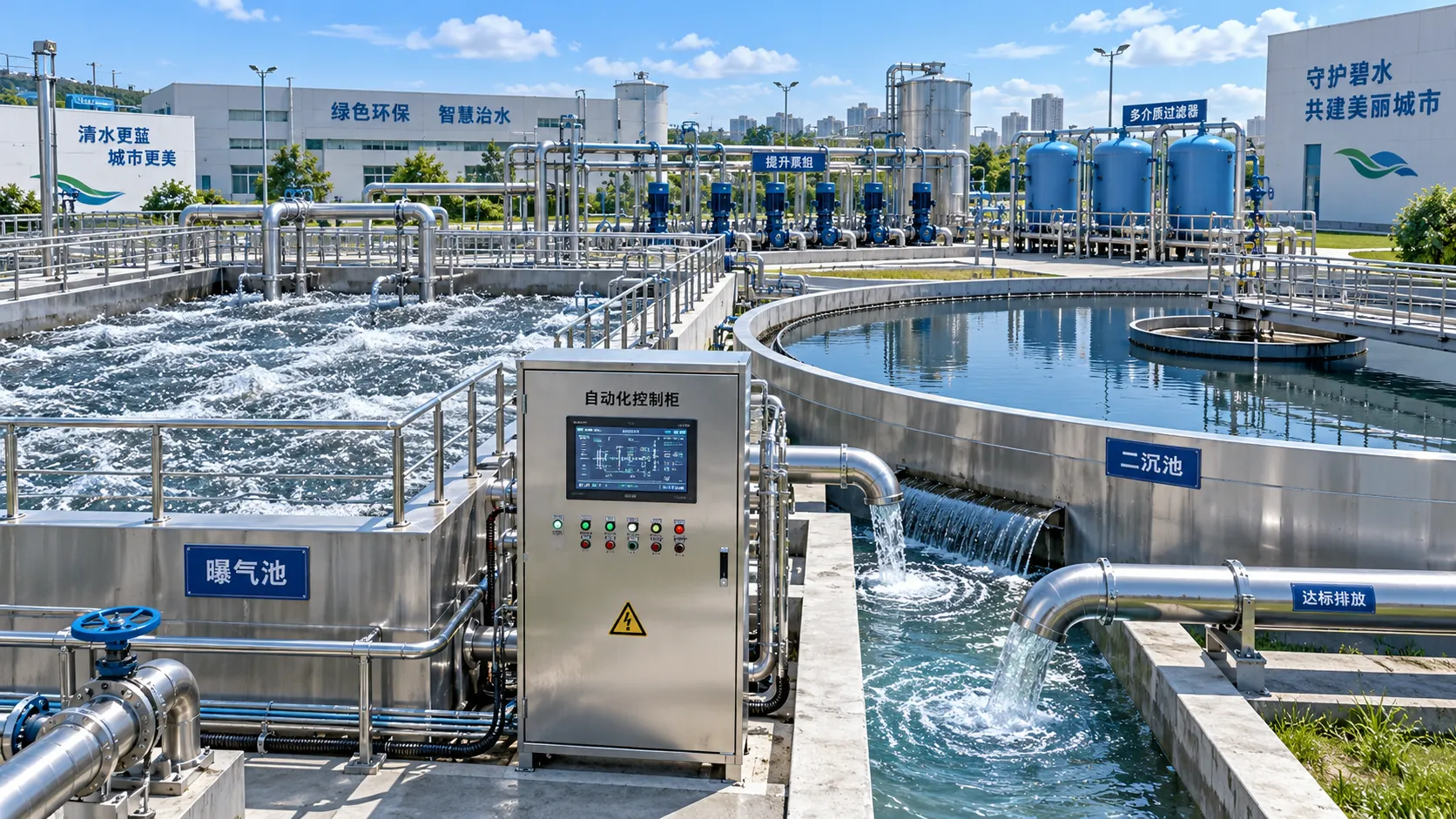
When Should Municipal Wastewater Plants Upgrade Treatment Capacity and Controls?
Municipal wastewater treatment upgrades: learn when capacity, controls, and resilient planning are needed to protect compliance and optimize plant performance.