
Industry News
Curation by industry experts
Hot Articles
Popular Tags
Environmental Governance Metrics That Matter in 2026
In 2026, environmental governance is no longer measured by broad commitments alone. It is assessed through operating data, compliance performance, resource intensity, and the ability to protect long-term asset value under stricter regulation.
That shift matters across water, waste, air, desalination, and nuclear systems. It also matters in capital planning, because the wrong metric can hide risk, while the right one can reveal resilience, efficiency, and strategic advantage.
For sectors tracked closely by ESD, the discussion around environmental governance now sits at the intersection of engineering reality and board-level decision quality. The most useful metrics are the ones that connect environmental outcomes with operating continuity and investment discipline.
Why metrics now define environmental governance
Environmental governance has always involved policy, technology, and accountability. In 2026, however, the center of gravity moves toward measurable proof.
This is partly driven by tighter disclosure rules. It is also shaped by carbon pricing, water stress, supply chain transparency, and public financing standards.
In practice, environmental governance means managing ecological impact through systems that can be monitored, audited, and improved. Good governance is visible in performance trends, not just in policy statements.
That is especially true in heavy infrastructure. A wastewater plant, a flue gas treatment line, or a nuclear waste vitrification system cannot rely on narrative alone. It must show process stability, removal efficiency, energy intensity, and regulatory reliability.
The metrics that matter most in 2026
Not every indicator deserves equal attention. The strongest environmental governance frameworks usually prioritize a smaller set of metrics with clear operational and financial meaning.
1. Compliance stability
Passing a single inspection is not enough. A more credible measure is the percentage of operating time spent within emission, discharge, or storage limits.
This metric reveals whether performance is repeatable. It also highlights hidden exposure from unstable loads, aging equipment, or poor maintenance routines.
2. Resource recovery rate
In solid waste recovery and industrial water reuse, the question is no longer just how much pollution is removed. The question is how much value is recovered.
Recovery rates for metals, reusable water, salts, heat, or secondary materials now carry strategic weight. They show whether environmental governance supports circular economics rather than simple disposal.
3. Energy intensity per treated unit
Energy use remains one of the clearest indicators of system quality. In desalination, ZLD, and advanced flue gas treatment, energy intensity often determines both carbon performance and cost competitiveness.
This metric becomes even more important where decarbonization targets overlap with volatile power prices. Efficient treatment is increasingly a governance issue, not merely a technical one.
4. Unplanned downtime linked to environmental systems
Environmental governance should not be separated from operational resilience. If a scrubber, membrane train, or waste stabilization unit fails unexpectedly, compliance risk quickly becomes a production risk.
Tracking downtime linked to environmental assets helps leaders evaluate reliability, spare capacity, and the real cost of underinvestment.
5. Lifecycle risk containment
Some of the most material risks emerge after treatment. Residual sludge, brine concentrate, fly ash, and radioactive waste all demand secure downstream control.
Metrics around containment integrity, long-term storage performance, and final disposition traceability are becoming central to environmental governance in high-consequence sectors.
How these metrics play out across core industrial systems
The value of environmental governance metrics becomes clearer when linked to actual operating environments. Different systems need different lenses, but the logic remains consistent.
ESD’s sector focus makes this cross-system view especially useful. Water purification, circular recovery, emissions control, desalination, and nuclear safety all require different technologies, yet each depends on disciplined measurement.
What leaders should look beyond in 2026
Several familiar indicators still matter, but they are no longer sufficient on their own. Aggregate annual reductions, generic ESG scores, and isolated pilot results can create a false sense of progress.
A stronger environmental governance view asks harder questions. Is the performance stable under peak loads? Does the metric reflect full lifecycle impact? Can the data survive audit and procurement scrutiny?
This is where intelligence quality becomes important. Regulatory tracking, technology trend analysis, and parameter-level benchmarking help separate durable performance from short-term presentation.
For example, a desalination line may look efficient in average energy terms, yet become exposed when membrane fouling raises specific consumption. A waste recovery line may show high throughput, yet fail to produce commercially usable output purity.
Building a practical environmental governance dashboard
A workable dashboard should be selective. Too many indicators dilute focus and encourage reporting without action.
Usually, the best approach is to combine environmental outcome metrics with process and risk metrics. That creates a clearer line between technical performance and strategic consequence.
- Use one group for compliance performance, including exceedance frequency and in-limit operating time.
- Add a resource efficiency group, such as water reuse, recovery yield, and energy per treated unit.
- Track reliability through maintenance intervals, failure events, and environmental downtime exposure.
- Include lifecycle controls for residuals, concentrate streams, byproducts, and long-term containment.
- Tie every metric to a threshold, an owner, and a decision trigger.
This structure makes environmental governance actionable. It also supports capital prioritization, because weak indicators can be linked directly to retrofit, digital monitoring, or process redesign needs.
Where the business value becomes visible
The business case for environmental governance is strongest when metrics guide choices early. That includes equipment selection, plant modernization, supplier qualification, and bid strategy.
In large infrastructure projects, performance metrics influence financing confidence and project bankability. In existing facilities, they shape whether an asset remains compliant, efficient, and defensible under future standards.
This is one reason ESD’s intelligence model matters in the wider market context. Technical details such as SWRO membrane behavior, SCR catalyst kinetics, or vitrification stability are not isolated engineering topics. They affect the metrics used to judge environmental governance in real projects.
A metric-led approach also improves communication across functions. It helps align environmental teams, operations, finance, and project development around a shared definition of performance.
A useful next step for 2026 planning
The most effective next move is not to add more reporting. It is to test whether current metrics actually reflect material environmental governance risk.
Start by reviewing which indicators influence investment, permitting, and operating continuity. Then compare them against real system behavior in water treatment, recovery, emissions, desalination, or waste containment.
If a metric cannot guide a decision, it may not deserve priority. If it can reveal exposure, unlock efficiency, or strengthen compliance confidence, it belongs near the center of the dashboard.
In 2026, environmental governance will be defined by that level of clarity. The organizations that measure wisely will be better positioned to protect assets, adapt faster, and build durable credibility in an increasingly demanding industrial landscape.
Recommended News
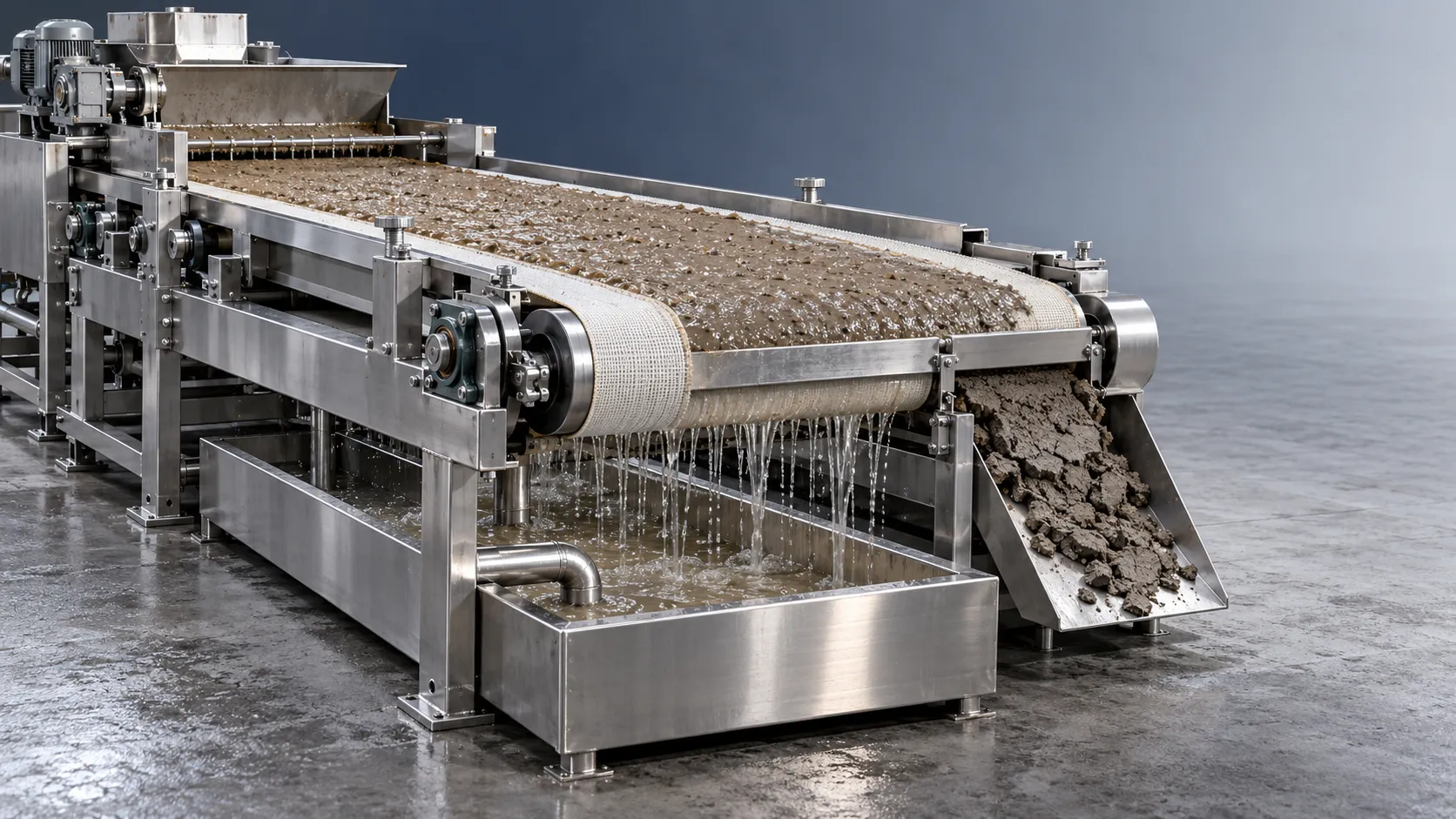
How solids concentration affects dewatering in waste recovery systems
Optimize waste recovery systems dewatering with insights on solids concentration. Learn to balance throughput, cake dryness, and solids capture while avoiding costly equipment overloads.
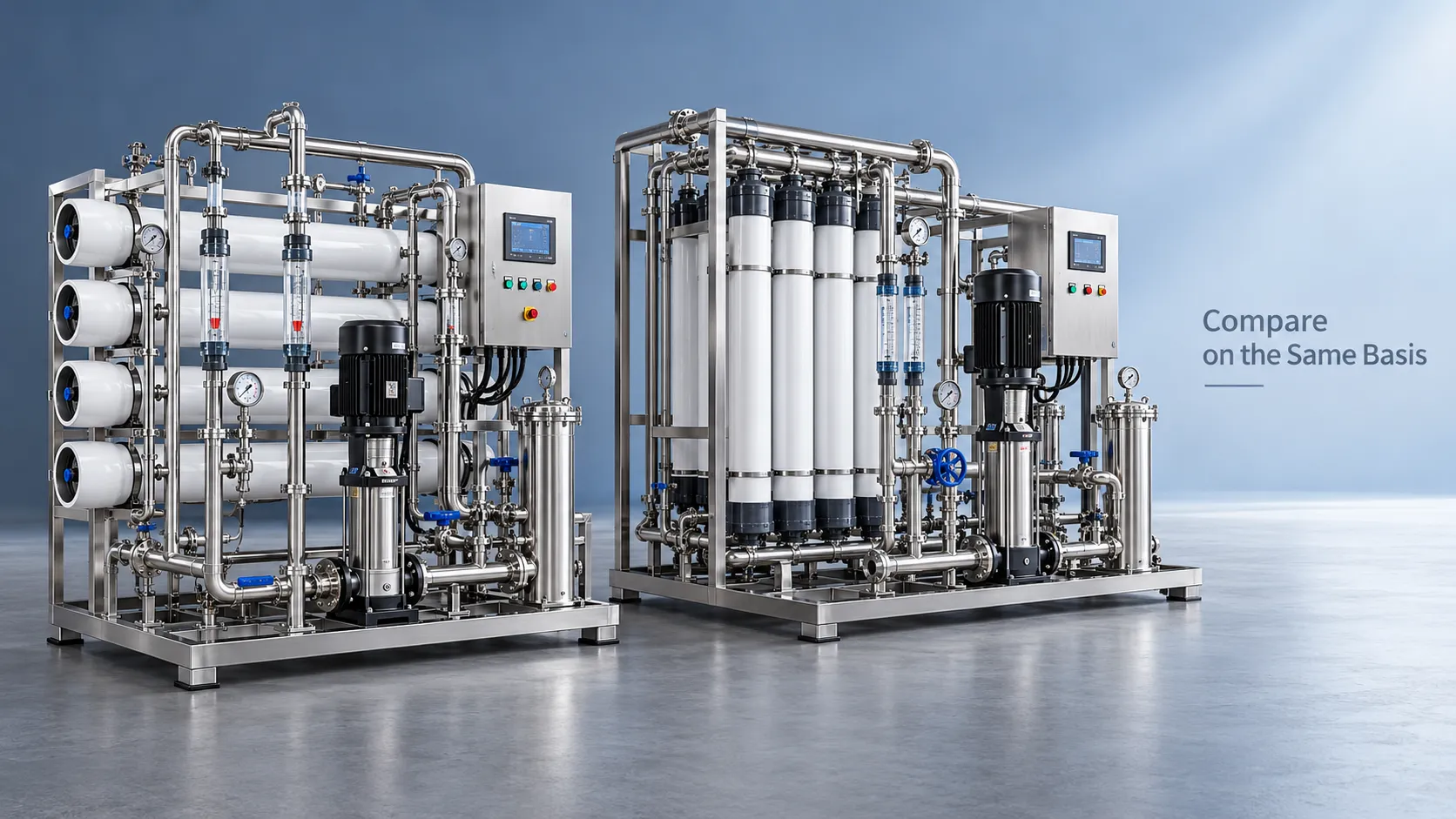
How to compare technical specs in an environmental equipment directory
Use this environmental equipment directory technical guide to compare capacity, energy use, compliance, and supplier evidence. Build a defensible shortlist and choose with confidence.
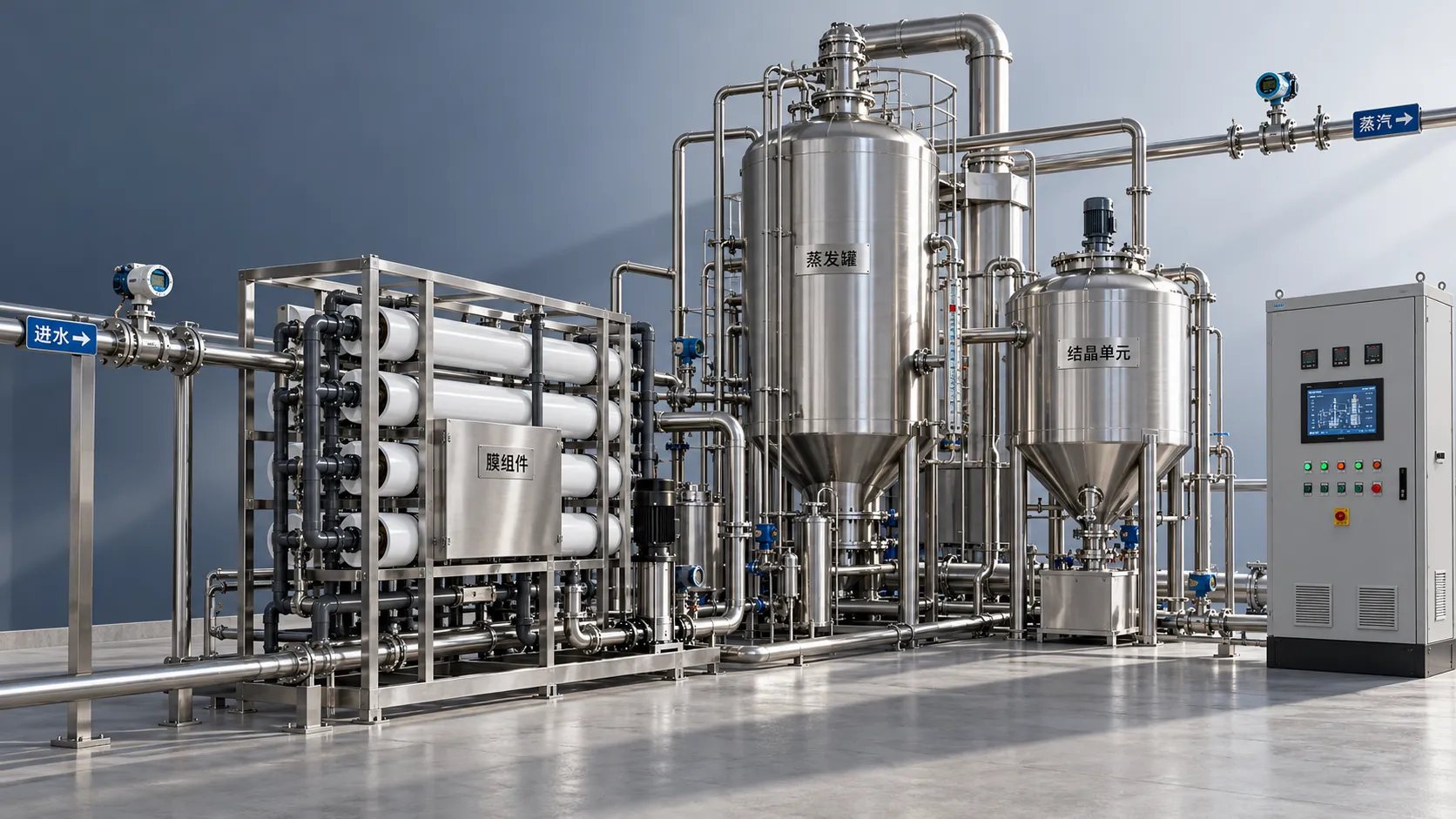
How to assess a zero liquid discharge equipment supplier’s energy claims
Assess a zero liquid discharge equipment supplier’s energy claims. Learn how to verify system boundaries, compare real costs, and demand testable guarantees before you buy.
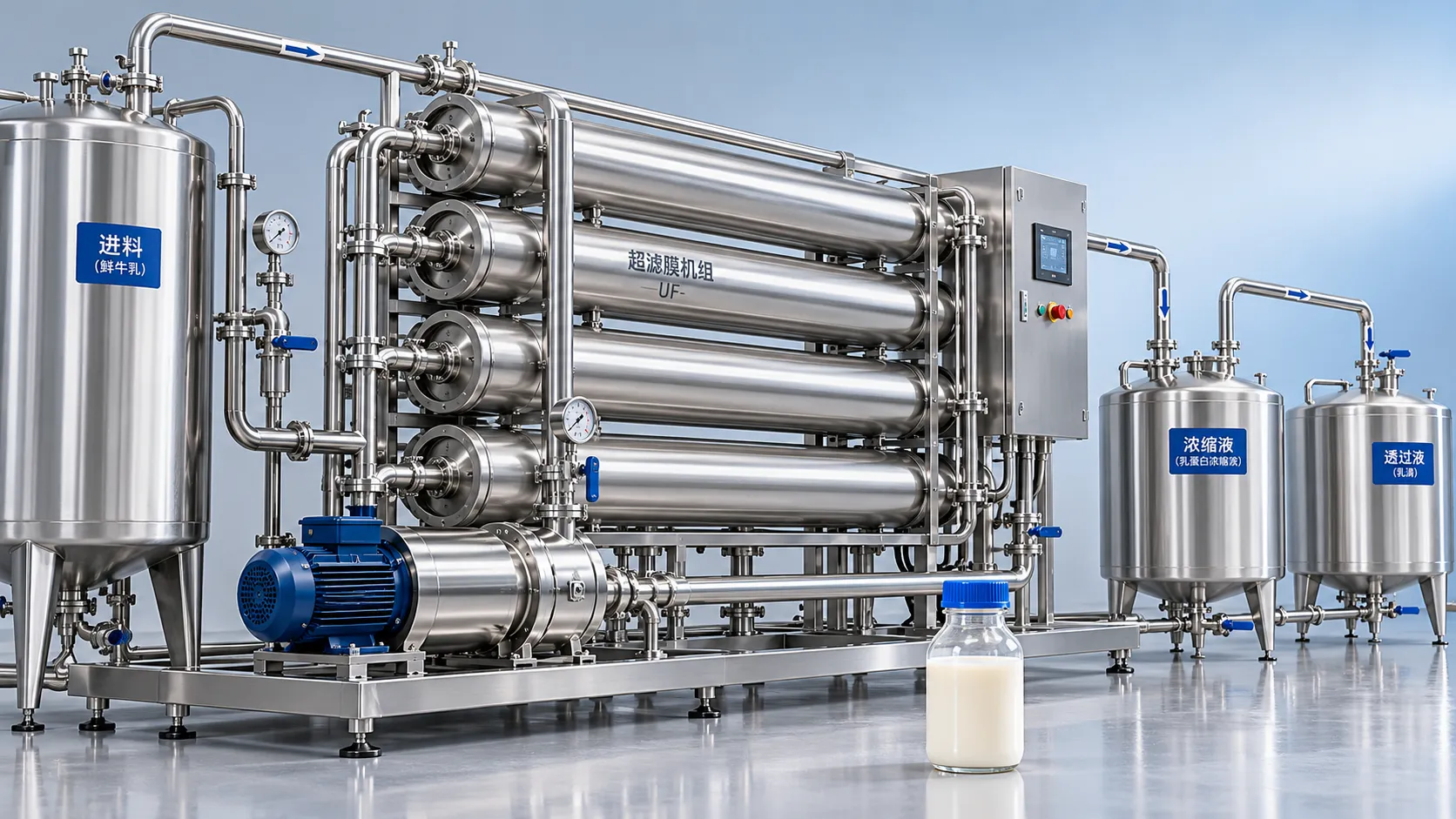
Which membrane filtration process suits dairy protein concentration?
Explore membrane filtration for dairy: compare UF, MF, and RO to select the right process for protein concentration, lactose reduction, and better recovery. Find your best fit.
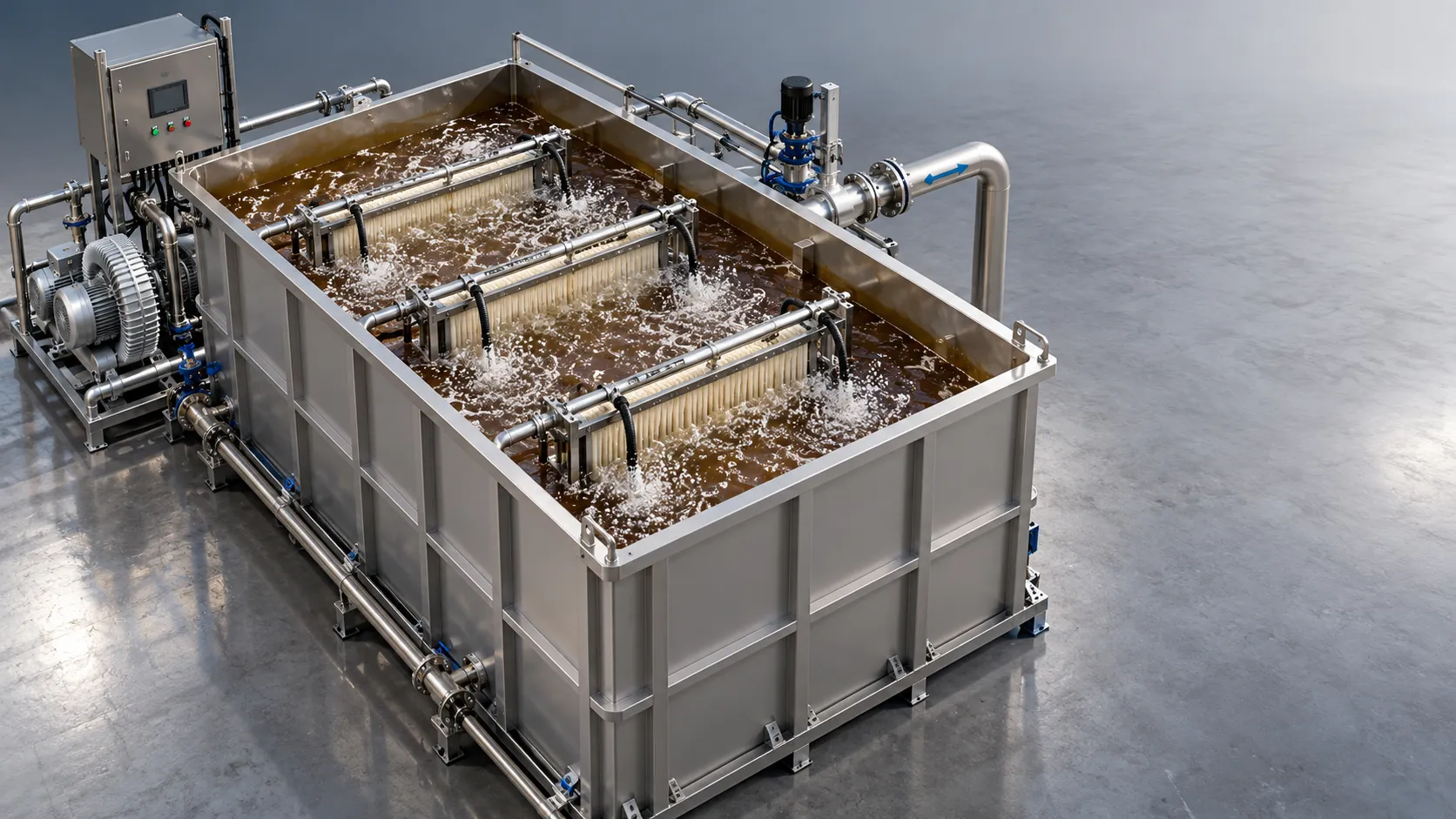
When is an MBR suitable for wastewater purification for bioprocessing?
For wastewater purification for bioprocessing, discover when an MBR fits your needs. Compare water quality, fouling risks, and lifecycle costs before investing.
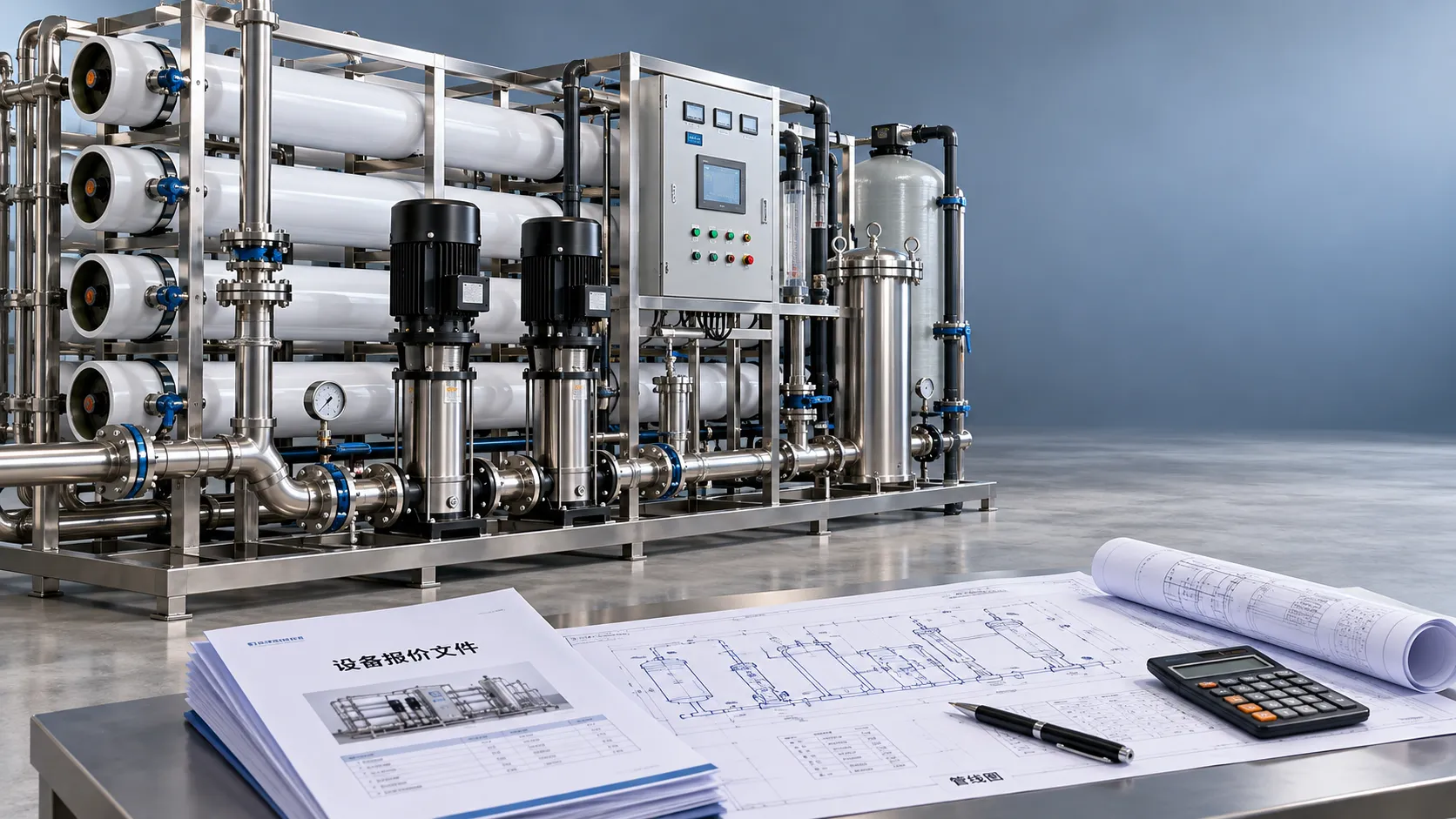
How to check a water treatment quotation for hidden project costs
Review your water treatment quotation for hidden costs, scope gaps, and operating expenses. Learn what to check before signing to protect your budget and avoid costly surprises.
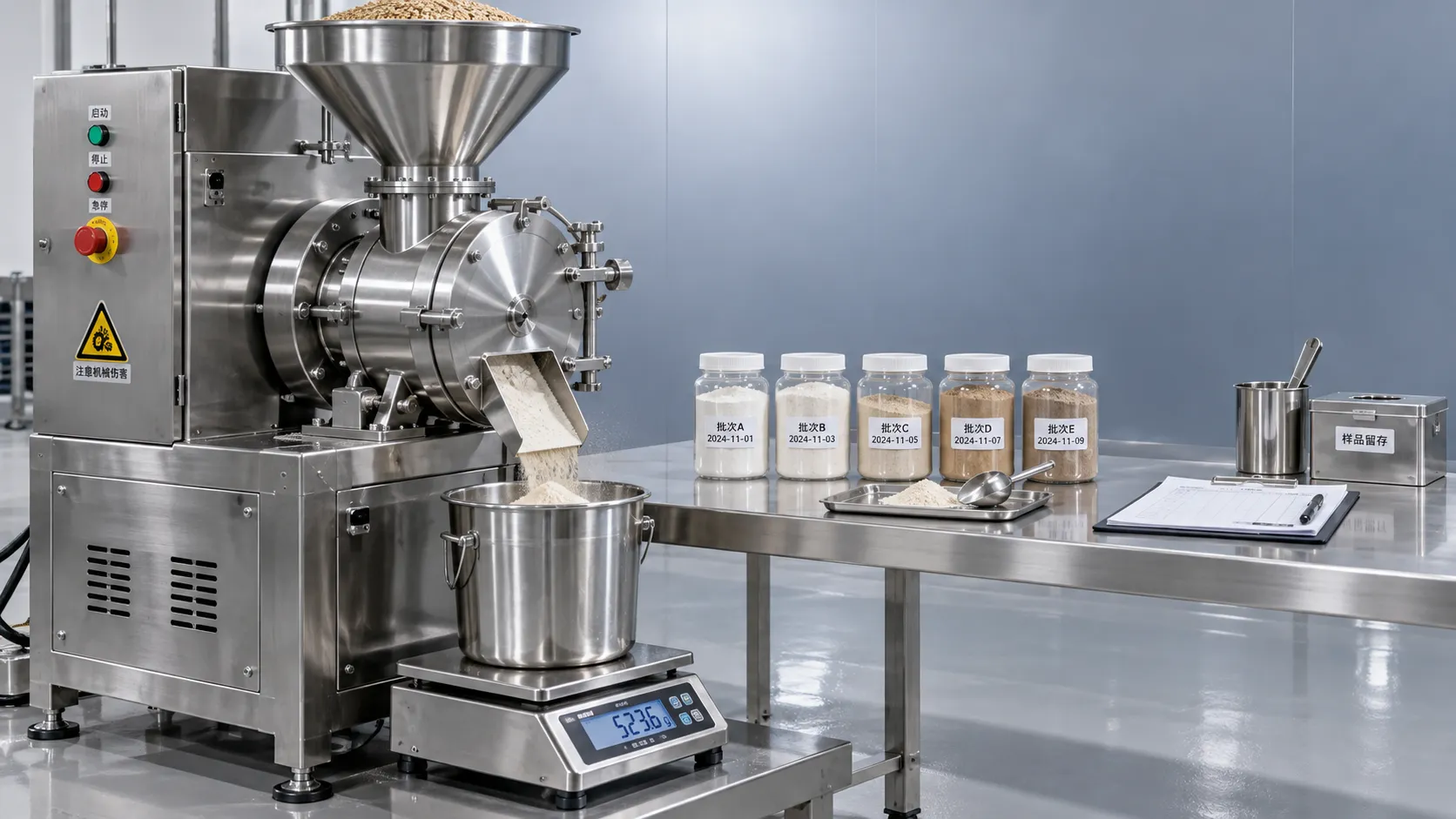
How to vet ingredient processing equipment manufacturers using trials
Vet ingredient processing equipment manufacturers with real-world trials. Learn how to verify yield, cleaning, energy use, and scale-up before you invest.
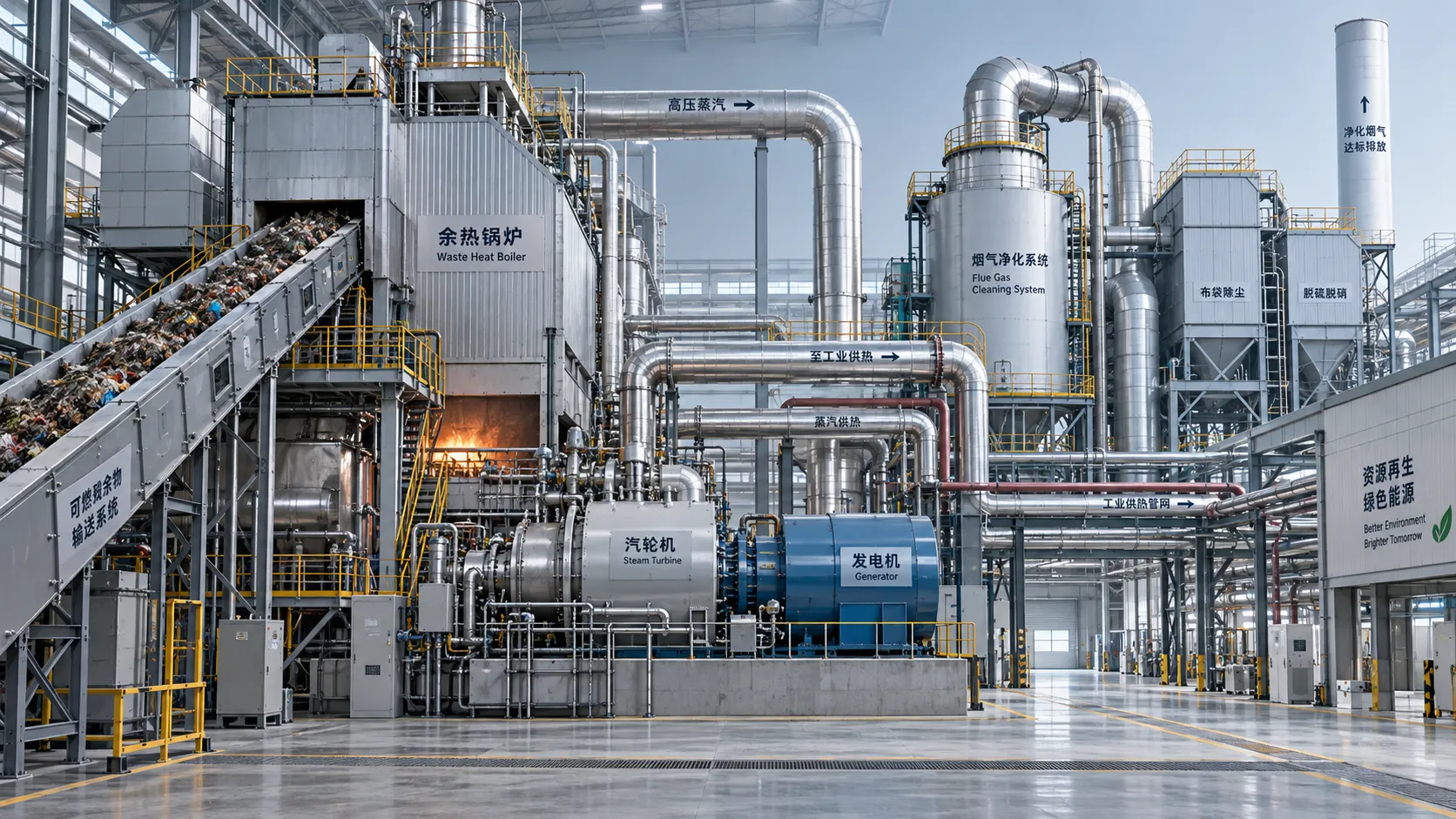
When is energy recovery viable in the solid waste recovery process?
When is energy recovery viable in the solid waste recovery process? Explore feedstock quality, net energy, emissions, and costs to assess feasibility and make smarter investment decisions.
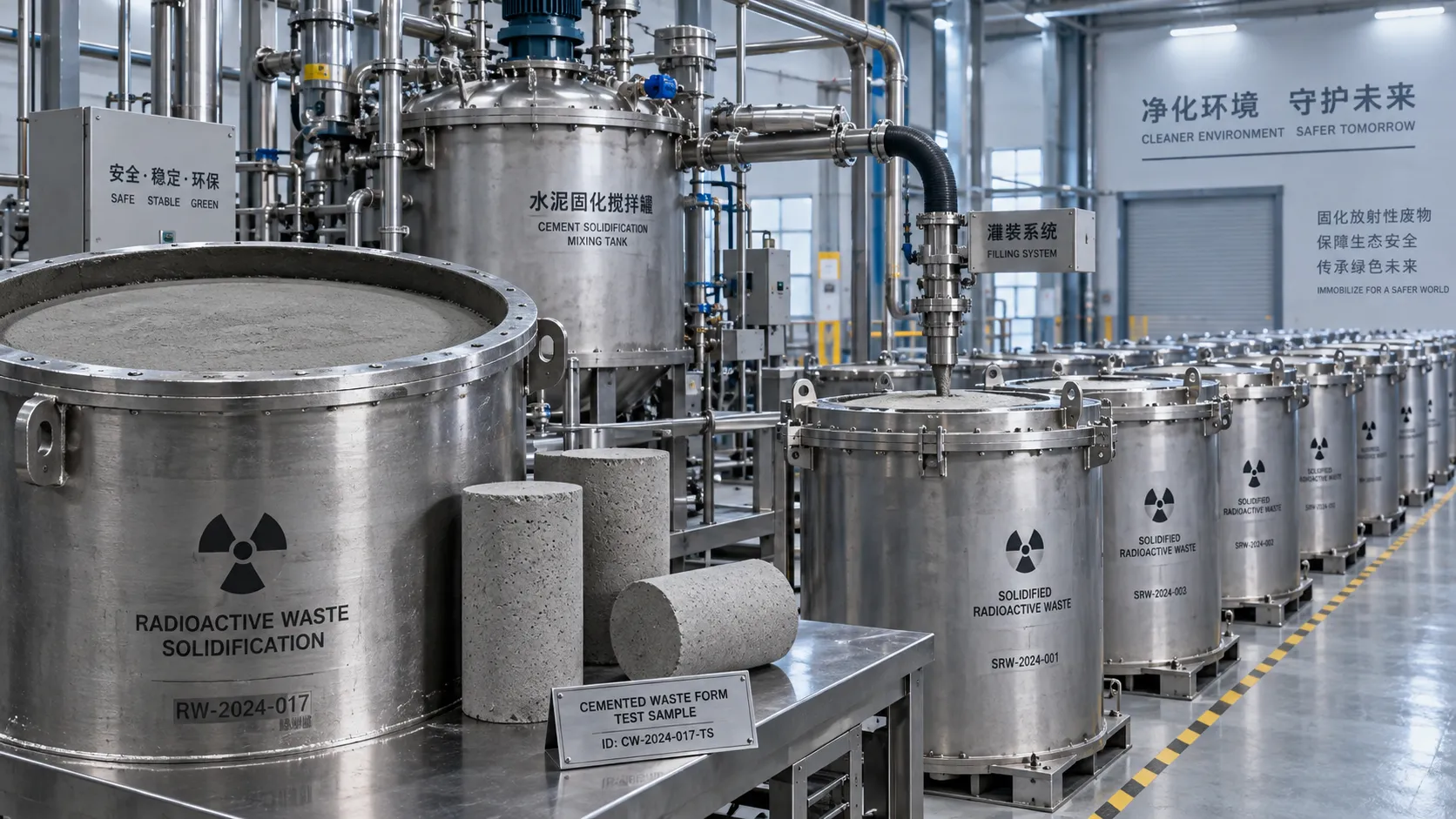
When is cementation suitable for nuclear decommissioning waste?
Explore nuclear waste treatment technology for decommissioning: learn when cementation fits, which risks to assess, and how disposal criteria guide an effective treatment choice.