
Industry News
Curation by industry experts
Hot Articles
Popular Tags
How Wastewater Intelligence Cuts Compliance Risk in 2026
In 2026, wastewater intelligence is becoming a decisive tool for enterprise leaders facing tighter environmental rules, rising operational complexity, and greater reputational exposure. By turning treatment data into actionable compliance insight, companies can detect hidden risks earlier, strengthen reporting accuracy, and make faster capital and operational decisions across industrial water systems.
Why Wastewater Intelligence Matters More in 2026
Environmental compliance is no longer a narrow reporting task. It now connects permits, discharge quality, energy use, sludge handling, chemical dosing, and public transparency.
Across the comprehensive industry landscape, wastewater intelligence helps connect these moving parts. It transforms raw plant signals into evidence for faster intervention and stronger regulatory confidence.
That matters because wastewater systems now operate under stricter limits, shorter reporting windows, and closer scrutiny from insurers, investors, and regulators.
A missed anomaly in ammonia, COD, salinity, pH, or membrane performance can escalate from an operations issue into a compliance event within hours.
Wastewater intelligence reduces that gap. It links sensors, SCADA records, laboratory results, maintenance logs, and permit thresholds into one practical decision layer.
A 2026 Checklist for Cutting Compliance Risk
Use the following wastewater intelligence checklist to evaluate whether a treatment operation is truly compliance-ready, not just data-rich.
- Map every regulated discharge point, side stream, reuse loop, and bypass line so wastewater intelligence covers the full hydraulic and compliance boundary.
- Verify sensor reliability by checking calibration frequency, drift history, signal gaps, and redundancy for pH, flow, turbidity, conductivity, TOC, and nutrient parameters.
- Align operational dashboards with permit language so wastewater intelligence flags actual compliance triggers, not only generic process deviations or equipment alarms.
- Integrate laboratory data with online monitoring to detect silent nonconformities that instruments may miss during fouling, interference, or unstable influent conditions.
- Set risk-based alert thresholds below permit limits so teams gain enough response time for equalization, recirculation, chemical adjustment, or temporary load reduction.
- Track cause-and-effect relationships between influent variability, dosing changes, aeration intensity, sludge age, and final effluent quality across seasons and campaigns.
- Audit data lineage from sensor to report so wastewater intelligence can support regulator review, internal investigations, and insurance or legal documentation.
- Correlate maintenance records with water quality trends to catch recurring failures in blowers, pumps, valves, diffusers, membranes, clarifiers, and dewatering units.
- Model worst-case discharge scenarios using historical upsets, storm inflow, toxic shocks, salinity spikes, or utility interruptions before they become reportable events.
- Review sludge and concentrate handling because compliance risk often shifts downstream into hauling records, reject streams, incineration residues, or ZLD solids management.
- Benchmark energy, chemical, and water reuse performance since inefficient treatment can create secondary compliance exposure under carbon and resource reporting rules.
- Assign ownership for each alert, investigation path, and corrective action so wastewater intelligence leads to response, not dashboard fatigue.
How the Checklist Applies Across Key Scenarios
Industrial Wastewater and High-Strength Effluent
High-strength industrial wastewater creates fast-moving compliance risk. Load swings in COD, metals, solvents, oils, and salinity can destabilize treatment before standard reports reveal the problem.
Here, wastewater intelligence should focus on influent fingerprinting, equalization performance, toxicity detection, and early-warning models tied to production schedules and batch changes.
Municipal Systems Under Capacity Pressure
Municipal plants face pressure from aging assets, wet weather, nutrient limits, and public visibility. Compliance risk often emerges from overload periods rather than average daily performance.
Wastewater intelligence can identify infiltration patterns, storm-related bypass risk, blower inefficiency, clarifier stress, and permit exposure during peak hydraulic events.
Desalination, Reuse, and Advanced Water Recovery
In advanced systems, compliance is not limited to final water quality. It also includes brine management, membrane cleaning waste, antiscalant carryover, and concentrate discharge controls.
Wastewater intelligence supports these operations by linking membrane differential pressure, recovery rate, cleaning cycles, and reject chemistry with discharge permits and reuse specifications.
Integrated Resource Recovery and Circular Systems
Facilities pursuing circular economy goals often recover water, energy, heat, nutrients, or solids. That creates value, but also more interfaces where compliance accountability can blur.
Effective wastewater intelligence keeps traceability intact across digesters, sidestream treatment, phosphorus recovery, condensate handling, and off-site residual management.
Commonly Missed Risks That Wastewater Intelligence Should Catch
Unmonitored Side Streams
Returned filtrate, cleaning waste, tanker unloads, and maintenance drain-downs often bypass normal attention. These streams can trigger spikes that appear mysterious without better wastewater intelligence coverage.
Data Without Regulatory Context
Many facilities collect huge volumes of data but fail to tie them to permit conditions, averaging rules, sampling methods, or reporting deadlines. That weakens compliance defensibility.
Poor Alarm Design
If every fluctuation creates an alarm, operators stop trusting alerts. Wastewater intelligence should distinguish nuisance variation from true risk escalation and response priority.
Disconnected Maintenance and Compliance Teams
A failing valve, fouled probe, or overloaded blower may be logged as maintenance work, while compliance teams only see delayed quality deterioration. Joined intelligence closes that gap.
Underestimating Reputation Exposure
In 2026, discharge incidents spread quickly through public databases, media coverage, and local stakeholder networks. Wastewater intelligence helps prevent technical problems from becoming trust failures.
Practical Execution Steps
- Start with one high-risk process train and build a wastewater intelligence model around the most sensitive compliance variables.
- Standardize tag names, sampling intervals, and unit conversions before connecting plant, lab, and reporting data.
- Create escalation logic for warning, action, and reportable thresholds with named response owners and target closure times.
- Run monthly exception reviews that compare alarms, incidents, root causes, corrective actions, and repeat patterns.
- Test emergency scenarios using historical events, including toxic shock loads, membrane failure, power loss, and wet-weather surges.
- Document every assumption used in analytics so wastewater intelligence remains transparent during audits and permit discussions.
Conclusion and Next Action
Wastewater intelligence is no longer optional infrastructure for advanced environmental operations. In 2026, it is a practical control layer for reducing compliance risk, protecting asset reliability, and improving reporting confidence.
The fastest next step is to perform a structured gap review using the checklist above. Identify where wastewater intelligence is missing, fragmented, or detached from permit logic.
Once that baseline is clear, prioritize the discharge points, data flows, and alert pathways most likely to create financial, legal, or reputational exposure.
That is how wastewater intelligence stops being a monitoring concept and becomes a measurable compliance advantage.
Recommended News
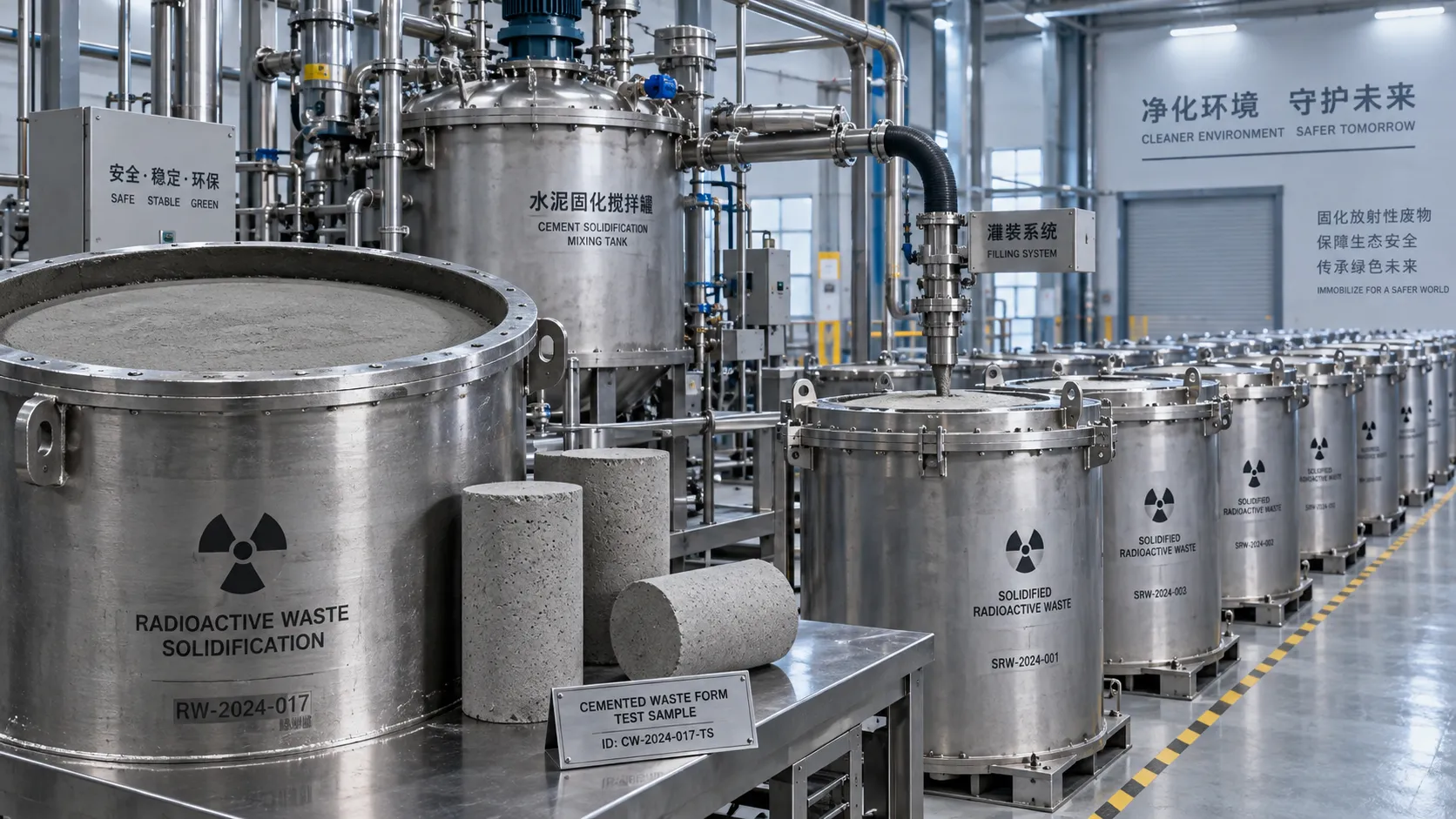
When is cementation suitable for nuclear decommissioning waste?
Explore nuclear waste treatment technology for decommissioning: learn when cementation fits, which risks to assess, and how disposal criteria guide an effective treatment choice.
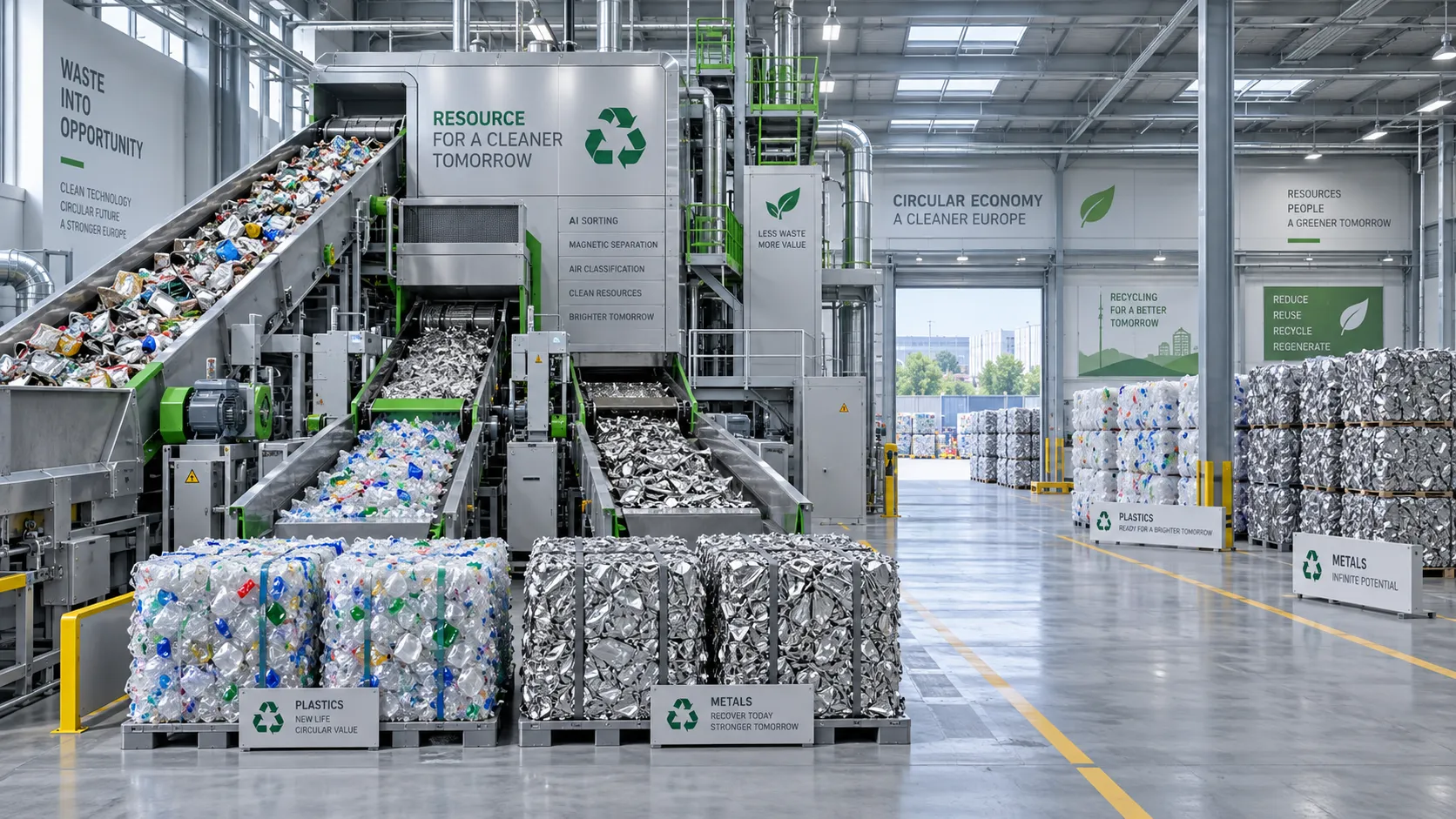
What determines payback for waste-to-resource systems in Europe?
Assess waste-to-resource systems Europe-wide: compare feedstock, recovery yields, costs and contracts to uncover payback drivers and make smarter investment decisions.
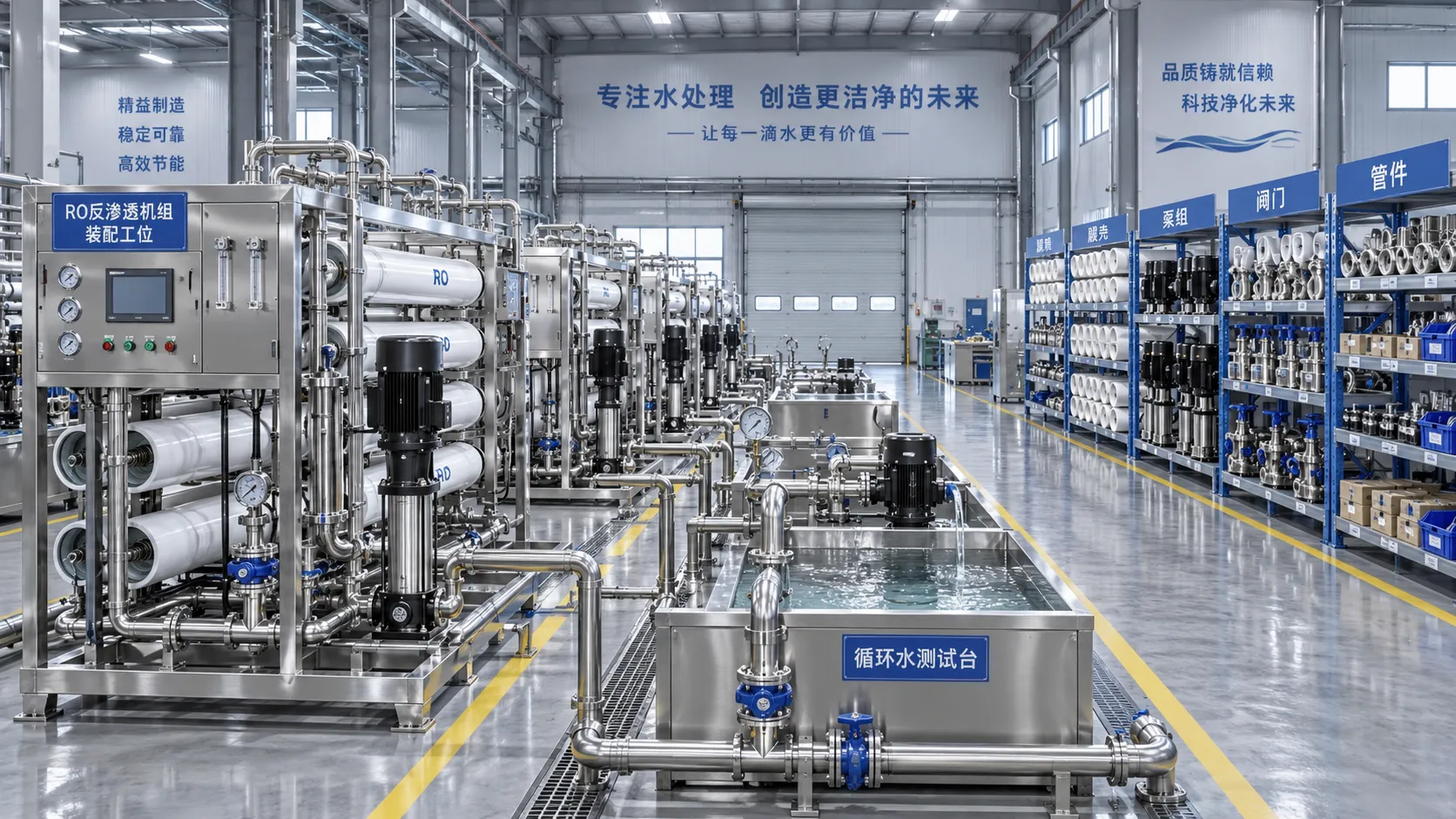
How to verify a water treatment system factory’s production capacity
Verify a water treatment systems factory’s production capacity through records, bottlenecks, component availability, and testing. Learn what to check before accepting a delivery promise.
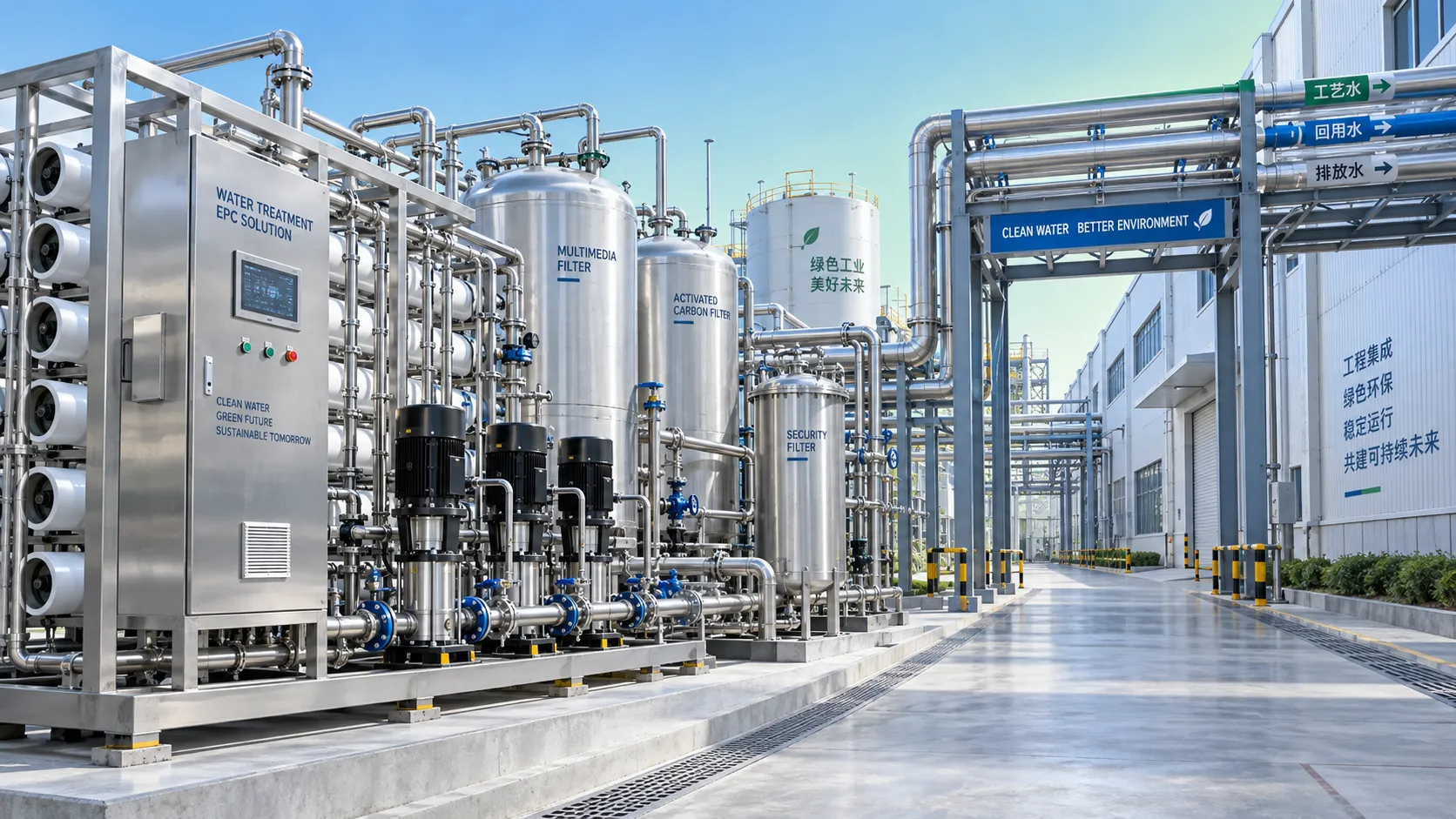
When does EPC environmental project support reduce delivery risk?
EPC environmental project support engineering reduces delivery risk by aligning design, procurement, compliance, construction, and commissioning decisions.
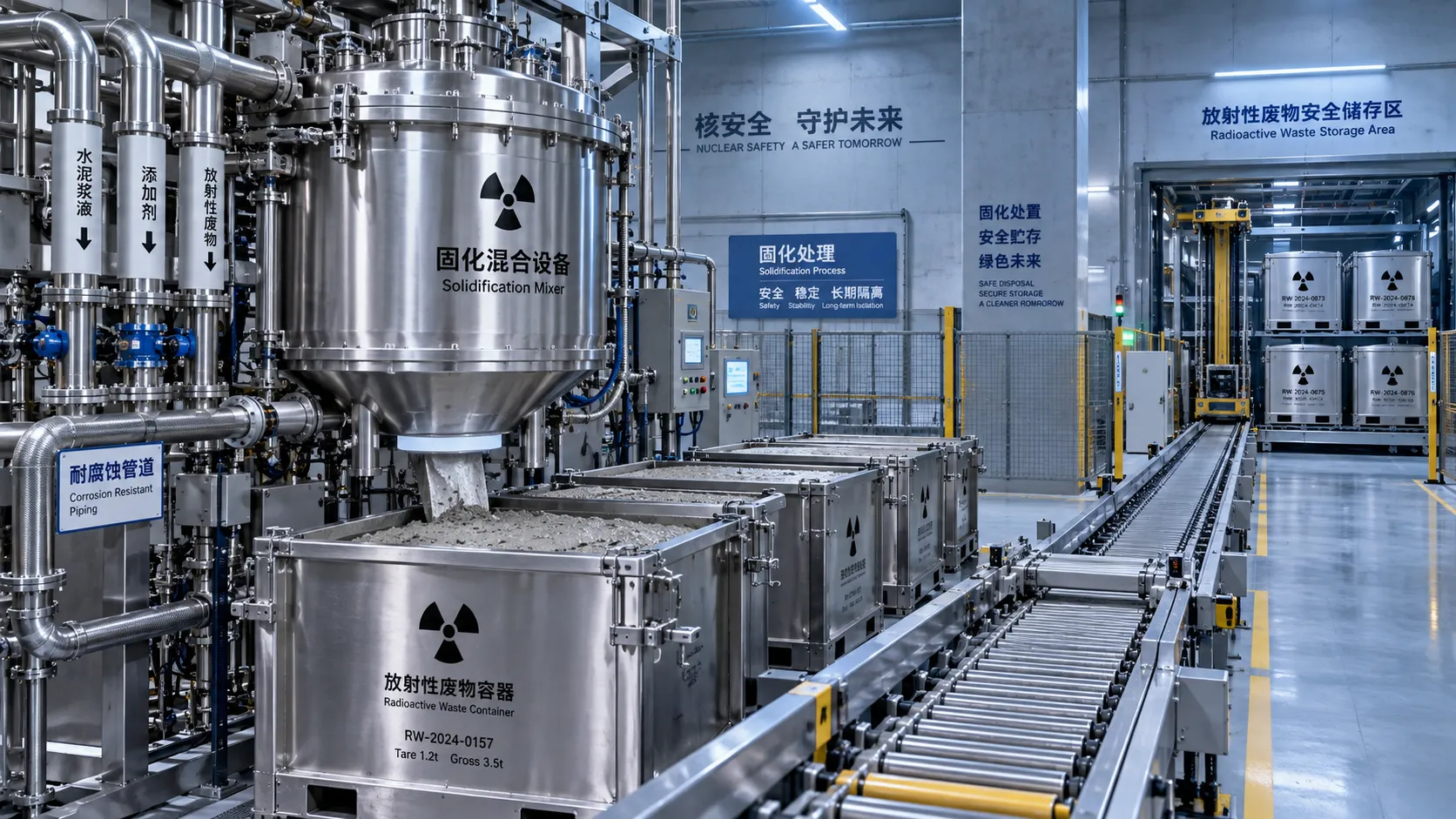
How nuclear plants select a radioactive waste solidification method
Radioactive waste management for nuclear plants: compare vitrification, cementation, polymers, and ceramics to select a compliant, durable solidification solution.
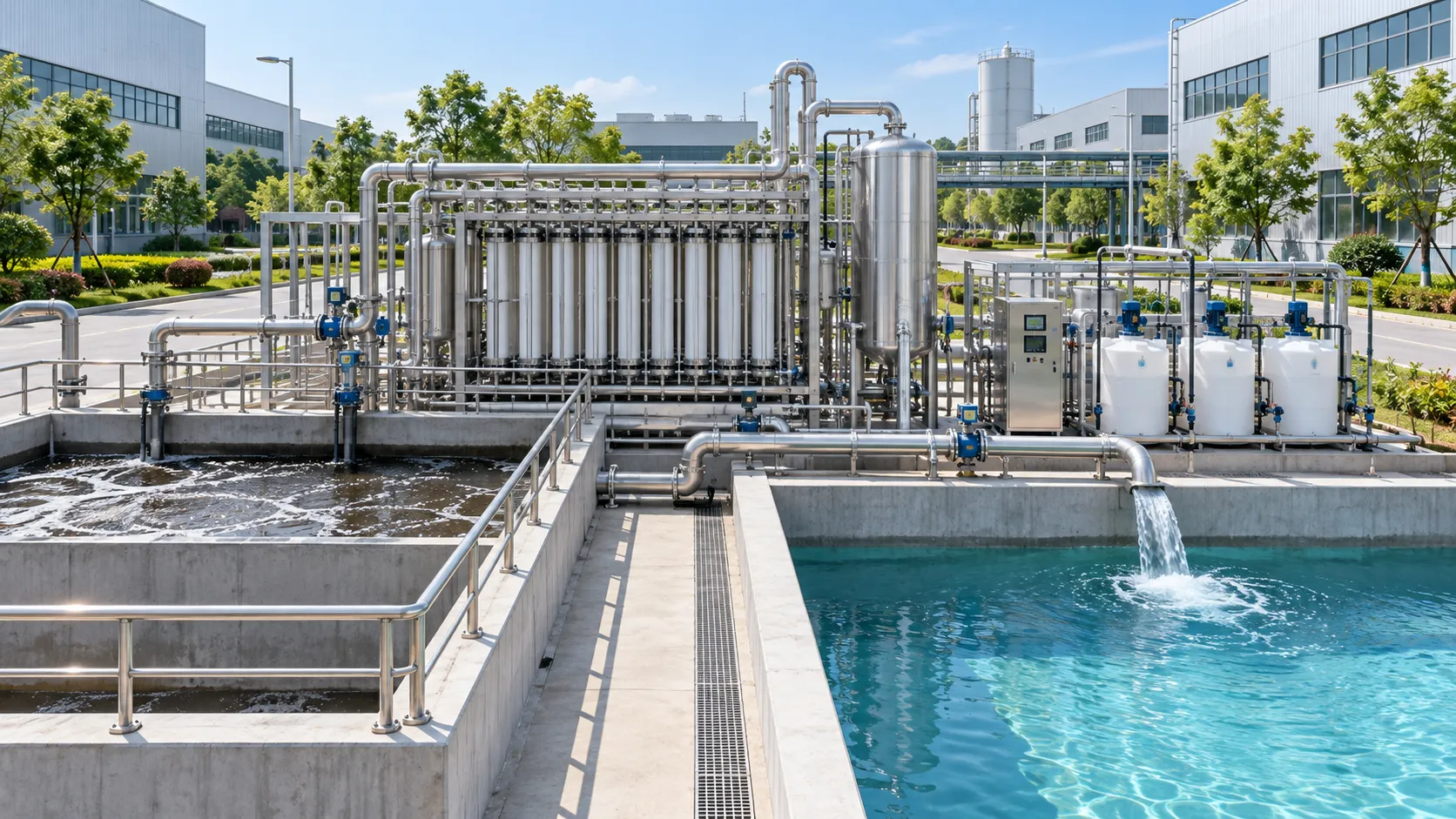
Comparing Upgrade Costs for Industrial Park Wastewater Treatment Systems
Compare costs for wastewater system upgrades in industrial parks with a lifecycle view of CAPEX, OPEX, compliance, resilience, and future expansion.
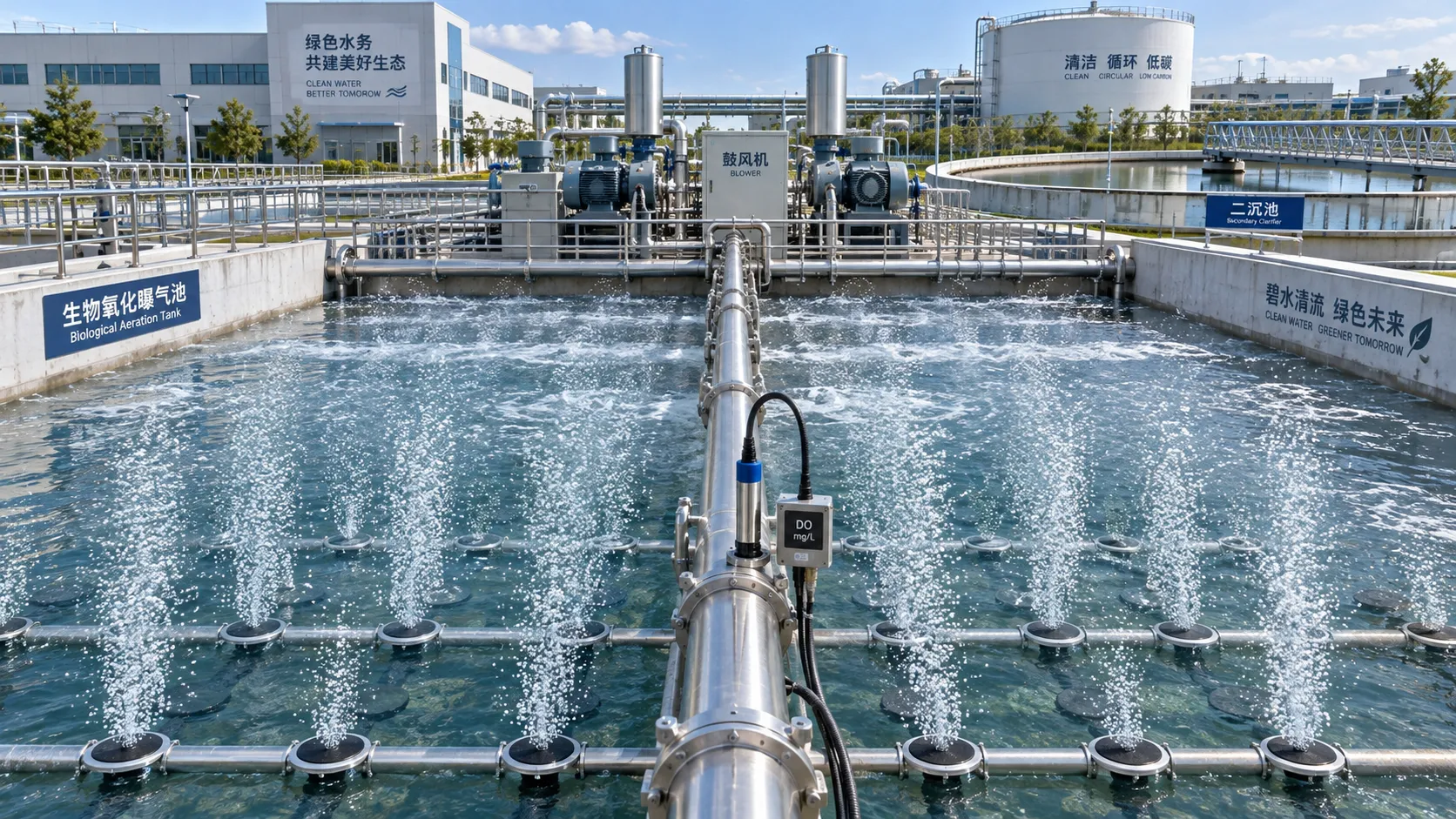
Biological Wastewater Oxidation Explained: Aeration Demand and Process Control
Biological wastewater oxidation explained: optimize aeration demand, DO control, nitrification, and sludge age for stable effluent quality and lower energy costs.
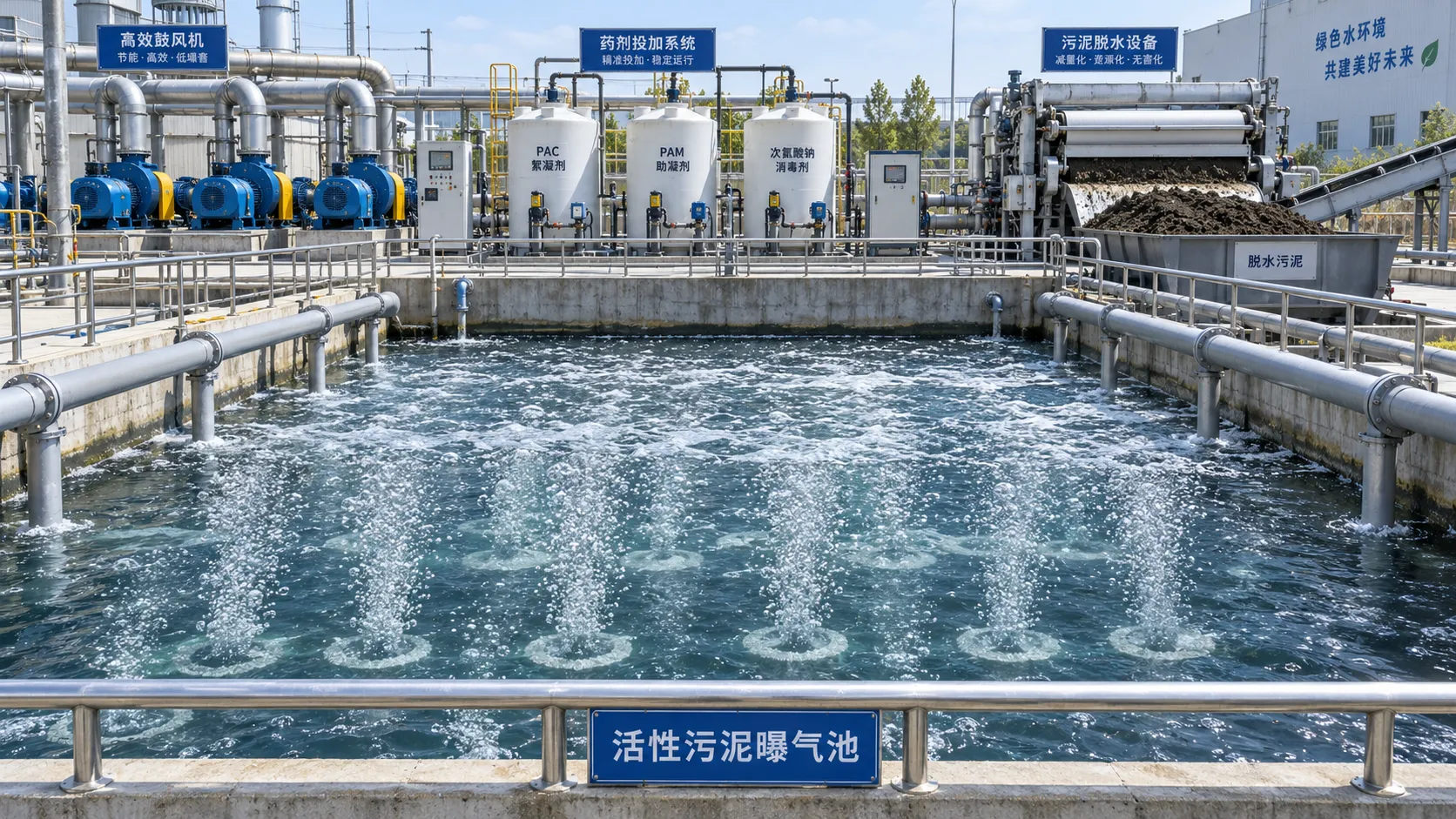
Activated Sludge Cost: Budgeting Energy, Chemicals, Sludge, and Labor
Activated sludge cost explained: compare energy, chemicals, sludge disposal, labor, and compliance risks to build a reliable lifecycle budget.
When Should Municipal Wastewater Plants Upgrade Treatment Capacity and Controls?
Municipal wastewater treatment upgrades: learn when capacity, controls, and resilient planning are needed to protect compliance and optimize plant performance.