
Industry News
Curation by industry experts
Hot Articles
Popular Tags
Water Crisis Solutions: Which Projects Scale Fast?
Water crisis solutions are no longer defined by ambition alone, but by execution speed. The central question is simple: which projects can scale fast without weakening compliance, reliability, or long-term economics?
Across industry, utilities, and public infrastructure, the fastest-moving water crisis solutions are those with proven permitting paths, modular construction logic, and bankable operating models. Speed now depends less on concept novelty and more on deployment discipline.
For an intelligence platform like ESD, this shift matters deeply. Large water treatment, desalination, resource recovery, and compliance strategy now converge around one operational priority: scalable delivery under pressure.
Why water crisis solutions are shifting from megaproject ambition to fast deployment
The water sector has entered a compressed decision cycle. Drought intensity, industrial expansion, aging networks, and stricter discharge rules are forcing earlier action across regions.
Traditional large civil works still matter. However, many slow-moving assets face land constraints, public review delays, grid limitations, and complex procurement structures.
That is why practical water crisis solutions increasingly favor retrofit-ready systems, modular treatment trains, and phased capacity additions. These options reduce interface risk and compress time to operation.
In parallel, investors and regulators now ask tougher questions. Can a project deliver water security quickly? Can it meet discharge, energy, and resilience standards over the full asset life?
The strongest trend signals point to modular, reuse, and desalination-linked expansion
Several trend signals explain which water crisis solutions are gaining momentum. They are visible across municipal systems, industrial clusters, and coastal supply strategies.
- Water reuse is moving faster because it upgrades existing flows instead of creating entirely new raw water systems.
- Containerized and skid-mounted treatment reduces onsite construction time and shortens commissioning windows.
- Desalination remains critical in coastal deficits, especially when paired with proven SWRO lines and energy optimization.
- Industrial ZLD and high-recovery systems gain traction where discharge permits tighten faster than freshwater access improves.
- Digital monitoring strengthens financing confidence by improving uptime, traceability, and compliance reporting.
Among these, water reuse often scales fastest inland. It uses known influent streams, existing utility interfaces, and clearer public value narratives than some greenfield alternatives.
Which water crisis solutions scale fastest in real project pipelines
Not all water crisis solutions expand at the same speed. Delivery timelines depend on permitting complexity, civil scope, feedwater certainty, and power intensity.
The fastest water crisis solutions are usually retrofit reuse, industrial recycling, and modular desalination. They fit existing demand centers and avoid some of the slowest civil interfaces.
Why reuse often leads
Reuse projects benefit from predictable source water and nearby demand. That lowers pipeline length, land acquisition risk, and coordination across multiple agencies.
Advanced treatment trains can also be added in phases. This supports staged capital release and lets operators expand after performance validation.
Why desalination still matters
Desalination remains one of the most strategic water crisis solutions where natural freshwater is structurally insufficient. Coastal growth corridors cannot ignore that reality.
Yet large SWRO plants scale fast only when intake, outfall, energy, and procurement planning begin early. Technical maturity does not eliminate execution bottlenecks.
The main forces accelerating or slowing water crisis solutions
Project velocity is shaped by a few recurring drivers. These factors matter more than headline capacity when comparing water crisis solutions.
The pattern is clear. Water crisis solutions accelerate when engineering complexity is standardized and when stakeholders can verify performance before full expansion.
What these scaling choices mean across infrastructure and operations
Fast-scaling water crisis solutions do more than add capacity. They reshape how assets are specified, financed, and operated across the broader environmental system.
For municipal networks, reuse and decentralized polishing reduce dependence on distant supply projects. They also create more resilient contingency options during seasonal stress.
For industrial sites, recycling and ZLD-linked upgrades reduce freshwater exposure, strengthen permit resilience, and support continuity under tighter discharge enforcement.
For large engineering ecosystems, the opportunity shifts toward systems integration. Pretreatment, membranes, automation, energy recovery, brine handling, and digital compliance must work as one platform.
- Retrofit compatibility now influences technology selection more than theoretical peak performance.
- Operational visibility matters because financiers increasingly value measurable reliability.
- Compliance design must begin early, not after process selection.
- Energy-water tradeoffs are becoming central in all major water crisis solutions.
Where attention should focus before choosing water crisis solutions
Before advancing any shortlist, several checkpoints deserve close attention. These points often determine whether water crisis solutions scale smoothly or stall after announcement.
- Confirm source water stability, including seasonal and industrial variability.
- Map the full permitting path, including discharge, marine, land, and energy approvals.
- Test phased expansion logic instead of assuming one-step capacity buildout.
- Evaluate pretreatment robustness, not only membrane or core process efficiency.
- Review brine, sludge, and concentrate handling as strategic design issues.
- Link digital monitoring to compliance evidence and lifecycle optimization.
- Assess power availability and energy price sensitivity from day one.
These checkpoints are especially important for desalination, industrial reuse, and advanced wastewater projects, where hidden interface risks can erase schedule gains.
A practical decision path for ranking water crisis solutions
A useful ranking framework should balance speed, resilience, compliance, and cost. The best water crisis solutions are rarely the cheapest on paper or the largest by volume.
- Start with the fastest bankable option that addresses the nearest supply or discharge constraint.
- Prioritize modular phases that can operate independently if later expansion slows.
- Use proven treatment blocks where feedwater quality is uncertain.
- Reserve megaproject scope for locations with stable policy support and clear demand growth.
- Integrate compliance, data, and energy strategy into the base design package.
In many cases, the winning sequence is not one project, but a layered portfolio. Reuse can stabilize near-term demand while desalination or major transfer assets build long-term security.
The next move: scale water crisis solutions with intelligence, not urgency alone
The fastest-scaling water crisis solutions today are municipal reuse retrofits, industrial recycling systems, and modular desalination platforms. They move faster because they reduce unknowns, not because they avoid complexity.
Large SWRO and other megaprojects still matter, especially in severe coastal deficits. But they scale well only when compliance planning, power strategy, and system integration mature early.
The most resilient path is disciplined sequencing. Match each project to its permitting reality, water quality profile, and expansion logic. That is how water crisis solutions create both speed and durable value.
For deeper tracking of desalination, ZLD, reuse, and environmental equipment trends, ESD’s intelligence approach supports better timing, sharper technical judgment, and stronger infrastructure decisions.
Recommended News
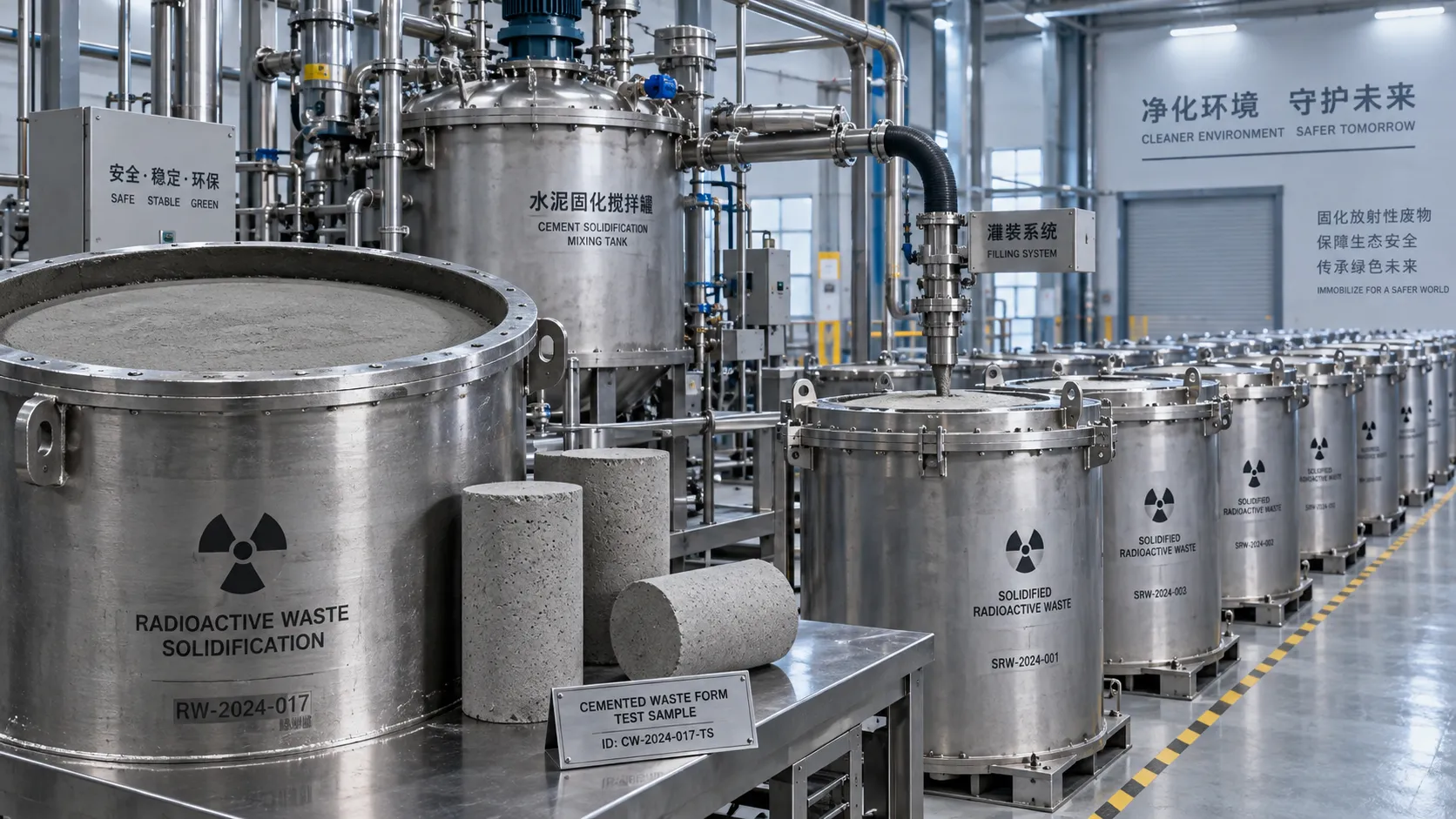
When is cementation suitable for nuclear decommissioning waste?
Explore nuclear waste treatment technology for decommissioning: learn when cementation fits, which risks to assess, and how disposal criteria guide an effective treatment choice.
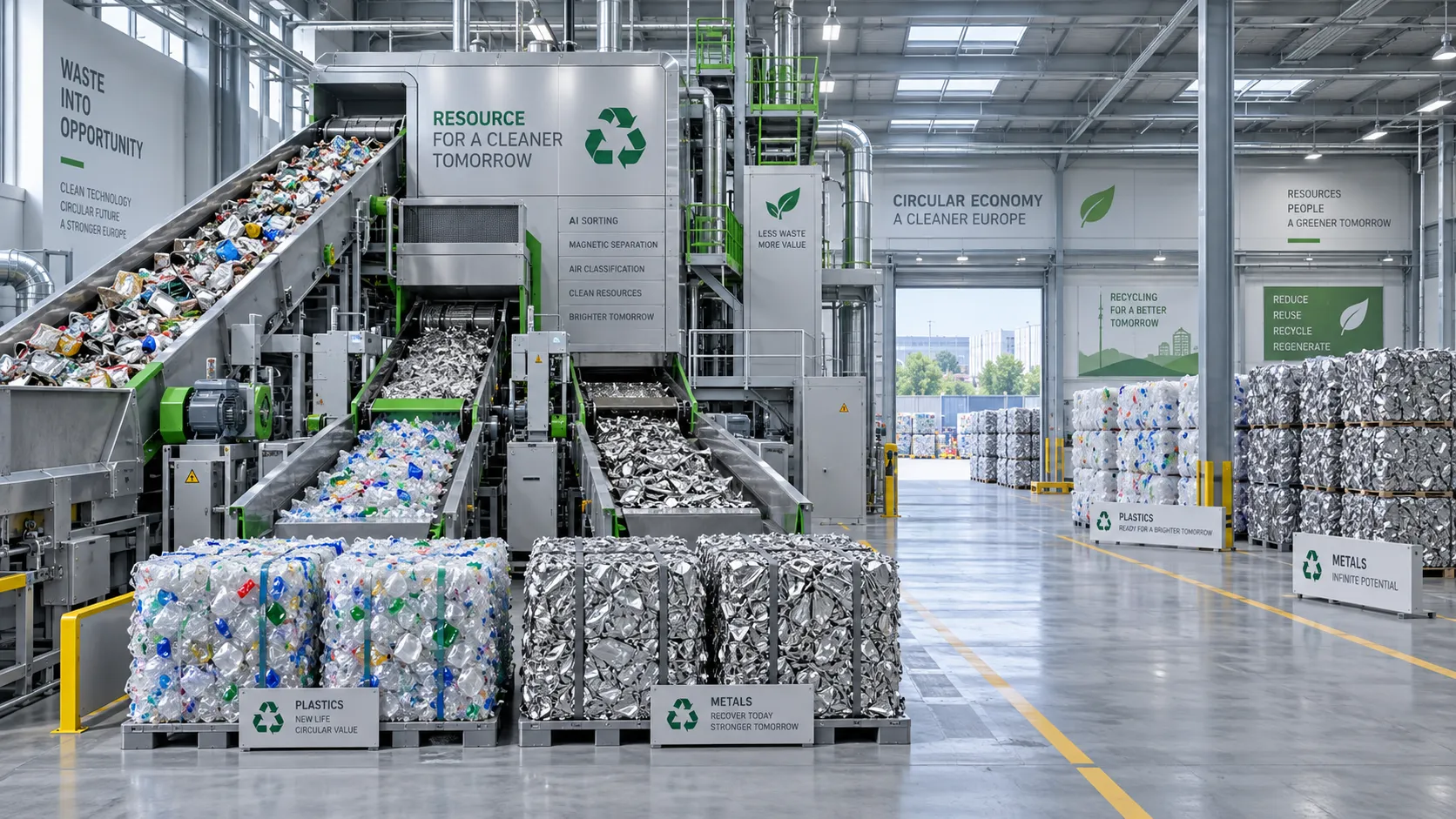
What determines payback for waste-to-resource systems in Europe?
Assess waste-to-resource systems Europe-wide: compare feedstock, recovery yields, costs and contracts to uncover payback drivers and make smarter investment decisions.
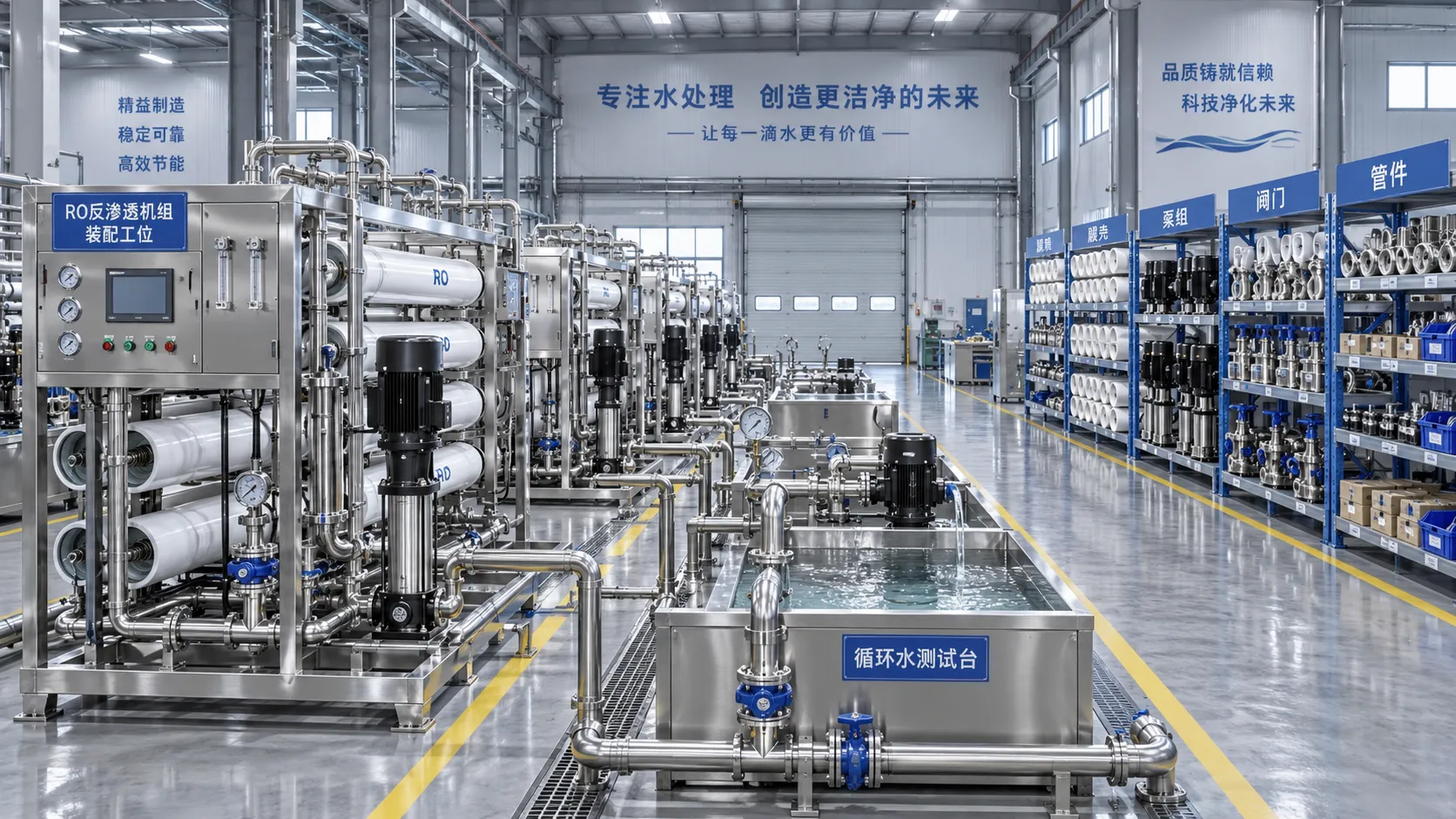
How to verify a water treatment system factory’s production capacity
Verify a water treatment systems factory’s production capacity through records, bottlenecks, component availability, and testing. Learn what to check before accepting a delivery promise.
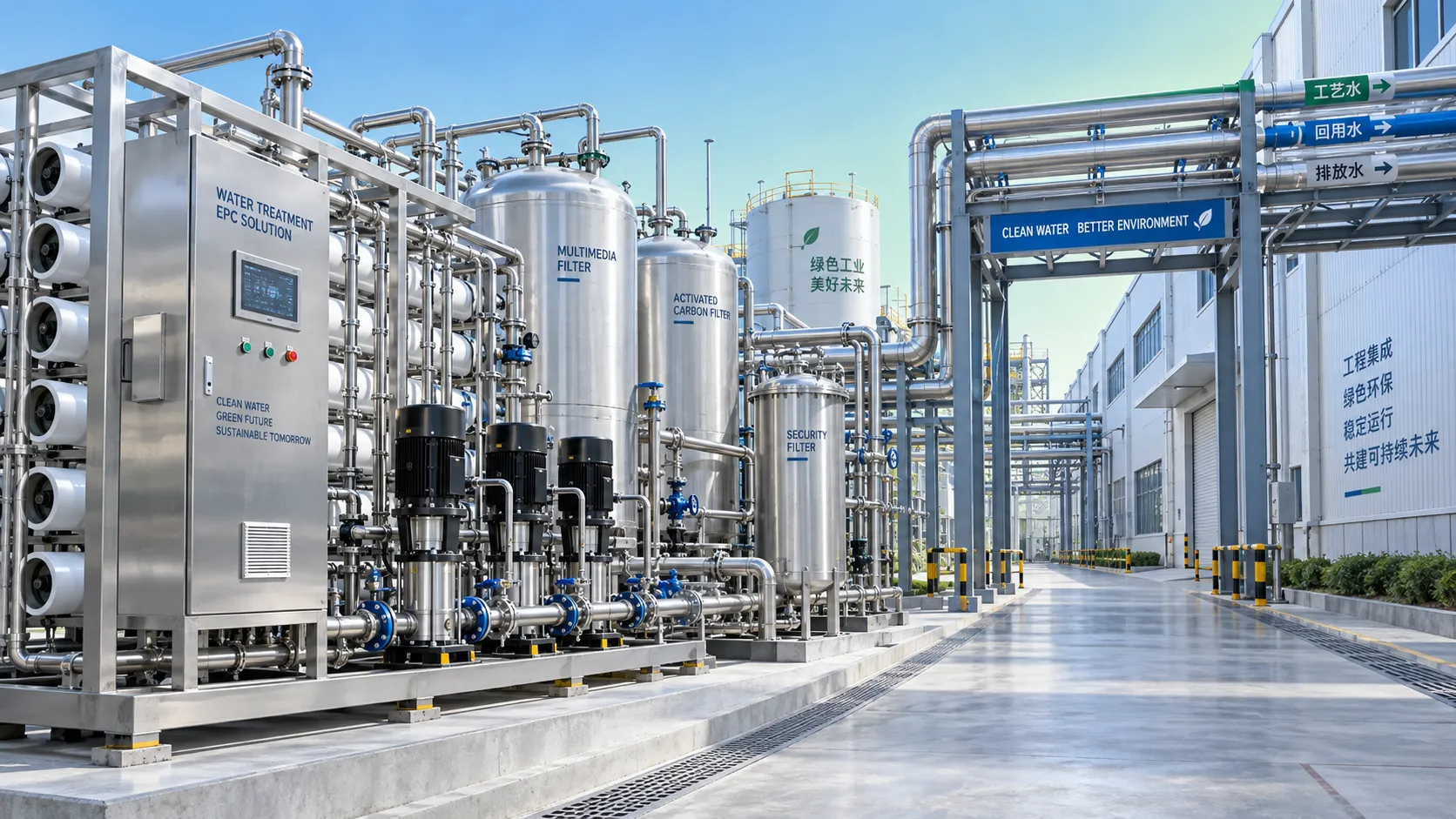
When does EPC environmental project support reduce delivery risk?
EPC environmental project support engineering reduces delivery risk by aligning design, procurement, compliance, construction, and commissioning decisions.
How nuclear plants select a radioactive waste solidification method
Radioactive waste management for nuclear plants: compare vitrification, cementation, polymers, and ceramics to select a compliant, durable solidification solution.
Comparing Upgrade Costs for Industrial Park Wastewater Treatment Systems
Compare costs for wastewater system upgrades in industrial parks with a lifecycle view of CAPEX, OPEX, compliance, resilience, and future expansion.
Biological Wastewater Oxidation Explained: Aeration Demand and Process Control
Biological wastewater oxidation explained: optimize aeration demand, DO control, nitrification, and sludge age for stable effluent quality and lower energy costs.
Activated Sludge Cost: Budgeting Energy, Chemicals, Sludge, and Labor
Activated sludge cost explained: compare energy, chemicals, sludge disposal, labor, and compliance risks to build a reliable lifecycle budget.
When Should Municipal Wastewater Plants Upgrade Treatment Capacity and Controls?
Municipal wastewater treatment upgrades: learn when capacity, controls, and resilient planning are needed to protect compliance and optimize plant performance.