
Industry News
Curation by industry experts
Hot Articles
Popular Tags
Zero Discharge Solutions: Cost, Risk, and Fit for New Projects
Zero discharge solutions have moved from niche environmental upgrades to front-end design questions for new industrial assets. For many projects, the decision is no longer about whether tighter water controls are coming, but whether a zero discharge strategy improves resilience or adds avoidable complexity. The real evaluation sits at the intersection of compliance, process chemistry, utilities, land use, recovery value, and execution risk.
Why zero discharge solutions matter earlier in project planning
In older facilities, discharge reduction is often treated as a retrofit problem. New projects are different. Once plot layout, utility balance, and wastewater segregation are fixed, the economics of zero discharge solutions become harder to change.
That is why the topic now attracts attention across water treatment, resource recovery, desalination-linked industries, mining, chemicals, power, and high-concentration manufacturing. Regulation is one driver, but not the only one.
Water scarcity, permit uncertainty, public scrutiny, and carbon exposure are also reshaping project models. ESD’s market intelligence perspective is useful here because zero liquid discharge rarely stands alone. It connects with solids handling, energy demand, advanced membranes, and broader closed-loop resource logic.
What the term really covers in practice
Zero discharge solutions do not refer to one machine or one standard package. In practice, they describe an integrated treatment train designed to minimize or eliminate liquid effluent leaving the site.
The sequence may include equalization, chemical pretreatment, biological treatment, filtration, reverse osmosis, brine concentration, evaporation, crystallization, and solids recovery. The exact configuration depends on the feedwater profile and the reuse target.
Some sites pursue full Zero Liquid Discharge. Others use near-zero discharge models, where only exceptional stormwater or regulated purge streams leave the boundary. That distinction matters, because it changes both cost and operating philosophy.
A strong design basis starts with one question: what must be prevented from leaving the site, and under which operating scenarios? Daily steady-state water is only part of the answer.
The current industry shift behind the decision
Several trends are pushing zero discharge solutions into strategic discussion. Discharge permits are tightening in many regions, especially for chlorides, selenium, boron, ammonia, and persistent organics. At the same time, freshwater sourcing is becoming more contested.
Industrial projects are also under pressure to show stronger environmental credibility before financing and construction approvals. A site with limited discharge can look more robust during stakeholder review, especially where receiving waters are sensitive.
More importantly, advanced treatment technology has matured. Membrane systems, brine concentrators, thermal units, and digital monitoring tools are better than they were a decade ago. Still, technical maturity does not automatically make every project a good candidate.
The biggest mistake is assuming that zero discharge solutions are always the most future-proof option. In some cases, they are. In others, a hybrid water reuse system delivers a better risk-adjusted result.
Cost is not only capex
The headline cost of zero discharge solutions usually comes from evaporation and crystallization equipment, corrosion-resistant materials, and energy demand. But capital expenditure is only the visible layer.
Operating expenditure can dominate over time. Power consumption, antiscalants, cleaning chemicals, membrane replacement, labor intensity, spare parts, and solids disposal all shape the true lifecycle picture.
There is also indirect cost. A complicated zero discharge system may increase startup time, require more specialist operators, or reduce overall plant availability if the wastewater unit becomes a production bottleneck.
On the positive side, the value side can be real. Water reuse reduces raw water dependence. In some sectors, salts, metals, or other residuals may have recovery value. Faster permitting can also carry project-level financial benefits.
Where project risk usually appears
Most failures do not start with the final evaporator. They start with assumptions made too early. Feedwater composition can shift during ramp-up, product changes, cleaning cycles, or raw material substitutions.
Scaling and fouling risk often sit at the center. High silica, hardness, organics, oil traces, or unexpected metals can compromise membrane recovery and force conservative operation. That pushes more volume into expensive downstream concentration steps.
Risk also appears in solids management. Zero discharge solutions do not eliminate waste; they convert part of the liquid problem into a solids problem. The nature, classification, transport route, and disposal cost of that solid stream must be known early.
Energy integration is another pressure point. A project may technically achieve zero discharge, yet struggle if steam, waste heat, cooling capacity, or power reliability are weak. In energy-intensive sectors, this can affect the overall decarbonization narrative.
Signals that the concept may be misaligned
- Wastewater characterization is based on narrow lab data rather than operating envelopes.
- The site has limited skilled operations support for high-complexity water systems.
- Pretreatment is treated as a minor accessory, not a core performance driver.
- The business case depends on aggressive water recovery assumptions.
- Solid byproduct routes are uncertain or politically exposed.
Which new projects are more likely to fit
Zero discharge solutions usually fit best where discharge permits are structurally difficult, water replacement cost is high, or the site is remote from reliable receiving infrastructure. That includes inland desalination-linked assets, high-salinity chemical plants, mining operations, and water-stressed industrial zones.
They also make sense where water can be reused in a stable way. Boiler makeup, cooling towers, washing systems, and process reuse loops can strengthen the economics when quality targets are clear and consistent.
Some projects adopt zero discharge solutions because the broader development model demands it. Industrial parks, strategic export facilities, and projects exposed to stricter ESG screening may treat water closure as part of license-to-operate, not just utility optimization.
From ESD’s wider lens, this is where treatment, recovery, and compliance intelligence intersect. A system that looks expensive in isolation may be justified when regional policy, utility volatility, and downstream environmental liabilities are priced correctly.
How to evaluate fit before design is locked
A useful assessment starts with water mapping, not technology selection. All inflows, internal recycles, intermittent discharges, clean drains, and contaminated drains need to be separated in the design basis.
Then the decision should move through a practical sequence. The question is not simply whether zero discharge solutions are possible. The question is whether they are robust under upset conditions and realistic operator behavior.
- Define compliance endpoints, including normal, startup, shutdown, and emergency scenarios.
- Build wastewater segregation into plot plan and piping from the start.
- Test feed variability, not only average samples.
- Model recovery, scaling limits, and reject volumes conservatively.
- Check solids classification and off-site handling routes before procurement.
- Compare full ZLD with staged or hybrid zero discharge solutions.
A more realistic comparison framework
Instead of comparing one treatment train with another on capex alone, compare three scenarios: conventional compliant discharge, hybrid high-reuse design, and full zero discharge solutions. This reveals where incremental cost buys meaningful risk reduction.
In many cases, the hybrid option performs surprisingly well. It lowers water demand sharply, reduces permit exposure, and avoids the highest thermal burden. That may be the smarter first-phase choice.
What a strong decision looks like
A strong decision does not assume zero discharge solutions are inherently superior or inherently excessive. It links water chemistry, utility integration, solids fate, regulatory trajectory, and operating capability into one project view.
That is especially important in sectors where environmental systems are no longer peripheral. Large treatment plants, recovery systems, desalination chains, and high-risk waste streams now influence financing, approvals, and long-term competitiveness.
Before the next design gate, it is worth pressure-testing the water balance, validating concentrate assumptions, and comparing phased pathways against full zero discharge solutions. The best outcome is not the most ambitious diagram. It is the option that can survive real operating conditions, future compliance shifts, and the economics of the site over time.
Recommended News
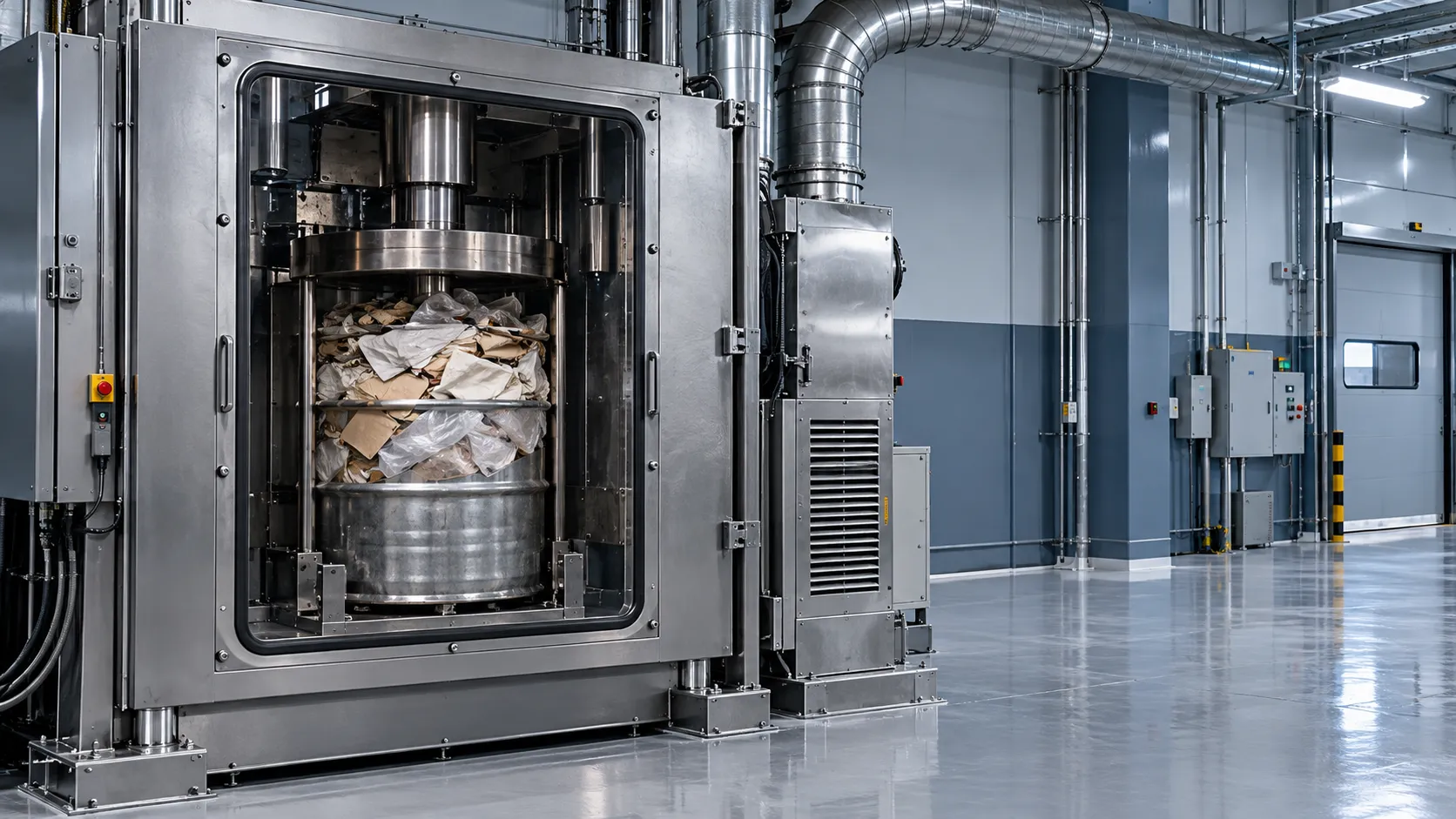
When is compaction suitable for solid nuclear waste treatment?
Is compaction right for solid nuclear waste treatment? Discover suitable waste streams, key safety checks, and disposal requirements to reduce package volume and optimize costs.
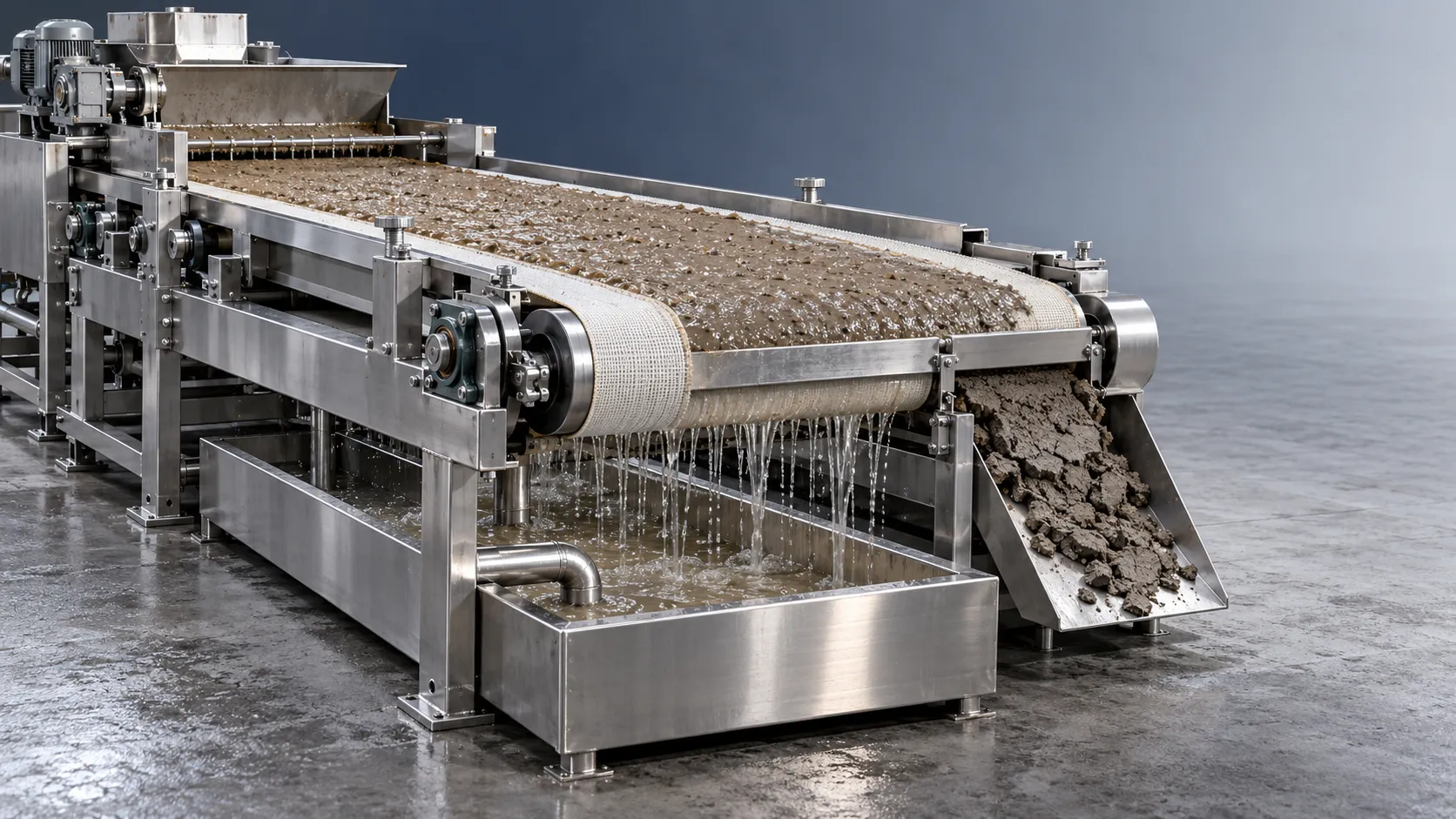
How solids concentration affects dewatering in waste recovery systems
Optimize waste recovery systems dewatering with insights on solids concentration. Learn to balance throughput, cake dryness, and solids capture while avoiding costly equipment overloads.
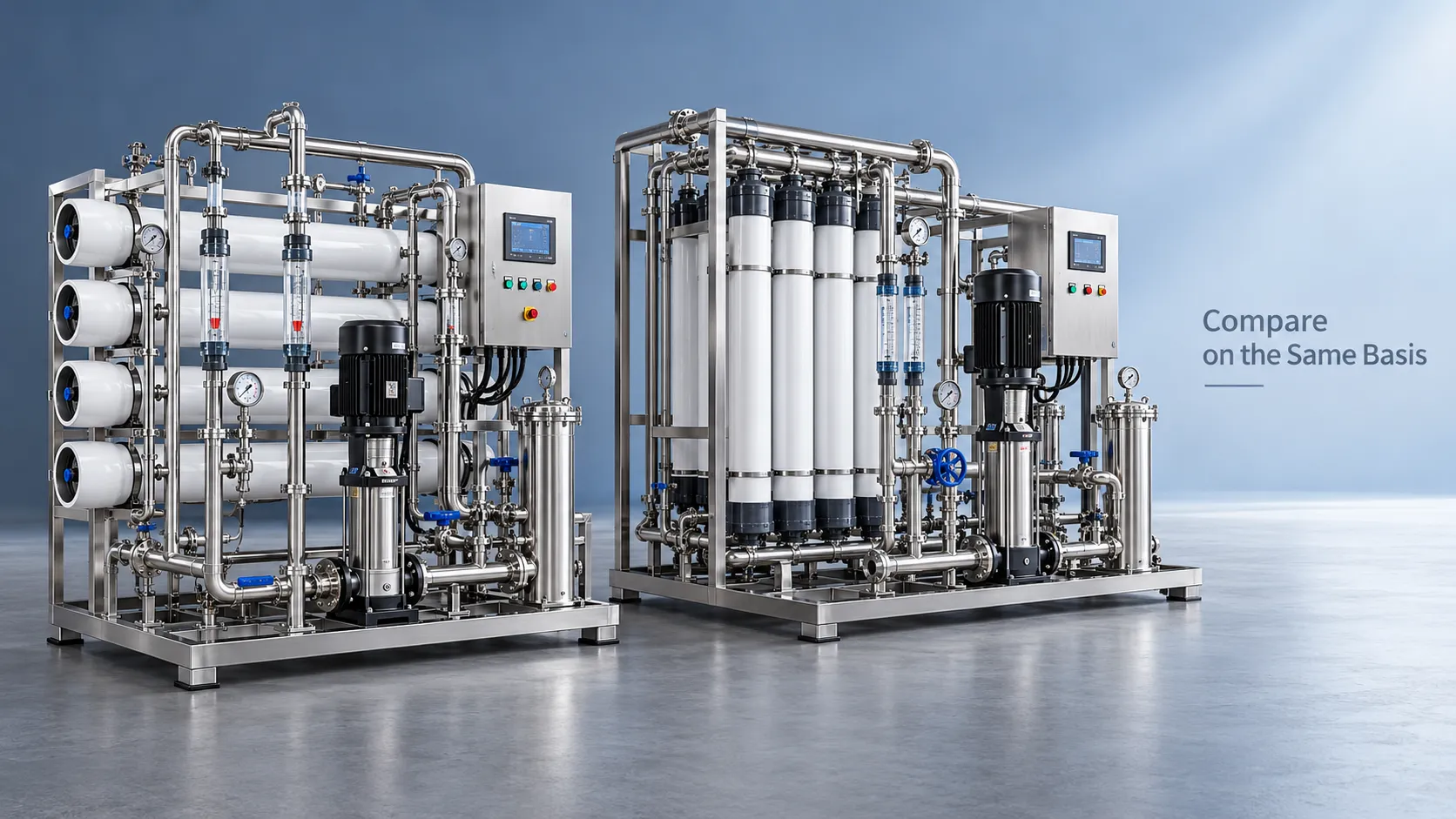
How to compare technical specs in an environmental equipment directory
Use this environmental equipment directory technical guide to compare capacity, energy use, compliance, and supplier evidence. Build a defensible shortlist and choose with confidence.
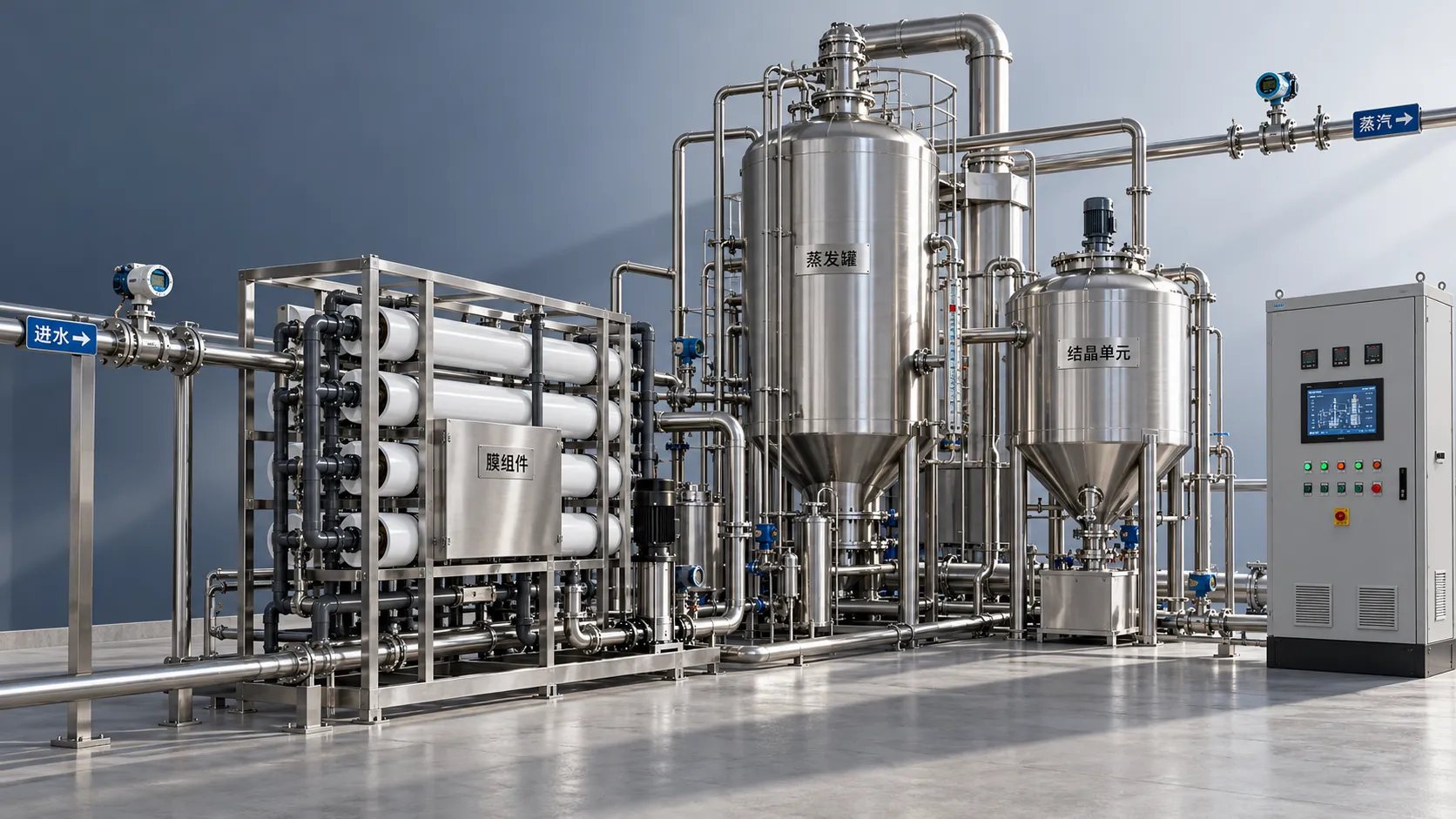
How to assess a zero liquid discharge equipment supplier’s energy claims
Assess a zero liquid discharge equipment supplier’s energy claims. Learn how to verify system boundaries, compare real costs, and demand testable guarantees before you buy.
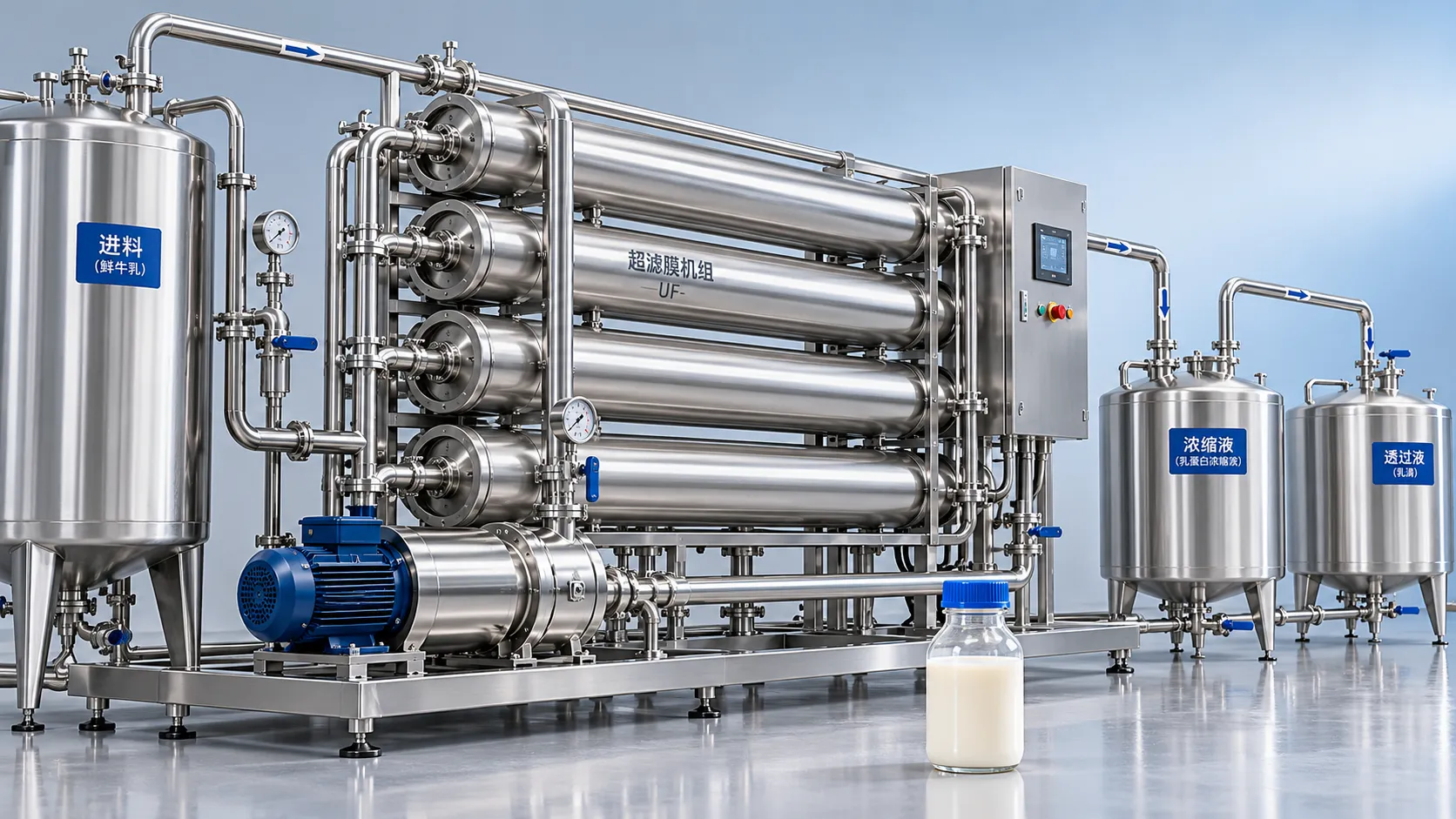
Which membrane filtration process suits dairy protein concentration?
Explore membrane filtration for dairy: compare UF, MF, and RO to select the right process for protein concentration, lactose reduction, and better recovery. Find your best fit.
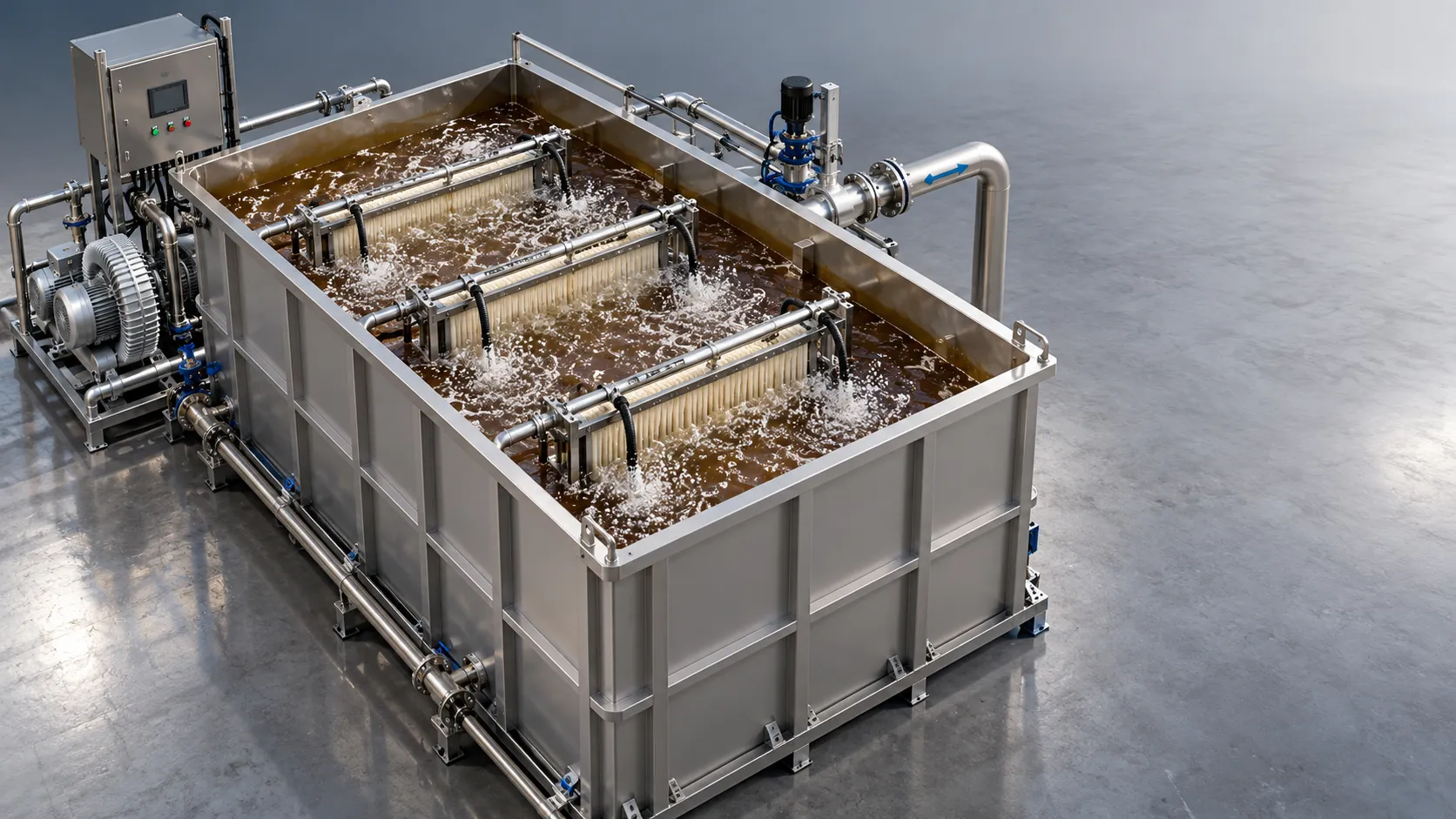
When is an MBR suitable for wastewater purification for bioprocessing?
For wastewater purification for bioprocessing, discover when an MBR fits your needs. Compare water quality, fouling risks, and lifecycle costs before investing.
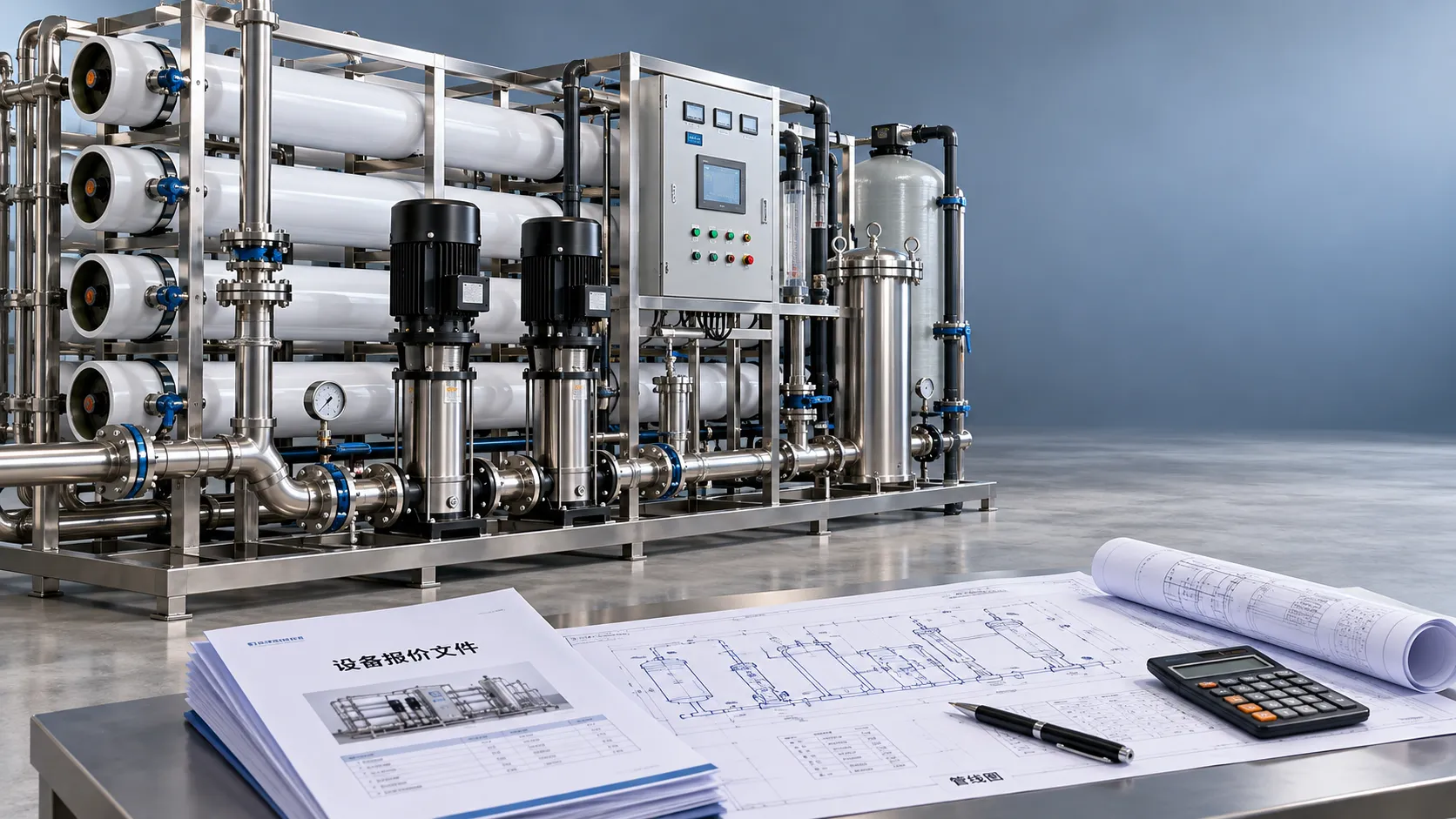
How to check a water treatment quotation for hidden project costs
Review your water treatment quotation for hidden costs, scope gaps, and operating expenses. Learn what to check before signing to protect your budget and avoid costly surprises.
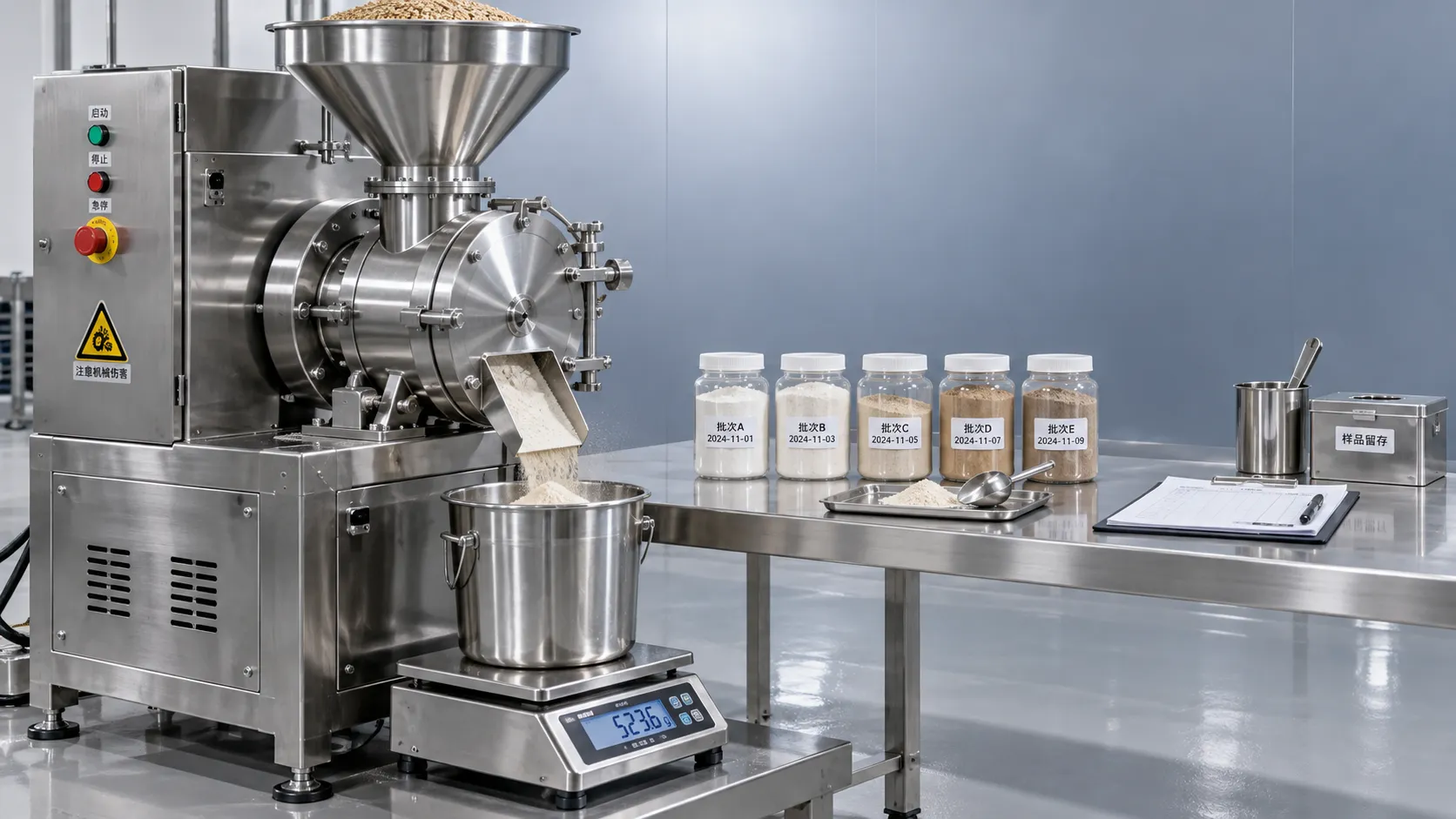
How to vet ingredient processing equipment manufacturers using trials
Vet ingredient processing equipment manufacturers with real-world trials. Learn how to verify yield, cleaning, energy use, and scale-up before you invest.
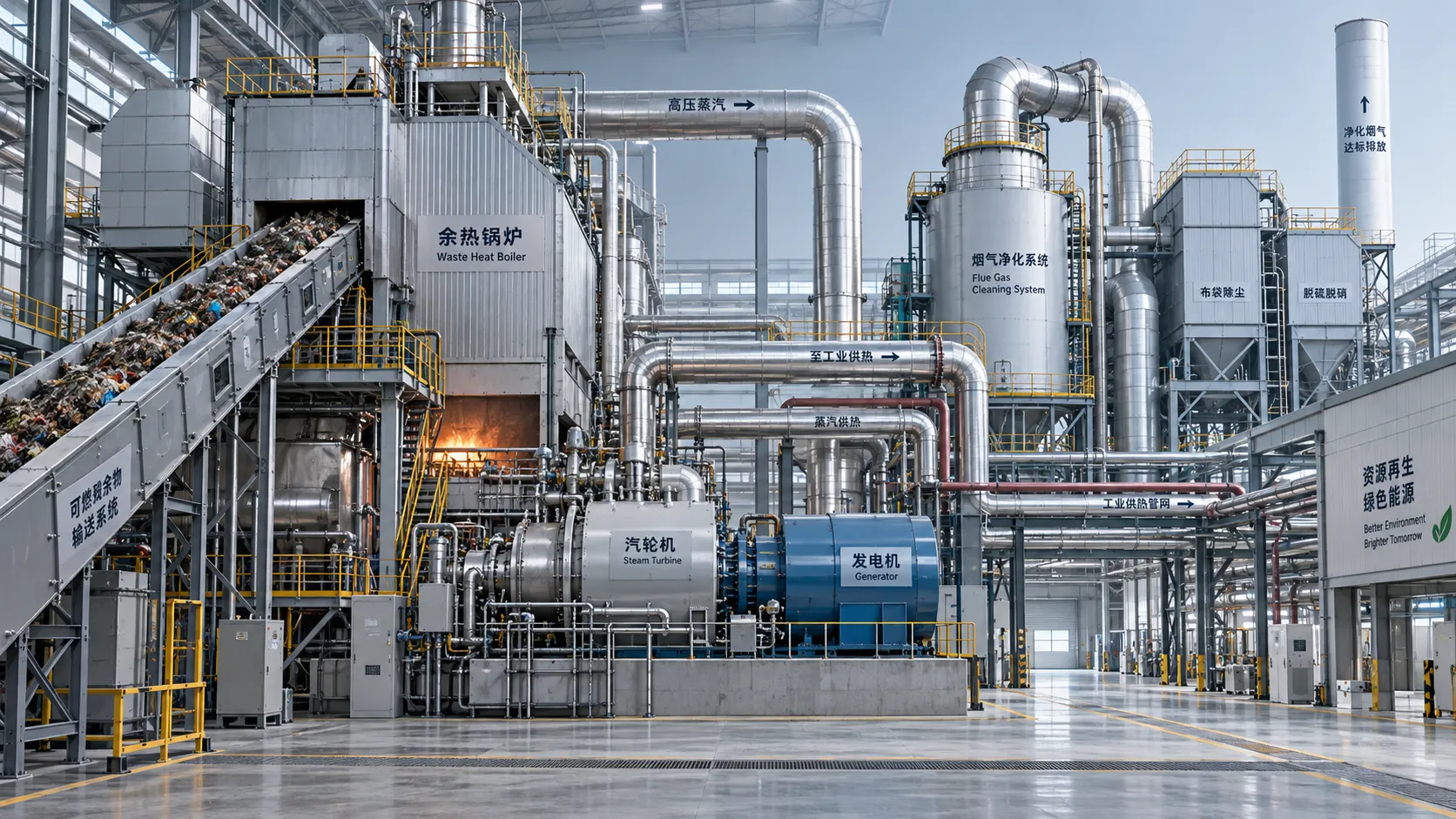
When is energy recovery viable in the solid waste recovery process?
When is energy recovery viable in the solid waste recovery process? Explore feedstock quality, net energy, emissions, and costs to assess feasibility and make smarter investment decisions.