
Industry News
Curation by industry experts
Hot Articles
Popular Tags
How an environmental regulations impact assessment reduces project delays
An environmental regulations impact assessment reduces project delays by turning compliance from a late-stage approval problem into an early design and delivery decision. It shows where permits, discharge limits, emissions controls, waste classifications, protected-site constraints, and consultation duties can affect the critical path. Done before key specifications and procurement packages are fixed, it helps prevent redesign, stalled approvals, rejected equipment, and work stoppages that are far more expensive to resolve on site.
The practical value is simple: a project team can only manage a risk once it knows who owns it, when a decision is needed, and what happens if that decision is late. Environmental requirements often fail this test because they are treated as a specialist workstream instead of being connected to engineering, commercial, construction, and commissioning schedules.
This matters most on projects with complex process systems: industrial wastewater treatment, zero liquid discharge facilities, materials recovery plants, flue-gas cleaning upgrades, desalination assets, waste-to-resource systems, and radioactive waste infrastructure. In these settings, a single environmental condition can change a tank size, membrane selection, residue handling route, stack-monitoring arrangement, intake design, or operating envelope. Those are not paperwork details. They are schedule decisions.
Why environmental requirements cause delays after a project has started
Many delayed projects did not ignore environmental compliance. They checked the obvious requirements, submitted an application, and assumed the permitting process would run beside construction. The issue is that regulations rarely sit neatly beside the work. They influence it.
Consider a treatment plant designed around an assumed effluent limit. If the final permit requires tighter nutrient removal, lower salinity, different sampling conditions, or a contingency storage arrangement, the result may be more than an operational adjustment. Civil works may need alteration, electrical loads may change, additional equipment may have a long lead time, and commissioning tests may need to be rewritten.
Solid waste and recovery projects encounter a similar pattern. A feedstock described commercially as “recyclable material” may be regulated differently once contaminants, hazardous fractions, ash, process residues, or cross-border movement are considered. A recovery route that looked viable during feasibility can become unavailable if its permit basis, end-of-waste status, transport rules, or receiving facility capacity has not been confirmed.
The delay is rarely caused by one dramatic regulatory surprise. More often, it is a chain of small gaps:
- A permit application relies on process data that the design team has not yet validated.
- A regulator requests baseline monitoring, seasonal surveys, or an alternatives analysis that was not allowed for in the programme.
- A selected supplier cannot demonstrate compliance with a local emissions, discharge, noise, or materials requirement.
- Construction starts before a condition tied to traffic, drainage, dust, water abstraction, or protected habitats has been discharged.
- Commissioning reveals that the facility can operate safely but cannot yet demonstrate compliance in the way the permit requires.
Each item can look manageable in isolation. Together, they can block the next milestone.
Environmental regulations impact assessment as a schedule-control tool
A useful environmental regulations impact assessment does not merely list applicable laws. It translates regulatory obligations into project actions, dates, evidence, interfaces, and contingency choices.
In practice, the assessment should answer four questions early enough to change the plan:
- Which approvals, notifications, licences, and permit variations are actually needed?
- What project decision or technical evidence is required to obtain each one?
- Which requirement sits on, or could move onto, the critical path?
- What alternative is available if the preferred approval, technology, site condition, or outlet route is not accepted?
That last question is commonly missed. A compliance register can show that a permit is required; it does not show whether the project has a credible fallback. A schedule-resilient assessment does.
For example, a desalination scheme may depend on a particular intake and brine discharge arrangement. The assessment should identify the approvals involved, the monitoring evidence likely to be requested, the design assumptions behind dilution modelling, construction restrictions that may apply to marine works, and the consequences of changing the outfall location. If the preferred option faces objections or additional studies, the team should know whether an alternative configuration is technically possible before offshore procurement begins.
For a flue-gas treatment retrofit, the assessment may reveal that emissions performance is only one part of the approval picture. Reagent storage, wastewater from scrubbing, solid residues, noise, emergency response, stack modifications, and construction access can each introduce separate conditions. Mapping these interactions before issuing the engineering package is much faster than trying to reconcile them after fabrication has started.
The assessment reduces delay when it is built into the master programme, not filed beside it. Each regulatory deliverable should have an accountable owner, a realistic lead time, defined inputs, review gates, and a visible link to the engineering or construction activity it can release or constrain.
Start before the design becomes expensive to change
The most productive time for an assessment is during concept selection and early FEED, when the team can still compare options without abandoning major sunk costs. This is also the point at which consultants, engineers, commercial leads, and operations representatives can expose assumptions that would otherwise remain hidden.
A common mistake is to wait until the preferred process route has been selected. By then, the assessment can become defensive: its role shifts from identifying the best compliant route to trying to justify a fixed one. That is when environmental review is wrongly blamed for delay. The underlying problem is not the review itself; it is that the project removed its own room to respond.
Early work does not mean trying to predict every permit condition in detail. That is neither realistic nor necessary. It means defining the regulatory envelope well enough to make robust choices. For a wastewater project, that may include likely discharge standards, sludge classification, receiving-water sensitivity, chemical storage controls, land-use constraints, and whether the proposed treatment train can be expanded if requirements tighten. For a recycling line, it may mean testing residue destinations and fire-prevention obligations before equipment layouts become fixed.
There are situations where a full assessment can be proportionate rather than extensive. A small modification with no change in emissions, effluent, waste type, throughput, footprint, or operating hours may only require a focused compliance check and confirmation from the relevant authority. The danger lies in assuming that a project is “minor” because its capital cost is low. A modest change to a regulated process can still trigger a permit variation or new monitoring obligation.
Build the assessment around decisions, not legislation
Legal text matters, but a project team needs a decision map. Start by identifying the project’s environmental touchpoints: air emissions, wastewater, stormwater, groundwater, waste generation, hazardous materials, energy use, noise, ecology, land disturbance, transport, and closure or decommissioning liabilities. Then connect each touchpoint to a real project decision.
Instead of recording “waste regulation applies,” write the decision that follows: “Confirm classification and permitted destination for spent media and concentrate residues before selecting the handling system and awarding the disposal contract.” Instead of noting “marine consent may be required,” state: “Complete intake and outfall baseline studies before finalising route alignment and marine construction dates.”
This approach exposes dependencies that are easy to overlook in conventional compliance matrices. It also creates better conversations with suppliers. Equipment vendors should not simply confirm that a unit can meet a nominal performance target. They should provide the evidence needed for the applicable permit basis: operating limits, monitoring points, guaranteed conditions, reagent consumption, expected residues, start-up behaviour, alarms, and maintenance constraints.
For high-consequence systems, the technical and regulatory questions must be tested together. A zero liquid discharge system may reduce discharge exposure but create new energy, concentrate handling, crystalliser residue, and reliability considerations. Thermal recovery may reduce landfill dependency but introduce air-emissions controls and feedstock-quality limits. There is no universally “best” environmental technology; there is only a technology whose obligations, operating capability, and delivery risks have been examined honestly for the proposed site.
What a workable assessment should contain
The output does not need to be a lengthy report that few people revisit. It needs to be useful during weekly delivery decisions. A strong working version normally includes a short regulatory applicability note, an approvals roadmap, a compliance-to-design matrix, a risk register with schedule consequences, an evidence plan, and a stakeholder engagement record.
The approvals roadmap should distinguish between items that must be secured before construction, before installation, before operation, and before full-capacity operation. Those dates are materially different. Teams often celebrate receipt of a principal permit while overlooking secondary consents, condition discharges, utility approvals, waste contracts, or monitoring arrangements needed to commission the asset.
The compliance-to-design matrix is where much of the delay prevention happens. It should show the requirement, the design response, the evidence source, the responsible discipline, the decision date, and the verification method. This makes it clear when an environmental assumption is still unresolved and prevents it from quietly becoming embedded in drawings and purchase orders.
Do not hide uncertainty. Label it. If a discharge limit, residue classification, site constraint, or authority interpretation remains unconfirmed, record the assumption, its owner, its deadline, and the cost or schedule exposure if it proves wrong. A visible uncertainty can be managed. An undocumented one normally emerges at the least convenient moment.
Keep regulators and stakeholders out of the “surprise” category
Permitting authorities are not project schedulers, and they should not be expected to repair an unrealistic programme. Submissions that are incomplete, inconsistent with the design, or unclear about impacts often generate information requests. Those requests are not always avoidable, but their effect can be reduced when the project has a clear evidence plan and a single source of truth for technical data.
Early engagement is especially useful when the project includes novel treatment methods, sensitive receptors, constrained sites, high-concentration effluent, new waste classifications, or a substantial change to an existing regulated facility. The objective is not to seek informal approval. It is to understand the likely scope of evidence, clarify process expectations, and identify issues before the design becomes difficult to alter.
Stakeholder concerns deserve the same discipline. Local communities, adjacent operators, water users, port authorities, landowners, and emergency services may not control the permit, but unresolved concerns can affect consultation, site access, operating restrictions, or the credibility of the application. The assessment should identify who may be affected and what project facts need clear, consistent explanation.
Common mistakes that turn compliance into a delay
Using a generic regulatory checklist. Checklists are helpful starting points, but they cannot replace a site- and process-specific review. The same treatment technology can face very different obligations depending on location, receiving environment, feedwater, waste route, and permit history.
Separating environmental work from procurement. A supplier award based only on price, capacity, and delivery date can create an expensive correction later. Compliance evidence and operating limits should be contractual requirements where they affect approvals or acceptance testing.
Treating permit receipt as the finish line. Conditions may require baseline monitoring, management plans, operator competence, emergency arrangements, sampling infrastructure, reporting systems, or performance demonstrations. These tasks need budget and programme space.
Assuming the strictest rule is always the safest design basis. Overdesign can consume capital, energy, and time without resolving the actual permitting issue. Use the applicable legal and technical standard, confirm interpretations through qualified advice where necessary, and preserve margin where uncertainty justifies it.
Leaving compliance ownership with one person. Environmental leadership is essential, but engineering, construction, procurement, operations, and commercial teams each own part of the response. A single specialist cannot close an interface that another function controls.
Using intelligence without confusing it with legal advice
Projects operating across jurisdictions need a disciplined way to monitor regulatory change, technology developments, and market constraints. Industry intelligence can help teams spot emerging issues around carbon-related trade measures, discharge expectations, treatment performance, recovery routes, and equipment availability before they become bid or execution risks.
Global Eco-Shield Dynamics (ESD) is relevant in this context because its coverage connects environmental regulation with the engineering realities of large water treatment, resource recovery, flue-gas treatment, desalination, and nuclear waste management. Its technical and commercial intelligence can support early option screening, supplier-market awareness, and regulatory horizon scanning. It should complement, not replace, project-specific legal, permitting, and engineering advice. Final obligations must always be verified against the applicable authority and current official requirements.
Make the environmental regulations impact assessment part of delivery governance
The best time to update an environmental regulations impact assessment is not only before an application is submitted. Revisit it at concept freeze, design freeze, major procurement awards, construction mobilisation, mechanical completion, and commissioning readiness. Each stage creates new facts: a supplier changes, a process guarantee is revised, a site condition is discovered, or an authority requests additional evidence.
Use short review sessions focused on decisions due in the next six to twelve weeks. Ask which approvals or conditions can hold the programme, whether their inputs are complete, whether design changes have invalidated any assumptions, and whether the contingency remains practical. That routine is more valuable than a document that is technically comprehensive but never influences a meeting.
Project delays cannot be eliminated by compliance analysis alone. Financing, land access, supply chains, weather, labour, and design maturity still matter. But an environmental regulations impact assessment gives the team an earlier view of constraints that are otherwise discovered after commitments have been made. When it links regulation to design choices, procurement evidence, authority engagement, and commissioning proof, it becomes one of the clearest ways to protect a credible delivery date.
- water treatment
- industrial wastewater
- nuclear waste management
- radioactive waste
- environmental regulations
- resource recovery
- environmental compliance
- environmental regulations impact assessment
- industrial wastewater treatment
- waste-to-resource systems
- zero liquid discharge
- waste-to-resource
- zero liquid discharge system
Recommended News
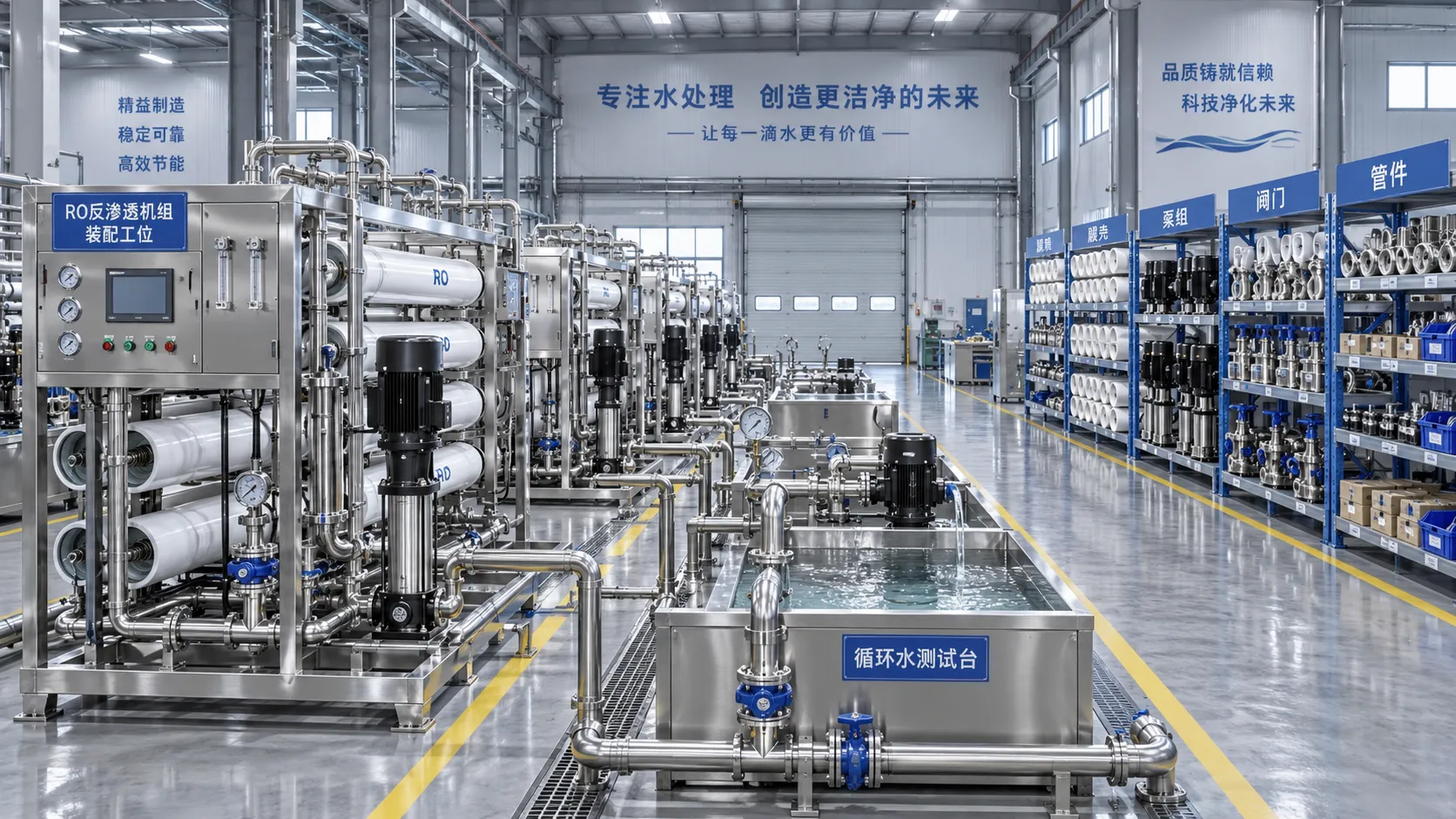
How to verify a water treatment system factory’s production capacity
Verify a water treatment systems factory’s production capacity through records, bottlenecks, component availability, and testing. Learn what to check before accepting a delivery promise.
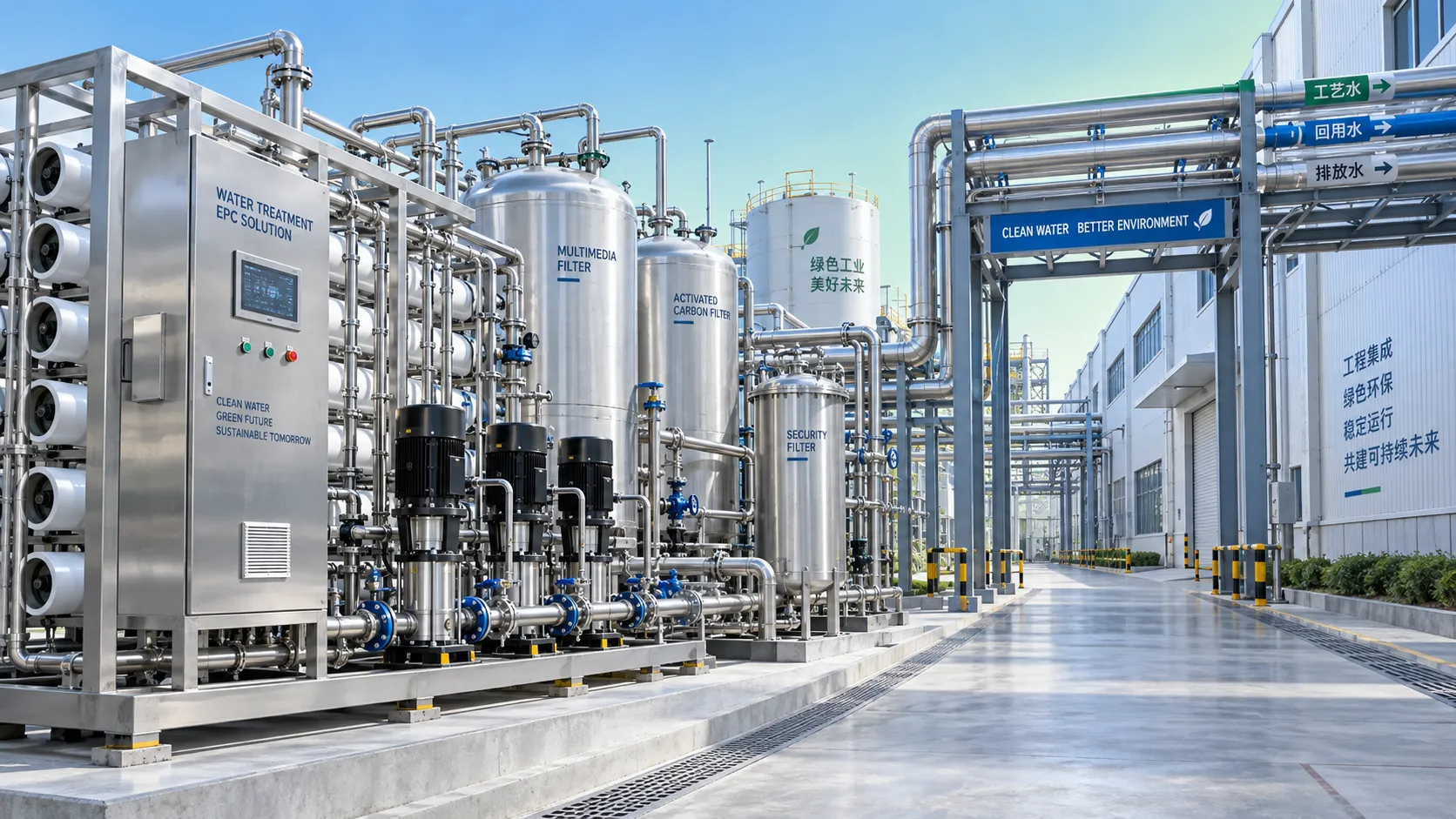
When does EPC environmental project support reduce delivery risk?
EPC environmental project support engineering reduces delivery risk by aligning design, procurement, compliance, construction, and commissioning decisions.
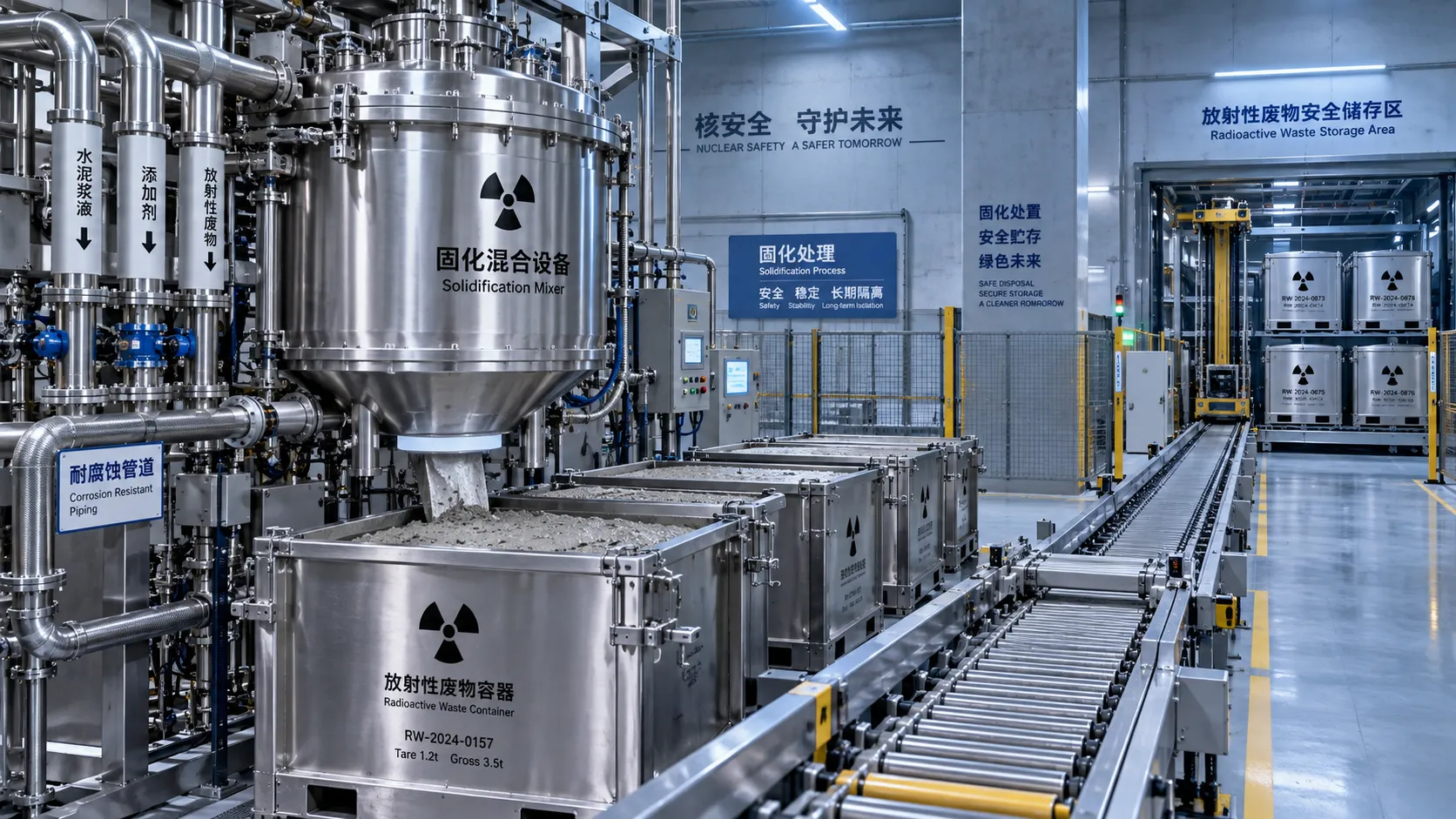
How nuclear plants select a radioactive waste solidification method
Radioactive waste management for nuclear plants: compare vitrification, cementation, polymers, and ceramics to select a compliant, durable solidification solution.
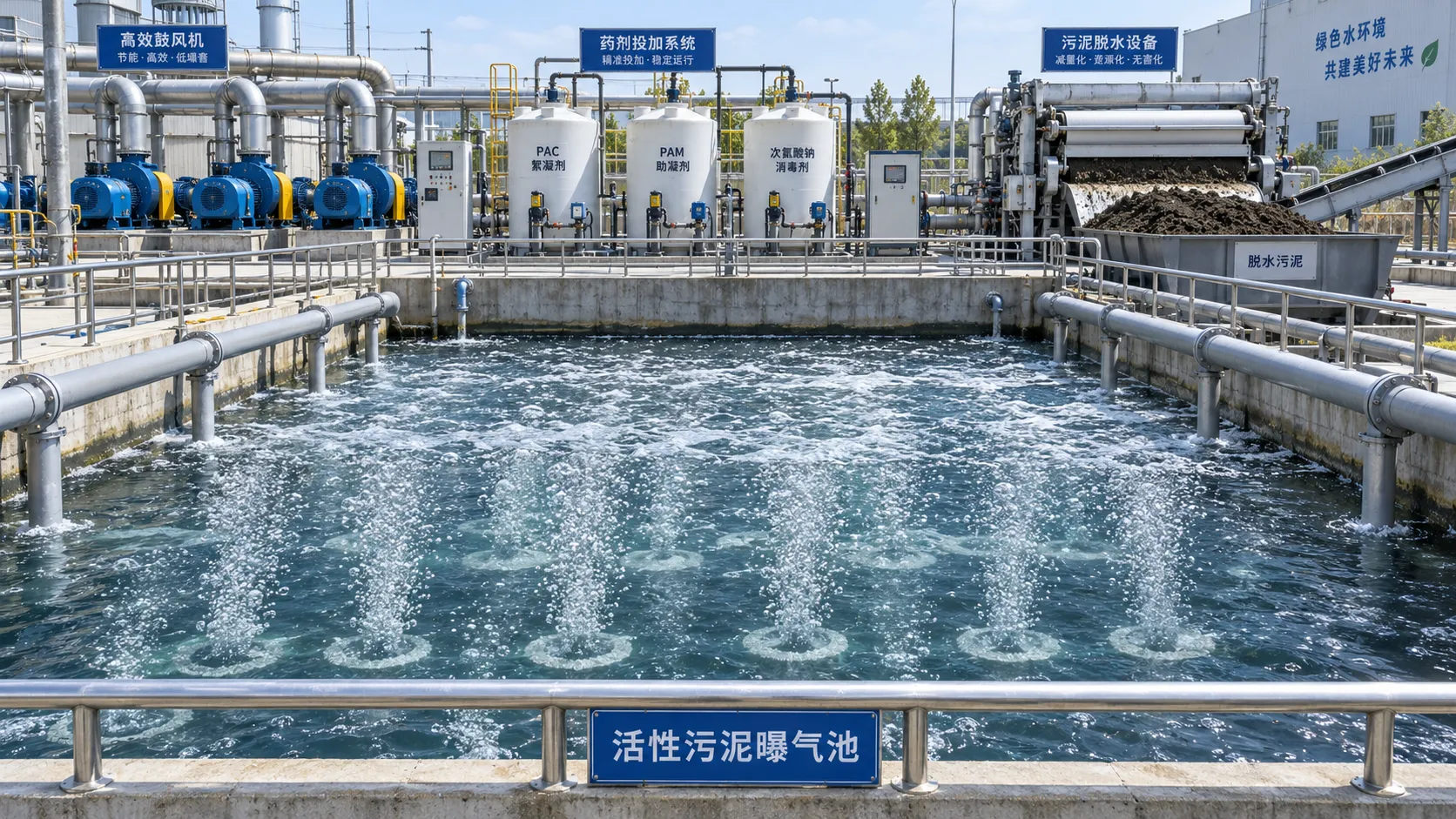
Activated Sludge Cost: Budgeting Energy, Chemicals, Sludge, and Labor
Activated sludge cost explained: compare energy, chemicals, sludge disposal, labor, and compliance risks to build a reliable lifecycle budget.
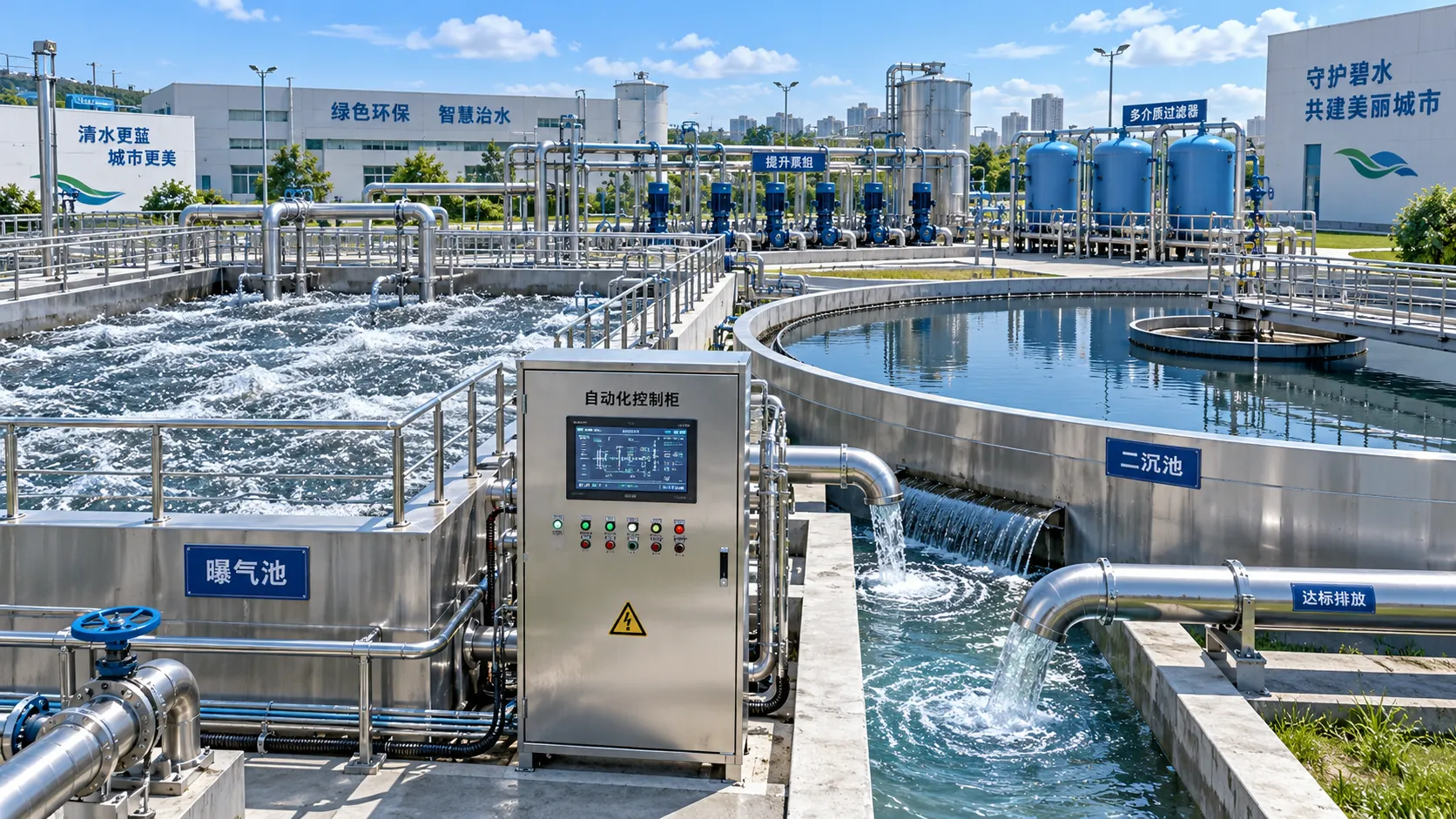
When Should Municipal Wastewater Plants Upgrade Treatment Capacity and Controls?
Municipal wastewater treatment upgrades: learn when capacity, controls, and resilient planning are needed to protect compliance and optimize plant performance.
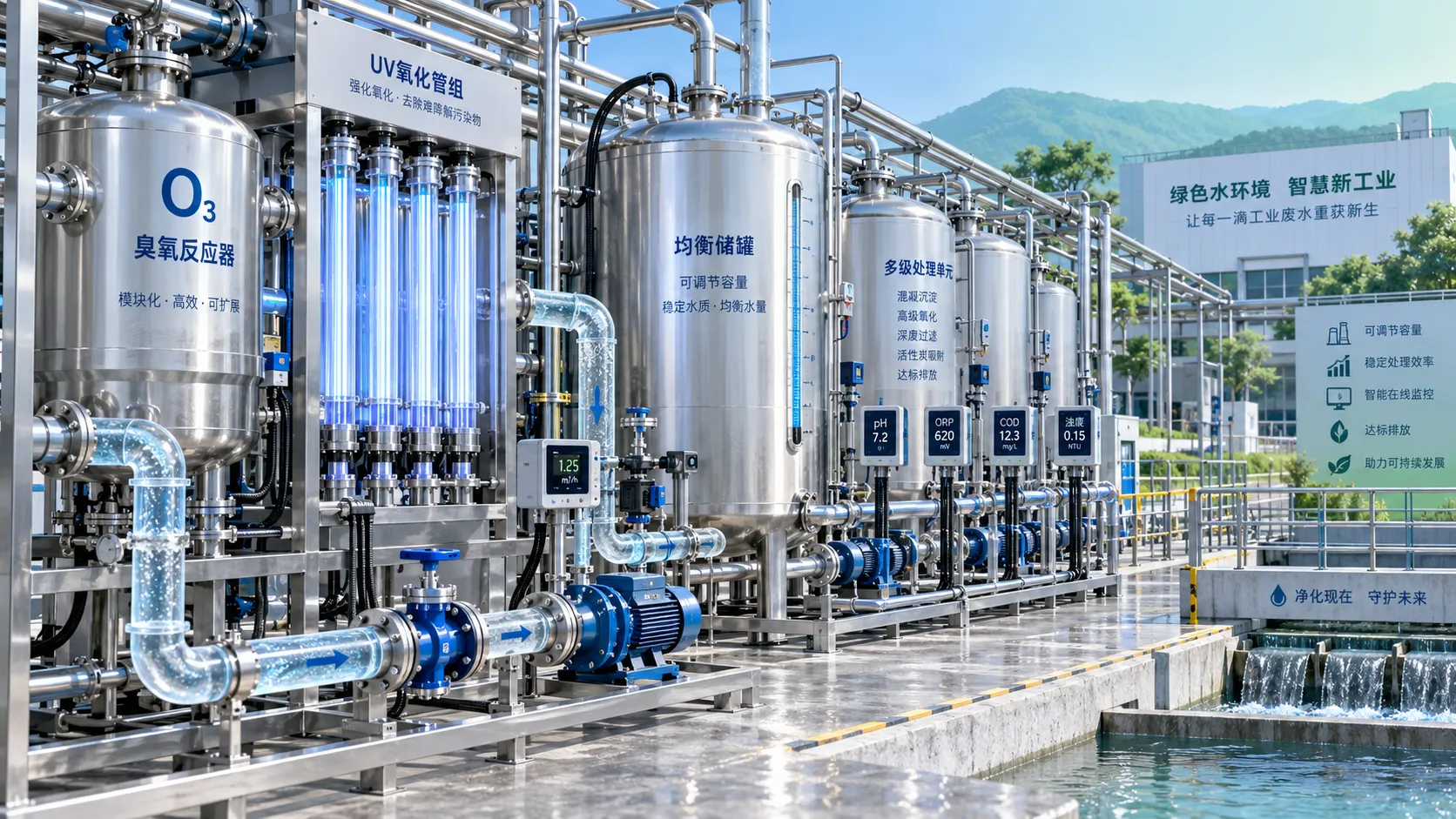
How to size advanced oxidation equipment for variable wastewater loads
Advanced oxidation equipment guide for sizing AOP systems under variable wastewater loads, improving compliance, efficiency, and lifecycle cost control.
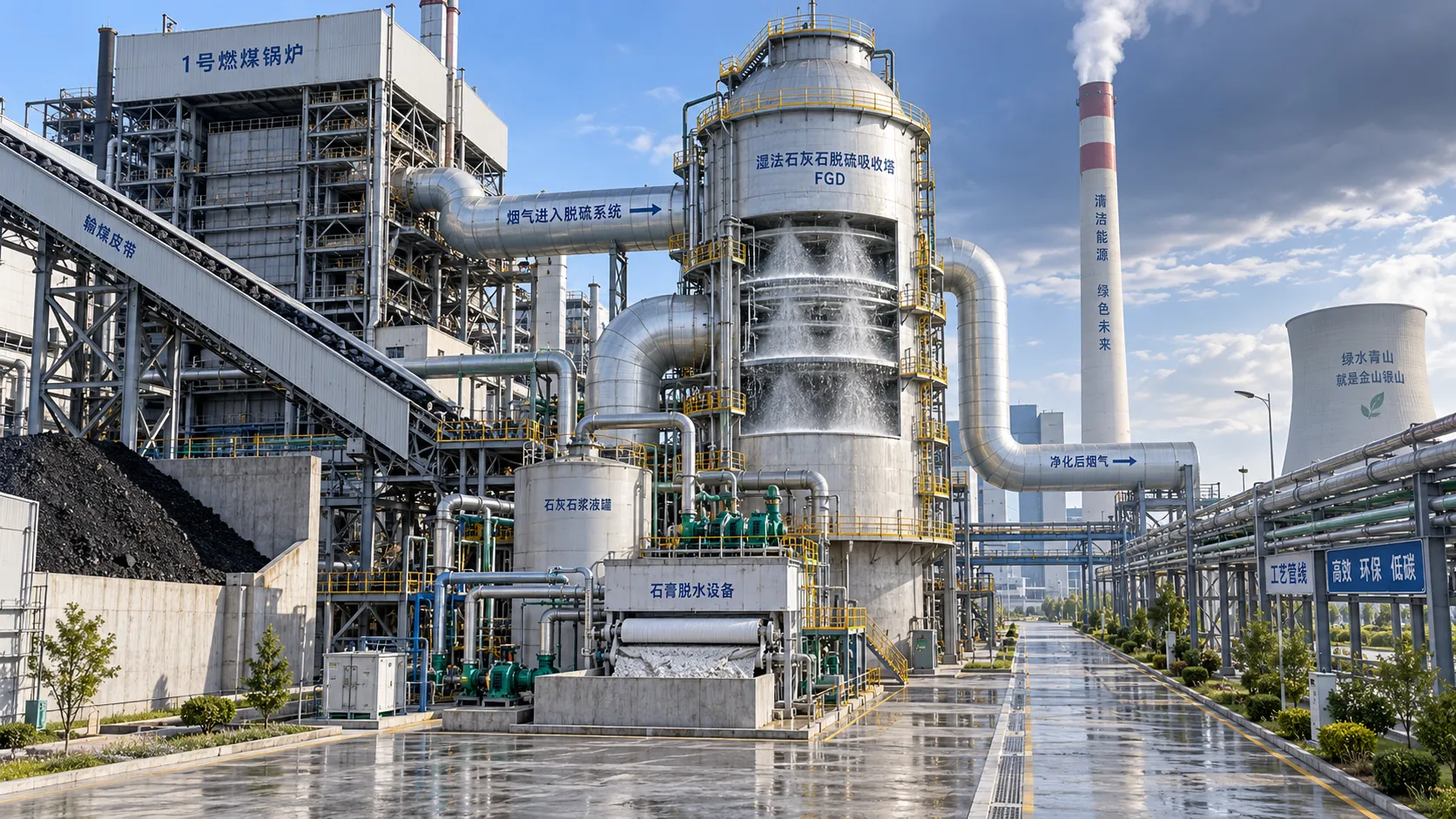
How to select FGD systems for coal boilers based on sulfur content
FGD systems for coal boilers: learn how sulfur content, fuel variability, emissions limits, water, waste, and retrofit constraints guide a compliant, cost-effective scrubber choice.

How to size a desulfurization equipment scrubber for variable gas flow
Desulfurization equipment scrubber sizing for variable gas flow: optimize SO2 removal, pressure drop, liquid-to-gas control, and compliance across every load.
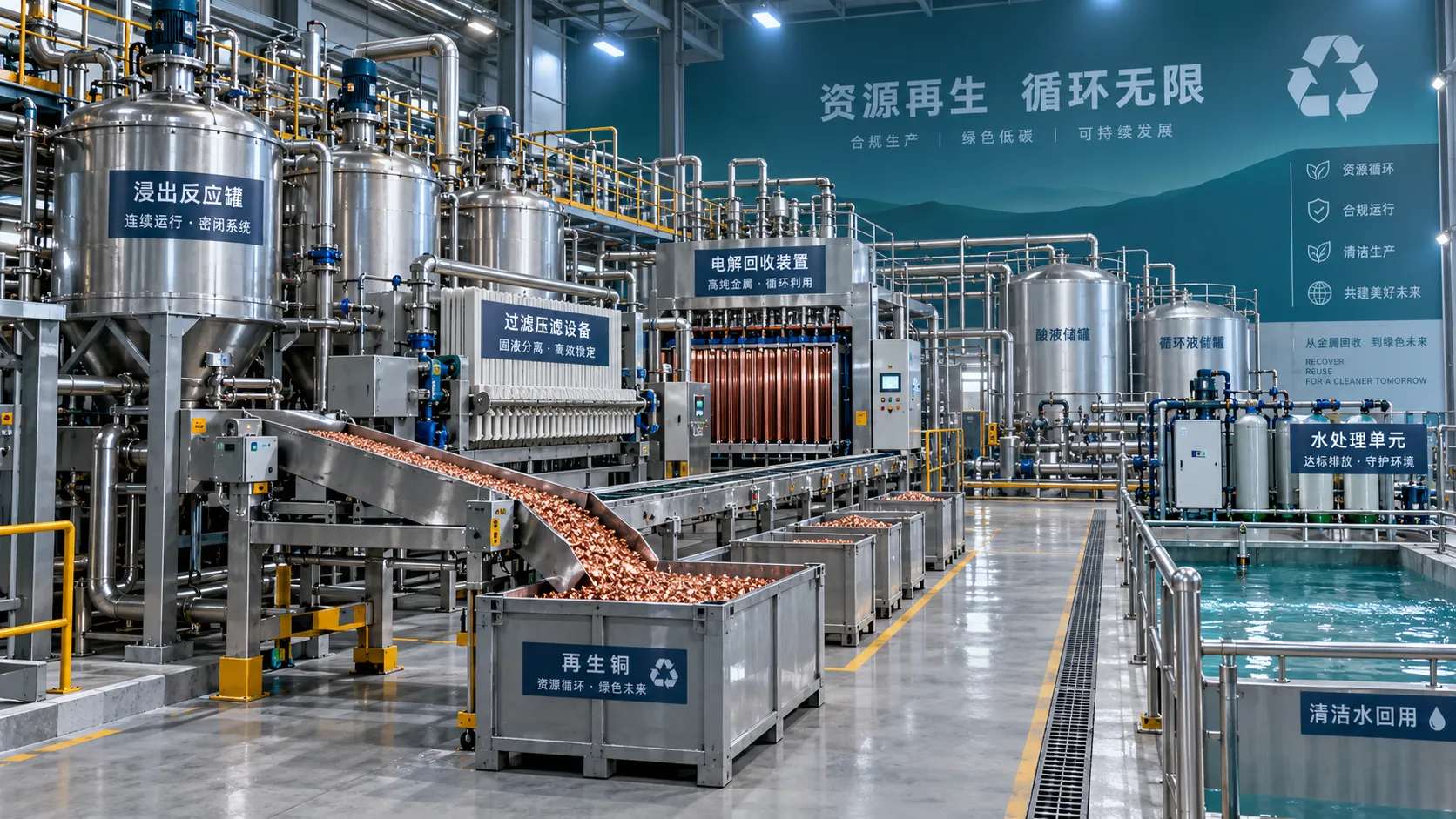
When does repeatable metals recovery infrastructure justify the investment?
Repeatable metals recovery infrastructure: discover when consistent feedstock, lower disposal costs, compliance control, and reliable offtake justify investment.