
Industry News
Curation by industry experts
Hot Articles
Popular Tags
How government environmental project intelligence reduces bid risk
Bid risk in government environmental projects often begins before the technical proposal is drafted. A tender may appear to request a familiar treatment train, recovery line, desalination system, or containment package, yet the commercial exposure sits in the details: an ambiguous influent envelope, a permit condition embedded in an appendix, a local-content expectation, an interface omitted from the equipment schedule, or an evaluation method that gives lifecycle performance more weight than the lowest initial price.
Government environmental project intelligence procurement turns those scattered signals into a working basis for pricing, qualification, and risk allocation. It connects the published tender documents with regulatory direction, prior procurement patterns where available, supply-chain conditions, technical maturity, and the practical constraints of construction and commissioning. The purpose is not to predict an award. It is to avoid submitting a bid that is technically responsive on paper but commercially exposed after contract signature.
Read the requirement as an operating obligation
Environmental infrastructure is usually purchased to achieve an operating outcome under defined conditions, not simply to acquire equipment. A wastewater specification may state discharge limits without fully resolving hydraulic peaks, temperature variation, salinity, oil content, or shock loads. A desalination package may identify production capacity while leaving feedwater seasonality, intake fouling, brine outfall constraints, and energy availability to be clarified during design. These gaps can materially alter the selected process and its cost.
Project intelligence should separate four layers of the requirement: guaranteed output, design basis, owner-supplied assumptions, and contractor-held responsibility. That separation is particularly useful when tender language uses broad phrases such as “suitable for local conditions,” “continuous operation,” or “future expansion.” Each phrase may be reasonable, but each can carry a different scope depending on the contract form and the governing technical schedules.
For a large water treatment plant, the difference between average and peak flow affects basin sizing, pumping duty points, aeration capacity, sludge handling, standby philosophy, and electrical infrastructure. In high-concentration industrial wastewater treatment, chloride, sulfate, silica, hardness, organic loading, and solvent traces may determine whether conventional biological treatment is viable or whether evaporation, crystallization, membrane concentration, oxidation, or a hybrid ZLD arrangement is required. Pricing a treatment train around a nominal figure without confirming the full mass balance can leave a bid exposed to change disputes or performance liquidated damages.
The same principle applies to solid waste recovery. A stated tonnage does not establish the usable design basis. Moisture, particle-size distribution, contamination, calorific variability, seasonal collection patterns, and the proportion of bulky or hazardous materials influence conveyors, shredders, sorting sensors, fire protection, odor control, residue handling, and downtime assumptions. Intelligence gathered from permitting records, site conditions, waste studies released with the tender, and clarification responses can reveal whether the stated throughput is a planning value or a contractual guarantee.
Regulatory exposure belongs in the estimate
Environmental compliance is often treated as a legal review item after the technical solution has been chosen. That sequence creates avoidable bid risk. Permit limits, monitoring requirements, construction restrictions, residue classification, noise controls, discharge conditions, and reporting obligations can change the physical scope and the operating model.
A flue gas treatment project illustrates the issue. Required removal performance may depend on fuel composition, boiler load profile, gas temperature, ammonia slip limits, reagent quality, ash characteristics, and the location of measurement points. Low-temperature catalyst behavior, ductwork heat loss, bypass arrangements, and access for catalyst replacement may all affect whether an SCR or combined treatment configuration can maintain guaranteed performance. If the bid assumes a clean, stable gas stream while the contract allocates variability to the contractor, the apparent margin may be illusory.
For seawater reverse osmosis, regulatory and environmental intelligence should cover intake and discharge permissions alongside membrane performance. Feedwater turbidity and biological activity influence pretreatment selection; seawater temperature and salinity influence membrane flux and energy consumption; discharge requirements may affect diffuser design, pumping head, marine works, and monitoring systems. A bid based only on nameplate permeate output can omit significant civil, marine, electrical, and environmental monitoring costs.
Nuclear waste management requires even tighter treatment of the regulatory boundary. The relevant scope may include package traceability, material compatibility, shielding interfaces, remote handling, ventilation containment, inspection records, acceptance criteria, and long-term storage assumptions. Contract documents can use familiar equipment terms while imposing documentation, quality assurance, test witnessing, or traceability obligations that are unlike those for conventional industrial work. Where the governing requirement is uncertain, the bid should identify the assumption and price the consequence of its reversal rather than burying it in a generic contingency.
Convert intelligence into a bid assumption register
Useful intelligence becomes valuable when it changes a decision in the proposal. A structured assumption register links each uncertain condition to its source, owner, commercial effect, technical effect, and required action. It should not become a long inventory of minor questions. The focus belongs on items that can alter eligibility, price, schedule, guaranteed performance, or the ability to source a compliant package.
The register also supports disciplined clarification. Questions should seek a decision rather than invite a vague explanation. For example, asking whether an owner will “support commissioning” is weak. Asking whether the owner will provide a defined electrical supply at a defined interface, treatment chemicals to a stated quality, and a permitted route for test effluent makes the resulting answer usable in the estimate and contract review.
Supplier capability is a technical risk, not merely a purchasing event
Environmental projects frequently depend on a small group of critical components whose failure can delay the entire facility. Examples include high-pressure pumps and energy recovery devices in desalination, membranes and pressure vessels, specialty alloy evaporator parts in ZLD systems, optical sorters, thermal process equipment, induced-draft fans, scrubber internals, analyzers, remote handling equipment, and engineered waste containers. A compliant-looking quotation may conceal qualification limits, packaging constraints, incomplete spares, or assumptions about site installation that have not been priced elsewhere.
Supplier intelligence should examine the actual offered configuration, not only the supplier’s general reputation. Relevant questions include whether the equipment has been supplied at the required duty point; whether wetted materials suit the chemical environment; whether dimensions and lifting weights fit the transport route and installation sequence; whether factory testing reflects contract operating conditions; and whether replacement parts can be supplied during the required operating period.
Material selection deserves particular attention. Duplex and super duplex stainless steels may be considered in chloride-bearing service, but fabrication quality, weld procedures, surface condition, galvanic interfaces, and cleaning methods still affect corrosion performance. Rubber-lined carbon steel, FRP, HDPE, titanium, nickel alloys, ceramics, and specialty polymers each bring different fabrication, joining, inspection, transport, and repair requirements. An estimate that identifies the material but ignores field joining, holiday testing, curing time, or qualified repair methods may understate installation exposure.
Quoted lead time also needs interpretation. It may begin after approved drawings, advance payment, export approval, raw-material allocation, or release of a final data sheet. Long-lead equipment should therefore be placed against the actual design-release schedule, not merely the anticipated notice-to-proceed date. If a project requires staged permits or owner approval of vendor documents, an apparently acceptable manufacturing duration can still become a critical-path problem.
Price lifecycle obligations, not just the supply package
Government evaluation can place substantial emphasis on operating reliability, energy demand, chemical consumption, maintainability, availability, and waste generation. A lower equipment price can become difficult to defend if it shifts cost into electricity, reagent use, membrane replacement, sludge disposal, catalyst change-out, or specialist maintenance.
The lifecycle model should be traceable to the tender’s stated conditions. In reverse osmosis, this means linking specific energy consumption to feedwater assumptions, recovery, membrane condition, pretreatment performance, and pressure losses. In activated sludge treatment, aeration power should be connected to oxygen transfer assumptions, basin geometry, diffuser fouling, temperature, and load variation. For thermal concentration and crystallization, steam or electrical demand must be aligned with the expected evaporation rate, scaling behavior, condensate handling, and solids management route.
Maintenance scope is often underestimated because it appears after construction in the project timeline. Access platforms, monorails, lifting beams, washdown points, isolation valves, sampling points, chemical unloading arrangements, spare-parts storage, and safe removal clearances can determine whether routine work is realistic. In waste recovery facilities, maintenance access around conveyors and sorting equipment must account for dust, fire zoning, blockages, wear parts, lockout procedures, and the logistics of removing damaged components. These are design costs as well as operations costs.
Lifecycle pricing should also avoid unsupported certainty. Where energy tariffs, consumable quality, disposal routes, operating hours, or feed characteristics are not fixed by the tender, present the underlying basis and sensitivity rather than treating one assumed value as a guaranteed outcome. This makes the commercial position easier to defend during evaluation and later contract administration.
Expose interfaces before they turn into variations
Many major overruns arise at interfaces between packages. The process vendor may assume that civil works provide embedded plates, drainage, penetrations, plinth tolerances, and access openings. The civil contractor may assume the vendor will define them after award. Electrical scope can be split between motor control centers, variable-frequency drives, local panels, field cabling, earthing, hazardous-area requirements, and control-system integration. Instrumentation may be specified as a supply item while sample conditioning, analyzer shelters, calibration gases, and data transfer remain unassigned.
Government environmental project intelligence procurement should therefore test the package boundaries against a physical installation sequence. Start at delivery: identify offloading capacity, storage requirements, preservation needs, import documentation, and any abnormal-load restrictions. Continue through installation: confirm lifting studies, temporary works, welding qualifications, coating repair, flushing, pressure testing, electrical energization, and control-system simulation. End with commissioning: determine the source and disposal route for test media, the required duration of reliability trials, the conditions for performance testing, and the treatment of failures caused by upstream utilities or variable feedstock.
This exercise is especially important where a project combines established equipment with site-specific integration. A membrane skid can be manufactured to a defined standard, while its cleaning chemical system, pretreatment controls, reject handling, and plant-wide automation depend on local interfaces. An AI sorting line can meet a tested sorting capability, while actual recovery depends on upstream material presentation, conveyor speed, lighting, compressed air, and downstream bale or residue logistics.
Use market signals carefully in proposal strategy
Intelligence about competing approaches, prior tenders, regional construction capacity, and supplier availability can improve proposal positioning, but it should not become speculation. Its strongest use is to challenge internal assumptions. If a tender favors modular delivery, the schedule and transport plan should demonstrate why the selected module sizes can pass through ports, roads, gates, and lifting constraints. If procurement documents signal a preference for domestic fabrication or local service support, the proposal should verify the actual capacity and quality controls rather than relying on a nominal address or memorandum.
Changes in environmental policy can also influence risk even when they are not yet written into the technical schedule. Carbon-related reporting, embodied-material expectations, resource recovery targets, and tighter discharge scrutiny may affect evaluation questions, future change requests, and operating obligations. The bid should distinguish between binding tender requirements and emerging considerations. Treating a nonbinding signal as a mandatory scope can inflate price unnecessarily; ignoring a clear direction of travel can produce a proposal that appears dated or weakly evidenced.
A disciplined intelligence process leaves a record of why each major technical and commercial position was taken. That record supports internal approval, clarification management, supplier negotiation, and post-award handover. More importantly, it prevents a bid from relying on silent assumptions about water quality, waste composition, compliance duties, logistics, or operating conditions. In environmental infrastructure, those assumptions are often where the most expensive risks reside.
- water treatment
- ZLD systems
- industrial wastewater
- solid waste recovery
- flue gas treatment
- nuclear waste management
- resource recovery
- environmental compliance
- environmental intelligence
- industrial wastewater treatment
- seawater reverse osmosis
- water treatment plant
- government environmental project intelligence
- government environmental project intelligence procurement
Recommended News
When does EPC environmental project support reduce delivery risk?
EPC environmental project support engineering reduces delivery risk by aligning design, procurement, compliance, construction, and commissioning decisions.
How nuclear plants select a radioactive waste solidification method
Radioactive waste management for nuclear plants: compare vitrification, cementation, polymers, and ceramics to select a compliant, durable solidification solution.
Activated Sludge Cost: Budgeting Energy, Chemicals, Sludge, and Labor
Activated sludge cost explained: compare energy, chemicals, sludge disposal, labor, and compliance risks to build a reliable lifecycle budget.
When Should Municipal Wastewater Plants Upgrade Treatment Capacity and Controls?
Municipal wastewater treatment upgrades: learn when capacity, controls, and resilient planning are needed to protect compliance and optimize plant performance.
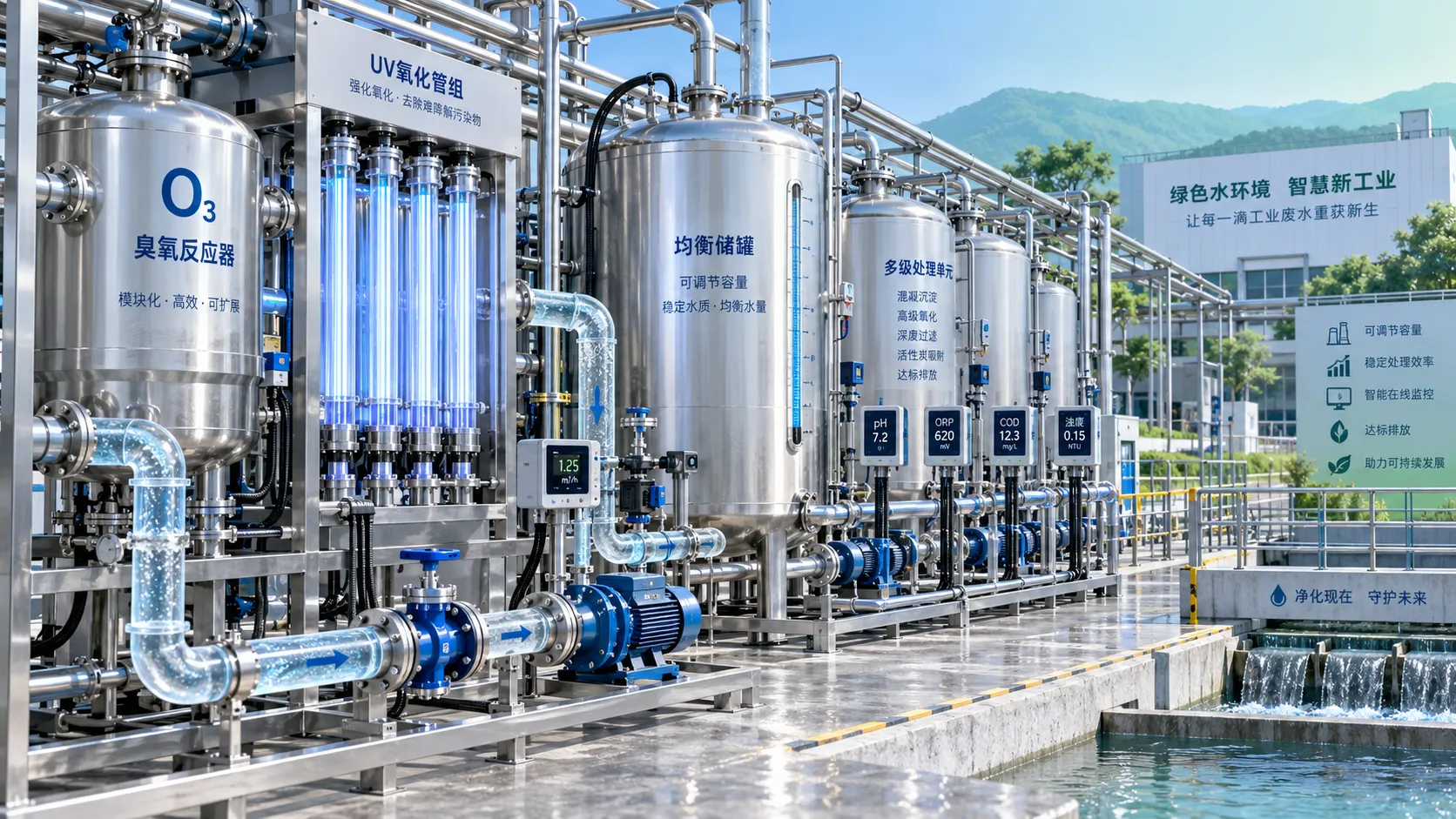
How to size advanced oxidation equipment for variable wastewater loads
Advanced oxidation equipment guide for sizing AOP systems under variable wastewater loads, improving compliance, efficiency, and lifecycle cost control.
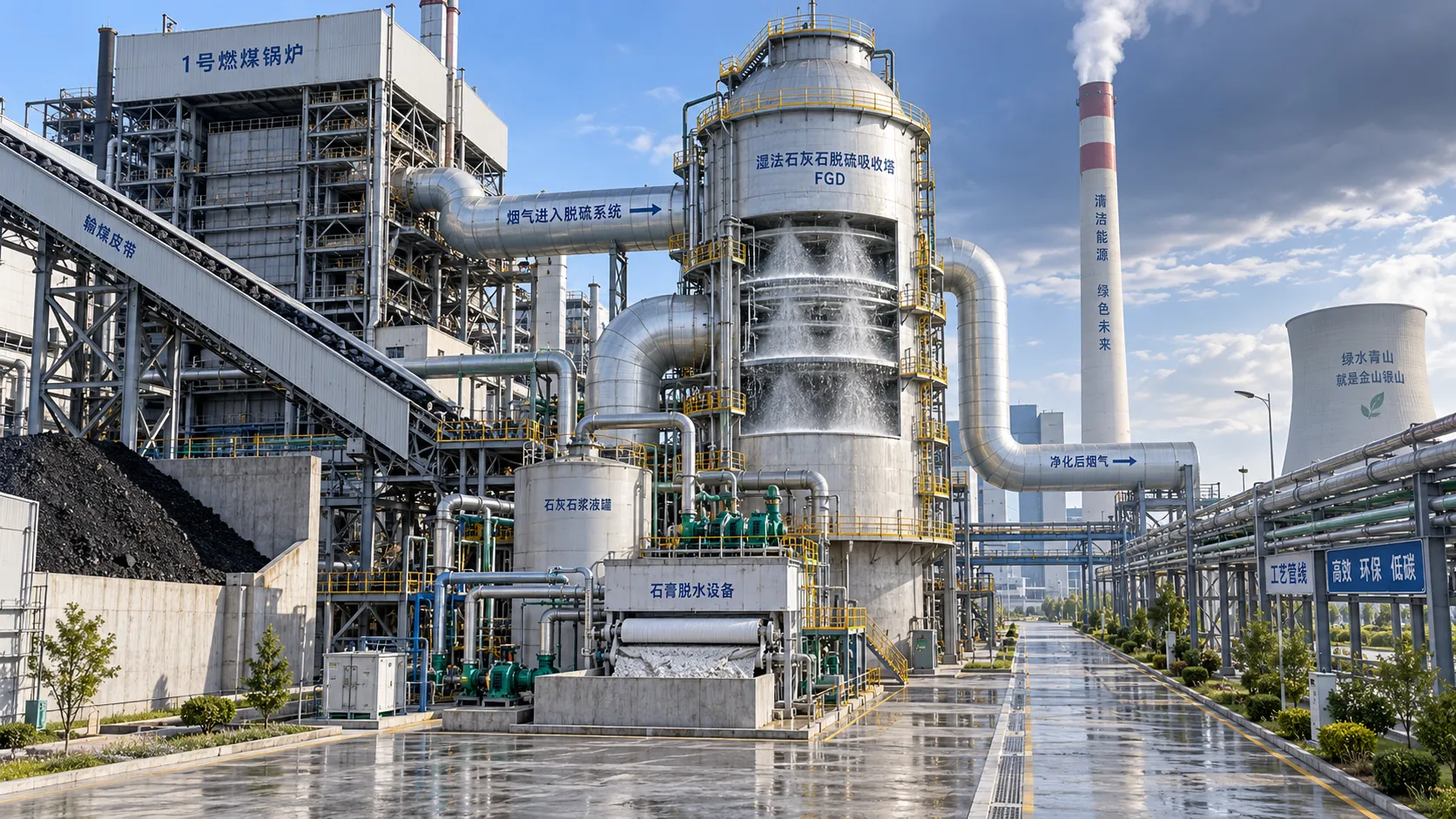
How to select FGD systems for coal boilers based on sulfur content
FGD systems for coal boilers: learn how sulfur content, fuel variability, emissions limits, water, waste, and retrofit constraints guide a compliant, cost-effective scrubber choice.
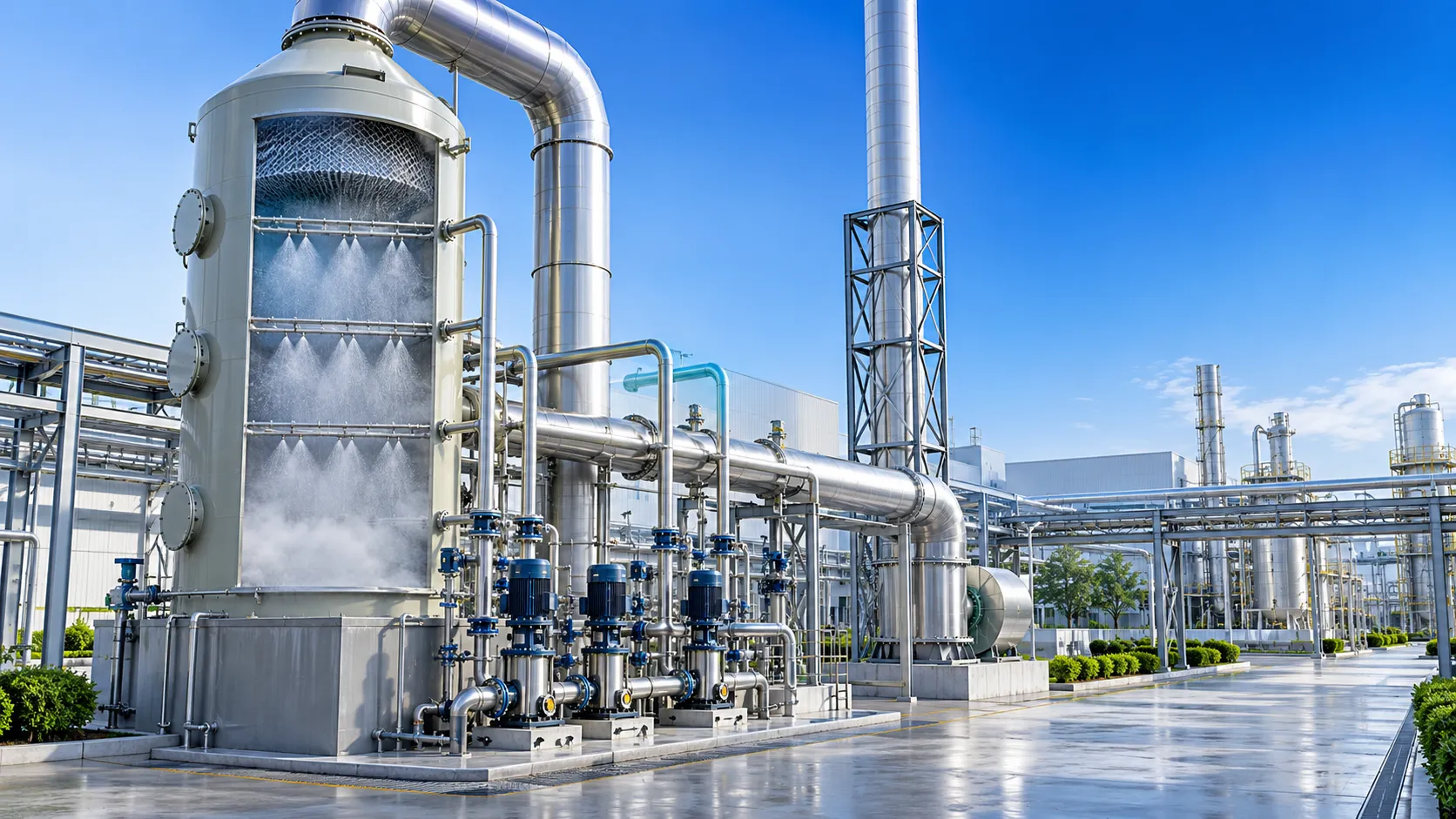
How to size a desulfurization equipment scrubber for variable gas flow
Desulfurization equipment scrubber sizing for variable gas flow: optimize SO2 removal, pressure drop, liquid-to-gas control, and compliance across every load.
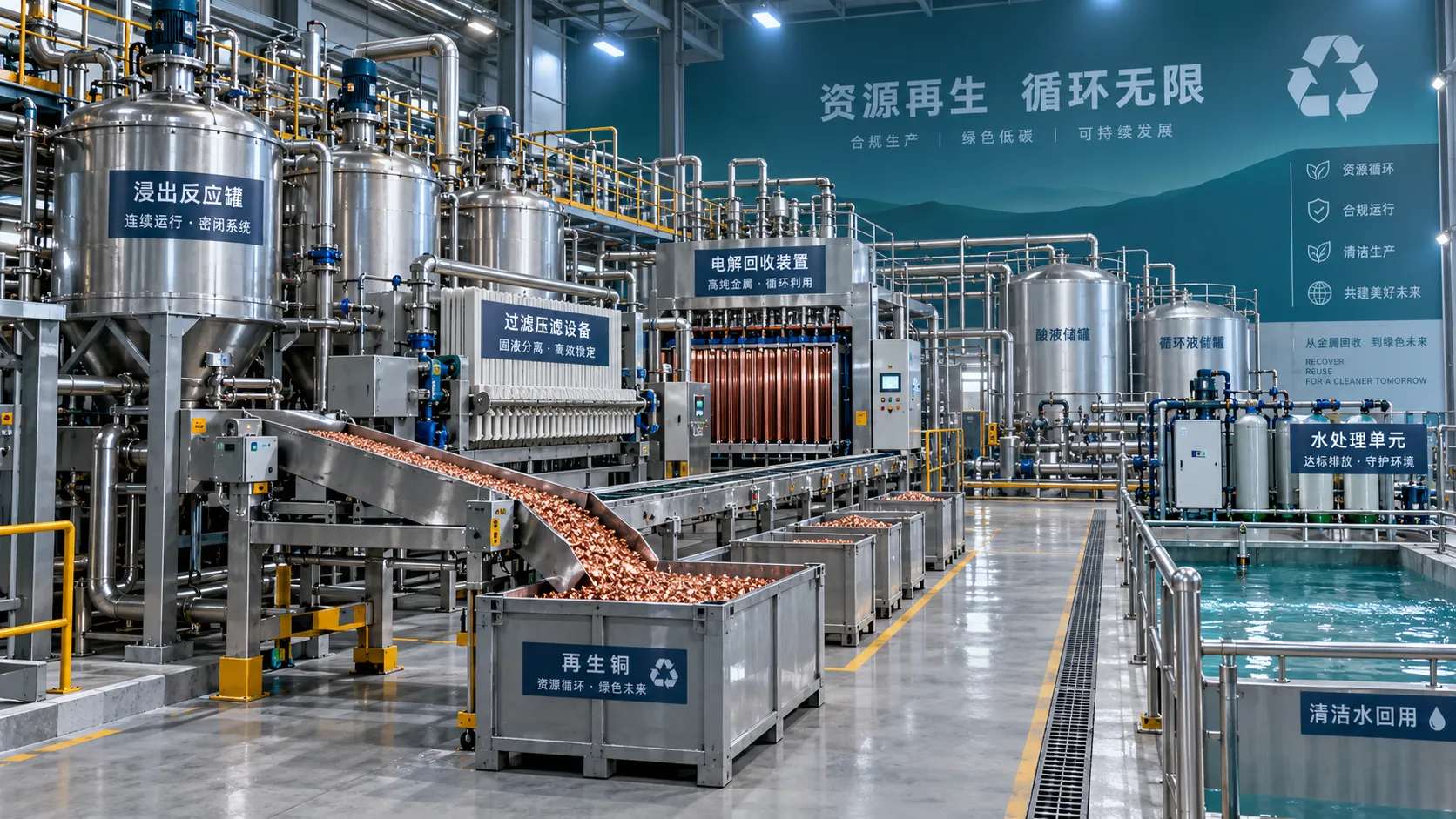
When does repeatable metals recovery infrastructure justify the investment?
Repeatable metals recovery infrastructure: discover when consistent feedstock, lower disposal costs, compliance control, and reliable offtake justify investment.
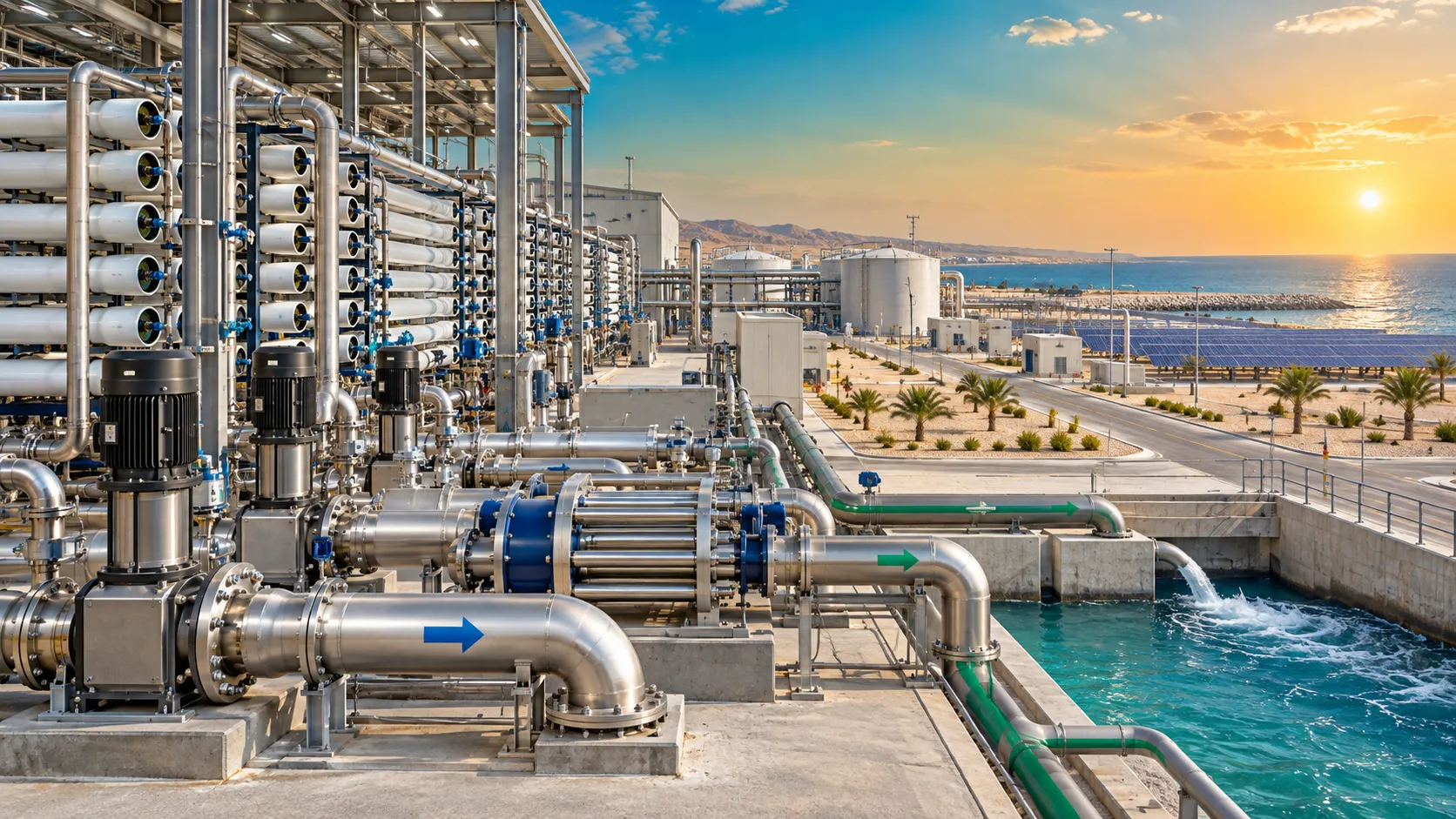
How energy recovery cuts the cost of seawater desalination in the Middle East
Seawater desalination Middle East projects can cut lifecycle costs with energy recovery. Explore savings, bankability, power-risk strategies, and smarter investment decisions.