
Industry News
Curation by industry experts
Hot Articles
Popular Tags
How to Build a Decarbonization Roadmap for Manufacturing
How to Build a Decarbonization Roadmap for Manufacturing in Real Operating Conditions
Building a decarbonization roadmap for manufacturing now affects margins, permitting, export readiness, and asset life, not only sustainability reporting.
In practice, the right roadmap links emissions baselines with energy supply, process design, maintenance windows, and compliance pressure.
That matters even more in industrial systems tied to water treatment, waste recovery, flue gas control, desalination, and nuclear safety boundaries.
A useful decarbonization roadmap for manufacturing must therefore reflect operating reality, not a generic target year and a few headline projects.
Why roadmap design changes from one manufacturing setting to another
Not every plant carries the same carbon profile.
Some facilities are dominated by electricity demand.
Others are constrained by steam, thermal oxidation, drying, pumping, or chemical treatment loads.
A decarbonization roadmap for manufacturing also shifts when discharge permits, CBAM exposure, water stress, or hazardous residue handling become limiting factors.
This is where an intelligence-led view becomes valuable.
ESD’s sector focus shows that carbon decisions rarely sit alone.
They interact with ZLD performance, AI sorting efficiency, scrubber chemistry, SWRO energy intensity, and long-cycle safety obligations.
So the first judgment is simple.
Is the site trying to decarbonize a utility system, a core process, or an environmental protection train that already consumes significant energy?
Where a decarbonization roadmap for manufacturing often starts differently
Energy-intensive treatment and purification lines
Facilities with wastewater concentration, membrane separation, evaporation, or ZLD usually face a high continuous energy burden.
Here, a decarbonization roadmap for manufacturing should begin with load mapping by unit operation, not by annual utility invoices alone.
The key question is whether energy use comes from avoidable hydraulic losses, poor recovery ratios, oversizing, or unavoidable chemistry.
In many plants, the fastest gains come from pump optimization, heat recovery, membrane cleaning discipline, and better reject-stream management.
Recovery systems with variable feedstock quality
Solid waste recovery and pyrolysis lines usually look attractive on circular economy metrics, yet their carbon performance can vary widely.
A decarbonization roadmap for manufacturing in this setting must test feed variability, contamination rates, sorting accuracy, and residue destinations.
If incoming material quality swings too much, energy demand and downstream emissions move with it.
That is why process control and material traceability often matter as much as equipment efficiency.
Air pollution control under strict emissions limits
Flue gas treatment creates another pattern.
Sites using FGD, SCR, or multi-stage particulate removal cannot treat carbon reduction as a simple power swap.
Lower-temperature operation, catalyst behavior, fan loads, pressure drop, and reagent consumption all influence the roadmap.
A practical decarbonization roadmap for manufacturing must protect air compliance while reducing hidden energy penalties inside the control system.
Different scenarios change the decision priorities
The same carbon target can lead to very different project sequences.
That depends on what constrains the plant first.
This is why a decarbonization roadmap for manufacturing should never copy another facility’s sequence without checking process dependencies.
What a workable roadmap usually includes before capital is committed
The most resilient roadmaps are built in layers.
They do not jump straight from baseline numbers to expensive electrification projects.
- Define a process-level carbon baseline, including utility islands and environmental treatment loads.
- Separate no-regret actions from projects requiring shutdowns, permitting changes, or operator retraining.
- Test carbon savings against water use, waste generation, throughput stability, and emissions compliance.
- Build a capital path that reflects maintenance cycles and equipment replacement timing.
- Create measurable milestones for energy intensity, direct emissions, and avoided process loss.
A decarbonization roadmap for manufacturing becomes far more credible when each phase is tied to operating data and physical constraints.
Common misreads that weaken decarbonization results
One common mistake is treating all electricity substitution as decarbonization progress.
If the process remains inefficient, the plant simply locks higher power demand into the future.
Another misread is focusing only on direct fuel use while ignoring auxiliary systems.
In desalination, flue gas treatment, or ZLD, auxiliary loads can determine the real carbon curve.
A third issue appears in recovery systems.
Teams may assume circular output automatically means low carbon output.
Without stable feed and verified downstream use, the benefit can be overstated.
The last weak point is underestimating compliance interaction.
A decarbonization roadmap for manufacturing must account for discharge, residue, and safety obligations that can limit technical choices.
How to adapt the roadmap to complex industrial ecosystems
In large industrial networks, the best roadmap is rarely site-blind.
It should reflect whether a plant sits inside an export chain, an industrial park, or a resource-constrained region.
For example, a water-stressed area may justify deeper reuse and desalination upgrades, even when energy demand rises in the short term.
A carbon-exposed export operation may prioritize auditable emissions factors and traceable procurement over experimental process changes.
This broader lens aligns with ESD’s strategic intelligence approach.
Environmental equipment, resource loops, and global compliance signals increasingly shape manufacturing competitiveness together.
That is why a decarbonization roadmap for manufacturing should connect engineering decisions with regulatory timing and commercial exposure.
A practical next step is to build the roadmap around site-specific proof
A strong decarbonization roadmap for manufacturing is not defined by ambition alone.
It is defined by whether the sequence matches actual loads, constraints, and risk tolerance.
The next useful move is to map the highest-energy units, compare scenario-specific retrofit paths, and test each option against compliance and reliability.
Then clarify which actions reduce emissions quickly, which require staged validation, and which should wait for broader process renewal.
That approach turns a decarbonization roadmap for manufacturing into an operational plan that can survive real industrial conditions.
Recommended News
When is compaction suitable for solid nuclear waste treatment?
Is compaction right for solid nuclear waste treatment? Discover suitable waste streams, key safety checks, and disposal requirements to reduce package volume and optimize costs.
How solids concentration affects dewatering in waste recovery systems
Optimize waste recovery systems dewatering with insights on solids concentration. Learn to balance throughput, cake dryness, and solids capture while avoiding costly equipment overloads.
How to compare technical specs in an environmental equipment directory
Use this environmental equipment directory technical guide to compare capacity, energy use, compliance, and supplier evidence. Build a defensible shortlist and choose with confidence.
How to assess a zero liquid discharge equipment supplier’s energy claims
Assess a zero liquid discharge equipment supplier’s energy claims. Learn how to verify system boundaries, compare real costs, and demand testable guarantees before you buy.
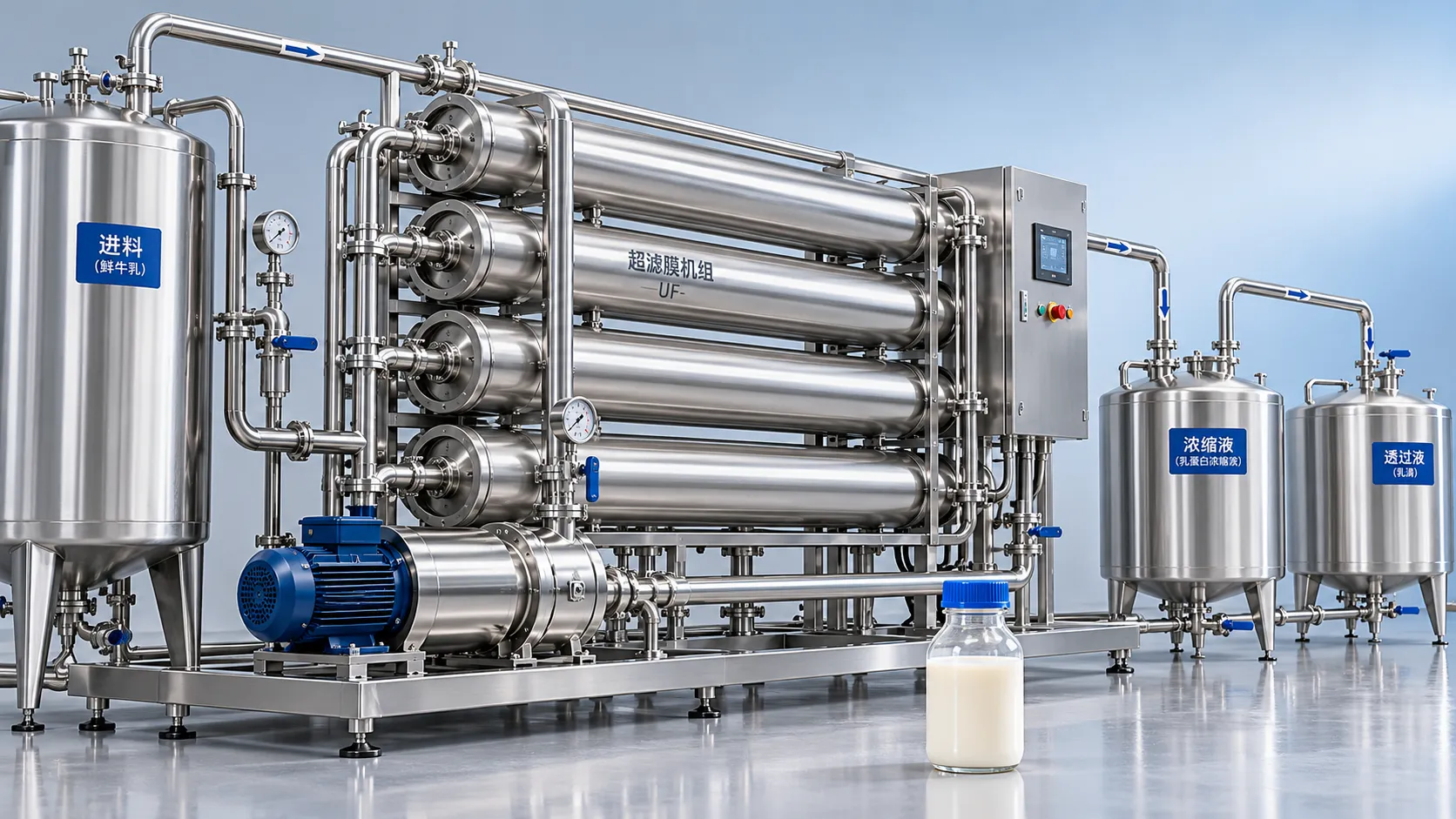
Which membrane filtration process suits dairy protein concentration?
Explore membrane filtration for dairy: compare UF, MF, and RO to select the right process for protein concentration, lactose reduction, and better recovery. Find your best fit.
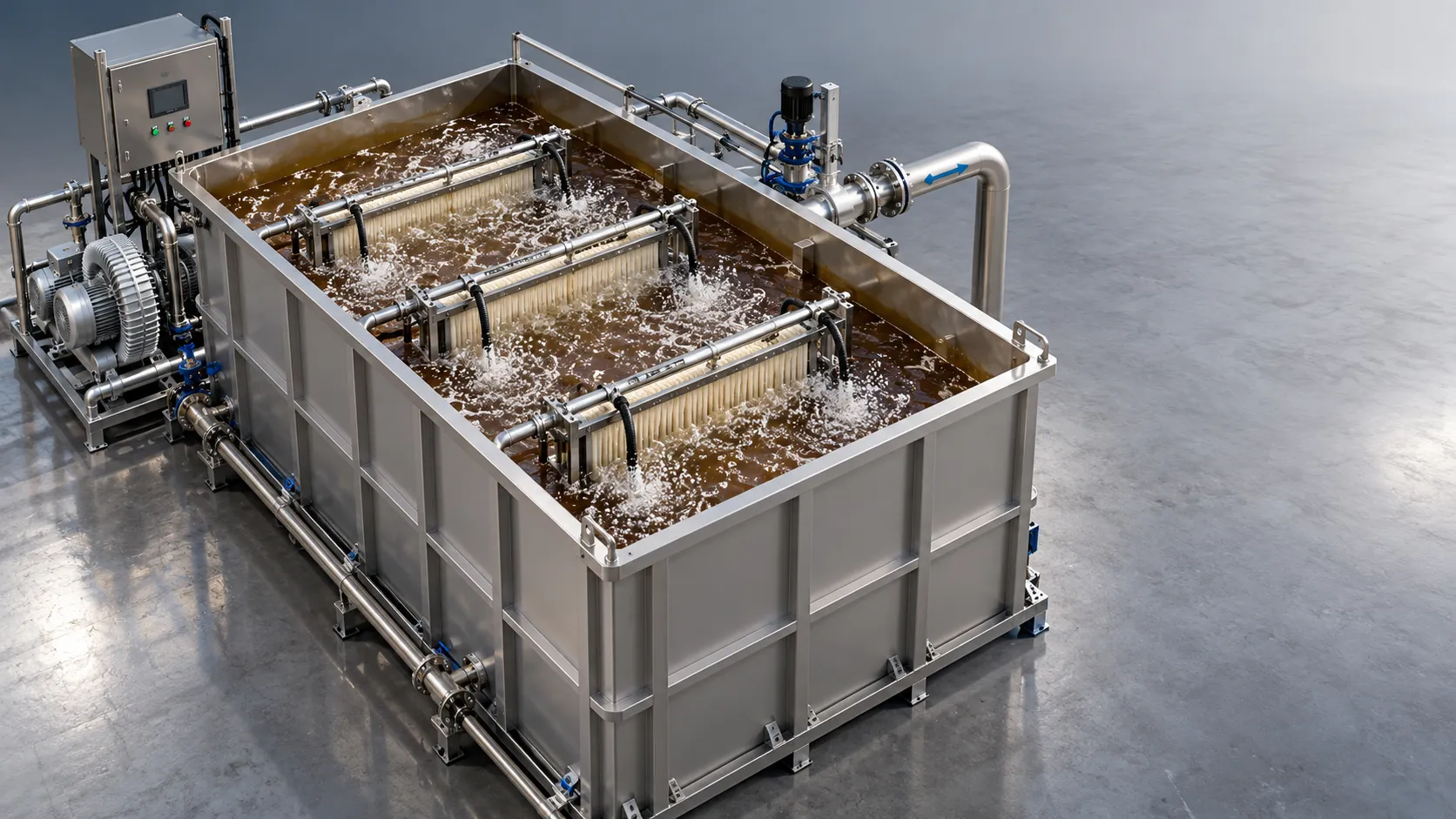
When is an MBR suitable for wastewater purification for bioprocessing?
For wastewater purification for bioprocessing, discover when an MBR fits your needs. Compare water quality, fouling risks, and lifecycle costs before investing.
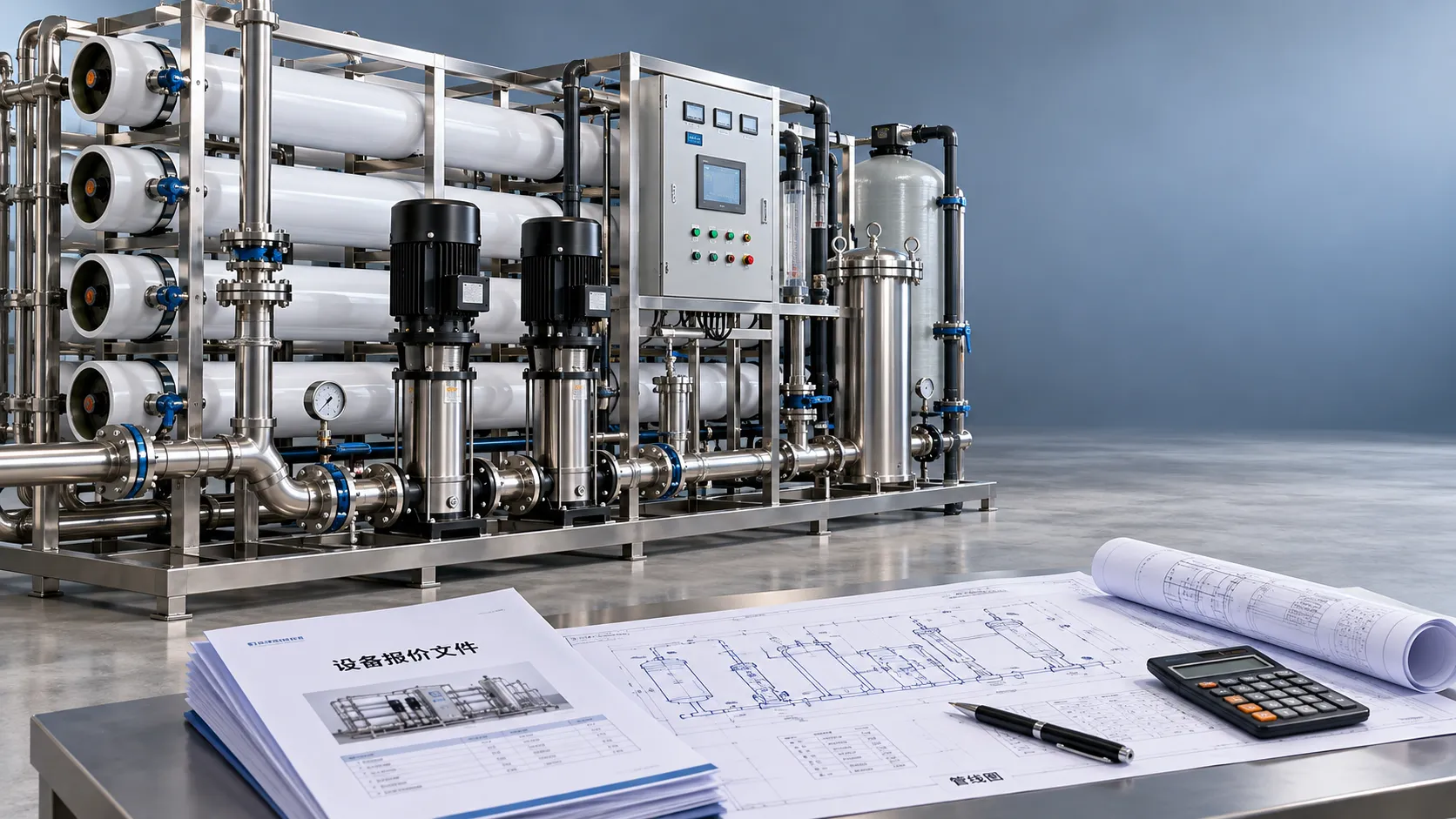
How to check a water treatment quotation for hidden project costs
Review your water treatment quotation for hidden costs, scope gaps, and operating expenses. Learn what to check before signing to protect your budget and avoid costly surprises.
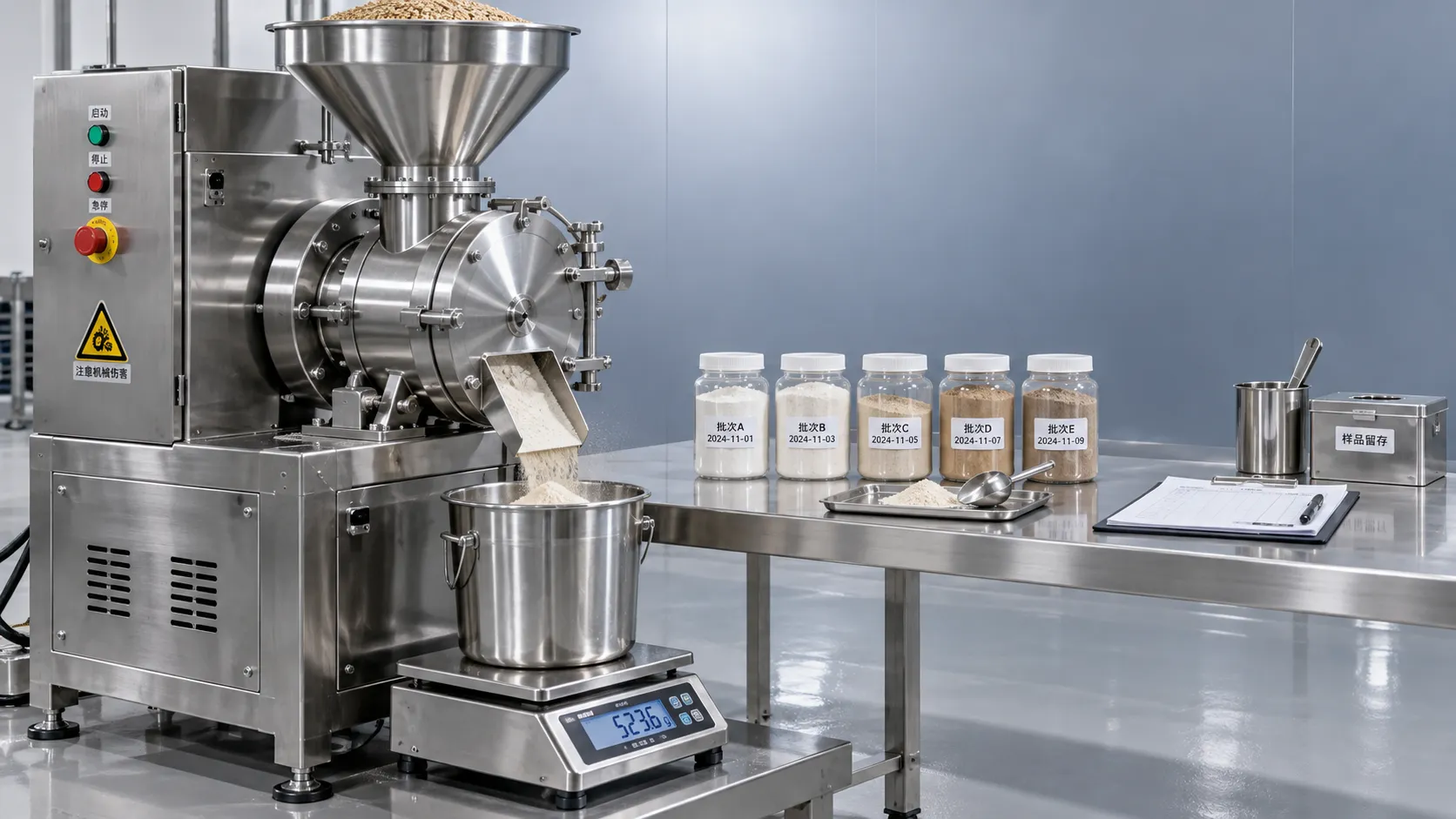
How to vet ingredient processing equipment manufacturers using trials
Vet ingredient processing equipment manufacturers with real-world trials. Learn how to verify yield, cleaning, energy use, and scale-up before you invest.
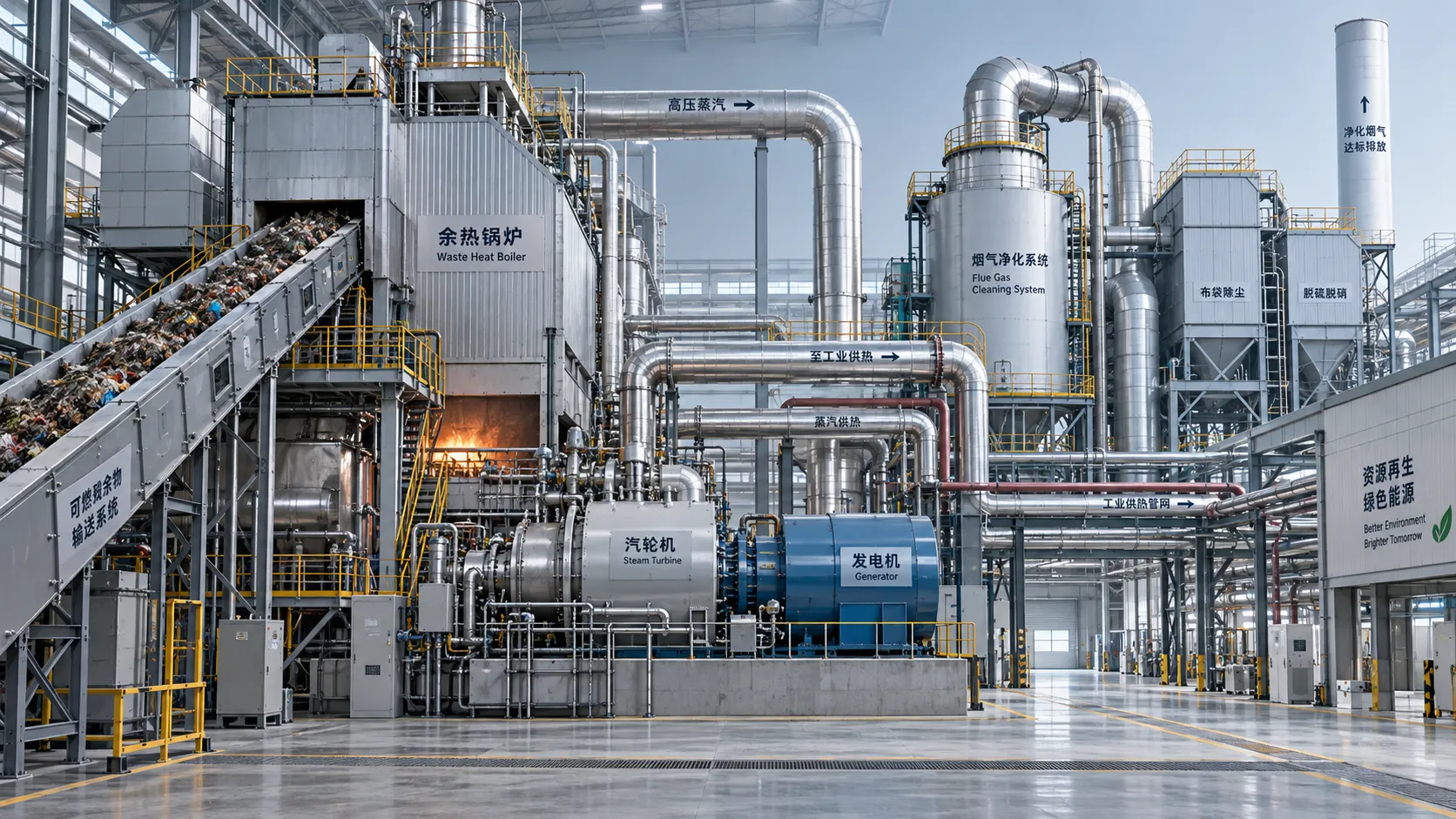
When is energy recovery viable in the solid waste recovery process?
When is energy recovery viable in the solid waste recovery process? Explore feedstock quality, net energy, emissions, and costs to assess feasibility and make smarter investment decisions.