
Industry News
Curation by industry experts
Hot Articles
Popular Tags
Industrial Purification Systems: Key Factors Before Selection
Selecting industrial purification systems is rarely a matter of choosing the biggest unit or the newest specification sheet. The real decision sits at the intersection of compliance, operating continuity, treatment precision, and total cost over years of service.
That is why industrial purification systems now attract more strategic attention across water treatment, waste recovery, flue gas control, desalination, and high-risk containment environments. In each case, the equipment must do more than remove contaminants. It must support resilient production, measurable environmental performance, and future regulatory readiness.
For organizations comparing options, the challenge is not lack of technology. It is knowing which factors actually determine whether a system will perform well under real process conditions. A careful selection approach reduces technical mismatch, hidden lifecycle expense, and downstream operational risk.
Why industrial purification systems have become a strategic decision
Industrial purification systems are used to separate, neutralize, recover, or stabilize unwanted substances from industrial streams. Those streams may be liquid, gaseous, solid, or mixed.
In practical terms, that includes wastewater with high salinity, flue gas with sulfur compounds, solid waste with recyclable fractions, seawater requiring desalination, or hazardous residues needing secure immobilization.
The business impact is broader than treatment efficiency alone. A poorly matched system can trigger permit violations, corrosion, energy overuse, unstable output quality, and repeated shutdowns.
A well-matched system does the opposite. It protects throughput, supports sustainability targets, and improves predictability in long-term asset planning.
This is especially visible in sectors tracked closely by ESD, where extreme purification conditions meet strict environmental boundaries. In such settings, equipment selection affects both operational safety and competitive positioning.
Start with process reality, not brochure language
Before comparing vendors, the most important step is to define the actual process burden. Industrial purification systems succeed only when they are designed around real feed conditions and realistic operating variability.
This means clarifying contaminant type, concentration range, temperature swings, pH conditions, solids loading, flow fluctuation, and required discharge or recovery targets.
A membrane train suitable for stable municipal influent may fail quickly in high-fouling industrial wastewater. A flue gas unit sized for average loads may underperform during peak sulfur events.
The same principle applies to solid waste recovery. Feed consistency determines sorting accuracy, thermal conversion stability, and the commercial value of recovered material.
In other words, selection begins with upstream truth. If the input profile is weakly defined, every downstream comparison becomes less reliable.
Questions that sharpen the requirement
- What contaminants must be removed, recovered, or stabilized?
- How often do flow rate and composition change?
- Is the target discharge, reuse, resource recovery, or zero liquid discharge?
- What happens if the system underperforms for one day, one week, or one quarter?
- Which utilities, chemicals, and maintenance skills are already available on site?
Compliance pressure now shapes equipment value
Industrial purification systems are increasingly judged by how well they align with a moving regulatory landscape. Environmental rules are tightening, but the bigger issue is that they are becoming more technical and more traceable.
Emission thresholds, water reuse rules, hazardous waste handling obligations, and carbon-linked trade mechanisms all influence selection. A system that meets today’s limit with no margin may become a liability sooner than expected.
This is one reason intelligence-led evaluation matters. ESD’s sector focus reflects a market reality: buyers need to read purification equipment not only as machinery, but as infrastructure tied to policy, reporting, and long-term compliance exposure.
For example, a seawater desalination project cannot be judged only by membrane output. Energy intensity, brine handling, pretreatment robustness, and regional standards all affect project viability.
The same applies to nuclear waste management, where containment integrity, material stability, and traceability requirements leave little room for approximation.
Lifecycle cost often matters more than purchase price
A lower upfront quote can hide a more expensive operating future. Industrial purification systems should be compared through lifecycle cost, not capital cost alone.
Energy consumption is usually the most visible cost driver, especially in desalination, thermal treatment, gas scrubbing, and advanced oxidation. But it is not the only one.
Consumables, membrane replacement, catalyst decay, sludge disposal, downtime loss, automation support, and spare part availability all shape the economic outcome.
A system with higher process stability may appear more expensive at bid stage, yet deliver stronger returns through lower cleaning frequency, fewer process interruptions, and better compliance consistency.
Technology fit depends on the application path
There is no universal best option among industrial purification systems. The right solution depends on whether the goal is removal, recovery, recirculation, volume reduction, or final stabilization.
In large water treatment plants, the key issue may be balancing effluent quality with fouling control and recovery rate. In ZLD projects, concentration management and energy intensity become central.
In flue gas treatment, reaction efficiency, pressure drop, corrosion resistance, and by-product handling often matter as much as nominal emission reduction.
In solid waste recovery, the decision may hinge on feed heterogeneity, sorting precision, and whether recovered outputs have reliable downstream markets.
In nuclear waste management, tolerance for failure is extremely low. Material durability, containment logic, and auditability become selection fundamentals, not optional enhancements.
This broader view helps explain why ESD tracks not only equipment launches, but also membrane development, catalyst kinetics, vitrification stability, and commercial demand shifts. The equipment choice is inseparable from the science behind it.
Typical selection lenses by scenario
- Wastewater treatment: recovery rate, fouling resistance, discharge reliability
- Desalination: pretreatment quality, membrane durability, energy profile
- Flue gas control: reaction efficiency, corrosion tolerance, reagent use
- Resource recovery: purity of recovered fractions, process flexibility, resale value
- Hazardous residue management: containment security, long-term stability, traceability
Reliability, control, and data visibility deserve more weight
Industrial purification systems are increasingly expected to operate as intelligent assets. That changes the selection criteria.
Monitoring quality, automation architecture, alarm logic, remote diagnostics, and data integration now influence whether a system can remain stable under variable conditions.
This matters because modern compliance is evidence-based. Plants must often prove performance, not just claim it. Reliable data streams support maintenance planning, regulatory reporting, and faster correction when process drift appears.
Systems with weak instrumentation can be harder to tune, harder to audit, and more expensive to troubleshoot. In critical facilities, that risk can outweigh a small saving in capital expense.
How to compare options without losing the bigger picture
A useful comparison framework keeps technical, financial, and strategic factors in the same view. That prevents decisions from being driven by isolated headline numbers.
One practical method is to score industrial purification systems against five groups of criteria: process fit, compliance margin, lifecycle cost, operational resilience, and upgrade potential.
Upgrade potential is often overlooked. Yet regulations change, feed streams evolve, and resource recovery targets become more ambitious. Systems that allow modular expansion or process adaptation usually retain value better.
Vendor capability also belongs in the evaluation, but not as a branding exercise. The relevant questions are whether performance claims are supported by comparable references, realistic test data, and credible after-sales support.
- Request performance data under similar feed and load conditions
- Model best-case, normal, and stress-case operating costs
- Check how residuals are managed after purification
- Review automation depth and data reporting capability
- Test whether the system can adapt to future standards
A practical next step before final selection
The strongest decisions usually come from a short, disciplined review process rather than a rushed equipment comparison. Start by translating process conditions into a clear evaluation matrix.
Then compare industrial purification systems against that matrix using evidence, not assumptions. Include technical limits, operating scenarios, compliance headroom, and residual management.
Where the application is complex, it helps to use intelligence sources that connect regulation, process science, and market direction. That is particularly relevant in areas such as ZLD, SWRO, flue gas treatment, waste recovery, and nuclear waste containment.
A final choice should not only solve today’s purification problem. It should also remain dependable as environmental expectations tighten and resource efficiency becomes a harder commercial requirement.
That is the real benchmark for selecting industrial purification systems: not simply whether they work, but whether they keep working under the pressures that define modern industrial infrastructure.
Recommended News
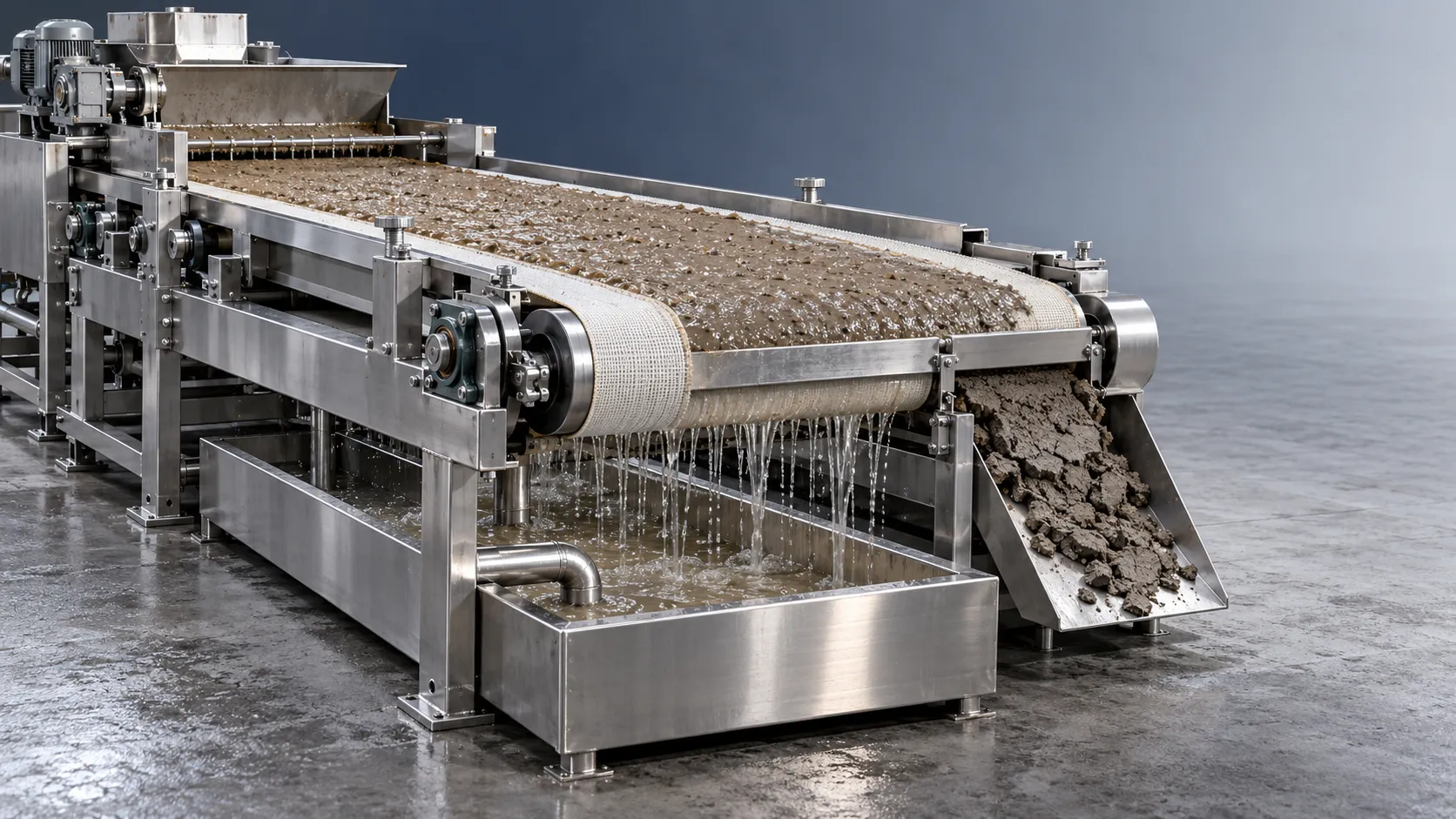
How solids concentration affects dewatering in waste recovery systems
Optimize waste recovery systems dewatering with insights on solids concentration. Learn to balance throughput, cake dryness, and solids capture while avoiding costly equipment overloads.
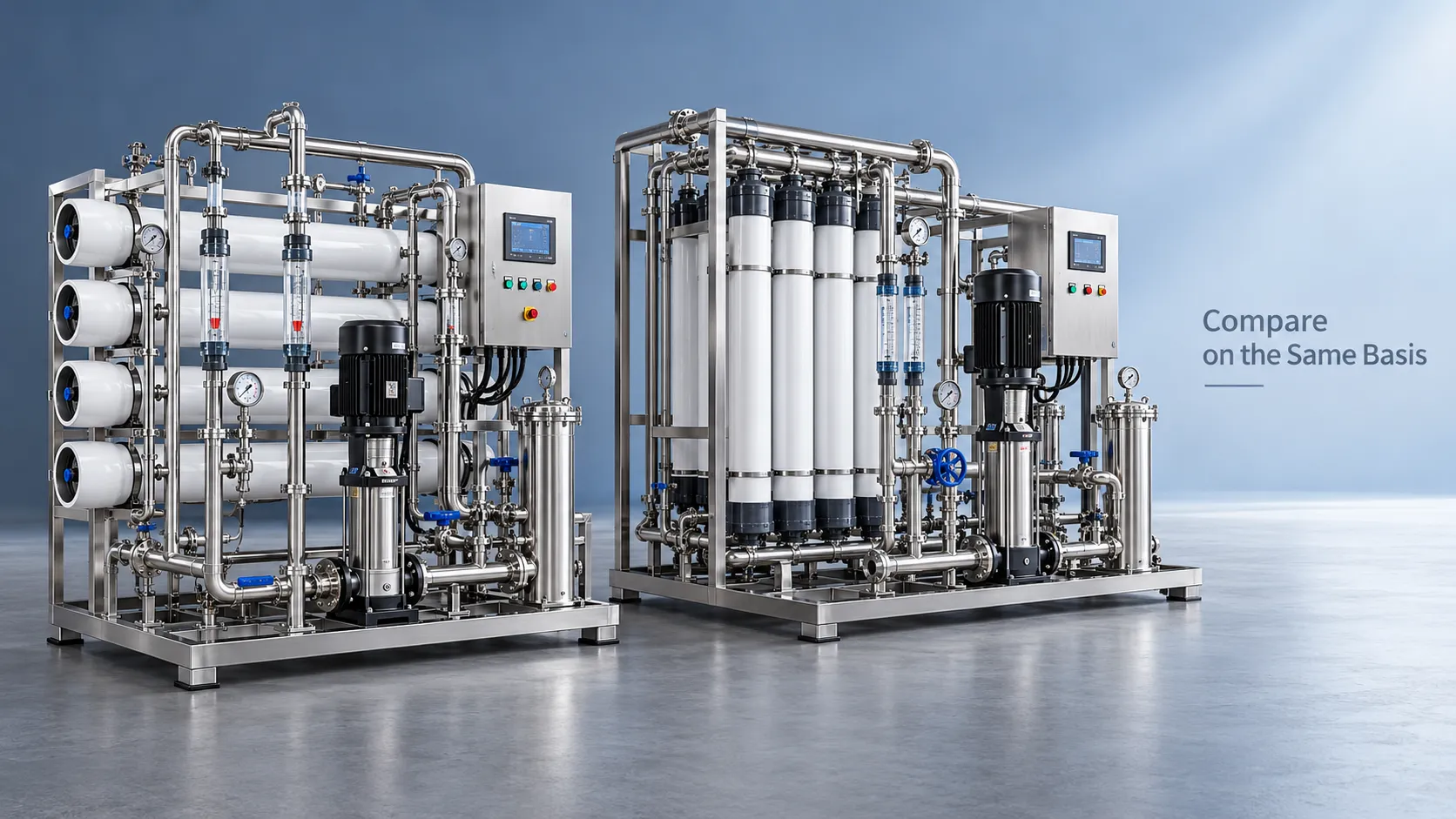
How to compare technical specs in an environmental equipment directory
Use this environmental equipment directory technical guide to compare capacity, energy use, compliance, and supplier evidence. Build a defensible shortlist and choose with confidence.
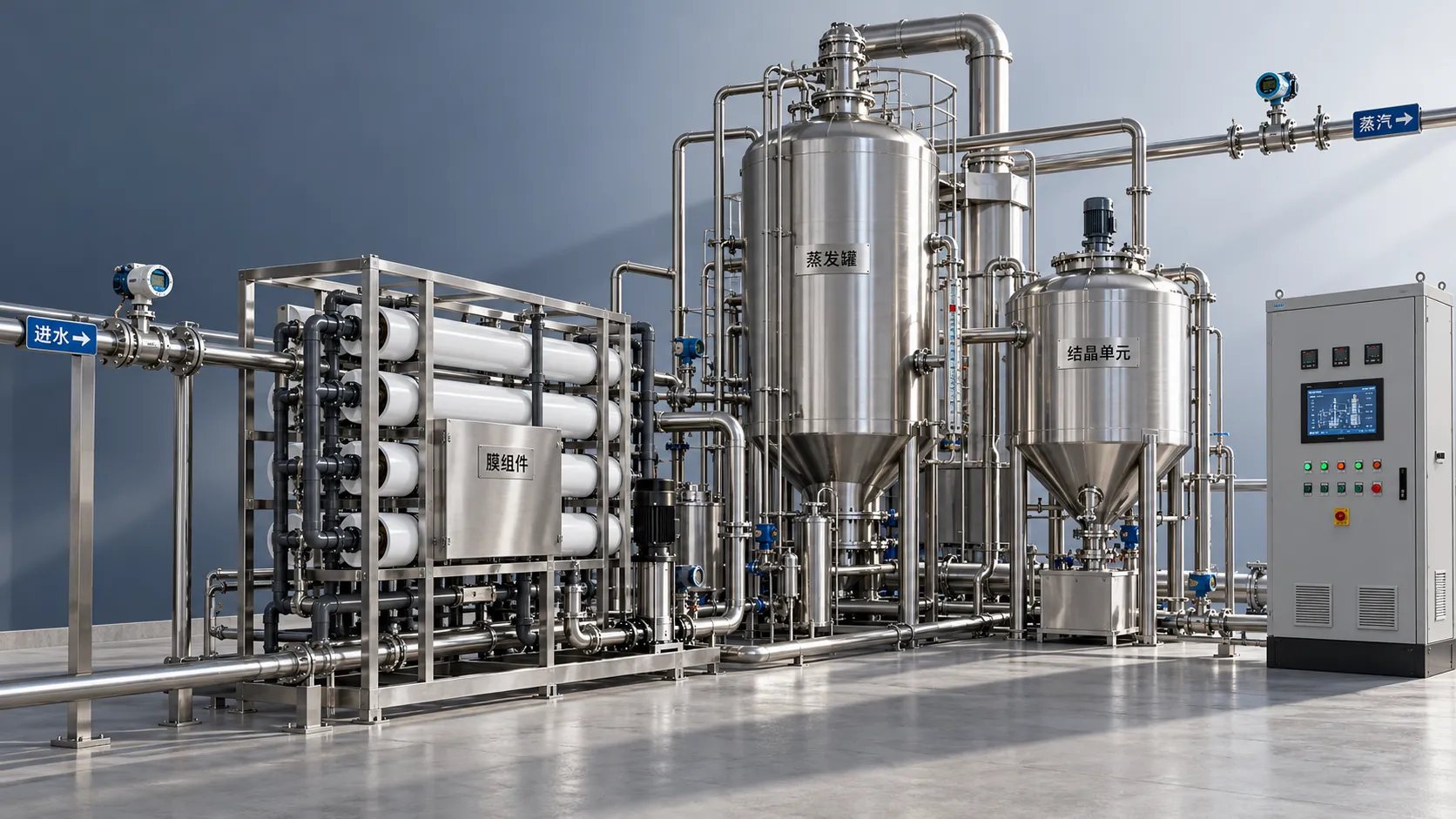
How to assess a zero liquid discharge equipment supplier’s energy claims
Assess a zero liquid discharge equipment supplier’s energy claims. Learn how to verify system boundaries, compare real costs, and demand testable guarantees before you buy.
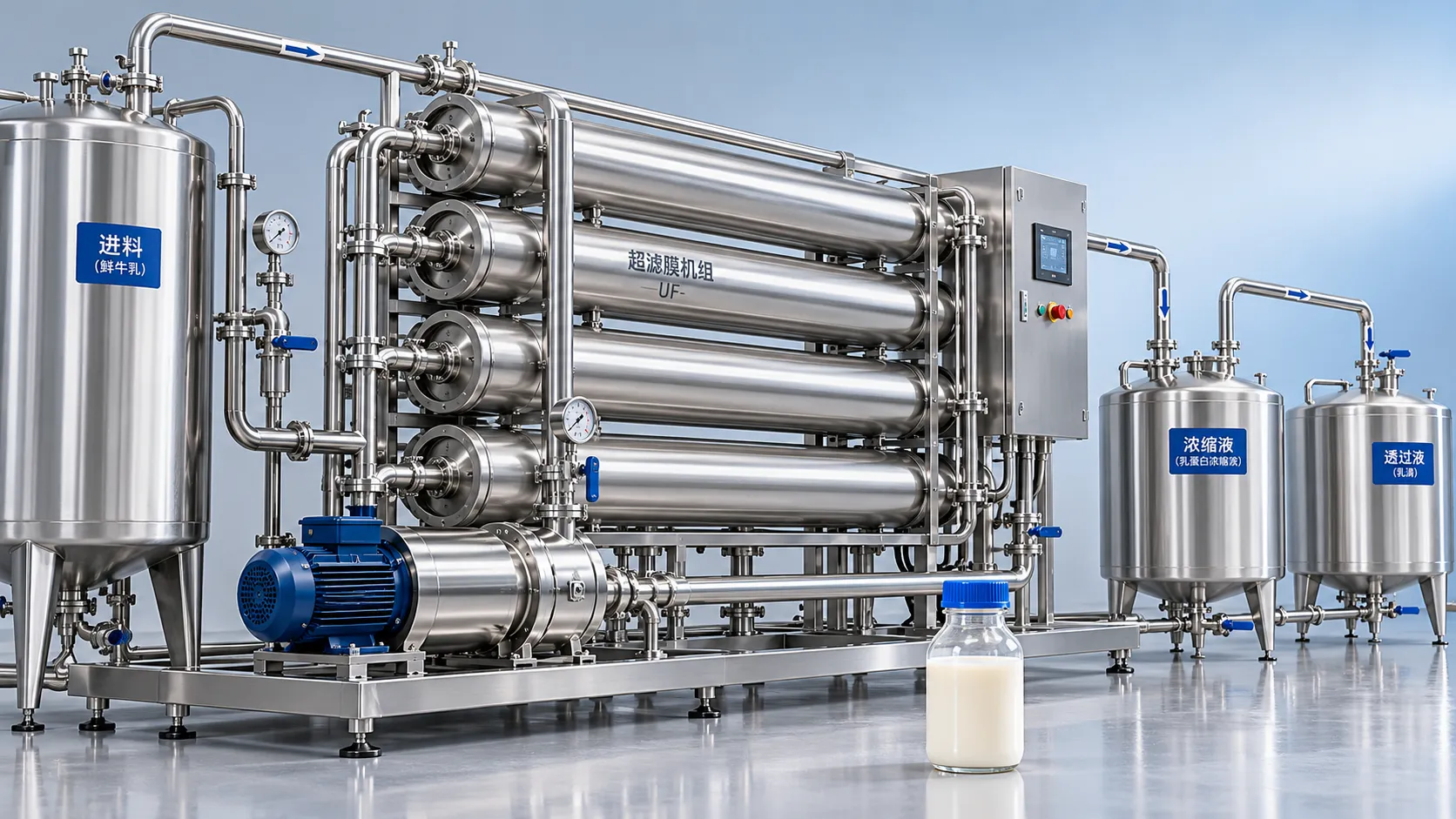
Which membrane filtration process suits dairy protein concentration?
Explore membrane filtration for dairy: compare UF, MF, and RO to select the right process for protein concentration, lactose reduction, and better recovery. Find your best fit.
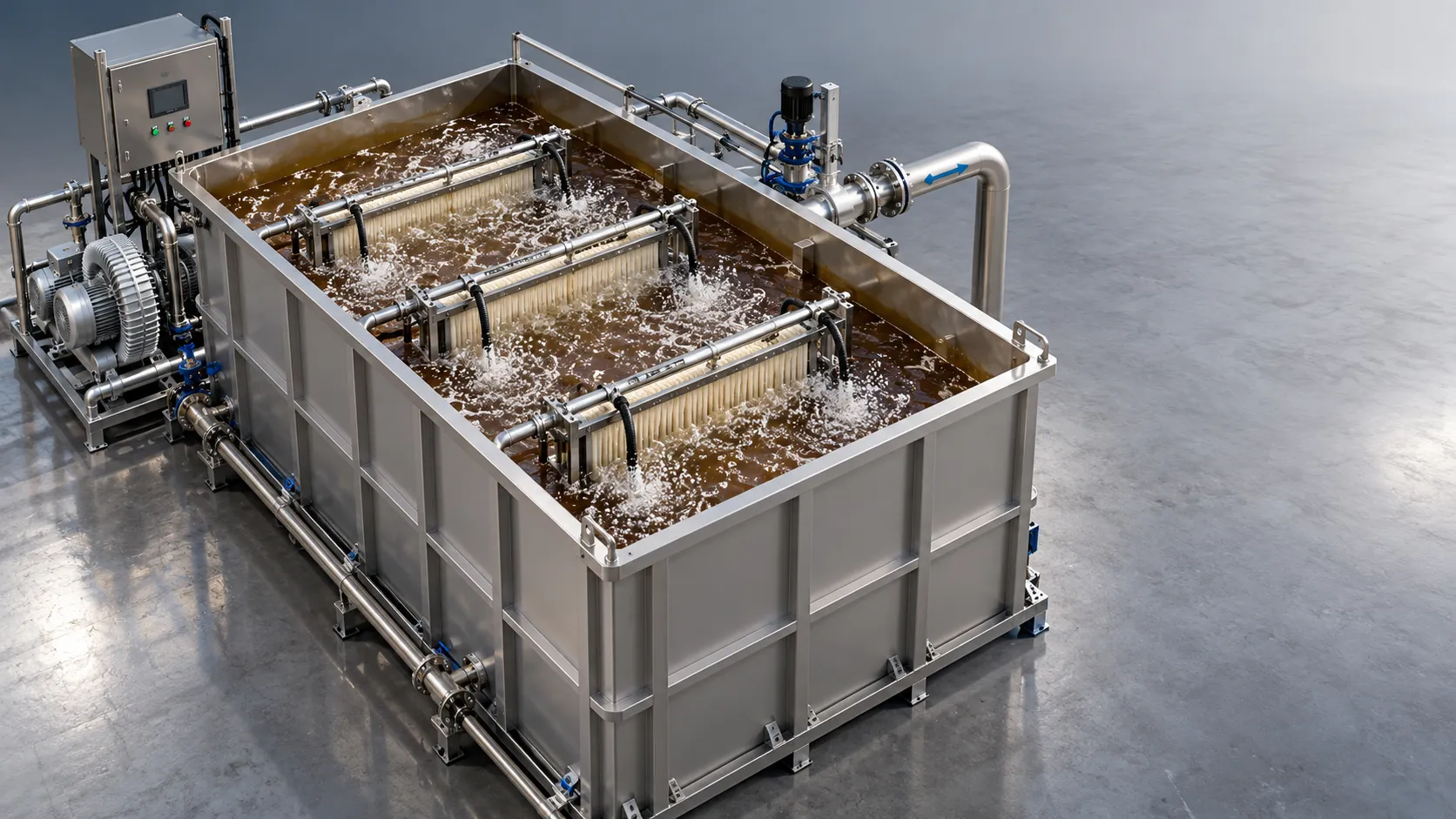
When is an MBR suitable for wastewater purification for bioprocessing?
For wastewater purification for bioprocessing, discover when an MBR fits your needs. Compare water quality, fouling risks, and lifecycle costs before investing.
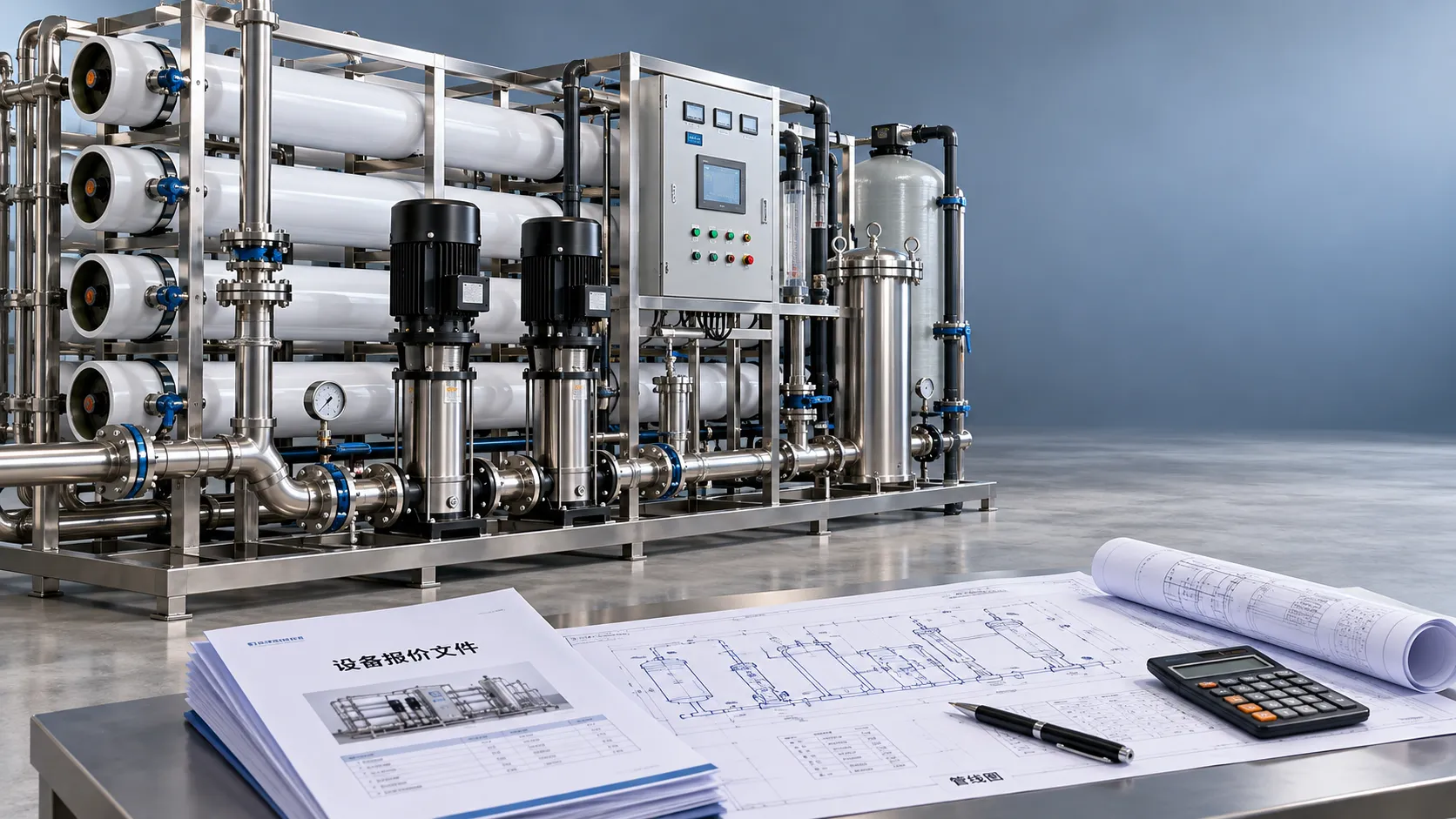
How to check a water treatment quotation for hidden project costs
Review your water treatment quotation for hidden costs, scope gaps, and operating expenses. Learn what to check before signing to protect your budget and avoid costly surprises.
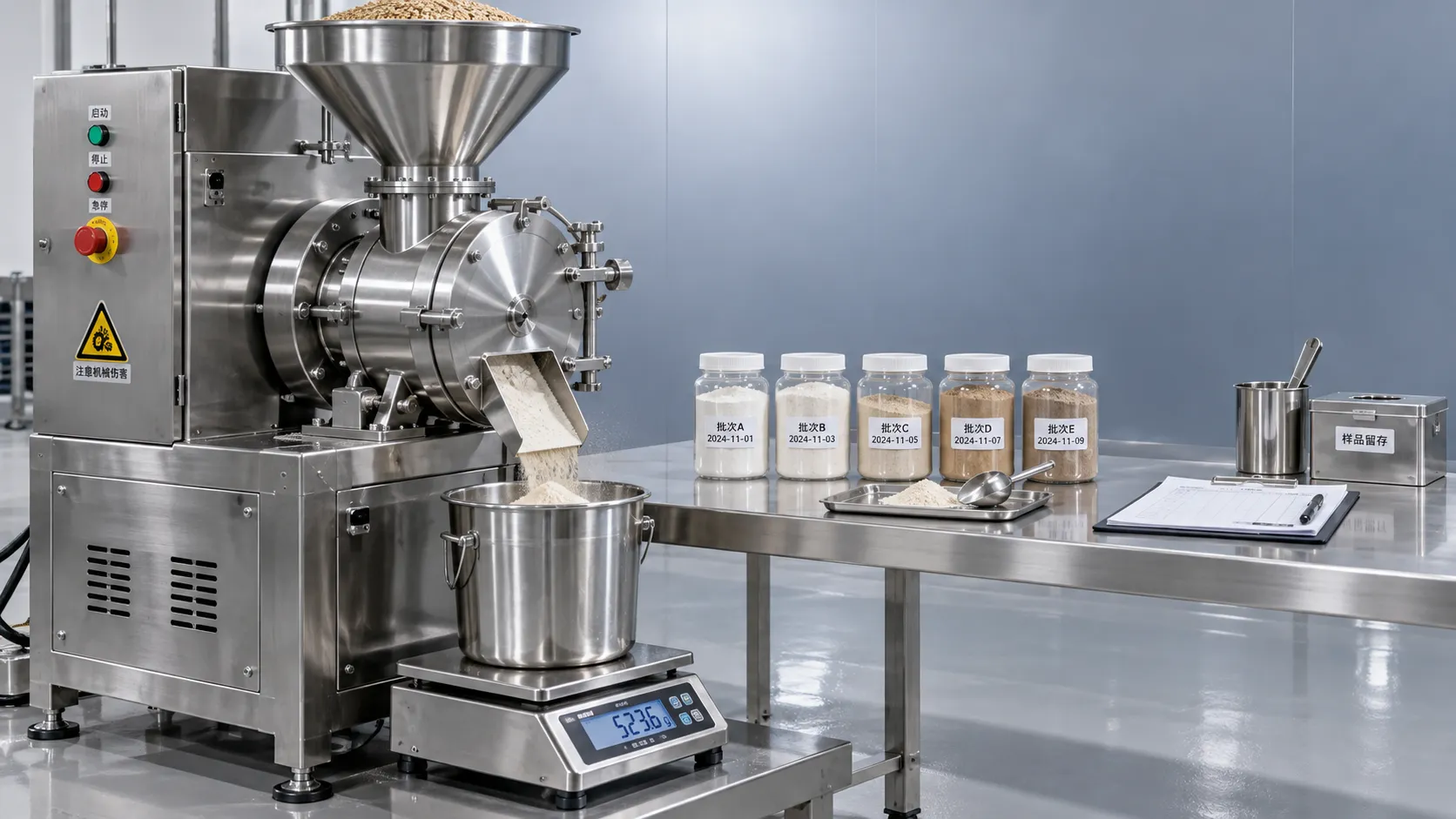
How to vet ingredient processing equipment manufacturers using trials
Vet ingredient processing equipment manufacturers with real-world trials. Learn how to verify yield, cleaning, energy use, and scale-up before you invest.
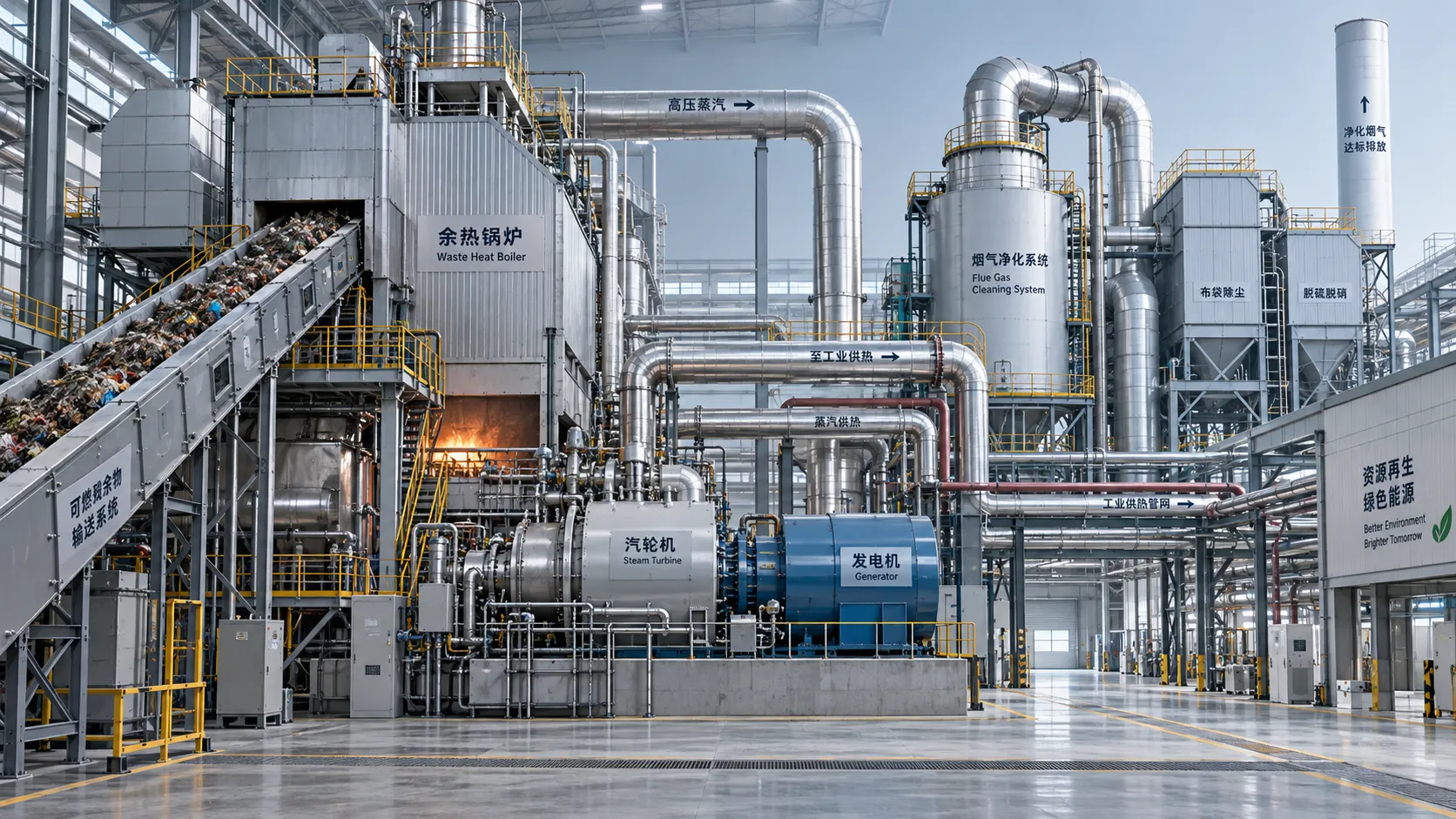
When is energy recovery viable in the solid waste recovery process?
When is energy recovery viable in the solid waste recovery process? Explore feedstock quality, net energy, emissions, and costs to assess feasibility and make smarter investment decisions.
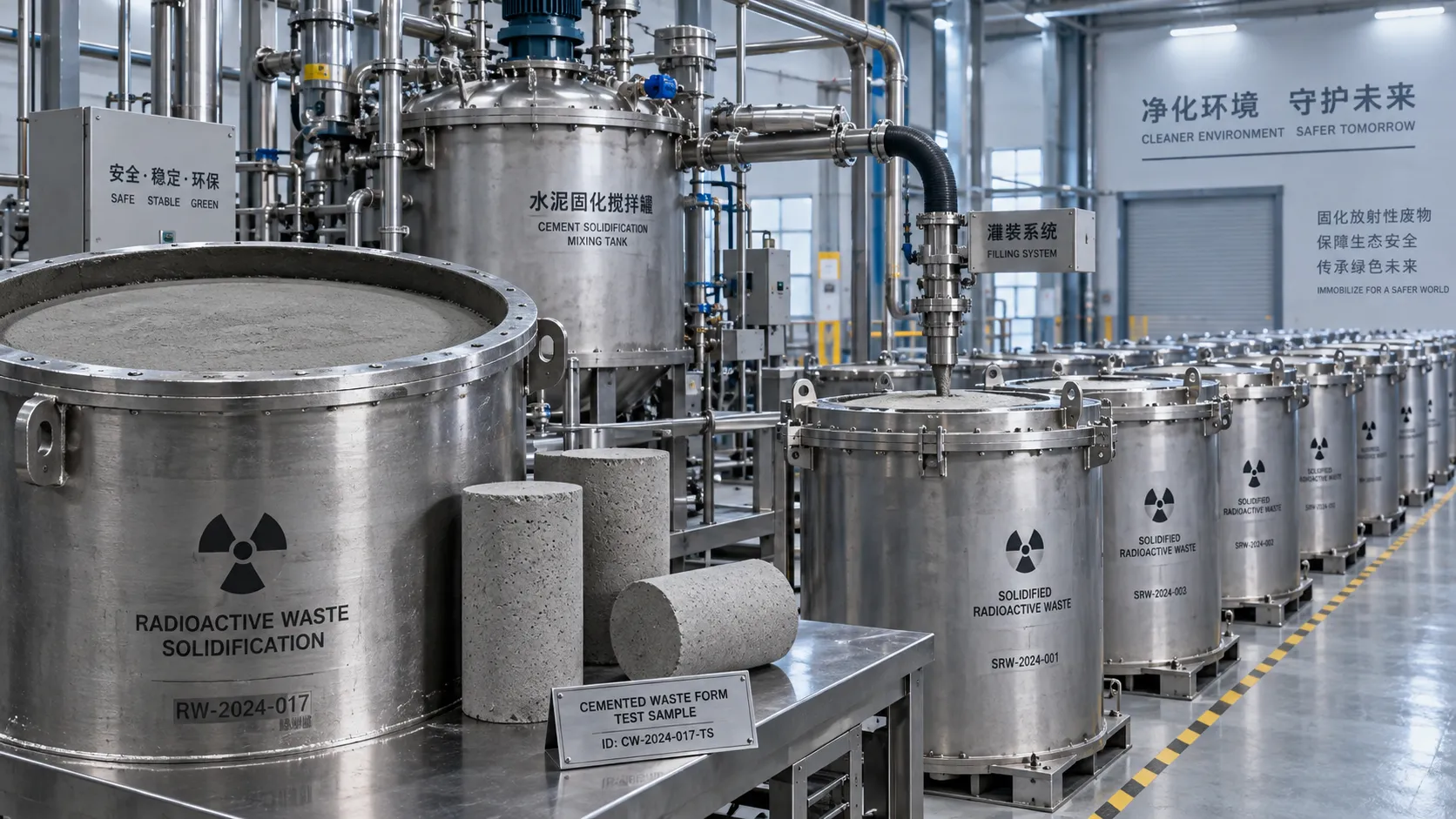
When is cementation suitable for nuclear decommissioning waste?
Explore nuclear waste treatment technology for decommissioning: learn when cementation fits, which risks to assess, and how disposal criteria guide an effective treatment choice.