
Industry News
Curation by industry experts
Hot Articles
Popular Tags
Radioactive Waste Management Solutions: Cost and Risk
For financial approvers, radioactive waste management solutions are not a simple line-item expense. They shape long-term capital efficiency, insurance exposure, operational continuity, and the credibility of a nuclear or industrial environmental strategy.
That is why cost should never be reviewed alone. The better question is how each option changes lifecycle risk, regulatory pressure, and future funding flexibility.
Across the broader environmental sector, ESD tracks the same pattern in water treatment, flue gas control, solid waste recovery, and desalination: the cheapest technical route often becomes the most expensive compliance outcome.
In radioactive waste management solutions, that gap is even wider. Packaging, transport, treatment, storage, and documentation all carry cost multipliers that can surface years after the initial approval.
What Actually Drives Cost in Radioactive Waste Management Solutions
Most budgets begin with equipment pricing. In practice, total cost is driven by waste classification, treatment compatibility, permitting complexity, labor controls, and the duration of monitored storage.
A solid review starts by separating visible capex from hidden recurring obligations. That makes different radioactive waste management solutions much easier to compare on a like-for-like basis.
- Map waste type first. Low-level, intermediate-level, and legacy mixed waste require different radioactive waste management solutions, changing container design, shielding demand, transport controls, and the approval timeline.
- Check volume reduction economics. A higher-priced treatment step can still lower total spend if it cuts storage footprint, transport frequency, disposal fees, and long-term monitoring obligations.
- Price documentation as part of delivery. Traceability systems, audit records, and chain-of-custody support are not admin extras; they directly affect licensing confidence and future dispute costs.
- Test secondary infrastructure needs. Ventilation, shielding rooms, sampling tools, water polishing links, and emergency containment often add more cost than the base treatment module.
- Review end-point certainty. Some radioactive waste management solutions only move waste into another form, while others create a clearer disposal path with lower residual liability.
- Model inflation-sensitive items. Energy, specialty steel, cementitious media, vitrification inputs, and licensed transport services can materially change ten-year cost performance.
A simple comparison view helps
Where Risk Usually Hides
The biggest financial mistakes usually come from low-probability, high-impact events. A system can look affordable until one permit delay, one waste reclassification, or one transport issue changes the whole business case.
This is where ESD’s cross-sector intelligence matters. The same lessons seen in ZLD plants and flue gas retrofits apply here: risk sits at interfaces, not only inside the core machine.
- Watch classification drift. Waste streams can change after testing, and that can force different radioactive waste management solutions, higher shielding standards, and a more expensive disposal route.
- Do not separate treatment from transport. A technically effective output is still risky if packaging geometry, radiation limits, or route approvals complicate licensed shipment.
- Stress-test vendor assumptions. Promised throughput often depends on ideal waste chemistry, stable moisture, or uniform solids size that real-world operations rarely maintain.
- Flag compliance dependency early. If performance relies on future policy clarity or third-party repository access, the financing case should reflect schedule and tariff uncertainty.
- Review decommissioning impacts. Some radioactive waste management solutions lower today’s handling cost but create harder dismantling conditions and higher future remediation budgets.
A short scenario worth testing
Consider a facility choosing lower-cost conditioning equipment with minimal automation. The quote looks attractive, and the first-year budget works.
Then waste variability increases. Manual intervention rises, batch rejection grows, and reporting time doubles. Suddenly, the lower-cost option becomes the higher-risk operating model.
That pattern is common in radioactive waste management solutions. Small technical mismatches often expand into insurance, labor, and compliance costs.
How to Compare Solutions Without Getting Lost in Technical Noise
A good procurement decision does not require reviewing every engineering detail. It requires focusing on the few variables that change total ownership cost and risk exposure.
This is especially useful in complex environmental portfolios, where nuclear waste management competes for capital against water reuse, recovery systems, and emissions control investments.
- Ask for lifecycle cost bands, not a single number. Strong radioactive waste management solutions should show base, stressed, and worst-case operating cost assumptions over time.
- Use disposal-path clarity as a scoring factor. If the treated waste form has uncertain acceptance criteria, apparent savings may simply postpone a more expensive decision.
- Check integration with adjacent systems. Water polishing, off-gas control, solids handling, and digital traceability can materially improve overall performance and reduce surprise costs.
- Prioritize operational resilience. Automated handling, remote monitoring, and stable process control usually protect budget performance better than lower first-cost configurations.
- Compare regulatory fit by geography. Radioactive waste management solutions that work in one jurisdiction may require costly redesign under another reporting or packaging framework.
- Request evidence from analogous facilities. Similar radionuclide profiles, throughput ranges, and compliance conditions are more valuable than broad reference lists.
One practical screen for proposals
Different Operating Contexts Change the Best Choice
A new-build nuclear project usually values standardization, long-horizon compliance stability, and predictable operating cost. In that setting, radioactive waste management solutions with stronger automation often justify the premium.
A legacy site or industrial research facility may need flexibility first. Waste profiles can be inconsistent, so modular treatment and better characterization tools may reduce risk more than maximum throughput.
Where projects sit inside broader ecological infrastructure, integrated thinking becomes even more important. ESD often sees value when radioactive waste management solutions are reviewed alongside water treatment loops, gas cleaning, and residual solids recovery.
That wider lens helps identify shared utilities, shared compliance workflows, and better capital sequencing across the whole environmental platform.
- For new projects, favor design maturity. Proven radioactive waste management solutions usually shorten commissioning, reduce claims risk, and improve lender confidence in long-term cost predictability.
- For legacy assets, favor flexibility. Systems that tolerate changing waste chemistry and mixed inventories can prevent repeated retrofit spending and compliance disruption.
- For multi-utility sites, review shared infrastructure. Common monitoring, water treatment, and emissions handling can improve the business case beyond the waste system alone.
- For export-facing projects, account for policy exposure. Global scrutiny, ESG reporting, and carbon-linked compliance narratives can affect financing and public-risk premiums.
What Often Gets Overlooked Before Approval
Several cost items stay invisible until contract finalization or early operation. These gaps are usually small on paper but meaningful in board-level reviews and project audits.
- Include contingency for characterization updates. Better sampling can improve decision quality, but it can also reclassify waste and alter the selected treatment route.
- Budget for digital compliance architecture. Radioactive waste management solutions increasingly depend on reliable data capture, version control, and inspection-ready reporting.
- Review operator exposure strategy. Lower exposure pathways often justify automation upgrades because they reduce workforce risk and unplanned operating interruptions.
- Test contract clarity on performance failure. Rework cost, secondary waste generation, and disposal rejection terms should be explicit before any final approval.
- Check how future regulation could tighten. A solution that only meets today’s minimum standard may become an expensive stranded asset later.
A Better Next Step for Decision Quality
The smartest way to evaluate radioactive waste management solutions is to compare them as risk-adjusted capital choices, not isolated equipment purchases.
Start with three filters: waste certainty, disposal-path certainty, and compliance-path certainty. If one of those is weak, the low-price option is rarely the low-cost option.
From there, ask for lifecycle scenarios, not headline quotations. That will usually reveal which radioactive waste management solutions protect budgets, preserve operational flexibility, and reduce future liability.
In an environmental landscape shaped by tighter regulation and larger clean-energy investments, disciplined selection is not just safer. It is financially stronger.
That is also where ESD’s intelligence-led perspective becomes useful: connecting nuclear waste decisions with the wider economics of water, air, resource recovery, and compliance resilience.
Recommended News
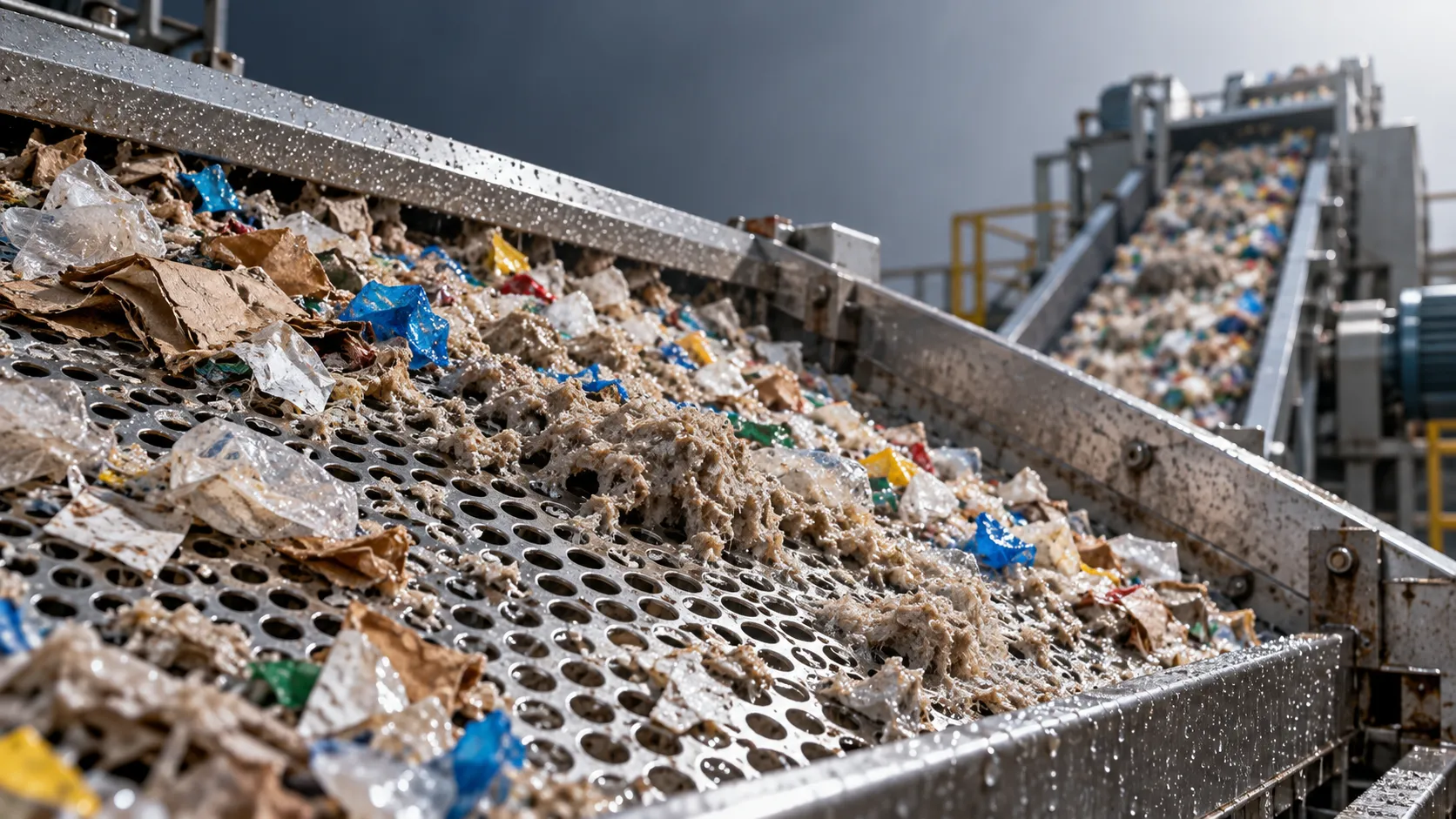
How moisture affects material separation in solid waste recovery
Improve solid waste recovery material separation by understanding moisture effects on screening and sorting. Discover practical ways to boost recovery, purity, and throughput.
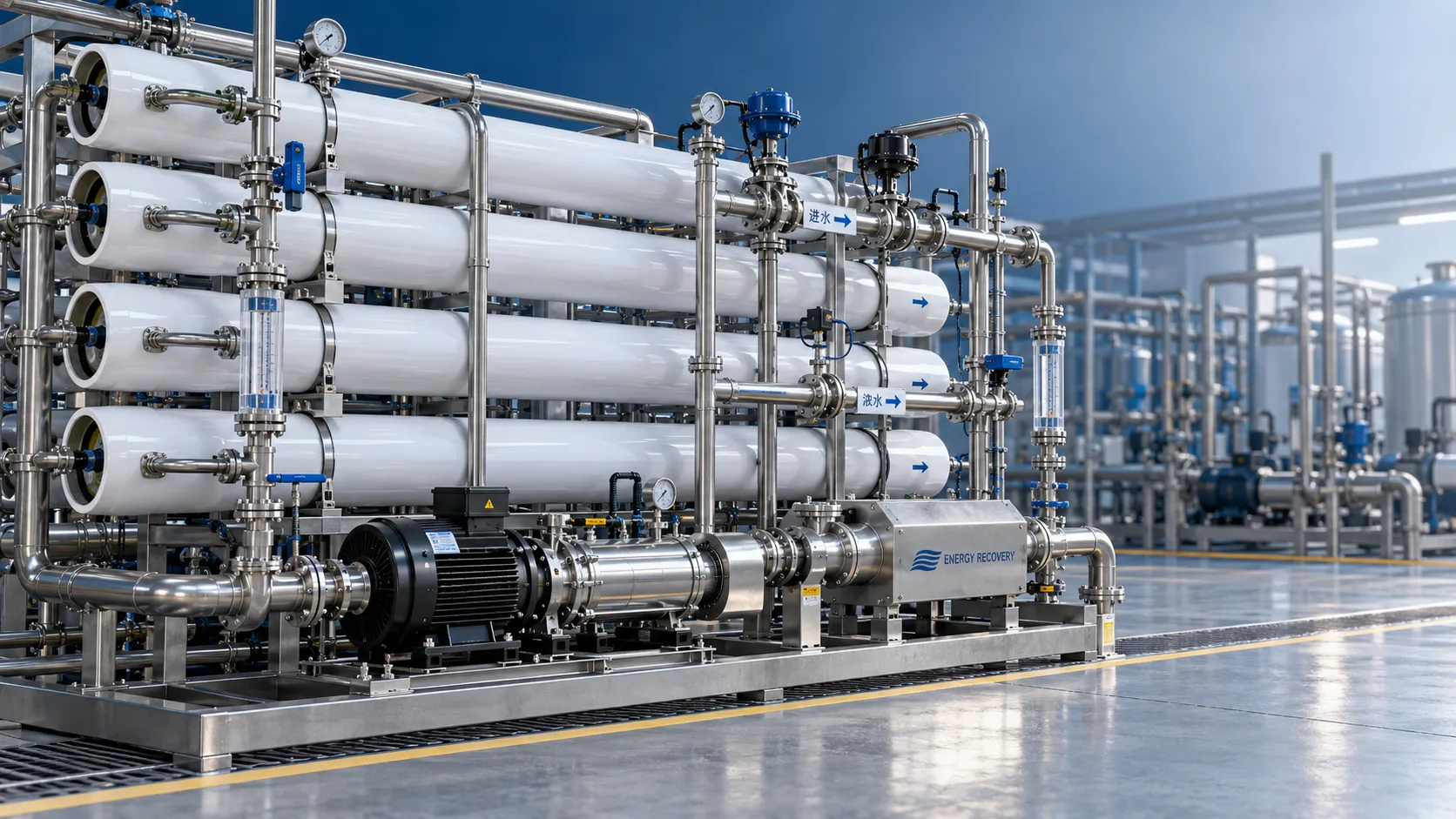
How to set recovery rates in seawater reverse osmosis system design
Explore seawater desalination systems engineering: learn to set SWRO recovery rates that balance energy, scaling risks, and water quality for reliable, cost-effective operation.
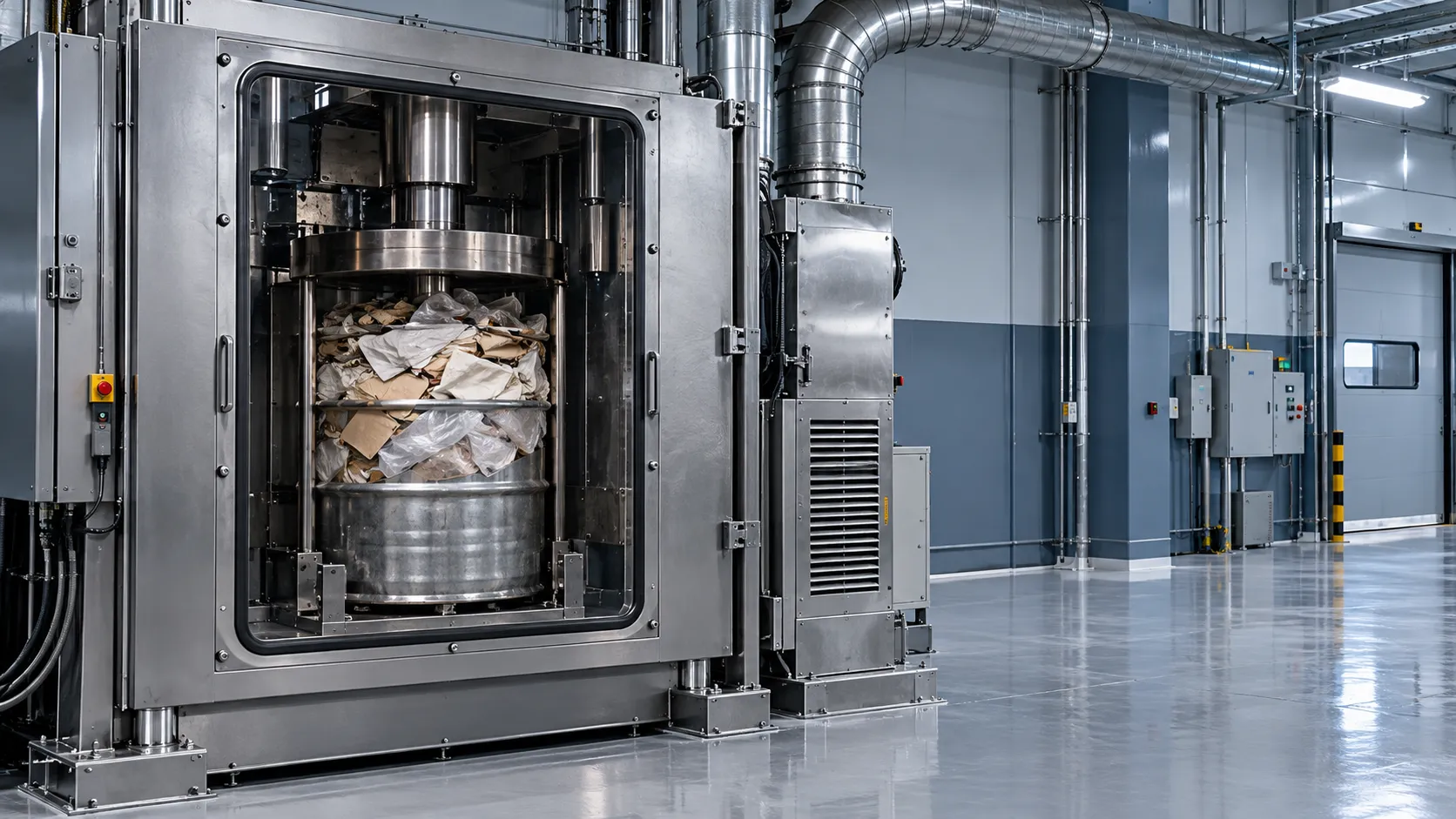
When is compaction suitable for solid nuclear waste treatment?
Is compaction right for solid nuclear waste treatment? Discover suitable waste streams, key safety checks, and disposal requirements to reduce package volume and optimize costs.
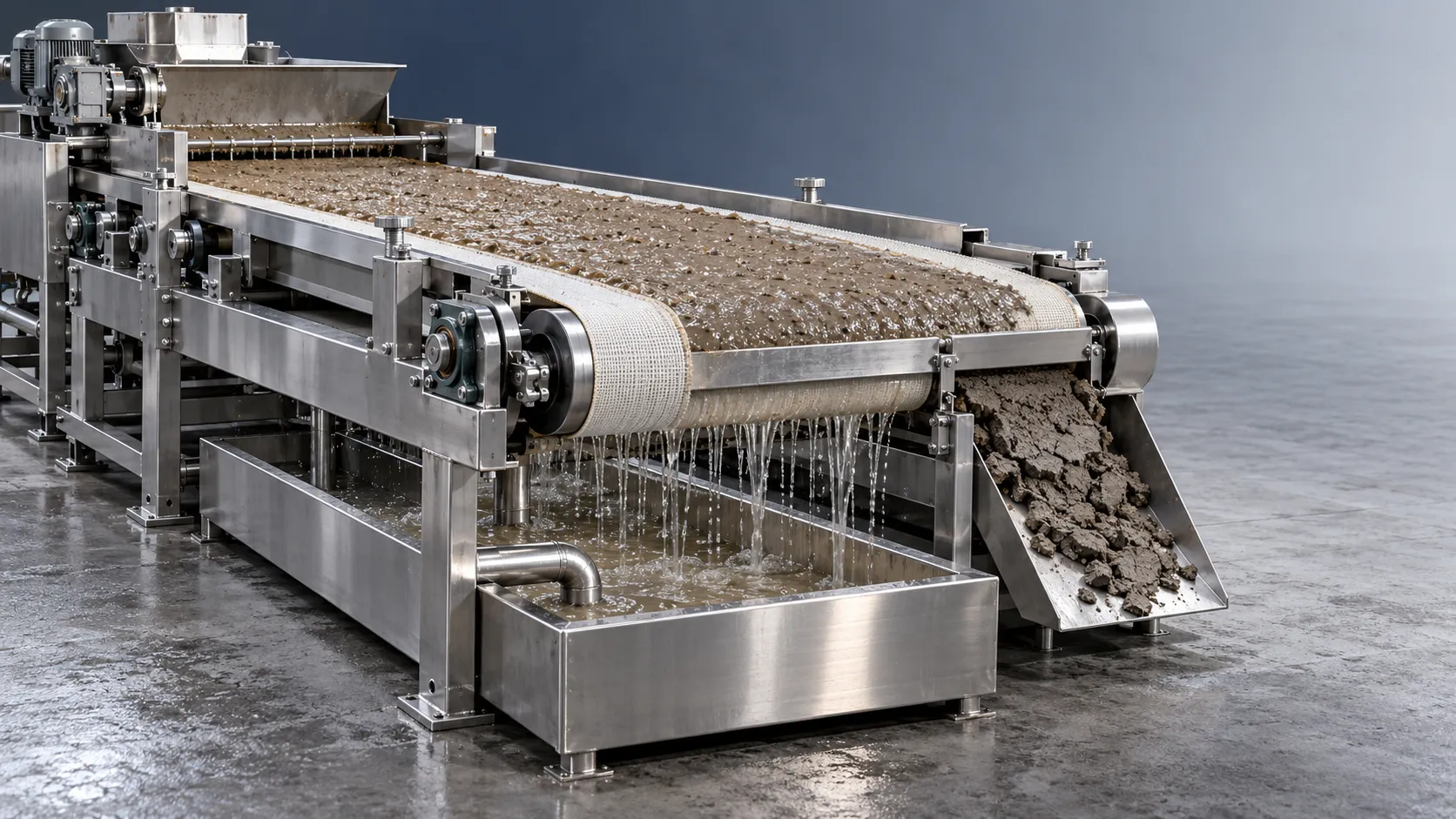
How solids concentration affects dewatering in waste recovery systems
Optimize waste recovery systems dewatering with insights on solids concentration. Learn to balance throughput, cake dryness, and solids capture while avoiding costly equipment overloads.
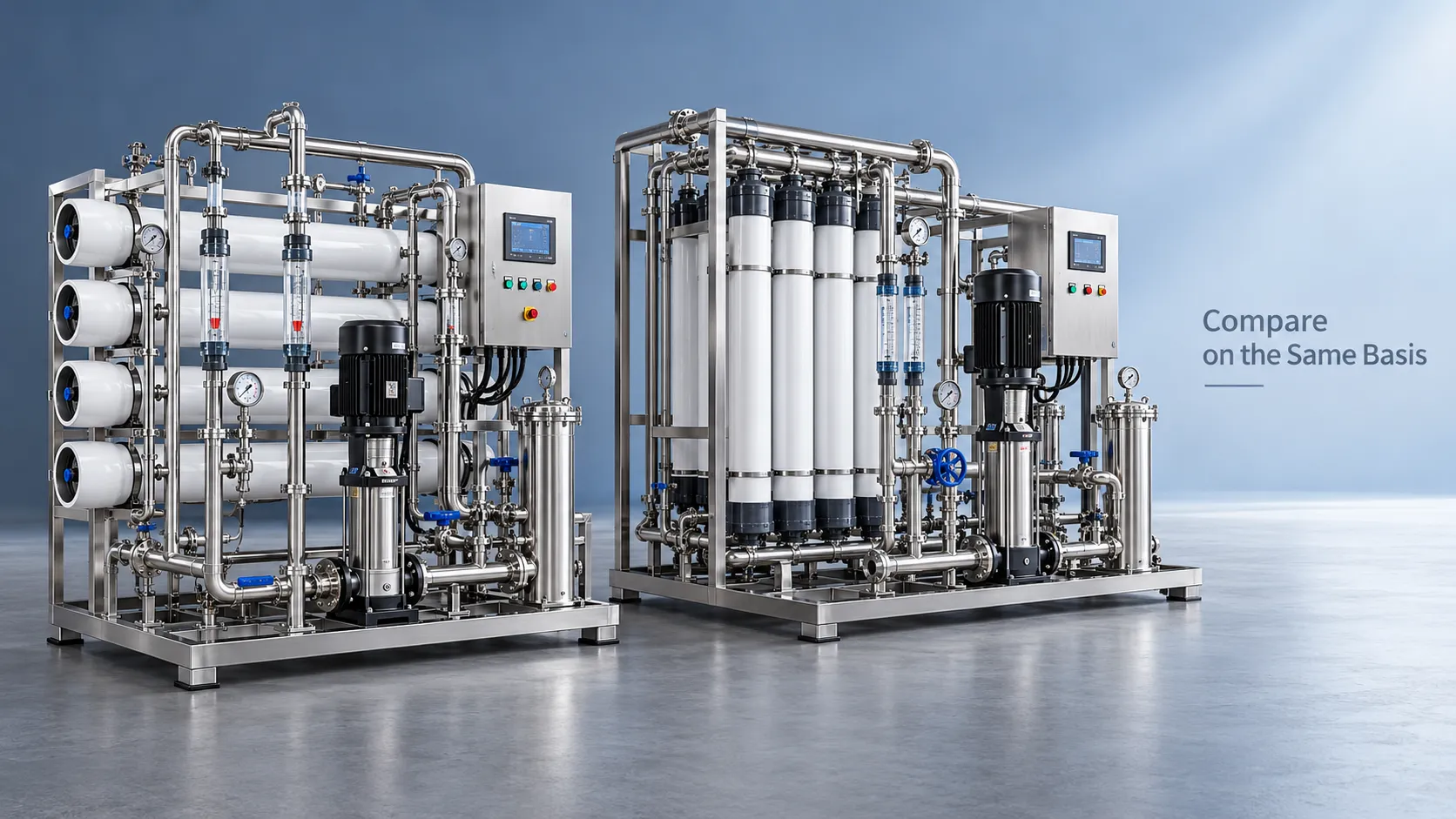
How to compare technical specs in an environmental equipment directory
Use this environmental equipment directory technical guide to compare capacity, energy use, compliance, and supplier evidence. Build a defensible shortlist and choose with confidence.
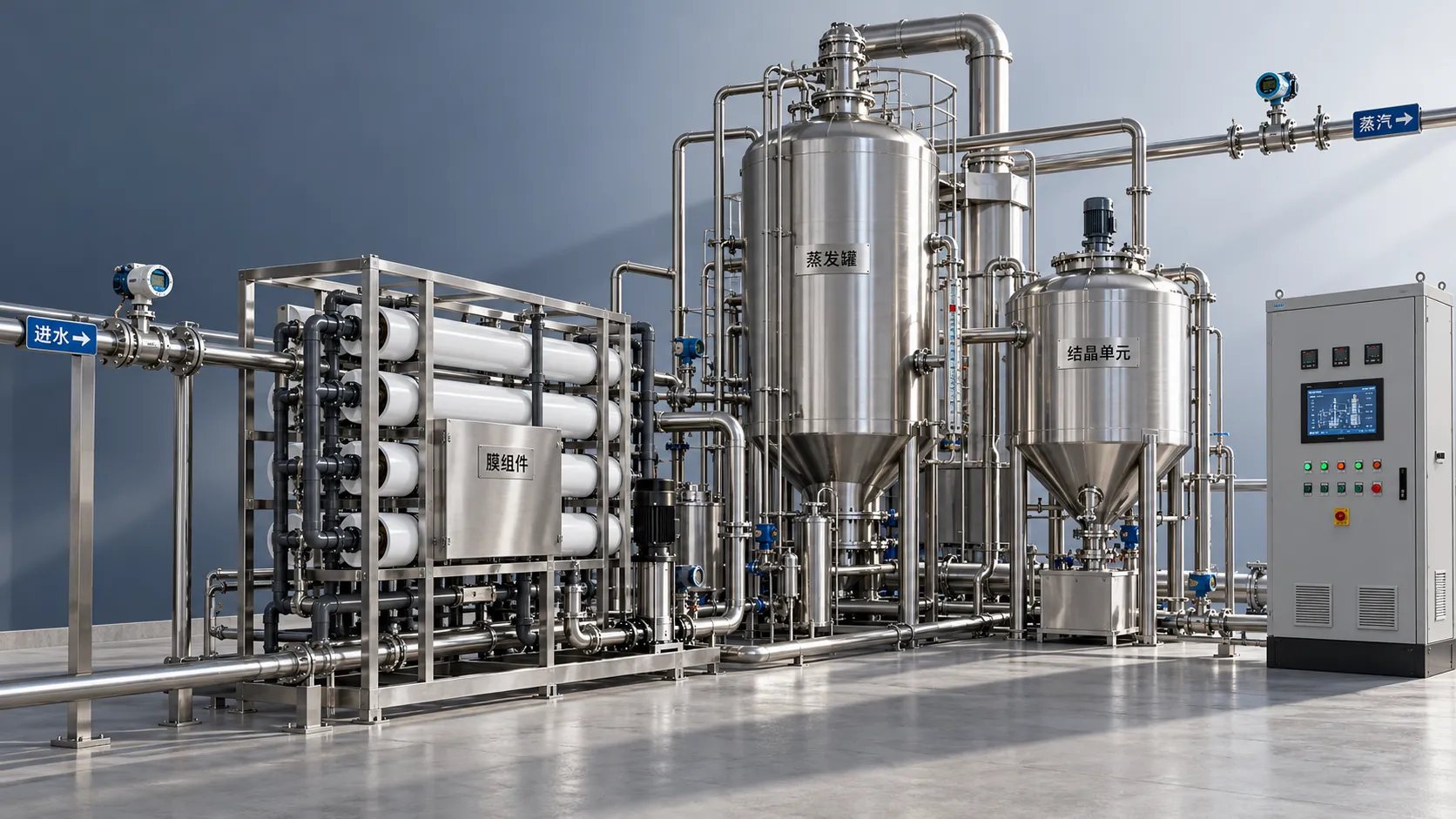
How to assess a zero liquid discharge equipment supplier’s energy claims
Assess a zero liquid discharge equipment supplier’s energy claims. Learn how to verify system boundaries, compare real costs, and demand testable guarantees before you buy.

Which membrane filtration process suits dairy protein concentration?
Explore membrane filtration for dairy: compare UF, MF, and RO to select the right process for protein concentration, lactose reduction, and better recovery. Find your best fit.
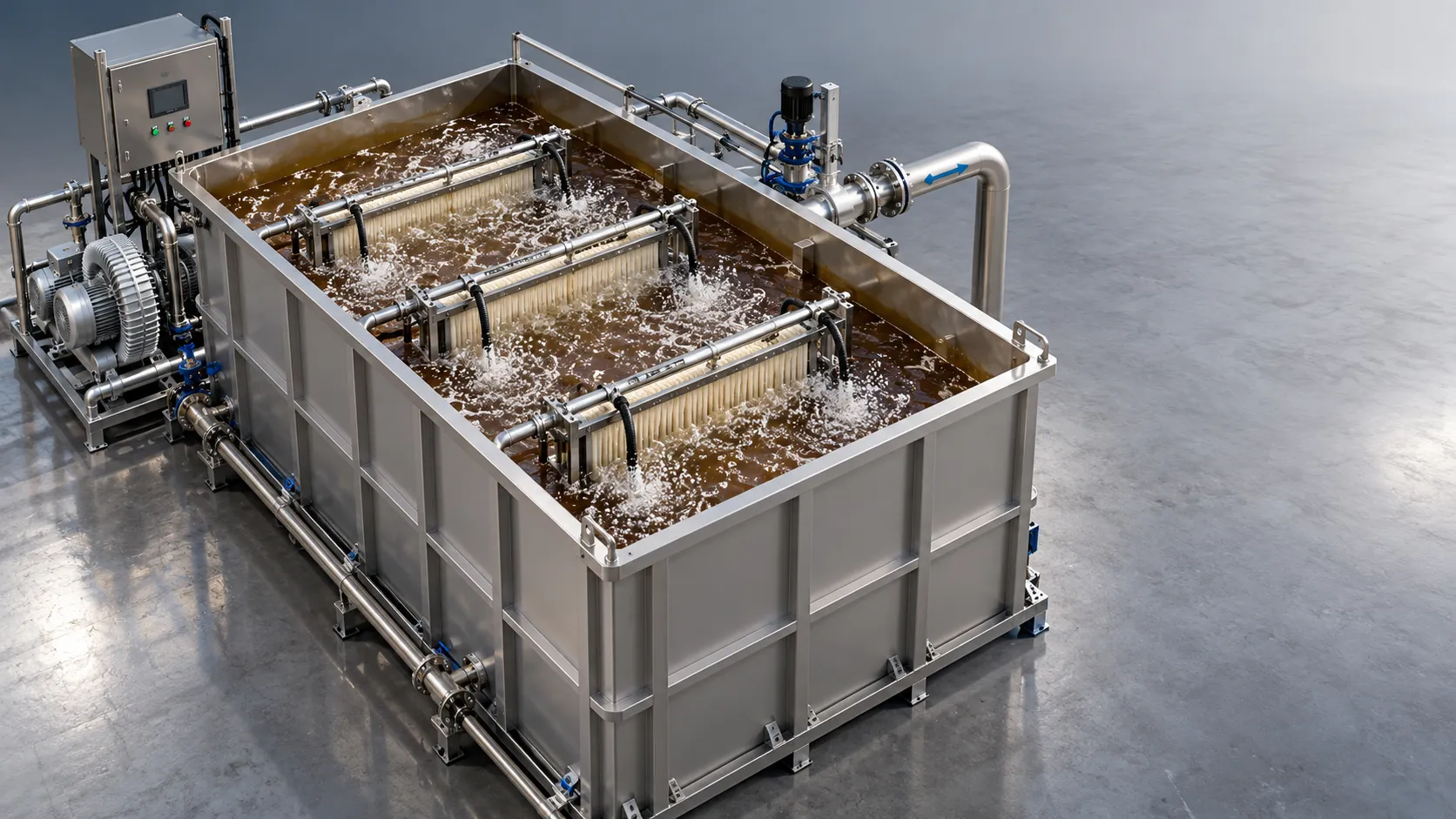
When is an MBR suitable for wastewater purification for bioprocessing?
For wastewater purification for bioprocessing, discover when an MBR fits your needs. Compare water quality, fouling risks, and lifecycle costs before investing.
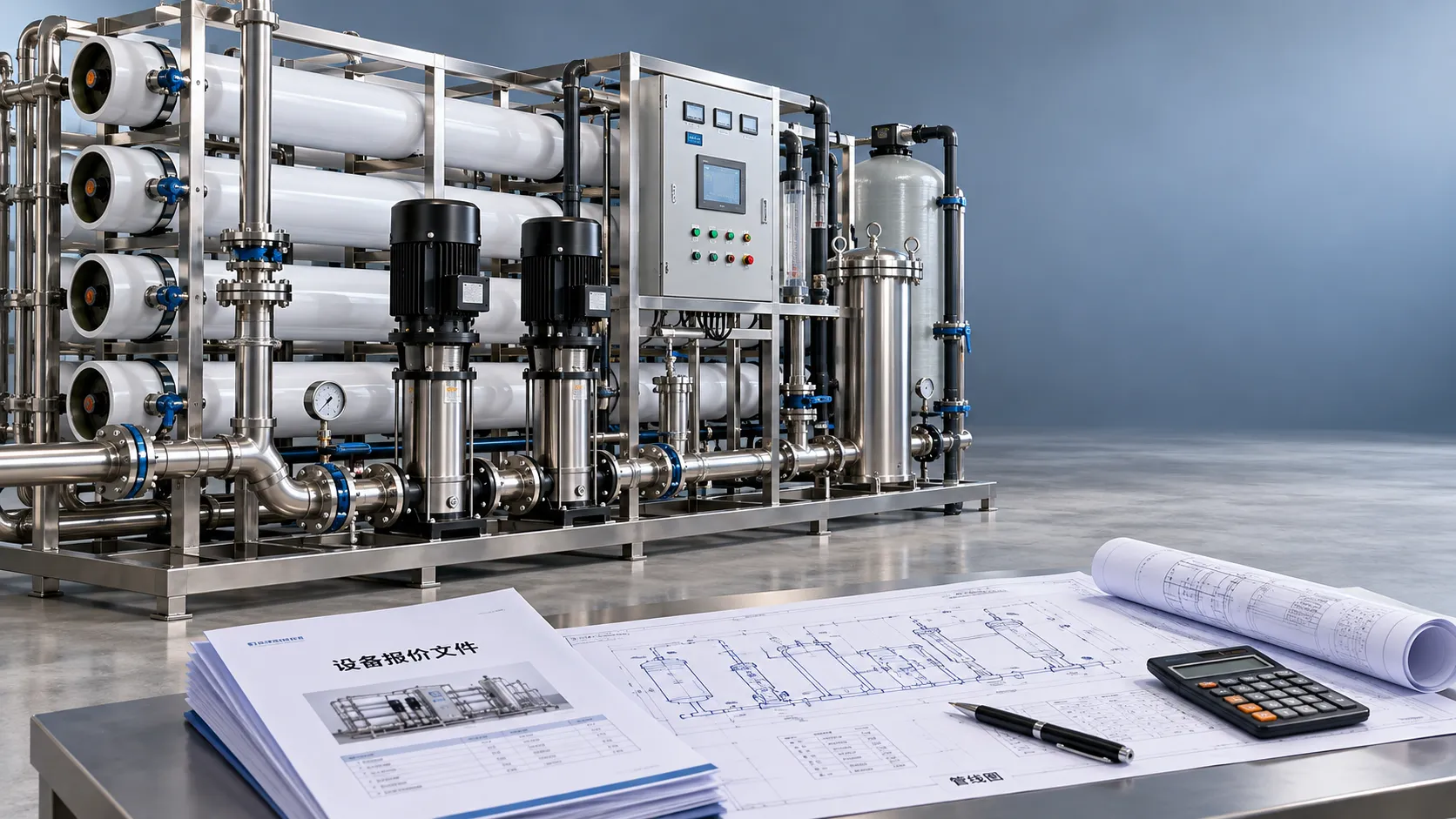
How to check a water treatment quotation for hidden project costs
Review your water treatment quotation for hidden costs, scope gaps, and operating expenses. Learn what to check before signing to protect your budget and avoid costly surprises.