
Industry News
Curation by industry experts
Hot Articles
Popular Tags
Radioactive Waste Disposal Methods: Risk Trade-Offs That Matter
For quality and safety leaders, radioactive waste disposal methods are never just technical choices—they are risk trade-offs that shape compliance, worker protection, long-term liability, and public trust. From interim storage to deep geological disposal, understanding how each pathway balances containment, cost, monitoring, and environmental exposure is essential for making defensible, future-ready decisions in high-consequence operations.
Why radioactive waste disposal methods are really risk allocation decisions
In practice, radioactive waste disposal methods determine where risk sits, for how long, and under whose control. A facility can reduce immediate handling exposure yet increase future monitoring burden. It can simplify packaging today but create transport complexity later.
That is why quality control personnel and safety managers should avoid treating disposal as a downstream housekeeping task. Disposal strategy affects waste classification, container integrity, traceability, inspection frequency, emergency planning, and regulatory documentation across the full lifecycle.
For industrial and infrastructure operators, the core question is not simply which option exists. The better question is: which method best aligns radionuclide profile, waste form stability, site constraints, transport routes, and the organization’s tolerance for residual liability?
- Short-lived low-level waste may favor engineered near-surface systems with strong institutional control.
- High-level or long-lived waste usually shifts the decision toward immobilization and deep isolation.
- Mixed waste streams often create the hardest procurement and compliance challenges because chemical and radiological hazards must be managed together.
How the main radioactive waste disposal methods compare in real operations
The table below compares common radioactive waste disposal methods from the viewpoint of containment duration, monitoring demand, and operational fit. This is where many safety decisions become more concrete.
The comparison shows a consistent pattern: stronger long-term isolation usually comes with higher front-end characterization, packaging, licensing, and stakeholder management demands. Simpler storage options can lower near-term cost but extend the period of organizational responsibility.
Where mistakes usually happen
Many organizations choose a disposal route too early, before waste form behavior is well understood. Free liquids, reactive contaminants, incompatible matrices, or incomplete radionuclide mapping can all undermine the selected pathway later.
A second error is assuming that disposal risk begins at the repository gate. In reality, risk often peaks during sorting, conditioning, packaging, temporary storage, and shipment preparation. Those steps deserve the same quality rigor as the final disposal endpoint.
Which disposal method fits which scenario?
Different facilities face very different decision environments. A medical isotope user, a research reactor, and a nuclear fuel cycle asset do not evaluate radioactive waste disposal methods with the same criteria or time horizon.
Scenario-based matching
- Hospitals and research laboratories often prioritize decay storage, source segregation, and rapid documentation because waste volumes are modest but classification errors can create disproportionate compliance exposure.
- Decommissioning projects usually focus on volume reduction, accurate characterization, and packaging efficiency, since transport and disposal charges can escalate quickly with conservative over-classification.
- Nuclear power and fuel-related operations need stronger emphasis on long-term conditioning, shielded handling, cask integrity, and interface planning between interim storage and final disposal.
- Industrial operators handling NORM or technologically enhanced naturally occurring radioactive material often need clear boundary-setting to avoid underestimating regulatory obligations and worker monitoring requirements.
For cross-sector environmental platforms such as ESD, this scenario lens matters because radioactive waste management rarely stands alone. It interacts with wastewater polishing, solid residue stabilization, off-gas control, and broader compliance strategy.
What quality and safety teams should evaluate before selecting radioactive waste disposal methods
Selection should be evidence-led, not vendor-led. The most defensible disposal decision usually emerges from a structured screening process that connects technical parameters with operational realities.
This procurement-oriented checklist helps quality and safety leaders compare options without losing sight of lifecycle consequences.
Teams that score disposal options across these dimensions usually make better decisions than teams that compare gate fees alone. Cost matters, but unmanaged uncertainty costs more.
A practical review sequence
- Confirm waste inventory and characterize radiological and chemical properties.
- Screen feasible radioactive waste disposal methods against waste acceptance criteria.
- Check conditioning, storage, and transport compatibility as a single chain.
- Model lifecycle cost, monitoring obligation, and failure consequences.
- Document the rationale so the decision remains auditable under regulatory review.
Cost, alternatives, and the hidden liabilities many teams miss
When organizations compare radioactive waste disposal methods, they often focus on visible costs such as container price, treatment fee, transport, and disposal tariff. Those are important, but they are not the full picture.
Hidden cost drivers include extended permit preparation, nonconforming package rework, occupational dose during repackaging, delayed project handover, and site security for prolonged interim storage. For safety managers, these indirect burdens can outweigh the apparent savings of a cheaper route.
Typical trade-offs
- Decay storage is economical for short-lived waste, but only when segregation discipline is high and storage turnover is predictable.
- Near-surface disposal can reduce long-term on-site inventory, but package quality and site acceptance limits must be tightly controlled.
- Interim dry storage spreads cost over time and preserves retrievability, yet it extends surveillance, inspection, and future transfer responsibility.
- Deep geological disposal offers stronger end-state isolation for long-lived waste, but project timelines, financing, and stakeholder scrutiny are significantly heavier.
An informed strategy may combine several methods. For example, pre-treatment and stabilization can reduce volume and improve waste form durability before interim storage or final disposal. Hybrid planning is often more realistic than searching for one universal answer.
Compliance, standards, and documentation: what safety managers cannot treat as secondary
Even strong engineering can fail a project if compliance documentation is weak. Radioactive waste disposal methods must align with national regulations, site license conditions, transport rules, radiation protection programs, and repository-specific acceptance criteria.
Core compliance checkpoints
- Waste classification must be traceable to measured or justified radiological data, not broad assumptions.
- Container selection should consider shielding, corrosion resistance, thermal behavior, and mechanical performance during handling and storage.
- Transport preparation should align with applicable dangerous goods and radioactive material transport requirements.
- Operational records should preserve chain of custody, package identification, inspection history, and any deviation management actions.
This is where ESD’s cross-disciplinary intelligence approach becomes useful. Waste management decisions often depend on upstream system behavior: water polishing can concentrate radionuclides into secondary waste streams, off-gas treatment can generate contaminated sorbents, and solid recovery processes can change moisture and chemical compatibility. Good compliance therefore requires system-level visibility, not isolated paperwork.
Common misconceptions about radioactive waste disposal methods
“Interim storage solves the disposal problem”
It only defers the final decision. Interim storage can be appropriate and safe, but it transfers risk into future inspection, maintenance, security, and requalification work. The end-state pathway still needs to be planned early.
“Low activity always means low management complexity”
Not necessarily. Large volumes of low-level waste can create major packaging, logistics, and verification burdens. Mixed contaminants or free liquids can make a nominally low-activity stream difficult to accept.
“The final disposal site will solve packaging issues”
Most disposal systems rely on pre-qualified waste forms and container conditions. If the generator fails to control package quality, the result may be rejection, rework, or forced use of a more expensive route.
FAQ: how decision-makers search for radioactive waste disposal methods
How do we choose between interim storage and final disposal planning?
Start with radionuclide half-life, waste form stability, expected generation rate, and repository access timeline. Interim storage makes sense when heat load, retrieval needs, or disposal availability require delay. But the storage package should still be selected with its eventual transport and disposal pathway in mind.
Which radioactive waste disposal methods are most sensitive to poor characterization?
All methods depend on characterization, but near-surface disposal and repository acceptance are especially sensitive because waste limits are tightly defined. Underestimating long-lived radionuclides, moisture, chelating agents, or reactive chemistry can invalidate an entire package batch.
What should procurement teams ask suppliers or service partners first?
Ask about waste acceptance alignment, conditioning options, packaging compatibility, documentation support, inspection points, and contingency handling for nonconforming waste. A partner should be able to discuss failure modes, not just equipment features.
Can one facility use multiple disposal methods at the same time?
Yes, and many do. Short-lived materials may enter decay storage, stable low-level solids may go to near-surface disposal, while higher-activity streams remain in shielded interim storage. Segmentation often improves cost control and compliance clarity.
Why many high-consequence operators turn to integrated intelligence before making disposal decisions
Radioactive waste disposal methods cannot be evaluated in isolation from water treatment residues, solids conditioning, gas cleaning by-products, or changing environmental policy. That broader systems view is central to ESD’s value.
By combining nuclear waste management insight with expertise in large-scale water treatment, solid waste recovery, and industrial environmental control, ESD helps teams connect narrow technical choices to full-chain consequences. That includes equipment intelligence, treatment logic, compliance trends, and practical decision support for capital-intensive projects.
For quality and safety leaders, this means fewer blind spots. You can assess whether a disposal route is technically feasible, procedurally auditable, commercially realistic, and operationally sustainable before costly commitments are made.
Why choose us for decision support on radioactive waste disposal methods
If your team is reviewing radioactive waste disposal methods, ESD can support the questions that matter most in procurement, compliance, and operational risk control.
- Parameter confirmation: clarify waste form, radionuclide profile, storage conditions, and packaging constraints before route selection.
- Option screening: compare interim storage, conditioning, and final disposal pathways against realistic acceptance and monitoring demands.
- Delivery and project timing: assess how treatment, packaging, transport readiness, and regulatory review affect schedule risk.
- Customized solution mapping: connect nuclear waste management needs with wastewater, solid residue, or off-gas interfaces in complex facilities.
- Compliance discussion: review documentation expectations, waste acceptance criteria, and common audit gaps.
- Commercial communication: support early-stage budget framing and technical scoping before formal quotation or tender preparation.
If you need a clearer basis for product selection, disposal pathway comparison, packaging review, or compliance planning, contact ESD with your project boundary conditions, waste description, and timeline targets. A well-structured decision made early usually prevents far more expensive corrections later.
Recommended News
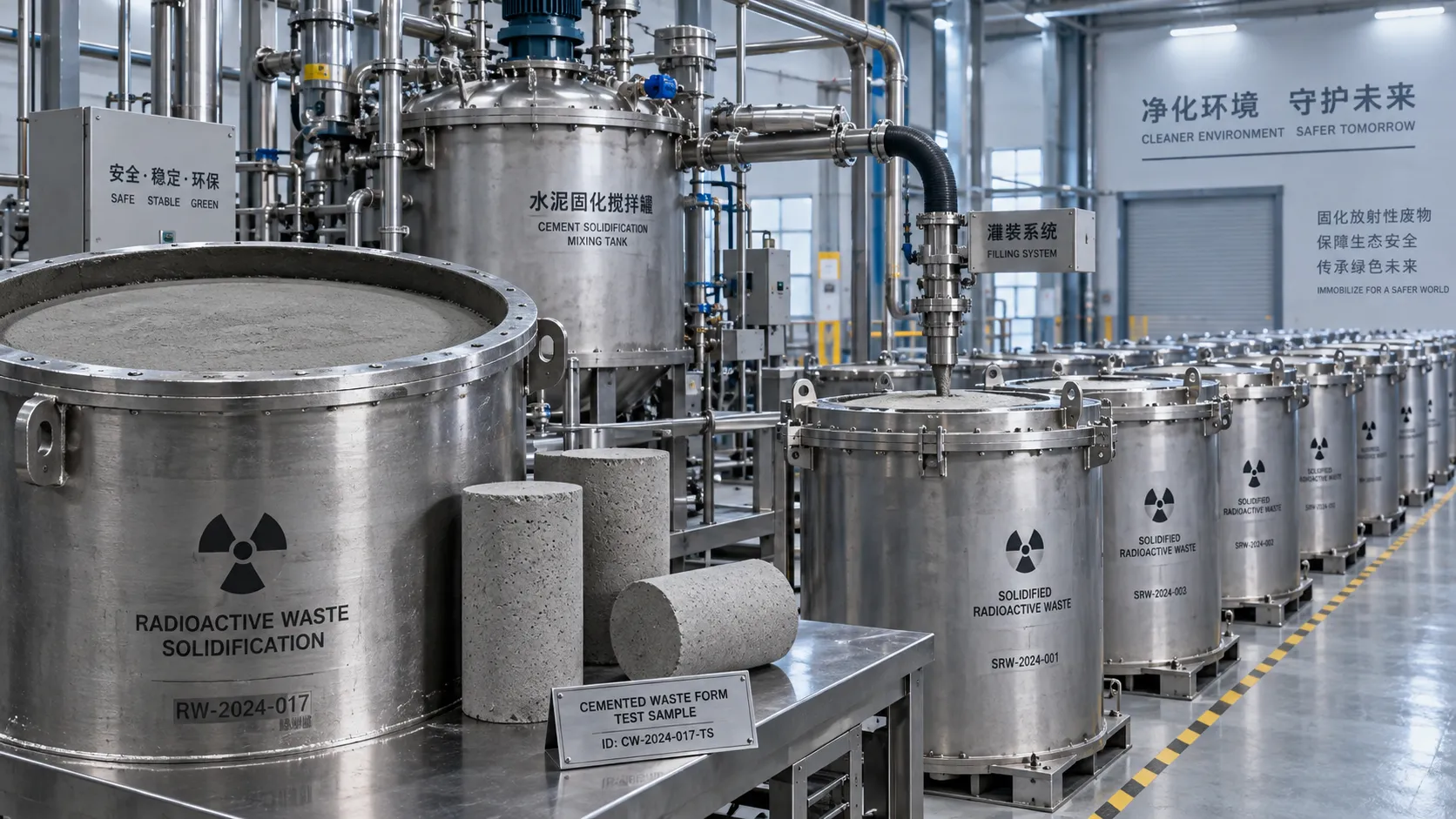
When is cementation suitable for nuclear decommissioning waste?
Explore nuclear waste treatment technology for decommissioning: learn when cementation fits, which risks to assess, and how disposal criteria guide an effective treatment choice.
What determines payback for waste-to-resource systems in Europe?
Assess waste-to-resource systems Europe-wide: compare feedstock, recovery yields, costs and contracts to uncover payback drivers and make smarter investment decisions.
How to verify a water treatment system factory’s production capacity
Verify a water treatment systems factory’s production capacity through records, bottlenecks, component availability, and testing. Learn what to check before accepting a delivery promise.
When does EPC environmental project support reduce delivery risk?
EPC environmental project support engineering reduces delivery risk by aligning design, procurement, compliance, construction, and commissioning decisions.
How nuclear plants select a radioactive waste solidification method
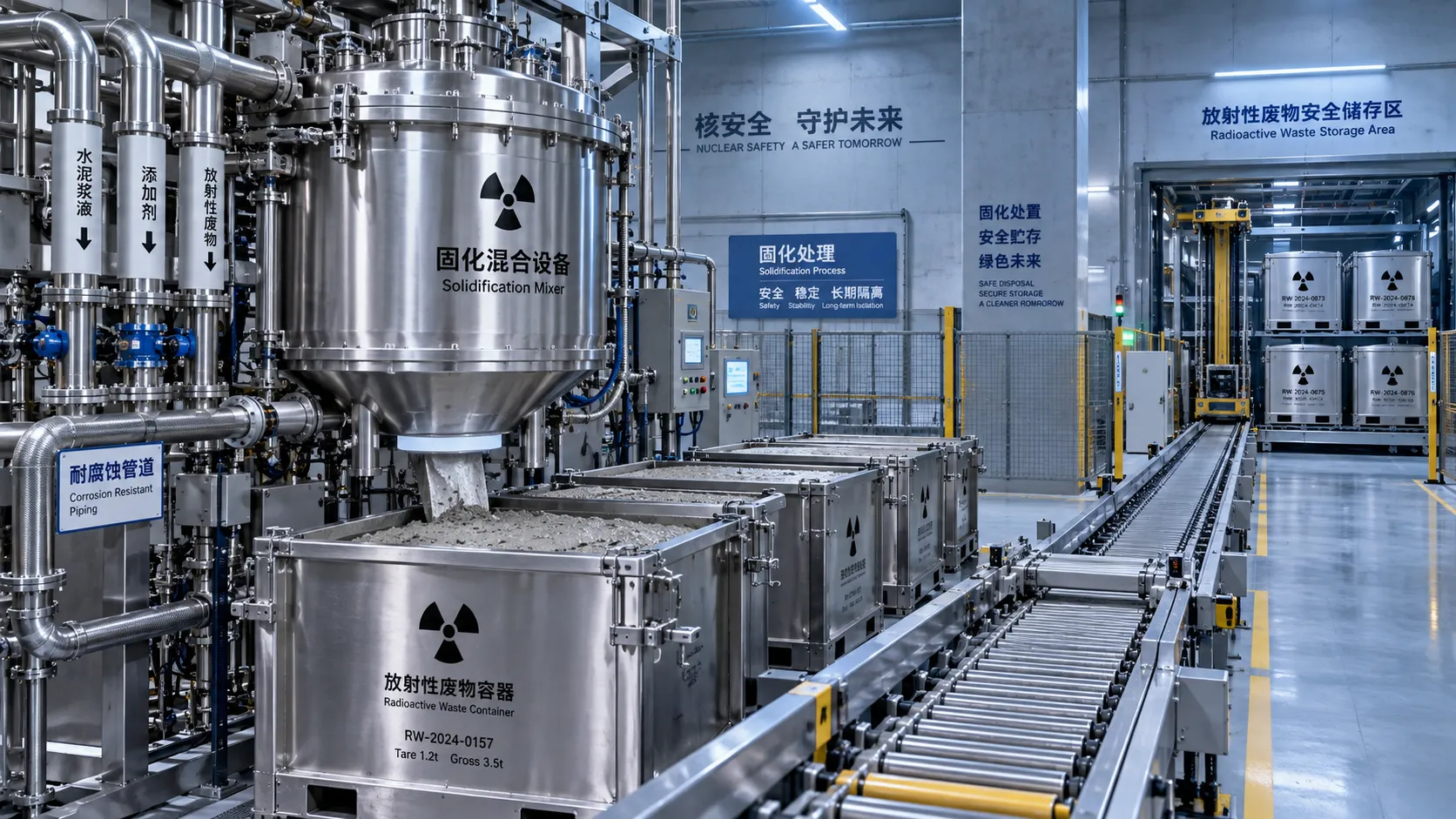
Radioactive waste management for nuclear plants: compare vitrification, cementation, polymers, and ceramics to select a compliant, durable solidification solution.
What Drives the Cost of Wastewater System Upgrades in Industrial Parks?
Costs of wastewater system upgrades in industrial parks: uncover key drivers from influent variability and civil works to sludge, energy, compliance, and lifecycle risk.
Comparing Upgrade Costs for Industrial Park Wastewater Treatment Systems
Compare costs for wastewater system upgrades in industrial parks with a lifecycle view of CAPEX, OPEX, compliance, resilience, and future expansion.
Biological Wastewater Oxidation Explained: Aeration Demand and Process Control
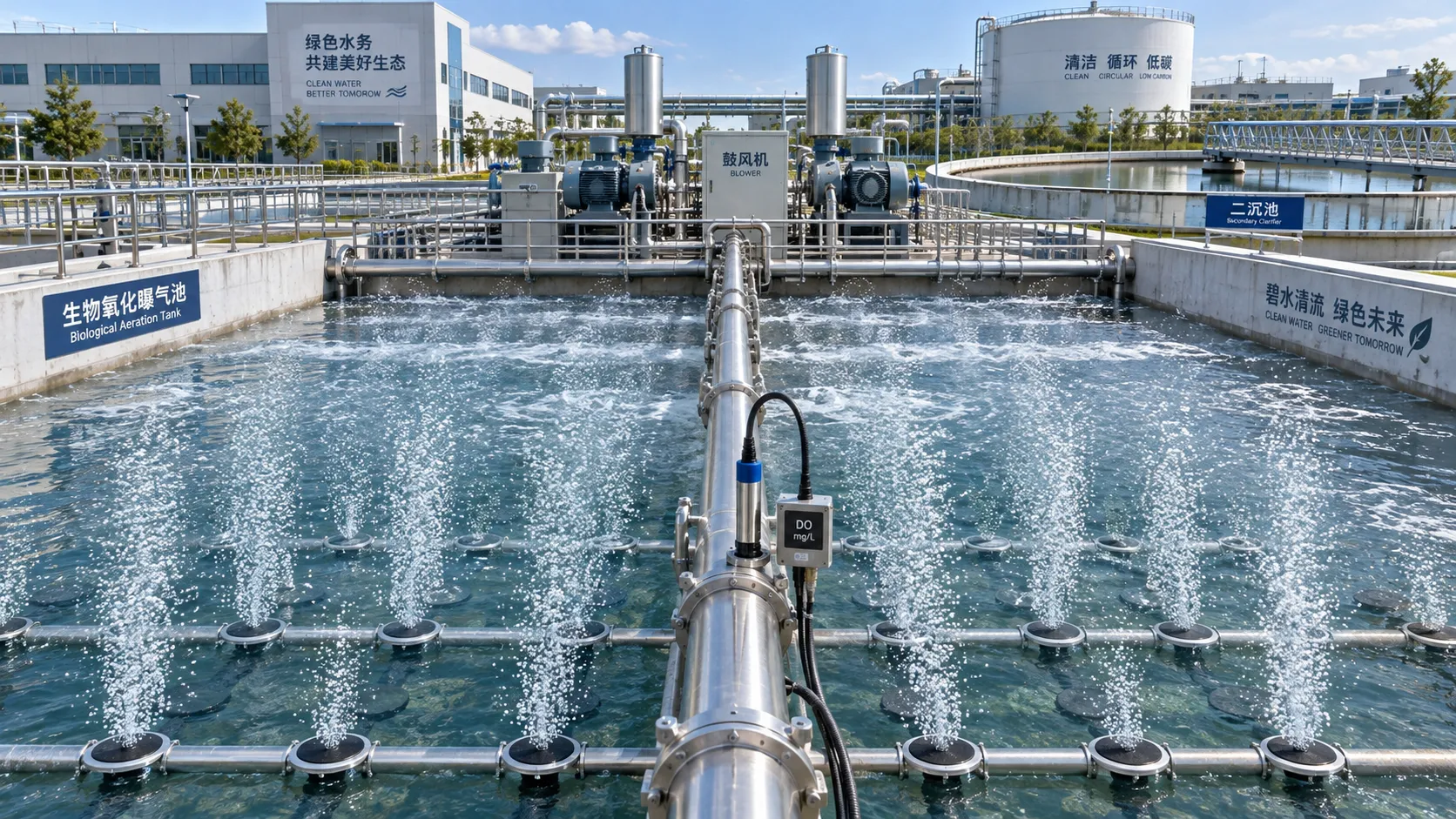
Biological wastewater oxidation explained: optimize aeration demand, DO control, nitrification, and sludge age for stable effluent quality and lower energy costs.
Activated Sludge Cost: Budgeting Energy, Chemicals, Sludge, and Labor
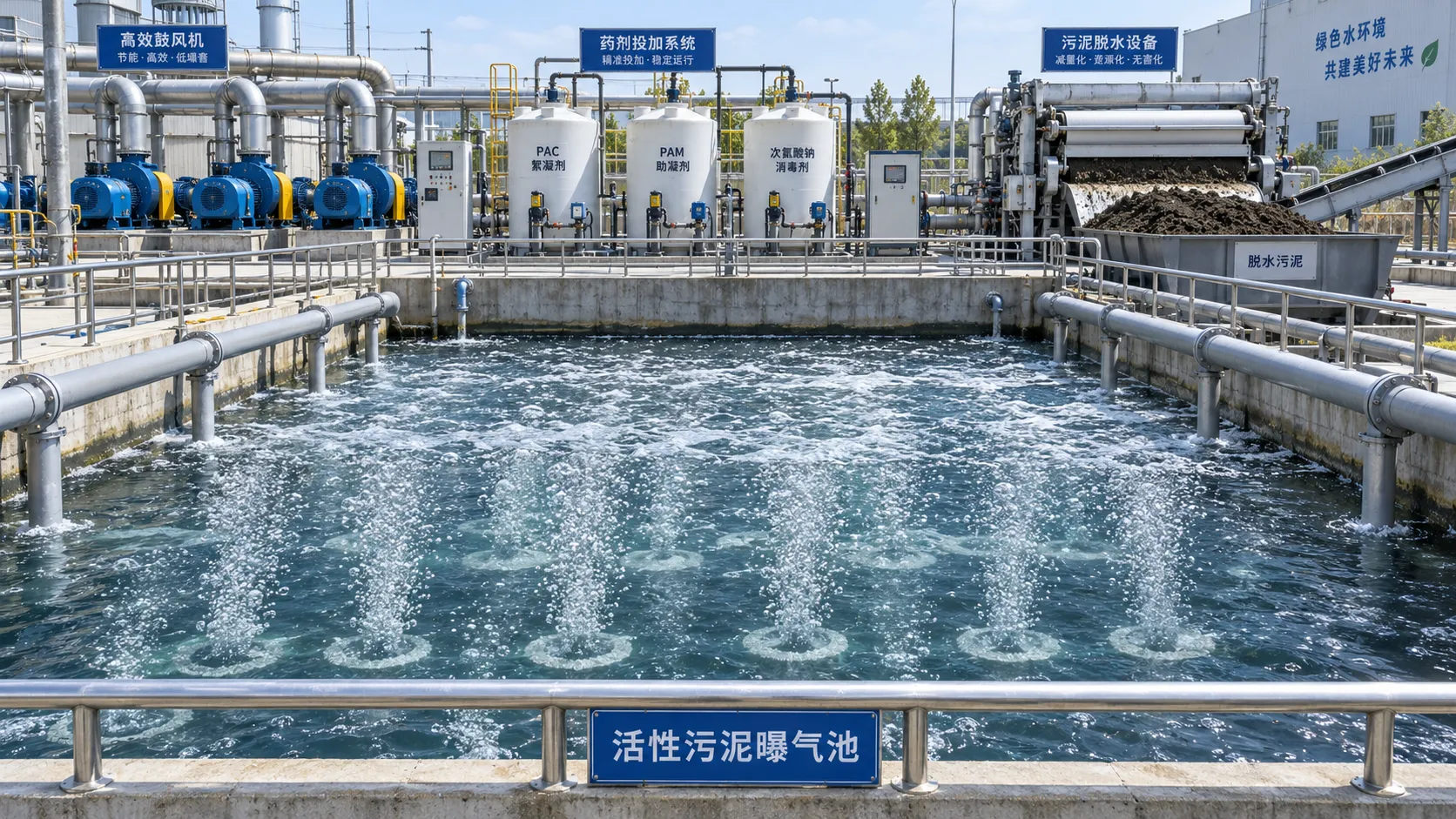
Activated sludge cost explained: compare energy, chemicals, sludge disposal, labor, and compliance risks to build a reliable lifecycle budget.