
Industry News
Curation by industry experts
Hot Articles
Popular Tags
How to Evaluate a Circular Economy Supplier in 2026
How to Evaluate a Circular Economy Supplier in 2026
Choosing the right circular economy supplier in 2026 takes more than comparing quotes or scanning certificates.
The stronger test is practical.
Can the supplier prove resource efficiency, compliance strength, technology reliability, and long-term business value?
That question matters across water treatment, waste recovery, desalination, flue gas control, and nuclear waste management.
From recent market shifts, one signal is clear.
A circular economy supplier now sits inside a wider chain of carbon pressure, traceability demands, and tighter environmental rules.
This means supplier evaluation must move from basic qualification checks to strategic selection.
Why Circular Economy Supplier Evaluation Is Different in 2026
In 2026, the market rewards measurable closed-loop performance.
Buyers want proof that materials, water, energy, and waste streams are managed with less loss and more recovery.
That is especially true for heavy industrial projects and public infrastructure bids.
A circular economy supplier is no longer judged only by output capacity.
It is judged by data integrity, process transparency, recovery yield, carbon visibility, and resilience under regulation.
In actual procurement, that changes the shortlist quickly.
A cheaper supplier can become a more expensive choice if reporting fails, recovery rates drift, or permits are delayed.
A stronger supplier usually shows discipline across operations, engineering, and compliance at the same time.
What is changing fastest
- More contracts require lifecycle data, not just product delivery records.
- CBAM and related policies increase pressure on traceable emissions and materials handling.
- Recovery technologies are improving, but performance gaps between suppliers remain wide.
- Digital monitoring now influences bankability, insurability, and project approval speed.
Core Criteria for Choosing a Circular Economy Supplier
A useful evaluation framework starts with five core dimensions.
These criteria work well across integrated resource recovery and environmental treatment projects.
1. Traceable resource efficiency
A credible circular economy supplier must quantify recovery, reuse, and loss rates.
Ask for mass balance logic, water reuse ratios, material yield data, and energy intensity records.
If the numbers cannot be audited, treat the claim as marketing.
2. Regulatory resilience
A qualified circular economy supplier should show readiness for stricter rules, not just current ones.
Review permit history, reporting systems, audit response times, and adaptation plans for future compliance changes.
This matters even more in cross-border supply chains.
3. Technology reliability
Performance on paper is not enough.
Check reference projects, uptime records, maintenance intervals, failure modes, and feedstock sensitivity.
For example, pyrolysis systems, AI sorting lines, ZLD units, and SWRO-related packages behave differently under variable loads.
4. Commercial durability
A strong circular economy supplier protects long-term economics.
Look beyond capex.
Study operating cost stability, spare part dependency, service coverage, and resale or recovery value.
5. Strategic fit
The best circular economy supplier is not always the biggest one.
It is the one that aligns with project risk, customer reporting needs, and long-term sustainability targets.
Questions That Reveal Supplier Quality Fast
Good supplier meetings often depend on better questions.
The right prompts reveal whether a circular economy supplier understands outcomes or only presentations.
- Which recovery metrics are guaranteed, and which are only estimated?
- How does performance change with different waste composition or influent quality?
- What data can be shared monthly for compliance, ESG reporting, and internal audits?
- Which components create the highest downtime risk?
- How are secondary residues handled, sold, or treated?
- What happened in the last underperforming project, and how was it corrected?
These questions help cut through polished language.
More importantly, they expose operating maturity.
Red Flags When Assessing a Circular Economy Supplier
Some warning signs appear early and should not be ignored.
A weak circular economy supplier often sounds impressive but struggles under verification.
- Recovery claims lack third-party data or project-level evidence.
- Compliance records are broad summaries with no time-based detail.
- Service support depends on one region or one specialist team.
- The process works only under ideal feed conditions.
- Residual waste handling is vague or outsourced without visibility.
- Commercial savings are promised without showing assumptions.
In practice, the most dangerous red flag is inconsistency.
If technical, commercial, and compliance answers do not match, risk is already visible.
A Simple Scoring Model for Procurement Decisions
To keep decisions grounded, use a weighted scorecard.
This makes circular economy supplier comparisons more transparent across teams.
Adjust the weights by project type.
For hazardous streams or critical water infrastructure, reliability and compliance may deserve heavier weighting.
Sector-Specific Signals That Matter More Than Brochures
Different sectors need different proof points.
That is why a circular economy supplier should be reviewed in context, not in generic terms.
Water and desalination
Check membrane life, brine management, pretreatment stability, and water recovery consistency.
Solid waste and recovery
Review sorting accuracy, contamination tolerance, residue value, and downstream market access.
Flue gas treatment
Focus on emission stability, reagent efficiency, maintenance cycles, and low-temperature performance.
Nuclear waste management
Prioritize containment integrity, vitrification consistency, documentation depth, and extreme safety culture.
The broader lesson is simple.
A capable circular economy supplier translates sustainability into repeatable operational results.
Final Decision: Select for Proof, Not Promise
By 2026, supplier selection is less about claims and more about evidence under pressure.
The right circular economy supplier can improve compliance confidence, protect margins, and strengthen long-term project credibility.
The wrong one can create reporting gaps, unstable recovery results, and hidden operating costs.
Start with traceable efficiency.
Then test compliance resilience, technical reliability, commercial durability, and strategic fit.
If a circular economy supplier performs well across all five, the decision becomes much clearer.
Use that discipline in every shortlist, site visit, and contract review.
In a market defined by circular value, solid evidence is still the strongest buying signal.
Recommended News
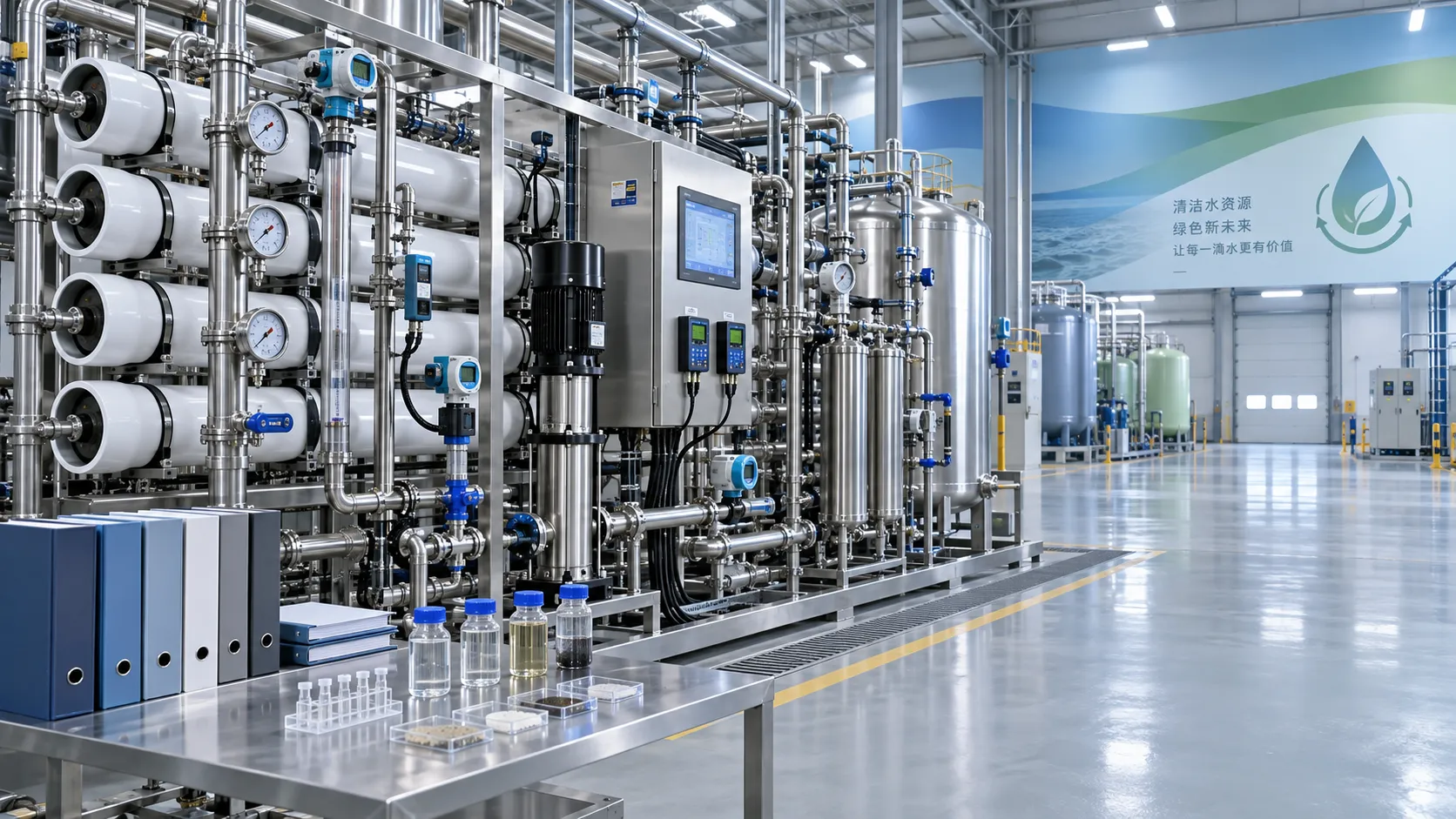
How to verify standards in an environmental equipment directory
environmental equipment directory standards reference: learn to verify certifications, performance evidence, scope, and project fit for confident, compliant equipment selection.
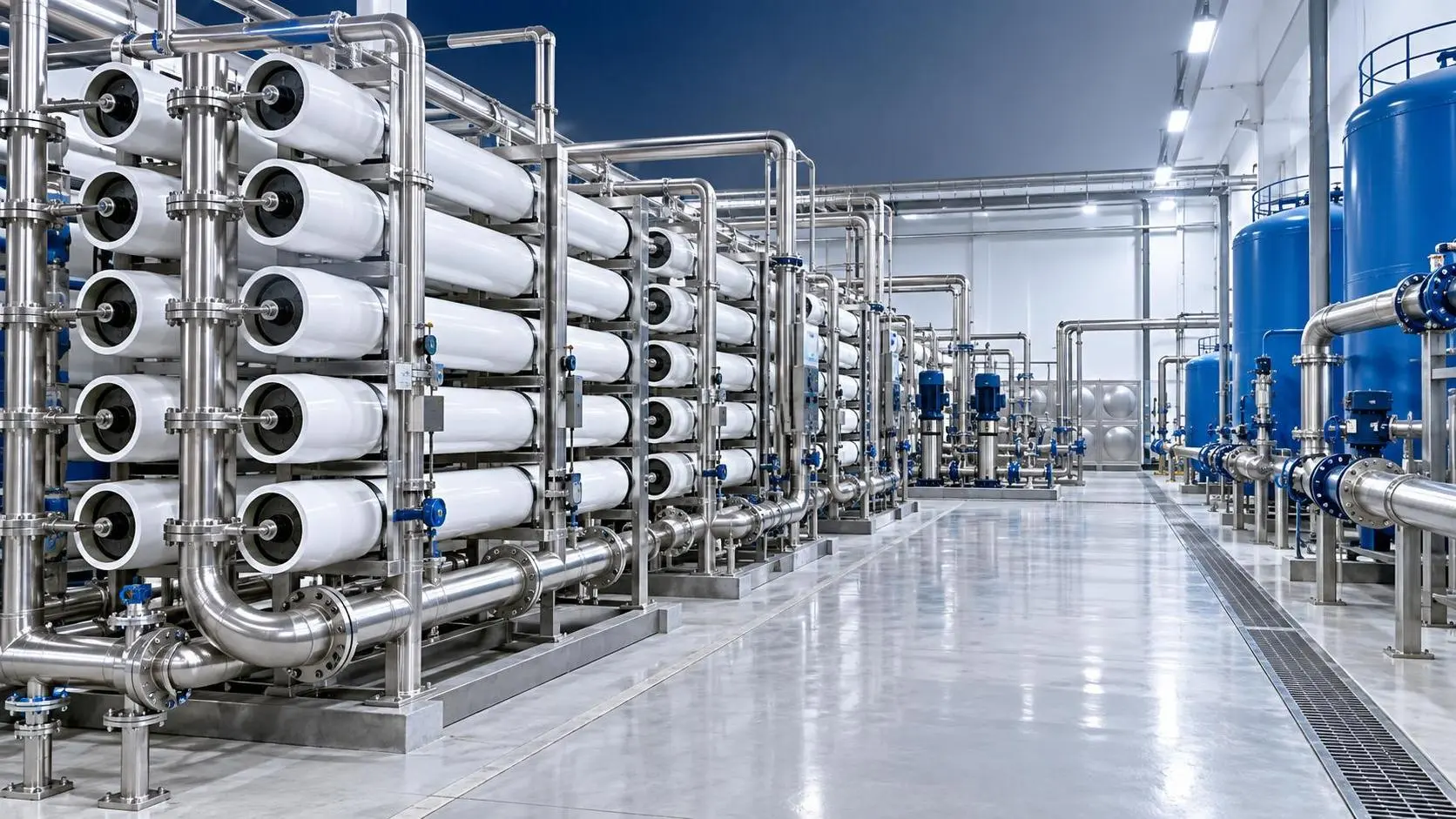
When high flux membrane water treatment justifies a larger footprint
High flux membrane water treatment can justify a larger footprint when variable feedwater, fouling risk, and uptime demands require resilient, lower-flux operation.

RO vs MED desalination: which is more energy-efficient at scale?
Desalination technology comparison: RO vs MED at scale. See how energy use, waste heat, feedwater, carbon, and flexibility determine the best choice.
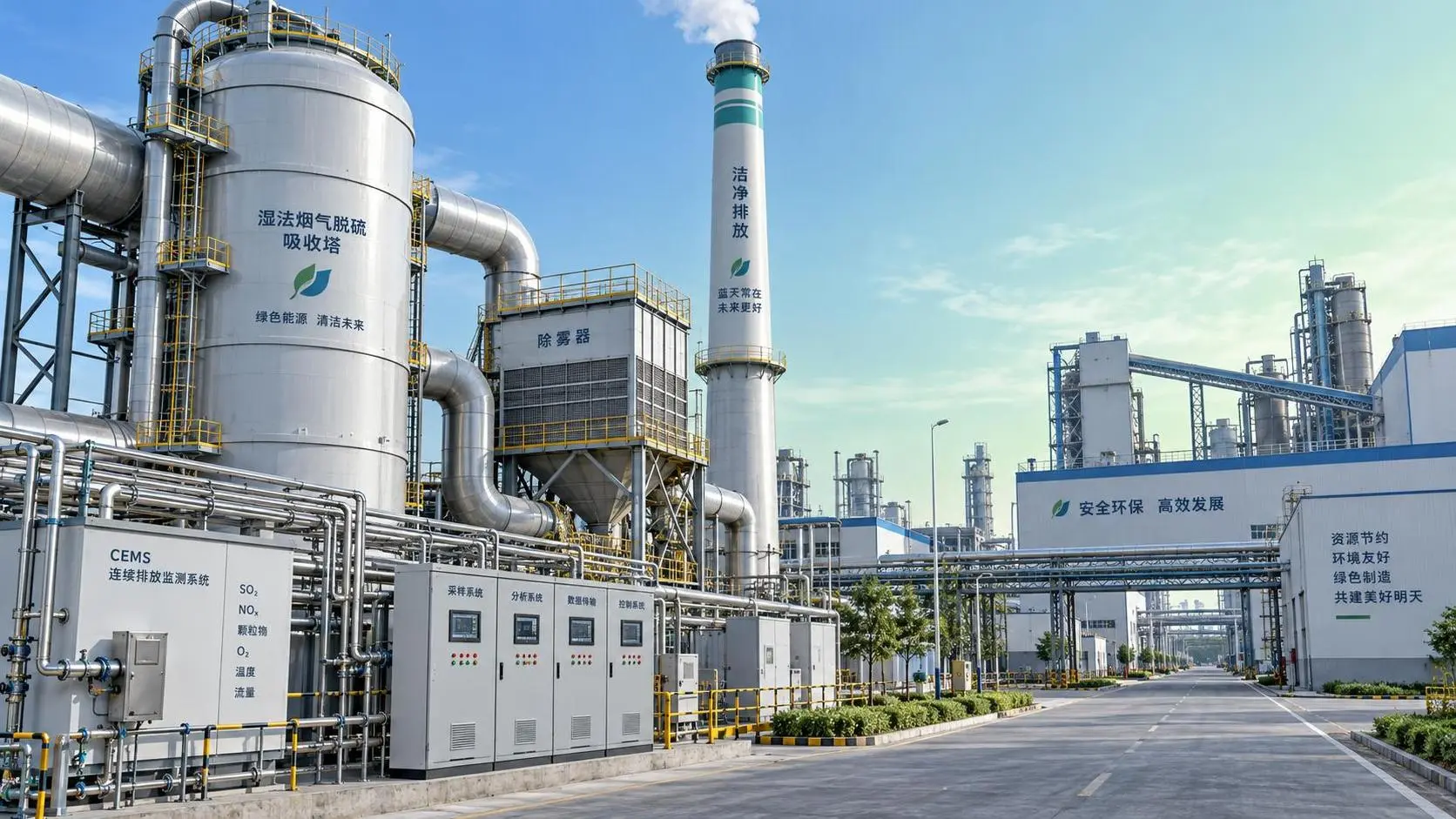
Which ISO standards apply to flue gas treatment systems?
Flue gas treatment systems ISO standards: explore key requirements for emissions testing, CEMS, safety, fabrication, corrosion control, and compliant project evaluation.

When corrosion resistant purification systems are needed for brine treatment
Corrosion resistant purification systems for brine treatment: assess chloride, heat, scaling, materials, and lifecycle reliability for demanding water projects.

How preventive maintenance reduces seawater desalination equipment downtime
Seawater desalination equipment maintenance reduces downtime through proactive monitoring, pretreatment protection, and planned repairs. Explore practical strategies for reliable RO performance.
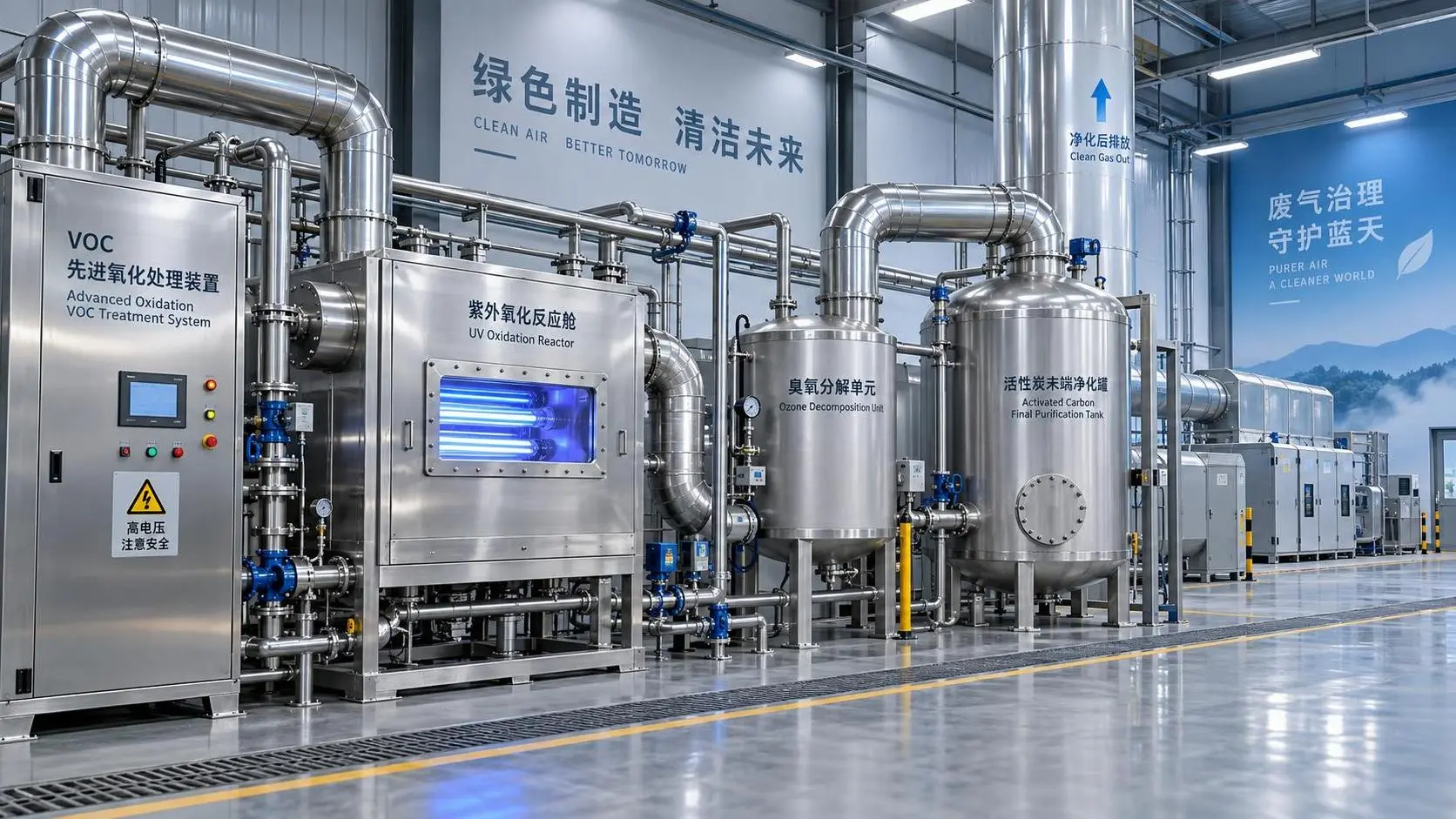
When are advanced oxidation processes the right choice for VOC control?
Advanced oxidation processes for VOC control: learn when AOPs outperform conventional options, manage by-products, and achieve reliable compliance.
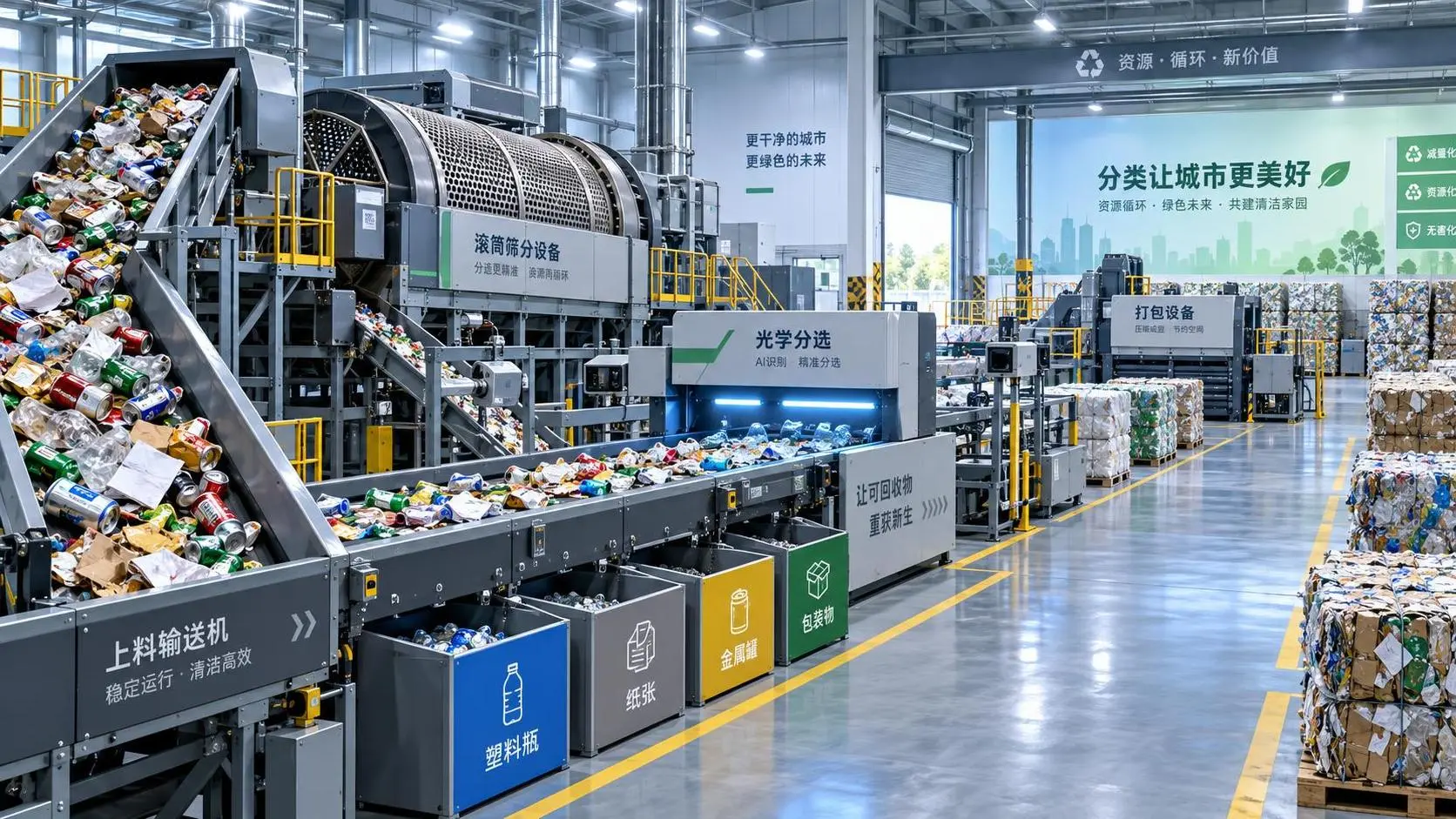
What throughput should municipal waste sorting equipment deliver?
Waste sorting equipment for municipal waste: learn how to set reliable throughput based on peak loads, material quality, uptime, and recovery targets.

What carbon neutrality means for corporate investment decisions
Carbon neutrality is transforming corporate investment decisions. Explore how lifecycle economics, efficiency, compliance, and resilience can drive measurable returns and lasting advantage.