
Industry News
Curation by industry experts
Hot Articles
Popular Tags
Green Tech Trends Shaping Industrial Water Treatment
Green tech is moving industrial water treatment from utility function to strategic infrastructure
Industrial water treatment is entering a different era. The shift is no longer only about discharge control or permit compliance.
Green tech now sits closer to capital planning, supply chain resilience, and carbon strategy. That change is becoming visible across heavy industry, energy, chemicals, mining, and municipal-linked systems.
Water stress is rising in parallel with tighter effluent rules. Energy prices remain volatile. At the same time, investors and regulators are asking harder questions about lifecycle efficiency.
This is why industrial water treatment is no longer judged by one metric. Reliability, reuse rate, sludge reduction, digital visibility, and emissions intensity are being evaluated together.
For platforms such as ESD, the signal is clear. The market is rewarding systems that connect purification performance with resource recovery, compliance intelligence, and long-term operational certainty.
The strongest signals are coming from regulation, water scarcity, and decarbonization pressure
Recent movement in green tech is not driven by one trend alone. It is the result of several pressures arriving at the same time.
Discharge standards are tightening in many jurisdictions, especially where industrial clusters face cumulative pollution burdens. In those markets, incremental upgrades are losing appeal.
A second signal comes from water availability. Facilities once designed around stable intake assumptions now face seasonal shortages, pricing adjustments, or competition with urban demand.
The third signal is carbon. Treatment systems with high pumping loads, thermal demand, or poor chemical efficiency are being reassessed through a decarbonization lens.
What stands out is the convergence. Green tech is gaining momentum because it answers several board-level concerns with one investment logic.
Membranes, ZLD, and intelligent control are no longer niche upgrades
One of the clearest market shifts is the mainstreaming of advanced treatment architectures. Membrane systems are improving in durability, selectivity, and fouling resistance.
That matters because many industrial streams are becoming more complex. Mixed contaminants, variable loads, and intermittent production require systems that can adapt without losing stability.
ZLD is also moving into broader discussion. It still carries significant capital and energy demands, yet water-scarce regions are making it harder to avoid.
The practical change is not that every facility will install full ZLD. More often, plants are evaluating partial concentration, staged reuse, or hybrid pathways that delay thermal load.
AI-driven optimization is another important layer. In real operations, green tech increasingly includes predictive dosing, fouling alerts, pump efficiency tuning, and dynamic process balancing.
- Low-fouling membrane design reduces chemical cleaning frequency and unplanned downtime.
- Hybrid reuse trains improve recovery without forcing full system replacement.
- Digital twins and analytics improve visibility on energy use, concentrate management, and membrane life.
- Smarter automation helps operators handle influent variability with less performance drift.
This is where ESD’s intelligence perspective becomes useful. The real market edge often lies in how process physics, compliance risk, and operating economics are stitched together.
The impact is spreading far beyond the water unit itself
A common mistake is to view industrial water treatment as a standalone utility system. Current green tech trends show the opposite.
In chemicals and refining, better water recovery can stabilize production during intake restrictions. In mining, concentrate handling affects both environmental exposure and logistics cost.
In power and desalination-linked infrastructure, the conversation is becoming more integrated. Water treatment decisions influence energy efficiency, corrosion control, and asset life.
More interestingly, water systems now intersect with adjacent environmental assets. Sludge valorization, flue gas treatment water loops, and brine management are increasingly linked.
That broader systems view aligns with ESD’s five-pillar lens. Large water treatment, solid waste recovery, seawater desalination, flue gas control, and nuclear waste management are no longer isolated intelligence domains.
They are converging through shared constraints: energy intensity, material durability, regulatory escalation, and the need for extreme reliability.
What deserves closer attention over the next planning cycle
From a market perspective, not every green tech claim carries the same strategic value. The most relevant signals are specific and measurable.
Watch total system efficiency, not isolated equipment claims
A membrane with strong flux data may still underperform if pretreatment is unstable. A reuse train may look attractive until concentrate disposal cost is included.
Track how regulation is shifting from discharge limits to accountability frameworks
More regimes are asking for traceability, monitoring integrity, and carbon-linked reporting. That changes digital requirements as much as physical process requirements.
Evaluate supply chain exposure for critical materials
Green tech deployment depends on membranes, specialty chemicals, sensors, and corrosion-resistant components. Procurement risk now shapes project feasibility.
Separate demonstrator success from industrial repeatability
Pilot results matter, but scaling harsh wastewater streams is a different test. Reliability under continuous load is still the strongest filter.
The next winners will connect green tech with decision intelligence
Industrial water treatment is becoming a knowledge-intensive field. The strongest performers will not only install advanced systems. They will read weak signals early.
That includes understanding membrane evolution, CBAM-related cost pressure, reuse economics, and the compliance implications of new contaminant thresholds.
It also means comparing projects through a wider lens: water security, emissions profile, waste burden, recovery value, and operational resilience.
In practice, the most sensible next step is not blind expansion. It is disciplined assessment of where green tech can remove strategic friction first.
- Map water-intensive operations against future scarcity and permit exposure.
- Review whether current treatment assets are optimized for energy and reuse, not only discharge.
- Compare modular upgrades, hybrid retrofits, and phased ZLD pathways before committing capital.
- Build an internal watchlist for membranes, brine handling, digital controls, and compliance changes.
Green tech is reshaping industrial water treatment because the market now values integrated environmental performance. Those who act on that logic early will build more resilient infrastructure and stronger competitive positioning.
Recommended News
How to verify standards in an environmental equipment directory
environmental equipment directory standards reference: learn to verify certifications, performance evidence, scope, and project fit for confident, compliant equipment selection.
When high flux membrane water treatment justifies a larger footprint
High flux membrane water treatment can justify a larger footprint when variable feedwater, fouling risk, and uptime demands require resilient, lower-flux operation.
RO vs MED desalination: which is more energy-efficient at scale?
Desalination technology comparison: RO vs MED at scale. See how energy use, waste heat, feedwater, carbon, and flexibility determine the best choice.
Which ISO standards apply to flue gas treatment systems?
Flue gas treatment systems ISO standards: explore key requirements for emissions testing, CEMS, safety, fabrication, corrosion control, and compliant project evaluation.

When corrosion resistant purification systems are needed for brine treatment
Corrosion resistant purification systems for brine treatment: assess chloride, heat, scaling, materials, and lifecycle reliability for demanding water projects.

How preventive maintenance reduces seawater desalination equipment downtime
Seawater desalination equipment maintenance reduces downtime through proactive monitoring, pretreatment protection, and planned repairs. Explore practical strategies for reliable RO performance.
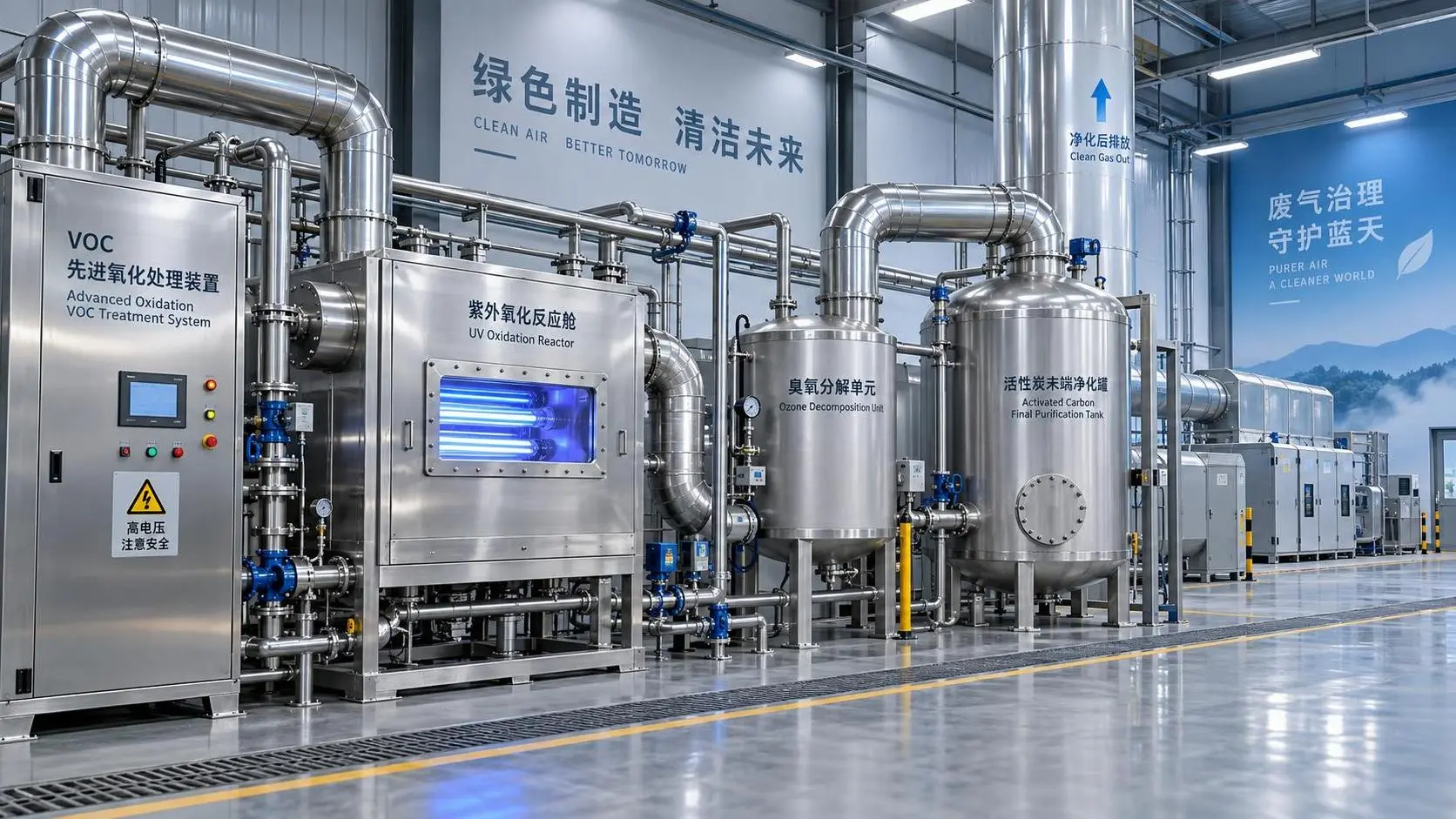
When are advanced oxidation processes the right choice for VOC control?
Advanced oxidation processes for VOC control: learn when AOPs outperform conventional options, manage by-products, and achieve reliable compliance.
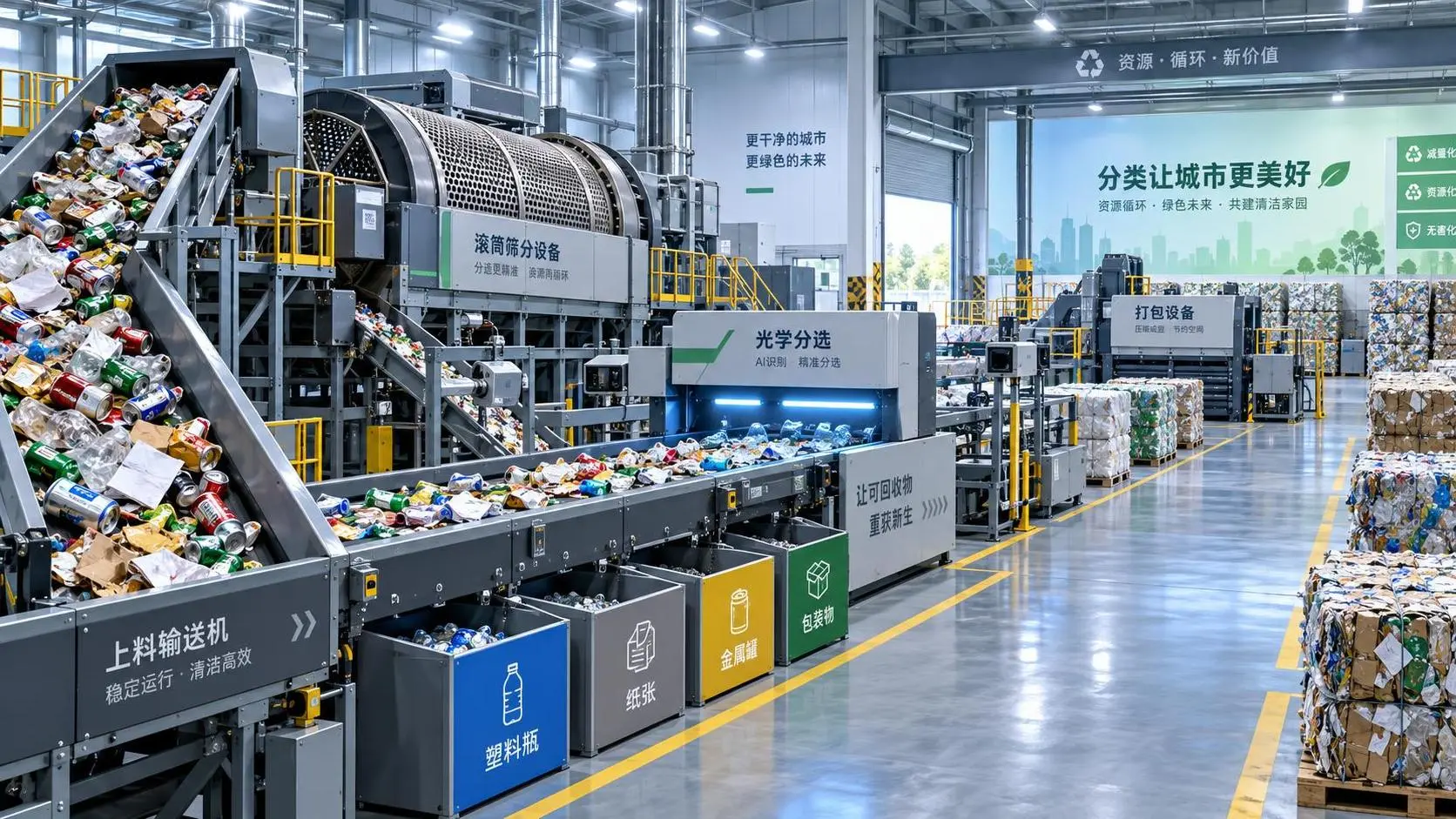
What throughput should municipal waste sorting equipment deliver?
Waste sorting equipment for municipal waste: learn how to set reliable throughput based on peak loads, material quality, uptime, and recovery targets.
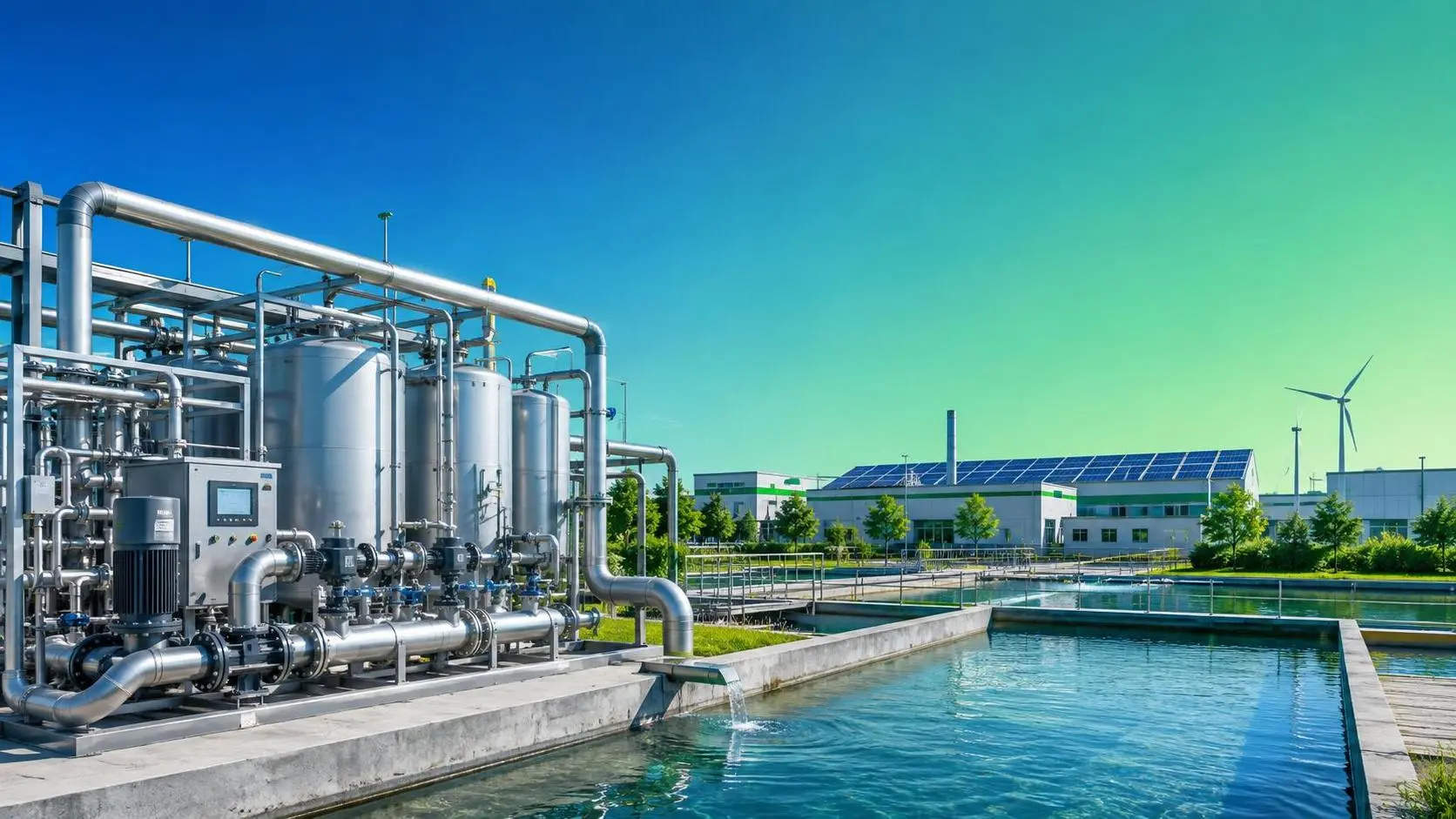
What carbon neutrality means for corporate investment decisions
Carbon neutrality is transforming corporate investment decisions. Explore how lifecycle economics, efficiency, compliance, and resilience can drive measurable returns and lasting advantage.