
Industry News
Curation by industry experts
Hot Articles
Popular Tags
Water Treatment Cost Drivers: CAPEX vs OPEX Explained
In water treatment, the headline price of a plant rarely tells the full story. What matters just as much is how capital spending and operating spending interact over years of compliance, energy use, uptime, and process stability. For projects facing tighter discharge limits and sharper budget scrutiny, understanding CAPEX versus OPEX is less a technical exercise than a decision framework.
Why CAPEX and OPEX Matter More Than Ever
Water treatment decisions now sit at the intersection of infrastructure resilience, environmental regulation, and long-term cost control. A system that appears affordable at procurement can become expensive through chemical demand, membrane replacement, sludge handling, or unstable performance.
That is especially true in large municipal plants, industrial wastewater facilities, desalination projects, and ZLD systems. Each one carries a different balance between upfront equipment intensity and lifetime operating burden.
From the perspective of ESD’s broader ecological intelligence model, cost is not isolated from process design. It connects directly to carbon exposure, resource recovery potential, and the ability to maintain compliance under changing standards.
A Practical Reading of CAPEX and OPEX in Water Treatment
CAPEX refers to the money committed before a system enters routine service. In water treatment, that includes core process equipment, civil works, instrumentation, automation, piping, electrical systems, installation, and commissioning.
OPEX is the recurring cost of keeping the plant performing within specification. This usually includes electricity, chemicals, labor, maintenance, consumables, spare parts, waste disposal, compliance testing, and performance optimization.
The tension between the two is simple to describe but harder to judge. A higher CAPEX design may reduce energy use, lower chemical consumption, or cut operator intervention. A lower CAPEX option may shift cost and risk into daily operations.
That is why lifecycle cost matters. Water treatment systems should be compared not only by purchase price, but by their cost of producing compliant water over time.
Where the biggest cost drivers usually sit
- Pretreatment complexity, especially when influent quality changes sharply
- Energy intensity in pumping, aeration, evaporation, and high-pressure separation
- Chemical demand for coagulation, pH adjustment, cleaning, and polishing
- Membrane, resin, media, or catalyst replacement intervals
- Residuals management, including sludge, brine, and concentrate disposal
- Automation depth, redundancy, and reliability engineering
The Cost Structure Changes by Treatment Scenario
Not every water treatment application behaves the same way. The CAPEX-OPEX balance depends heavily on feedwater quality, recovery targets, plant size, and discharge requirements.
A conventional tertiary upgrade may justify stronger upfront spending if it avoids recurring compliance penalties. In desalination, a better intake and pretreatment design can protect downstream membranes and materially lower total operating cost.
In high-concentration industrial water treatment, variability is often the hidden driver. Influent shocks can turn a low-cost design into a high-OPEX system very quickly.
What Often Gets Missed in Financial Evaluation
Many project reviews still compare proposals using installed cost and nameplate capacity first. That is necessary, but not sufficient. Water treatment performance depends on how the plant behaves under real operating conditions, not ideal assumptions.
Three items are commonly underestimated. The first is energy sensitivity. Even a modest change in electricity price can reshape the economics of membrane systems, aeration, thermal concentration, and pumping networks.
The second is maintenance complexity. Equipment with rare components, frequent cleaning cycles, or highly specialized service needs may create budget volatility that is not visible in vendor summaries.
The third is compliance risk. If a plant struggles to meet tightening discharge thresholds, the resulting cost is not limited to process adjustment. It can also affect permits, production continuity, and corporate environmental exposure.
Useful questions behind the headline quote
- How sensitive is the design to feedwater variation?
- What assumptions were used for energy and chemical pricing?
- How often do critical consumables require replacement?
- What is the expected cost of residual disposal or brine management?
- How much redundancy is built into the process line?
- What happens to cost if recovery or discharge limits tighten?
Why the Technology Choice Is Never Only About Equipment
A water treatment line is an economic system as much as a process system. Pumps, membranes, clarifiers, filters, oxidation units, evaporators, and controls all shape both spending profiles and operational resilience.
This is where sector intelligence becomes valuable. ESD’s focus on large water treatment, seawater desalination, and resource-linked environmental systems highlights a broader truth: technical specifications must be read together with regulatory signals and resource constraints.
For example, a design that lowers freshwater intake can create value beyond the utility bill. It may support reuse targets, reduce exposure to supply disruption, and improve positioning under stricter sustainability reporting frameworks.
Likewise, a higher-CAPEX architecture with stronger automation may reduce human error, improve reporting quality, and sustain output consistency in complex industrial water treatment settings.
How to Compare Options Without Oversimplifying
A useful comparison starts with total treated-water economics. That means calculating cost per cubic meter under realistic loading, rather than relying only on design-point efficiency.
It also helps to model multiple scenarios. Base case, stressed influent quality, higher energy cost, tighter discharge rules, and reduced operator availability can each change the preferred option.
A practical decision lens
- Measure lifecycle cost over a credible operating horizon
- Test whether OPEX assumptions remain valid under volatility
- Value uptime, not only nominal efficiency
- Account for compliance risk as a financial variable
- Check whether recovery, reuse, or by-product value offsets cost
In many cases, the strongest proposal is not the cheapest build and not the lowest stated OPEX. It is the one with the best cost stability under changing operating conditions.
Where This Understanding Leads Next
CAPEX versus OPEX in water treatment is ultimately about choosing where cost, risk, and performance should sit over the life of the asset. That choice becomes more important as water reuse expands, desalination grows, and industrial discharge standards keep tightening.
A stronger review process starts by linking technical design to operating reality. Look beyond vendor pricing sheets. Compare assumptions, stress-test lifecycle models, and examine how each solution performs when regulation, energy, and influent conditions move away from the ideal.
For organizations tracking the larger environmental landscape through platforms like ESD, that broader view matters. Water treatment cost is no longer only an engineering line item. It is part of long-horizon environmental strategy, capital discipline, and operational resilience.
The next useful step is to build a side-by-side framework for current projects: treated-water cost, energy dependence, consumable exposure, compliance margin, and upgrade flexibility. Once those factors are visible, CAPEX and OPEX stop competing as isolated numbers and start informing better decisions.
Recommended News
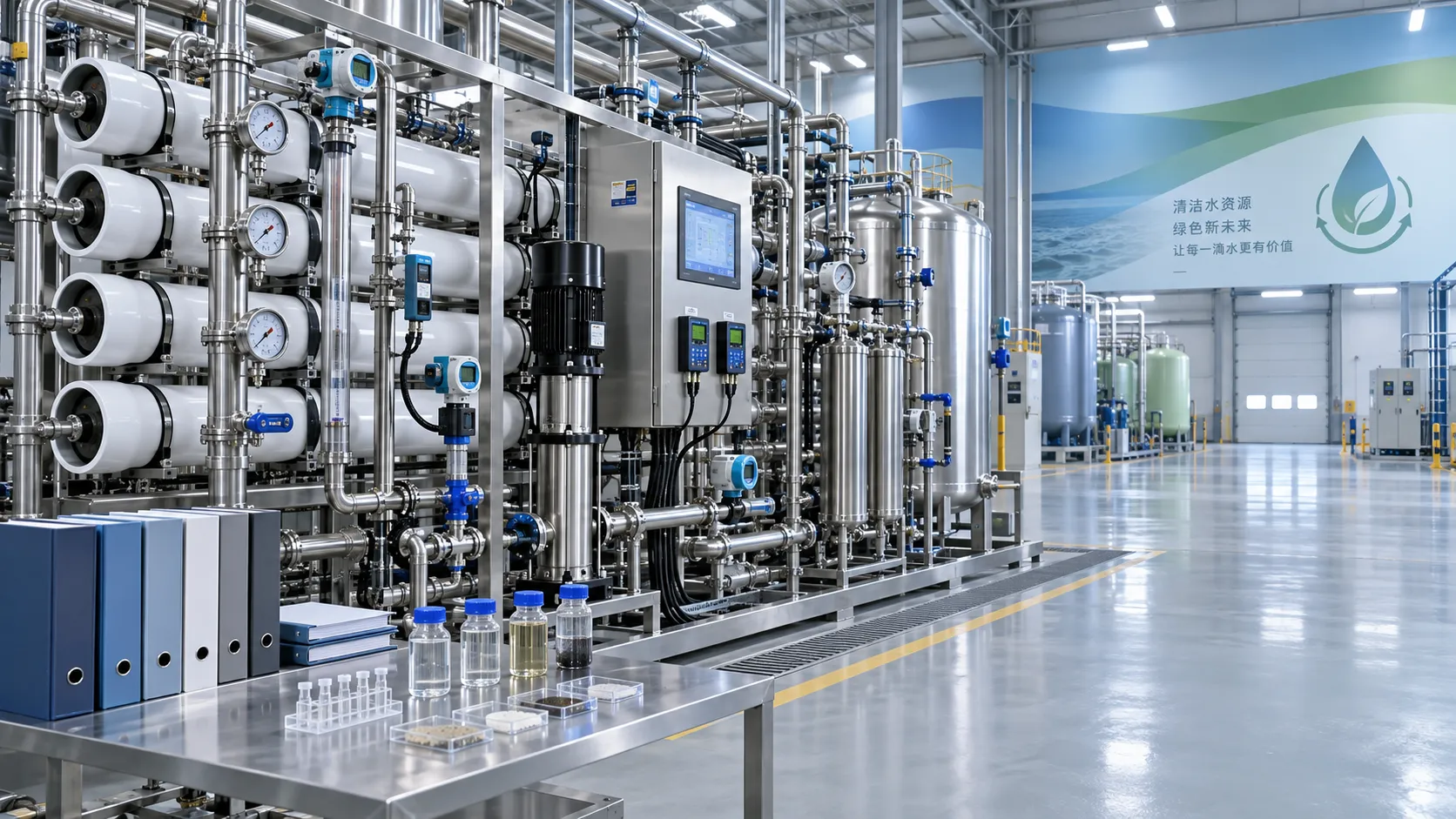
How to verify standards in an environmental equipment directory
environmental equipment directory standards reference: learn to verify certifications, performance evidence, scope, and project fit for confident, compliant equipment selection.
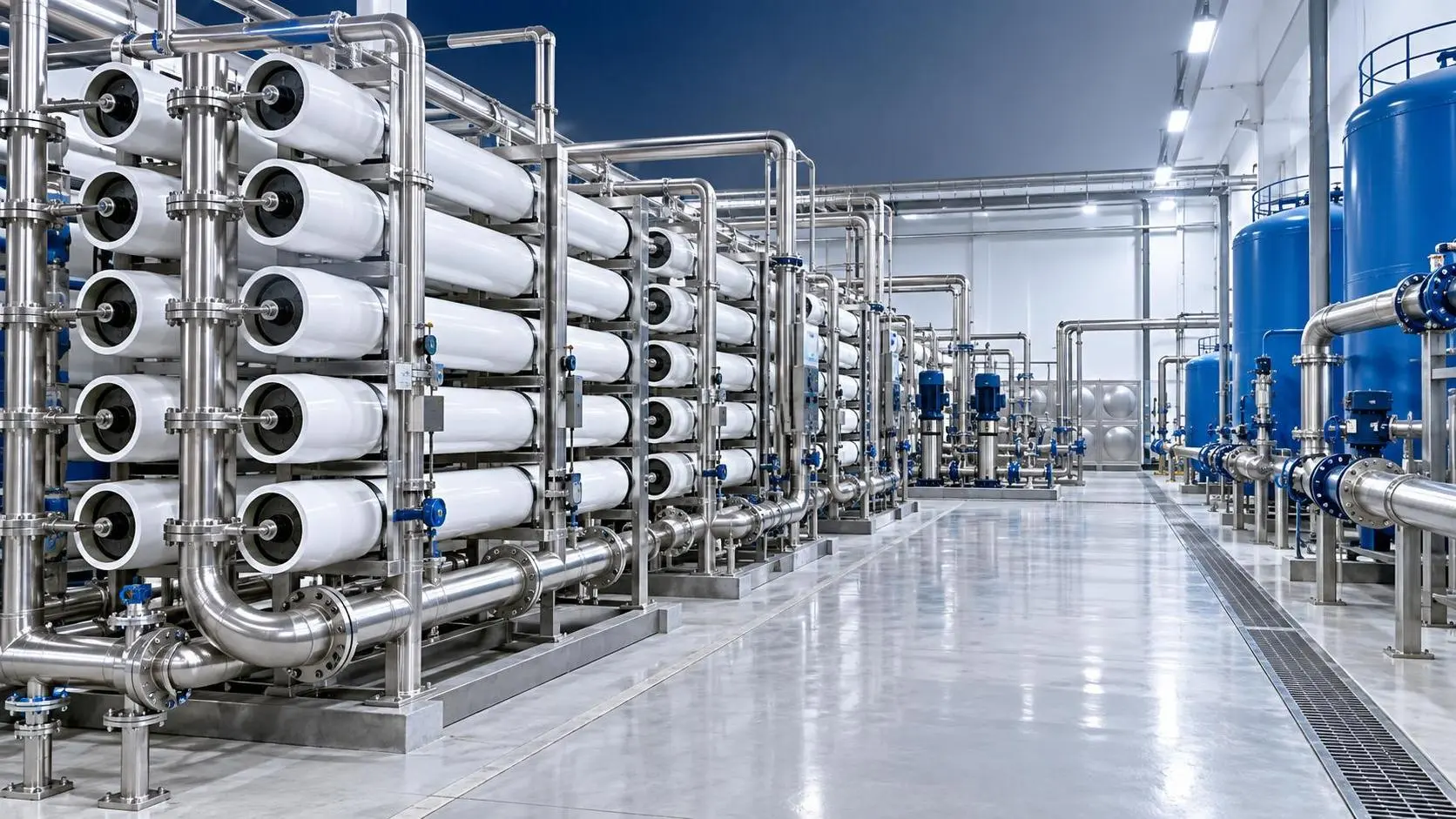
When high flux membrane water treatment justifies a larger footprint
High flux membrane water treatment can justify a larger footprint when variable feedwater, fouling risk, and uptime demands require resilient, lower-flux operation.
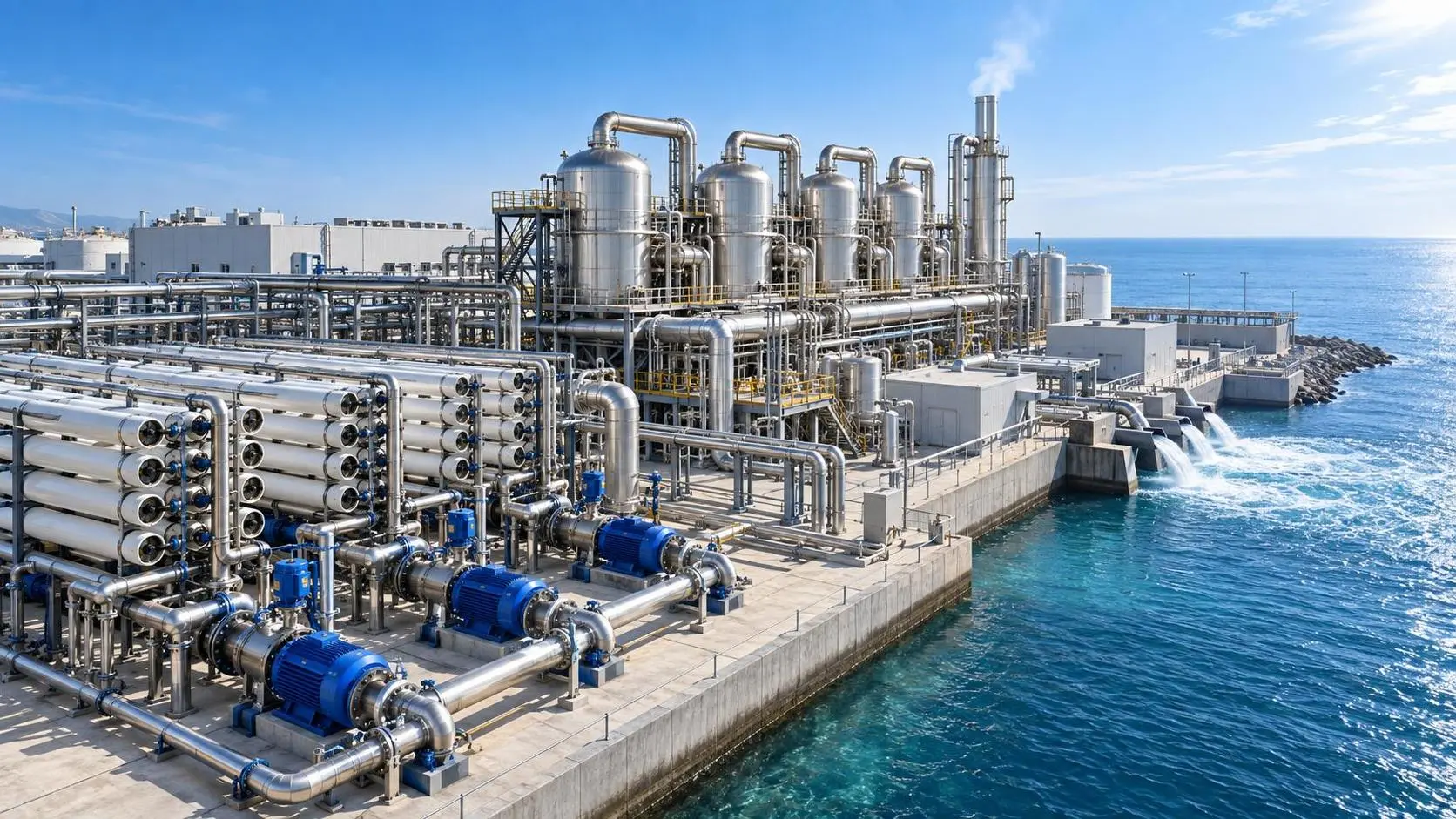
RO vs MED desalination: which is more energy-efficient at scale?
Desalination technology comparison: RO vs MED at scale. See how energy use, waste heat, feedwater, carbon, and flexibility determine the best choice.
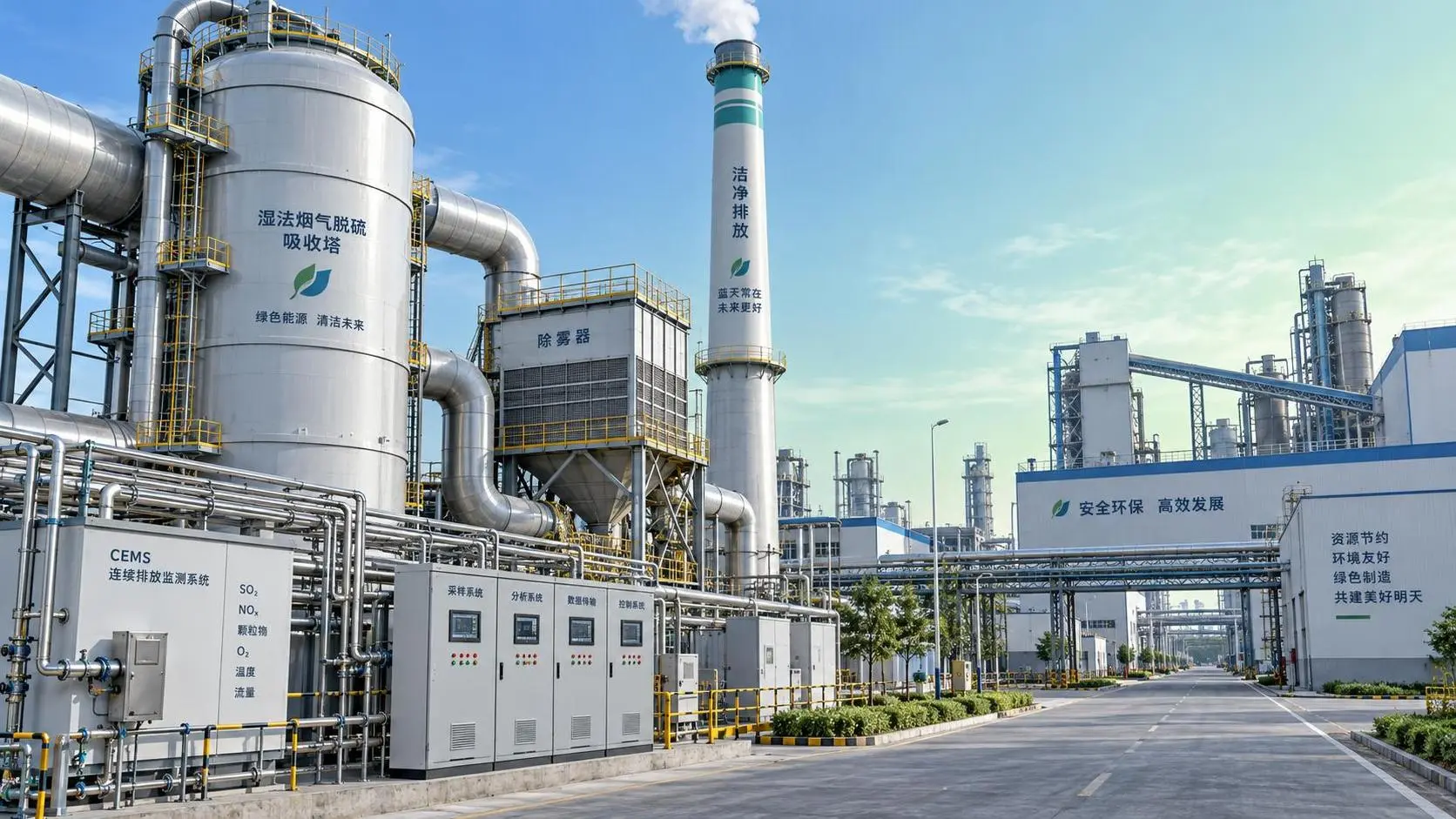
Which ISO standards apply to flue gas treatment systems?
Flue gas treatment systems ISO standards: explore key requirements for emissions testing, CEMS, safety, fabrication, corrosion control, and compliant project evaluation.

When corrosion resistant purification systems are needed for brine treatment
Corrosion resistant purification systems for brine treatment: assess chloride, heat, scaling, materials, and lifecycle reliability for demanding water projects.

How preventive maintenance reduces seawater desalination equipment downtime
Seawater desalination equipment maintenance reduces downtime through proactive monitoring, pretreatment protection, and planned repairs. Explore practical strategies for reliable RO performance.
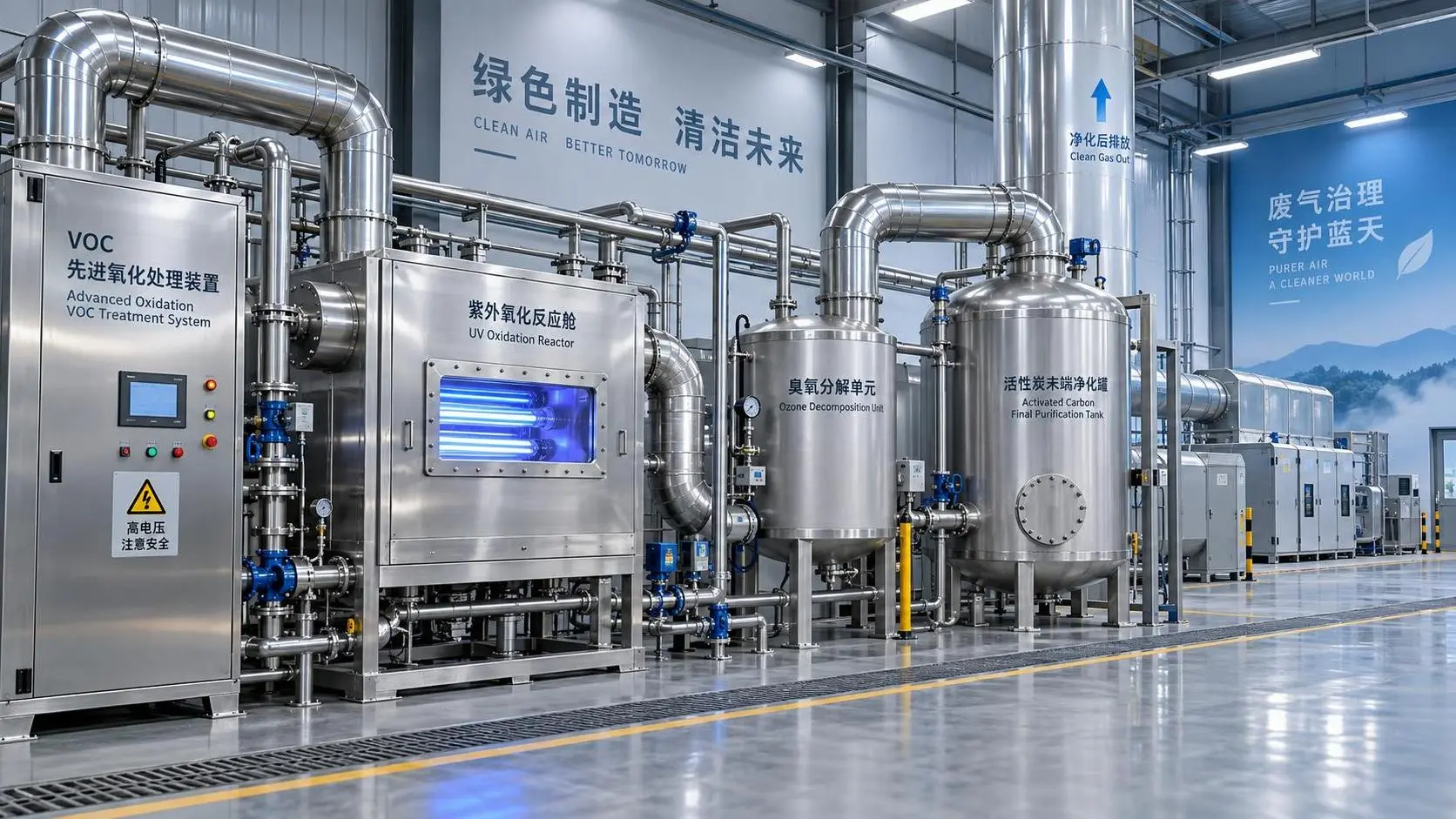
When are advanced oxidation processes the right choice for VOC control?
Advanced oxidation processes for VOC control: learn when AOPs outperform conventional options, manage by-products, and achieve reliable compliance.
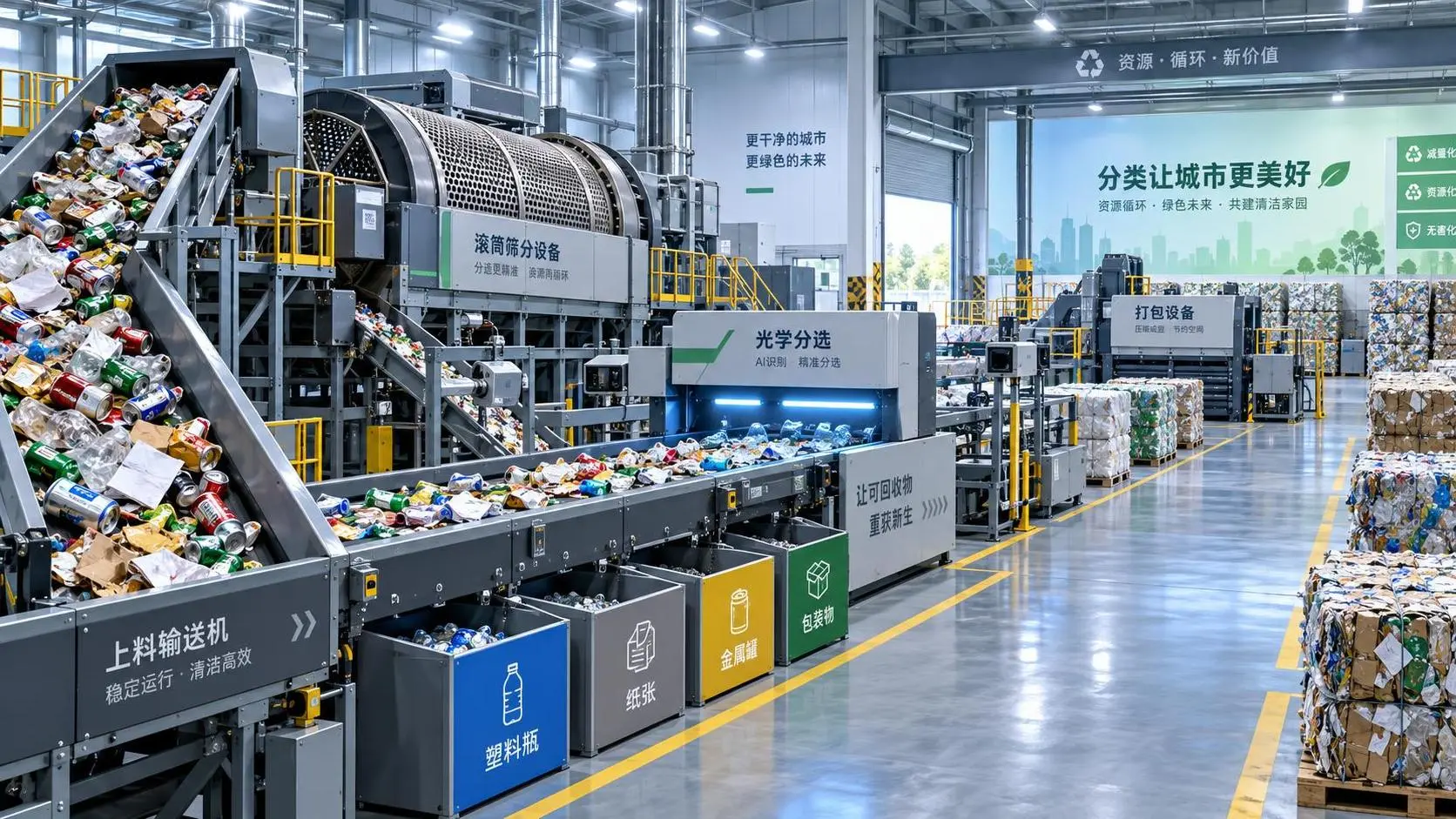
What throughput should municipal waste sorting equipment deliver?
Waste sorting equipment for municipal waste: learn how to set reliable throughput based on peak loads, material quality, uptime, and recovery targets.
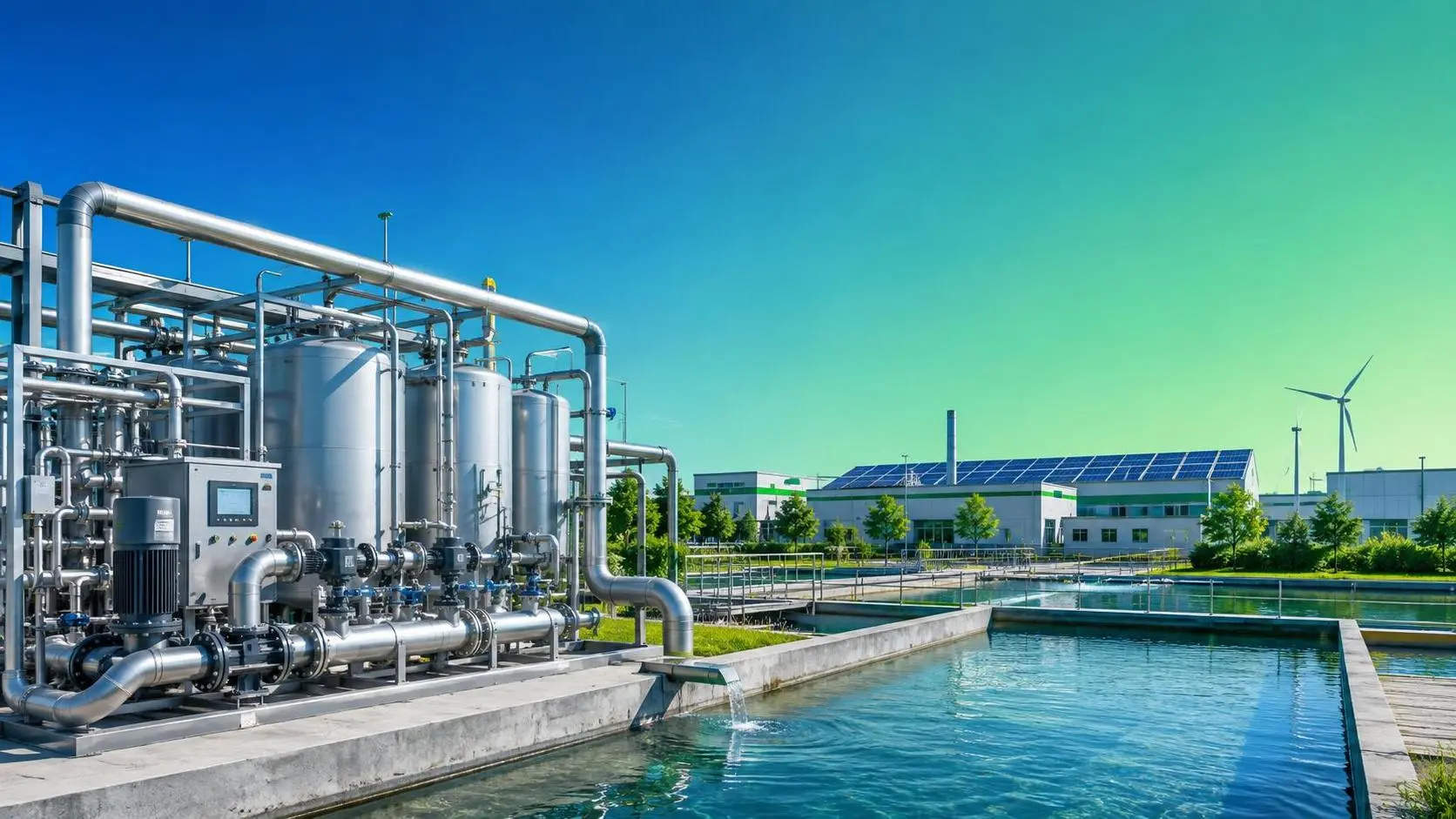
What carbon neutrality means for corporate investment decisions
Carbon neutrality is transforming corporate investment decisions. Explore how lifecycle economics, efficiency, compliance, and resilience can drive measurable returns and lasting advantage.