
Industry News
Curation by industry experts
Hot Articles
Popular Tags
How to Read a Desalination Systems Quotation Without Missing Hidden Costs
A desalination systems quotation rarely ends at the quoted number
A desalination systems quotation often looks clean on page one.
Then the real project cost starts appearing in annexes, exclusions, and performance notes.
That gap matters most in large ecological engineering projects, where energy, compliance, and uptime drive long-term value.
In seawater desalination, small wording changes can shift major cost exposure after contract award.
A low headline price may exclude pretreatment upgrades, civil interfaces, membrane replacement, or commissioning specialists.
The better reading method is simple.
Treat every desalination systems quotation as a technical and financial risk map, not only a sales offer.
That approach fits the wider perspective seen across ESD intelligence coverage.
Large water treatment, flue gas control, waste recovery, and nuclear safety all share one discipline.
The visible capex rarely tells the full compliance and lifecycle story.
What is a desalination systems quotation actually supposed to include?
A proper desalination systems quotation should define scope, performance, interfaces, consumables, and support responsibilities.
If those elements are vague, hidden cost risk rises immediately.
At minimum, the quotation should separate equipment supply from everything needed to make water on specification.
That means intake assumptions, pretreatment logic, RO train design, post-treatment, controls, and reject handling should be visible.
More importantly, operating assumptions must be stated.
Without feedwater quality ranges, recovery rate, energy use, and membrane life assumptions, the number is incomplete.
In practice, many disputes come from what was “assumed” but never priced.
That is why experienced reviewers look at exclusions before they study discounts.
A useful desalination systems quotation usually answers these points clearly:
- What capacity is guaranteed, and under which feedwater conditions?
- Which items are supplied, installed, tested, and commissioned?
- Which utilities are required, and who provides them?
- Which consumables, spares, and membrane replacements are excluded?
- What documentation, training, and compliance testing are included?
If any of those answers are partial, the quotation still needs work.
Where do hidden costs usually appear first?
They usually appear where process complexity meets site reality.
Pretreatment is a common example.
A vendor may price RO skids competitively, while assuming cleaner intake water than the site can deliver.
That pushes cartridge filter loading, chemical demand, and fouling risk back onto the project budget.
Energy is another major blind spot.
Specific energy consumption should be tied to salinity, temperature, recovery, and operating margin.
A low-energy claim without a test basis can distort lifecycle economics for years.
Then come replacement and support costs.
Membranes, high-pressure pump parts, instrumentation calibration, CIP chemicals, and remote monitoring subscriptions often sit outside the base price.
Even shipping, inland transport, lifting plans, and export packaging can be left open.
The table below helps turn a desalination systems quotation into a faster review checklist.
How do you compare two quotations that promise the same water output?
Start by distrusting the phrase “same capacity.”
Two suppliers can quote equal output volumes with very different technical boundaries.
One quotation may include pretreatment redundancy, energy recovery devices, and full automation.
The other may cover only the core RO package.
A better comparison method is to normalize each desalination systems quotation across five dimensions.
- Guaranteed permeate quality and recovery rate
- Specific energy consumption at design conditions
- Scope boundaries for civil, electrical, and utilities interfaces
- Lifecycle consumables and replacement assumptions
- Commissioning, training, and performance remedy terms
Once normalized, pricing differences often make more sense.
This is especially relevant in EPC and public infrastructure reviews, where bid authority depends on defensible scope alignment.
ESD’s sector view is useful here.
Across environmental equipment markets, the most expensive mistake is comparing unlike technical packages as if they were identical.
Which contract phrases should raise immediate concern?
Some phrases are not wrong, but they shift risk quietly.
“By others” is one of them.
If a desalination systems quotation repeats that phrase across piping, cabling, tanks, drains, or testing, budget leakage is likely.
“Subject to final water analysis” is another warning.
That wording can reopen scope after award if intake quality proves harsher than assumed.
You should also watch for broad exclusions around local regulations.
In many jurisdictions, compliance cost now extends beyond water output.
It may involve brine discharge studies, chemical storage rules, electrical certification, and carbon reporting exposure.
That wider compliance lens matches the intelligence priorities tracked by ESD’s Strategic Intelligence Center.
Environmental equipment is increasingly judged by operational reliability and regulatory fit, not only nameplate performance.
Useful red-flag phrases include:
- Performance based on ideal feed conditions
- Consumables excluded from guarantee
- Commissioning days estimated only
- Civil and utility interfaces by client scope
- Taxes, duties, permits, and local certifications excluded
Is the cheapest desalination systems quotation ever the right choice?
Sometimes, but only when the low price survives a full scope and lifecycle review.
A cheap quotation becomes expensive when reliability margins are thin.
That usually appears through higher fouling rates, weaker automation, shorter membrane life, or limited startup support.
In desalination, downtime has a compounding cost.
Lost production, emergency service, and water quality instability can erase initial savings quickly.
A better decision question is this.
Which desalination systems quotation produces the most predictable cost per cubic meter over the asset life?
That is where stronger quotations stand out.
They explain membrane selection logic, energy recovery design, spare philosophy, and operator training scope without ambiguity.
They also make room for changing compliance pressure.
As global environmental standards tighten, under-scoped equipment packages age badly from both cost and governance perspectives.
What should be confirmed before approving the final number?
The final review should turn open assumptions into measurable obligations.
That is the cleanest way to prevent post-award cost migration.
Before approval, confirm the desalination systems quotation against a short decision sheet.
- Attach the exact design basis, including feedwater variability and required water quality.
- List every exclusion in one schedule, not across multiple annexes.
- Request five-year estimates for energy, chemicals, membranes, and critical spares.
- Define acceptance testing, remedy obligations, and retest responsibility.
- Confirm who owns permits, local certification, and environmental compliance interfaces.
- Check whether remote support, training refresh, and documentation updates are priced.
A strong approval process does not slow the project.
It protects delivery logic, operating stability, and long-range budget accuracy.
In practical terms, the best desalination systems quotation is the one that leaves the fewest expensive questions unanswered.
The next step is straightforward.
Build a side-by-side review sheet, force all assumptions into writing, and compare total operating exposure rather than quoted supply price alone.
That is usually where the real winner becomes visible.
Recommended News
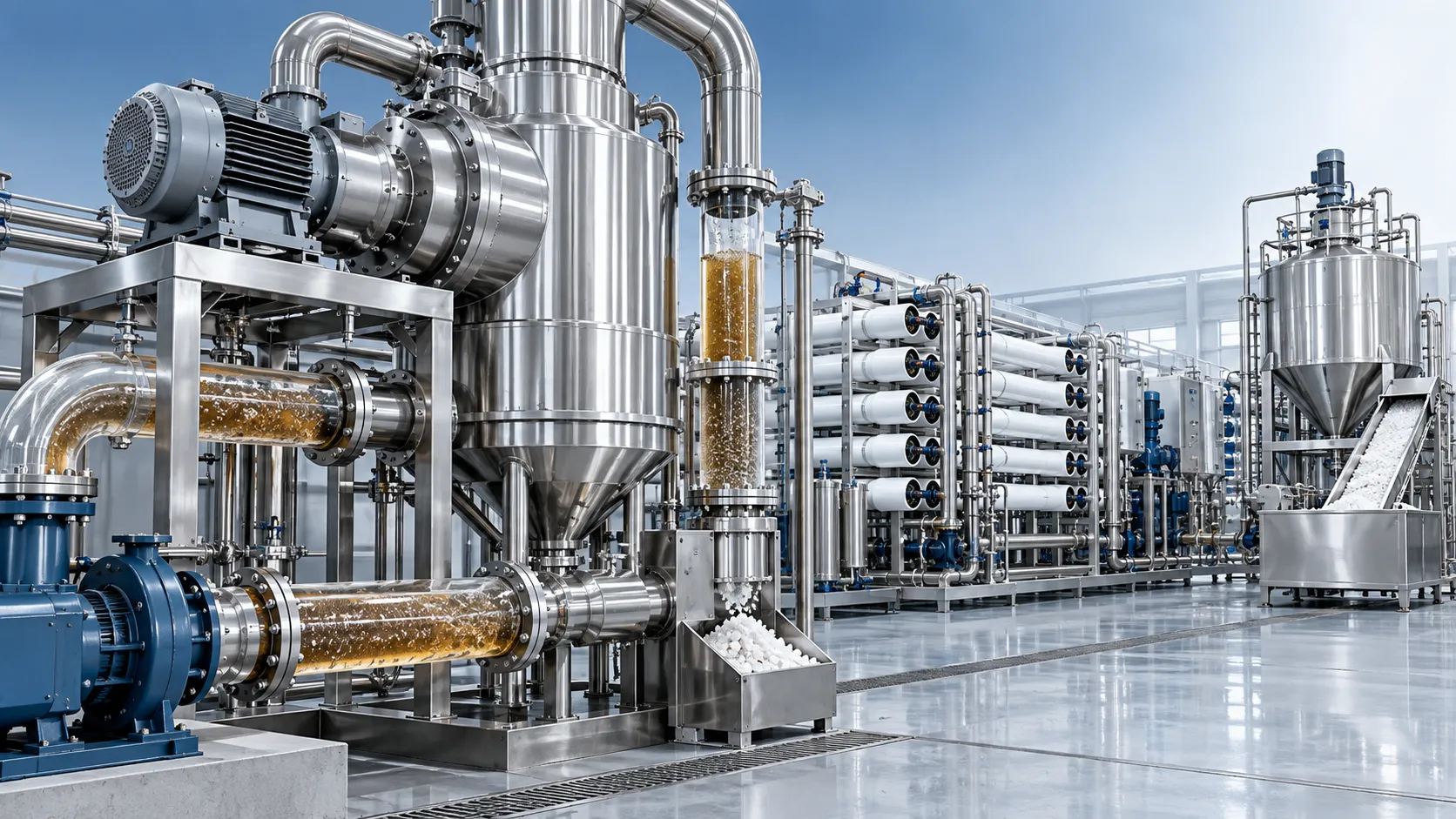
How feed salinity affects energy use in ZLD system brine treatment
ZLD system brine treatment: discover how feed salinity drives energy use, scaling risk, and technology choices for efficient, reliable zero liquid discharge.
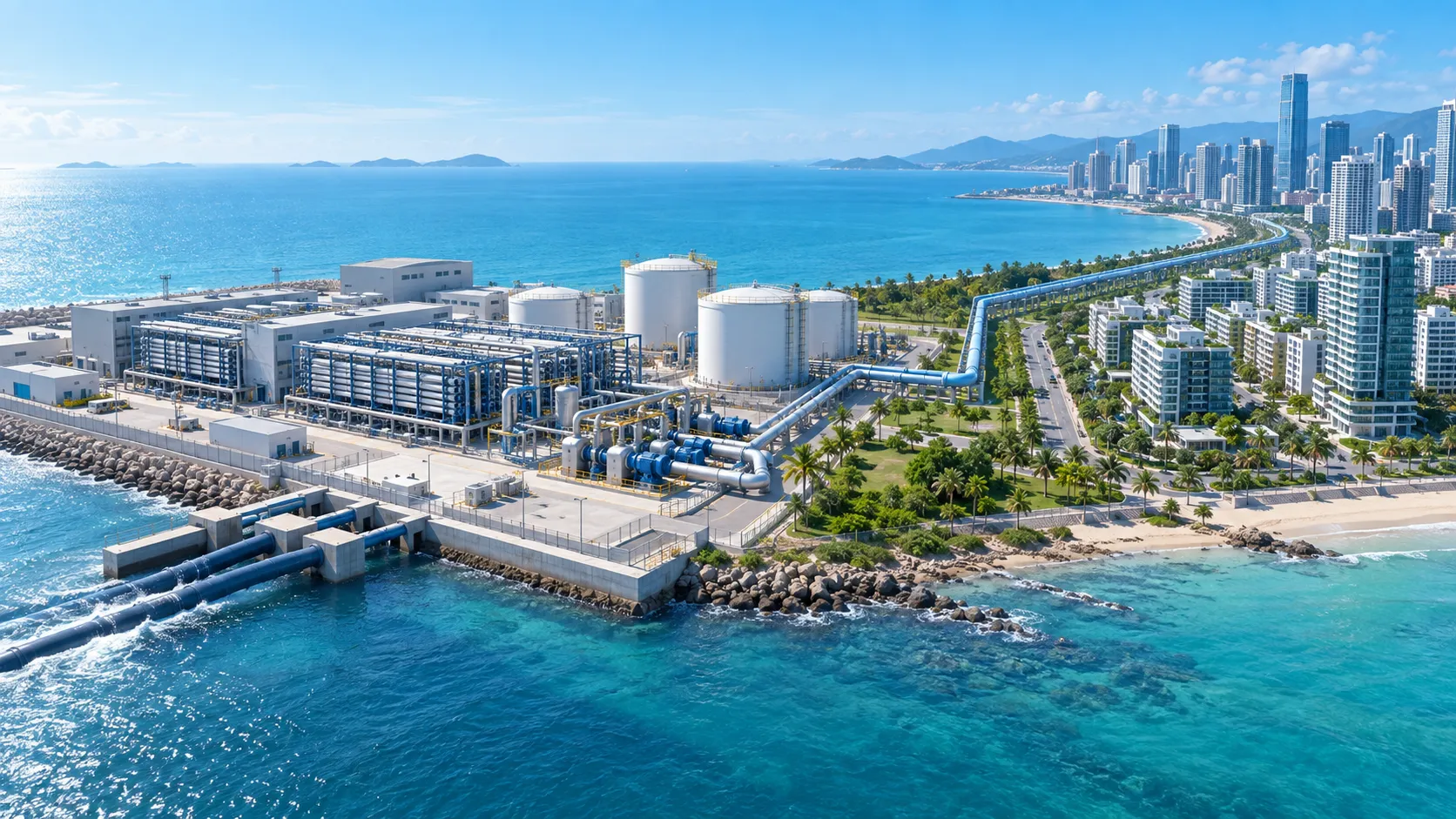
How coastal cities can select desalination solutions for peak demand
Seawater desalination solutions for coastal cities: compare firm peak capacity, intake risk, energy resilience, and lifecycle value to secure reliable water supply.
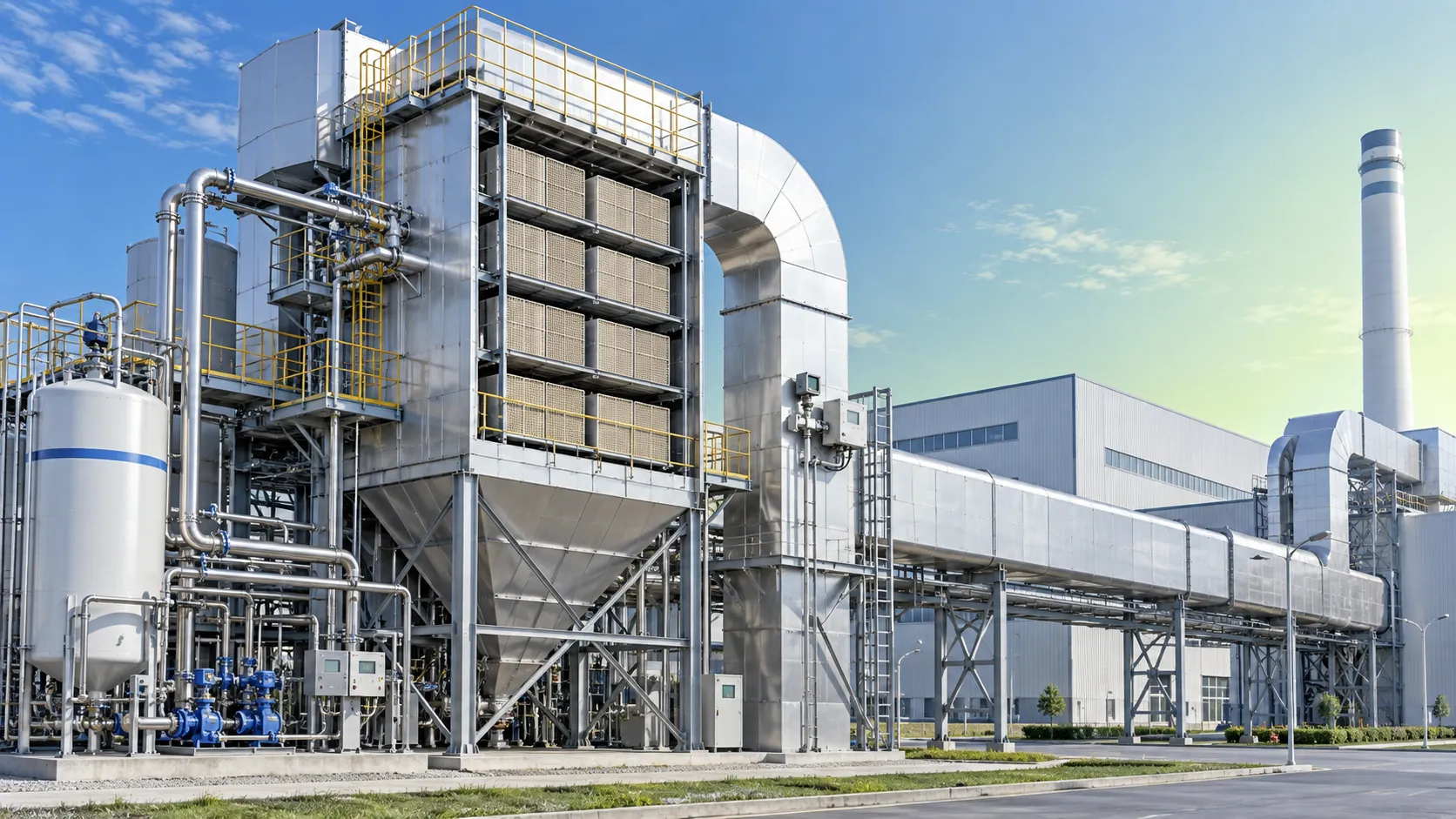
How SCR denitrification systems in Europe meet Industrial Emissions rules
SCR denitrification systems Europe: learn how permit-led design, ammonia-slip control, catalyst management and monitoring support Industrial Emissions compliance.
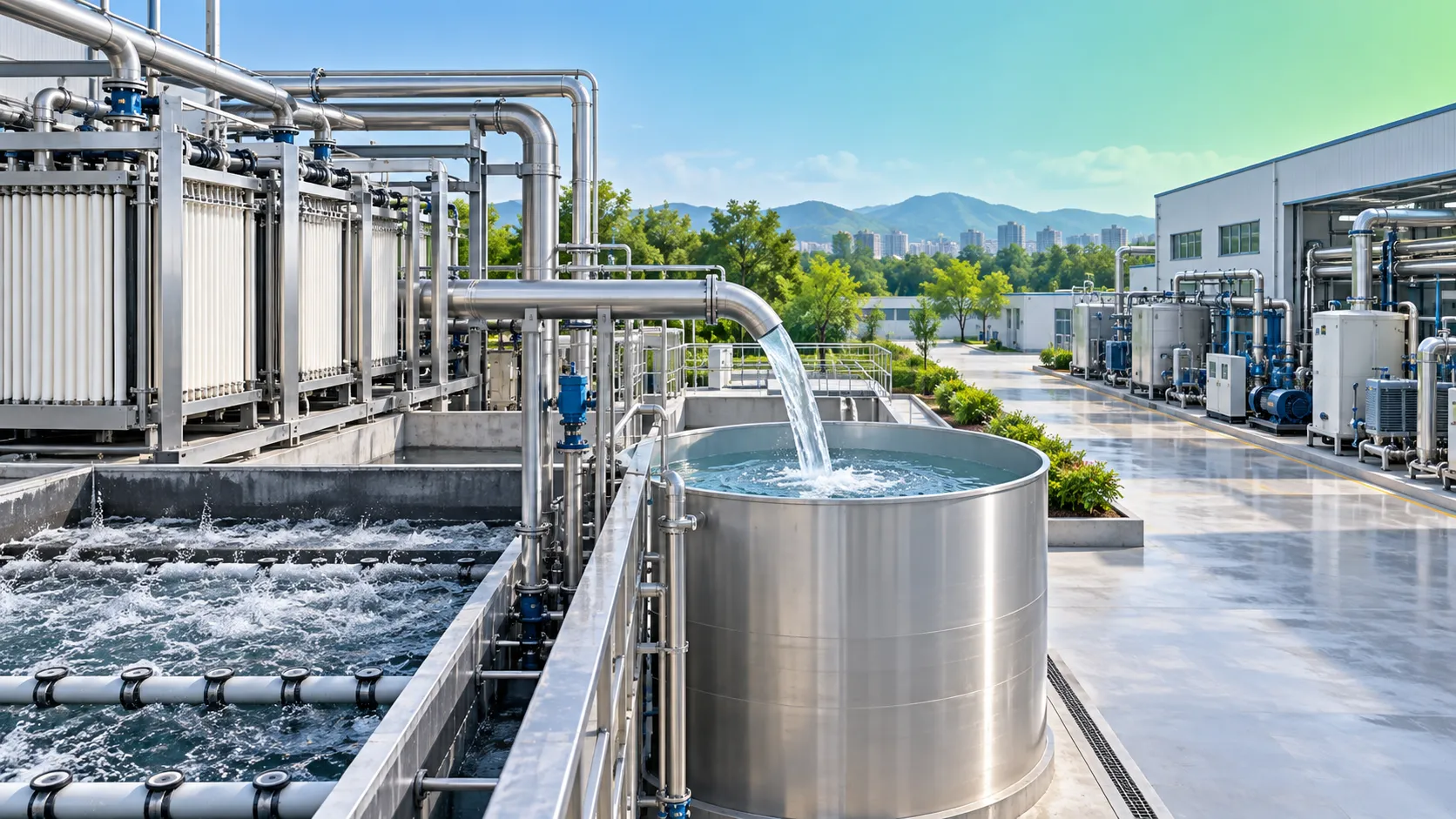
When does MBR equipment make sense for wastewater reuse?
Water treatment equipment for wastewater reuse: learn when MBR delivers compact, reliable low-solids effluent—and when alternative treatment trains offer better value.
How North America shapes global environmental governance standards
Global environmental governance North America: discover how regulation, finance, and procurement raise worldwide standards and reshape environmental projects.
How reactor capacity affects throughput in pyrolysis systems
Pyrolysis systems reactor capacity explained: learn how heat transfer, residence time, feed quality, and emissions controls determine reliable throughput.
When low-temperature reaction equipment is the right fit for heat-sensitive processes
Low-temperature reaction equipment helps protect heat-sensitive streams, improve energy integration, and maintain reliable conversion. Explore key selection factors today.
When do water reuse systems deliver a practical payback?
Water reuse systems deliver practical payback when they cut water, discharge, and downtime costs. Learn how to match treatment, recovery, and reuse quality for lasting ROI.
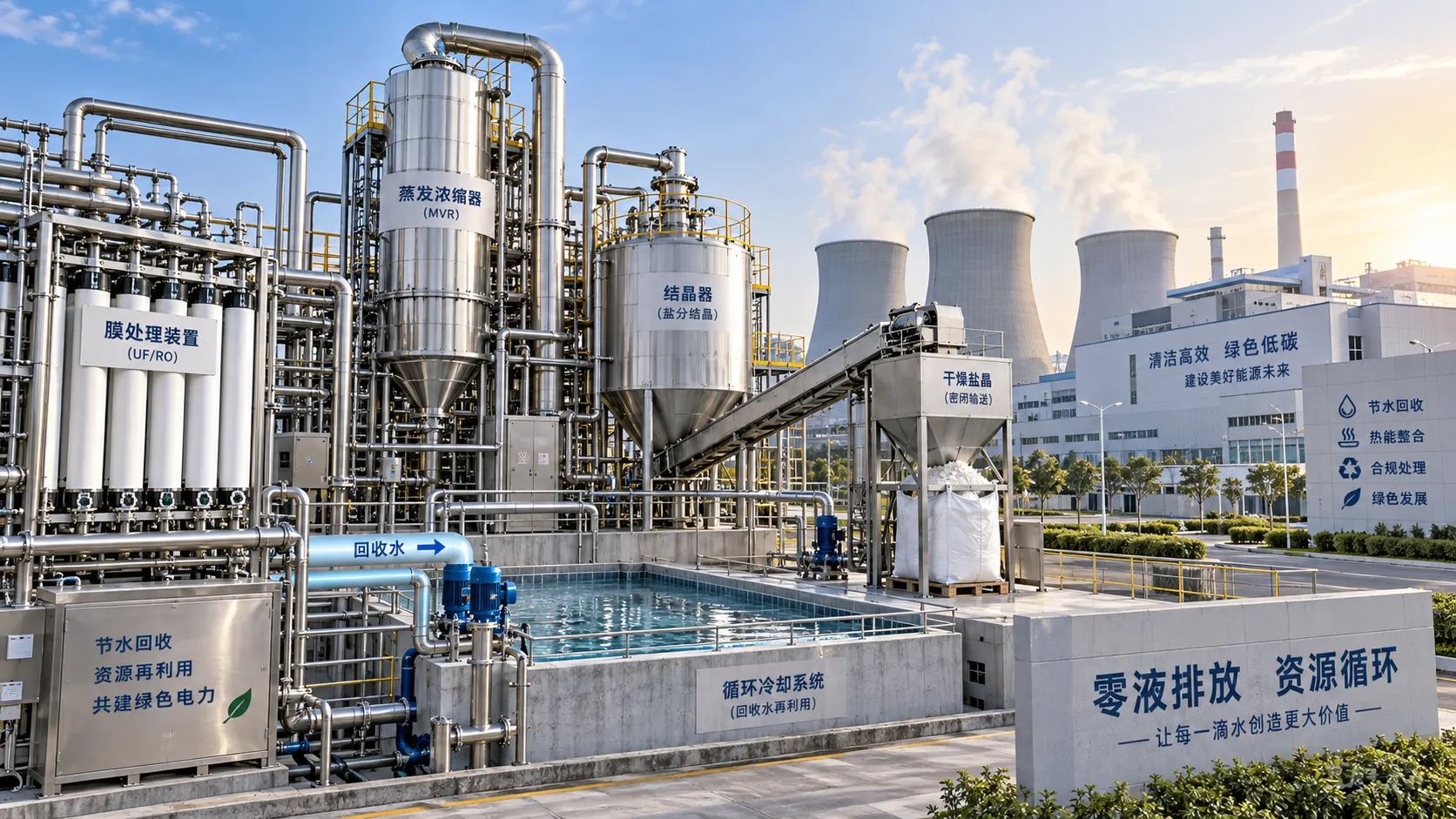
When do ZLD systems for power generation justify their energy use?
ZLD systems for power generation: learn when energy-intensive water recovery delivers stronger compliance, resilience, and long-term value.