
Industry News
Curation by industry experts
Hot Articles
Popular Tags
Urban Mining Systems for E-Waste: What Determines Metal Recovery Rates?
Urban Mining Systems for E-Waste: What Determines Metal Recovery Rates?
As e-waste volumes surge and compliance pressure intensifies, urban mining systems for e waste are moving from a recycling topic to a strategic industrial issue.
For operators, investors, and regulators, the real question is straightforward: what actually determines metal recovery rates in modern recovery lines?
The answer is rarely a single machine.
Recovery performance depends on how the whole system handles feedstock uncertainty, liberation efficiency, sorting accuracy, thermal treatment, hydrometallurgical selectivity, and process control.
In practice, urban mining systems for e waste create value when they recover metals consistently, protect worker safety, and stay aligned with tightening environmental rules.
That is why recovery rate should be viewed as a system indicator, not a single-stage KPI.
Why Recovery Rates Vary So Much
At first glance, e-waste seems rich in copper, gold, silver, palladium, aluminum, and rare metals.
Yet actual recovery rates vary sharply between printed circuit boards, cables, batteries, displays, servers, telecom equipment, and household electronics.
This happens because metal concentration is only one part of the equation.
The physical form of the material matters just as much.
Fine traces embedded in resins, mixed laminates, coatings, adhesives, and ceramic layers are far harder to recover than visible bulk metals.
A strong urban mining system for e waste therefore starts with realistic characterization of incoming material, not optimistic assumptions about headline metal values.
More clearly now, operators are shifting toward feedstock-specific recovery models rather than one universal process flow.
Feedstock Quality Is the First Determinant
The first driver of metal recovery rates is feedstock quality and consistency.
When inbound material changes daily, process tuning becomes unstable.
This is common in urban mining systems for e waste that collect from multiple cities, contractors, and informal channels.
Key feedstock variables include:
- device type and age
- metal grade distribution
- presence of batteries or hazardous parts
- moisture, dust, and contamination levels
- degree of pre-disassembly before arrival
If the input stream is poorly classified, even advanced separation technology loses efficiency.
That is why front-end sampling, assay protocols, and traceable lot management matter so much.
In actual operations, better feedstock governance often raises recovery more cheaply than adding a new furnace or leaching tank.
For decision-making, this means collection strategy and procurement standards are part of recovery engineering.
Liberation and Sorting Define the Upstream Yield
Before metals can be recovered, they must be liberated from complex assemblies.
This makes dismantling, shredding, crushing, and particle size control central to urban mining systems for e waste.
If particles are too coarse, metal remains locked inside composites.
If particles are too fine, valuable fractions may report to dust or mixed residues.
This balance is where many recovery losses begin.
After liberation, sorting performance becomes the next bottleneck.
Magnetic separators, eddy current systems, optical sorters, XRF, AI vision, and density separation all play different roles.
The best results come from combining technologies, not relying on one method alone.
A practical sorting objective is to produce cleaner, metal-rich streams for downstream refining.
When sorting purity improves, refining losses usually decline as well.
That is a stronger signal than headline throughput alone.
Thermal and Chemical Recovery Decide Final Extraction
Once the concentrate stream is prepared, final metal extraction depends on downstream metallurgy.
Here, urban mining systems for e waste usually follow pyrometallurgical, hydrometallurgical, or hybrid routes.
Pyrometallurgy offers robust treatment for mixed feeds and can capture precious metals effectively.
However, energy demand, off-gas treatment, and slag losses must be tightly managed.
Hydrometallurgy can deliver higher selectivity for copper, gold, cobalt, nickel, and rare elements.
But reagent cost, impurity control, wastewater handling, and kinetics become decisive.
In both routes, recovery rates are shaped by several technical details:
- temperature stability and residence time
- oxidation or reduction conditions
- reagent concentration and pH control
- solid-liquid separation efficiency
- impurity removal before electrowinning or precipitation
In business terms, the highest theoretical recovery is meaningless if the route is unstable at industrial scale.
Long-term value comes from repeatable extraction under real operating conditions.
Data, Compliance, and Residue Management Also Matter
Another common mistake is treating recovery as a metallurgy issue only.
In reality, urban mining systems for e waste depend heavily on data quality, emissions control, and residue accountability.
Poor mass balance tracking can hide metal losses for months.
Weak residue analysis can also misclassify valuable secondary streams as disposal waste.
More operators are now building digital traceability from inbound lot to refined output.
This improves not only operational control, but also environmental reporting and customer trust.
The compliance dimension is becoming more visible as rules tighten around hazardous substances, air emissions, water discharge, and cross-border material movement.
For that reason, the most credible urban mining systems for e waste link recovery targets with:
- real-time process monitoring
- off-gas and wastewater treatment integration
- secondary residue valorization
- audit-ready material balance records
This is where technology and environmental governance finally meet.
How to Evaluate Urban Mining Systems for E Waste
When comparing projects or equipment lines, recovery rate alone is too narrow.
A better evaluation framework asks whether the system can maintain recovery under changing feed conditions and tighter regulation.
Useful checkpoints include:
- What feedstock range has been validated at commercial scale?
- How much metal is lost in fines, slag, filter cake, or dust?
- How stable are sorting purity and downstream extraction rates?
- What is the cost of compliance per ton processed?
- Can the plant generate verified data for regulators and buyers?
These questions reveal whether an urban mining system for e waste is engineered for resilient performance or only for pilot-stage results.
They also help separate high-throughput claims from actual metal yield.
That distinction matters more as circular economy investments become larger and more scrutinized.
The Practical Takeaway
What determines recovery rates in urban mining systems for e waste is not one dramatic breakthrough.
It is the disciplined coordination of feedstock control, liberation quality, sorting precision, metallurgical fit, and compliance-ready operations.
Operators who improve each link usually outperform those chasing one flagship technology.
From a strategic view, the strongest urban mining systems for e waste are not just recovery plants.
They are controlled resource conversion systems built for traceability, environmental resilience, and long-term metal security.
That also means the next improvement opportunity may sit upstream in collection design, or downstream in refining data, rather than inside the core reactor.
For organizations assessing investments, the most useful next step is a full recovery-path audit by material type, loss point, and compliance burden.
That is usually where hidden yield, hidden risk, and real competitive advantage become visible.
Recommended News
How feed salinity affects energy use in ZLD system brine treatment
ZLD system brine treatment: discover how feed salinity drives energy use, scaling risk, and technology choices for efficient, reliable zero liquid discharge.

How coastal cities can select desalination solutions for peak demand
Seawater desalination solutions for coastal cities: compare firm peak capacity, intake risk, energy resilience, and lifecycle value to secure reliable water supply.
How SCR denitrification systems in Europe meet Industrial Emissions rules
SCR denitrification systems Europe: learn how permit-led design, ammonia-slip control, catalyst management and monitoring support Industrial Emissions compliance.
When does MBR equipment make sense for wastewater reuse?
Water treatment equipment for wastewater reuse: learn when MBR delivers compact, reliable low-solids effluent—and when alternative treatment trains offer better value.
How North America shapes global environmental governance standards
Global environmental governance North America: discover how regulation, finance, and procurement raise worldwide standards and reshape environmental projects.
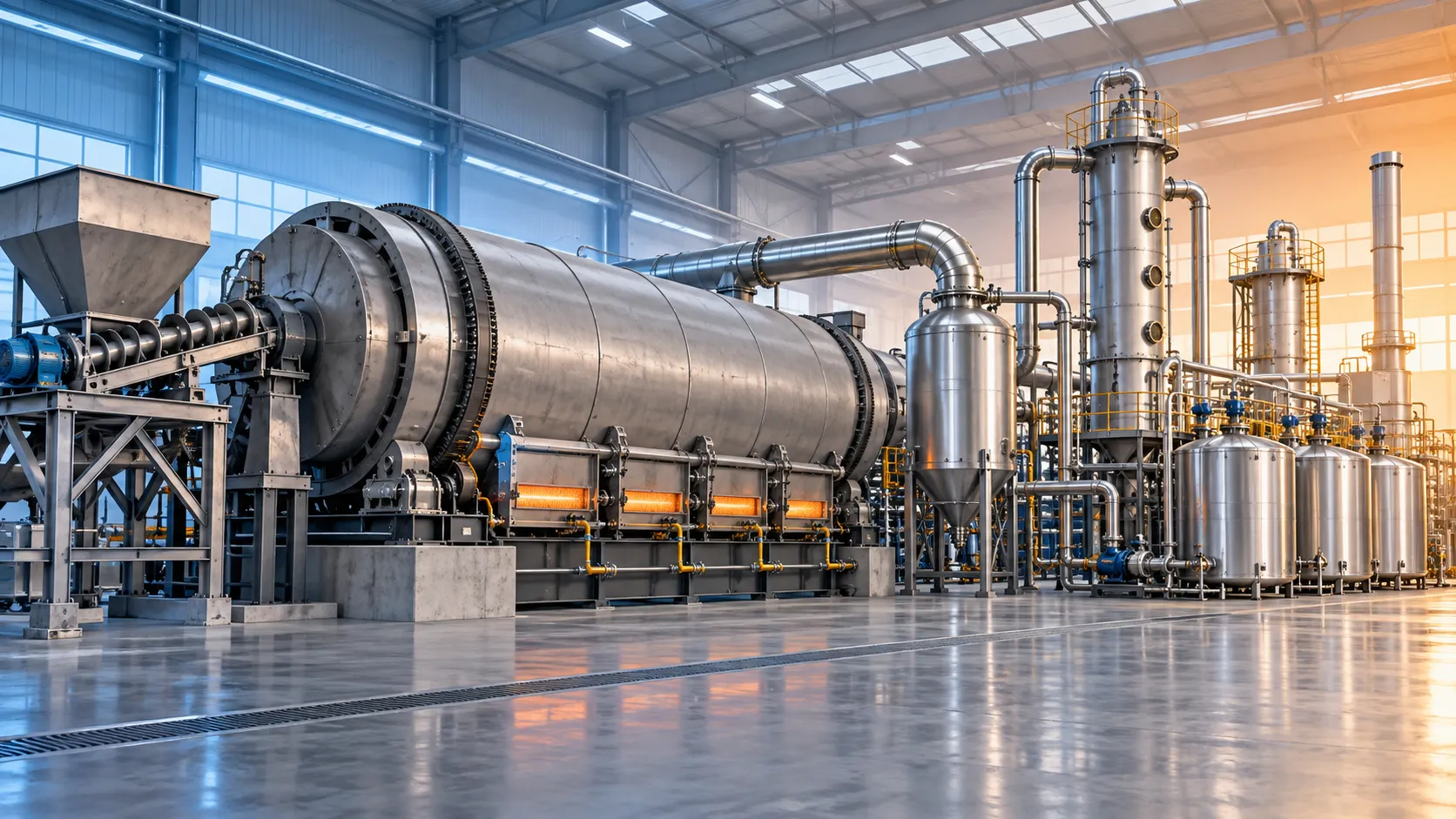
How reactor capacity affects throughput in pyrolysis systems
Pyrolysis systems reactor capacity explained: learn how heat transfer, residence time, feed quality, and emissions controls determine reliable throughput.
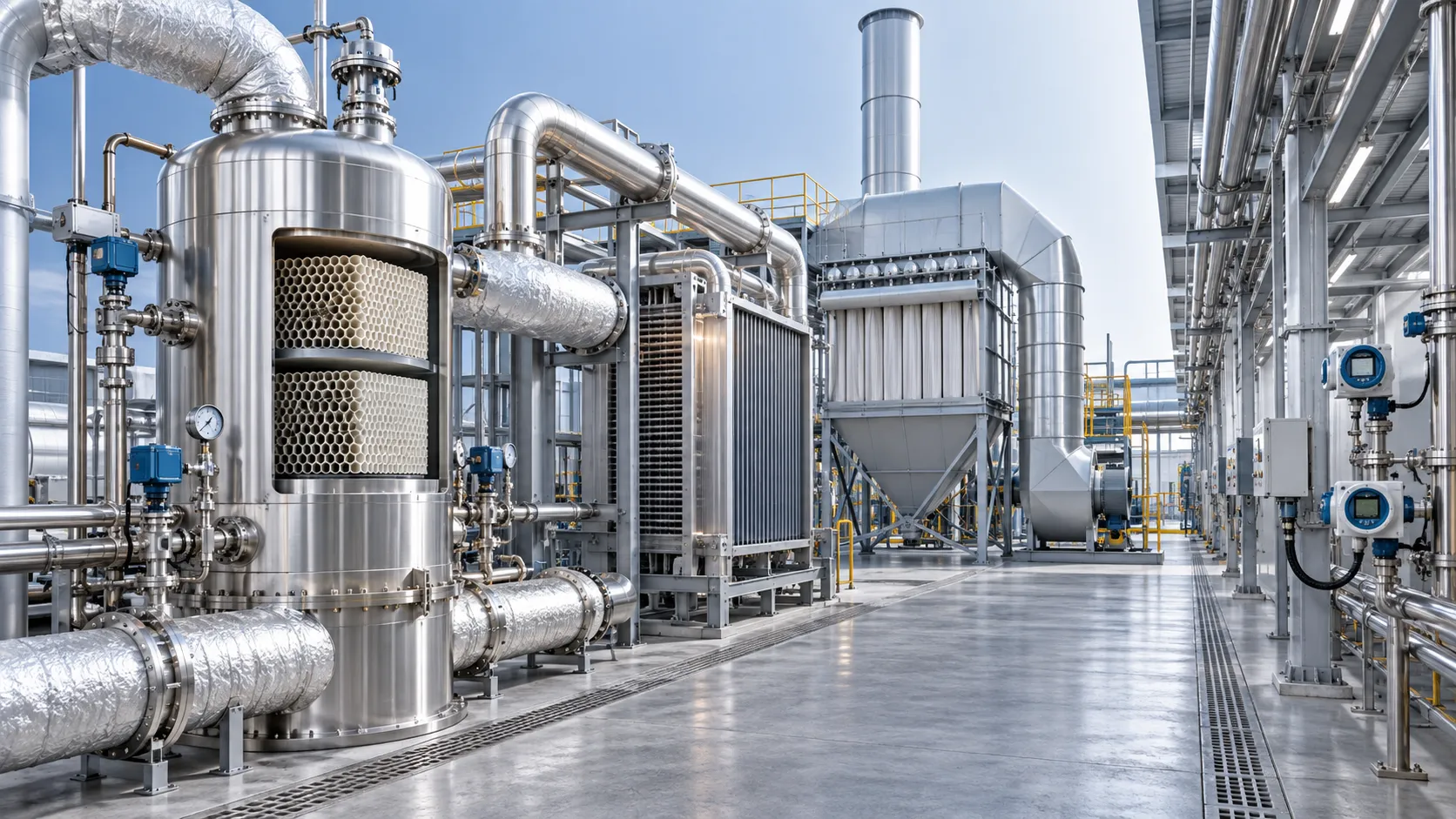
When low-temperature reaction equipment is the right fit for heat-sensitive processes
Low-temperature reaction equipment helps protect heat-sensitive streams, improve energy integration, and maintain reliable conversion. Explore key selection factors today.
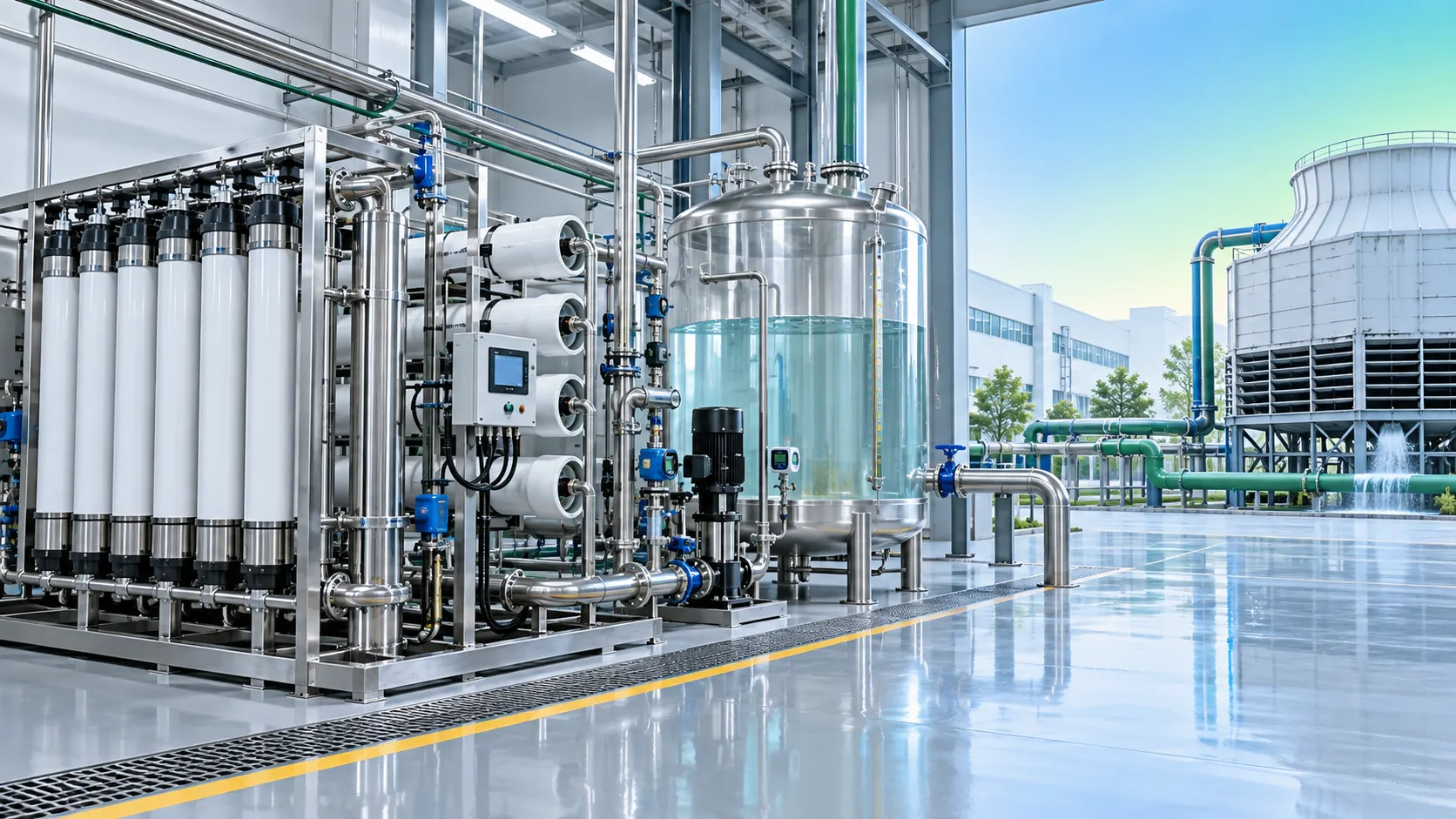
When do water reuse systems deliver a practical payback?
Water reuse systems deliver practical payback when they cut water, discharge, and downtime costs. Learn how to match treatment, recovery, and reuse quality for lasting ROI.
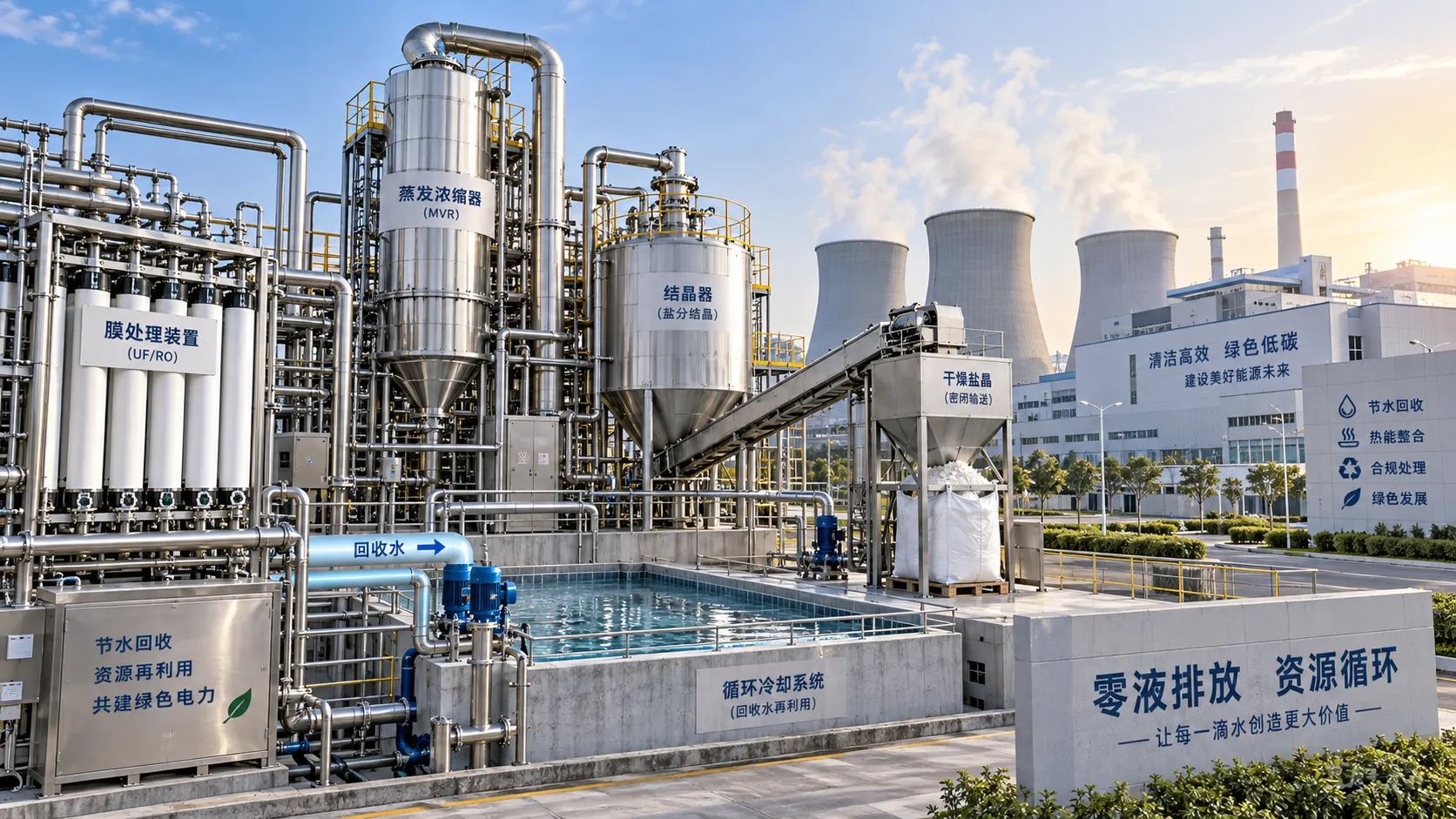
When do ZLD systems for power generation justify their energy use?
ZLD systems for power generation: learn when energy-intensive water recovery delivers stronger compliance, resilience, and long-term value.