
Industry News
Curation by industry experts
Hot Articles
Popular Tags
Carbon Neutrality Strategies for Industries: 2026 Investment Priorities
As 2026 investment cycles accelerate, carbon neutrality strategies for industries are moving from ambition to asset selection. Capital now flows toward systems that cut emissions, reduce compliance risk, and improve operational resilience.
Across the integrated industrial landscape, the most credible pathways combine water treatment, waste recovery, flue gas control, desalination efficiency, and nuclear waste safety. These areas increasingly shape cost structures, permitting outcomes, and long-term market access.
For ESD’s intelligence framework, 2026 is not about generic decarbonization language. It is about deciding which equipment, process upgrades, and compliance capabilities deserve priority under tighter carbon pricing and environmental scrutiny.
Why Scenario-Based Carbon Neutrality Strategies for Industries Matter in 2026
Not every industrial setting faces the same carbon challenge. High-salinity wastewater plants, waste-to-resource facilities, coastal desalination assets, and nuclear support systems operate under very different emission, reliability, and permitting constraints.
That is why effective carbon neutrality strategies for industries must be scenario-based. A useful plan links emissions reduction with process stability, energy intensity, maintenance cycles, and regulatory exposure in each operating environment.
In 2026, three background shifts are changing investment logic:
- Carbon costs are becoming more visible through reporting, procurement standards, and cross-border compliance pressure.
- Boards increasingly favor projects with both environmental and operational returns.
- Technology choices are judged by lifecycle reliability, not only nameplate efficiency.
This shift makes industrial decarbonization less abstract. It turns carbon neutrality strategies for industries into a practical comparison between retrofit options, control systems, materials performance, and financing readiness.
Scenario 1: Water Treatment Facilities Facing Energy and Discharge Pressure
Large water treatment plants remain one of the clearest decarbonization cases. Pumping, aeration, thermal concentration, and sludge handling create major electricity demand and indirect emissions.
In this scenario, carbon neutrality strategies for industries should prioritize low-energy membranes, advanced process controls, heat integration, and ZLD optimization. The core judgment point is whether carbon reduction also lowers total treatment cost per cubic meter.
Key investment signals
- High electricity intensity in aeration or evaporation stages
- Growing penalties linked to discharge quality or water reuse gaps
- Frequent downtime caused by scaling, fouling, or unstable influent loads
Where those signals exist, 2026 capital should focus on automation, selective process debottlenecking, and water reuse loops. These moves support carbon reduction while protecting throughput and permit compliance.
Scenario 2: Solid Waste Recovery Sites Seeking Circular Carbon Gains
Solid waste and recovery systems offer a different pathway. Here, emissions are reduced not only by cleaner operations, but also by displacing virgin material extraction through sorting, pyrolysis, and secondary resource circulation.
For this scenario, carbon neutrality strategies for industries should evaluate material yield, contamination rates, digital sorting precision, and downstream offtake certainty. The central question is whether recovery value can fund decarbonization upgrades.
Core judgment points
- Can AI sorting increase recovery purity enough to raise resale value?
- Does thermal conversion avoid uncontrolled methane or landfill dependency?
- Are carbon savings traceable for future reporting or financing?
Projects with strong traceability and stable material flows tend to outperform. In 2026, circularity-backed investments will matter most where carbon accounting and resource security increasingly overlap.
Scenario 3: Flue Gas Treatment Under Tightening Air and Carbon Compliance
Heavy industrial flue gas systems are no longer only about conventional pollutant control. They now sit within wider decarbonization planning because energy losses, reagent usage, and low-load efficiency all affect carbon intensity.
In this setting, carbon neutrality strategies for industries should examine low-temperature catalyst performance, fan and draft efficiency, digital monitoring, and integration with future carbon capture readiness.
A practical investment priority is not always a full rebuild. In many assets, sensor upgrades, optimized SCR reaction conditions, and smarter control logic can improve both emissions compliance and energy performance.
Scenario 4: Desalination Projects Balancing Water Security and Carbon Intensity
Seawater desalination presents one of the most visible trade-offs in environmental infrastructure. It solves water scarcity, yet often carries high electricity demand, pretreatment complexity, and brine management pressure.
For coastal and water-stressed regions, carbon neutrality strategies for industries should focus on energy recovery devices, membrane efficiency, intake optimization, and coupling with lower-carbon power sources.
Best-fit investment conditions
- High regional water stress with durable demand visibility
- Power strategies that reduce exposure to volatile fossil generation
- Pretreatment systems designed for membrane lifespan protection
In 2026, desalination investments will gain support when they show credible progress on specific energy consumption, uptime, and environmental compliance together, not separately.
Scenario 5: Nuclear Waste Management Where Safety Defines Decarbonization Credibility
Nuclear energy often supports low-carbon system planning, but its credibility depends on safe and durable waste management. That makes supporting infrastructure part of broader carbon neutrality strategies for industries.
This scenario is different from others. Carbon reduction cannot outrank containment integrity, vitrification stability, shielding reliability, or lifecycle traceability. The judgment point is whether safety performance remains absolute under decarbonization pressure.
In 2026, priority investments include monitoring systems, secure handling equipment, durable storage materials, and process intelligence that strengthens auditability. Here, risk avoidance is itself an economic return.
How Scenario Needs Differ Across Industrial Carbon Neutrality Planning
Practical Fit Recommendations for 2026 Investment Priorities
The strongest carbon neutrality strategies for industries combine scenario fit with financial discipline. A clear sequence helps avoid scattered spending and underperforming retrofits.
- Map the highest-carbon process units, not only site-wide totals.
- Test each upgrade against uptime, maintenance, and permit impacts.
- Prioritize systems with measurable savings inside 24 to 48 months.
- Build reporting logic early for financing and compliance value.
- Use phased retrofits where operational interruption is costly.
For integrated environmental infrastructure, intelligence quality matters as much as engineering quality. Data on membrane degradation, catalyst behavior, recovery yield, and waste form stability can materially change capital ranking decisions.
Common Misjudgments That Weaken Carbon Neutrality Strategies for Industries
- Treating all facilities as if they share the same decarbonization pathway
- Choosing headline efficiency without checking lifecycle reliability
- Ignoring water, waste, and air compliance interactions
- Underestimating downtime risk during retrofit execution
- Assuming carbon value exists without traceable data infrastructure
These errors often delay payback and weaken regulatory confidence. In 2026, industrial decarbonization will reward precise system matching rather than broad sustainability messaging.
Next-Step Actions for Building Stronger Industrial Decarbonization Plans
A robust 2026 roadmap starts with one question: which asset class creates the fastest combined gain in emissions reduction, compliance security, and operational resilience?
Use that question to screen water systems, recovery lines, flue gas assets, desalination trains, and nuclear support infrastructure. Then compare projects using lifecycle carbon impact, technical reliability, and capex efficiency together.
For organizations tracking carbon neutrality strategies for industries, the winning priority is rarely the loudest technology. It is the upgrade that survives regulation, delivers verifiable performance, and strengthens environmental infrastructure over time.
That is where intelligence-led screening becomes decisive. ESD’s domain focus across water, waste, air, desalination, and nuclear systems helps turn complex environmental signals into sharper 2026 investment judgment.
Recommended News
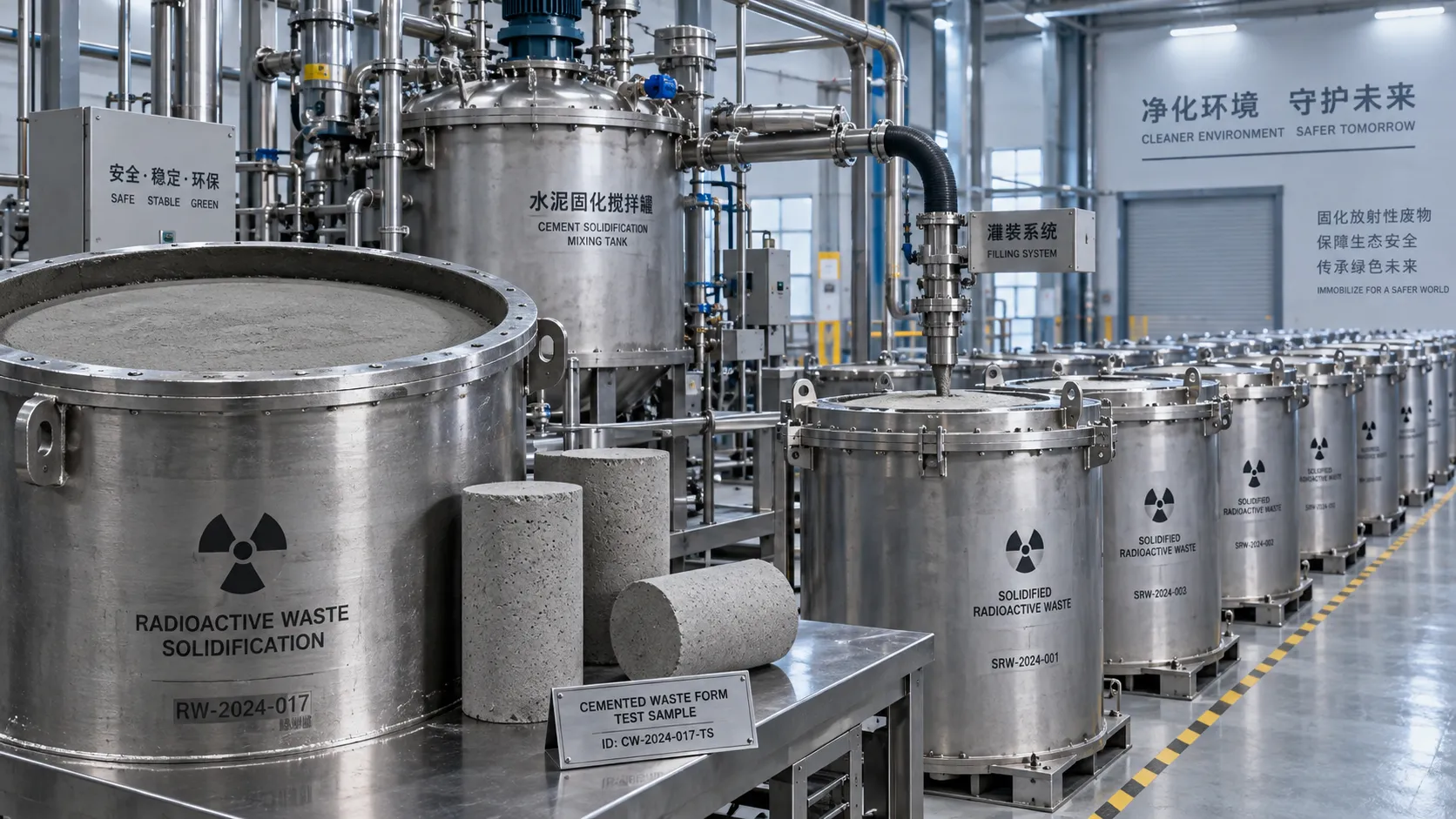
When is cementation suitable for nuclear decommissioning waste?
Explore nuclear waste treatment technology for decommissioning: learn when cementation fits, which risks to assess, and how disposal criteria guide an effective treatment choice.
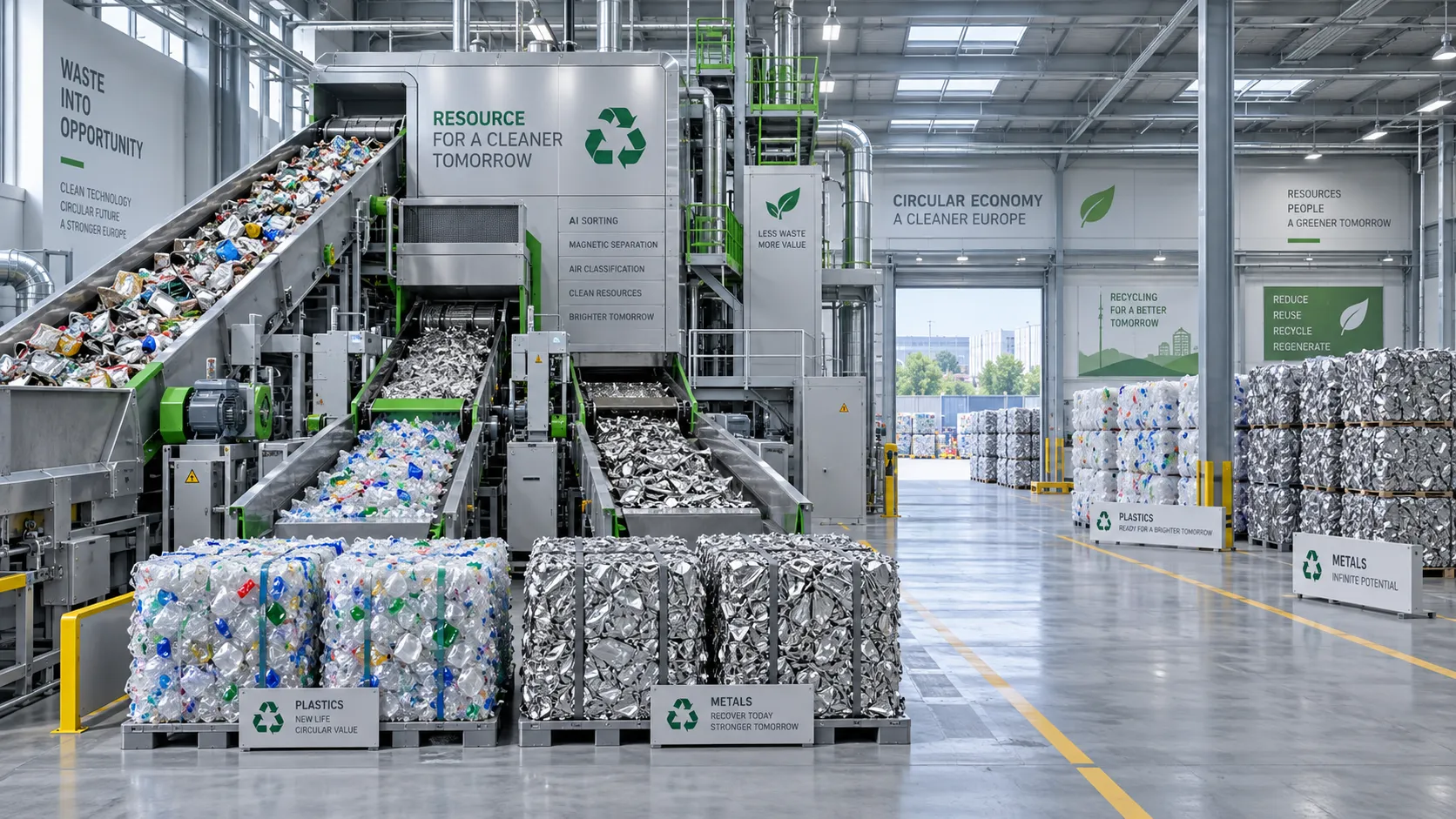
What determines payback for waste-to-resource systems in Europe?
Assess waste-to-resource systems Europe-wide: compare feedstock, recovery yields, costs and contracts to uncover payback drivers and make smarter investment decisions.
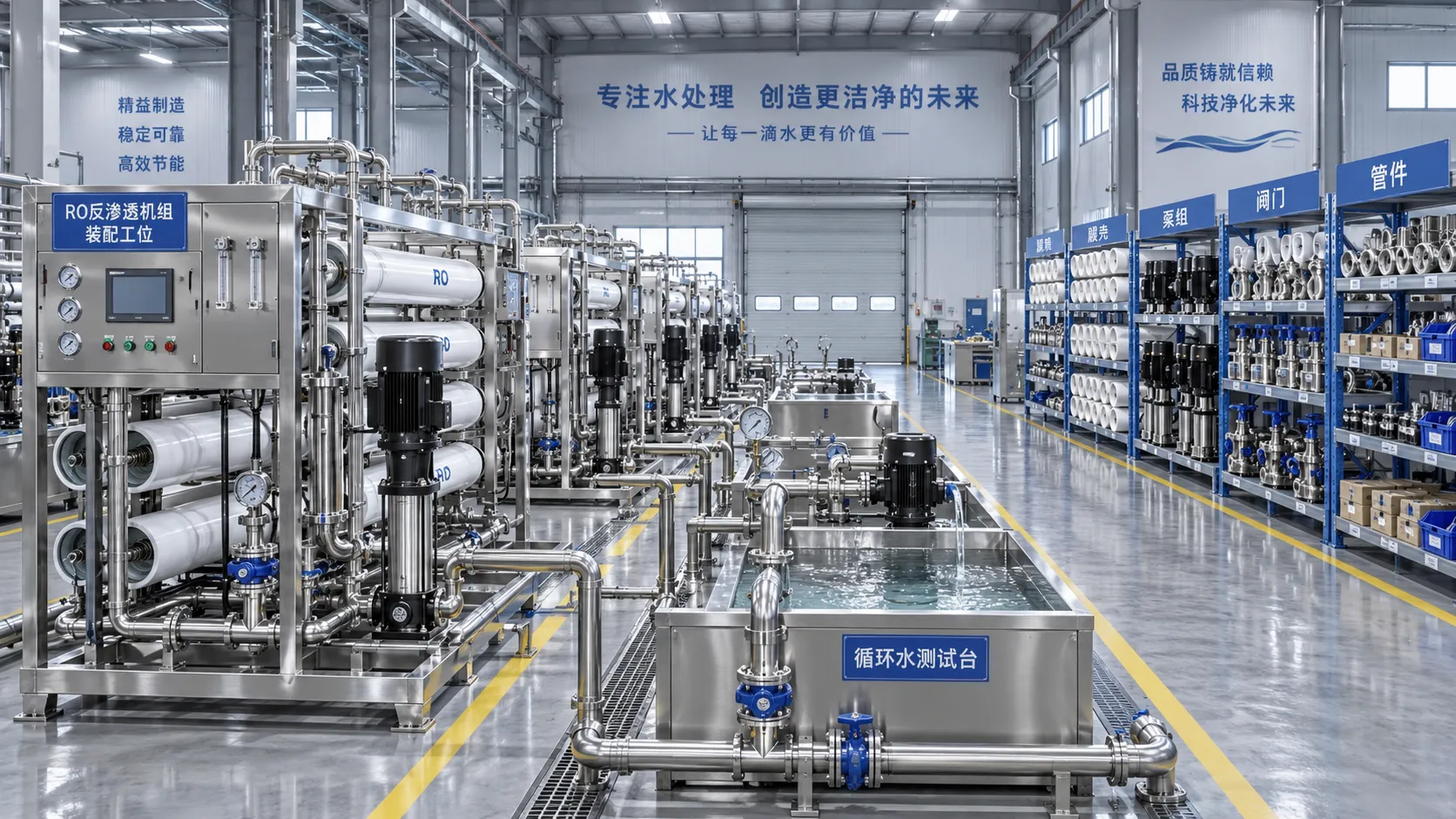
How to verify a water treatment system factory’s production capacity
Verify a water treatment systems factory’s production capacity through records, bottlenecks, component availability, and testing. Learn what to check before accepting a delivery promise.
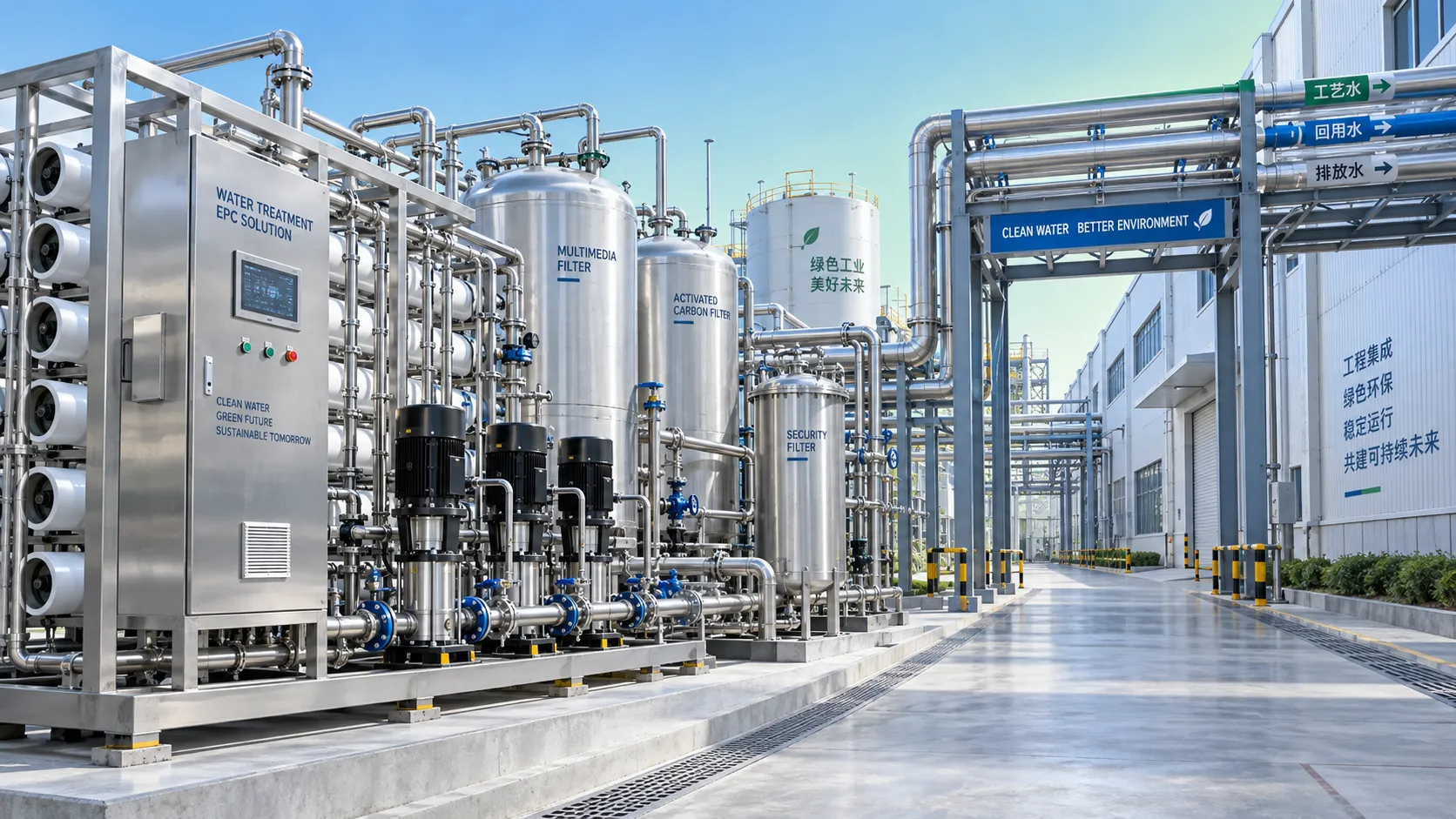
When does EPC environmental project support reduce delivery risk?
EPC environmental project support engineering reduces delivery risk by aligning design, procurement, compliance, construction, and commissioning decisions.
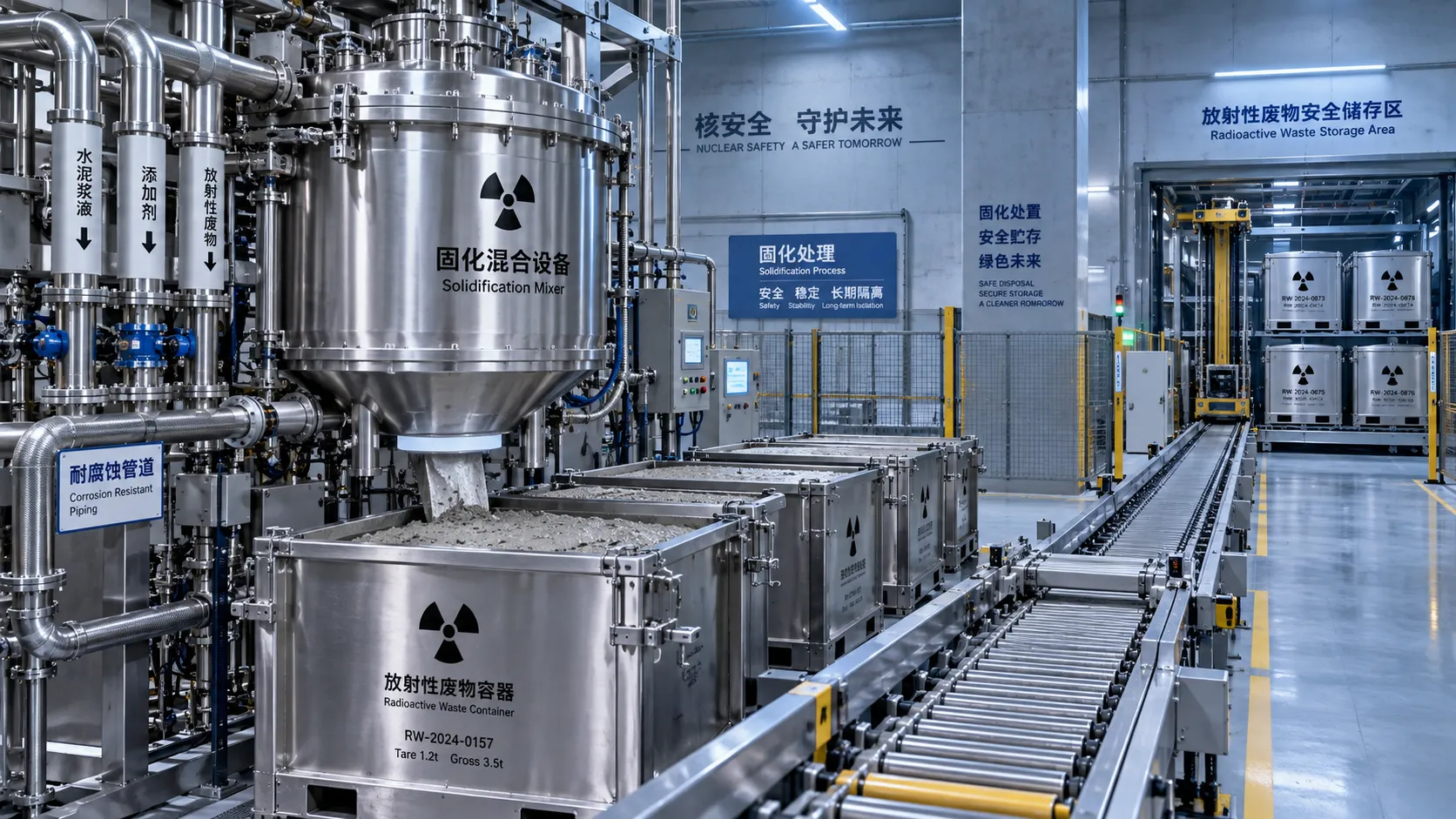
How nuclear plants select a radioactive waste solidification method
Radioactive waste management for nuclear plants: compare vitrification, cementation, polymers, and ceramics to select a compliant, durable solidification solution.
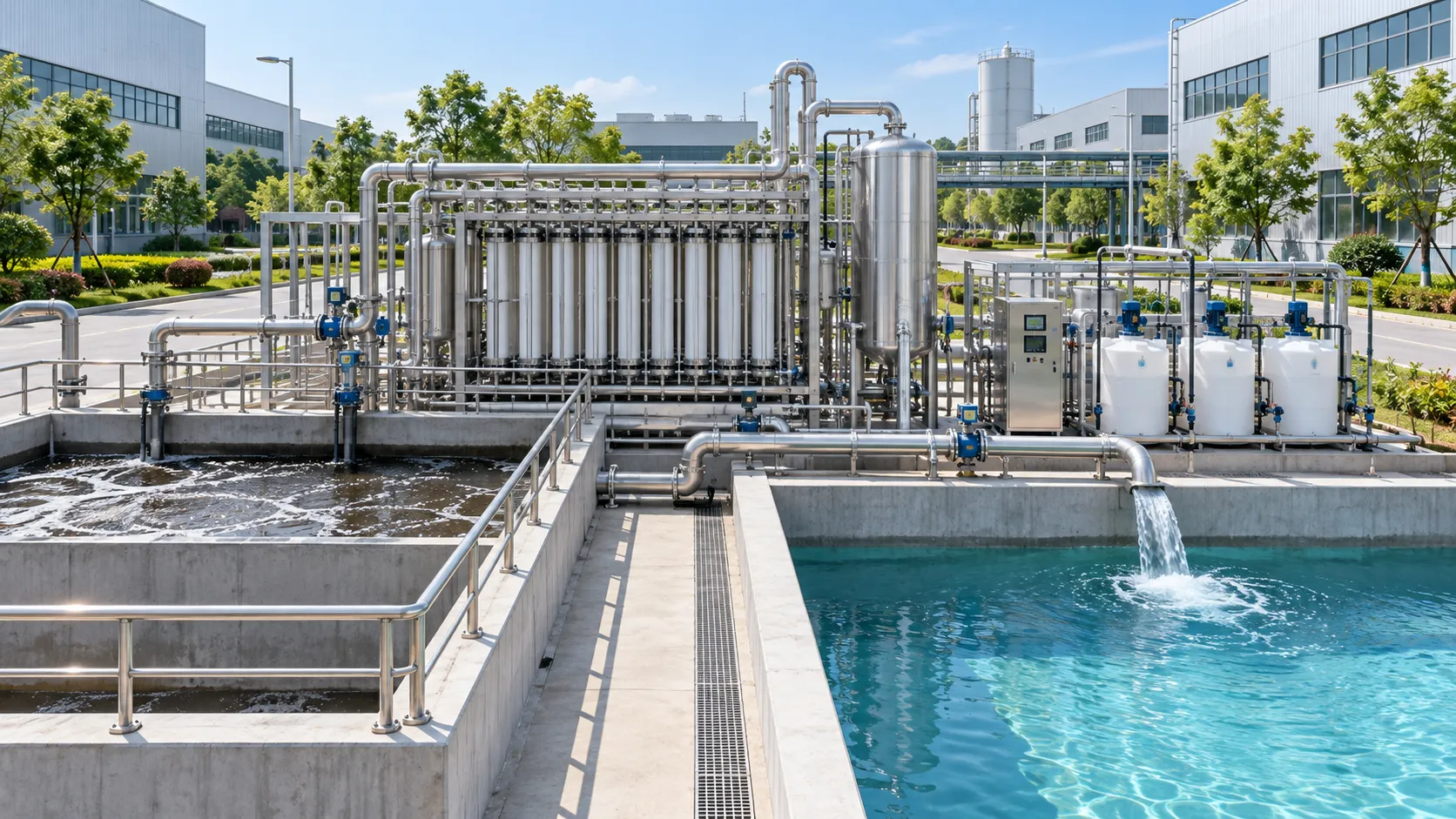
Comparing Upgrade Costs for Industrial Park Wastewater Treatment Systems
Compare costs for wastewater system upgrades in industrial parks with a lifecycle view of CAPEX, OPEX, compliance, resilience, and future expansion.
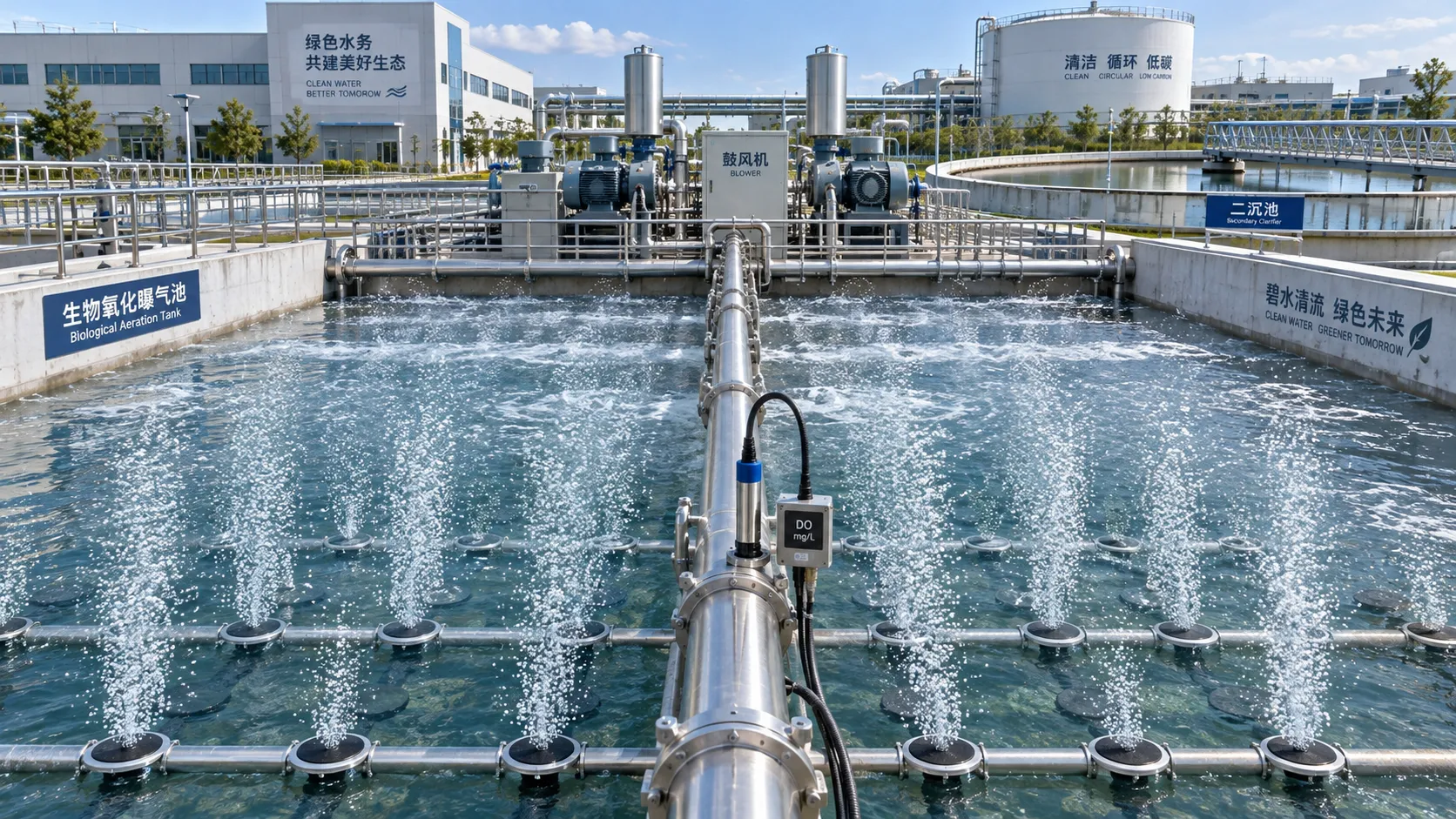
Biological Wastewater Oxidation Explained: Aeration Demand and Process Control
Biological wastewater oxidation explained: optimize aeration demand, DO control, nitrification, and sludge age for stable effluent quality and lower energy costs.
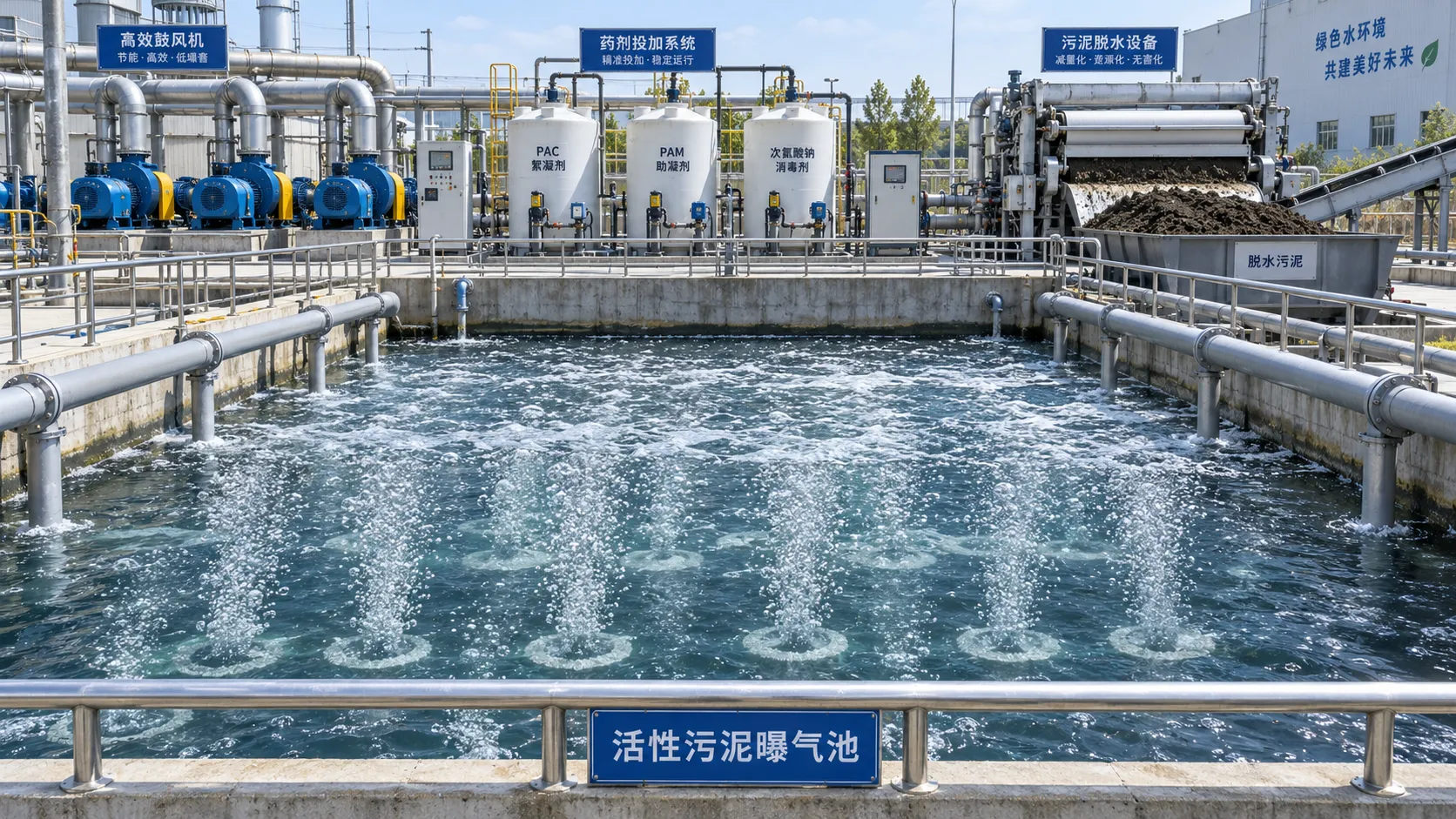
Activated Sludge Cost: Budgeting Energy, Chemicals, Sludge, and Labor
Activated sludge cost explained: compare energy, chemicals, sludge disposal, labor, and compliance risks to build a reliable lifecycle budget.
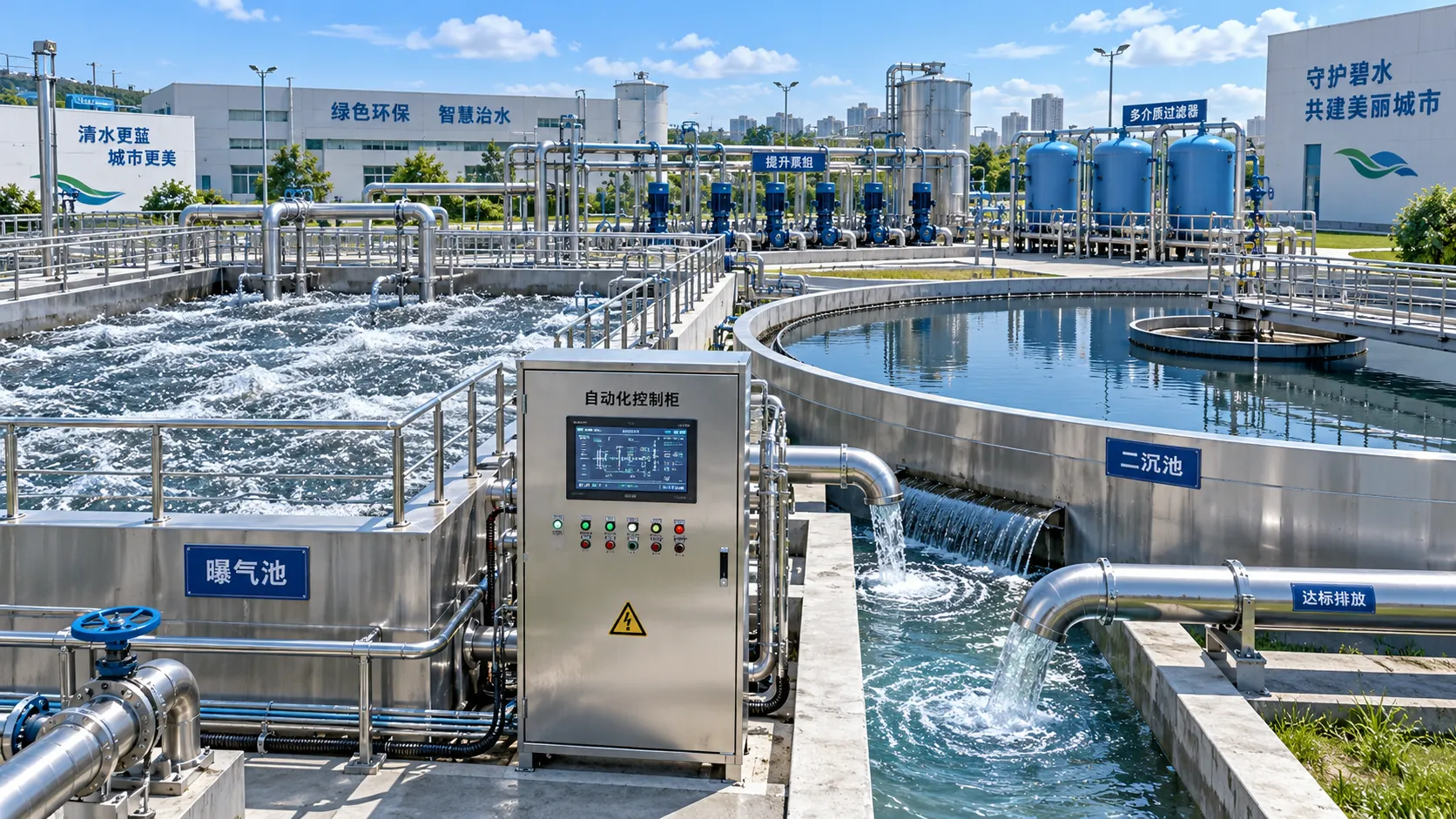
When Should Municipal Wastewater Plants Upgrade Treatment Capacity and Controls?
Municipal wastewater treatment upgrades: learn when capacity, controls, and resilient planning are needed to protect compliance and optimize plant performance.