
Industry News
Curation by industry experts
Hot Articles
Popular Tags
How to Vet a Circular Economy Supplier in 2026
Choosing a circular economy supplier in 2026 is no longer just about price or capacity—it is about compliance resilience, traceable recovery performance, and long-term operational value. For procurement teams in water treatment, waste recovery, desalination, and high-risk environmental systems, the right partner must prove technical credibility, regulatory alignment, and closed-loop resource intelligence before any contract is signed.
The core search intent behind “How to Vet a Circular Economy Supplier in 2026” is practical and decision-driven. Buyers are not looking for a definition of circularity. They want a reliable evaluation method to compare suppliers, reduce risk, and justify procurement decisions internally.
For procurement teams, the biggest concerns are usually clear: Can the supplier deliver compliant material flows, document recovery claims, support operational continuity, and stand up to audits, customer scrutiny, and changing regulations across markets?
The most useful content, therefore, is not broad sustainability theory. It is a procurement-focused framework covering due diligence, proof points, technical verification, contract safeguards, performance metrics, and warning signs that indicate a weak or overstated circular economy supplier.
What procurement teams should verify first
Before reviewing presentations or sustainability claims, start with a simple principle: a credible circular economy supplier must prove how circular outcomes are created, measured, and maintained in real operations, not just in policy documents.
In sectors such as wastewater treatment, waste recovery, desalination, flue gas control, and nuclear-related environmental systems, procurement risk is operational as much as reputational. A supplier failure can disrupt permits, reporting, uptime, material recovery targets, and customer commitments.
That is why your first screening should focus on five essentials: regulatory fit, traceability, technical capability, recovery performance, and supply resilience. If one of these is weak, the commercial proposal may look attractive but still create long-term cost.
A strong circular economy supplier should be able to explain where inputs come from, how outputs are recovered, what quality controls apply, which regulations govern the process, and how performance is reported over time.
Why circular economy supplier claims require deeper scrutiny in 2026
By 2026, circularity claims face tighter scrutiny from regulators, investors, industrial customers, and public buyers. General statements such as “recyclable,” “resource-efficient,” or “zero waste aligned” no longer provide enough assurance for professional procurement decisions.
Many suppliers have improved their marketing faster than their operating systems. Some can describe ambitions convincingly but cannot provide mass-balance records, recovery yields, contamination thresholds, downstream partner validation, or evidence of end-use markets for recovered materials.
For buyers in environmental infrastructure, this gap matters. If recovered solids cannot be reused at required quality, if membrane waste lacks certified downstream handling, or if by-products are counted twice, circular performance becomes an accounting story rather than an operational fact.
In practice, vetting in 2026 means shifting from “Do they talk about circularity?” to “Can they prove circularity with data, controls, and accountable partners across the value chain?” That change protects both procurement value and compliance posture.
Start with regulatory alignment, not marketing language
A circular economy supplier should first be assessed against the regulations that affect your project, facility, and target market. This includes waste classification rules, recycled content requirements, hazardous substance controls, transport obligations, emissions standards, and product stewardship obligations.
For multinational sourcing, procurement should also review how the supplier handles cross-border documentation, local permitting, chain-of-custody records, and the evolving impact of carbon and environmental disclosure rules. This is especially important in government or infrastructure tenders.
Ask specific questions. Which regulations shape the supplier’s operating model? How often are procedures updated? Who owns compliance governance internally? What evidence supports conformity in each region where the supplier operates or delivers?
If a supplier gives broad assurances without naming standards, permits, reporting methods, or audit trails, treat that as an early warning sign. Good suppliers do not avoid detail. They usually welcome structured compliance review because it differentiates them from weaker competitors.
Check whether material traceability is truly end-to-end
One of the biggest procurement risks in circular sourcing is incomplete traceability. A supplier may control the first step of collection or processing, yet have limited visibility into downstream recovery, final disposition, or secondary market usage.
Procurement teams should ask for a full material flow map. This should cover source type, preprocessing steps, contamination controls, sorting logic, recovery yields, loss factors, storage conditions, downstream processors, and final application pathways for recovered outputs.
In water and waste systems, traceability is especially important where feedstock quality varies. Sludge-derived inputs, industrial residues, spent membranes, packaging waste, metals, and process chemicals all require different documentation standards and quality controls.
A trustworthy circular economy supplier can usually provide batch-level or lot-level records, digital tracking methods, exception handling procedures, and clear responsibilities for each transfer point. If traceability breaks after the supplier’s gate, your risk does not disappear.
Evaluate technical capability in real operating conditions
Procurement should never assume that circular claims automatically equal technical reliability. In industrial environmental systems, the supplier must perform under actual process conditions, not just under pilot or laboratory assumptions.
For example, a recycling or recovery partner may show strong average yields but struggle with feed variability, corrosive contaminants, moisture swings, salt loading, or hazardous fractions. These variables can affect safety, uptime, product quality, and total recovery economics.
Ask for evidence from comparable facilities, throughput ranges, and operating environments. Request case studies that include failure rates, maintenance demands, reject percentages, contamination incidents, and actions taken when specifications were not met.
For high-consequence applications, including desalination assets, thermal recovery systems, advanced sorting lines, and hazardous waste interfaces, procurement should involve technical teams early. Circularity without engineering reliability is not a sound sourcing decision.
Focus on measurable recovery performance, not stated ambition
The best circular economy supplier can demonstrate outcomes with numbers. Procurement should ask for recovery rates, recycled content percentages, landfill diversion rates, reuse ratios, quality consistency, energy intensity, and where relevant, carbon impact per functional unit.
Metrics should be specific, time-bound, and linked to defined boundaries. A supplier may report an impressive recovery figure, but if the boundary excludes residues, transport losses, or off-spec material, the number may not reflect real circular performance.
Request methodology notes. How are outputs classified? What counts as recovered versus stored, downcycled, incinerated, or exported? How are rejected materials handled? Are third parties validating the data? These questions reveal whether performance reporting is robust or selective.
For procurement leaders, comparability matters. Build a standard scorecard so every circular economy supplier is measured against the same operational, financial, and compliance criteria. That makes supplier selection more defendable and less vulnerable to green claims.
Review the supplier’s downstream network and market stability
A circular model is only as strong as the network behind it. Even if your direct supplier performs well, weak downstream partners can undermine recovery claims, delay offtake, or increase the risk of stockpiling materials without viable end markets.
That is why buyers should verify who receives recovered outputs, under what contracts, with what quality requirements, and in which jurisdictions. A stable downstream ecosystem usually indicates stronger resilience and more realistic circular economics.
Ask whether recovered materials are sold into long-term industrial demand or only into opportunistic spot markets. If the latter, your supplier may face sudden margin pressure, inventory buildup, or abrupt changes in recovery routes during volatile market periods.
This matters greatly in sectors managing industrial residues, plastics, organics, metals, membranes, salts, and hazardous fractions. A circular economy supplier with diversified, contract-backed end markets is generally less risky than one dependent on a single buyer.
Assess audit readiness and data transparency
In 2026, procurement teams are increasingly expected to support ESG reporting, customer questionnaires, internal audits, and external due diligence. Your supplier must be prepared to supply data that is usable, consistent, and reviewable.
Ask to see sample reports, audit records, certificate scopes, corrective action logs, and governance structures for sustainability claims. A mature supplier can usually show not only what is measured, but how data quality is managed and improved.
Look for transparency around limitations too. Reliable suppliers acknowledge data gaps, boundary conditions, and assumptions. Overconfident or vague responses often indicate that the reporting system is less mature than the sales narrative suggests.
If your organization serves regulated utilities, EPC contractors, public infrastructure buyers, or multinational manufacturers, audit readiness should be a weighted procurement factor, not an optional consideration.
Red flags that suggest a weak circular economy supplier
Several warning signs should trigger closer review. One is when a supplier relies heavily on broad environmental language but provides little process detail. Another is when certificates are shown, yet their scope does not cover the actual service or material flow being purchased.
A third red flag is inconsistent data across proposals, sustainability reports, and technical documentation. If recovery rates, recycled content, or waste destinations change depending on the audience, credibility becomes questionable.
Also be cautious when suppliers avoid discussions about residues, contamination, rejected batches, subcontractors, or final treatment routes. In circular systems, the difficult fractions often reveal the true quality of operational control.
Finally, watch for business models that only work under ideal commodity pricing or subsidy assumptions. A circular economy supplier should remain commercially viable when markets tighten, not only when headlines and incentives are favorable.
How to structure a practical supplier vetting process
For procurement teams, the most effective approach is a staged process. Begin with a prequalification questionnaire covering compliance, traceability, technical scope, recovery metrics, and downstream partner structure.
Next, perform a cross-functional review with procurement, operations, compliance, engineering, and where relevant, EHS teams. This helps identify hidden risks that may not appear in pricing comparisons alone.
Then request supporting evidence: permits, certifications, sample batch records, audit reports, customer references, performance dashboards, and incident response procedures. For strategic or high-risk categories, site visits or virtual operational reviews are worth the effort.
Finally, translate findings into a weighted scorecard. Typical categories include compliance maturity, technical reliability, data transparency, circular performance, supply continuity, commercial stability, and contract responsiveness.
What to include in the contract after supplier selection
Vetting is only the first step. If the chosen circular economy supplier cannot be held accountable through the contract, procurement may still carry future risk. The agreement should convert supplier promises into measurable obligations.
Include definitions for circular performance terms, reporting frequency, audit access, traceability requirements, notification duties for nonconformance, and remedies for failure to meet agreed thresholds. Avoid vague language that leaves room for reinterpretation later.
Where possible, tie service levels to recovery performance, documentation quality, contamination limits, and continuity planning. This is especially important when the supplier handles regulated material streams or supports public sustainability commitments.
Also require change notification for subcontractors, downstream processors, treatment routes, or key compliance statuses. In circular procurement, the risk often arises not from the original model, but from unannounced changes after onboarding.
Final takeaway for procurement teams in 2026
To vet a circular economy supplier in 2026, procurement teams should think beyond sustainability branding and focus on verifiable operating substance. The right supplier is not simply one with a circular message, but one with controlled material flows, defensible metrics, and resilient delivery capability.
For buyers in water treatment, resource recovery, desalination, flue gas treatment, and other high-stakes environmental systems, supplier selection should balance compliance, engineering performance, traceability, and market realism. That is where long-term value is created.
If a circular economy supplier can prove regulatory alignment, end-to-end traceability, recovery quality, audit readiness, and downstream stability, the partnership is far more likely to support both procurement efficiency and strategic environmental goals.
In short, good vetting is not a delay to circular progress. It is what turns circular ambition into reliable industrial performance.
Recommended News
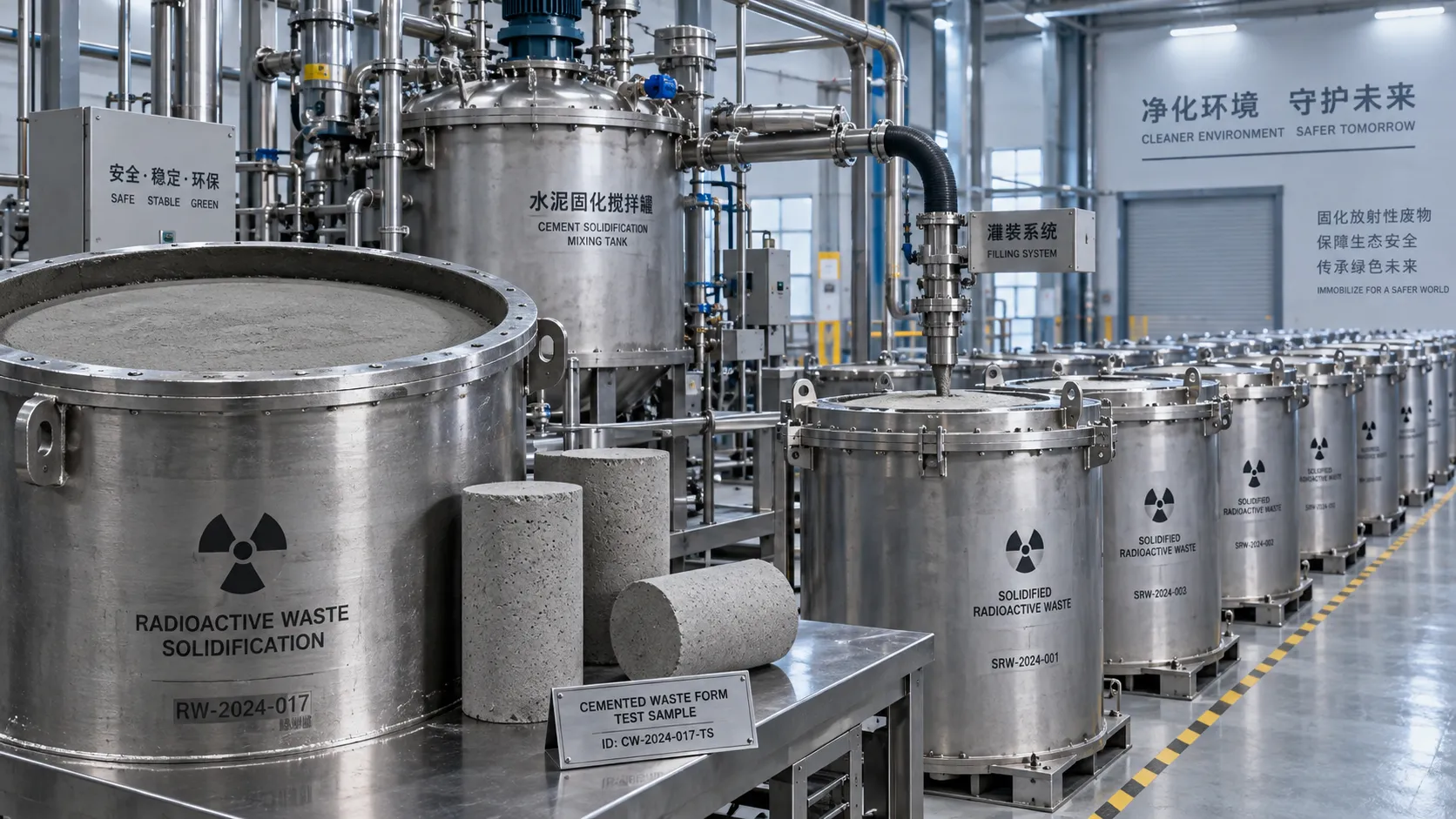
When is cementation suitable for nuclear decommissioning waste?
Explore nuclear waste treatment technology for decommissioning: learn when cementation fits, which risks to assess, and how disposal criteria guide an effective treatment choice.
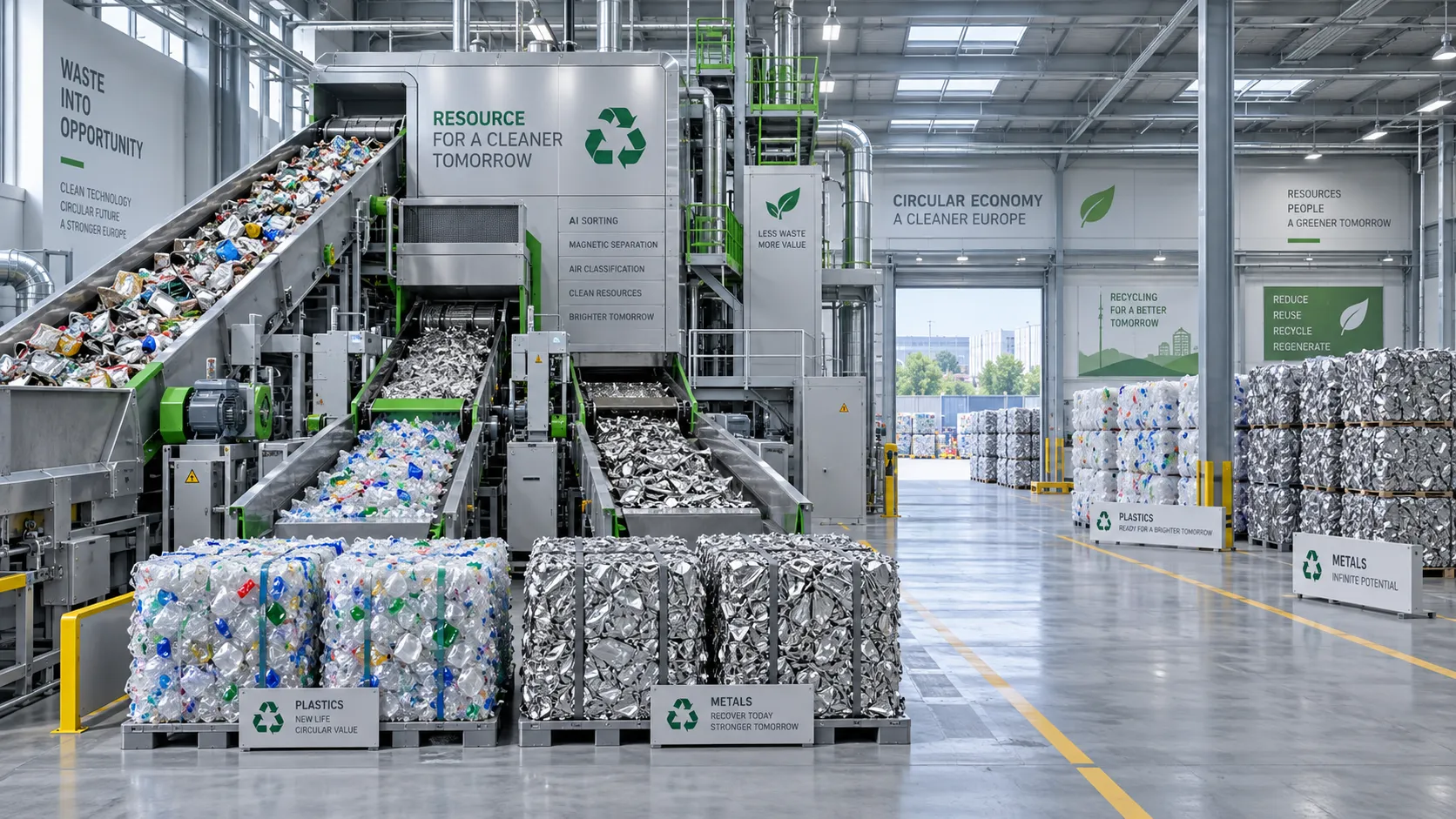
What determines payback for waste-to-resource systems in Europe?
Assess waste-to-resource systems Europe-wide: compare feedstock, recovery yields, costs and contracts to uncover payback drivers and make smarter investment decisions.
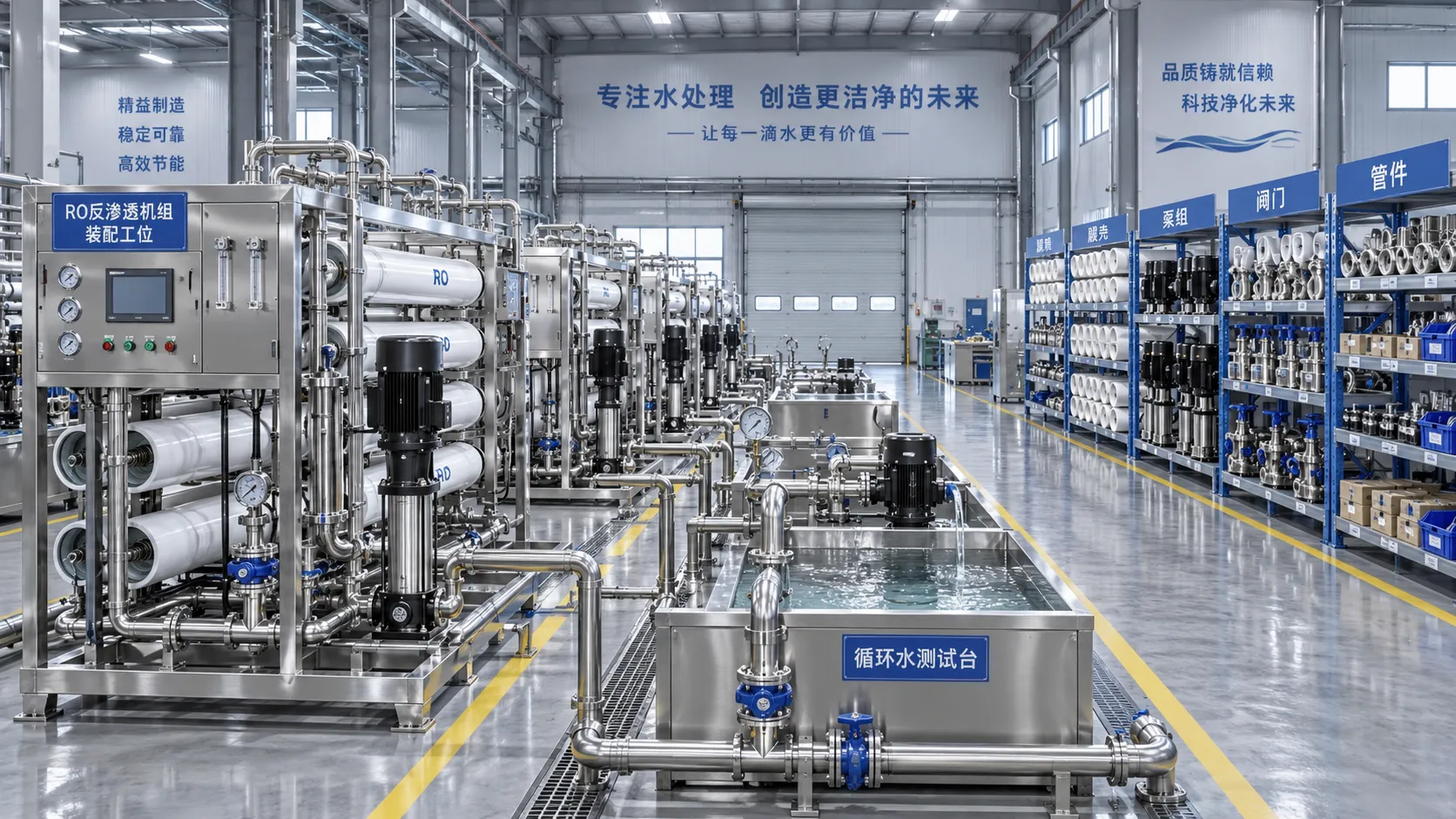
How to verify a water treatment system factory’s production capacity
Verify a water treatment systems factory’s production capacity through records, bottlenecks, component availability, and testing. Learn what to check before accepting a delivery promise.
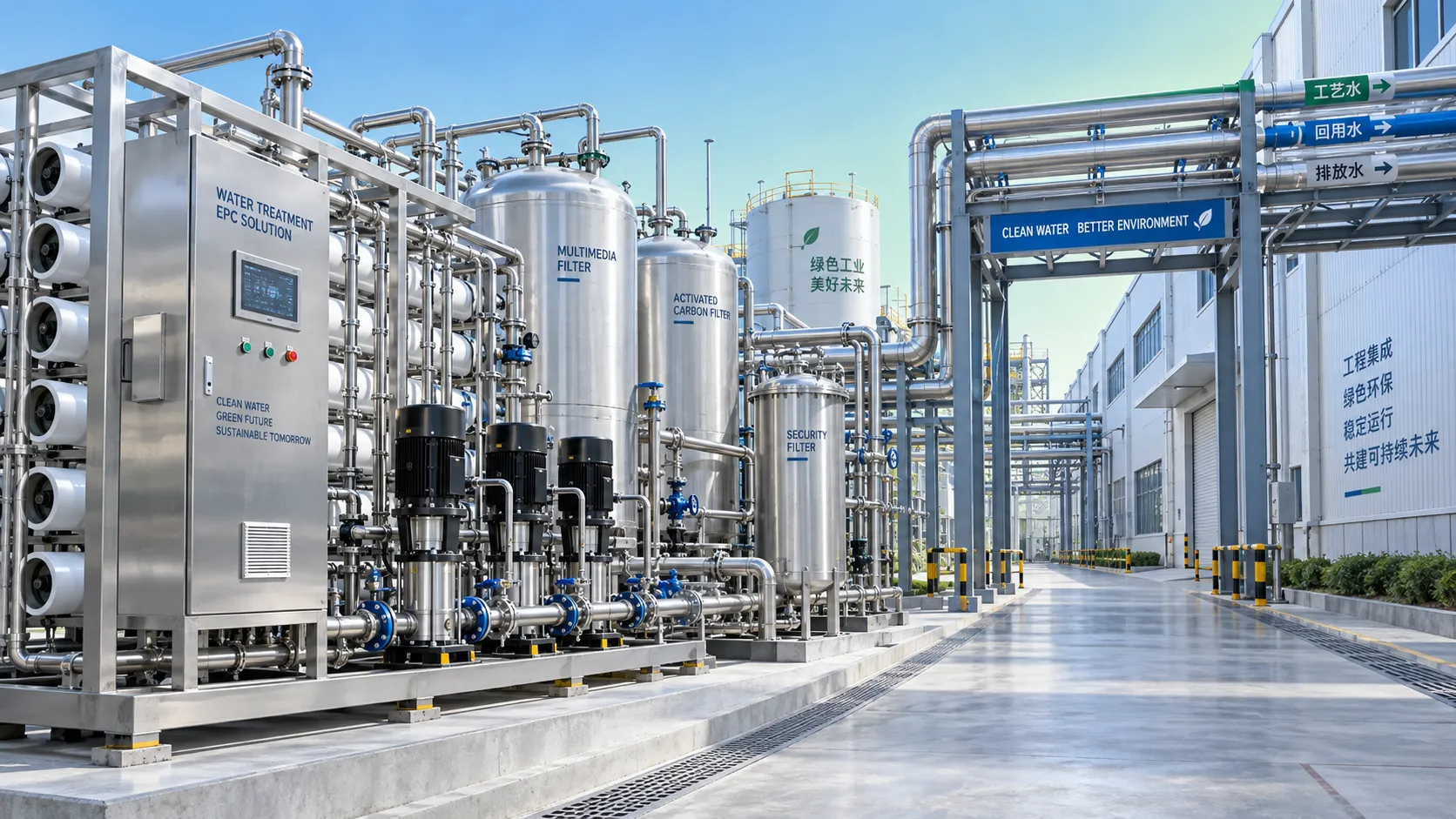
When does EPC environmental project support reduce delivery risk?
EPC environmental project support engineering reduces delivery risk by aligning design, procurement, compliance, construction, and commissioning decisions.

How nuclear plants select a radioactive waste solidification method
Radioactive waste management for nuclear plants: compare vitrification, cementation, polymers, and ceramics to select a compliant, durable solidification solution.
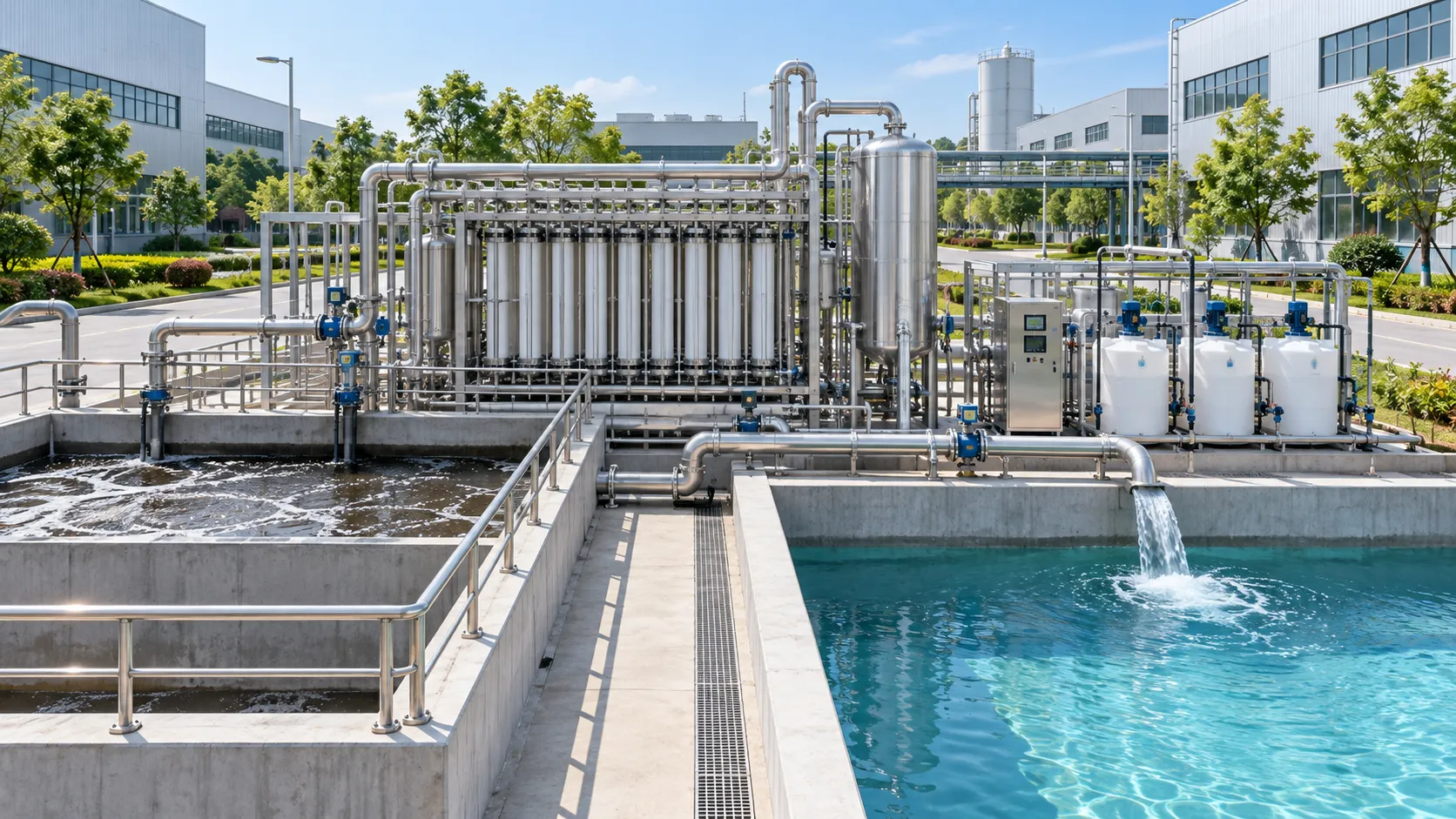
Comparing Upgrade Costs for Industrial Park Wastewater Treatment Systems
Compare costs for wastewater system upgrades in industrial parks with a lifecycle view of CAPEX, OPEX, compliance, resilience, and future expansion.
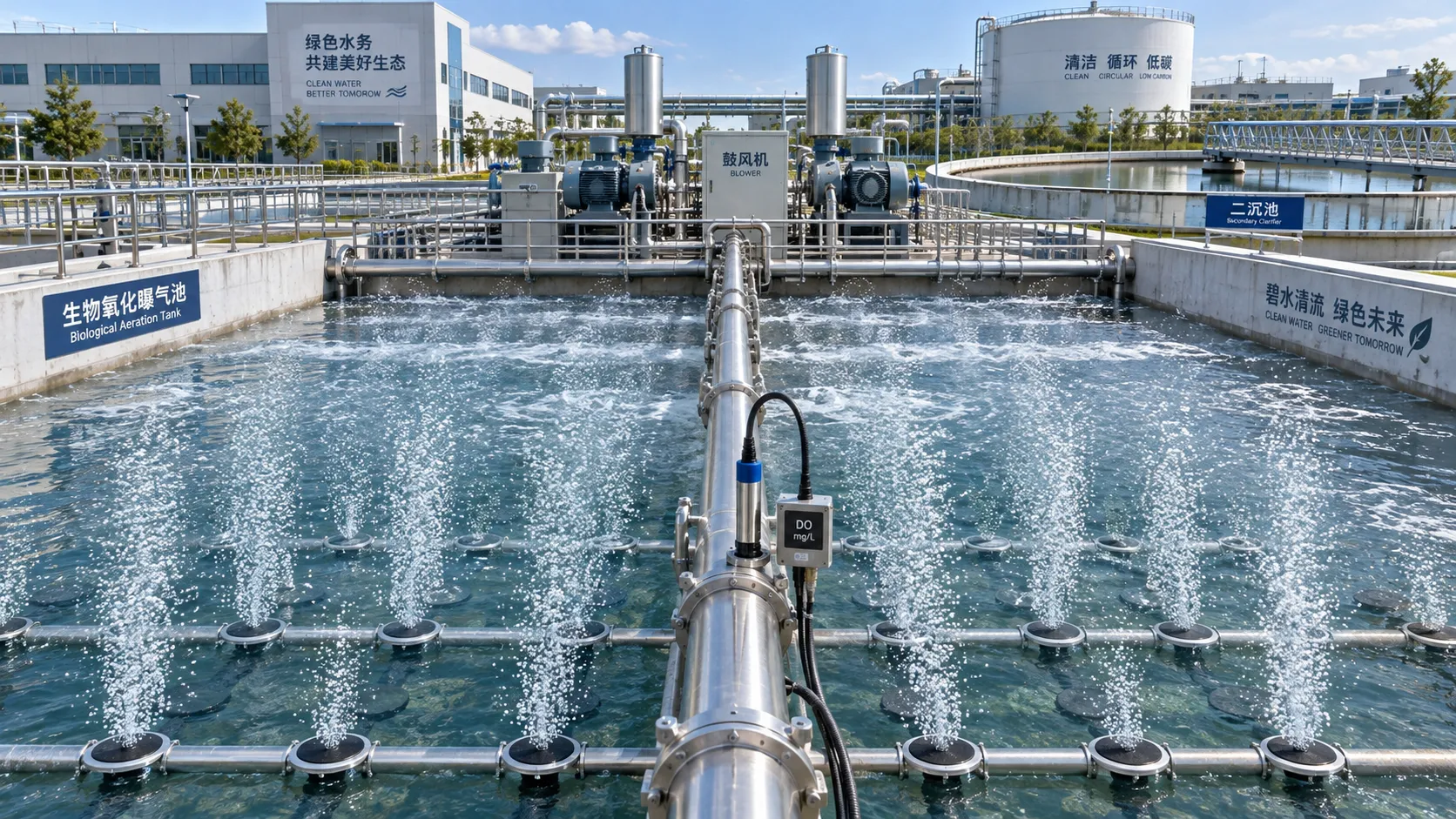
Biological Wastewater Oxidation Explained: Aeration Demand and Process Control
Biological wastewater oxidation explained: optimize aeration demand, DO control, nitrification, and sludge age for stable effluent quality and lower energy costs.
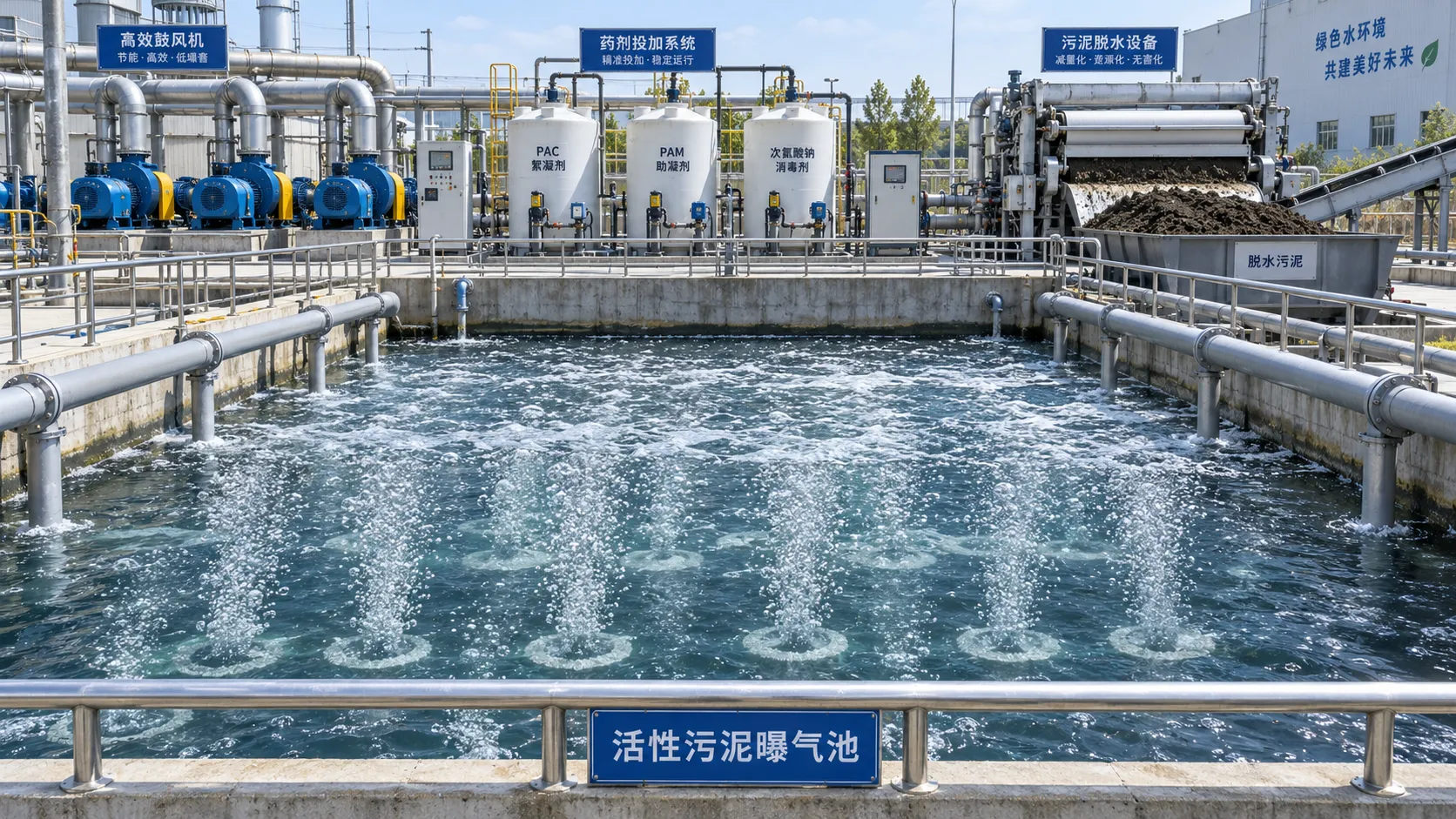
Activated Sludge Cost: Budgeting Energy, Chemicals, Sludge, and Labor
Activated sludge cost explained: compare energy, chemicals, sludge disposal, labor, and compliance risks to build a reliable lifecycle budget.
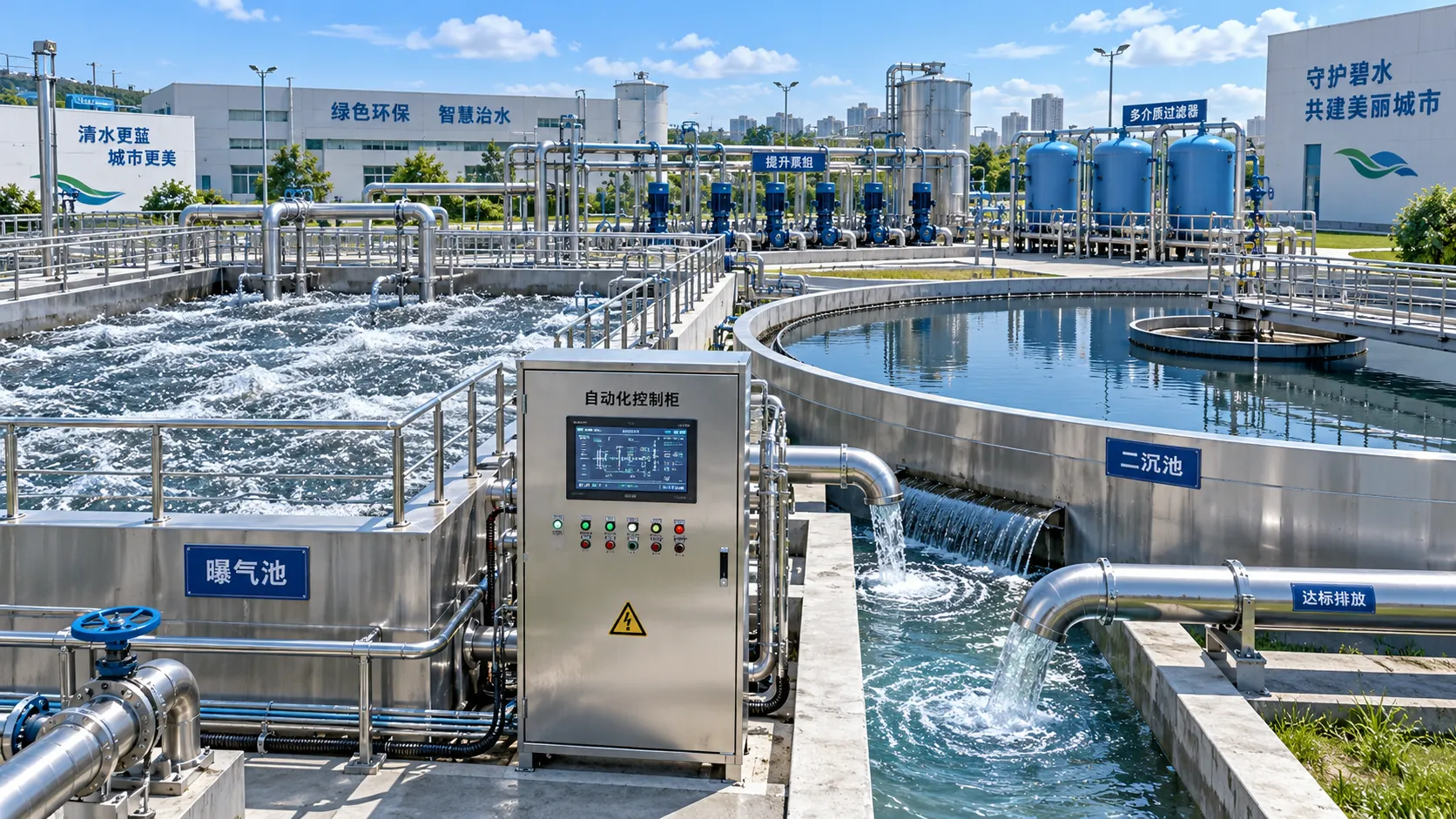
When Should Municipal Wastewater Plants Upgrade Treatment Capacity and Controls?
Municipal wastewater treatment upgrades: learn when capacity, controls, and resilient planning are needed to protect compliance and optimize plant performance.