
Industry News
Curation by industry experts
Hot Articles
Popular Tags
Decarbonization Technologies for Heavy Industries Compared
For industrial leaders facing rising carbon costs, tighter compliance, and capital-intensive upgrades, understanding decarbonization technologies for heavy industries is now a strategic priority. From electrification and carbon capture to hydrogen, waste heat recovery, and process optimization, each pathway carries distinct technical, economic, and regulatory implications. This comparison outlines the core options, helping decision-makers identify practical routes to lower emissions while protecting competitiveness and long-term asset value.
Heavy industry decarbonization is shifting from ambition to asset-level decisions
The market for decarbonization technologies for heavy industries has entered a more practical phase. Broad net-zero pledges are giving way to project sequencing, retrofit economics, and technology risk reviews.
Steel, cement, chemicals, refining, mining, power-intensive water treatment, desalination, and waste recovery operations now face overlapping pressure. Energy volatility, carbon pricing, CBAM exposure, and permitting constraints are converging.
This matters across the broader environmental equipment landscape. Large treatment plants, flue gas systems, desalination assets, and resource recovery lines are all becoming carbon-managed infrastructure, not just compliance infrastructure.
As a result, comparing decarbonization technologies for heavy industries requires more than emissions math. The real question is which option fits process chemistry, power access, water balance, uptime targets, and policy timelines.
Several trend signals now define the next phase of technology selection
Recent investment patterns show a clear split between near-term efficiency upgrades and long-cycle transformational technologies. Companies are no longer evaluating every pathway equally.
- Electrification is advancing where heat demand is low to medium and renewable power is credible.
- Carbon capture is gaining attention in cement, refining, chemicals, and waste-to-energy processes with unavoidable process emissions.
- Green and low-carbon hydrogen remains strategic, but deployment depends on fuel switching economics and infrastructure maturity.
- Waste heat recovery and digital optimization are being prioritized as lower-risk entry points.
- Water-energy coupling is becoming central, especially in desalination, advanced treatment, and flue gas control systems.
These signals show why decarbonization technologies for heavy industries are not competing in one market. They are solving different emissions sources, operating constraints, and investment horizons.
Why these pathways are accelerating now
For complex facilities, especially those tied to water purification, waste recovery, and flue gas treatment, decarbonization technologies for heavy industries also interact with pollution control performance and resource efficiency.
Comparing the main decarbonization technologies for heavy industries
Electrification: strong where heat quality and grid conditions align
Electrification works best for low- and medium-temperature heat, mechanical drives, pumping systems, and some separations. It often pairs well with advanced water treatment and desalination equipment.
Its advantages include high efficiency, lower local emissions, and easier monitoring. Limits appear when processes require very high temperatures, stable grid capacity, or affordable renewable electricity.
Carbon capture: critical for process emissions that cannot be designed away
Carbon capture is central in sectors like cement, lime, refining, and some chemical operations. These industries release CO2 from chemistry, not only from fuel combustion.
The challenge is integration. Capture units add energy demand, water demand, compression loads, and transport or storage dependencies. Still, for hard-to-abate assets, it may be unavoidable.
Hydrogen: strategically important, but highly location-dependent
Hydrogen can replace fossil fuels in high-temperature applications and support feedstock decarbonization. It is especially relevant where direct electrification is difficult.
However, the economics remain sensitive to electrolyzer cost, renewable power availability, storage logistics, and combustion redesign. Hydrogen should be treated as a selective solution, not a universal answer.
Waste heat recovery: often the fastest operational win
Waste heat recovery reduces fuel consumption without changing core product chemistry. It can improve boilers, kilns, furnaces, thermal oxidizers, and membrane systems with high pumping energy.
In many projects, this is one of the most bankable decarbonization technologies for heavy industries because it lowers emissions intensity while supporting reliability and utility cost control.
Process optimization and digital control: the multiplier pathway
Advanced control, AI-assisted optimization, predictive maintenance, and energy monitoring can reduce emissions across almost every facility. They improve how existing assets perform before major capex is committed.
This is particularly relevant in integrated plants where water, heat, airflow, chemical dosing, and solids handling interact. Better control often unlocks hidden carbon and cost savings.
The best option depends on where emissions actually come from
A useful comparison starts with emissions source mapping. Not all heavy industrial emissions are alike, so not all decarbonization technologies for heavy industries solve the same problem.
This source-based view prevents misallocation. It also helps balance emissions reduction against uptime, water use, byproduct handling, and environmental compliance obligations.
Impacts are spreading across operations, procurement, and compliance systems
Technology choice now affects more than the production line. It influences utility contracts, spare parts strategy, operator skills, digital architecture, and emissions reporting quality.
For environmental infrastructure, impacts are especially interconnected. A desalination plant may reduce carbon through energy recovery devices. A flue gas system may add pressure drop while improving pollutant removal. A waste recovery line may cut emissions by increasing material yield.
- Capex planning becomes more staged and modular.
- Opex sensitivity shifts toward power, carbon, and water intensity.
- Data governance becomes necessary for audit-ready carbon claims.
- Equipment reliability matters more when processes become electrified or capture-linked.
What deserves the closest attention over the next planning cycle
- Separate combustion emissions from process emissions before selecting any major pathway.
- Check water demand and wastewater effects of capture, hydrogen, and cooling upgrades.
- Review grid readiness, power quality, and tariff structure before electrification decisions.
- Prioritize controls, heat recovery, and maintenance optimization as foundation measures.
- Assess policy-linked revenue or cost exposure, including CBAM and carbon pricing.
- Favor phased projects that preserve optionality for later hydrogen or capture integration.
A practical judgment framework can reduce technology risk
- Map emissions by source, temperature, and operating profile.
- Screen decarbonization technologies for heavy industries against local energy and water constraints.
- Model abatement cost, downtime impact, and compliance value together.
- Pilot where integration risk is high.
- Build procurement specifications around measurement, reliability, and future retrofit compatibility.
In most cases, the strongest roadmap is layered. Start with efficiency and control. Add electrification where practical. Reserve carbon capture or hydrogen for process segments that remain difficult.
The next move is to compare technologies through system integration, not marketing claims
Decarbonization technologies for heavy industries should be assessed as part of a plant-wide ecosystem. Energy, water, emissions, materials, and compliance performance are increasingly inseparable.
That is especially true for assets connected to advanced treatment, recovery systems, desalination, and hazardous waste management. The best decision is rarely the single deepest cut. It is the pathway that remains operable, auditable, and scalable.
A disciplined review of process loads, carbon exposure, utility infrastructure, and environmental interfaces can reveal where each option truly fits. That approach turns decarbonization from a compliance burden into a long-term industrial resilience strategy.
Recommended News
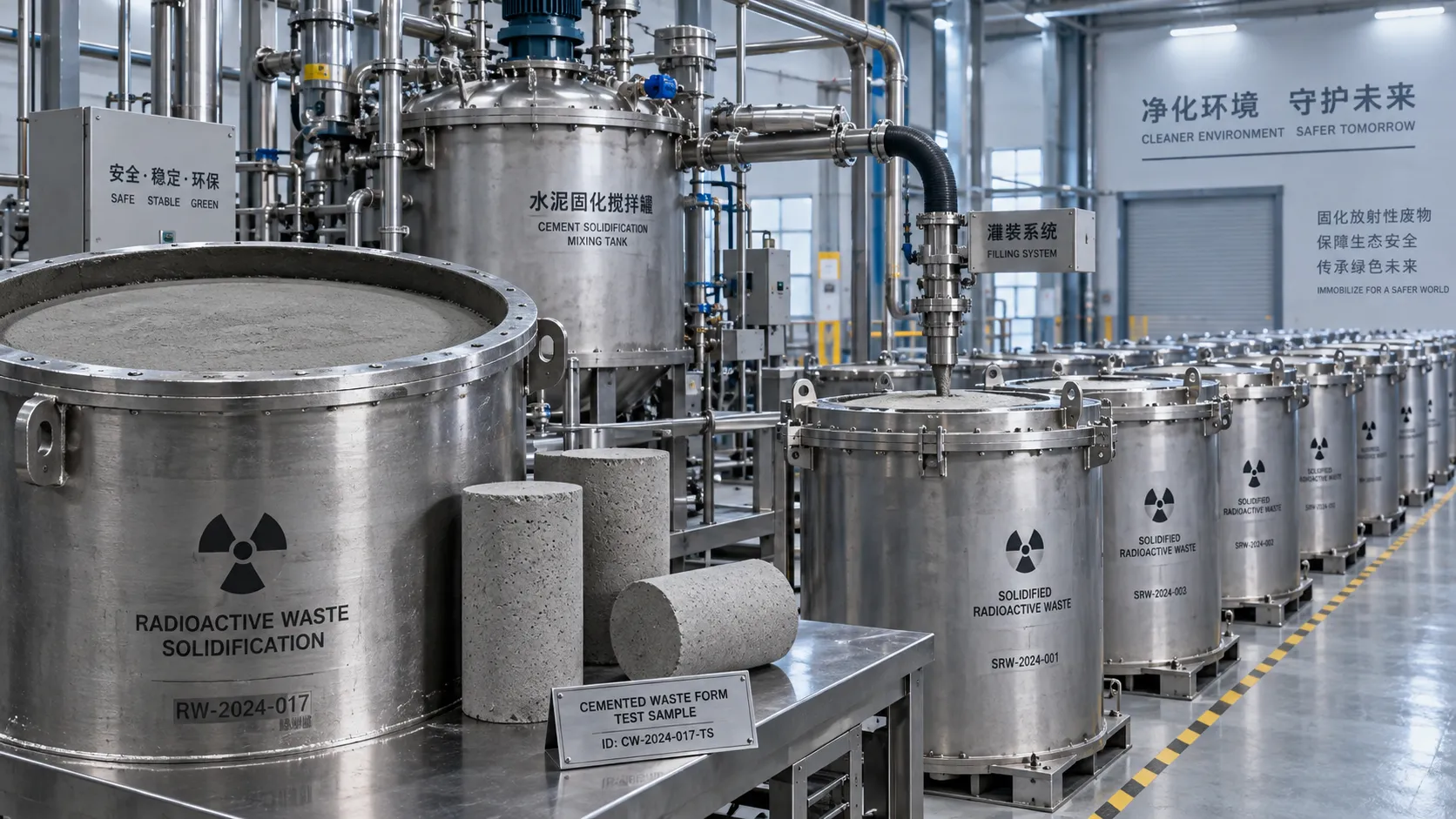
When is cementation suitable for nuclear decommissioning waste?
Explore nuclear waste treatment technology for decommissioning: learn when cementation fits, which risks to assess, and how disposal criteria guide an effective treatment choice.
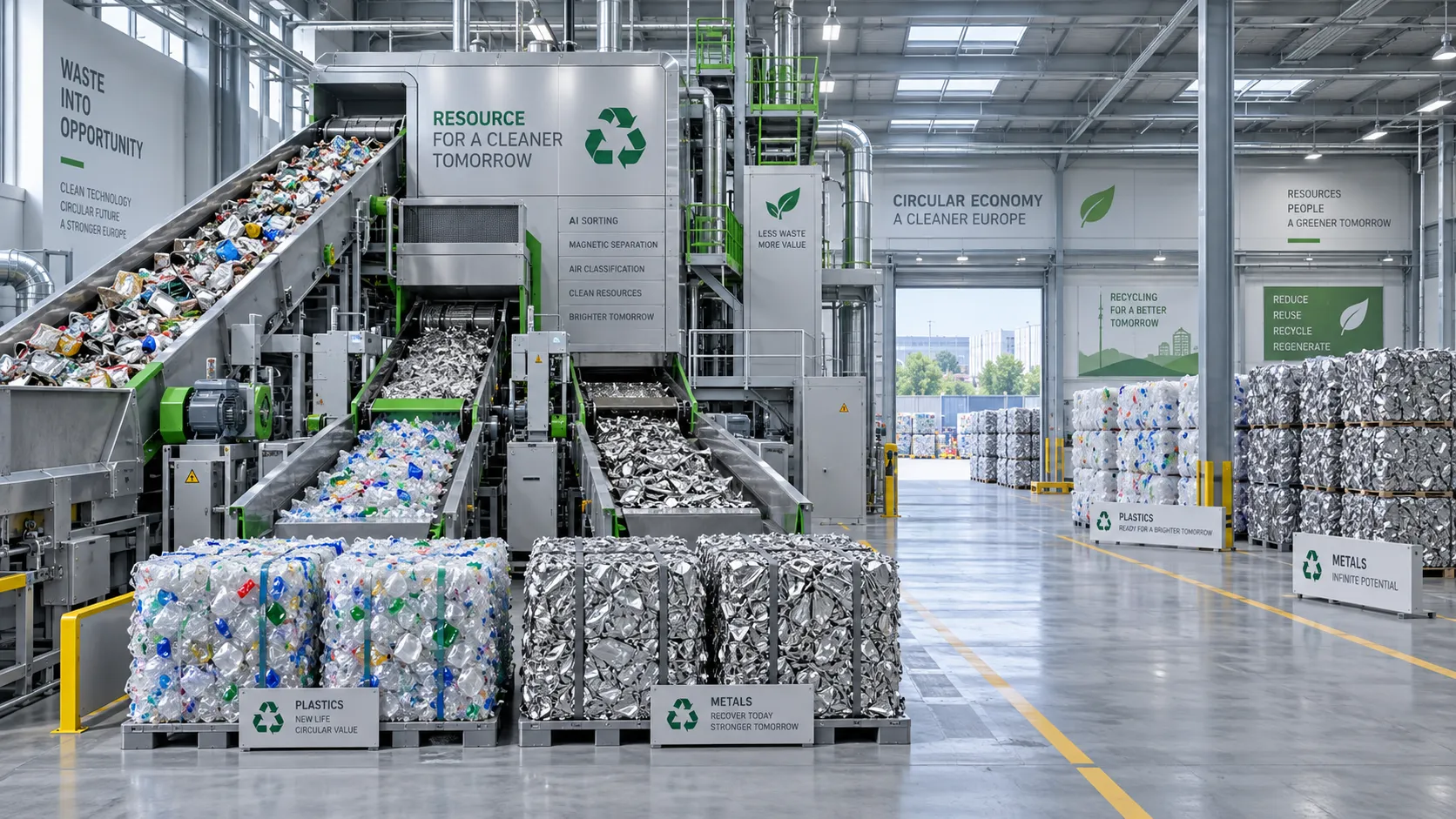
What determines payback for waste-to-resource systems in Europe?
Assess waste-to-resource systems Europe-wide: compare feedstock, recovery yields, costs and contracts to uncover payback drivers and make smarter investment decisions.
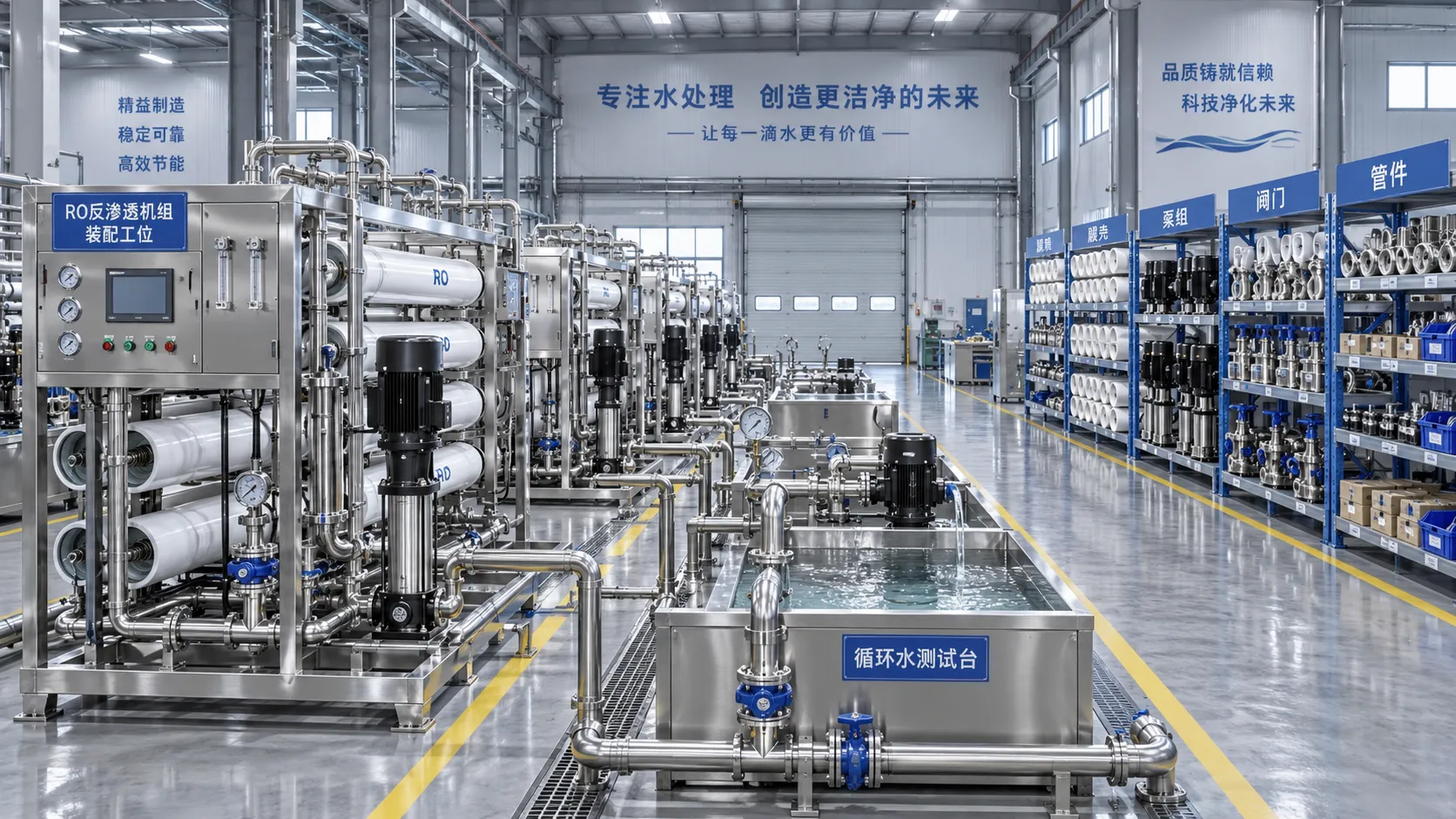
How to verify a water treatment system factory’s production capacity
Verify a water treatment systems factory’s production capacity through records, bottlenecks, component availability, and testing. Learn what to check before accepting a delivery promise.
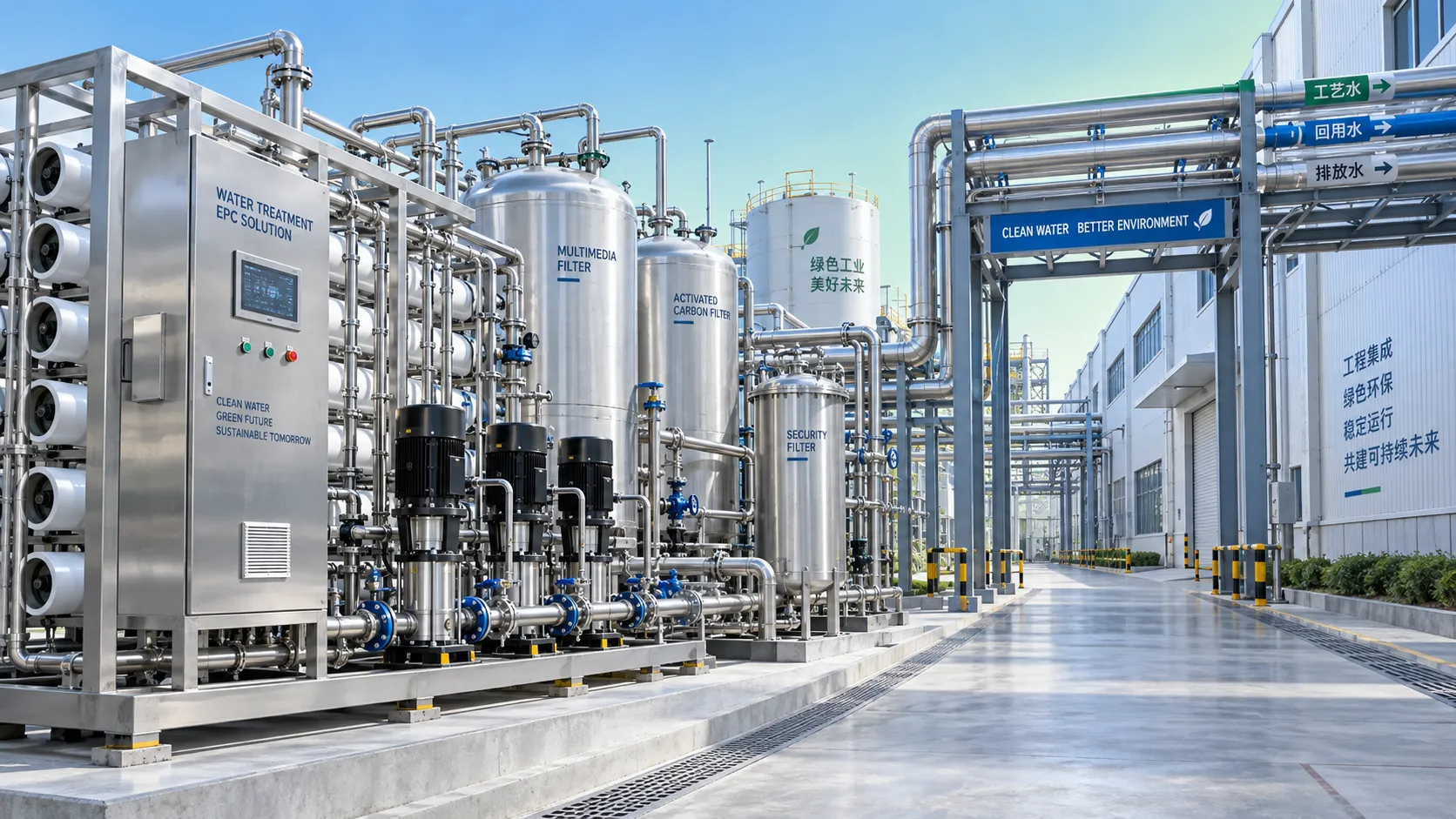
When does EPC environmental project support reduce delivery risk?
EPC environmental project support engineering reduces delivery risk by aligning design, procurement, compliance, construction, and commissioning decisions.
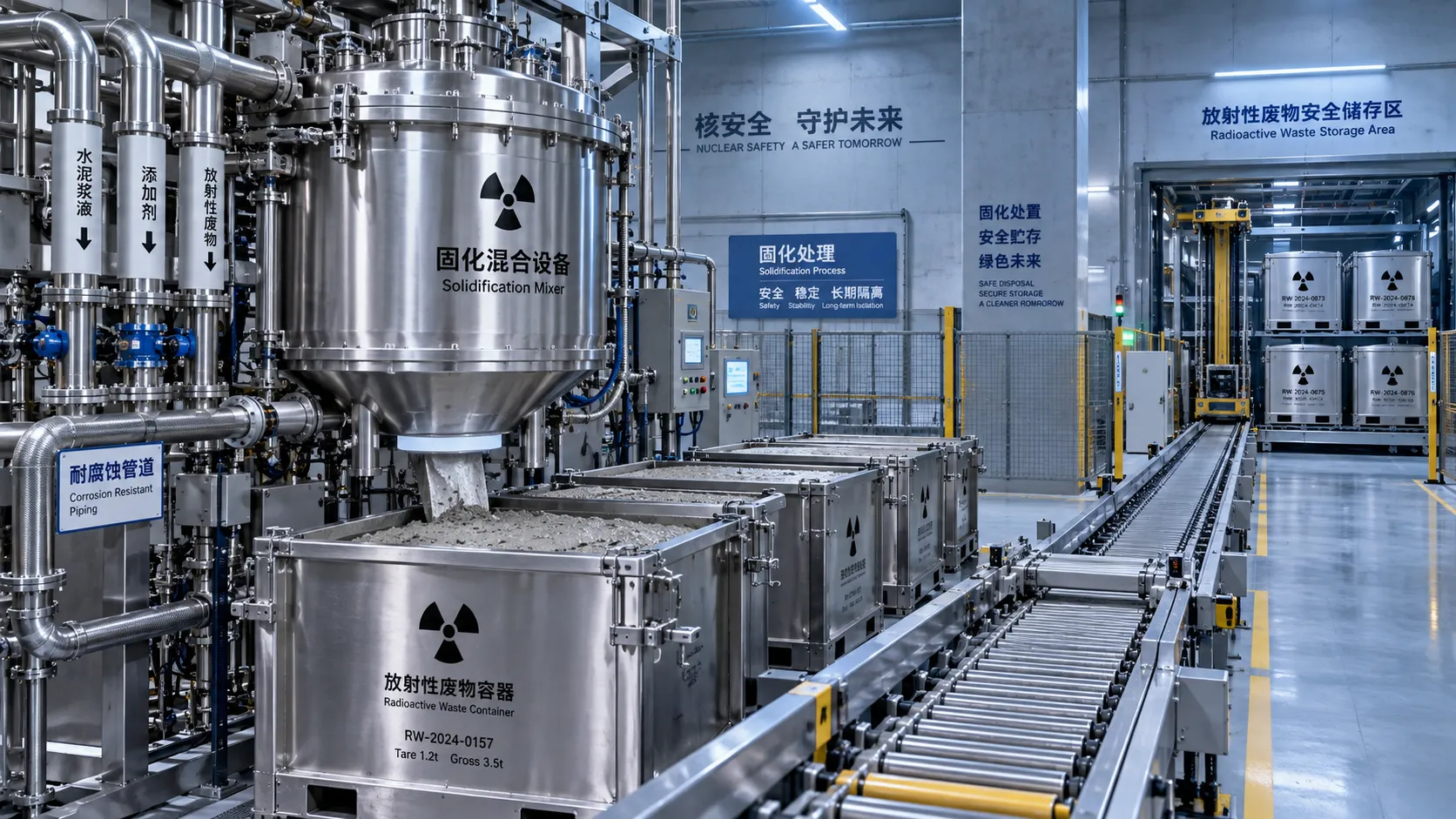
How nuclear plants select a radioactive waste solidification method
Radioactive waste management for nuclear plants: compare vitrification, cementation, polymers, and ceramics to select a compliant, durable solidification solution.
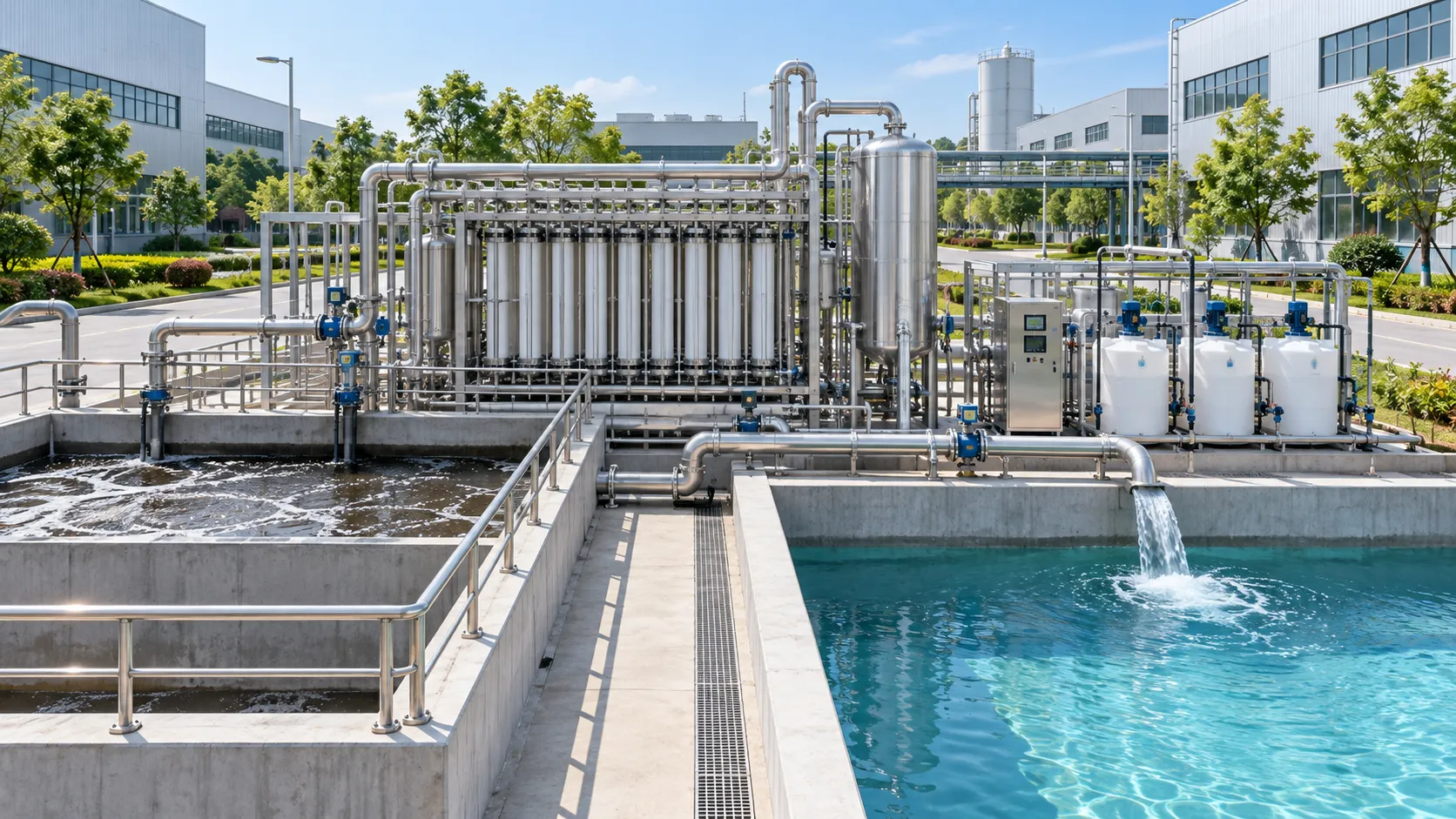
Comparing Upgrade Costs for Industrial Park Wastewater Treatment Systems
Compare costs for wastewater system upgrades in industrial parks with a lifecycle view of CAPEX, OPEX, compliance, resilience, and future expansion.
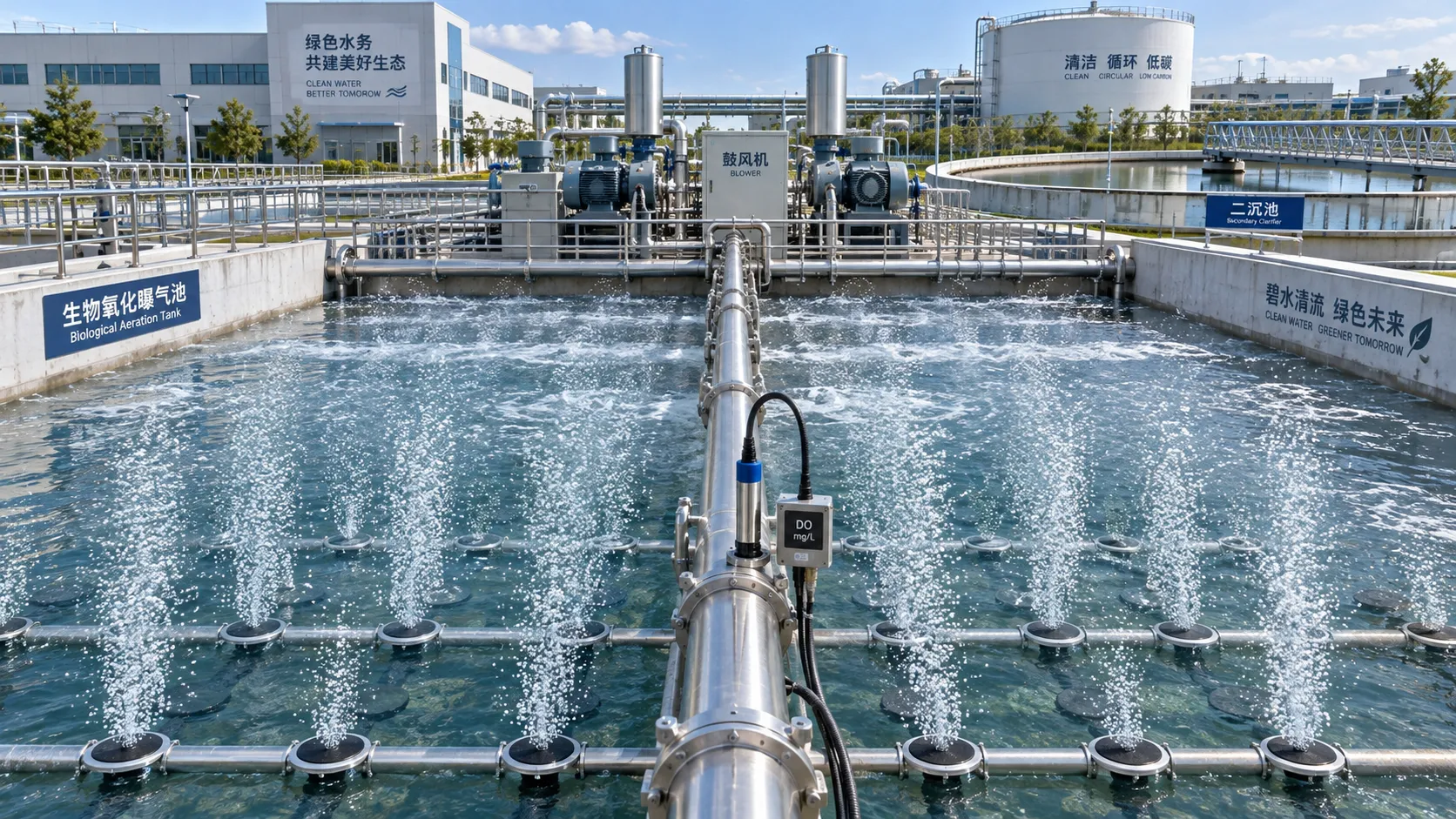
Biological Wastewater Oxidation Explained: Aeration Demand and Process Control
Biological wastewater oxidation explained: optimize aeration demand, DO control, nitrification, and sludge age for stable effluent quality and lower energy costs.
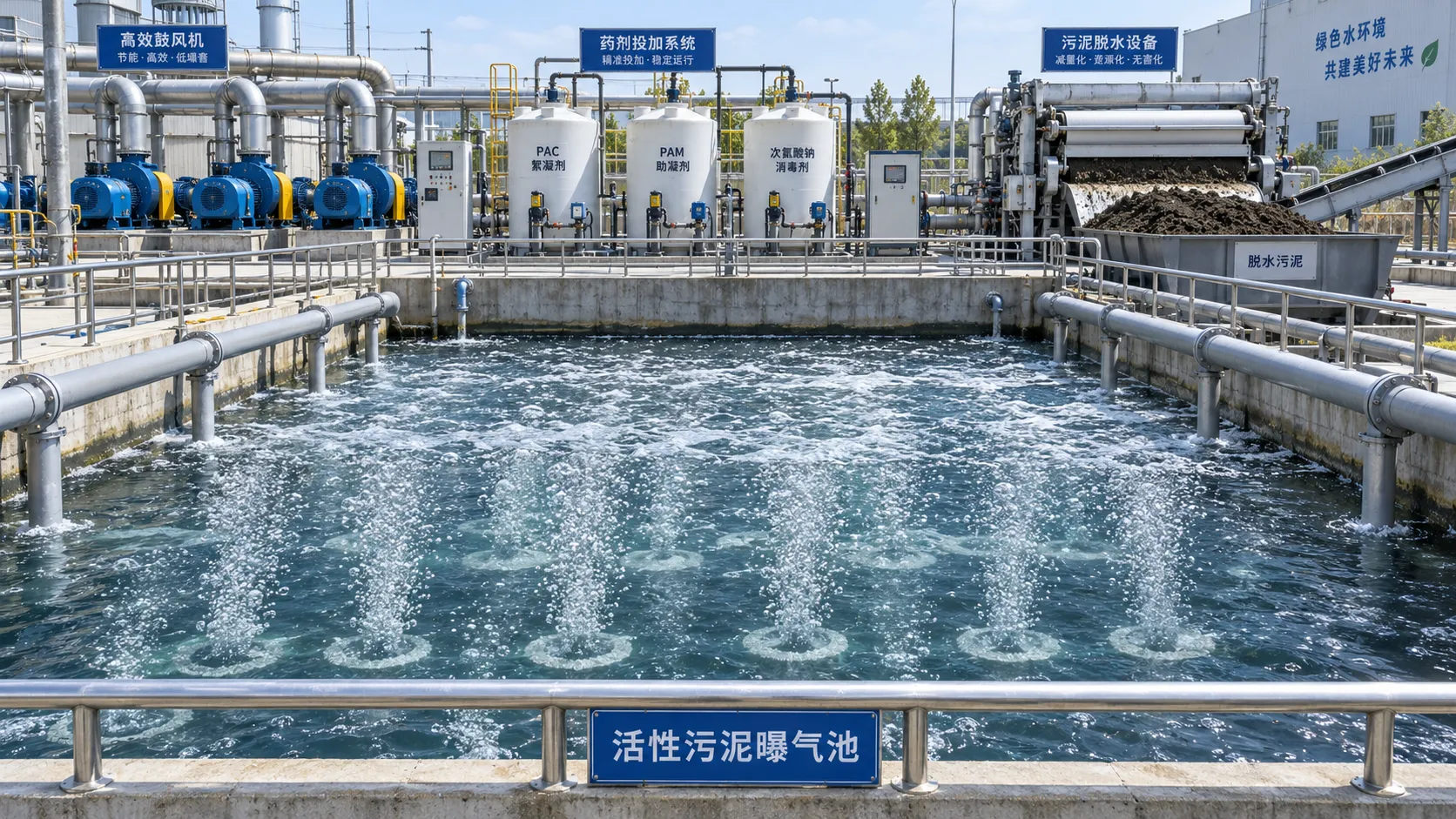
Activated Sludge Cost: Budgeting Energy, Chemicals, Sludge, and Labor
Activated sludge cost explained: compare energy, chemicals, sludge disposal, labor, and compliance risks to build a reliable lifecycle budget.
When Should Municipal Wastewater Plants Upgrade Treatment Capacity and Controls?
Municipal wastewater treatment upgrades: learn when capacity, controls, and resilient planning are needed to protect compliance and optimize plant performance.