
Industry News
Curation by industry experts
Hot Articles
Popular Tags
Industrial Water Purification Systems: Key Sizing Mistakes
Sizing errors in industrial water purification systems can quietly inflate CAPEX, destabilize performance, and create long-term compliance risks for complex projects. In large water treatment, desalination, recovery, and high-purity applications, incorrect sizing often starts with one false assumption. A design flow looks stable on paper, yet real operations shift by hour, season, chemistry, and regulation. Understanding the most common mistakes helps protect reliability, lifecycle cost, and future flexibility.
Why do industrial water purification systems get sized incorrectly so often?
Many projects begin with limited data. Designers may receive only average flow, one composite sample, and a short timeline. That creates a weak basis for critical sizing decisions.
Industrial water purification systems rarely treat a steady stream. Wastewater from food processing, chemicals, mining, electronics, and energy sites can change rapidly in volume and composition.
Another issue is scope fragmentation. Civil, process, mechanical, and controls teams may size different units with different assumptions. The result is hydraulic mismatch across the treatment train.
In advanced facilities, treatment targets also evolve. A project first designed for discharge may later require reuse, ZLD, or tighter contaminant removal under stricter environmental compliance.
Common root causes include:
- Using average flow instead of peak, minimum, and transient profiles
- Ignoring contaminant shock loads and cleaning chemicals
- Treating pilot data as universally scalable
- Assuming future regulations will remain unchanged
- Oversimplifying pretreatment requirements for membranes or ion exchange
What happens when flow rate is sized from averages instead of real operating conditions?
This is one of the most expensive mistakes in industrial water purification systems. Average flow hides true hydraulic stress. Pumps, equalization tanks, clarifiers, filters, and membranes then operate outside ideal design windows.
Undersized flow capacity creates bypass risk, poor solids separation, unstable membrane recovery, and short chemical contact time. It can also trigger repeated shutdowns during production peaks.
Oversizing creates another problem. Equipment may run at low turndown, causing poor mixing, sludge settling issues, excessive cycling, and inefficient energy use.
A stronger approach is to design around several flow cases, not one. That usually includes minimum, normal, peak hourly, peak daily, startup, washdown, and upset conditions.
Flow sizing checks that reduce risk
- Build a mass balance using time-based production data
- Separate continuous flow from intermittent discharges
- Confirm cleaning-in-place events and batch dumps
- Verify actual pump curves and control turndown limits
- Add equalization where variability cannot be avoided economically
For industrial water purification systems, equalization is often cheaper than oversizing every downstream process. It acts as a stability buffer for both hydraulics and chemistry.
How do contaminant load mistakes affect treatment performance?
Sizing by flow alone is dangerous. Industrial water purification systems must be sized by contaminant mass loading as well. That means COD, BOD, TSS, oil, silica, hardness, metals, ammonia, chlorides, and specific toxins.
A common mistake is using one laboratory snapshot. Real facilities produce concentration spikes after maintenance, process switches, or raw material variation.
Biological systems suffer when toxic or saline loads exceed design resilience. Membrane systems foul faster when colloids, organics, or scaling ions rise above pretreatment assumptions.
In high-recovery systems, small chemistry errors become major sizing errors. A slight misread of silica, sulfate, or calcium can reshape recovery limits, antiscalant demand, and brine management strategy.
Where load sizing often fails
- Composite sampling misses batch contamination events
- Design ignores temperature effects on reaction rates and viscosity
- Metals speciation is not evaluated
- Organic fouling potential is underestimated
- Concentrate recirculation effects are omitted
For robust industrial water purification systems, design envelopes should include normal and worst-case contaminant scenarios. That supports realistic equipment selection and compliance planning.
Is oversizing safer than undersizing in industrial water purification systems?
Not always. Oversizing seems conservative, but it can create hidden operating penalties. Larger tanks, pumps, and membrane skids cost more upfront and may operate less efficiently for years.
In clarification and biological treatment, oversized basins can reduce process intensity. In membrane systems, excessive installed capacity may encourage low flux operation without solving fouling caused by poor pretreatment.
Oversizing also affects controls. Large equipment may cycle more often at low demand, reducing stability and increasing maintenance on motors, valves, and instrumentation.
The better goal is right-sizing with modularity. Industrial water purification systems benefit from phased trains, standby logic, and reserved footprint rather than blanket oversizing.
Right-sizing versus oversizing
Which units in industrial water purification systems are most commonly mis-sized?
Equalization tanks are often too small. They are expected to smooth both flow and concentration, yet many designs provide only hydraulic buffering, not load balancing.
Pretreatment is another weak point. Cartridge filters, media filters, dissolved air flotation, softening, and ultrafiltration may be sized for nominal conditions only.
Reverse osmosis skids are frequently selected by nameplate throughput. That ignores membrane fouling margin, seasonal temperature shifts, and actual net permeate after cleaning cycles.
Chemical systems also suffer. Storage, dosing pumps, and contact tanks may be undersized when pH correction, oxidation, dechlorination, or coagulant demand changes sharply.
Sludge and brine handling are regularly overlooked. A plant can meet water quality targets yet fail operationally if dewatering, concentrate storage, or disposal capacity is inadequate.
High-risk sizing areas
- Equalization volume and mixing energy
- Pretreatment solids loading and backwash frequency
- RO recovery, flux, and cleaning downtime allowance
- Chemical storage autonomy and safety margin
- Residuals handling for sludge, spent media, and brine
How should future expansion and compliance be built into sizing decisions?
Industrial water purification systems should not be sized only for current permits. Water reuse targets, discharge limits, PFAS controls, salinity caps, and carbon-linked operating costs are changing globally.
A practical design leaves physical and hydraulic room for future treatment stages. That may include additional membranes, polishing ion exchange, advanced oxidation, or evaporative concentration.
Expansion planning does not require full upfront installation. It requires smart reservation of footprint, tie-in points, electrical capacity, automation logic, and pipe routing.
This matters especially in integrated environmental infrastructure. Large water treatment plants, seawater desalination, and industrial reuse systems often face tighter compliance after commissioning.
Future-ready sizing checklist
- Reserve space for one additional treatment module
- Design headers and pumps for staged capacity growth
- Include instrumentation for performance trending
- Review discharge and reuse regulations over a five-year horizon
- Model lifecycle cost, not only installed cost
What is the best way to avoid sizing mistakes before procurement and construction?
The strongest method is front-end validation. Industrial water purification systems perform better when sizing assumptions are tested early through data, pilot work, and scenario review.
Start with a verified water balance and contaminant balance. Then challenge every design case with upset scenarios, maintenance cycles, and production expansion assumptions.
Pilot testing helps, but only when it reflects true variability. Short, ideal-condition pilots often create false confidence and distorted scale-up expectations.
Procurement documents should also be precise. If vendor bids are based on different feedwater assumptions, comparing proposals becomes misleading and risky.
Sizing mistakes in industrial water purification systems are rarely caused by one bad component. They usually come from weak assumptions, incomplete variability analysis, and poor integration across the treatment train.
The most reliable path is to size for real operating envelopes, contaminant mass loads, modular expansion, and residuals handling from the beginning. That reduces retrofit risk and improves long-term compliance confidence.
For complex environmental infrastructure, disciplined sizing is not just an engineering detail. It is the foundation of stable performance, credible bidding, and resilient lifecycle economics.
Recommended News
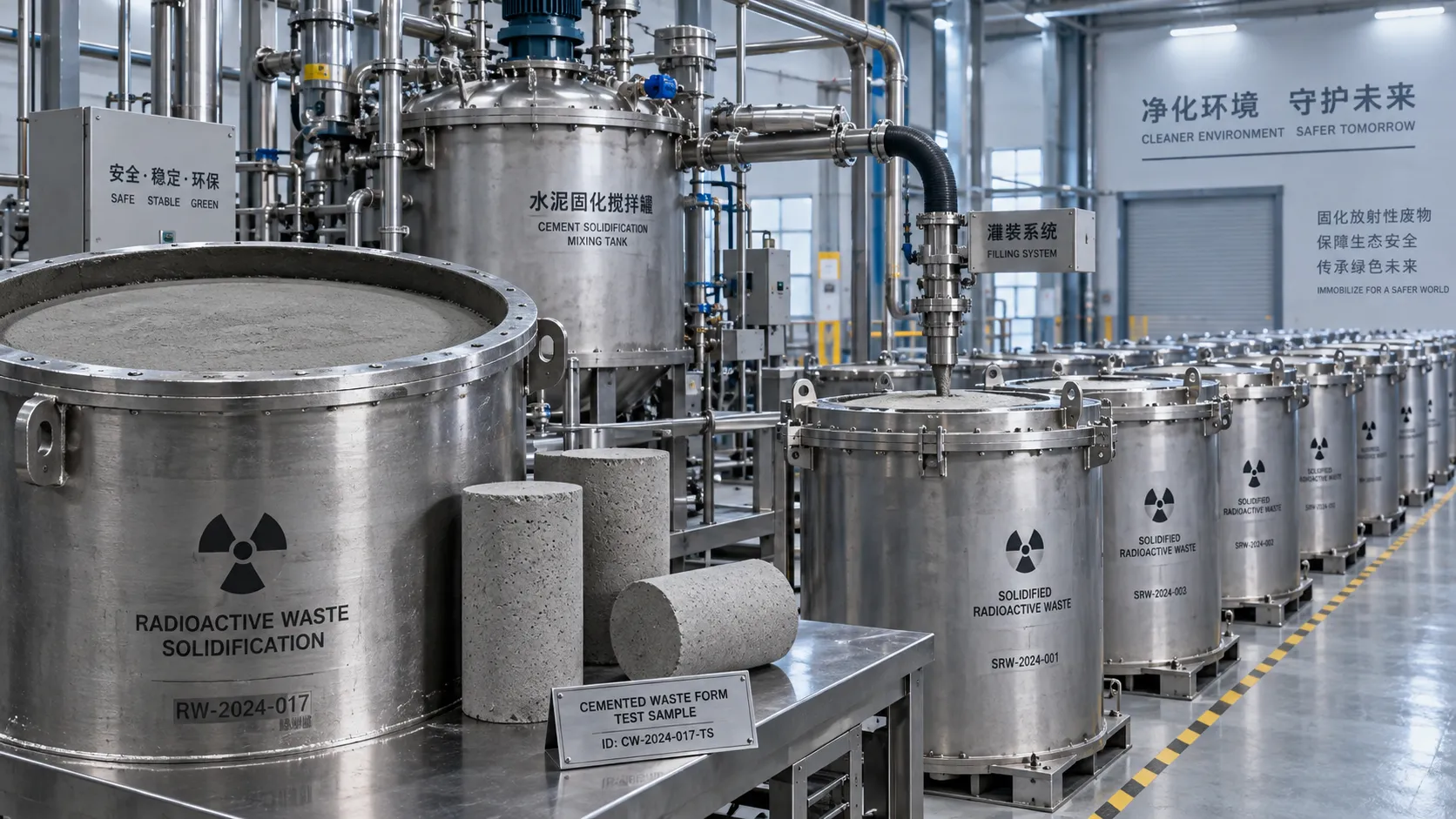
When is cementation suitable for nuclear decommissioning waste?
Explore nuclear waste treatment technology for decommissioning: learn when cementation fits, which risks to assess, and how disposal criteria guide an effective treatment choice.
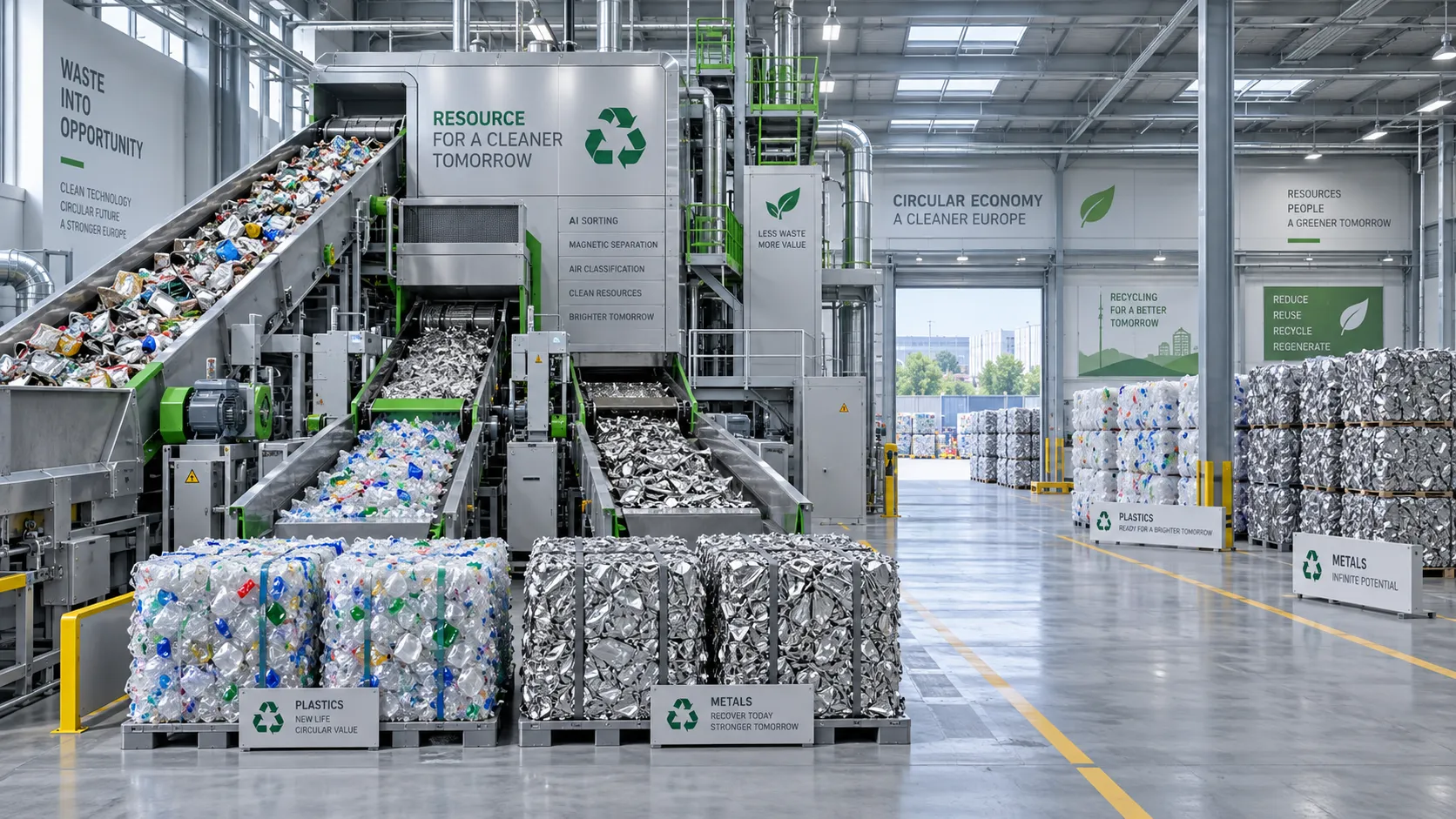
What determines payback for waste-to-resource systems in Europe?
Assess waste-to-resource systems Europe-wide: compare feedstock, recovery yields, costs and contracts to uncover payback drivers and make smarter investment decisions.
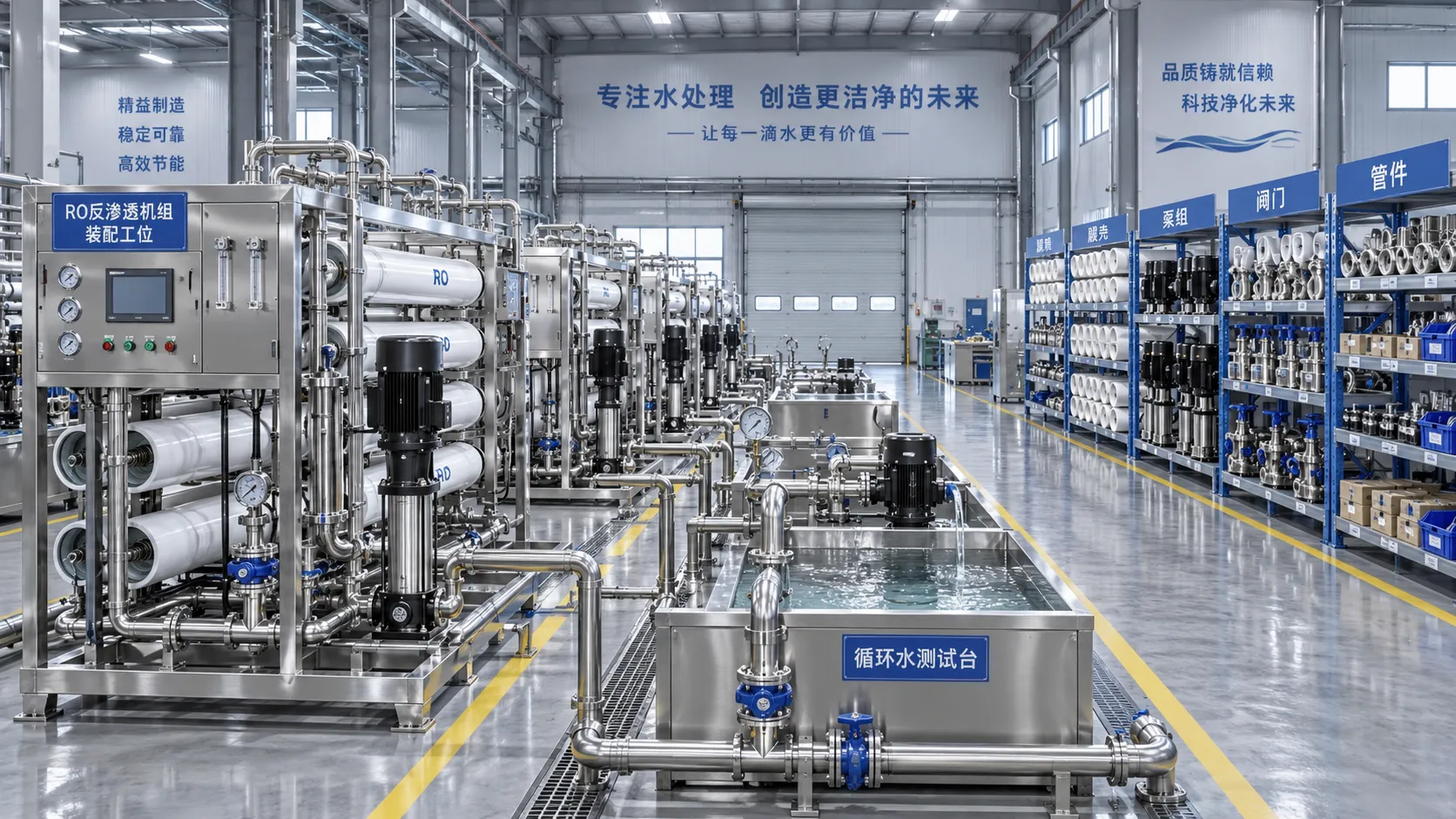
How to verify a water treatment system factory’s production capacity
Verify a water treatment systems factory’s production capacity through records, bottlenecks, component availability, and testing. Learn what to check before accepting a delivery promise.
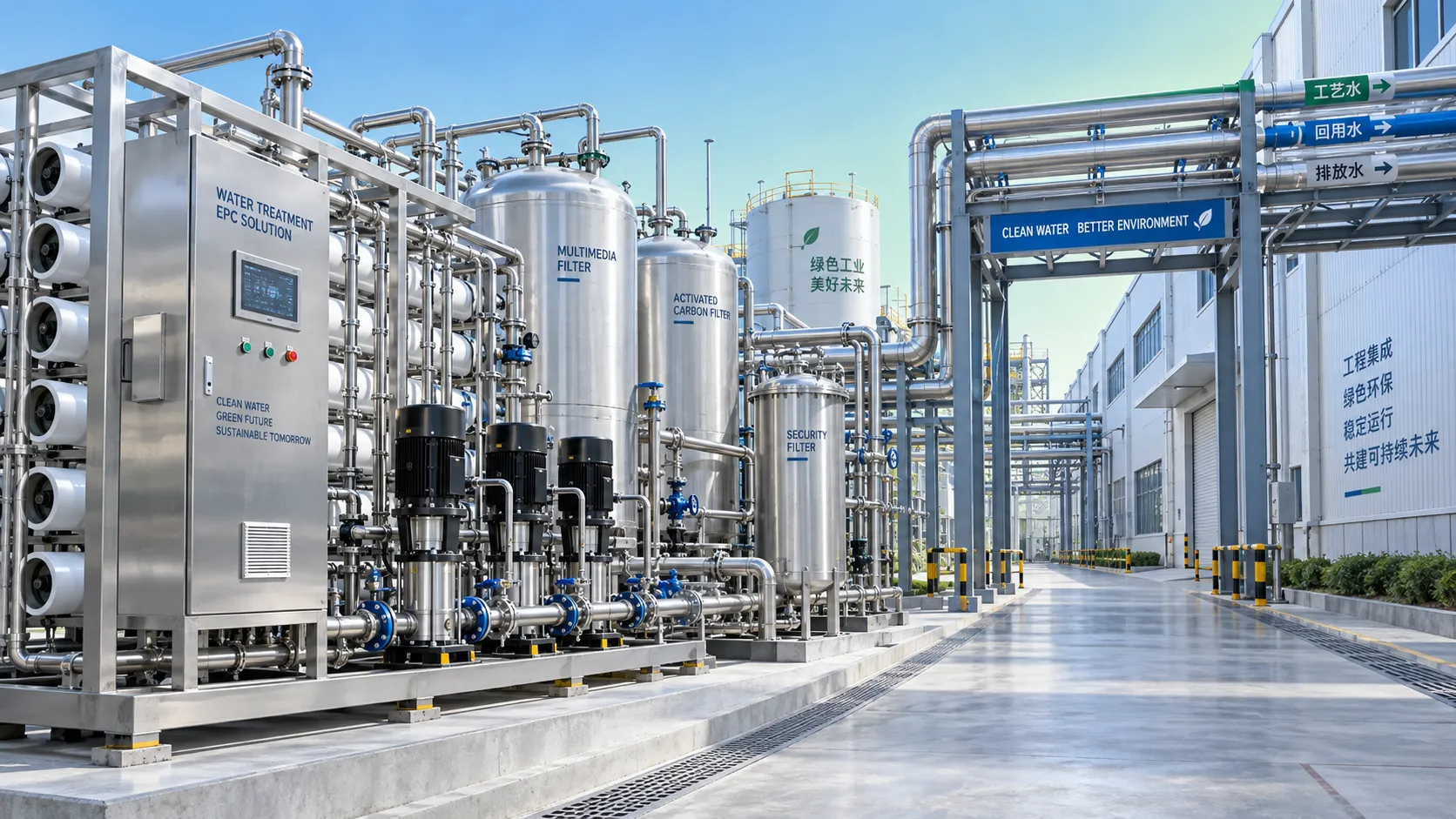
When does EPC environmental project support reduce delivery risk?
EPC environmental project support engineering reduces delivery risk by aligning design, procurement, compliance, construction, and commissioning decisions.
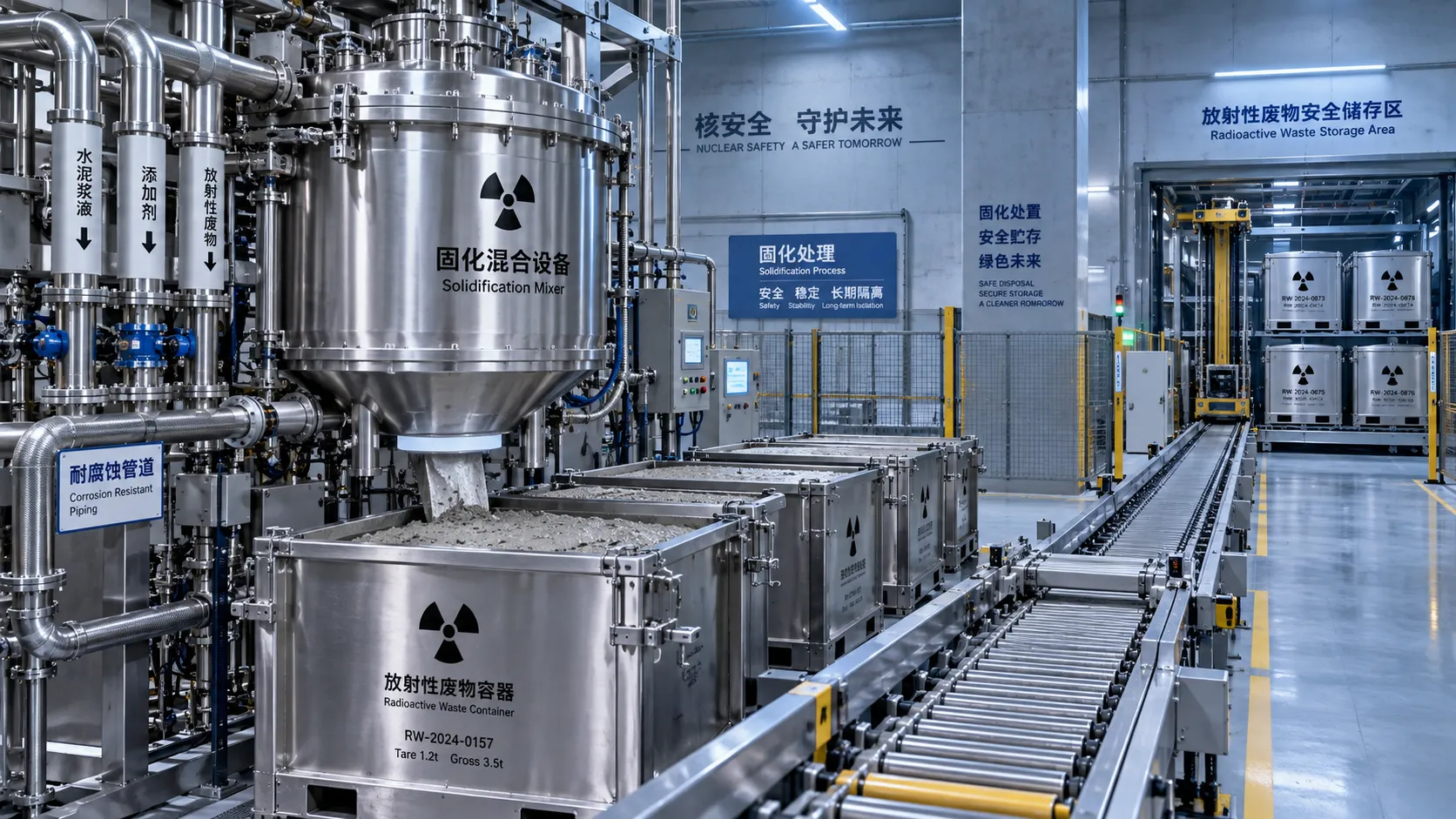
How nuclear plants select a radioactive waste solidification method
Radioactive waste management for nuclear plants: compare vitrification, cementation, polymers, and ceramics to select a compliant, durable solidification solution.
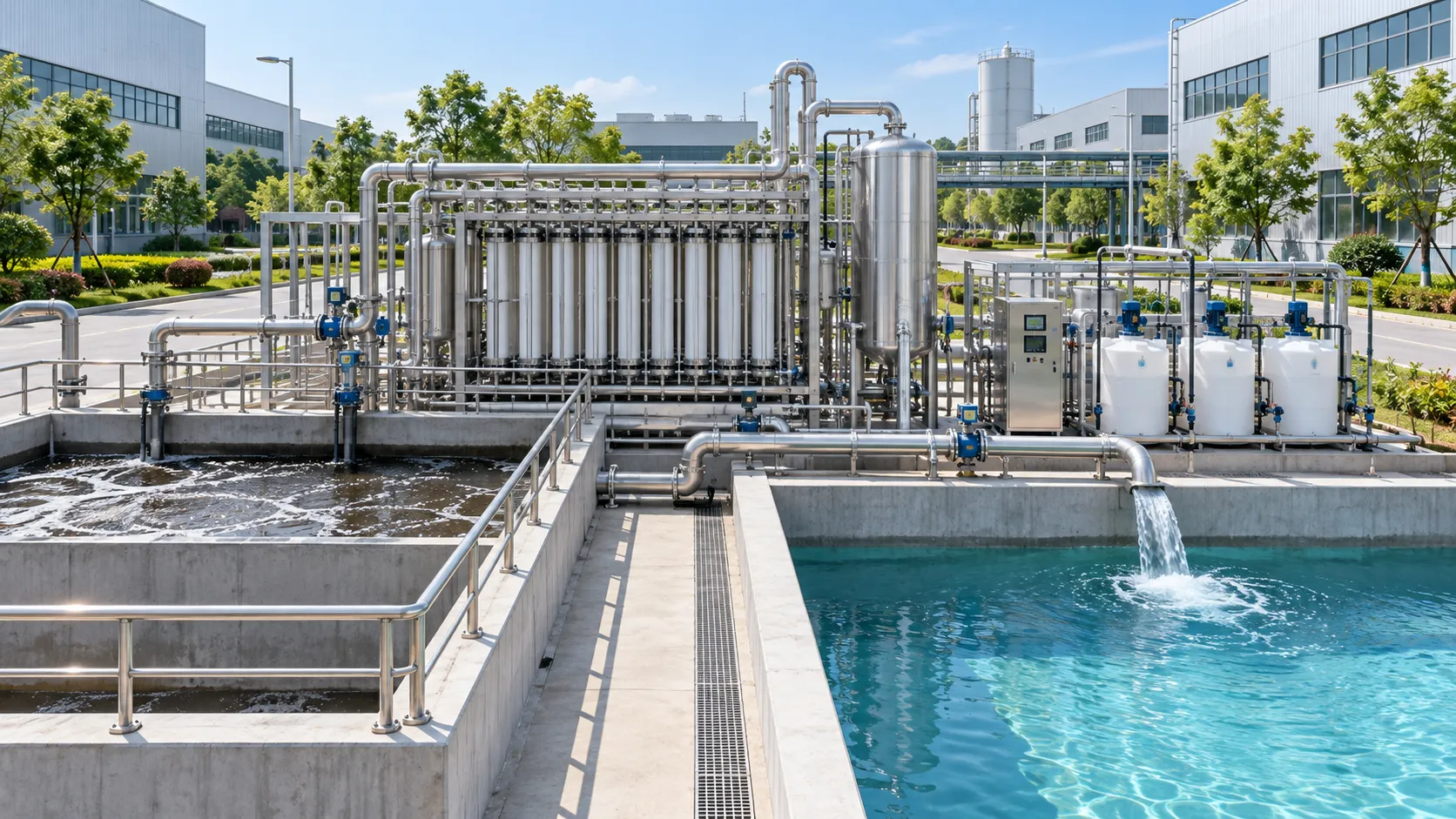
Comparing Upgrade Costs for Industrial Park Wastewater Treatment Systems
Compare costs for wastewater system upgrades in industrial parks with a lifecycle view of CAPEX, OPEX, compliance, resilience, and future expansion.
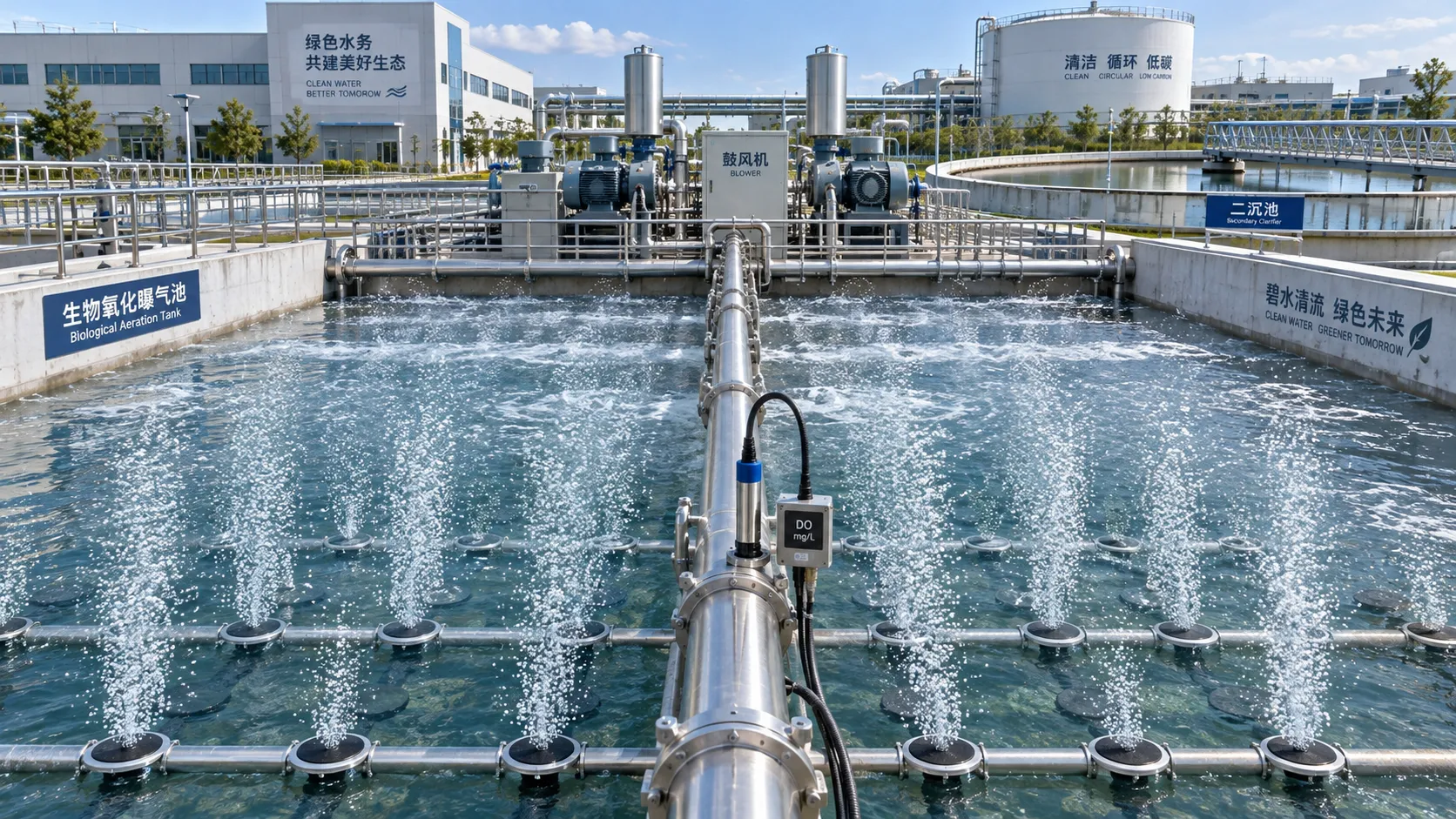
Biological Wastewater Oxidation Explained: Aeration Demand and Process Control
Biological wastewater oxidation explained: optimize aeration demand, DO control, nitrification, and sludge age for stable effluent quality and lower energy costs.
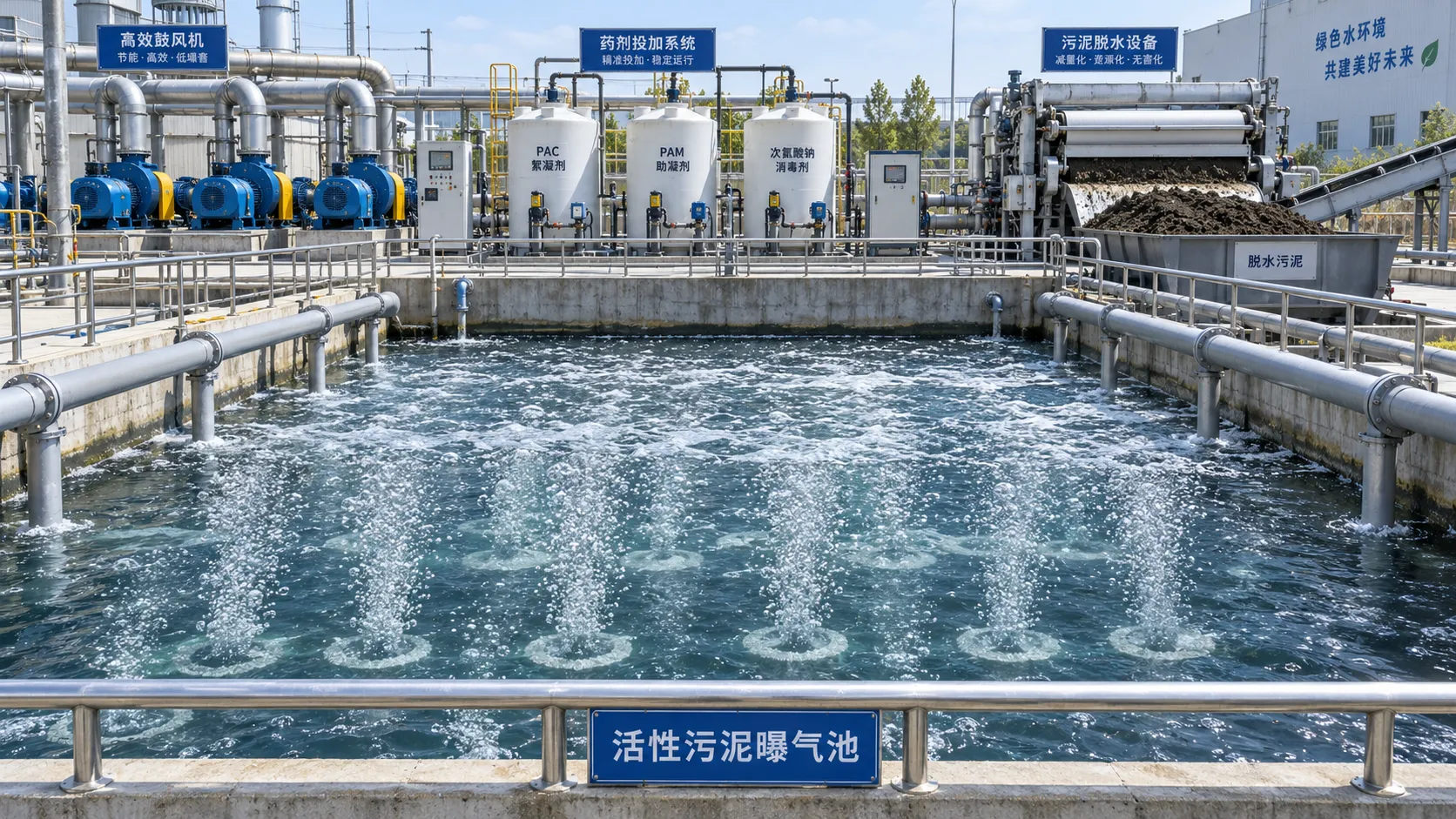
Activated Sludge Cost: Budgeting Energy, Chemicals, Sludge, and Labor
Activated sludge cost explained: compare energy, chemicals, sludge disposal, labor, and compliance risks to build a reliable lifecycle budget.
When Should Municipal Wastewater Plants Upgrade Treatment Capacity and Controls?
Municipal wastewater treatment upgrades: learn when capacity, controls, and resilient planning are needed to protect compliance and optimize plant performance.