
Industry News
Curation by industry experts
Hot Articles
Popular Tags
Sustainable Resource Management Policies That Cut Risk
Why are sustainable resource management policies now treated as risk controls?
Environmental infrastructure no longer runs on engineering alone. It runs on permits, traceability, energy discipline, and proof of long-term safety.
That is why sustainable resource management policies matter. They reduce uncertainty before uncertainty becomes downtime, budget drift, or regulatory exposure.
In water treatment, desalination, waste recovery, flue gas control, and nuclear waste management, policy now shapes technical choices much earlier.
A discharge target can change membrane design. A recycling mandate can alter sorting logic. A cross-border carbon rule can reshape procurement timing.
Seen this way, sustainable resource management policies are not abstract governance language. They are operating rules that cut financial and compliance risk.
This is also why intelligence platforms such as ESD follow policy together with equipment evolution. The real decisions sit where regulation, chemistry, and project economics meet.
What do sustainable resource management policies actually include in practice?
The term sounds broad because it is broad. Still, in practical project work, the policy package is usually easier to define.
Most sustainable resource management policies combine resource efficiency, pollution control, resilience planning, and reporting obligations into one framework.
For a large treatment plant, that can mean stricter water reuse targets, sludge minimization, energy intensity limits, and emergency response standards.
For solid waste systems, it often means recovery quotas, hazardous stream segregation, AI sorting validation, and chain-of-custody documentation.
For desalination, the discussion usually extends to intake impacts, brine disposal, power sourcing, and lifecycle efficiency.
For nuclear waste control, sustainable resource management policies include storage integrity, vitrification standards, monitoring intervals, and public accountability.
A useful way to read these policies is to ask one question: what physical risk are they trying to prevent, measure, or transfer?
A quick policy reading table helps
When policy language becomes dense, a simple decision table can keep evaluation grounded in project reality.
Where do these policies make the biggest difference across environmental infrastructure?
The strongest impact appears where processes are chemically intense, capital heavy, and tightly regulated over long operating periods.
Large water treatment plants are a clear example. Sustainable resource management policies can push reuse rates higher while tightening sludge and concentrate obligations.
In desalination, policy pressure often exposes a hidden trade-off. Producing secure freshwater is valuable, but energy use and brine impacts must also stay defensible.
Waste recovery systems feel the effect differently. The policy driver is less about disposal alone and more about proving that recovered material is real, safe, and marketable.
Flue gas treatment sits in another category. Here, sustainable resource management policies connect air pollution control with fuel choice, catalyst performance, and carbon accountability.
Nuclear waste management remains the strictest case. Policy is inseparable from public trust, storage lifespan, and the reliability of every containment assumption.
ESD’s research focus reflects this pattern. The highest-value insights usually emerge where microscopic material behavior drives large regulatory and commercial consequences.
How can you tell whether a policy framework is practical or just ambitious on paper?
This is one of the most useful questions because not every policy target is implementation-ready.
A practical framework translates goals into measurable thresholds, reporting rules, fallback procedures, and technical assumptions that can actually be verified.
If a resource policy demands higher recovery but says little about energy intensity, residual streams, or outage response, it is incomplete.
The more reliable approach is to test policy against operating reality. Can sampling prove compliance? Can data systems support audits? Can maintenance absorb the new burden?
In actual projects, the strongest sustainable resource management policies usually share four traits.
- They define resource boundaries clearly, including water, energy, emissions, residues, and hazardous fractions.
- They connect targets to instrumented data rather than narrative reporting alone.
- They recognize trade-offs between decarbonization, purity, recovery, and safety.
- They include revision triggers when regulation or feed conditions change.
That last point matters more than it seems. A static policy in a shifting regulatory climate can create risk instead of reducing it.
What are the most common mistakes when applying sustainable resource management policies?
One frequent mistake is treating policy as a reporting layer added after process design. By then, the expensive decisions are already locked in.
Another mistake is optimizing a single metric too aggressively. Higher recovery sounds strong, but not if it causes membrane fouling, unstable residues, or rising energy demand.
A third issue appears in circular systems. Projects may count theoretical recovery instead of verified recovery that survives contamination, market quality checks, and transport constraints.
There is also a governance error that often goes unnoticed. Some teams monitor compliance indicators yet fail to monitor early-warning process indicators.
For example, a nuclear waste policy may require storage integrity reporting. But if micro-crystalline stability signals are not tracked, the reporting comes too late.
The same applies in desalination and flue gas treatment. Waiting for permit deviations is weaker than watching the precursor variables that predict them.
A practical safeguard is to separate compliance metrics from stress metrics, then review both on the same schedule.
A short checkpoint before implementation
- Confirm whether the policy changes design basis or only operating practice.
- Check whether the data needed for proof already exists.
- Map trade-offs between purity, recovery, safety, and energy.
- Review how cross-border rules such as CBAM affect cost assumptions.
- Set escalation points before non-compliance becomes a legal event.
What should be reviewed before updating policy or launching a new project phase?
Start with the physical system, not the policy language. Feedwater composition, waste variability, catalyst conditions, and storage chemistry define what is realistic.
Then check the regulatory horizon. Some rules affect permits immediately, while others influence financing, insurance, or export competitiveness over time.
It also helps to compare internal targets with external benchmarks. ESD’s intelligence model is valuable here because equipment trends and policy signals rarely move separately.
In other words, sustainable resource management policies work best when they are treated as a living decision system.
A strong next step is to build a review sheet around five questions: what changed, what risk rises, what data proves control, what upgrade is needed, and what timeline is realistic?
That approach keeps policy useful. It also prevents environmental governance from drifting into slogans detached from technical and commercial reality.
When sustainable resource management policies are aligned with process evidence, they do more than satisfy regulators. They protect continuity, credibility, and long-term asset value.
Recommended News

How solids concentration affects dewatering in waste recovery systems
Optimize waste recovery systems dewatering with insights on solids concentration. Learn to balance throughput, cake dryness, and solids capture while avoiding costly equipment overloads.
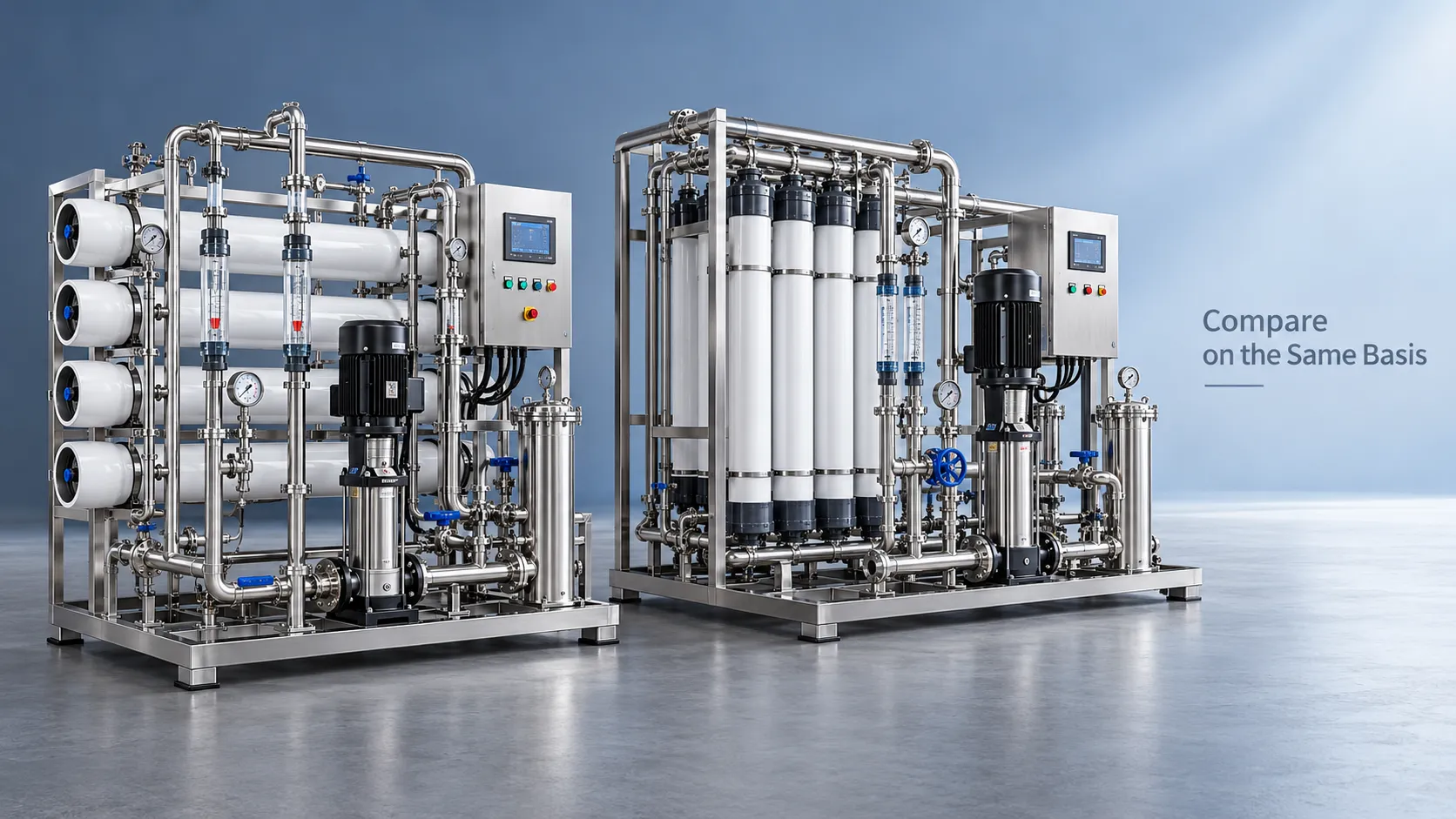
How to compare technical specs in an environmental equipment directory
Use this environmental equipment directory technical guide to compare capacity, energy use, compliance, and supplier evidence. Build a defensible shortlist and choose with confidence.
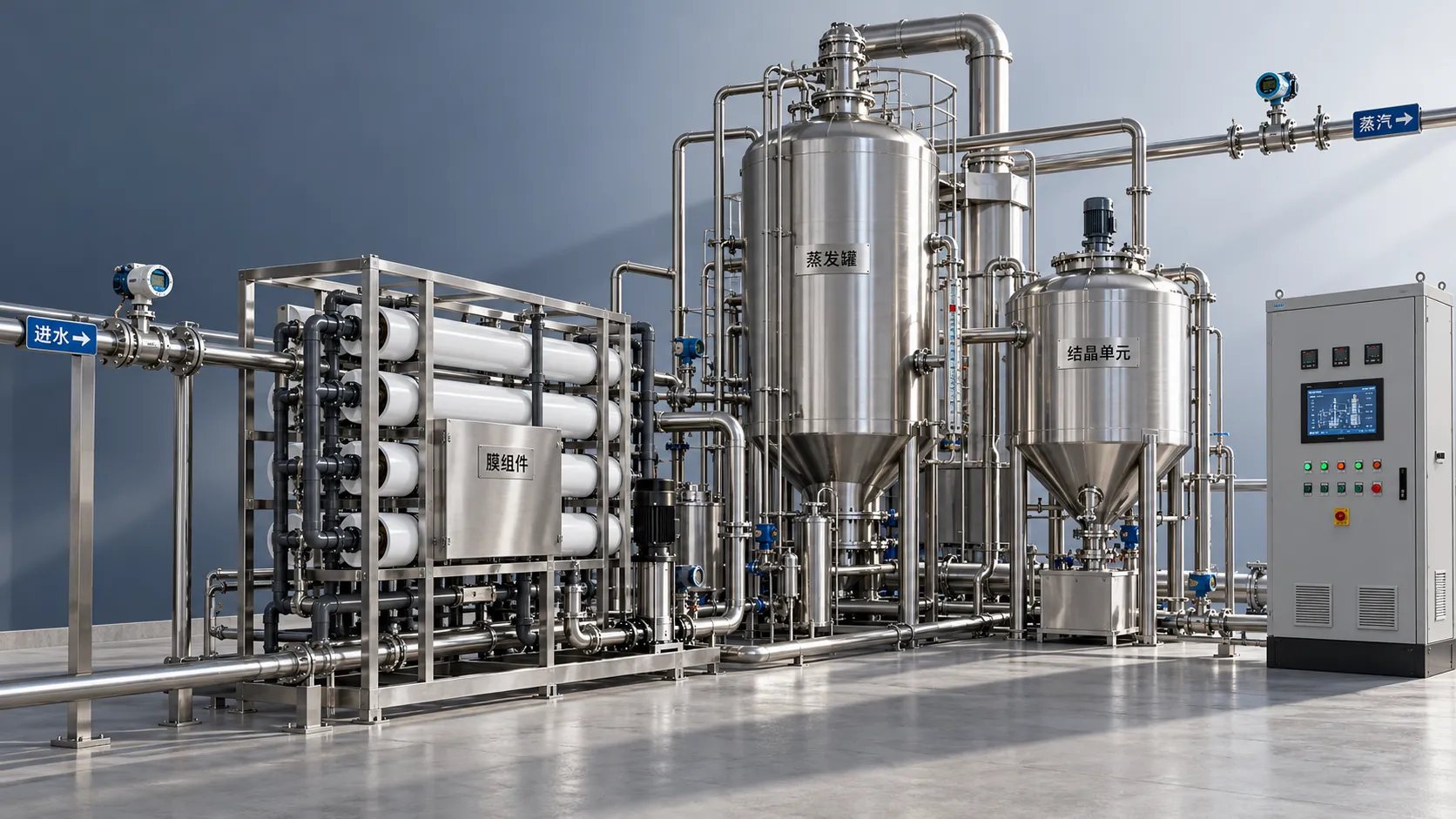
How to assess a zero liquid discharge equipment supplier’s energy claims
Assess a zero liquid discharge equipment supplier’s energy claims. Learn how to verify system boundaries, compare real costs, and demand testable guarantees before you buy.
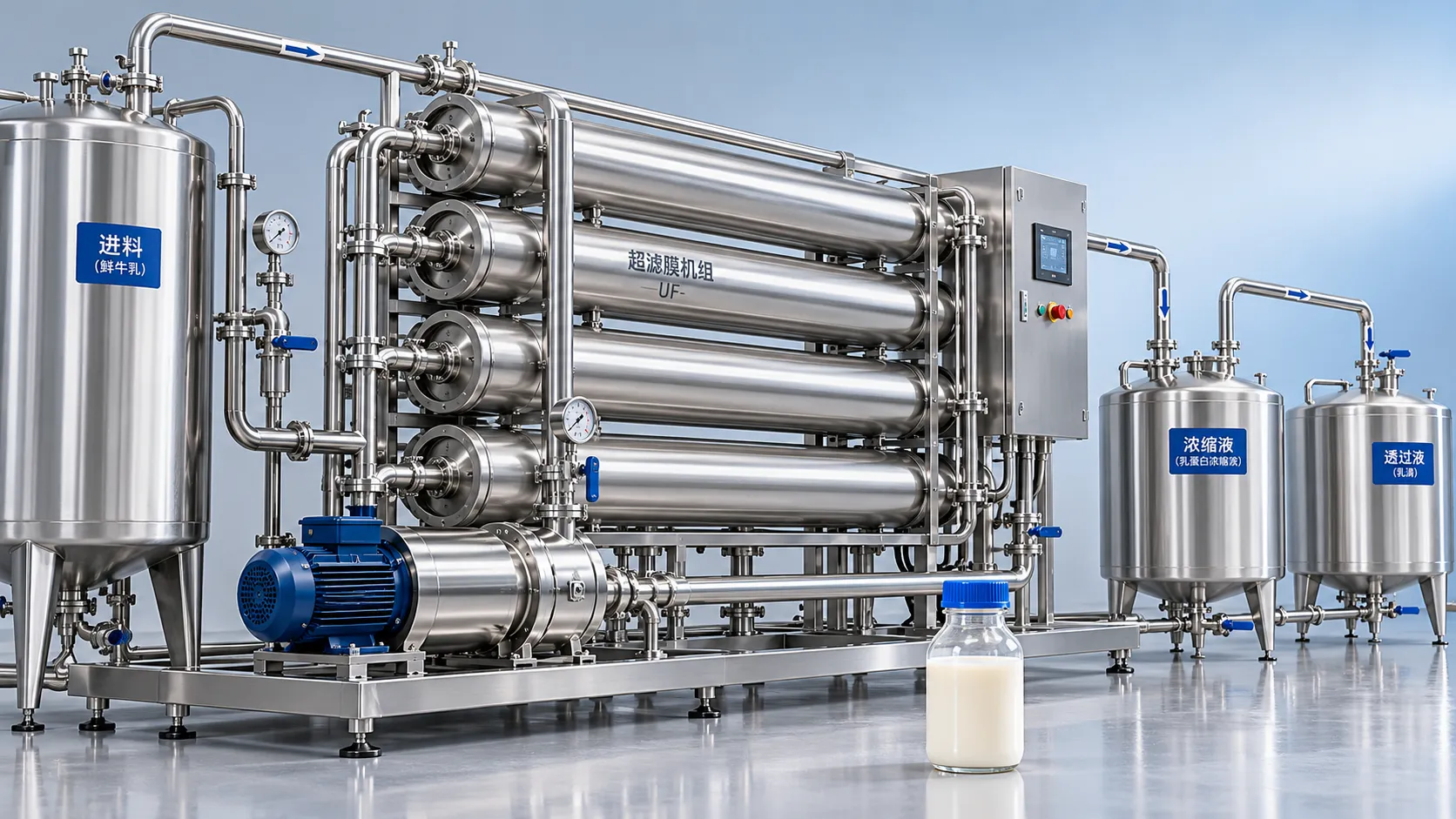
Which membrane filtration process suits dairy protein concentration?
Explore membrane filtration for dairy: compare UF, MF, and RO to select the right process for protein concentration, lactose reduction, and better recovery. Find your best fit.
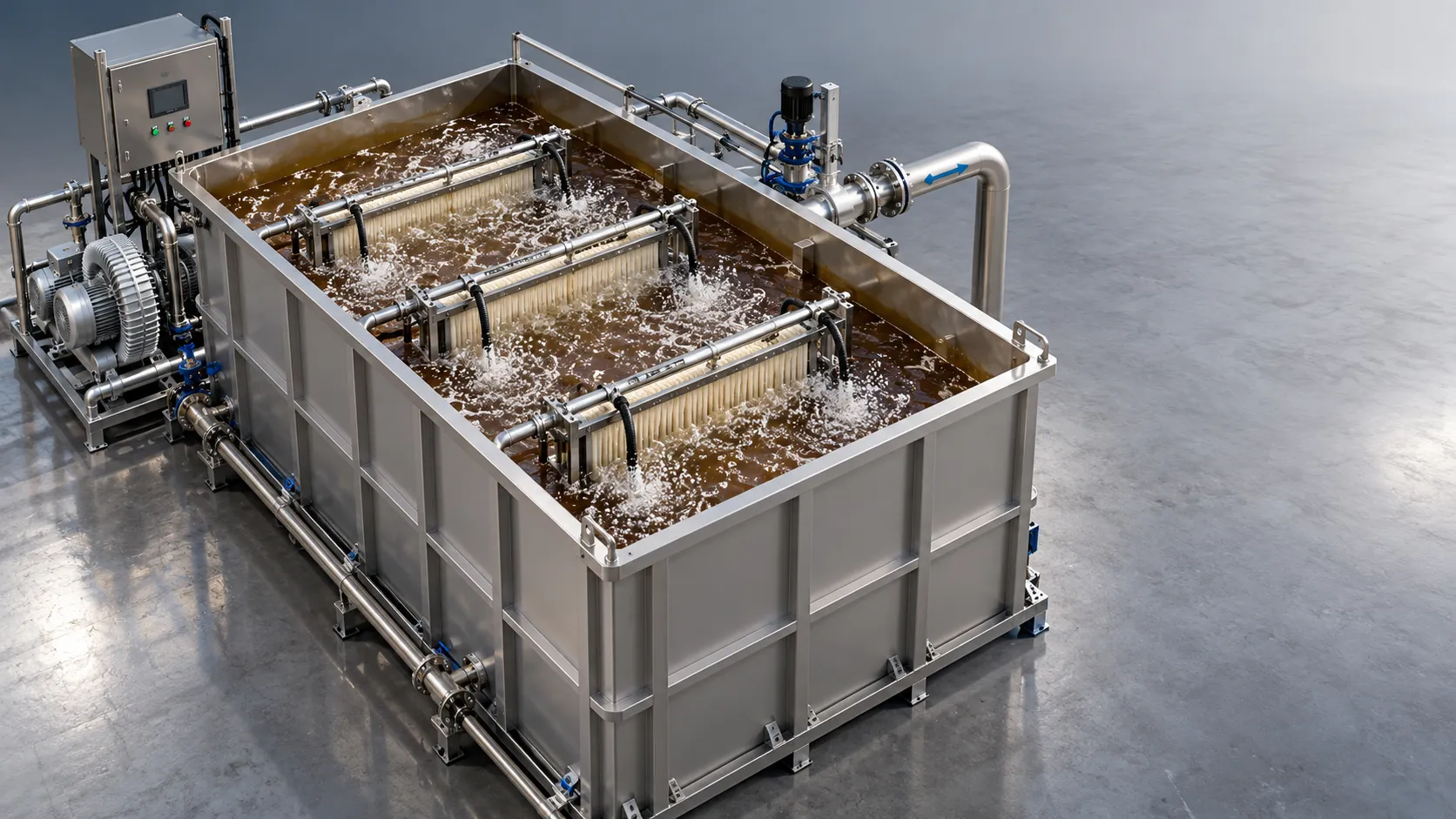
When is an MBR suitable for wastewater purification for bioprocessing?
For wastewater purification for bioprocessing, discover when an MBR fits your needs. Compare water quality, fouling risks, and lifecycle costs before investing.

How to check a water treatment quotation for hidden project costs
Review your water treatment quotation for hidden costs, scope gaps, and operating expenses. Learn what to check before signing to protect your budget and avoid costly surprises.

How to vet ingredient processing equipment manufacturers using trials
Vet ingredient processing equipment manufacturers with real-world trials. Learn how to verify yield, cleaning, energy use, and scale-up before you invest.
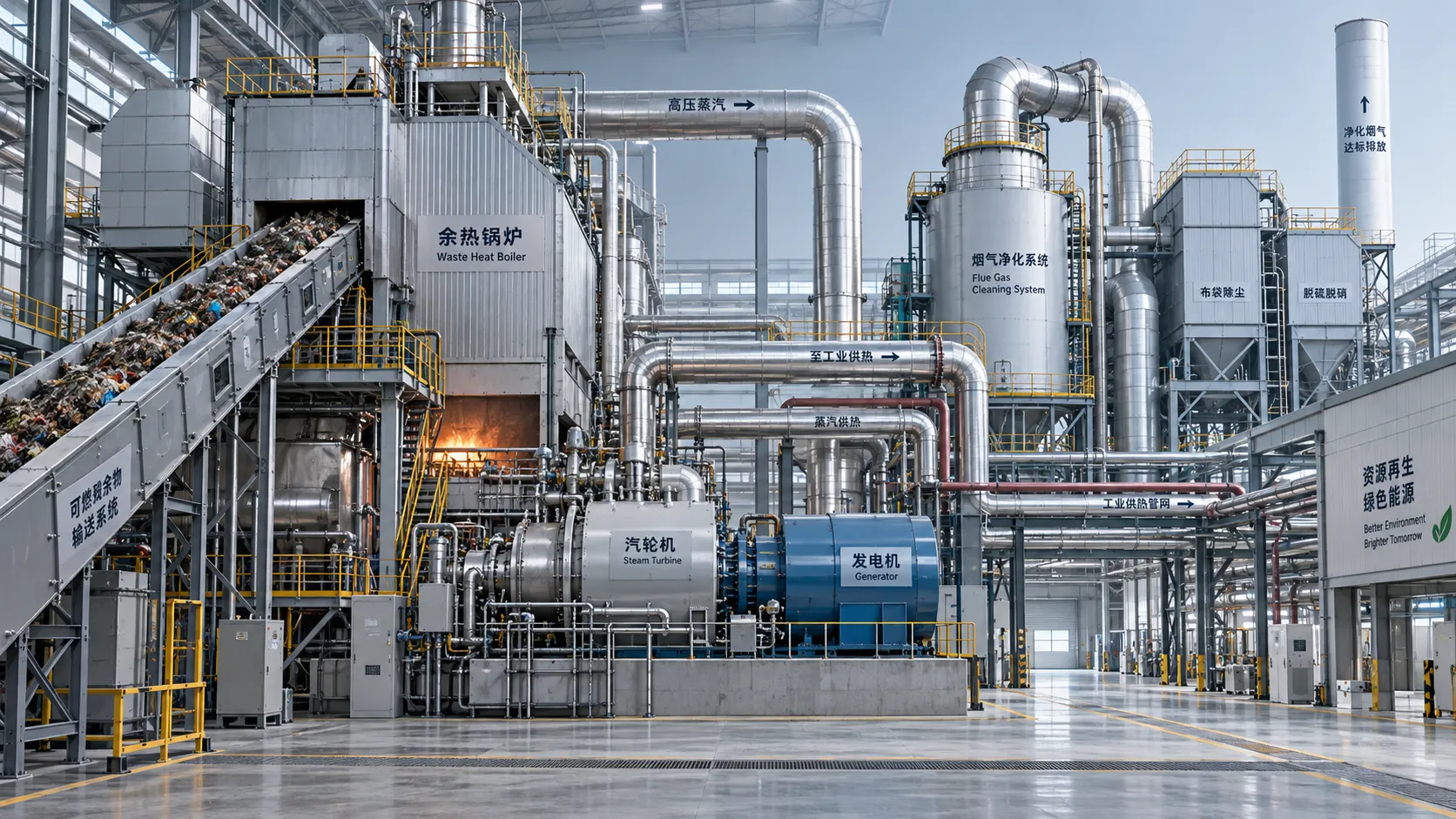
When is energy recovery viable in the solid waste recovery process?
When is energy recovery viable in the solid waste recovery process? Explore feedstock quality, net energy, emissions, and costs to assess feasibility and make smarter investment decisions.
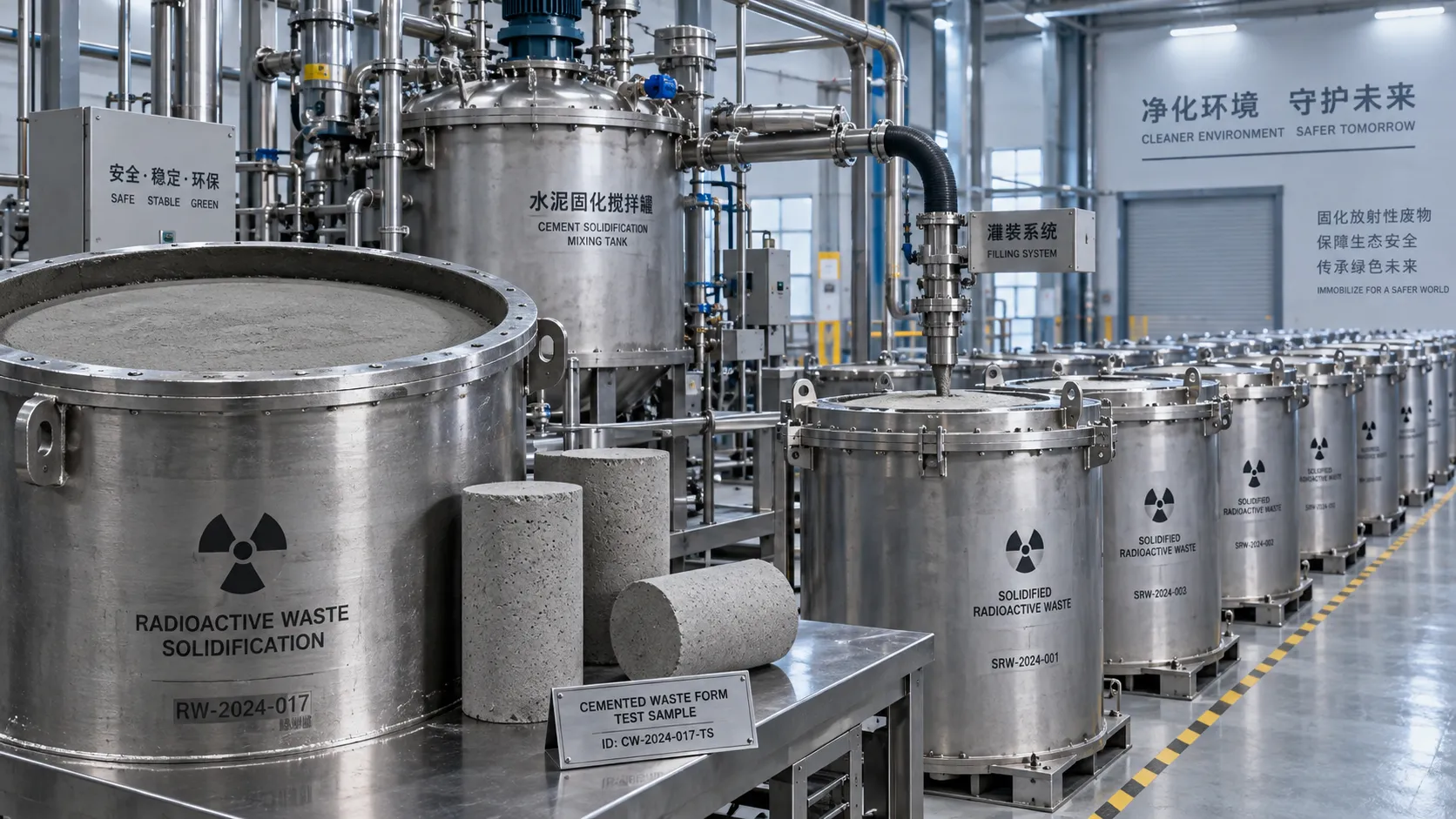
When is cementation suitable for nuclear decommissioning waste?
Explore nuclear waste treatment technology for decommissioning: learn when cementation fits, which risks to assess, and how disposal criteria guide an effective treatment choice.