
Industry News
Curation by industry experts
Hot Articles
Popular Tags
Green Tech Innovations in Water Treatment for 2026
Green tech innovations in water treatment are moving from technical preference to board-level priority for 2026. Water stress, tighter discharge rules, carbon accountability, and financing discipline now shape how industrial and municipal projects are screened.
That shift matters because treatment systems are no longer judged only by effluent quality. They are also measured by energy intensity, data transparency, recovery potential, and their ability to stay compliant under changing regulatory regimes.
Across this landscape, water treatment connects with desalination, waste recovery, air pollution control, and even nuclear safety logic. That wider systems view, emphasized by ESD’s intelligence-led approach, is increasingly useful when comparing long-life infrastructure decisions.
Why 2026 becomes a decisive year
Several pressures are converging at once. Water scarcity is intensifying in industrial zones, while discharge permits are becoming more detailed on salts, micropollutants, nutrient loads, and sludge handling.
At the same time, capital allocation is more selective. Projects must show operational resilience, not just design ambition. A system that saves water but drives unstable energy costs may no longer look attractive.
CBAM-linked compliance thinking also changes procurement behavior. Export-oriented operations increasingly treat water management as part of a broader environmental performance profile, not an isolated utility function.
This is why green tech innovations in water treatment now sit closer to risk management, financing quality, and market access than in previous investment cycles.
What counts as green innovation in water treatment
The term covers more than low-energy equipment. In practice, it refers to treatment solutions that improve water quality outcomes while reducing resource burden and strengthening operational intelligence.
This usually includes advanced membranes, high-efficiency biological systems, chemical optimization, water reuse loops, digital monitoring, and Zero Liquid Discharge strategies where local conditions justify them.
It also includes technologies that recover value from waste streams. Brine concentration, phosphorus recovery, heat reuse, and sludge-to-resource pathways can change a project from pure compliance cost to strategic asset.
In other words, green tech innovations in water treatment combine purification performance with decarbonization, circularity, and operational visibility.
Core technology directions
- Low-fouling and high-selectivity membranes for industrial reuse and desalination.
- Smart sensors that detect drift before compliance failure occurs.
- Energy-optimized aeration, pumping, and thermal integration.
- ZLD trains designed for high-salinity or high-risk discharge scenarios.
- Resource recovery modules that improve lifecycle economics.
Where the market is focusing attention
Large water treatment plants remain central, especially where municipal expansion overlaps with industrial discharge complexity. The challenge is no longer scale alone. It is stable performance under variable influent conditions.
High-concentration industrial wastewater is another focal point. Sectors such as chemicals, mining, power, and electronics need systems that can handle dissolved solids, toxic trace compounds, and recovery targets simultaneously.
Desalination is receiving renewed attention as well. The conversation has moved beyond capacity expansion toward membrane durability, energy recovery, pretreatment chemistry, and brine management.
That broader lens mirrors ESD’s sector view. Water treatment decisions increasingly intersect with waste recovery logic, emissions compliance, and strategic infrastructure planning across the ecological engineering chain.
A practical comparison framework
How business value is really created
The strongest business case rarely comes from a single metric. It comes from the combined effect of water savings, permit stability, reduced chemical use, lower energy demand, and fewer unplanned interruptions.
For example, a better membrane system may not look cheapest on day one. Yet higher recovery, slower fouling, and lower cleaning frequency can improve total economics over the contract life.
The same applies to ZLD. It is not automatically the right answer everywhere. But in water-scarce regions, high-salinity industries, or highly sensitive discharge jurisdictions, it can provide exceptional strategic value.
Green tech innovations in water treatment also create softer, but increasingly measurable, value. They improve financing credibility, support ESG disclosures, and strengthen confidence in cross-border project participation.
Signals of stronger long-term ROI
- The process design tolerates influent variability without heavy manual intervention.
- Energy demand remains predictable under seasonal or production swings.
- Reuse or recovery pathways reduce freshwater and disposal dependence.
- Digital records support audits, tendering, and insurer review.
- The equipment roadmap allows phased upgrades rather than full replacement.
Typical scenarios where the difference becomes visible
In municipal infrastructure, the issue is often balancing expansion with affordability. Here, green innovation tends to center on energy-efficient biological treatment, nutrient removal, and data-driven operations.
In heavy industry, the decisive factor is often chemistry complexity. Treatment trains must manage scaling, toxic organics, metals, and concentrate handling without turning operations into a maintenance burden.
In coastal regions, desalination projects are judged by more than output volume. Pretreatment robustness, energy recovery devices, membrane life, and brine strategy now drive comparative advantage.
Even adjacent sectors matter. Waste recovery systems and flue gas treatment increasingly share decarbonization logic, monitoring infrastructure, and resource efficiency goals with advanced water platforms.
What deserves closer scrutiny before any decision
Performance claims should always be matched against operating context. A strong pilot result does not automatically translate into full-scale reliability if feedwater variability, labor capability, or utility conditions are different.
It is also worth checking whether sustainability claims depend on ideal maintenance discipline. Some green tech innovations in water treatment perform well only when calibration, cleaning, and consumable control remain exceptionally consistent.
Another common blind spot is concentrate and residuals management. A project may improve front-end water quality while shifting environmental pressure to sludge, brine, or secondary waste streams.
This is where intelligence depth matters. ESD’s analytical perspective is relevant because technical choices must be read alongside regulation, materials science, equipment maturity, and procurement strategy.
Useful checks during evaluation
- Review full lifecycle cost, not only EPC price.
- Test assumptions on water quality fluctuation and peak loads.
- Examine consumables, replacement cycles, and service access.
- Verify digital monitoring depth and reporting compatibility.
- Assess how residual waste is handled under stricter rules.
A grounded way to move forward
Green tech innovations in water treatment should be assessed as strategic infrastructure, not as isolated equipment packages. The best decisions usually begin with a clearer map of water risk, compliance exposure, reuse opportunity, and energy sensitivity.
From there, comparison becomes more disciplined. It becomes easier to separate headline innovation from durable value, and to identify which technologies fit municipal networks, industrial clusters, or desalination-heavy regions.
For 2026 planning, the practical next step is to build a decision framework around recovery rates, energy demand, digital traceability, residuals management, and regulatory adaptability. That is where stronger partnerships and more defensible investments usually emerge.
Recommended News
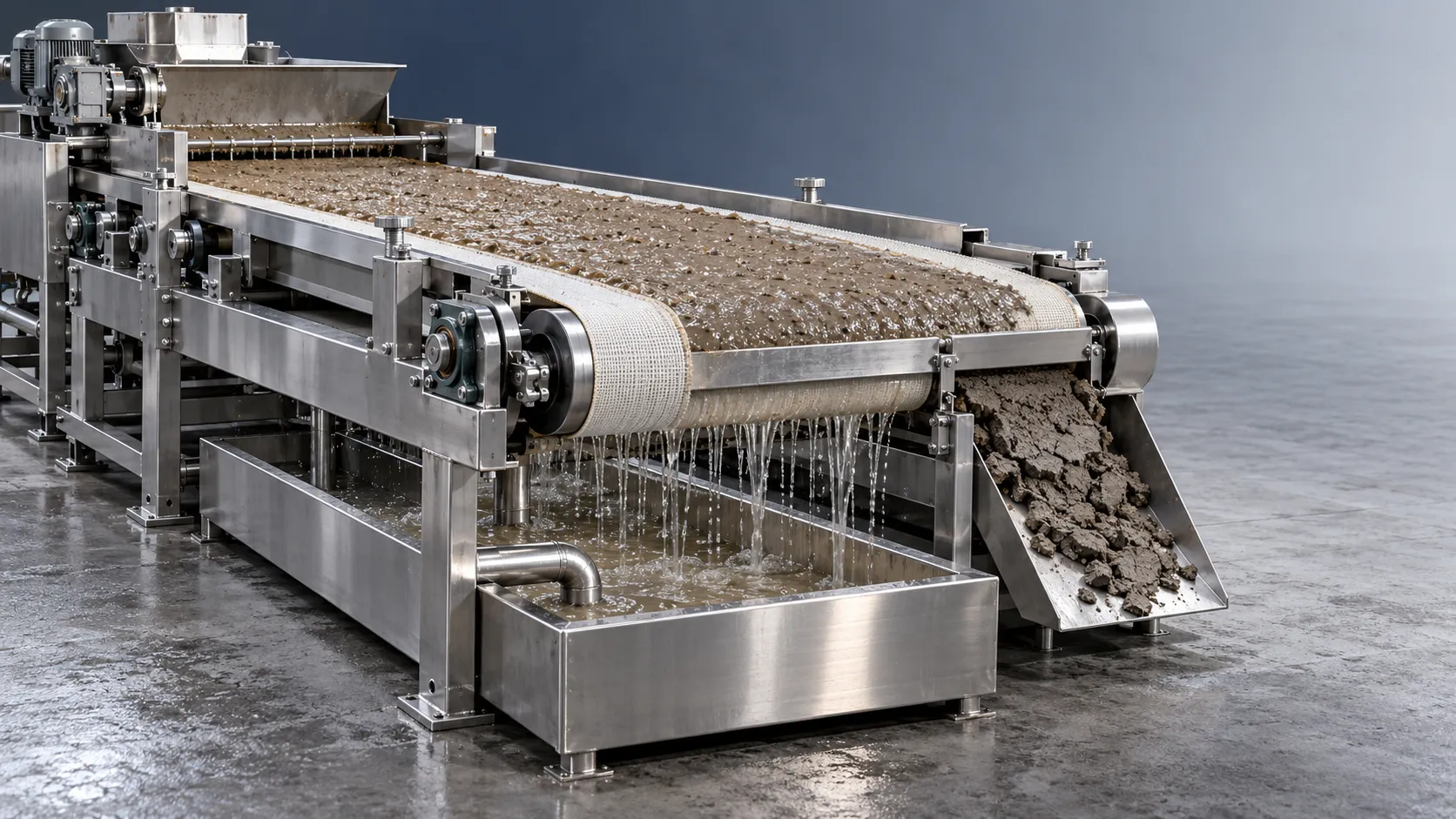
How solids concentration affects dewatering in waste recovery systems
Optimize waste recovery systems dewatering with insights on solids concentration. Learn to balance throughput, cake dryness, and solids capture while avoiding costly equipment overloads.
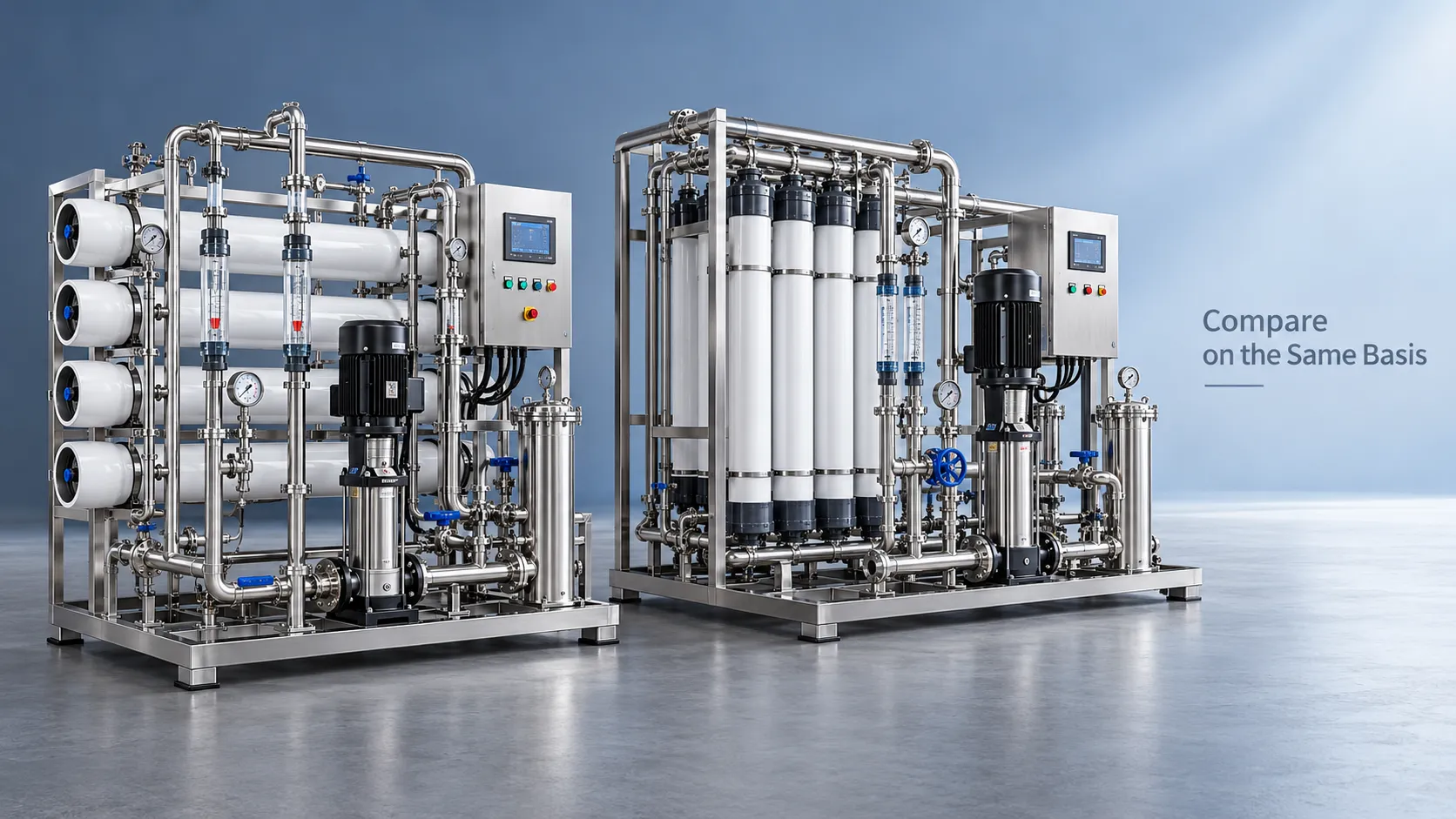
How to compare technical specs in an environmental equipment directory
Use this environmental equipment directory technical guide to compare capacity, energy use, compliance, and supplier evidence. Build a defensible shortlist and choose with confidence.
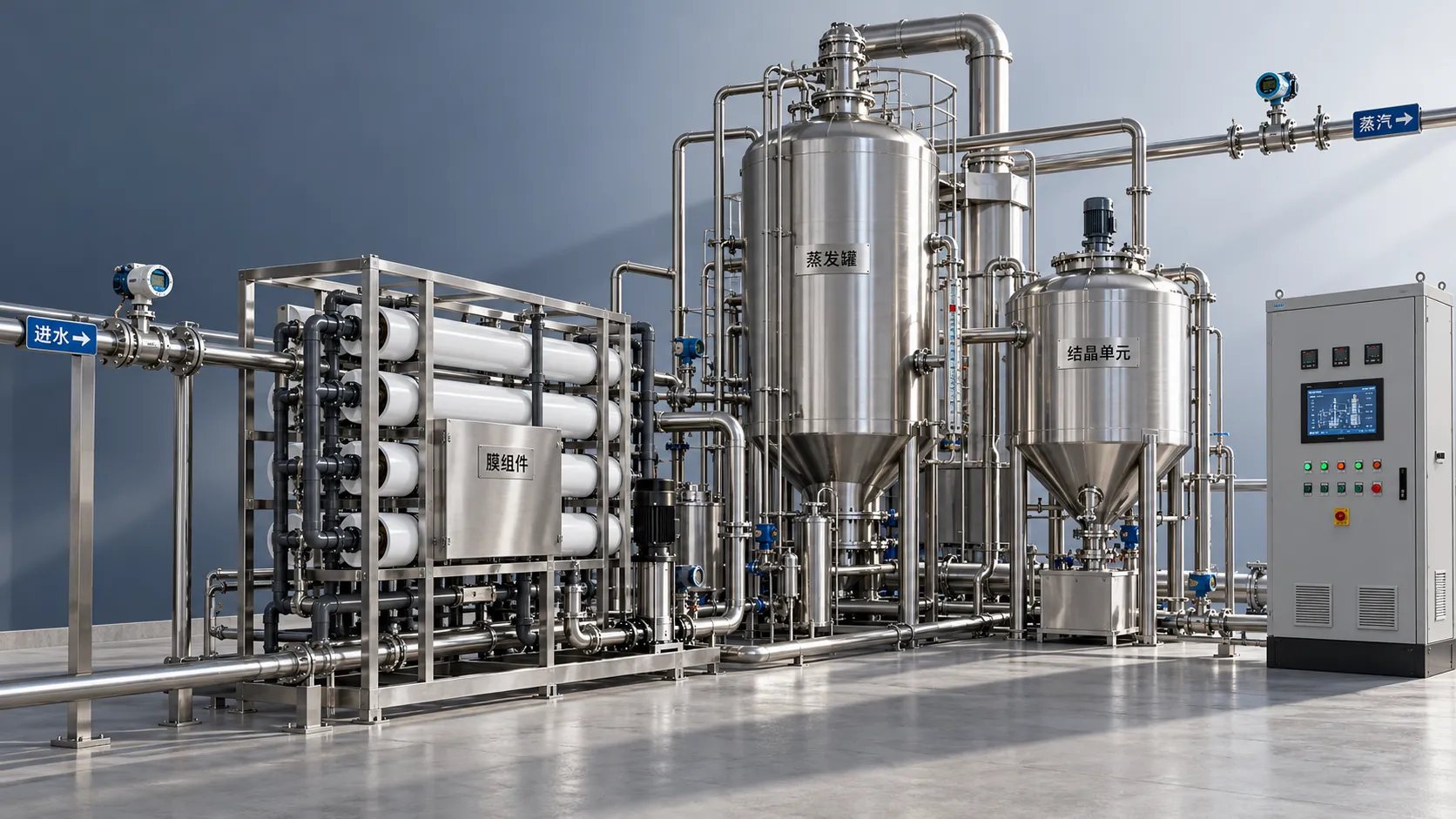
How to assess a zero liquid discharge equipment supplier’s energy claims
Assess a zero liquid discharge equipment supplier’s energy claims. Learn how to verify system boundaries, compare real costs, and demand testable guarantees before you buy.
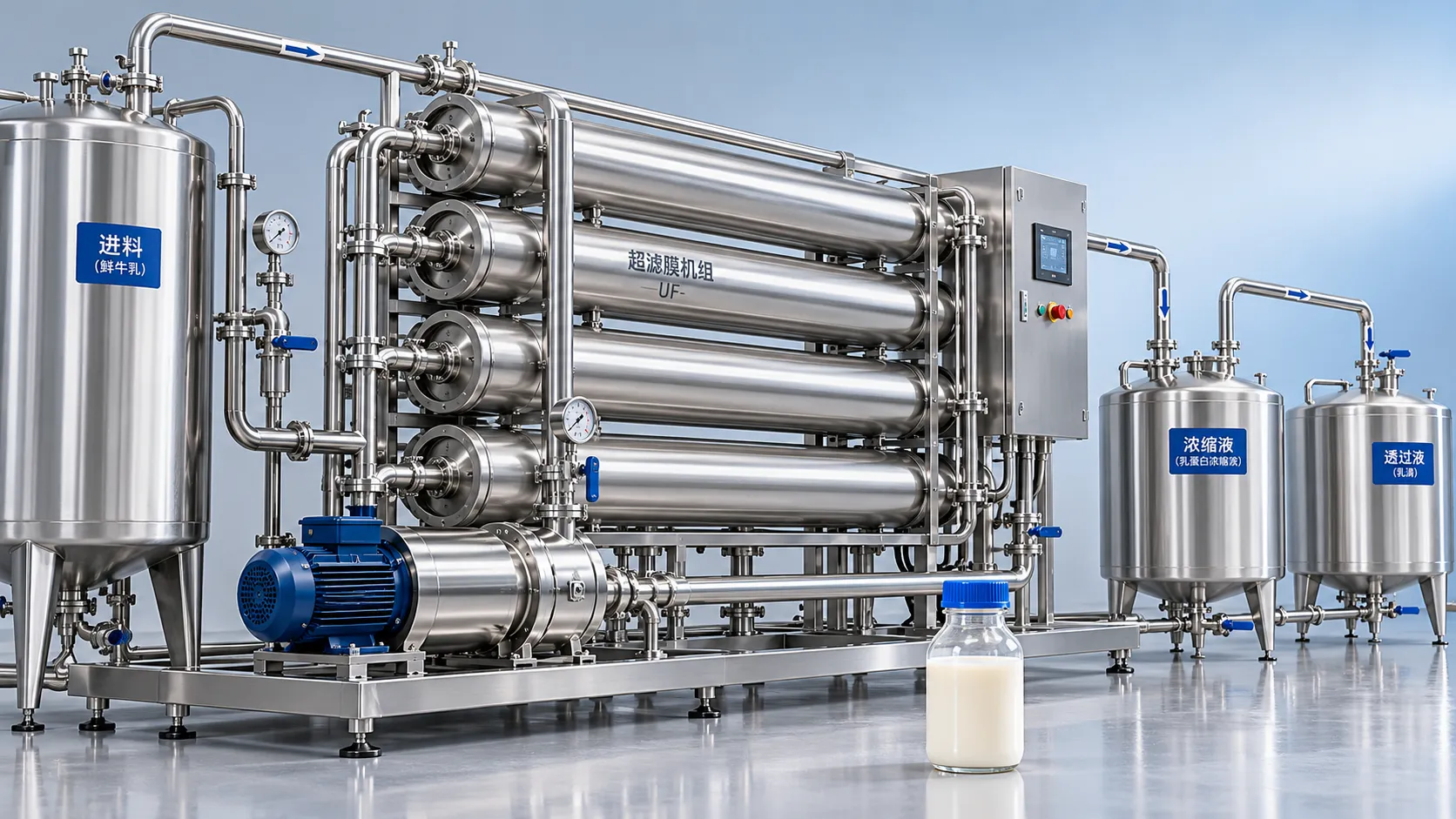
Which membrane filtration process suits dairy protein concentration?
Explore membrane filtration for dairy: compare UF, MF, and RO to select the right process for protein concentration, lactose reduction, and better recovery. Find your best fit.
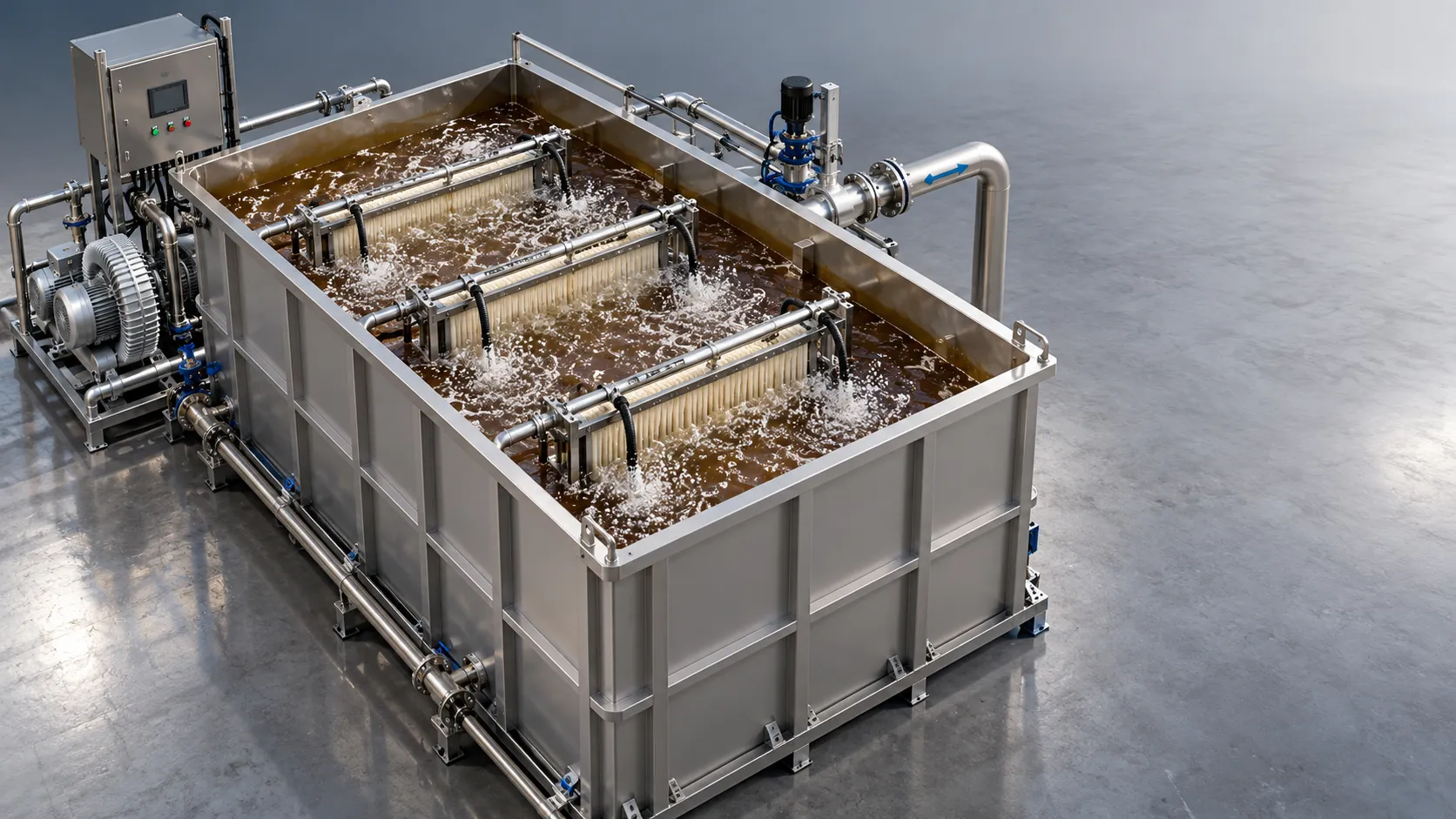
When is an MBR suitable for wastewater purification for bioprocessing?
For wastewater purification for bioprocessing, discover when an MBR fits your needs. Compare water quality, fouling risks, and lifecycle costs before investing.
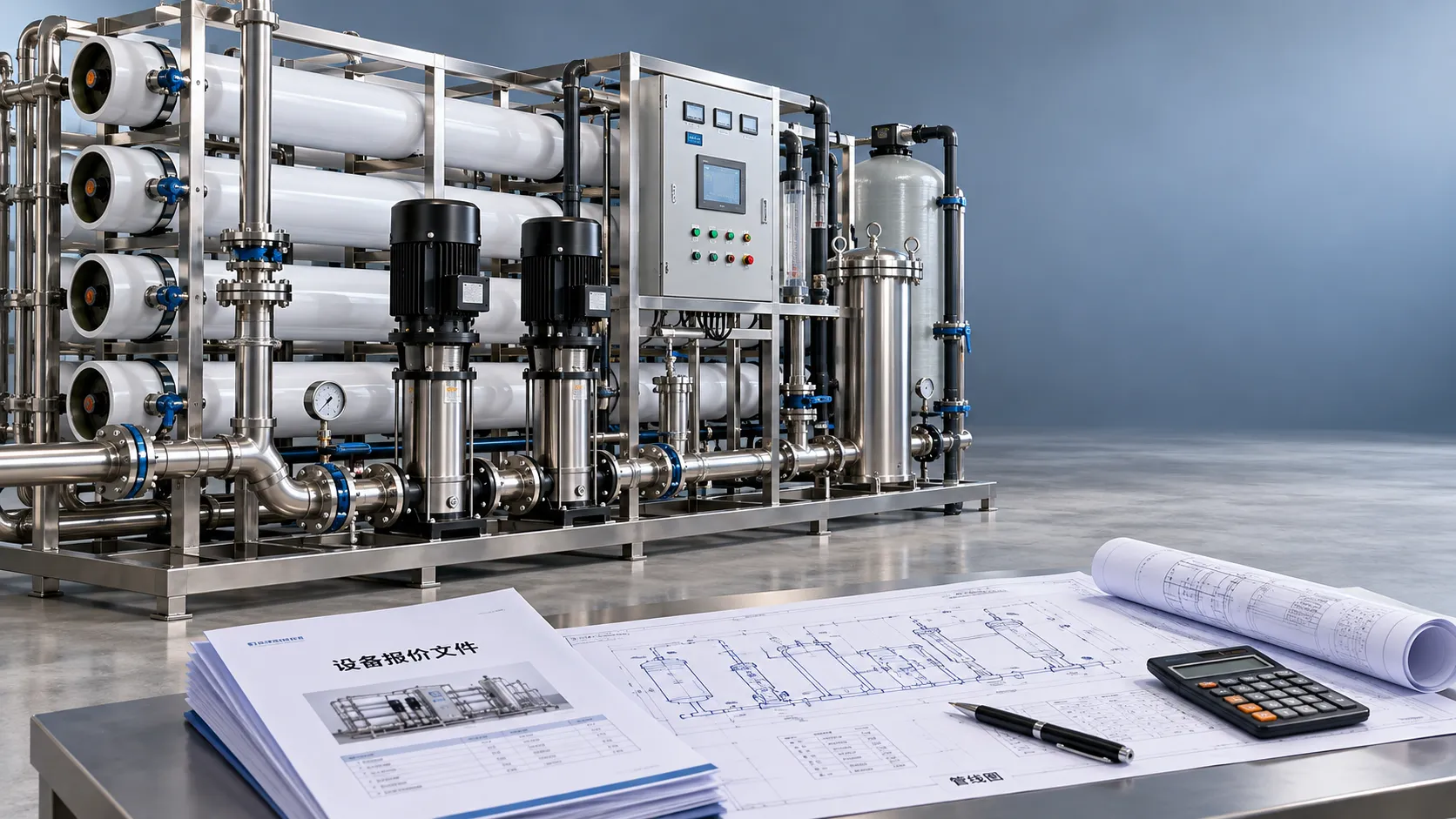
How to check a water treatment quotation for hidden project costs
Review your water treatment quotation for hidden costs, scope gaps, and operating expenses. Learn what to check before signing to protect your budget and avoid costly surprises.
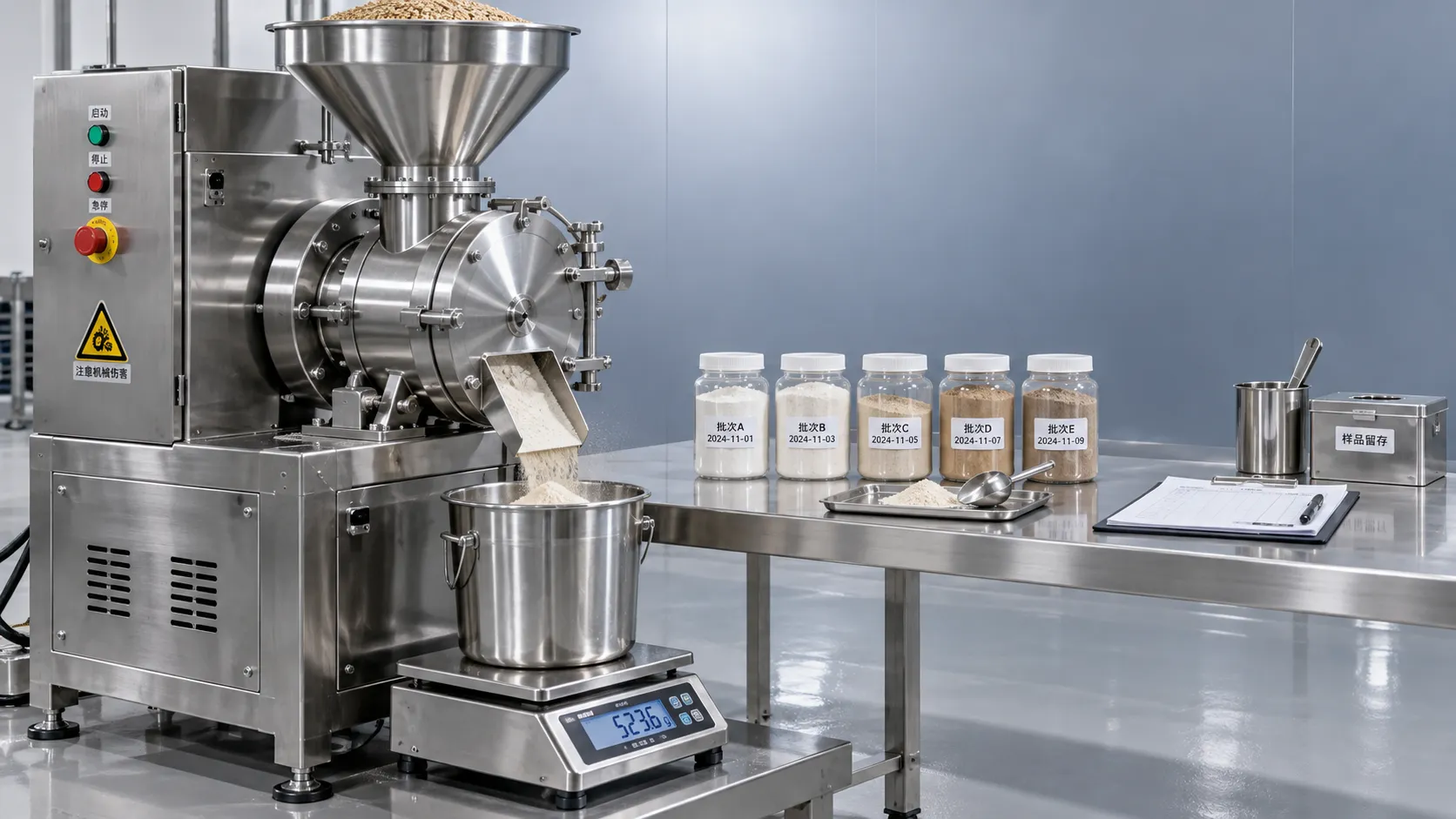
How to vet ingredient processing equipment manufacturers using trials
Vet ingredient processing equipment manufacturers with real-world trials. Learn how to verify yield, cleaning, energy use, and scale-up before you invest.
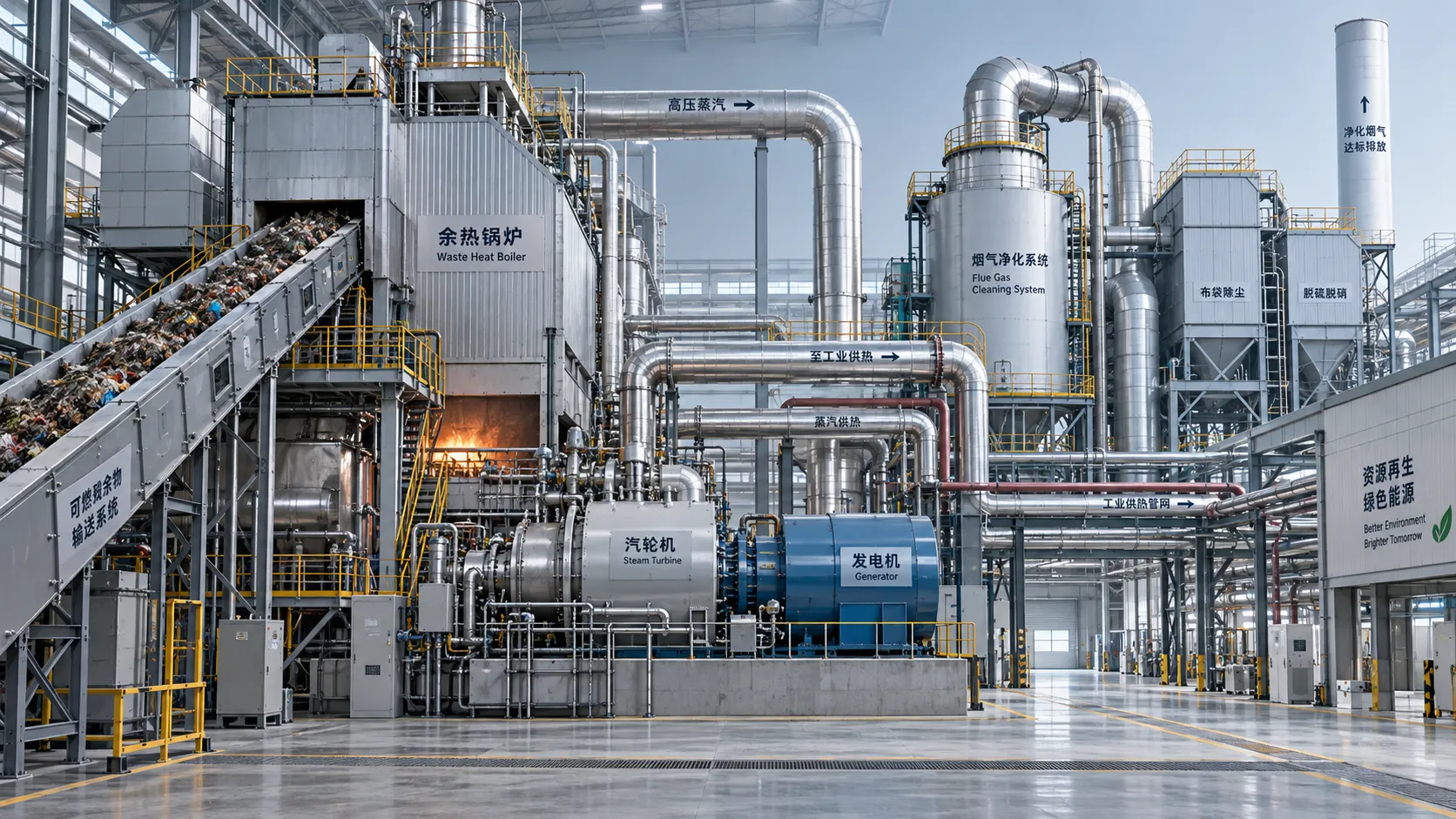
When is energy recovery viable in the solid waste recovery process?
When is energy recovery viable in the solid waste recovery process? Explore feedstock quality, net energy, emissions, and costs to assess feasibility and make smarter investment decisions.
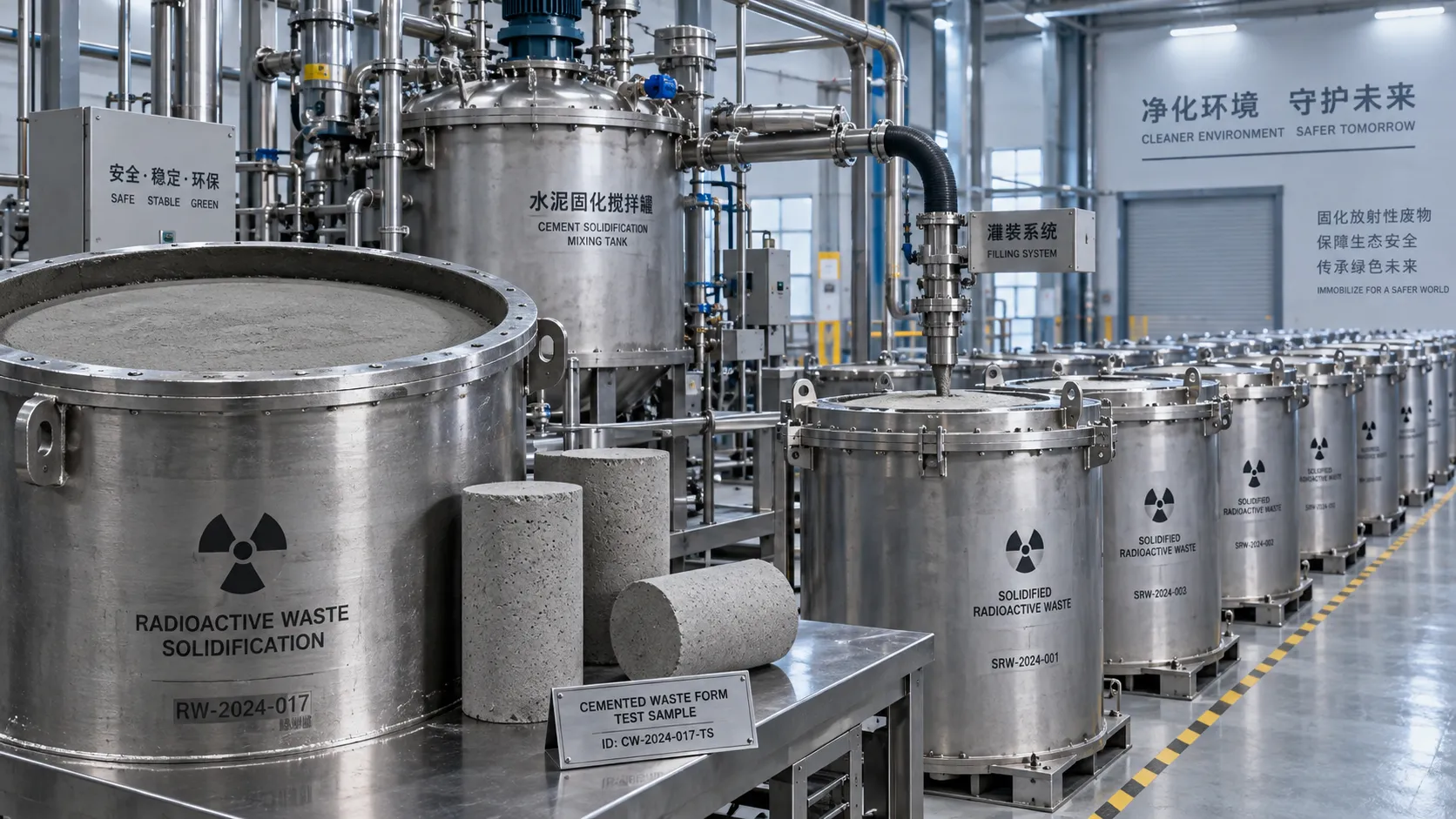
When is cementation suitable for nuclear decommissioning waste?
Explore nuclear waste treatment technology for decommissioning: learn when cementation fits, which risks to assess, and how disposal criteria guide an effective treatment choice.