
Industry News
Curation by industry experts
Hot Articles
Popular Tags
Environmental Regulations Compliance Guide for 2026 Plants
Staying ahead of environmental rules in 2026 requires more than routine checks—it demands a practical environmental regulations compliance guide tailored to plant operations. This guide explains how facilities can align monitoring, reporting, equipment reliability, and risk control with evolving standards. It also helps protect uptime, audit readiness, permit stability, and long-term sustainability across water, waste, flue gas, desalination, and nuclear-adjacent operations.
What does an environmental regulations compliance guide for 2026 actually cover?
A strong environmental regulations compliance guide is not only a legal checklist. It is an operating framework linking permits, emissions, discharges, waste handling, data integrity, and corrective action.
In 2026, plants face tighter connections between environmental performance, trade exposure, investor review, and public reporting. Compliance now affects contracts, financing, insurance, and export competitiveness.
For complex facilities, the guide should include:
- Applicable laws, permits, and sector-specific thresholds
- Emission, effluent, and waste tracking rules
- Sampling, calibration, and record retention procedures
- Incident reporting and escalation timelines
- Supplier, contractor, and transport compliance controls
- Internal audit schedules and management review cycles
This wider scope matters in industries with interconnected systems. A wastewater upset can trigger sludge problems. A flue gas deviation can affect byproduct handling. A reporting error can become a legal risk.
That is why an environmental regulations compliance guide should connect technical performance with governance discipline. Plants need both process control and documentary proof.
Which plants are most affected by 2026 environmental compliance changes?
Nearly every industrial site is affected, but some operations face greater pressure because of pollutant intensity, water stress, waste complexity, or cross-border supply chain exposure.
The most exposed facilities often include large water treatment plants, waste recovery systems, flue gas treatment units, seawater desalination projects, and nuclear waste handling environments.
Several patterns explain this pressure.
- High-volume discharges attract stricter monitoring frequency
- Hazardous or persistent pollutants require tighter traceability
- Energy-intensive systems face carbon and efficiency scrutiny
- Advanced treatment assets need validated performance evidence
- Export-linked sectors face disclosure expectations from buyers
For example, zero liquid discharge projects may meet strict water goals, yet still struggle with concentrate management, energy use, and solids disposal compliance.
Likewise, AI sorting and pyrolysis lines can improve circularity, but regulators increasingly examine feedstock classification, air emissions, residue quality, and downstream accountability.
An environmental regulations compliance guide should therefore be site-specific. Generic policy summaries rarely address actual permit limits, operating envelopes, or emergency obligations.
How should a plant build a practical environmental regulations compliance guide?
The best approach starts with a compliance map. This map should identify every regulated activity, every required record, and every responsible function.
A workable sequence looks like this:
- List permits, licenses, discharge points, emission points, and storage areas.
- Translate legal text into operational tasks and measurable controls.
- Assign ownership for monitoring, maintenance, reporting, and approval.
- Set frequencies for testing, inspections, training, and document review.
- Define escalation triggers for exceedances, leaks, and abnormal trends.
- Test the system through mock audits and incident drills.
Documentation must be simple enough for daily use. If procedures are too complex, operators bypass them. If records are inconsistent, auditors question the whole program.
Good compliance design also depends on equipment intelligence. Instruments, analyzers, flow meters, stack monitors, membrane data, and residue testing should feed one controlled evidence trail.
For advanced environmental infrastructure, ESD-style intelligence is useful here. It links regulations with technical realities such as membrane fouling, catalyst aging, or vitrification stability.
That connection helps turn an environmental regulations compliance guide into a living management tool, not a binder opened only before inspections.
What are the biggest compliance risks and common mistakes in 2026?
Many compliance failures do not begin with major spills. They begin with small control gaps that remain unnoticed until a regulator, customer, or insurer reviews the evidence.
Common mistakes include outdated legal registers, weak change management, incomplete sampling chains, and overreliance on manual spreadsheets.
The following risk areas deserve close attention:
- Permit conditions misunderstood by site teams
- Monitoring points not matching approved locations
- Calibration lapses affecting data credibility
- Contractors handling waste without verified licenses
- Temporary process changes made without environmental review
- Corrective actions closed on paper but not in practice
Another major risk is fragmented accountability. Water teams may focus on discharge. Maintenance may focus on uptime. Finance may track fees. Nobody sees the whole compliance chain.
A strong environmental regulations compliance guide reduces this fragmentation by defining handoffs clearly. It also sets proof standards for every critical task.
Plants should treat data quality as a compliance issue, not just an IT issue. Regulators increasingly question timestamps, edits, missing values, and unexplained anomalies.
How can plants balance compliance, cost, and operational continuity?
This is one of the most searched questions behind any environmental regulations compliance guide. The answer is prioritization, not uncontrolled spending.
First, separate critical legal risks from optimization opportunities. Exceedance prevention, permit renewals, hazardous waste traceability, and mandatory monitoring usually come first.
Second, rank investments by exposure and consequence. A low-cost sensor upgrade may prevent a shutdown. A training refresh may reduce reporting mistakes faster than a software replacement.
Third, build compliance into maintenance planning. Scrubbers, reverse osmosis trains, evaporators, neutralization systems, and storage containment all require reliability-centered attention.
The most effective plants usually combine:
- Digital monitoring with manual verification controls
- Short compliance reviews during production meetings
- Cross-functional incident response drills
- Vendor qualification for treatment chemicals and disposal partners
- Quarterly trend analysis of near misses and deviations
An environmental regulations compliance guide should also consider future trade and carbon rules. Environmental records increasingly support market access, not only local legal defense.
What should be reviewed before an audit or regulatory inspection?
Pre-audit review should focus on evidence quality, operational consistency, and issue closure. Inspectors often test whether paperwork reflects actual site conditions.
Use this checklist before an external review:
A practical environmental regulations compliance guide should include this table or a similar internal version. Structured review improves consistency and reduces audit surprises.
Quick FAQ reference
An effective environmental regulations compliance guide for 2026 must connect legal requirements with plant realities. It should be specific, measurable, updated, and easy to use under operational pressure.
The most resilient facilities do not wait for inspections to discover weaknesses. They build traceable systems, test assumptions, and align technology performance with regulatory expectations.
As environmental standards tighten across water, waste, air, desalination, and nuclear-related infrastructure, the next step is clear: review permits, verify monitoring evidence, and refresh your environmental regulations compliance guide before small gaps become major liabilities.
Recommended News
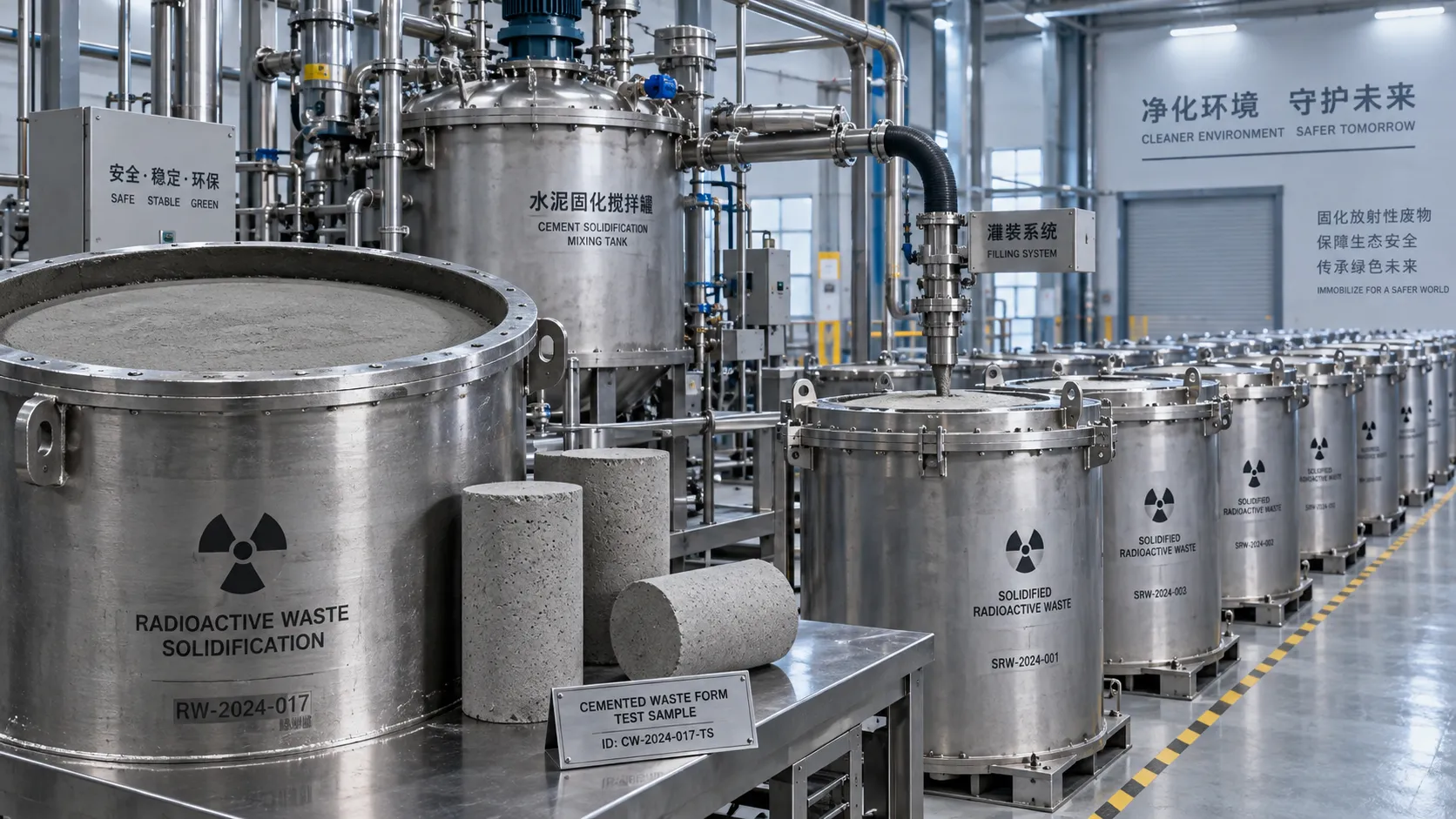
When is cementation suitable for nuclear decommissioning waste?
Explore nuclear waste treatment technology for decommissioning: learn when cementation fits, which risks to assess, and how disposal criteria guide an effective treatment choice.
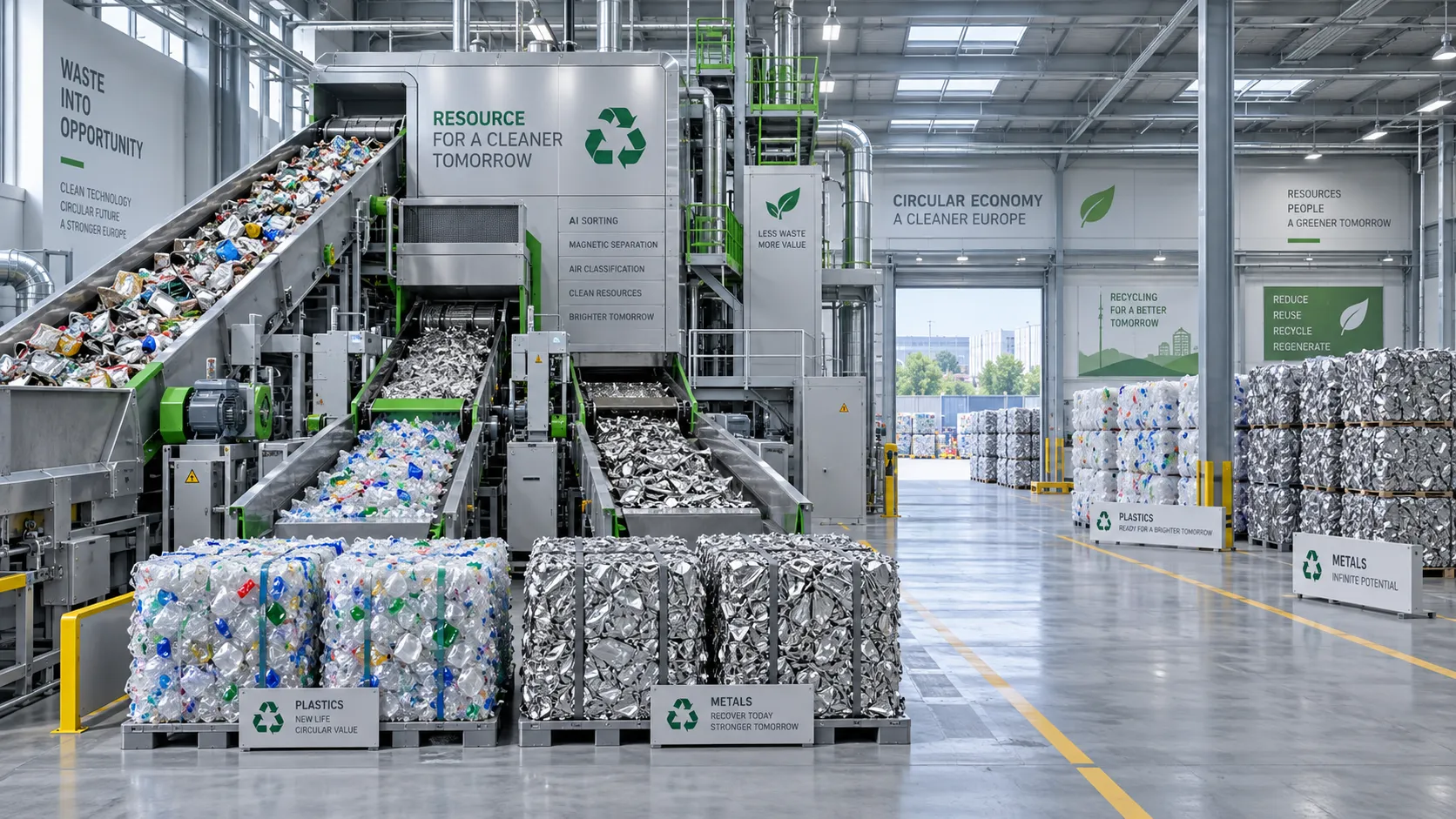
What determines payback for waste-to-resource systems in Europe?
Assess waste-to-resource systems Europe-wide: compare feedstock, recovery yields, costs and contracts to uncover payback drivers and make smarter investment decisions.
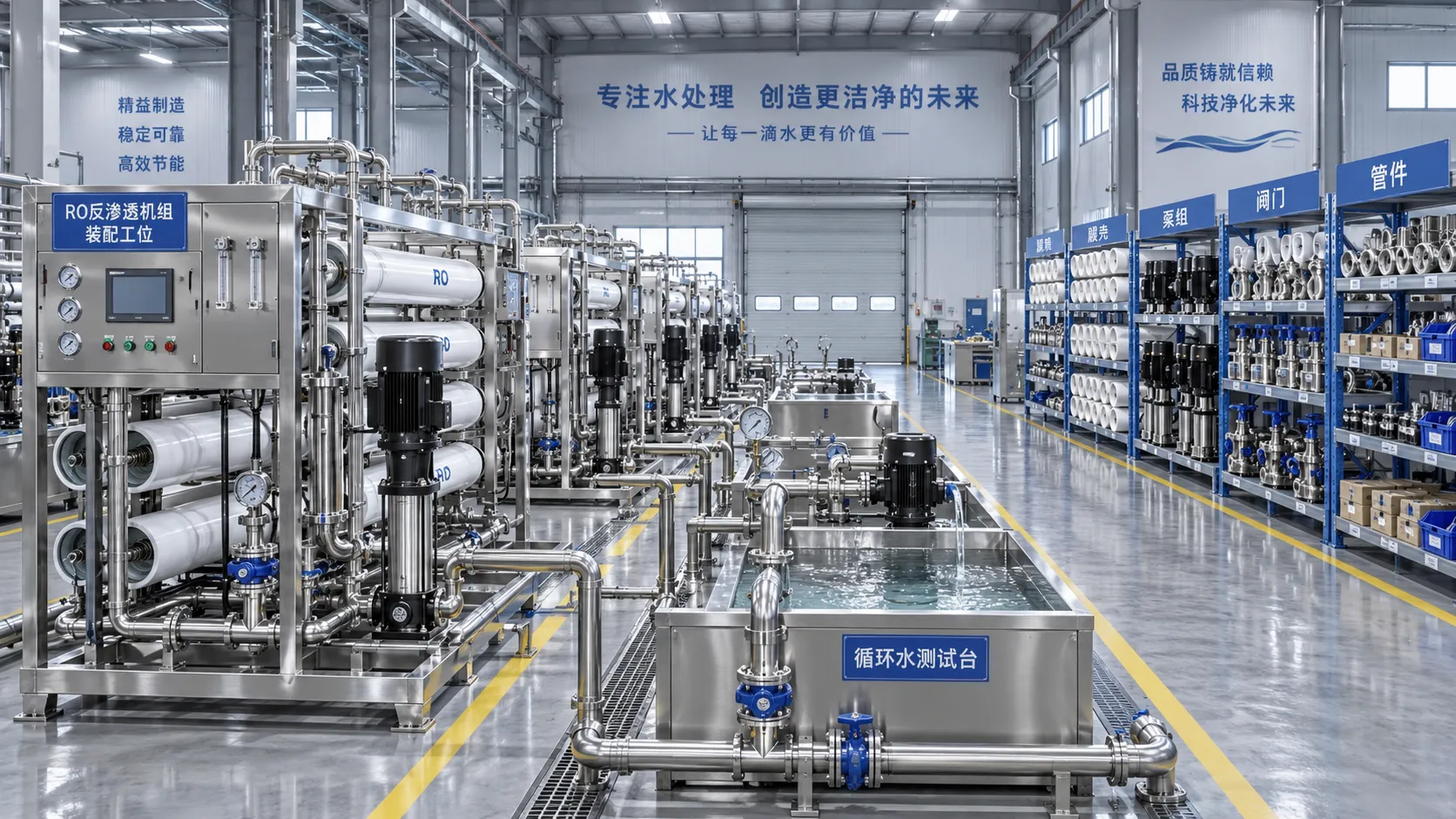
How to verify a water treatment system factory’s production capacity
Verify a water treatment systems factory’s production capacity through records, bottlenecks, component availability, and testing. Learn what to check before accepting a delivery promise.
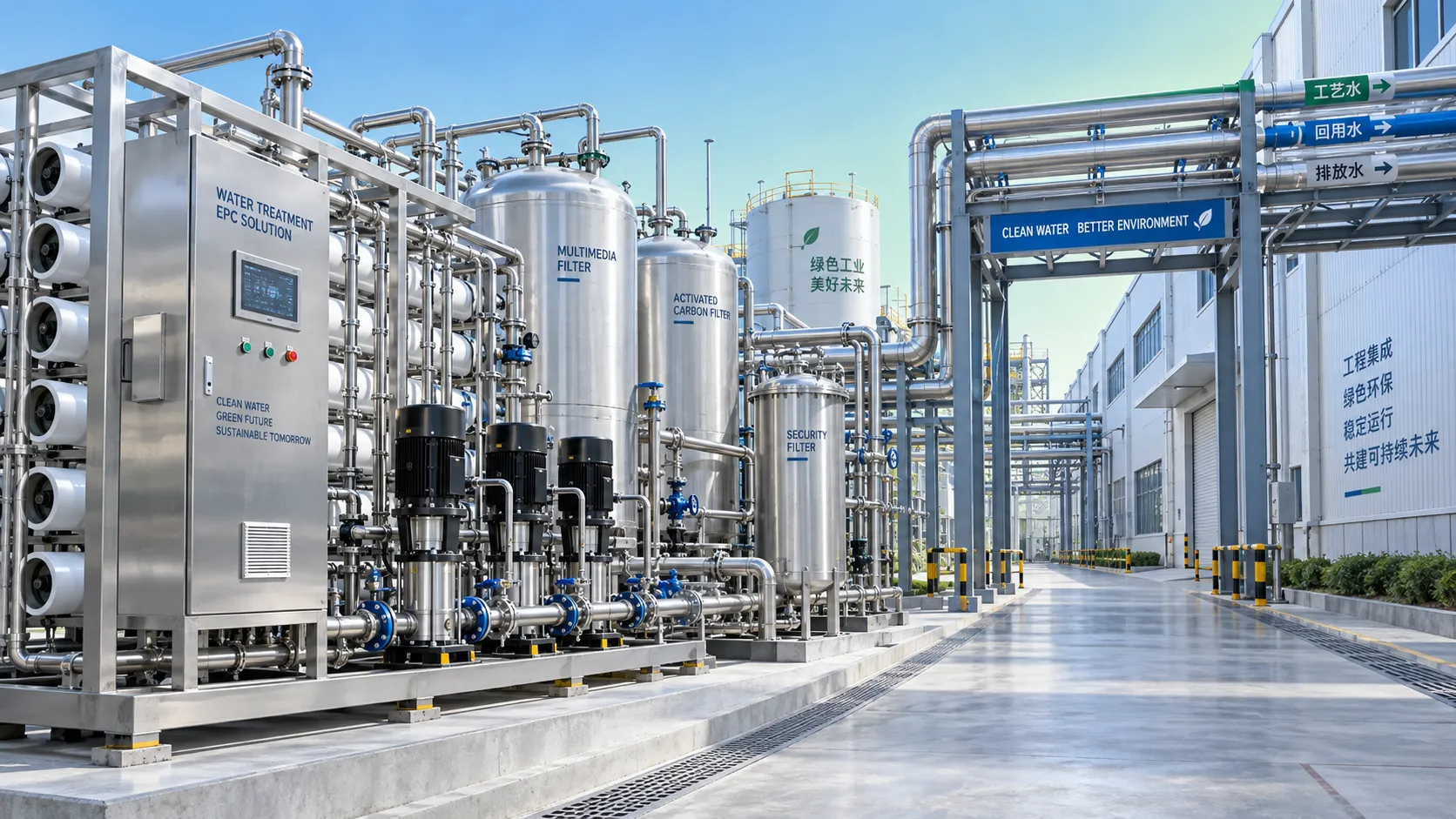
When does EPC environmental project support reduce delivery risk?
EPC environmental project support engineering reduces delivery risk by aligning design, procurement, compliance, construction, and commissioning decisions.
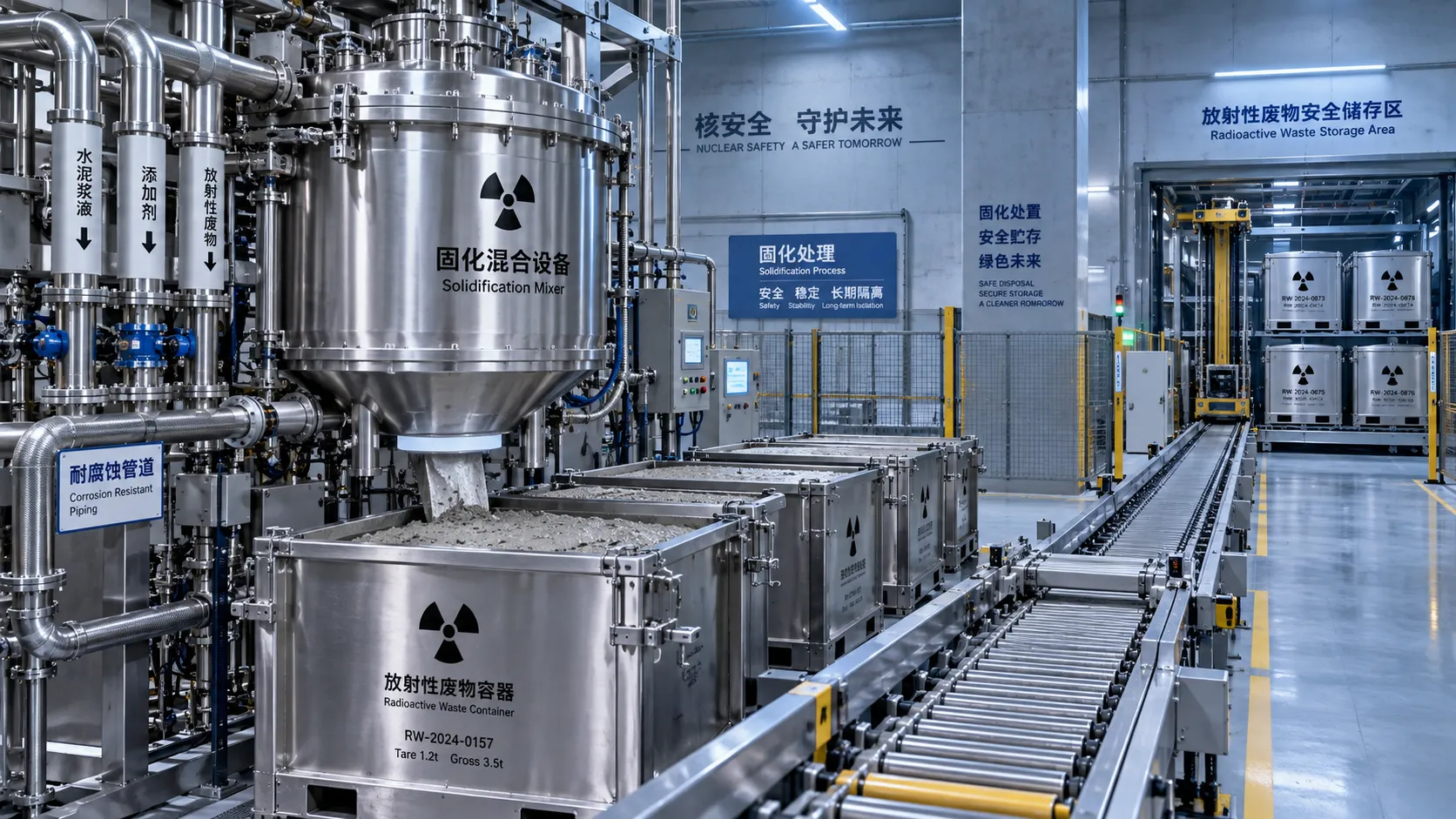
How nuclear plants select a radioactive waste solidification method
Radioactive waste management for nuclear plants: compare vitrification, cementation, polymers, and ceramics to select a compliant, durable solidification solution.
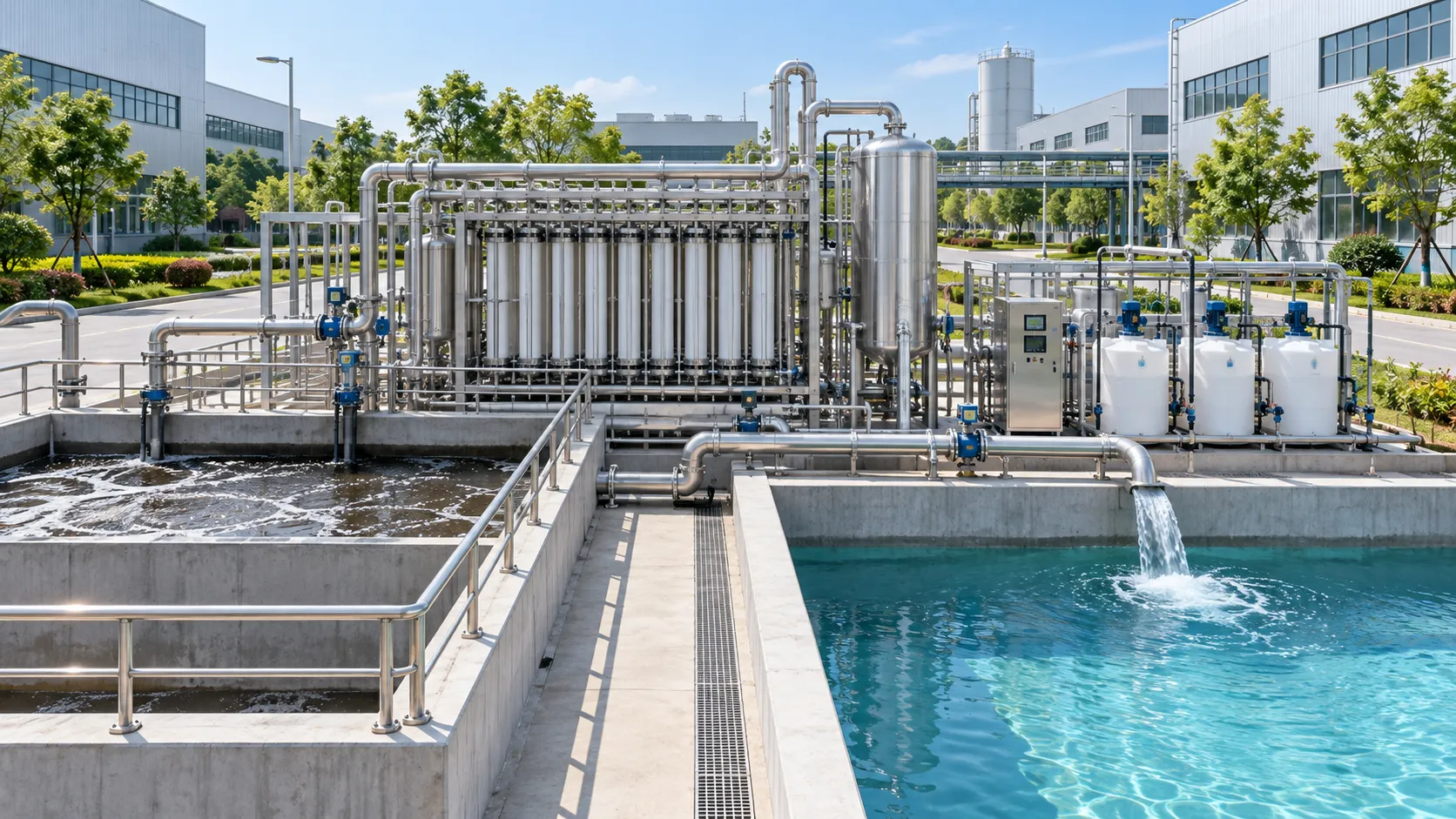
Comparing Upgrade Costs for Industrial Park Wastewater Treatment Systems
Compare costs for wastewater system upgrades in industrial parks with a lifecycle view of CAPEX, OPEX, compliance, resilience, and future expansion.
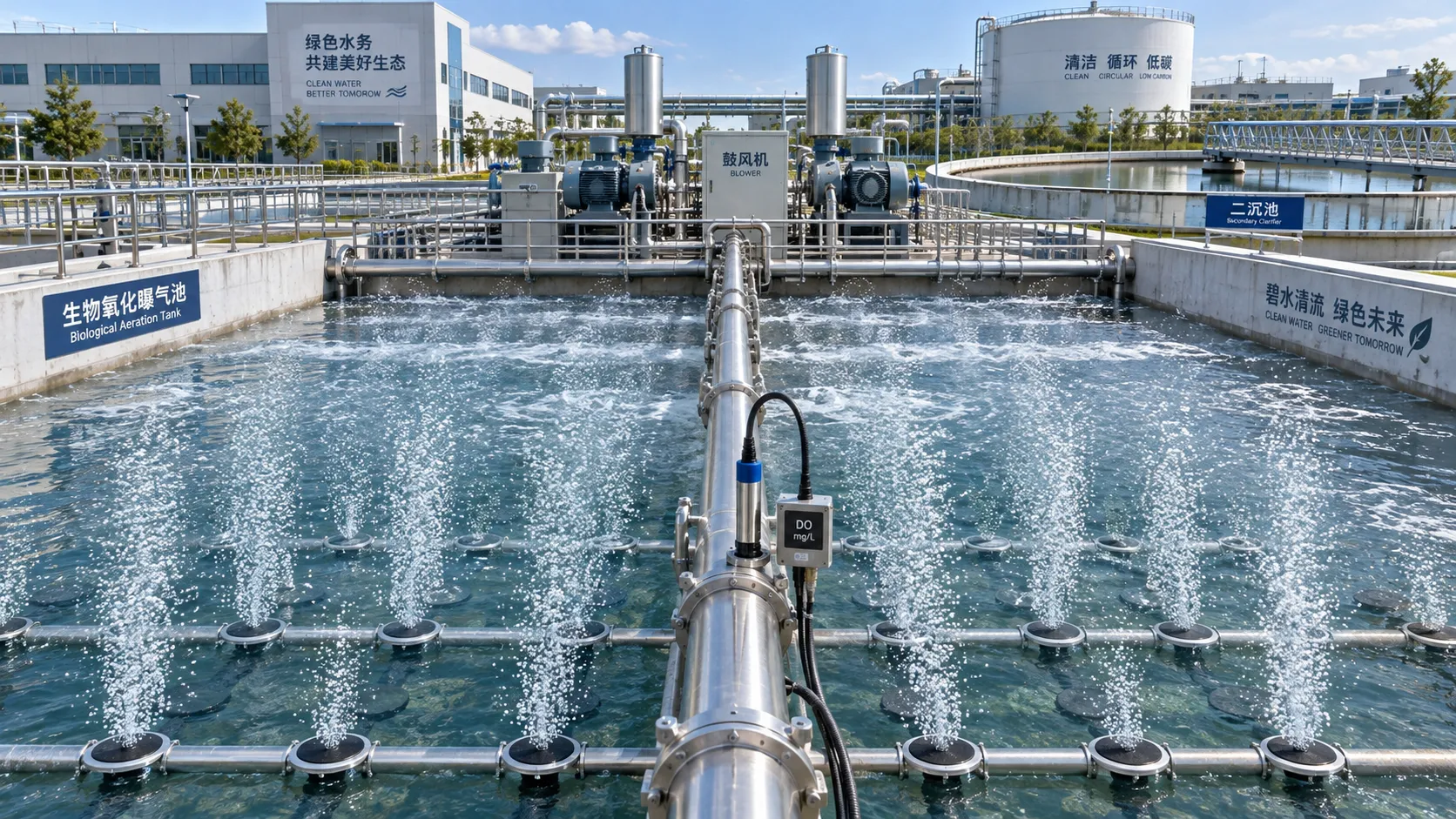
Biological Wastewater Oxidation Explained: Aeration Demand and Process Control
Biological wastewater oxidation explained: optimize aeration demand, DO control, nitrification, and sludge age for stable effluent quality and lower energy costs.
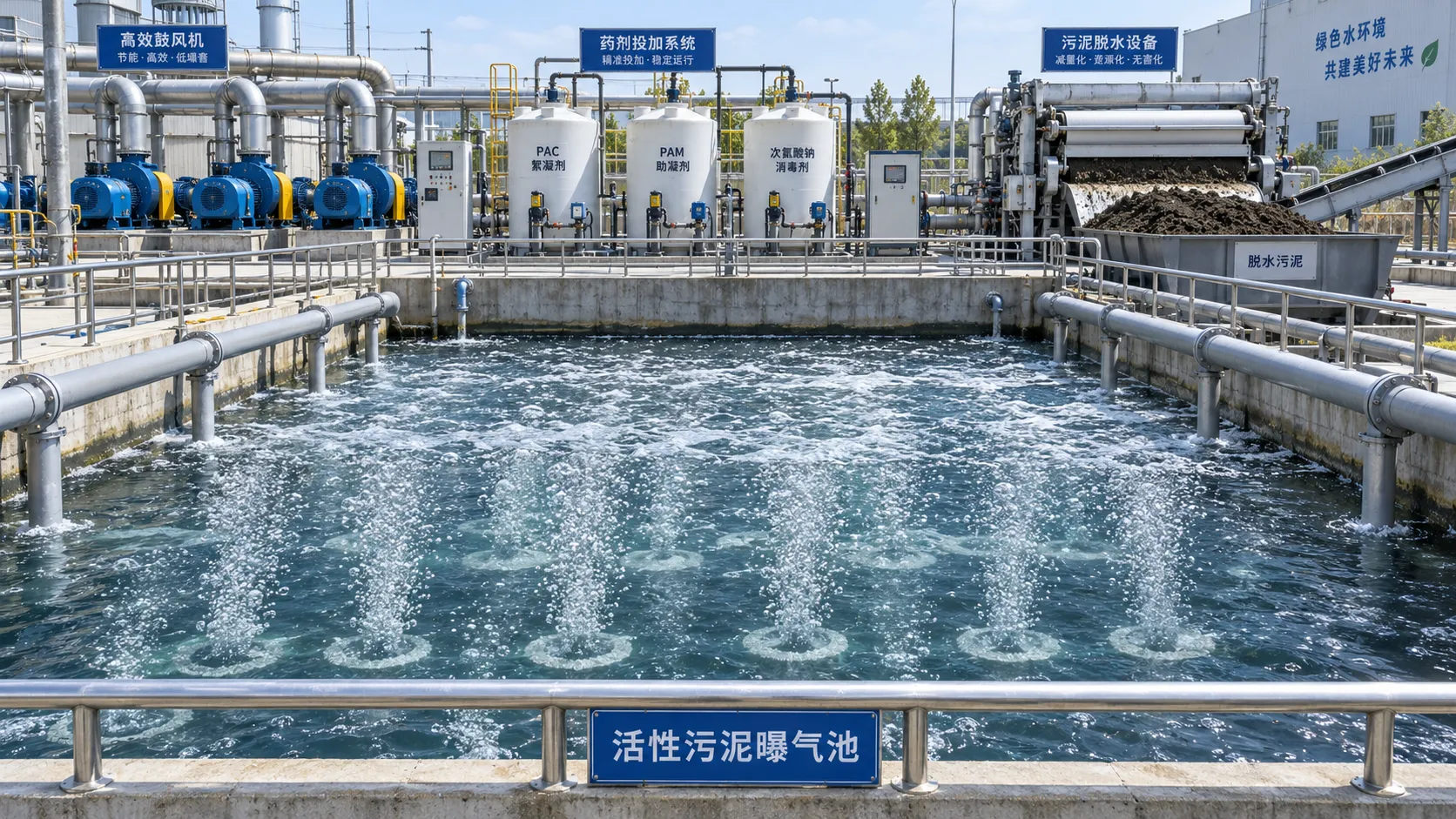
Activated Sludge Cost: Budgeting Energy, Chemicals, Sludge, and Labor
Activated sludge cost explained: compare energy, chemicals, sludge disposal, labor, and compliance risks to build a reliable lifecycle budget.
When Should Municipal Wastewater Plants Upgrade Treatment Capacity and Controls?
Municipal wastewater treatment upgrades: learn when capacity, controls, and resilient planning are needed to protect compliance and optimize plant performance.