
Industry News
Curation by industry experts
Hot Articles
Popular Tags
Industrial Wastewater Treatment Mistakes That Drive Up Operating Costs
Industrial Wastewater Treatment Mistakes That Drive Up Operating Costs
In industrial wastewater treatment, small mistakes rarely stay small.
They show up later as higher chemical spend, unstable discharge quality, emergency repairs, and wasted energy.
That is why operating cost control starts with daily discipline, not only with new equipment.
Many industrial wastewater systems are technically capable, yet performance drops because operations drift away from design intent.
The good news is that most cost-driving errors are preventable.
Once the root causes are visible, practical changes can quickly improve stability, compliance, and total treatment cost.
1. Treating Influent as “Normal” When It Is Not
One of the most expensive industrial wastewater mistakes is assuming yesterday’s influent looks like today’s.
In reality, production changes, cleaning cycles, raw materials, and shutdown events can shift wastewater composition fast.
When operators miss those changes, the whole treatment train starts reacting instead of controlling.
That often means overfeeding chemicals, upsetting biological treatment, or pushing membranes beyond safe loading.
What this mistake usually causes
- Coagulation performance swings and poor sludge separation.
- pH correction costs that rise without improving results.
- Biological stress from toxic or shock loads.
- More frequent membrane fouling and cleaning.
A simple response is tighter influent profiling.
Track flow, COD, pH, conductivity, temperature, and known process peaks by shift, batch, or production line.
2. Poor Chemical Dosing Control
Chemical dosing is where operating costs quietly leak away in industrial wastewater treatment.
Too little dosing weakens removal efficiency.
Too much dosing creates extra sludge, scaling risk, unstable pH, and direct spending with no added value.
This issue becomes more serious when dose settings are copied forward for months.
Common examples include fixed coagulant feed during variable load, oversized antiscalant safety margins, and chlorine use without oxidation demand checks.
In each case, industrial wastewater operating costs increase because the process is not being tuned to current conditions.
Better ways to manage dosing
- Run jar tests after major production or raw material changes.
- Use dose-per-load logic where possible, not only dose-per-flow.
- Review sludge production after dosing adjustments.
- Calibrate dosing pumps and verify actual delivery rates.
A small reduction in overdosing can produce a large annual saving, especially in high-volume industrial wastewater plants.
3. Neglecting Preventive Maintenance Until Failure Happens
Reactive maintenance is one of the fastest ways to increase industrial wastewater treatment costs.
A clogged diffuser, worn seal, drifting sensor, or partially blocked nozzle may look minor at first.
But each one slowly reduces efficiency and forces the system to work harder.
Then the plant pays twice, once in poor performance and again in emergency response.
Blowers draw more power when air systems foul.
Pumps lose efficiency when impellers wear.
Membranes foul faster when pretreatment slips.
These are not isolated equipment issues. They are cost drivers across the entire industrial wastewater process.
Focus maintenance on high-cost failure points
- Inspect sensors, analyzers, and flow meters on a fixed schedule.
- Trend pump power, vibration, and flow loss.
- Clean diffusers, strainers, and spray systems before performance drops.
- Link maintenance rounds to energy and compliance data.
If a maintenance task protects energy, uptime, or discharge limits, it deserves priority.
4. Running Blind Because Monitoring Is Weak
Industrial wastewater treatment becomes expensive when operators only see problems after the lab report arrives.
Delayed visibility means delayed action.
By then, chemicals are wasted, tanks are upset, and permit risk has already increased.
This is especially true in variable industrial wastewater streams with batch discharge or seasonal production cycles.
Good monitoring does not mean installing every possible instrument.
It means tracking the signals that predict cost and process instability early.
- Influent and effluent conductivity shifts.
- Dissolved oxygen and aeration response.
- Sludge blanket depth and settling quality.
- Membrane differential pressure and normalized flux.
- Chemical use per cubic meter treated.
When these indicators are trended daily, industrial wastewater decisions become faster, calmer, and cheaper.
5. Underusing Automation and Control Logic
Many industrial wastewater plants have automation features that are barely used.
Manual overrides remain permanent.
Alarm limits are too wide.
Control loops are left untuned because the process still appears to be running.
From a cost perspective, that is a missed opportunity.
Well-configured automation can stabilize flow equalization, chemical feed, blower control, backwash timing, and CIP triggers.
It does not replace operating judgment, but it reduces avoidable variation in industrial wastewater treatment.
Low-effort automation wins
- Tie dosing adjustments to validated online measurements.
- Use variable frequency drives where flow or load swings are large.
- Set practical alerts for drift, fouling, and energy spikes.
- Review nuisance alarms and remove distractions.
Even basic control improvements can lower labor pressure and reduce industrial wastewater operating costs month after month.
6. Ignoring Sludge Handling as a Major Cost Center
It is common to focus on water quality and forget the sludge line.
But in industrial wastewater treatment, sludge often carries a large share of total operating cost.
Poor coagulation control, overfeeding polymers, weak dewatering, and unnecessary hauling quickly add up.
A plant may appear to improve removal efficiency while quietly worsening solids cost.
That tradeoff is rarely sustainable.
The better approach is to optimize industrial wastewater treatment and sludge management together.
Useful checks include cake solids, polymer consumption, hauling frequency, and sludge generated per unit of pollutant removed.
These numbers often reveal hidden cost more clearly than chemical invoices alone.
7. Chasing Compliance at the Last Minute
Some industrial wastewater plants only tighten control when discharge compliance starts slipping.
That usually leads to expensive short-term fixes.
Extra chemicals, emergency cleanings, rushed maintenance, and overtime labor all cost more than steady control.
A stronger strategy is to build operating buffers before limits are threatened.
That means using trend data to catch deterioration early and correcting process drift while options are still cheap.
In practical terms, reliable industrial wastewater compliance is usually the result of routine control, not heroic recovery.
A Practical Cost-Reduction Checklist
If operating costs are rising, start with a short weekly review.
The goal is not more paperwork.
The goal is to spot preventable industrial wastewater losses before they become routine.
- Compare influent variability against current dosing assumptions.
- Check chemical cost per cubic meter and per kilogram removed.
- Review sensor calibration status and alarm history.
- Trend energy use for blowers, pumps, and membrane systems.
- Measure sludge production and dewatering performance.
- Confirm that automation settings still match current operating reality.
When this review becomes routine, cost control gets much easier.
It also creates a stronger operating record for audits, upgrades, and future process optimization.
Final Takeaway
Most industrial wastewater cost problems do not begin with a major failure.
They begin with small, repeated operating mistakes that gradually become normal.
Poor influent awareness, weak dosing control, delayed maintenance, limited monitoring, and underused automation all push costs upward.
The encouraging part is that these issues are usually visible and fixable.
In industrial wastewater treatment, better daily decisions often deliver faster savings than major capital projects.
Start with one process area, measure the waste, and tighten the routine.
That is often the most practical path to lower operating costs and more stable industrial wastewater performance.
Recommended News
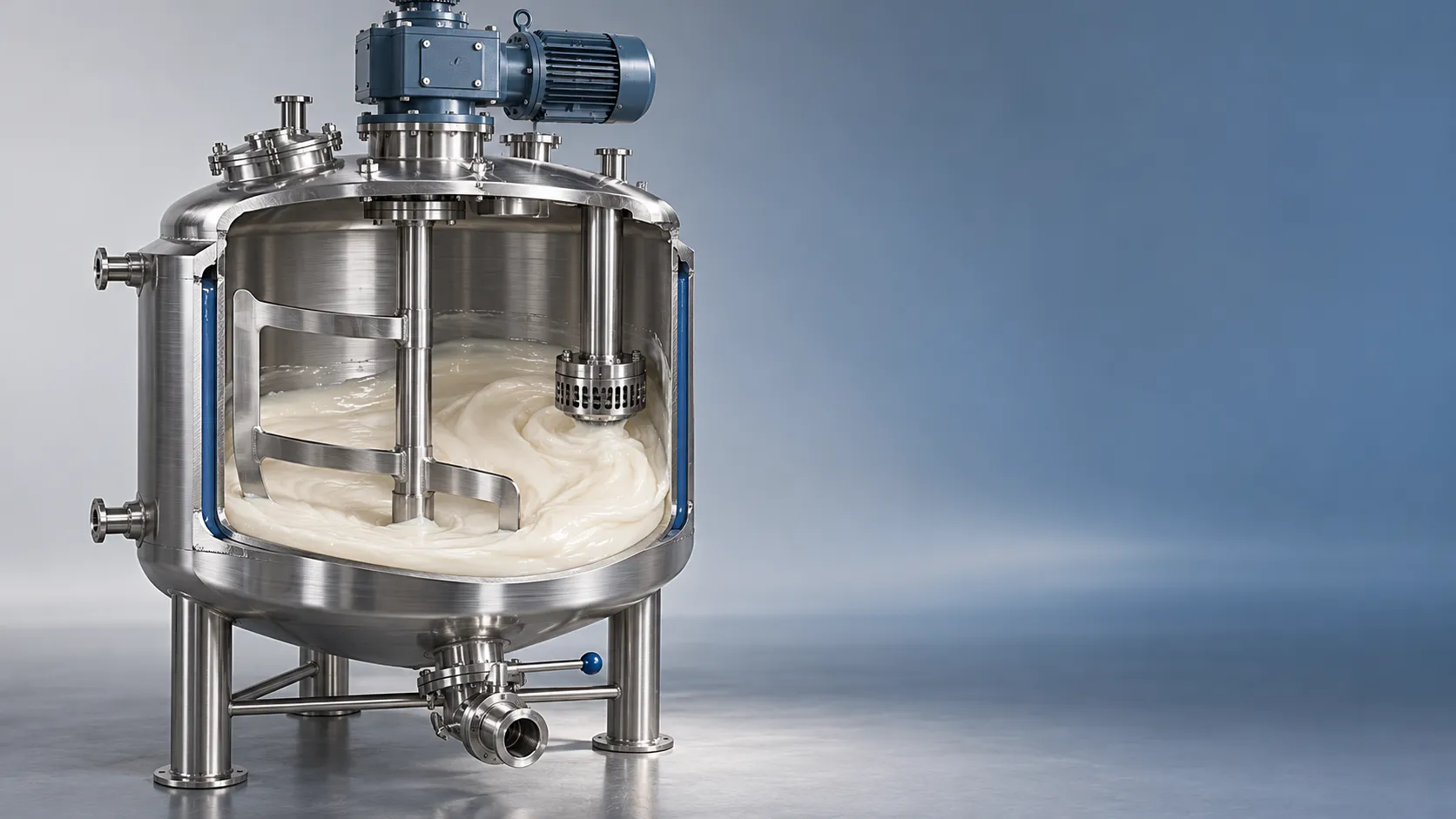
How to size ingredient mixing equipment for viscous formulations
Size mixing ingredient processing equipment for viscous formulations with expert guidance on rheology, torque, and heat removal. Learn how to select a system that delivers reliable batch performance.
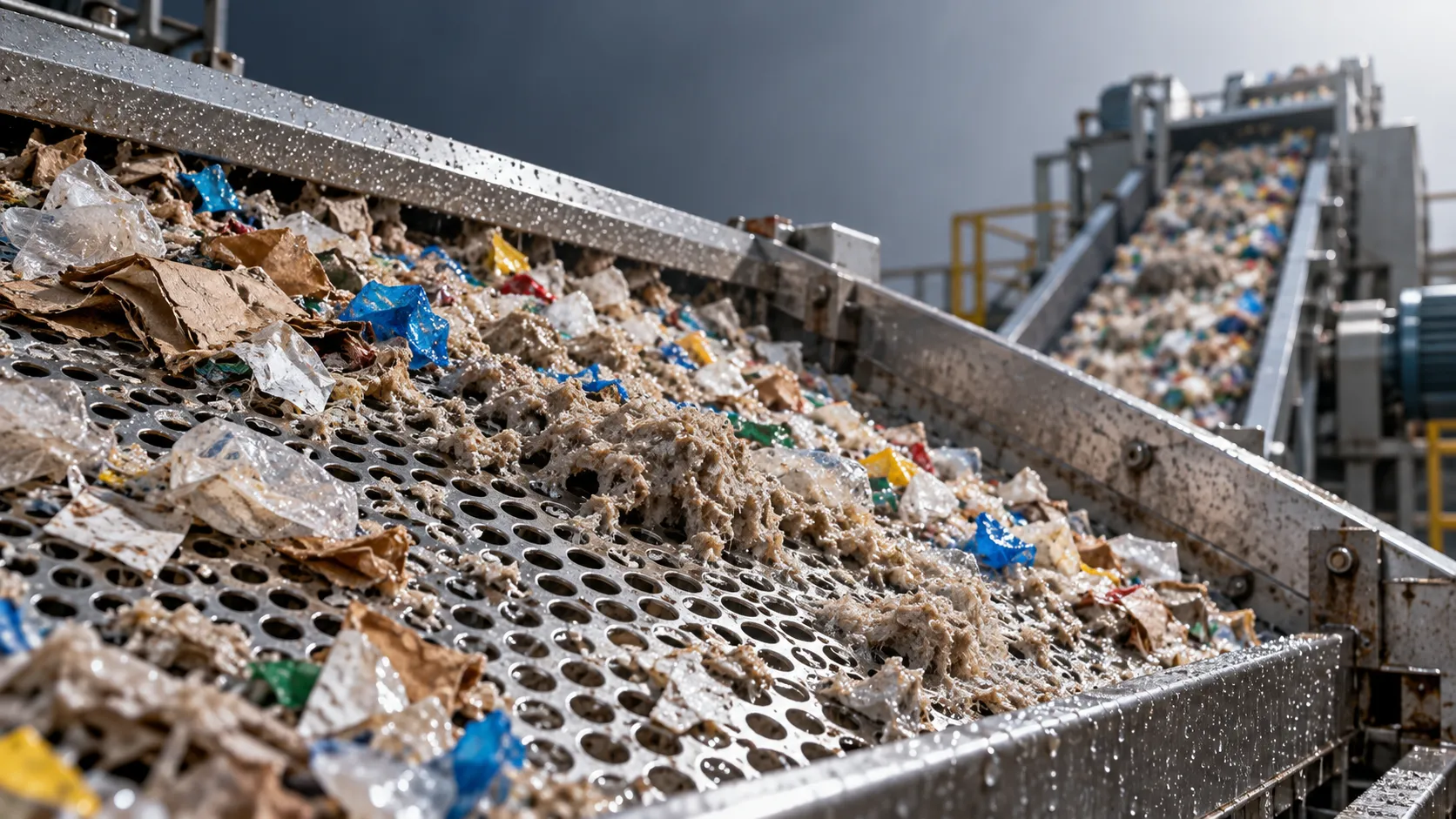
How moisture affects material separation in solid waste recovery
Improve solid waste recovery material separation by understanding moisture effects on screening and sorting. Discover practical ways to boost recovery, purity, and throughput.
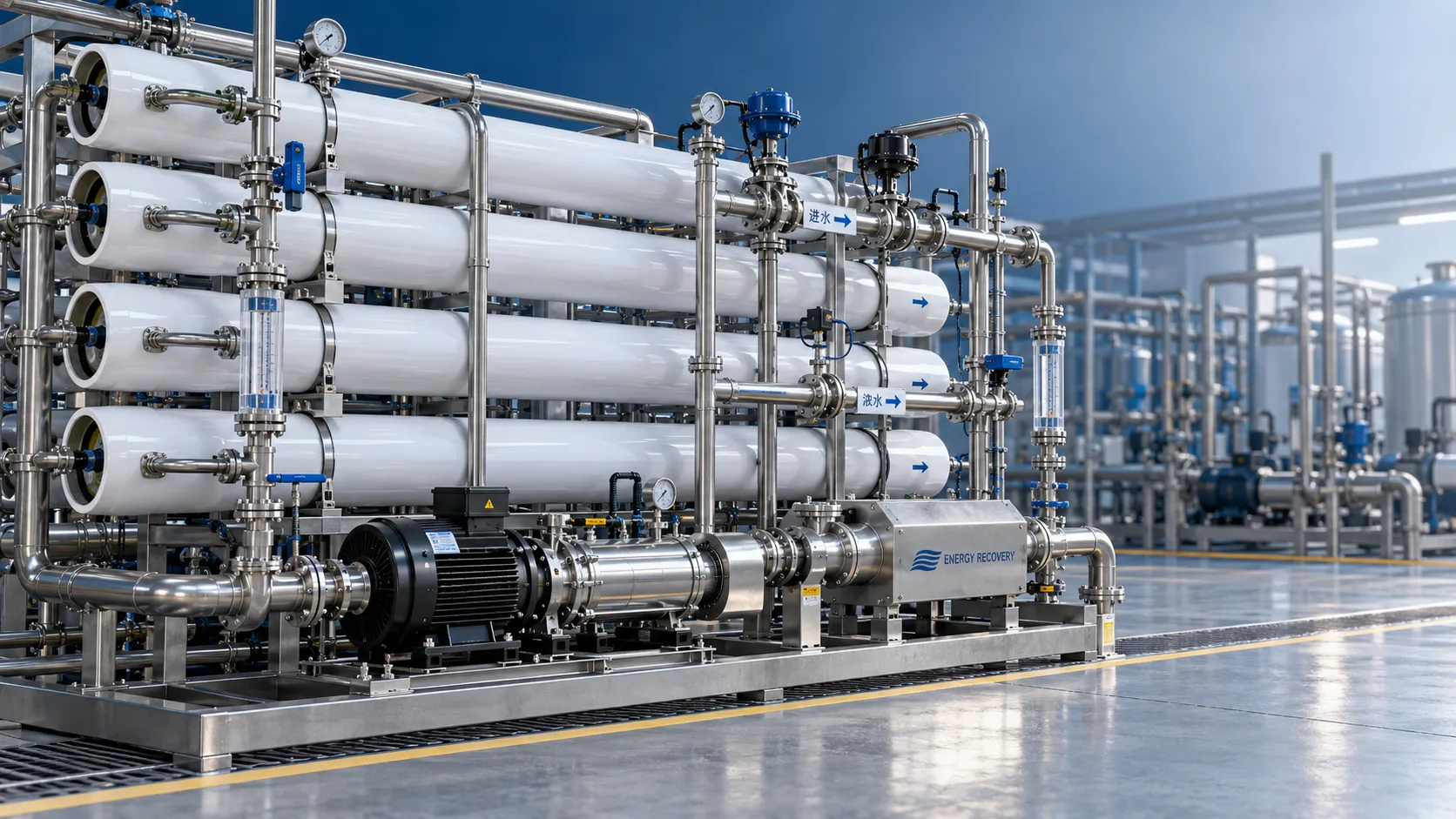
How to set recovery rates in seawater reverse osmosis system design
Explore seawater desalination systems engineering: learn to set SWRO recovery rates that balance energy, scaling risks, and water quality for reliable, cost-effective operation.
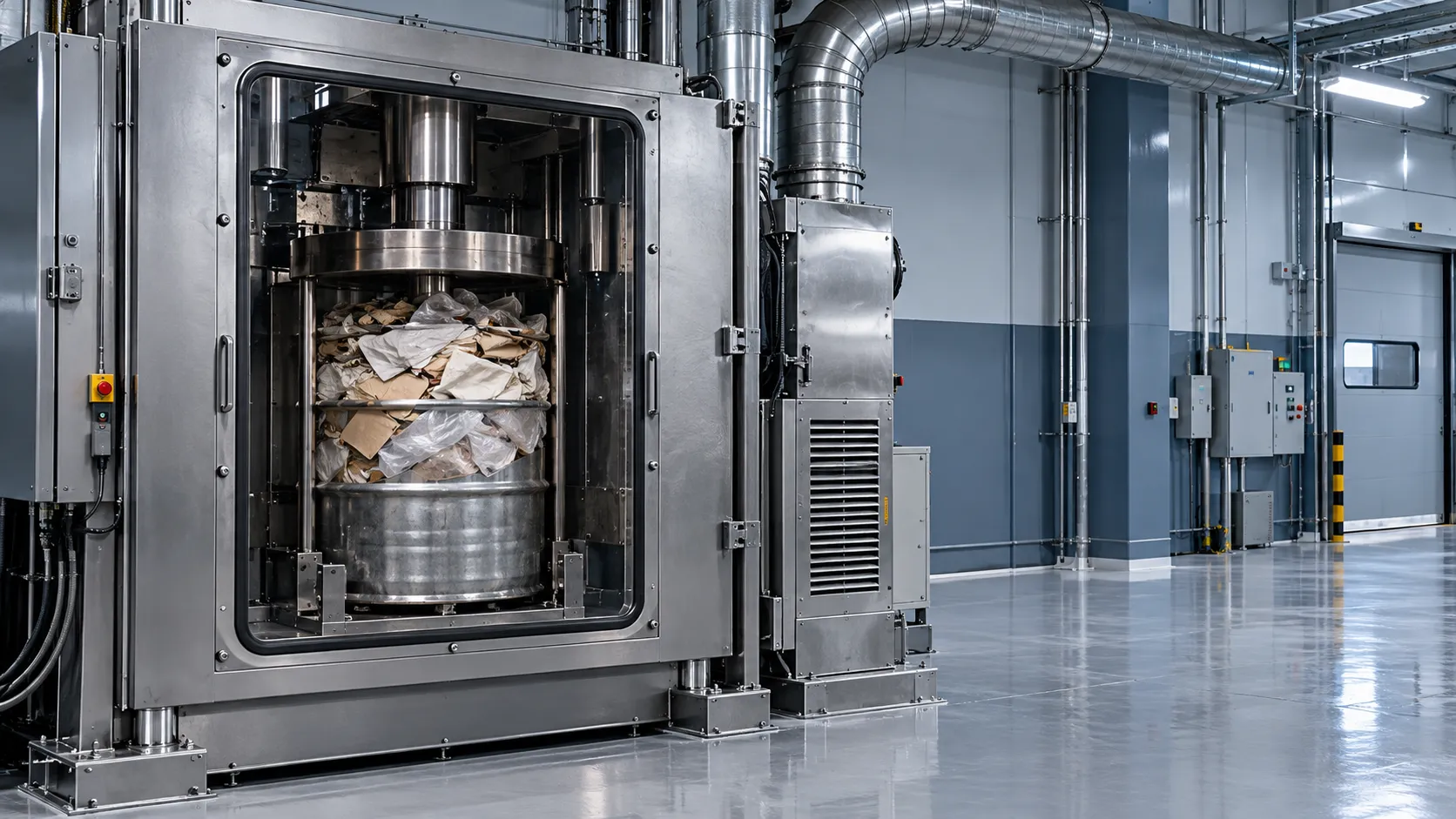
When is compaction suitable for solid nuclear waste treatment?
Is compaction right for solid nuclear waste treatment? Discover suitable waste streams, key safety checks, and disposal requirements to reduce package volume and optimize costs.
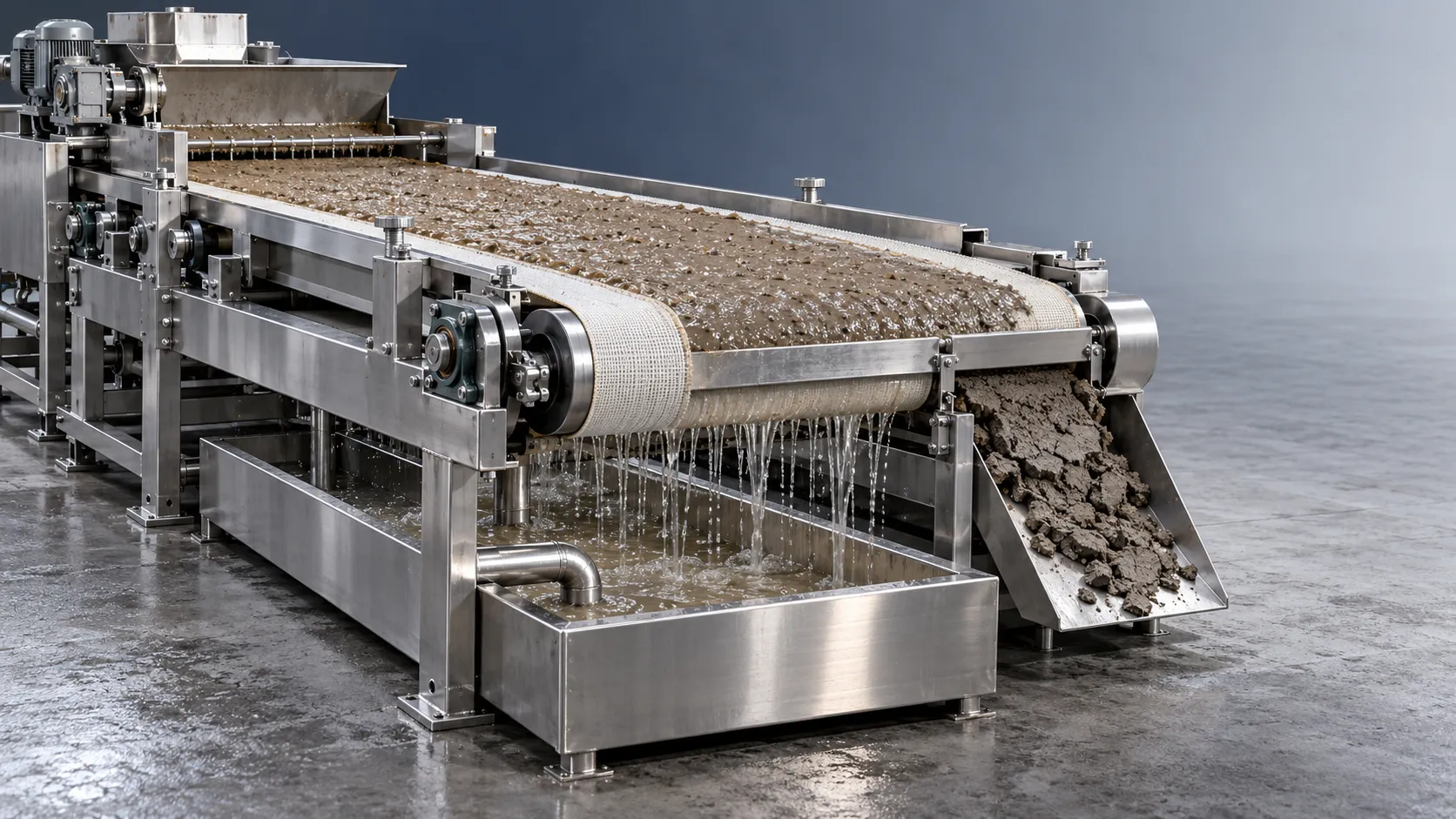
How solids concentration affects dewatering in waste recovery systems
Optimize waste recovery systems dewatering with insights on solids concentration. Learn to balance throughput, cake dryness, and solids capture while avoiding costly equipment overloads.
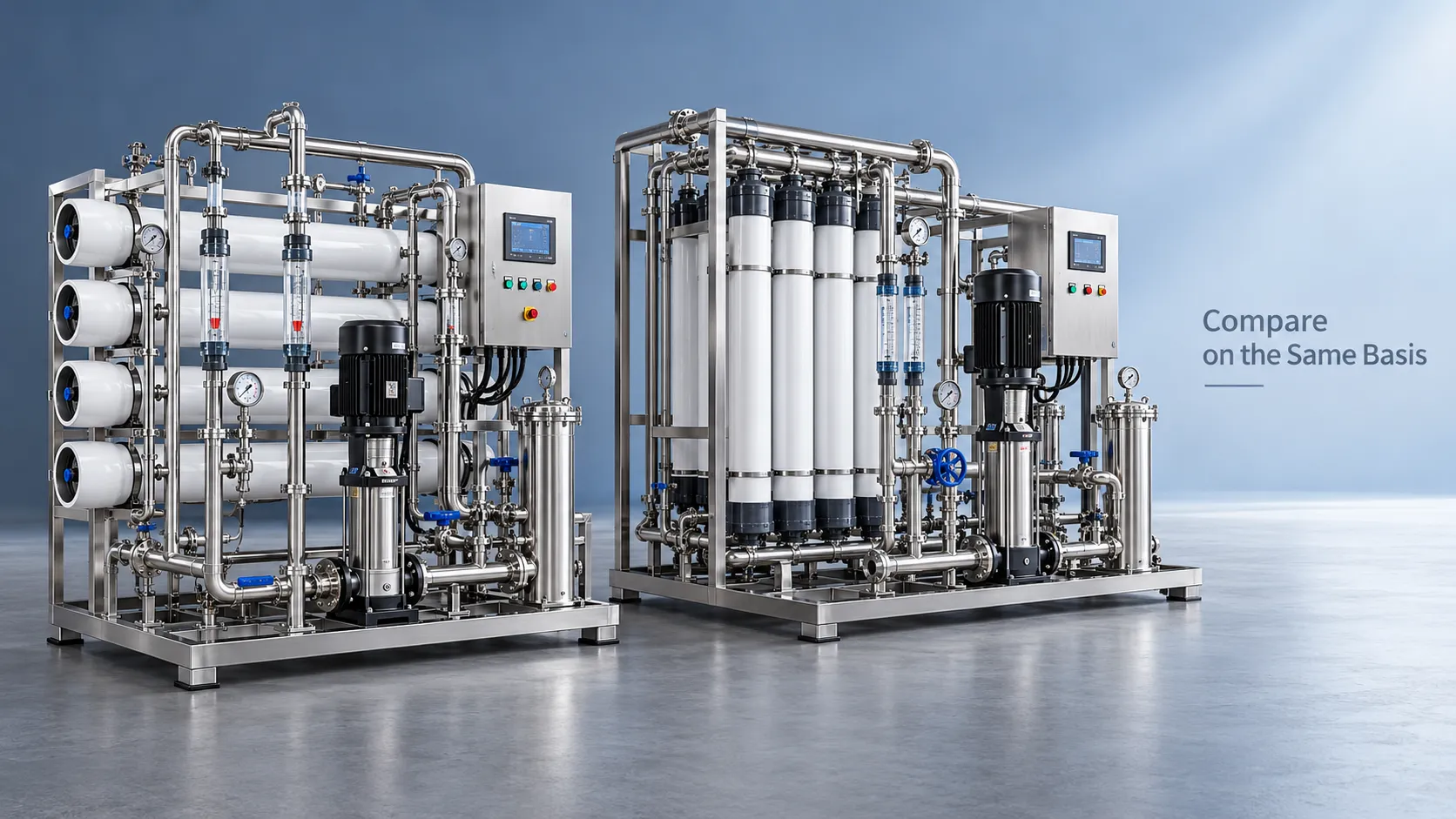
How to compare technical specs in an environmental equipment directory
Use this environmental equipment directory technical guide to compare capacity, energy use, compliance, and supplier evidence. Build a defensible shortlist and choose with confidence.
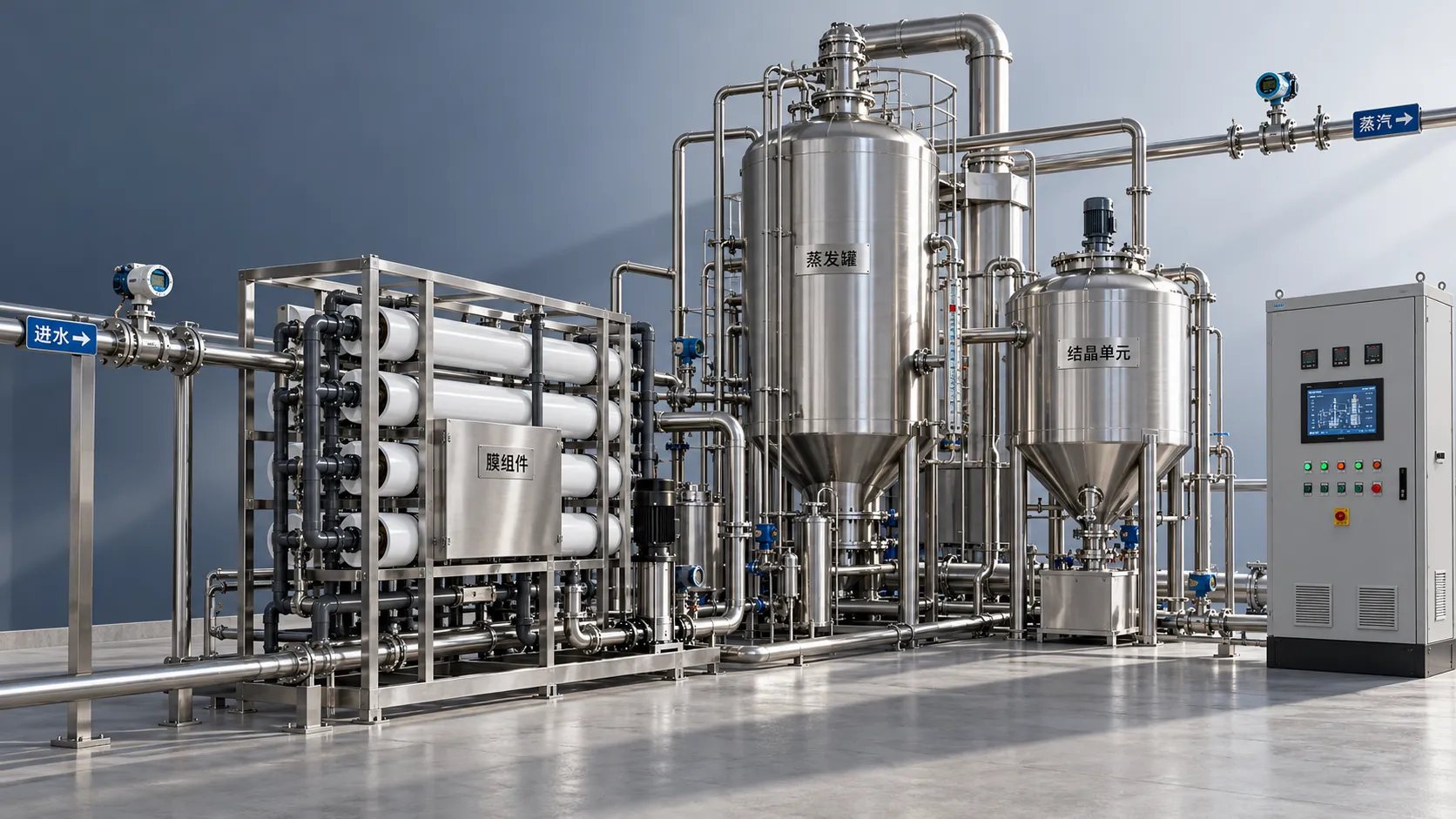
How to assess a zero liquid discharge equipment supplier’s energy claims
Assess a zero liquid discharge equipment supplier’s energy claims. Learn how to verify system boundaries, compare real costs, and demand testable guarantees before you buy.
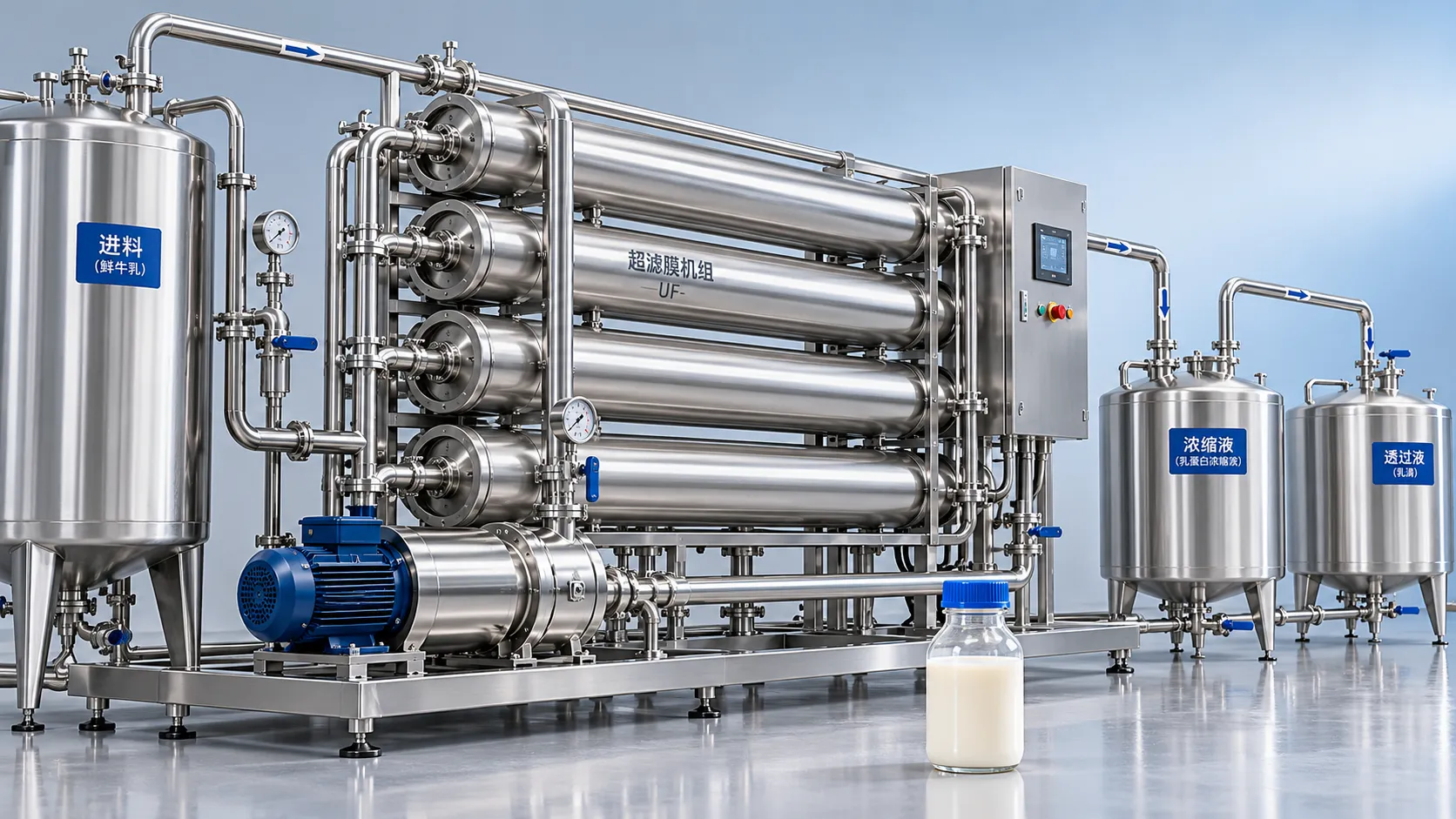
Which membrane filtration process suits dairy protein concentration?
Explore membrane filtration for dairy: compare UF, MF, and RO to select the right process for protein concentration, lactose reduction, and better recovery. Find your best fit.
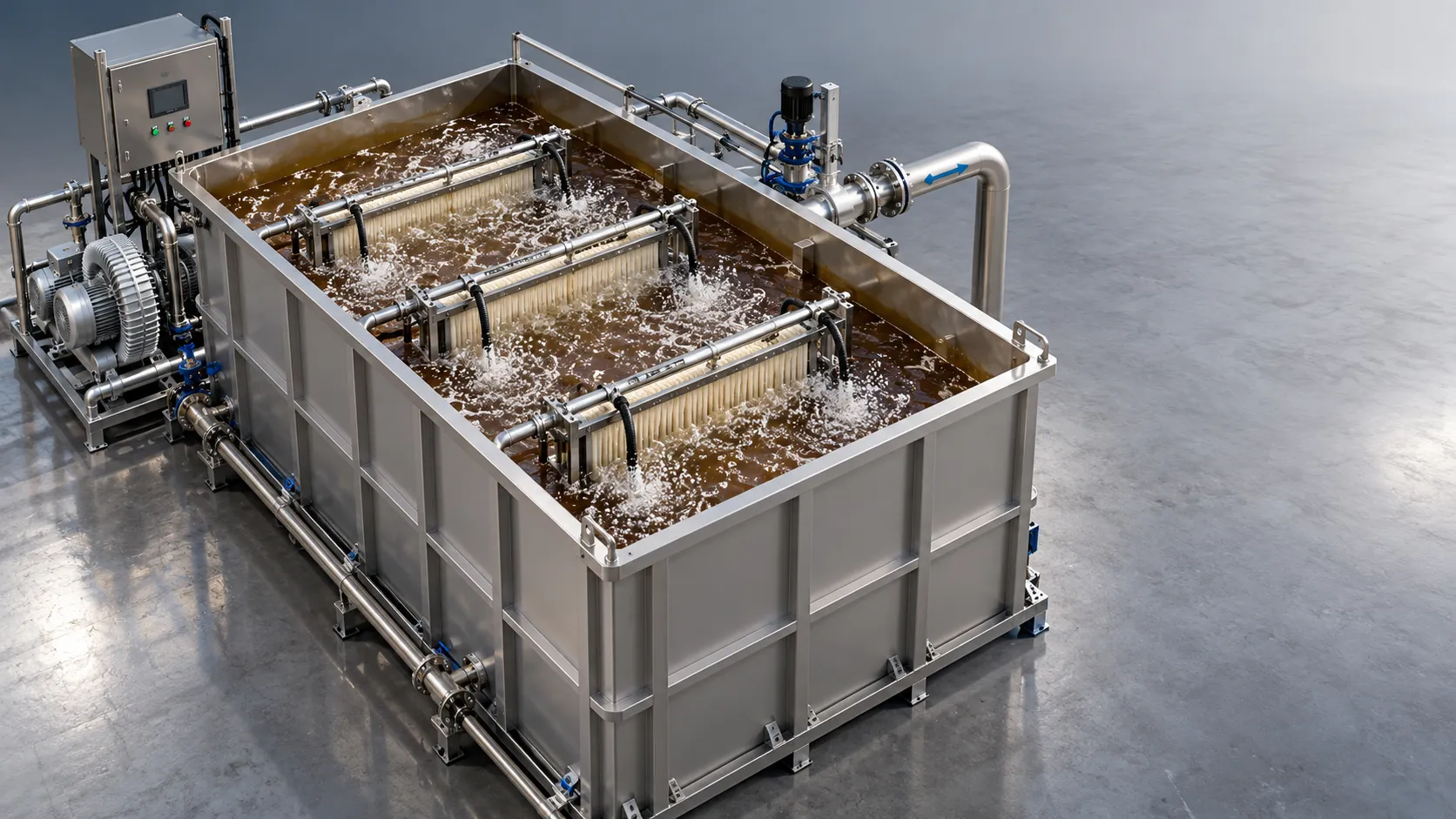
When is an MBR suitable for wastewater purification for bioprocessing?
For wastewater purification for bioprocessing, discover when an MBR fits your needs. Compare water quality, fouling risks, and lifecycle costs before investing.