
Industry News
Curation by industry experts
Hot Articles
Popular Tags
CBAM Impact in 2026: Cost Exposure and Export Risk to Watch
As 2026 approaches, CBAM impact is moving from policy discussion to financial reality. The Carbon Border Adjustment Mechanism now affects pricing, contract design, export planning, and capital allocation across industrial value chains.
The pressure is especially visible in sectors with high electricity use, combustion loads, or process emissions. That includes not only steel and cement, but also environmental infrastructure tied to water treatment, flue gas control, desalination, recycling, and nuclear waste handling.
For businesses following the intelligence lens of ESD, the issue is not simply carbon cost. CBAM impact also changes procurement logic, equipment competitiveness, data discipline, and the credibility of environmental performance claims in export-facing markets.
Why CBAM impact matters more in 2026
CBAM was designed to align imported goods with the carbon costs faced by EU producers. In practical terms, it reduces the advantage of shipping carbon-intensive products into Europe without equivalent emissions pricing.
The 2026 phase matters because cost accountability becomes harder to postpone. Businesses that treated reporting as a compliance formality now face a sharper link between emissions disclosure and margin erosion.
This is where CBAM impact becomes strategic. A weak emissions profile can raise border costs, complicate tenders, weaken customer confidence, and narrow room for price negotiation.
The effect is rarely limited to one shipment. It can spread through long-term supply agreements, EPC project structures, and equipment selection standards.
A practical way to understand cost exposure
CBAM impact is often discussed as a future tax burden, but the real exposure is broader. It includes direct carbon cost, reporting cost, verification cost, and the commercial cost of uncertainty.
If emissions data is incomplete, conservative assumptions may be applied. That can make a product look more carbon-intensive than it actually is.
If the production system relies on aging furnaces, unstable power sources, or energy-heavy treatment lines, the embedded carbon profile may further worsen.
In sectors tracked by ESD, this challenge is common. Large water treatment plants, thermal desalination systems, flue gas treatment assets, and waste recovery lines often carry heavy energy signatures.
Where the extra cost can appear
- Border carbon charges linked to embedded emissions
- Third-party verification and traceability system costs
- Contract renegotiation when carbon assumptions change
- Loss of pricing power in low-carbon bidding environments
- Delayed shipments caused by reporting or documentation gaps
Simple cost models often miss these layers. That is why CBAM impact should be evaluated as a commercial risk stack, not only as a regulatory line item.
Export risk is no longer limited to carbon-intensive commodities
A common mistake is to assume CBAM impact only concerns raw materials. In reality, export risk also touches complex industrial systems and environmental equipment sold into carbon-sensitive projects.
Consider seawater desalination. The equipment itself may not sit inside the narrowest regulatory category, yet its competitiveness can still depend on energy intensity, material choice, and lifecycle emissions.
The same applies to flue gas treatment packages, recycling systems, and high-spec water treatment modules. Buyers increasingly ask whether a solution lowers emissions in operation and whether its own manufacturing footprint is credible.
That shift changes export risk in two ways. Market access becomes more conditional, and technical differentiation becomes harder without robust emissions evidence.
Why environmental industries are directly exposed
Environmental industries are often seen as part of the solution to decarbonization. That is true, but it does not remove exposure to CBAM impact.
Many treatment systems are energy-intensive by design. Zero Liquid Discharge, thermal concentration, advanced oxidation, pyrolysis, and membrane desalination all depend on demanding process conditions.
As a result, the environmental value of an asset and its carbon burden can move in opposite directions. A project may solve wastewater, waste, or air pollution problems while still carrying high embedded or operating emissions.
This tension is exactly why ESD’s intelligence perspective matters. Competitive advantage increasingly comes from linking process performance, resource recovery logic, and compliance trends instead of treating them as separate subjects.
High-interest scenarios
- Desalination projects where energy mix shapes project viability
- Waste recovery lines where pyrolysis efficiency affects carbon claims
- Flue gas systems tied to industrial decarbonization roadmaps
- Water treatment plants facing both discharge and carbon constraints
- Nuclear waste handling infrastructure requiring extreme reliability and traceability
The shift from compliance paperwork to investment logic
In 2026, CBAM impact should influence more than customs calculations. It should affect equipment roadmaps, plant upgrades, and market prioritization.
A company that installs efficient membranes, optimizes low-temperature SCR performance, recovers more secondary materials, or stabilizes vitrification processes may improve more than operations. It may also improve carbon positioning.
This does not mean every decarbonization investment pays back equally. Some projects reduce emissions but add unacceptable capital burden. Others create both compliance resilience and commercial leverage.
The key is to compare technology options through a wider lens. Operating efficiency, verification readiness, export relevance, and lifecycle emissions should be judged together.
Useful decision filters
- Can the process produce auditable emissions data?
- Does the upgrade reduce both energy use and compliance friction?
- Will the improvement matter in export markets or public tenders?
- Can suppliers support traceable carbon information at component level?
- Is the technology aligned with future environmental regulation, not only current rules?
How to read CBAM impact across the supply chain
CBAM impact is rarely isolated at the final export stage. It starts upstream with electricity sourcing, fuel use, feedstock quality, process design, and data governance.
That means a strong response requires more than one department. Carbon accounting, engineering, procurement, legal review, and commercial planning need shared assumptions.
The most resilient companies are building internal carbon visibility around real assets. They know which lines consume the most energy, which components carry the heaviest embedded emissions, and where reporting gaps can hurt deals.
For environmental and infrastructure exporters, this can also reveal a hidden advantage. When a solution reduces water stress, waste burden, or air pollution with lower carbon intensity, that narrative becomes more defensible in cross-border competition.
What deserves attention next
The immediate task is not to predict every regulatory detail. It is to identify where CBAM impact can alter revenue quality, bid probability, and technology choice within the next planning cycle.
Start with a structured review of exported products, critical inputs, energy exposure, and data readiness. Then compare which assets or process routes create the largest carbon-related cost gap.
From there, priorities usually become clearer. Some businesses need better measurement. Some need cleaner power. Others need equipment modernization or stronger supplier disclosure.
The broader lesson is straightforward. In 2026, CBAM impact is not only a border issue. It is a test of whether operational intelligence, environmental performance, and export strategy are being managed as one system.
That is the most useful next step: build a decision framework that connects carbon exposure with process reality, market access, and technology investment before those pressures are priced in by others.
Recommended News
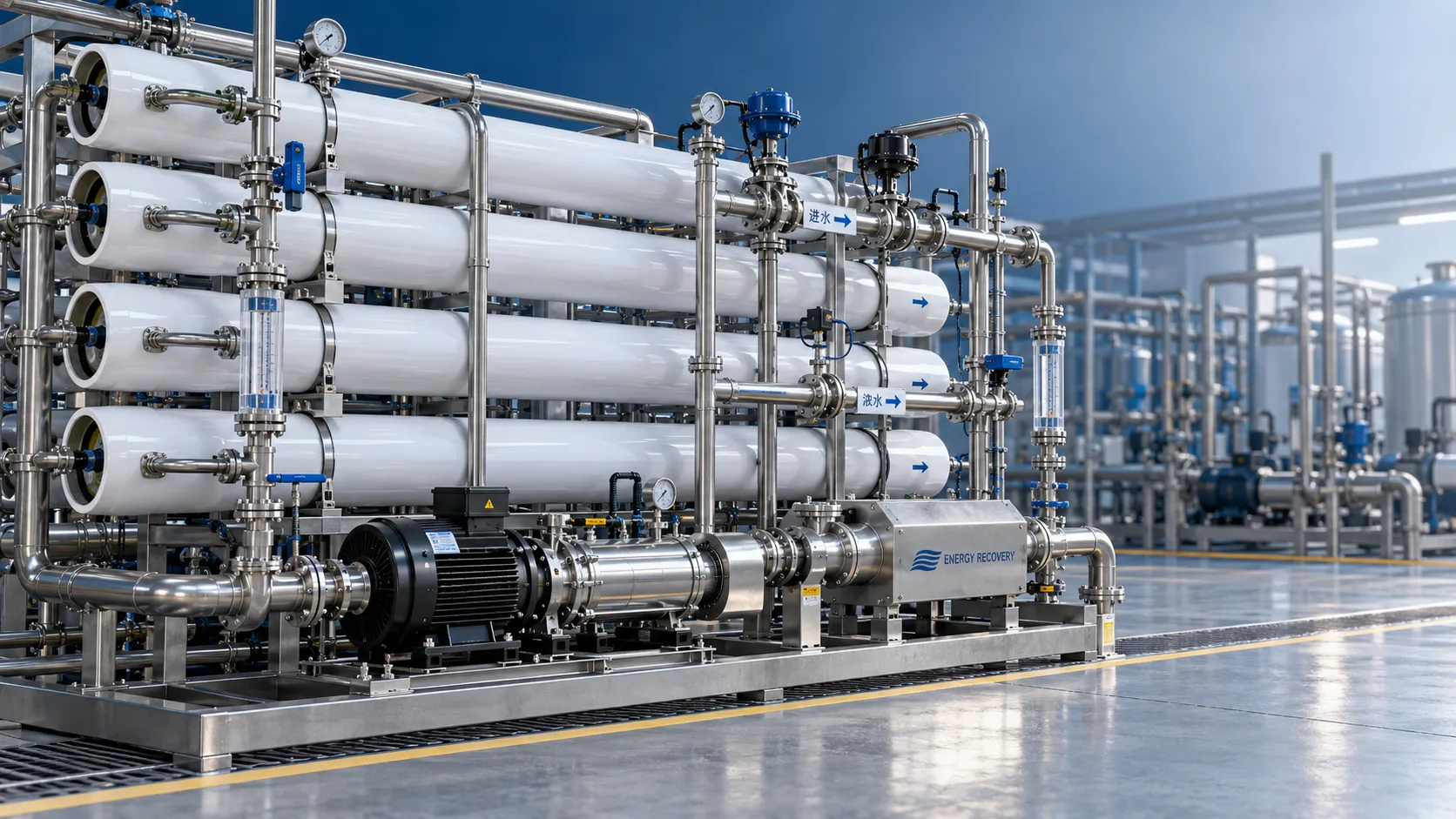
How to set recovery rates in seawater reverse osmosis system design
Explore seawater desalination systems engineering: learn to set SWRO recovery rates that balance energy, scaling risks, and water quality for reliable, cost-effective operation.
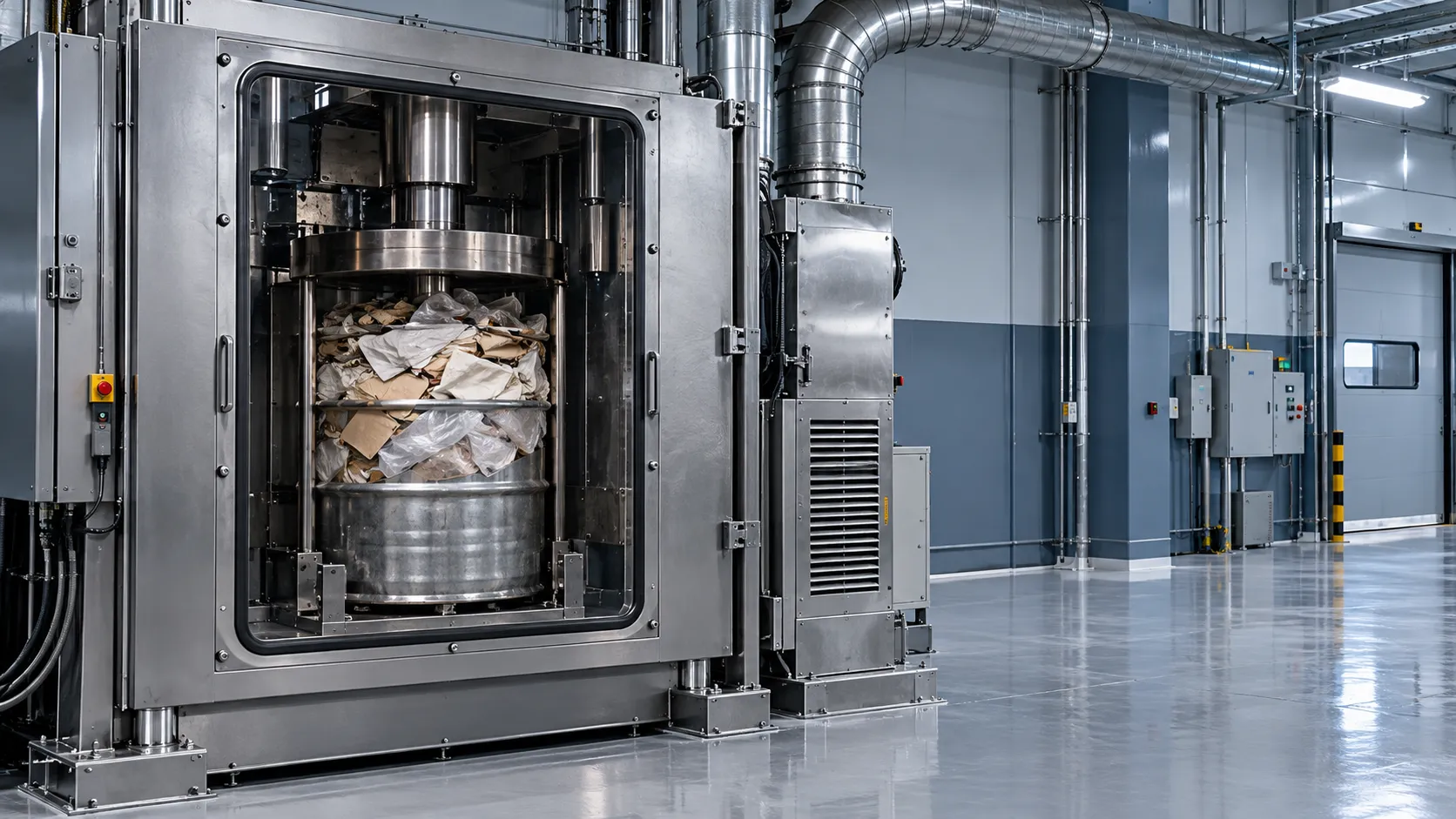
When is compaction suitable for solid nuclear waste treatment?
Is compaction right for solid nuclear waste treatment? Discover suitable waste streams, key safety checks, and disposal requirements to reduce package volume and optimize costs.
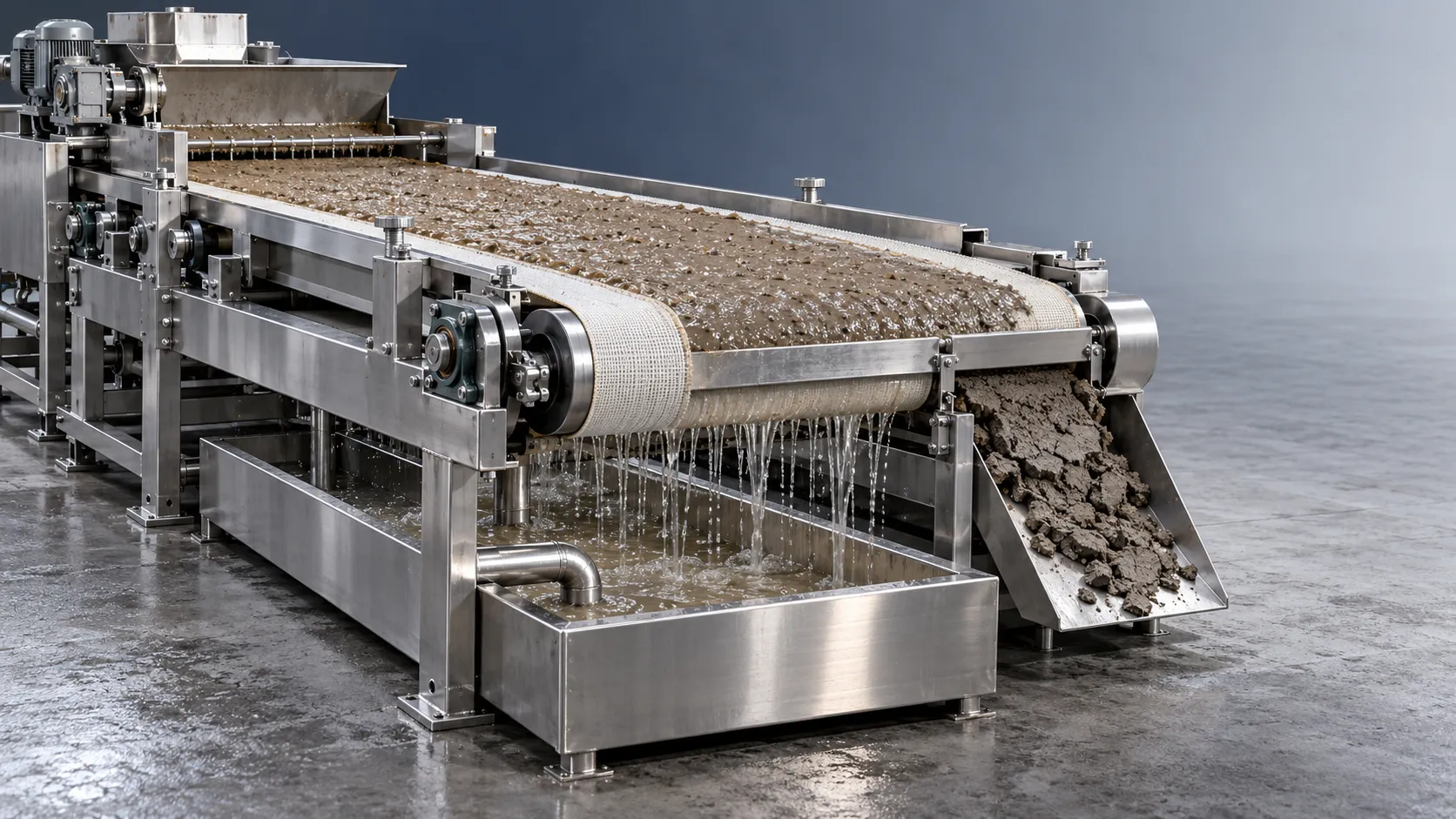
How solids concentration affects dewatering in waste recovery systems
Optimize waste recovery systems dewatering with insights on solids concentration. Learn to balance throughput, cake dryness, and solids capture while avoiding costly equipment overloads.
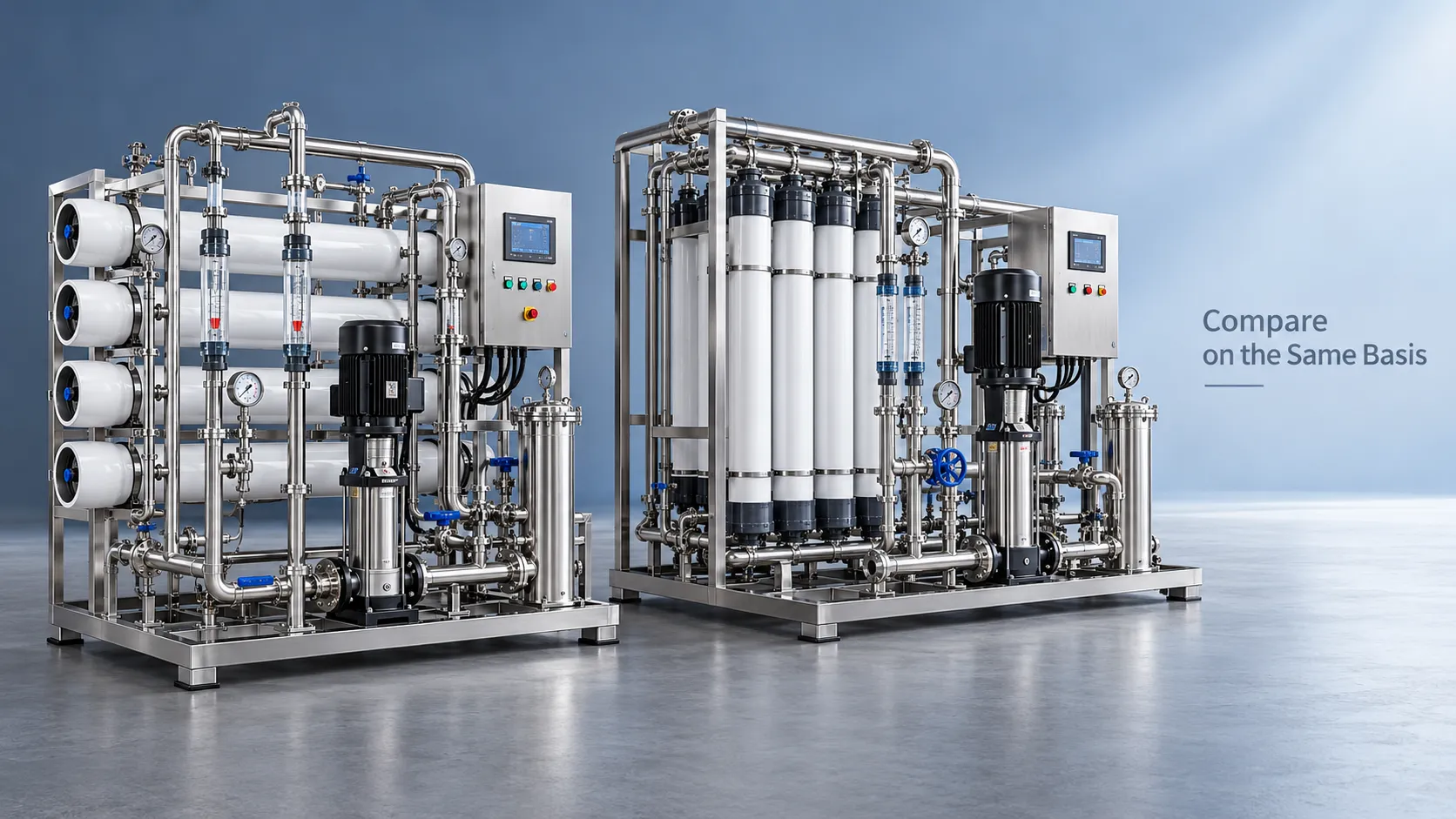
How to compare technical specs in an environmental equipment directory
Use this environmental equipment directory technical guide to compare capacity, energy use, compliance, and supplier evidence. Build a defensible shortlist and choose with confidence.
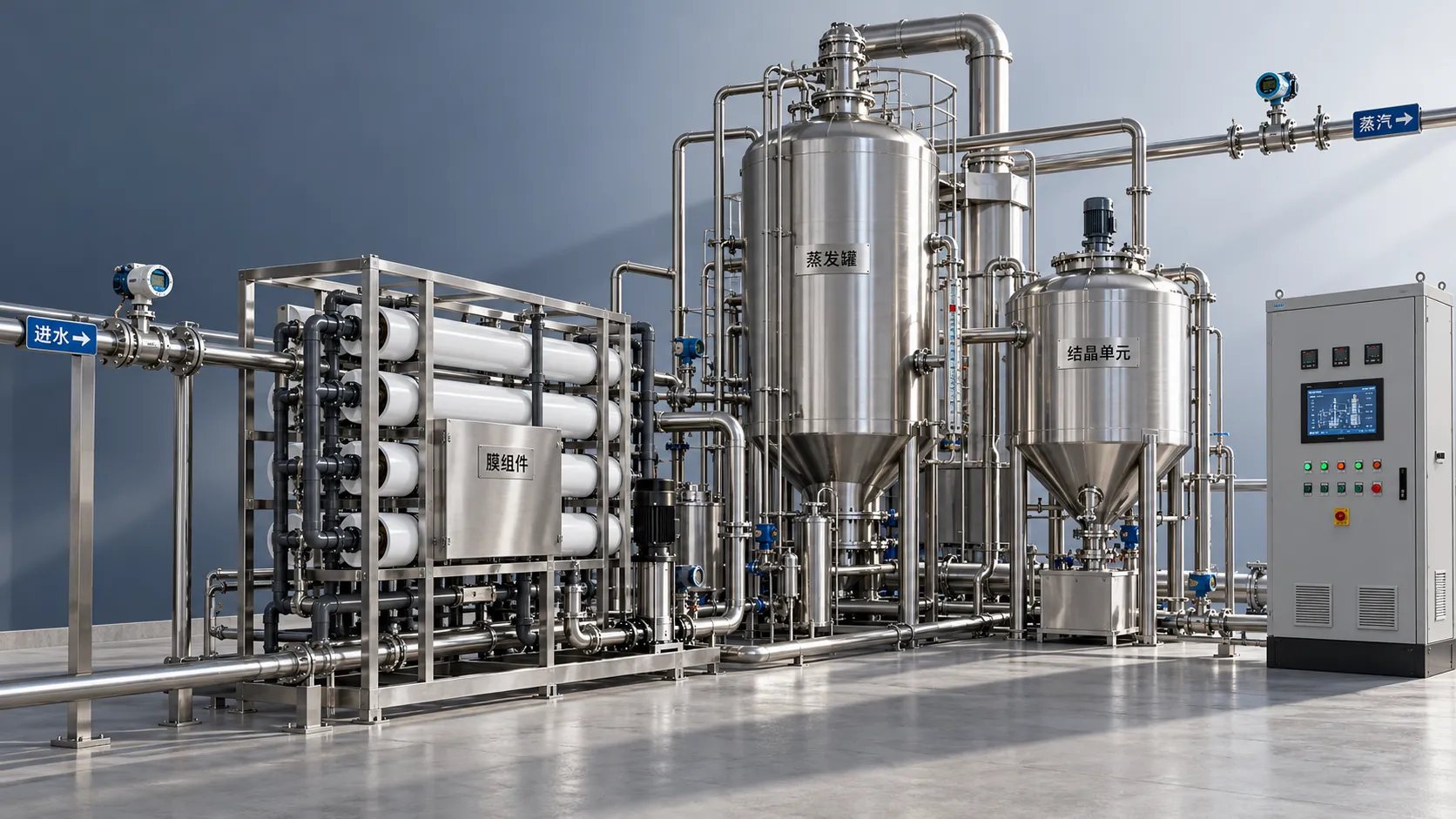
How to assess a zero liquid discharge equipment supplier’s energy claims
Assess a zero liquid discharge equipment supplier’s energy claims. Learn how to verify system boundaries, compare real costs, and demand testable guarantees before you buy.
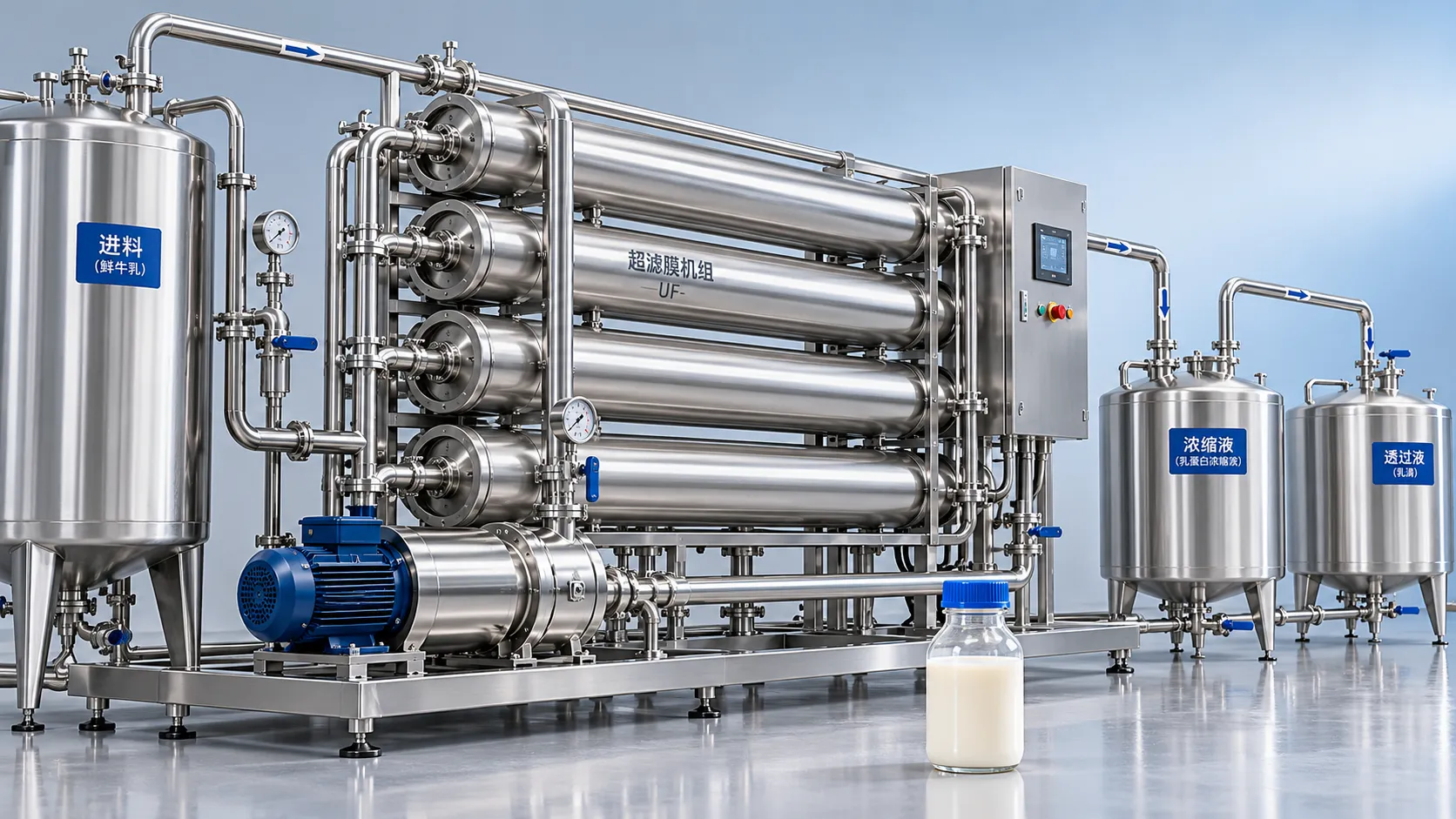
Which membrane filtration process suits dairy protein concentration?
Explore membrane filtration for dairy: compare UF, MF, and RO to select the right process for protein concentration, lactose reduction, and better recovery. Find your best fit.
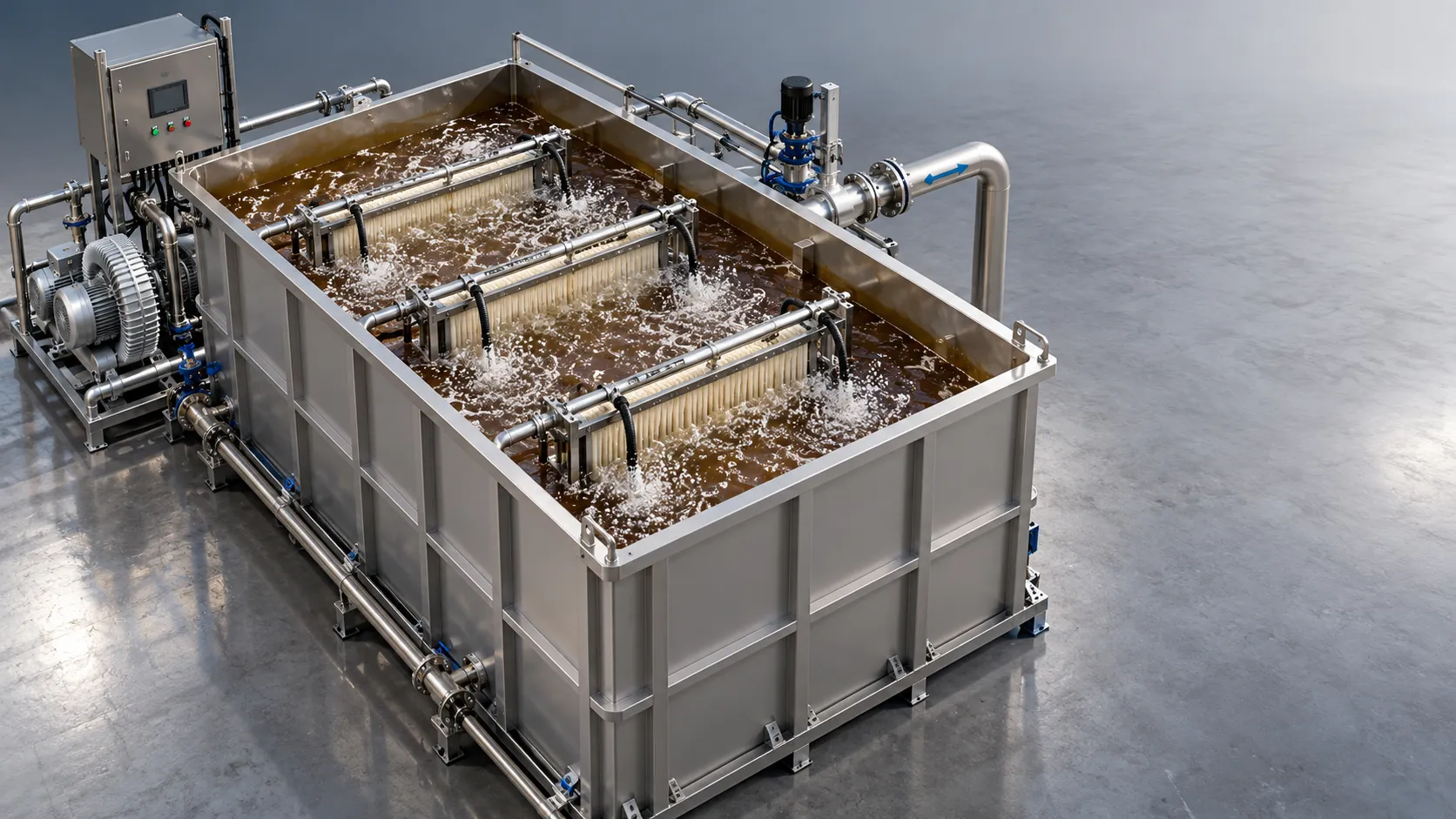
When is an MBR suitable for wastewater purification for bioprocessing?
For wastewater purification for bioprocessing, discover when an MBR fits your needs. Compare water quality, fouling risks, and lifecycle costs before investing.
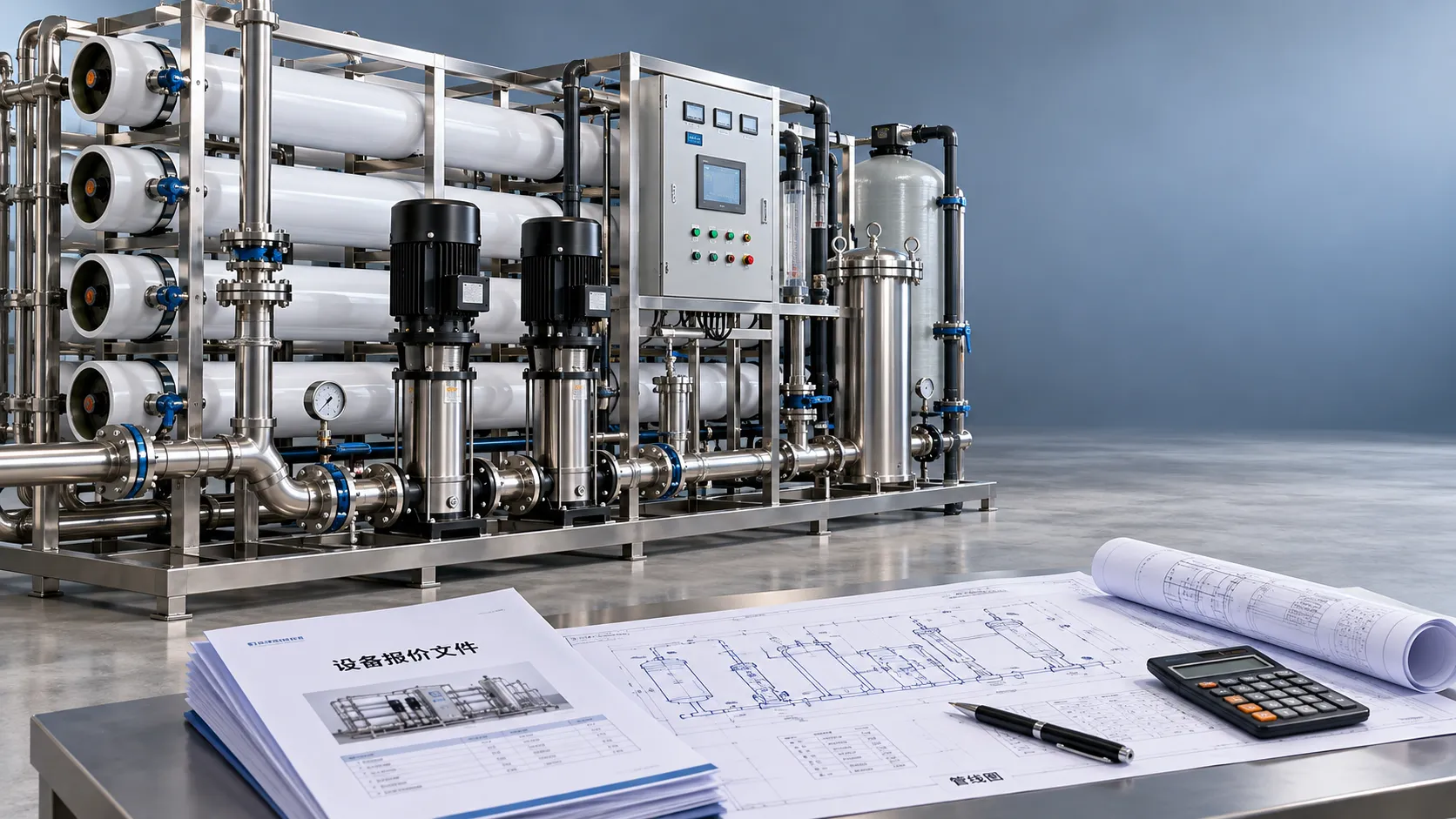
How to check a water treatment quotation for hidden project costs
Review your water treatment quotation for hidden costs, scope gaps, and operating expenses. Learn what to check before signing to protect your budget and avoid costly surprises.

How to vet ingredient processing equipment manufacturers using trials
Vet ingredient processing equipment manufacturers with real-world trials. Learn how to verify yield, cleaning, energy use, and scale-up before you invest.