
Industry News
Curation by industry experts
Hot Articles
Popular Tags
Radioactive Waste Disposal Methods: Cost, Risk, and Compliance in 2026
In 2026, choosing the right radioactive waste disposal methods is no longer only a technical issue—it is a strategic decision shaped by cost pressure, regulatory scrutiny, and long-term risk control. For nuclear waste management programs, disposal pathways now affect financing confidence, permit stability, insurance exposure, and public credibility across the full asset lifecycle.
For ESD’s intelligence-driven audience, the question is not simply which method exists. The real question is which disposal route fits a specific operating scenario, waste class, regulatory jurisdiction, and investment horizon without creating hidden compliance liabilities later.
Why disposal choices differ by scenario in 2026
Different facilities generate different radionuclide profiles, packaging burdens, transport limits, and storage timelines. That is why radioactive waste disposal methods must be assessed through scenario-based decision logic rather than generic technical preference.
A hospital isotope stream does not resemble spent fuel residues. A decommissioning project does not face the same urgency as a routine operating plant. Cost, risk, and compliance shift sharply when waste volume, activity level, heat generation, and public sensitivity change.
In 2026, three external forces intensify the decision. First, disposal costs are rising with engineered barrier expectations. Second, regulators demand traceable documentation. Third, stakeholders expect long-term stewardship evidence, not only short-term operational closure.
Scenario 1: Routine low-level waste needs cost-efficient radioactive waste disposal methods
Routine low-level waste often comes from power plant operations, research facilities, and industrial isotope applications. Typical materials include contaminated clothing, filters, tools, resins, and lightly activated components.
For this scenario, near-surface disposal remains one of the most practical radioactive waste disposal methods. It can offer lower capital intensity, established engineering standards, and manageable monitoring obligations when waste acceptance criteria are clearly met.
The core judgment point is classification accuracy. If characterization is weak, an apparently low-cost option can turn into a major compliance problem. Misclassified waste may trigger repackaging, transport rejection, or future site remediation claims.
Another decision factor is volume reduction. Compaction, incineration, and thermal treatment may reduce disposal footprint, but they also add permitting and emission control obligations. The lowest gate fee is not always the lowest total disposal cost.
What matters most in this scenario
- Waste segregation quality before packaging
- Site-specific acceptance thresholds
- Transport certification and routing rules
- Long-term monitoring costs after closure
Scenario 2: Intermediate waste requires stronger barriers and deeper compliance review
Intermediate-level waste introduces a different decision profile. Resins, sludges, reactor components, and chemical concentrates may contain higher radioactivity and longer-lived isotopes, even when heat output remains limited.
Here, engineered vaults, concrete-lined repositories, or greater-depth disposal may become more suitable radioactive waste disposal methods. The selection depends on radionuclide mobility, groundwater conditions, container durability, and institutional control periods.
The main risk is underestimating long-term containment obligations. Disposal infrastructure for intermediate waste often requires more extensive site modeling, hydrogeological review, barrier testing, and post-closure surveillance planning.
In cost terms, intermediate waste frequently creates planning friction. Upfront packaging and conditioning expenses may rise sharply, especially when cementation, bituminization, or encapsulation is required before final disposal.
Core judgment points
- Compatibility between waste form and disposal environment
- Leach resistance under long-term exposure conditions
- Regulatory expectations for containment duration
- Future retrieval requirements or prohibitions
Scenario 3: High-level waste and spent fuel demand maximum-risk radioactive waste disposal methods
High-level waste and spent fuel sit at the most demanding end of nuclear waste management. Heat generation, radiotoxicity, and very long hazard timelines push decision-makers toward the strictest containment strategies.
In this scenario, deep geological disposal is widely regarded as the reference among long-term radioactive waste disposal methods. Multi-barrier systems, host rock stability, corrosion resistance, and retrievability policy all shape project viability.
The cost profile is exceptionally long-tailed. Capital spending can stretch across decades, while political licensing risk may be as material as engineering complexity. Delays often increase total cost faster than material inflation alone.
Interim storage also matters. Dry cask storage, pool storage optimization, and conditioning plans can buy time, but they are not substitutes for final disposal. In 2026, regulators increasingly question indefinite temporary arrangements.
Key considerations before commitment
- Repository licensing maturity in the host jurisdiction
- Waste form stability, including vitrification performance
- Transport readiness for heavy shielded packages
- Long-term funding assurance mechanisms
Scenario 4: Decommissioning projects change the economics of disposal choices
Decommissioning creates a mixed-waste scenario with large volumes, uncertain inventories, tight schedules, and public visibility. Here, the best radioactive waste disposal methods are often the ones that support sorting precision and schedule control.
The critical judgment point is not only final disposal. It is the sequence of characterization, clearance, decontamination, recycling, conditioning, and repository allocation. Poor sequencing can flood expensive disposal channels with avoidable material.
Digital traceability is becoming essential. Regulators increasingly expect package history, isotopic records, and chain-of-custody documentation to remain audit-ready through the full project timeline.
How different scenarios change cost, risk, and compliance priorities
Practical recommendations for matching disposal methods to real operating conditions
A resilient decision framework for radioactive waste disposal methods should combine technical evidence with commercial intelligence. The strongest choices usually emerge when waste data, regulatory timing, and infrastructure access are evaluated together.
- Start with high-resolution waste characterization, not historical assumptions.
- Model total lifecycle cost, including conditioning, storage, transport, and monitoring.
- Test disposal options against future regulatory tightening, not current minimum compliance only.
- Check repository acceptance limits before procurement of containers or treatment systems.
- Build auditable digital records from generation to final placement.
Common misjudgments that weaken disposal strategy
One common error is treating interim storage as a permanent answer. Another is choosing among radioactive waste disposal methods based only on immediate gate fees, while ignoring packaging failures, public objections, or future repository incompatibility.
A second mistake is failing to link disposal planning with broader environmental governance. In modern industrial systems, radioactive waste management interacts with water treatment, emissions control, materials recovery, and ESG reporting.
A third risk is weak documentation discipline. Even technically sound disposal can become commercially fragile if records cannot prove radionuclide content, conditioning quality, transport legality, and final acceptance status.
Next-step actions for stronger radioactive waste disposal decisions
In 2026, the best radioactive waste disposal methods are the ones aligned with actual scenario demands, long-term compliance durability, and realistic cost control. Scenario-based planning reduces exposure to rework, delay, and reputational damage.
ESD supports this approach by connecting nuclear waste management decisions with evolving environmental intelligence, engineering reliability signals, and global compliance trends. That wider perspective helps disposal planning stay defensible, efficient, and future-ready.
The immediate action is clear: review waste classification, map applicable repository pathways, stress-test lifecycle cost assumptions, and close documentation gaps before they become regulatory obstacles. Better disposal outcomes start with sharper scenario judgment.
Recommended News
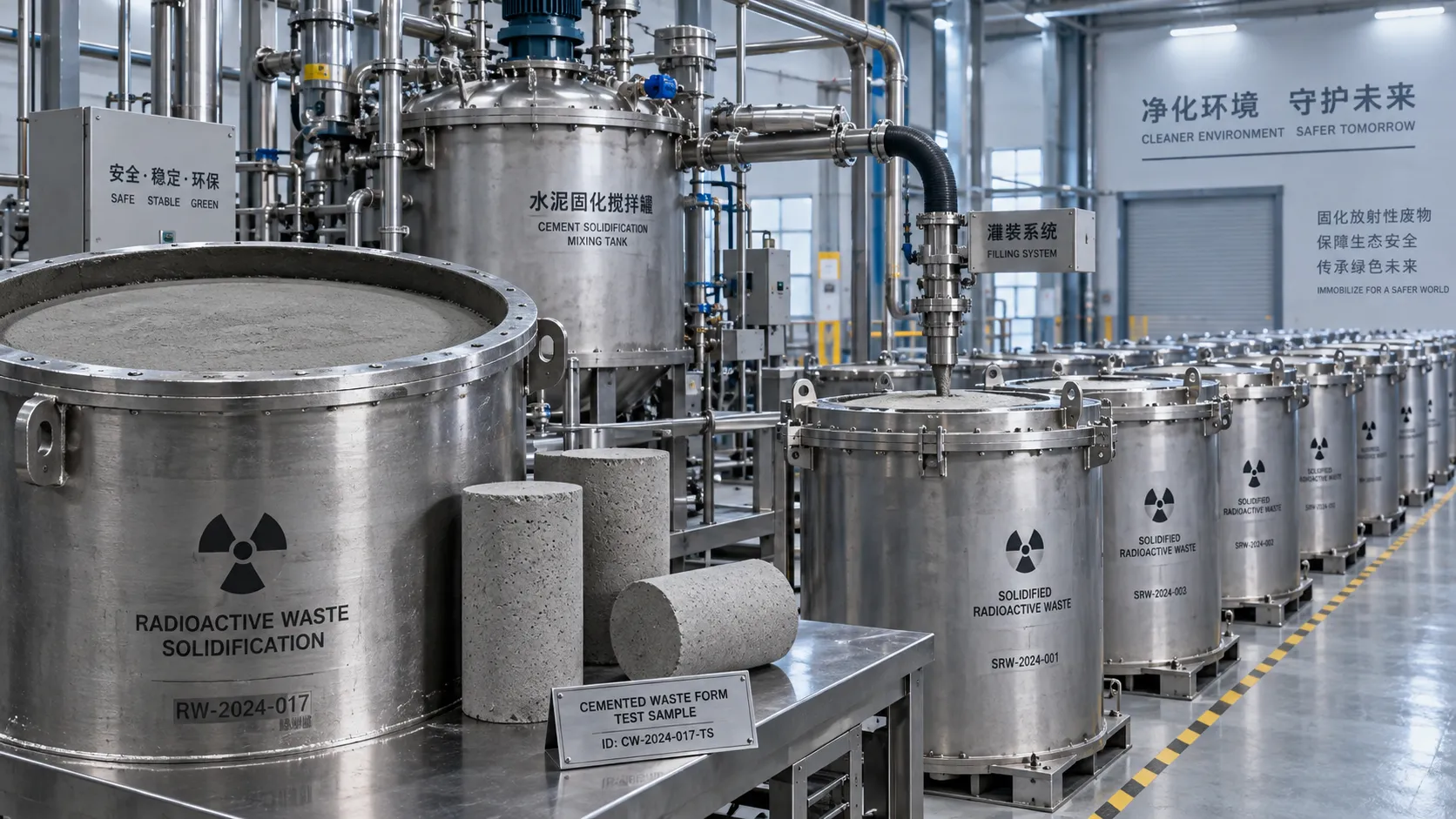
When is cementation suitable for nuclear decommissioning waste?
Explore nuclear waste treatment technology for decommissioning: learn when cementation fits, which risks to assess, and how disposal criteria guide an effective treatment choice.
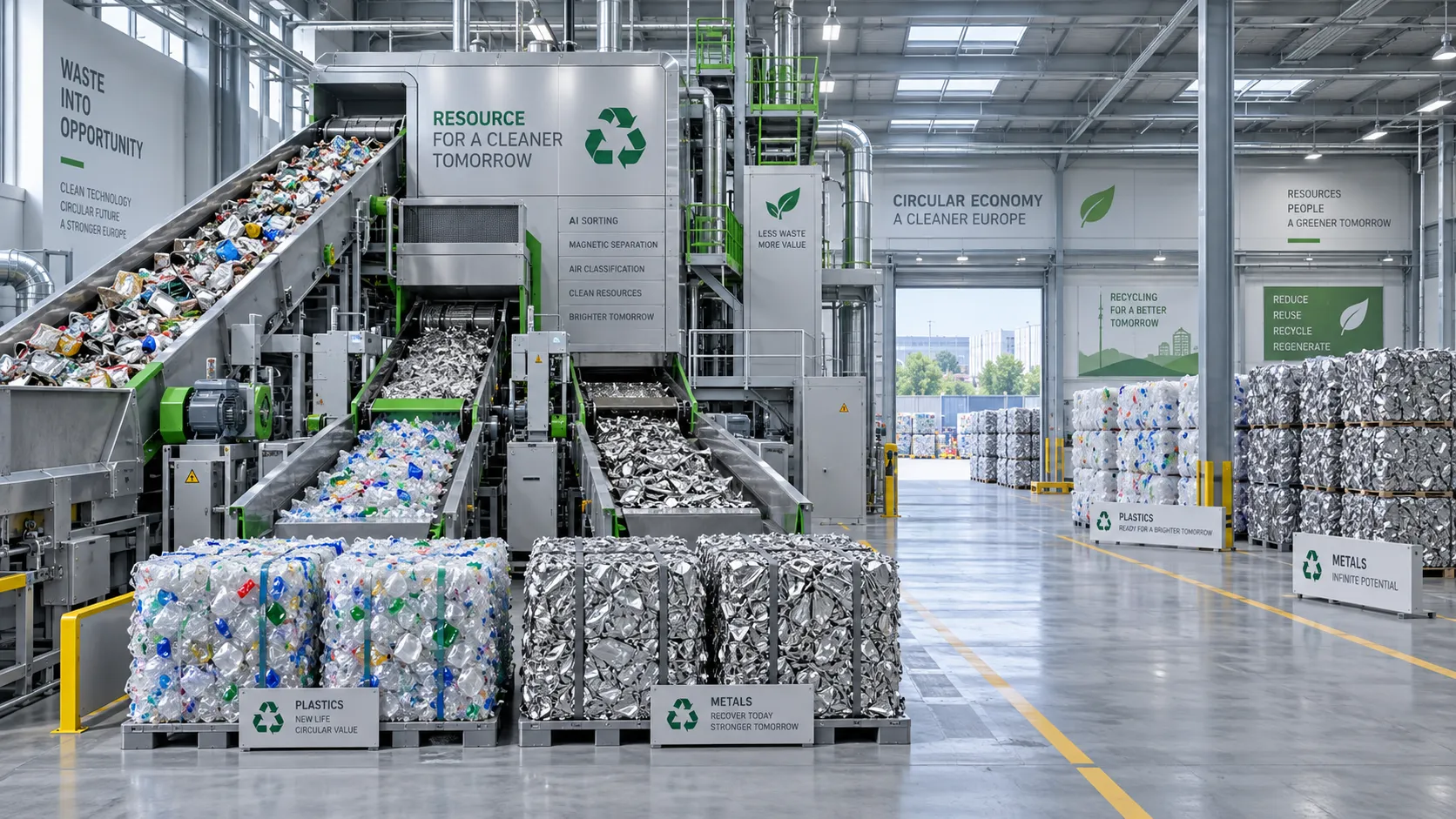
What determines payback for waste-to-resource systems in Europe?
Assess waste-to-resource systems Europe-wide: compare feedstock, recovery yields, costs and contracts to uncover payback drivers and make smarter investment decisions.
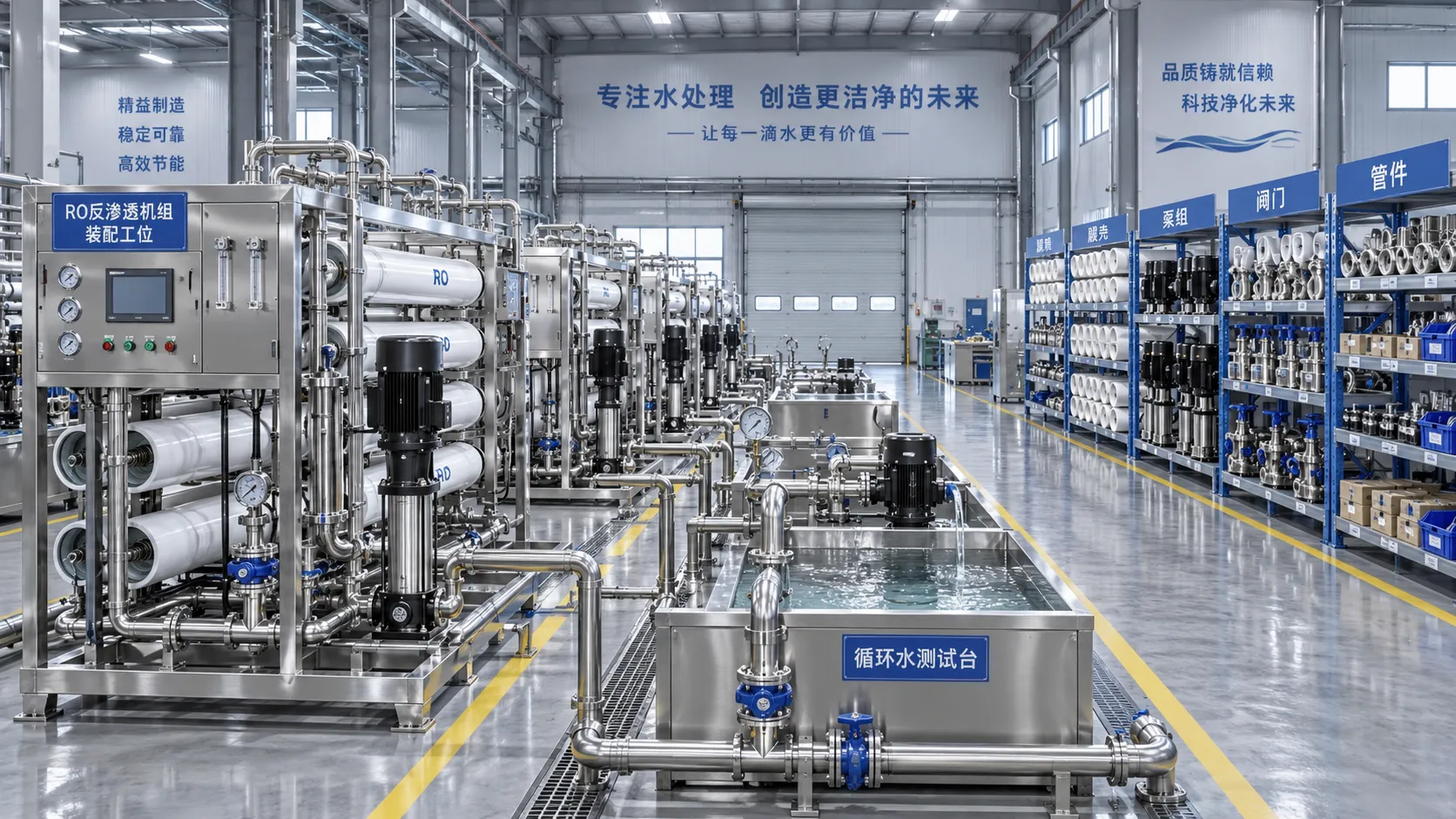
How to verify a water treatment system factory’s production capacity
Verify a water treatment systems factory’s production capacity through records, bottlenecks, component availability, and testing. Learn what to check before accepting a delivery promise.

When does EPC environmental project support reduce delivery risk?
EPC environmental project support engineering reduces delivery risk by aligning design, procurement, compliance, construction, and commissioning decisions.
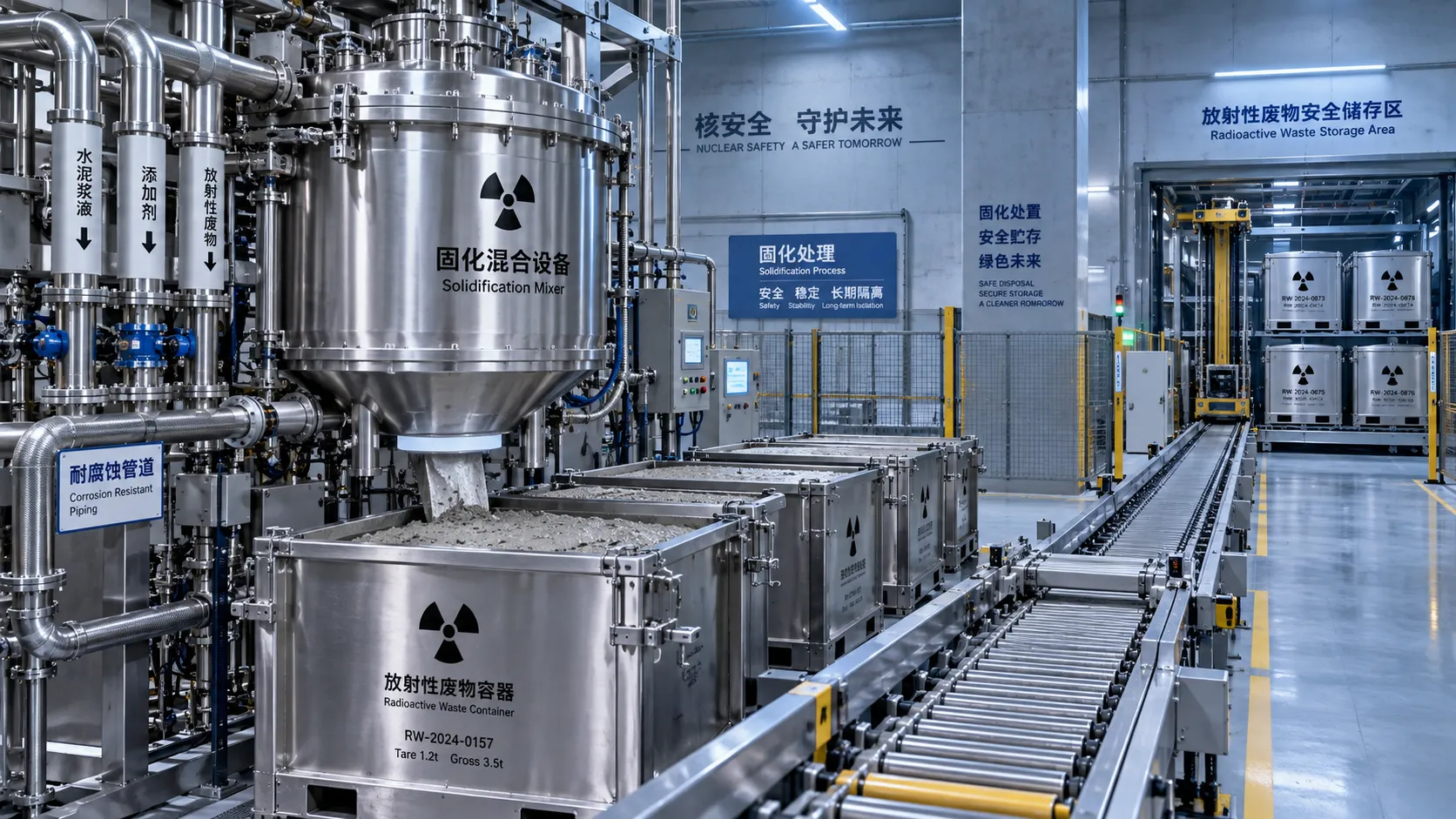
How nuclear plants select a radioactive waste solidification method
Radioactive waste management for nuclear plants: compare vitrification, cementation, polymers, and ceramics to select a compliant, durable solidification solution.
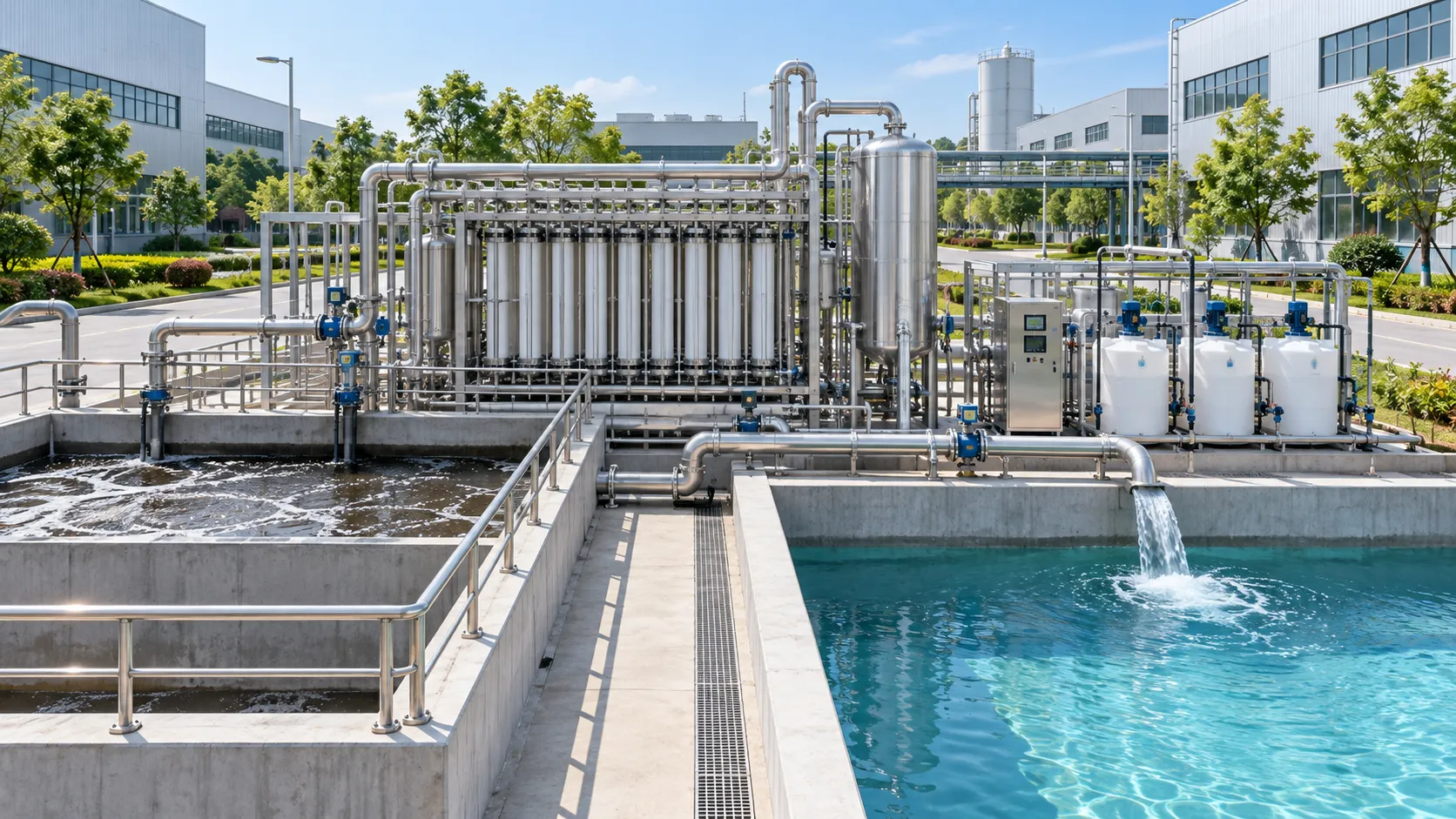
Comparing Upgrade Costs for Industrial Park Wastewater Treatment Systems
Compare costs for wastewater system upgrades in industrial parks with a lifecycle view of CAPEX, OPEX, compliance, resilience, and future expansion.
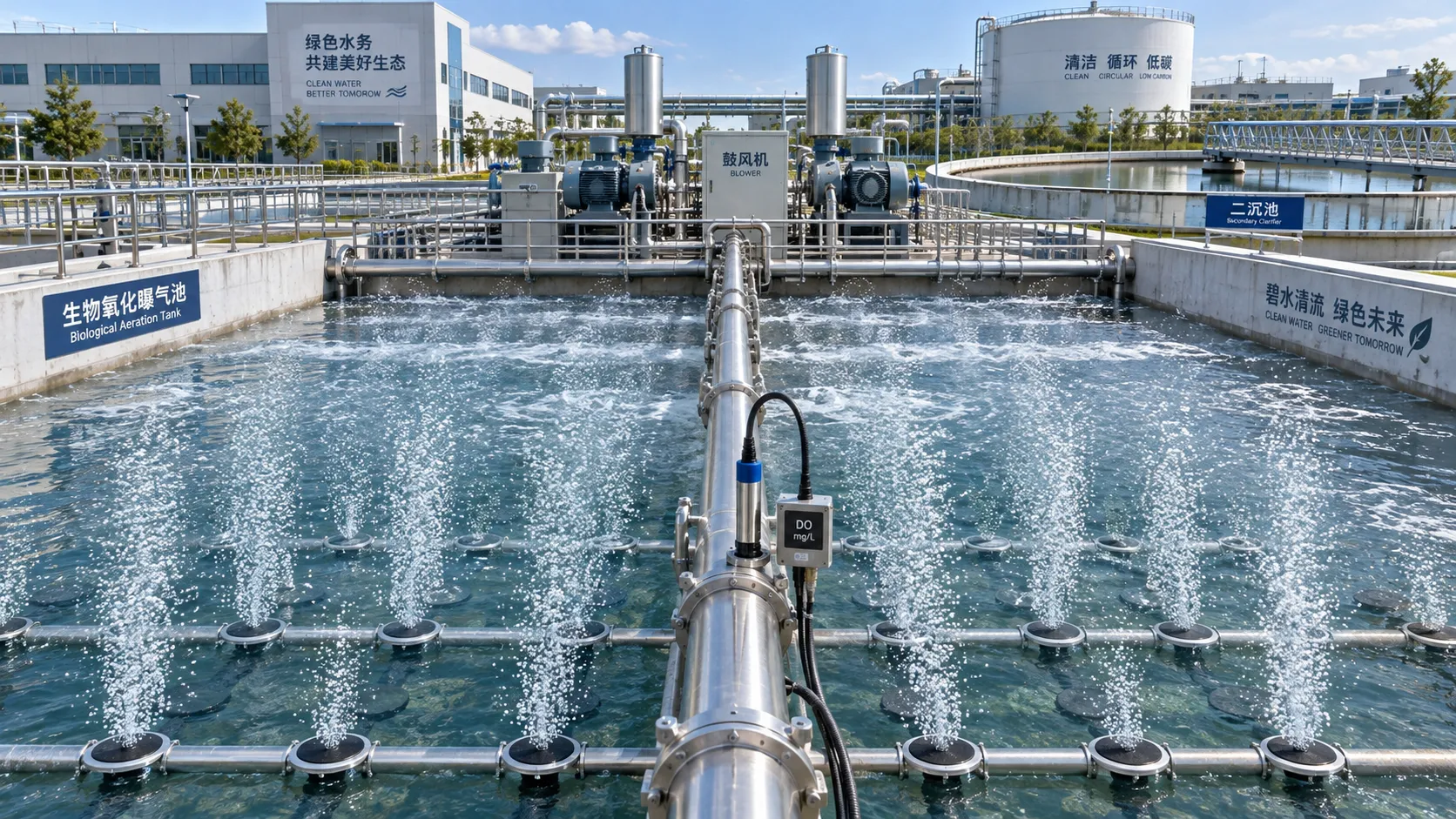
Biological Wastewater Oxidation Explained: Aeration Demand and Process Control
Biological wastewater oxidation explained: optimize aeration demand, DO control, nitrification, and sludge age for stable effluent quality and lower energy costs.
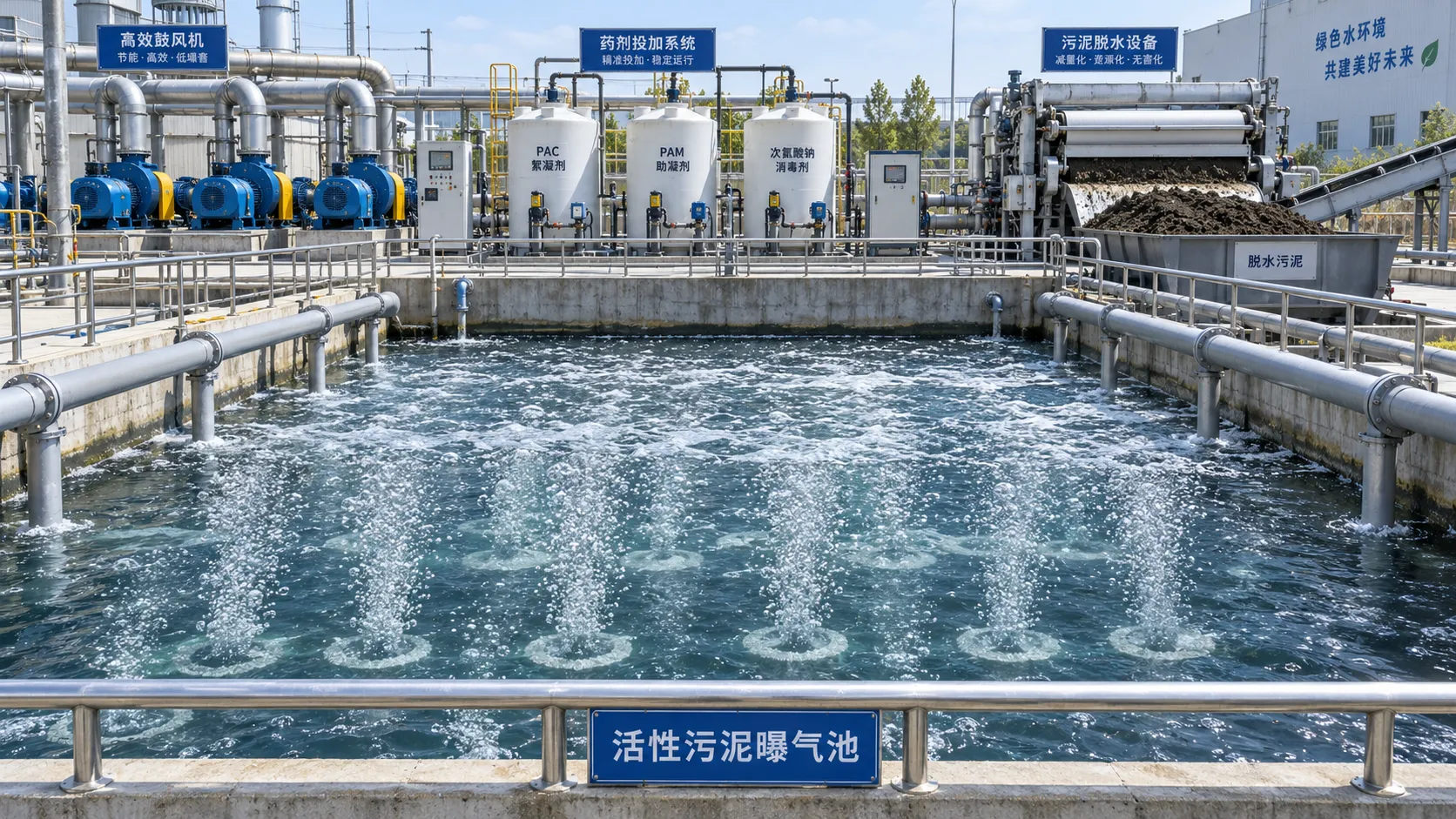
Activated Sludge Cost: Budgeting Energy, Chemicals, Sludge, and Labor
Activated sludge cost explained: compare energy, chemicals, sludge disposal, labor, and compliance risks to build a reliable lifecycle budget.
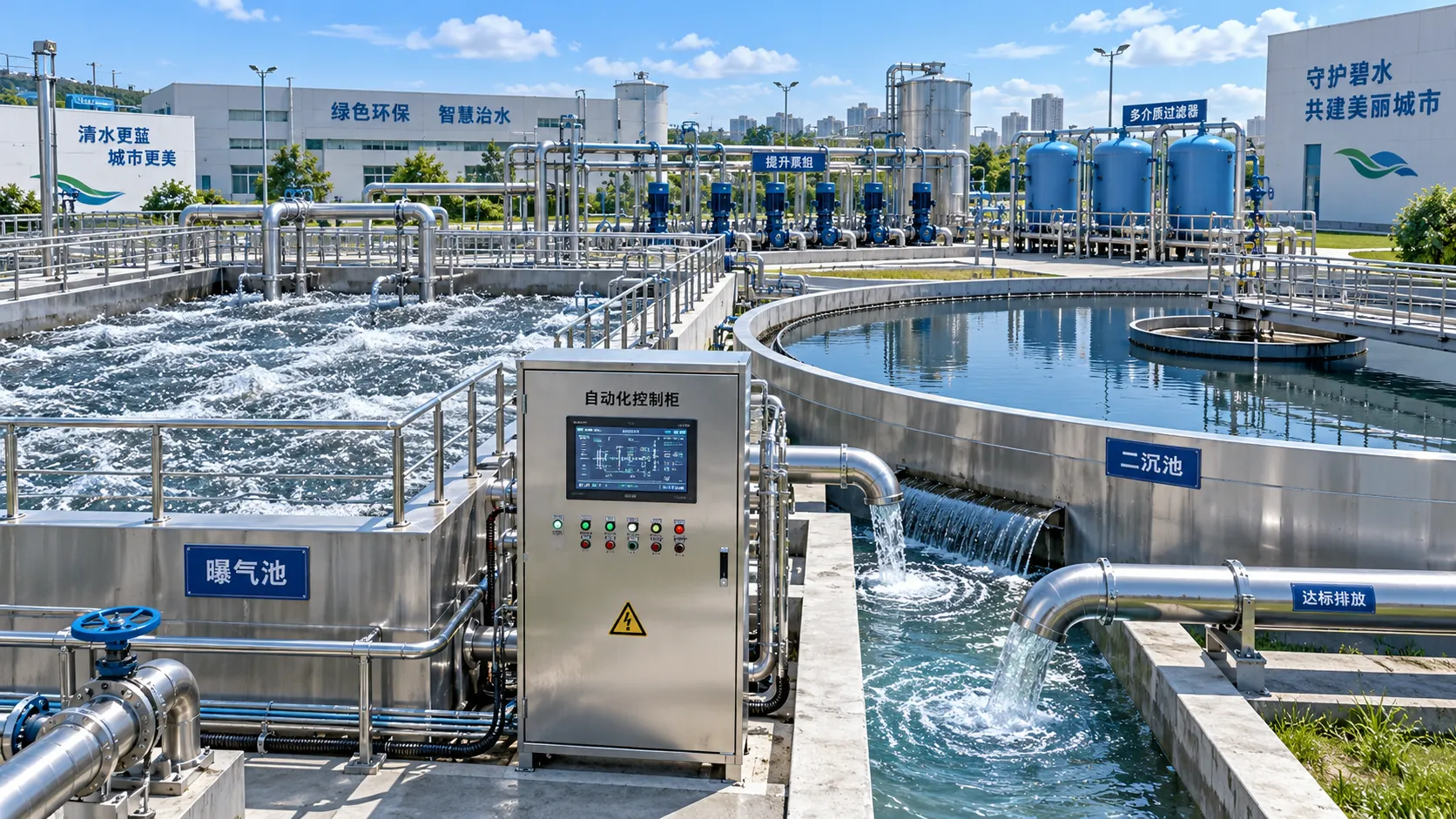
When Should Municipal Wastewater Plants Upgrade Treatment Capacity and Controls?
Municipal wastewater treatment upgrades: learn when capacity, controls, and resilient planning are needed to protect compliance and optimize plant performance.