
Industry News
Curation by industry experts
Hot Articles
Popular Tags
Sustainable Resource Management Policies That Cut Operational Waste
For project managers and engineering leaders under pressure to cut costs, meet compliance targets, and improve asset efficiency, sustainable resource management policies are no longer optional. They are a practical framework for reducing operational waste across water treatment, waste recovery, desalination, and high-risk environmental systems. This article explores how policy-driven resource strategies can strengthen performance, lower losses, and support long-term operational resilience in complex industrial projects.
Why sustainable resource management policies matter in waste-intensive industrial projects
In complex environmental infrastructure, waste is rarely limited to scrap material. It includes excess energy consumption, avoidable chemical dosing, unplanned downtime, water losses, rejected loads, maintenance inefficiencies, and compliance failures that trigger rework.
That is why sustainable resource management policies have become a management tool rather than a corporate slogan. For project managers, they create decision rules that connect design intent, procurement discipline, operating parameters, and lifecycle accountability.
In sectors such as large water treatment, solid waste recovery, flue gas control, seawater desalination, and nuclear waste handling, every process deviation can multiply cost. A weak policy framework often leads to overdesign in one area and under-control in another.
- Water treatment projects lose value when recovery ratios, sludge handling, and chemical consumption are managed separately rather than under one resource policy.
- Waste recovery facilities suffer when throughput targets ignore contamination rates, residue quality, and downstream marketability.
- Desalination plants can meet production goals while still wasting power if membrane fouling, pretreatment stability, and energy recovery are not policy-linked.
- High-risk systems such as nuclear waste management cannot tolerate resource inefficiency because storage, handling, shielding, and documentation are all cost-bearing control points.
ESD’s intelligence approach is especially relevant here. By connecting purification parameters, closed-loop recovery logic, and global compliance movements, the platform helps engineering leaders translate sustainability from a broad objective into an operating standard.
What should sustainable resource management policies actually include?
Many teams write policies that sound responsible but fail in execution. Effective sustainable resource management policies are measurable, asset-linked, and tied to daily operating choices. They define what gets monitored, who approves deviations, and what trade-offs are acceptable.
Core policy building blocks
- Resource baselines: establish current energy intensity, water recovery, consumables use, waste generation, and maintenance loss points before setting targets.
- Control thresholds: define acceptable operating bands for membrane differential pressure, reagent dosage, calorific value of feedstock, sludge solids content, or emission drift.
- Escalation logic: specify who acts when performance crosses warning and critical limits, especially under strict environmental or safety obligations.
- Supplier accountability: require vendors to provide lifecycle data, maintenance intervals, consumable profiles, and compatibility with compliance reporting.
- Closed-loop targets: prioritize reuse, by-product recovery, brine minimization, heat integration, and residue quality instead of treating outputs as unavoidable waste.
When these elements are missing, project managers usually inherit hidden cost. Equipment may meet specification on paper, yet consume too much chemical input, generate unstable sludge, or demand excessive operator intervention after commissioning.
Where do projects lose the most value without policy-driven control?
The following comparison shows how operational waste appears across ESD’s main focus sectors and how sustainable resource management policies can reduce those losses at the project level.
The pattern is clear. Operational waste is not random. It usually appears where process data, policy thresholds, and execution ownership are disconnected. Sustainable resource management policies reduce that disconnect and improve predictability.
How project managers can turn policy into measurable implementation
A common mistake is to assign sustainability to EHS teams only. In capital projects and plant upgrades, implementation succeeds only when engineering, procurement, operations, and compliance share one operating map.
A practical implementation sequence
- Audit the waste chain. Identify losses from intake, pretreatment, reaction, separation, recovery, discharge, storage, and maintenance.
- Rank waste by cost and compliance impact. Not every inefficiency deserves the same urgency.
- Set policy-linked KPIs. Use indicators such as specific energy consumption, recovery rate, reject ratio, residue purity, unplanned shutdown hours, and disposal intensity.
- Embed requirements into procurement. Ask for lifecycle consumables, service intervals, automation compatibility, and local compliance support before awarding packages.
- Create a deviation process. Teams need a formal path for approving temporary operational changes without undermining the sustainability baseline.
- Review performance after commissioning. Many losses only become visible after ramp-up, seasonal change, or feed variability.
This is where ESD’s Strategic Intelligence Center adds operational value. For managers preparing EPC bids or retrofit plans, intelligence on regulatory shifts, membrane behavior, catalyst kinetics, and resource recovery demand can change specification choices before cost is locked in.
Which procurement criteria best support sustainable resource management policies?
Procurement teams often compare capex first and operational resilience later. That creates a mismatch. If your policy goal is to cut operational waste, vendor evaluation must reflect total performance, not only installed cost.
The table below can be used as a practical selection checklist when purchasing systems or evaluating upgrades under sustainable resource management policies.
For engineering leaders, this checklist also strengthens internal approval. It shifts procurement discussions from “Which system is cheaper?” to “Which system aligns with our policy targets and avoids future loss?” That is a more defensible decision in board reviews and public tenders.
How do cost pressure and compliance pressure interact?
Many projects treat cost and compliance as competing priorities. In reality, weak compliance control often creates greater waste cost. Extra sludge hauling, rejected discharge, off-spec recovered materials, emergency shutdowns, and permit delays are all forms of expensive inefficiency.
Typical trade-offs to evaluate
- Lower-cost membranes may raise fouling frequency and increase cleaning chemical use, labor demand, and production interruption.
- Underspecified sorting technology can reduce initial capital expense while increasing residue disposal and lowering recovered material value.
- Minimal monitoring packages can save on instrumentation but delay detection of energy drift, reagent overuse, and process instability.
- Basic documentation packages may appear acceptable until new reporting rules or cross-border compliance requests require costly retroactive data assembly.
This is why sustainable resource management policies should be integrated into tendering, commissioning, and operating review. Policy without procurement leverage becomes advisory only. Procurement without policy becomes shortsighted.
What standards and compliance issues should managers watch?
Specific certification needs vary by geography and process type, but project leaders should prepare for tighter documentation, traceability, and environmental performance reporting. This is especially true where discharge permits, waste classification, emissions monitoring, or cross-border carbon policy influence project economics.
Practical compliance focus areas
- Material balance and audit trails for water, reagents, residues, and recovered outputs.
- Operating records that support discharge, emissions, or waste transport reporting.
- Change management procedures for feed variation, seasonal load shifts, or technology upgrades.
- Supplier documentation that can support public tenders, EPC reviews, and investor due diligence.
ESD’s value in this area is not limited to sector news. Its intelligence model helps managers interpret how global regulation, CBAM-related pressure, and technical evolution may reshape equipment choices, recovery economics, and bid strategy.
Common mistakes when applying sustainable resource management policies
Mistake 1: treating policy as a reporting exercise
If policies are designed only for annual reporting, operators will ignore them during process disturbances. Policy must inform setpoints, maintenance plans, and purchasing logic, not just summary dashboards.
Mistake 2: measuring only output, not process stability
A plant can meet output volume while generating hidden waste through unstable pretreatment, high reject rates, or excessive cleaning cycles. Stability indicators deserve equal weight.
Mistake 3: copying targets across unlike facilities
A desalination project, a waste-to-resource line, and a high-hazard containment system do not share the same loss profile. Sustainable resource management policies must reflect process chemistry, risk class, and local compliance conditions.
Mistake 4: ignoring post-commissioning learning
Operational waste often appears after startup, when real feed conditions diverge from design assumptions. Policies should require structured review after stabilization, not only at handover.
FAQ: practical questions from project managers and engineering leaders
How do sustainable resource management policies help during procurement?
They convert sustainability goals into bid criteria. Instead of comparing vendors only on capex, teams can score recovery efficiency, consumables demand, automation depth, compliance support, and upgrade flexibility.
Which projects benefit most from policy-driven waste reduction?
Projects with variable feed quality, strict discharge or emissions obligations, energy-intensive separation steps, or complex residue handling see the strongest impact. That includes ZLD systems, desalination plants, AI sorting lines, flue gas units, and controlled waste streams.
What should be measured first if the budget is limited?
Start with the largest cost and compliance drivers: specific energy use, chemical consumption, reject or residue rate, downtime hours, and off-spec output frequency. Those indicators usually reveal the fastest waste reduction opportunities.
How often should policies be updated?
At minimum, review them after commissioning, after major feed or process changes, and when regulations tighten. Annual review is useful, but event-based review is more important in technical operations.
Why choose us for sustainable resource management policy insight and project decision support?
For project managers and engineering leads, the challenge is not finding more generic sustainability messaging. The challenge is connecting technical parameters, procurement decisions, compliance pressure, and bid competitiveness in one usable framework.
That is where ESD stands apart. Our sector focus covers large-scale water treatment, solid waste recovery, flue gas treatment, seawater desalination, and nuclear waste management. We follow not only market movement, but also process behavior, regulatory evolution, and equipment intelligence that influence real project outcomes.
- Consult us for parameter confirmation when you need to compare recovery targets, process stability expectations, or resource-efficiency thresholds across competing solutions.
- Consult us for product and system selection when tender documents need stronger technical logic for membranes, sorting systems, scrubbers, catalysts, or containment-related process packages.
- Consult us for delivery-cycle planning when project schedules are tight and equipment lead times may affect commissioning strategy or phased deployment.
- Consult us for customized solution evaluation when your facility faces unusual feed composition, stricter discharge goals, or a need to balance recovery value with compliance risk.
- Consult us for certification and documentation preparation when bids or cross-border projects require more robust environmental and technical support materials.
- Consult us for quote-stage strategy when you need better visibility into lifecycle cost, supplier positioning, and technology alternatives before final budget approval.
If your team is shaping sustainable resource management policies for a new project, a retrofit, or a major procurement package, ESD can help you move from broad goals to technically grounded action. The result is less operational waste, stronger compliance readiness, and better long-term control over industrial resource performance.
Recommended News
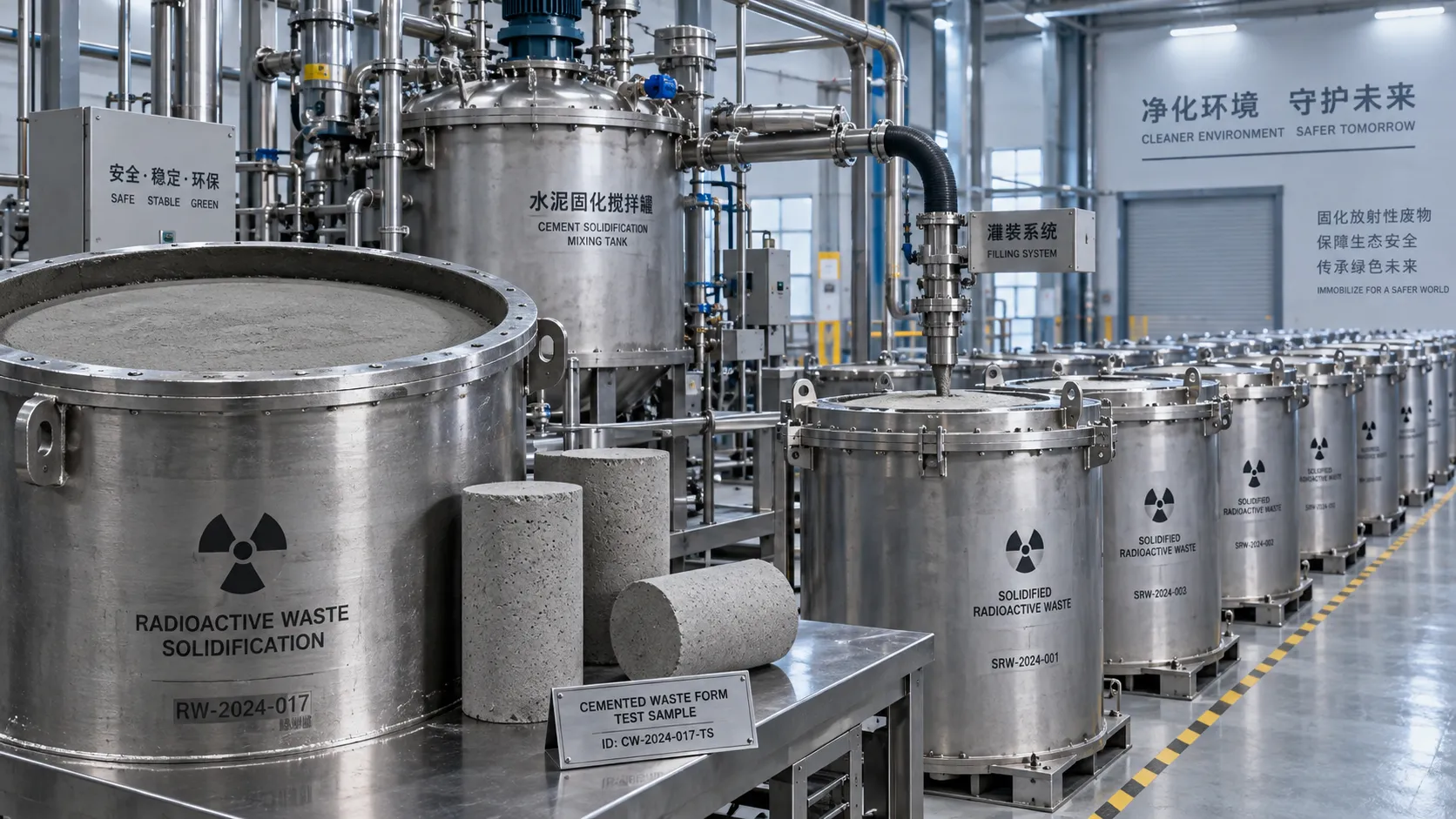
When is cementation suitable for nuclear decommissioning waste?
Explore nuclear waste treatment technology for decommissioning: learn when cementation fits, which risks to assess, and how disposal criteria guide an effective treatment choice.
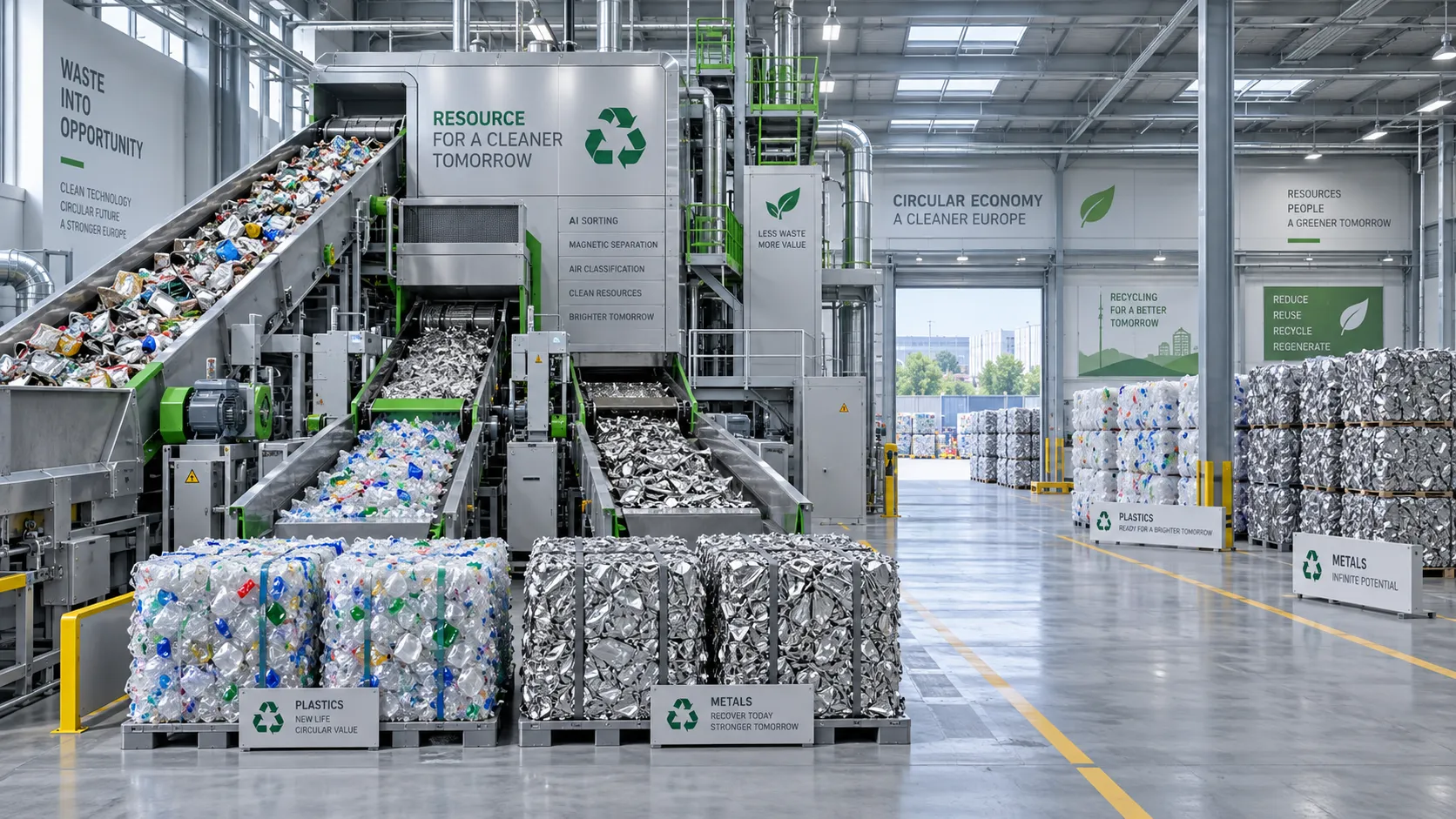
What determines payback for waste-to-resource systems in Europe?
Assess waste-to-resource systems Europe-wide: compare feedstock, recovery yields, costs and contracts to uncover payback drivers and make smarter investment decisions.
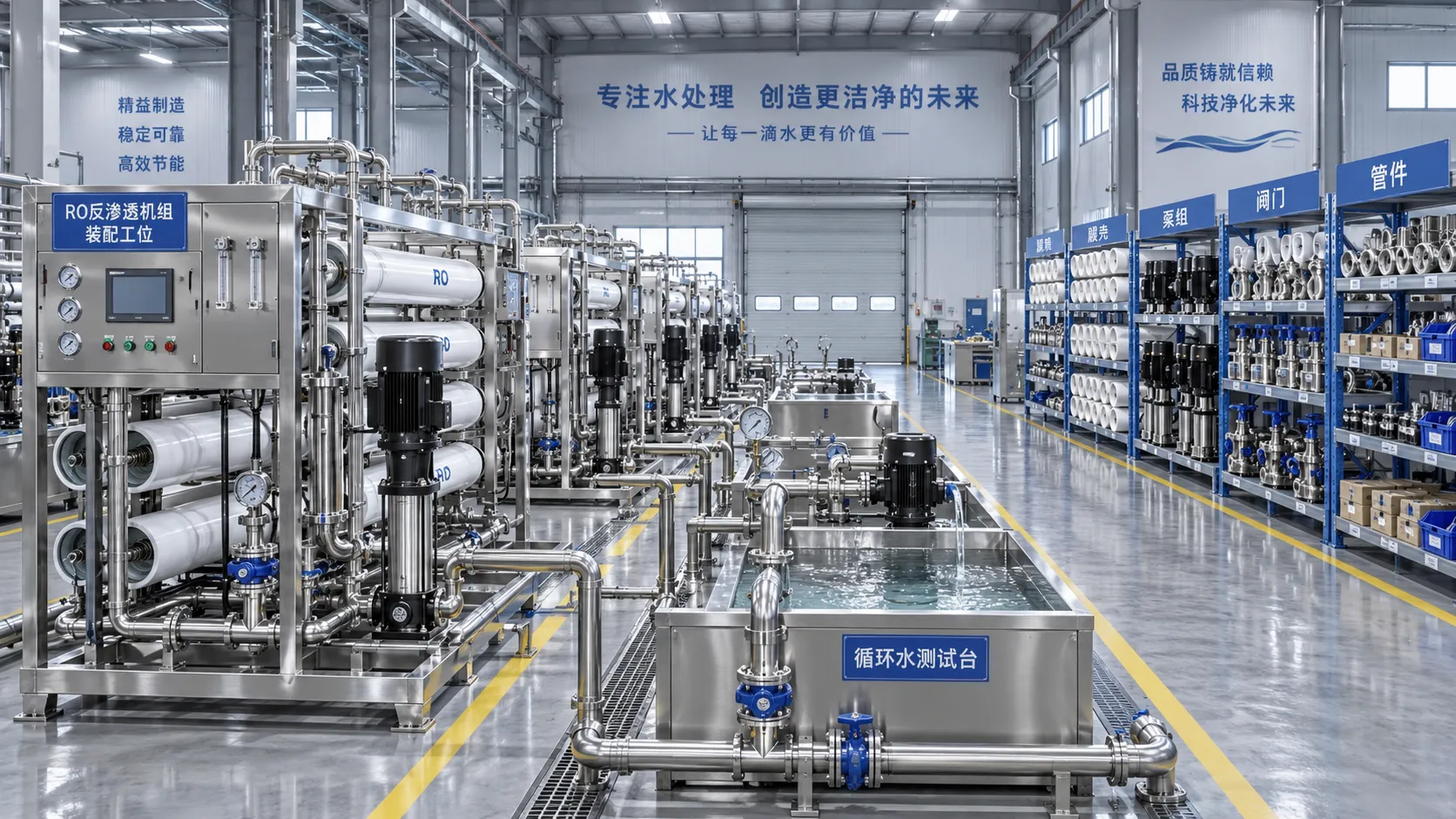
How to verify a water treatment system factory’s production capacity
Verify a water treatment systems factory’s production capacity through records, bottlenecks, component availability, and testing. Learn what to check before accepting a delivery promise.
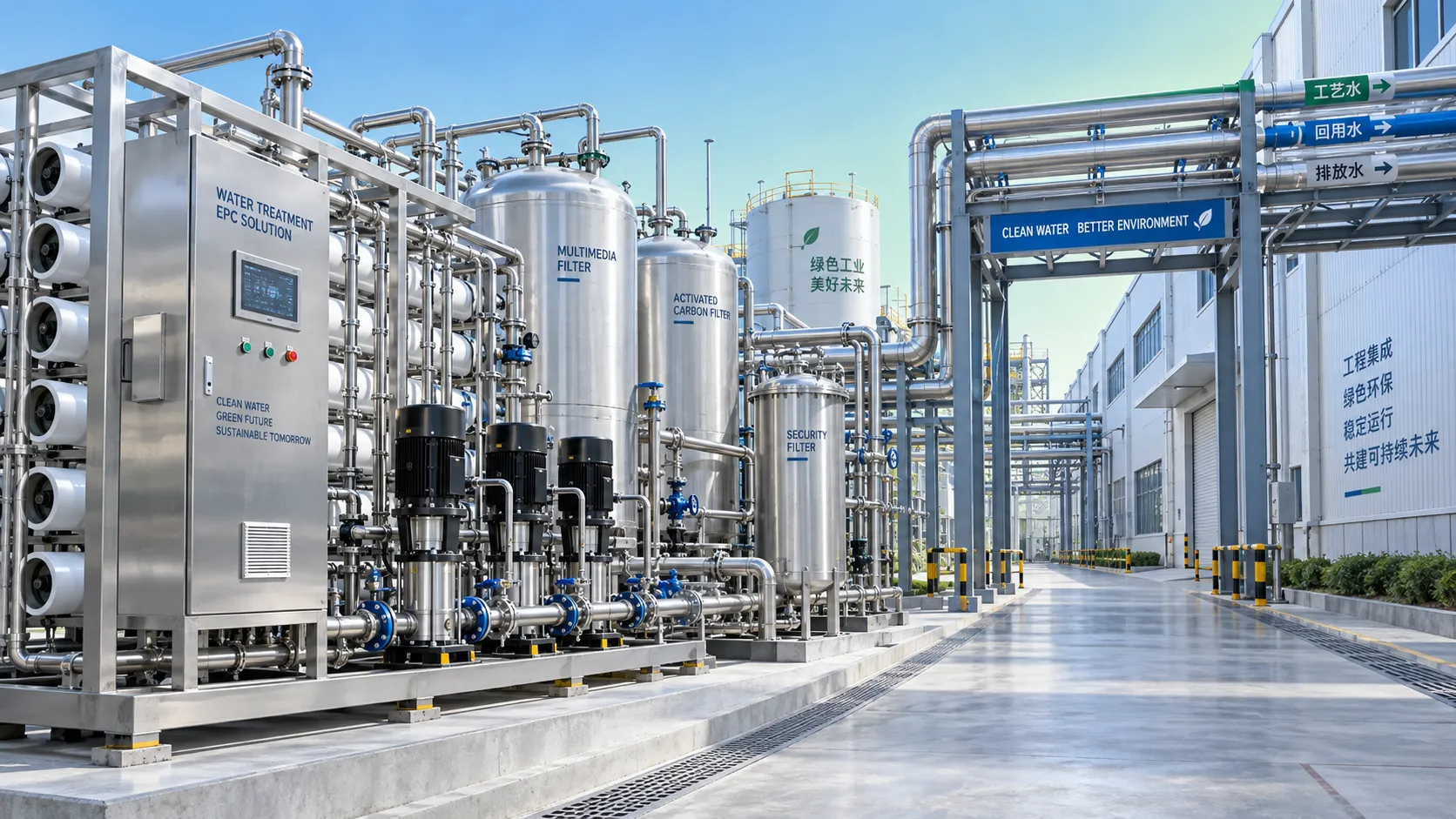
When does EPC environmental project support reduce delivery risk?
EPC environmental project support engineering reduces delivery risk by aligning design, procurement, compliance, construction, and commissioning decisions.
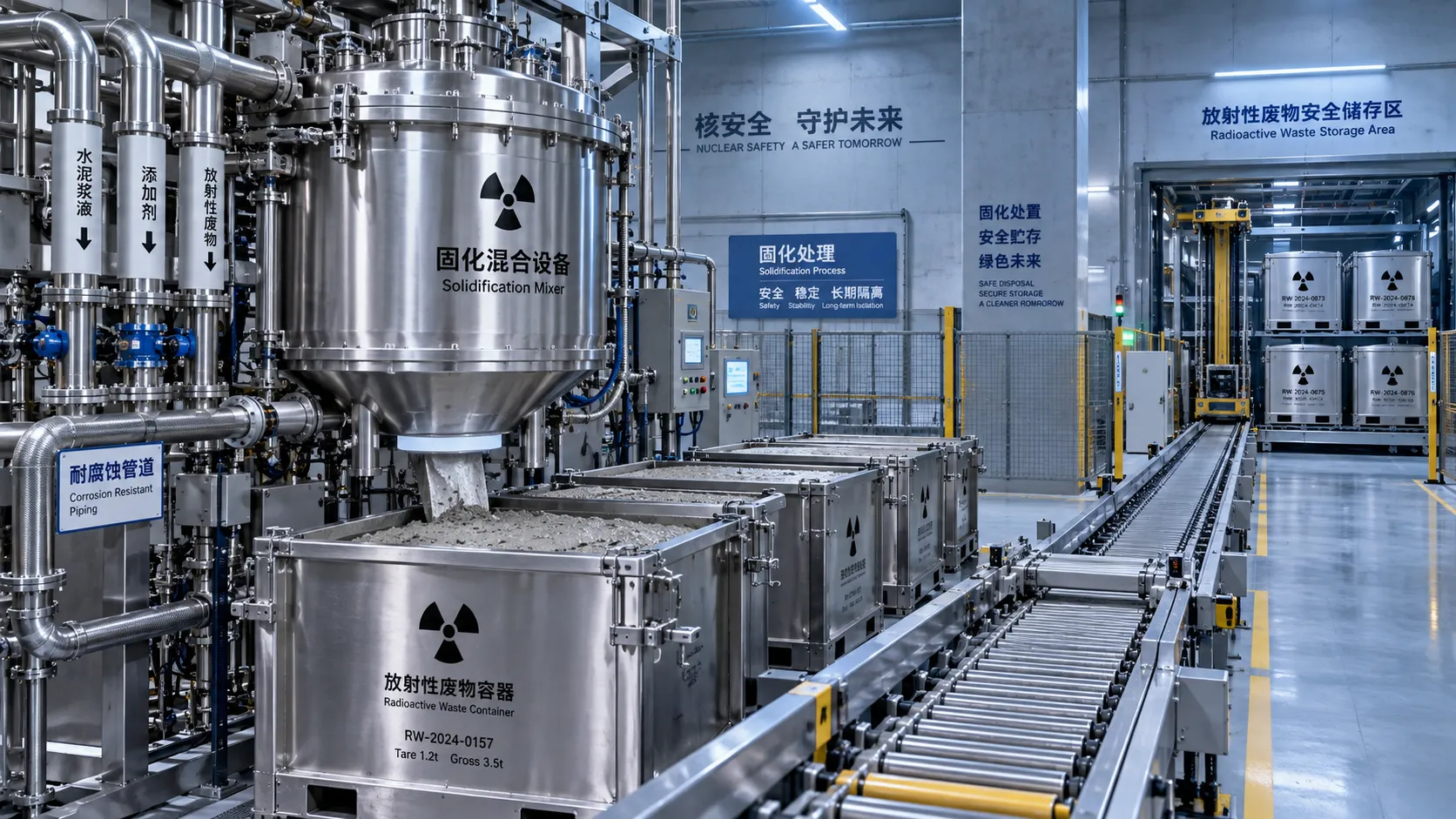
How nuclear plants select a radioactive waste solidification method
Radioactive waste management for nuclear plants: compare vitrification, cementation, polymers, and ceramics to select a compliant, durable solidification solution.
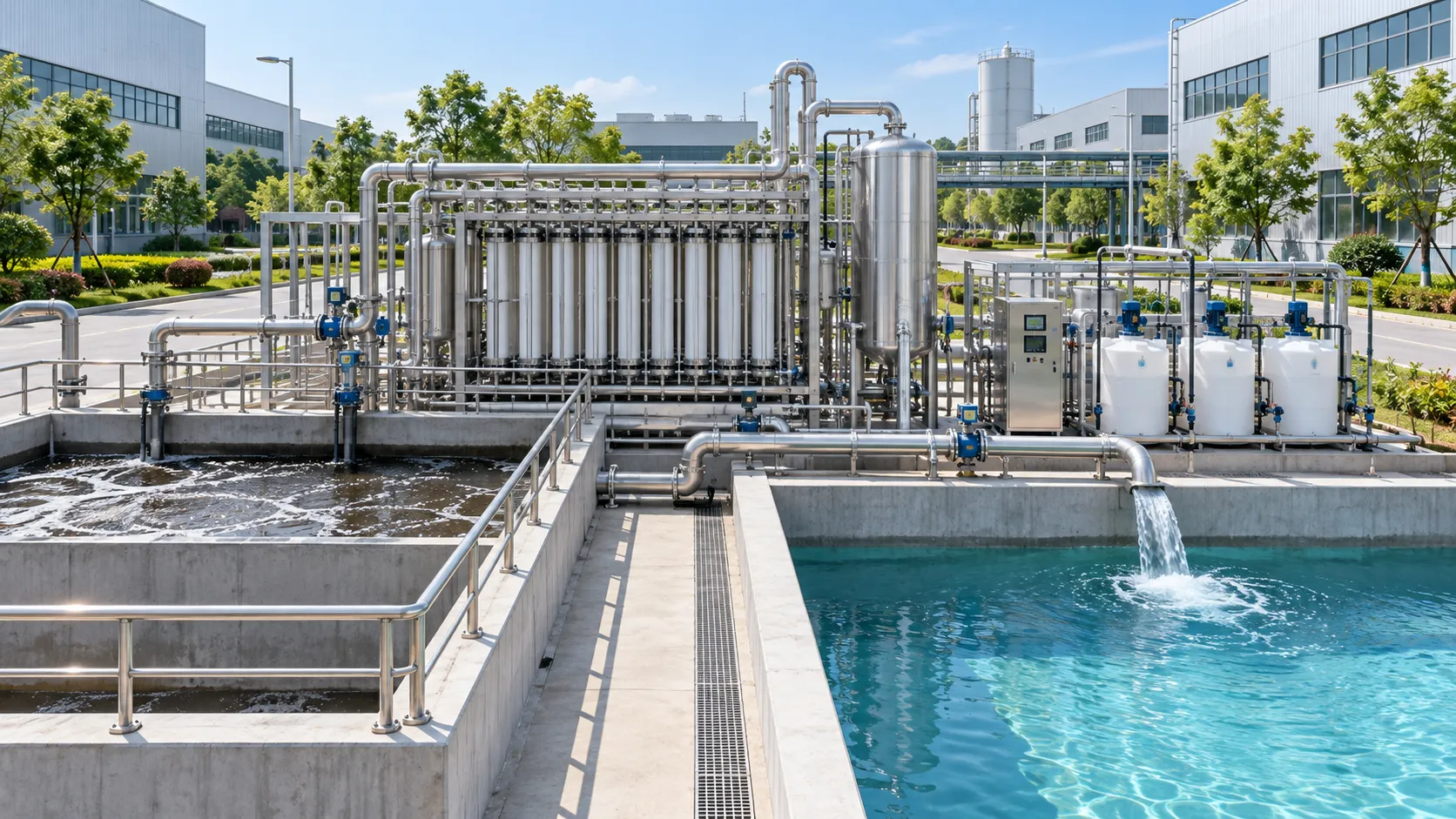
Comparing Upgrade Costs for Industrial Park Wastewater Treatment Systems
Compare costs for wastewater system upgrades in industrial parks with a lifecycle view of CAPEX, OPEX, compliance, resilience, and future expansion.
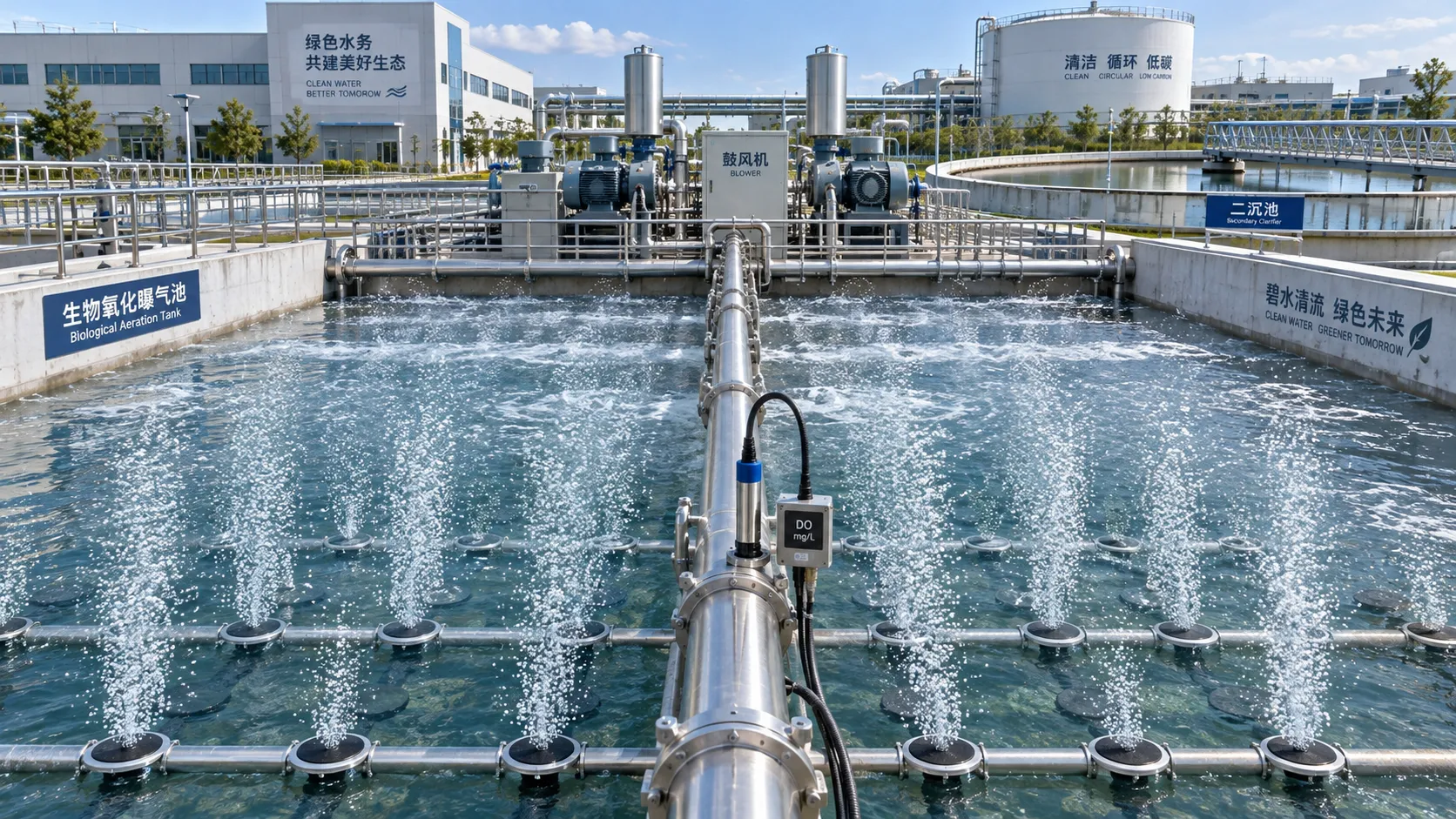
Biological Wastewater Oxidation Explained: Aeration Demand and Process Control
Biological wastewater oxidation explained: optimize aeration demand, DO control, nitrification, and sludge age for stable effluent quality and lower energy costs.
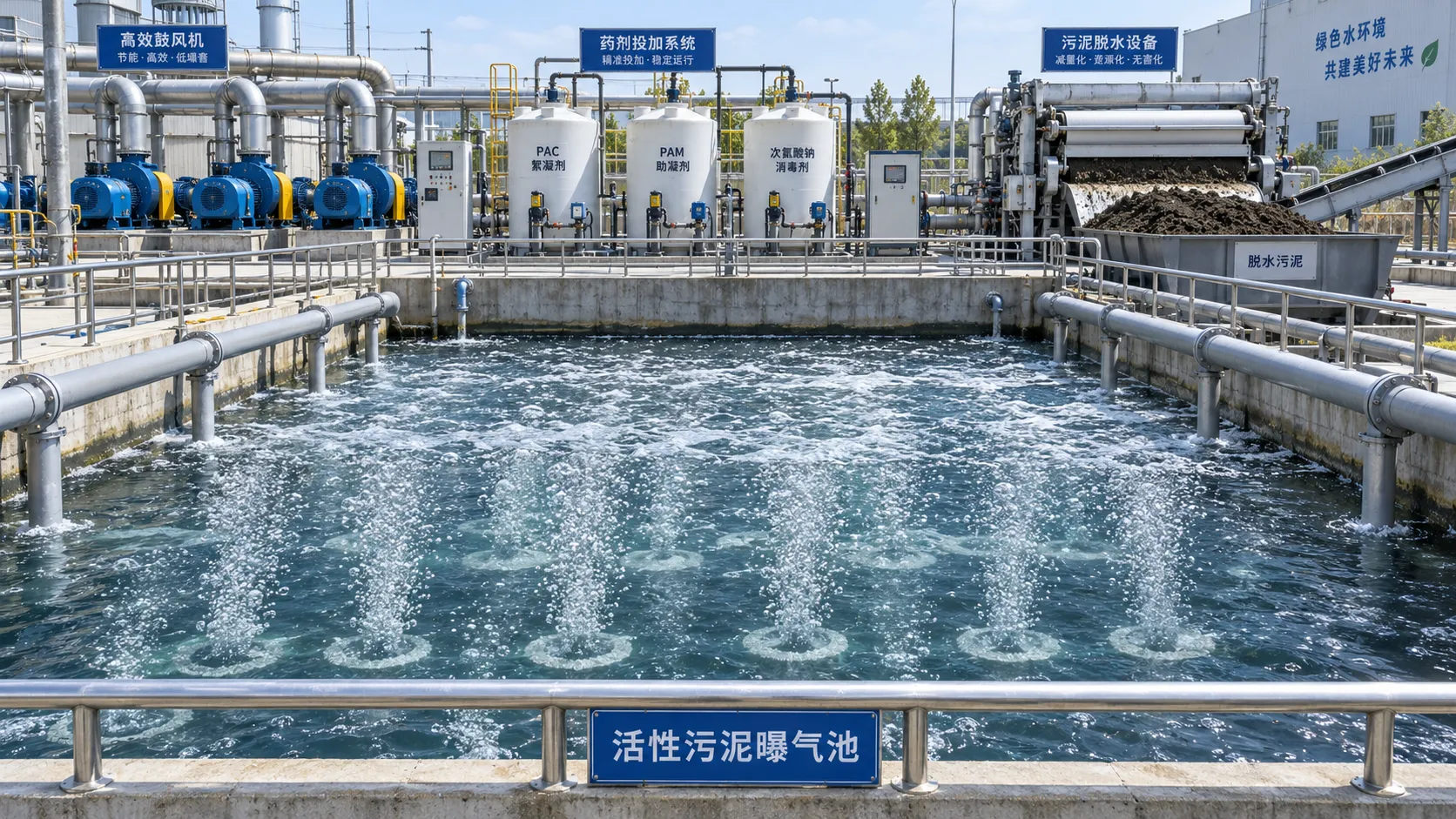
Activated Sludge Cost: Budgeting Energy, Chemicals, Sludge, and Labor
Activated sludge cost explained: compare energy, chemicals, sludge disposal, labor, and compliance risks to build a reliable lifecycle budget.
When Should Municipal Wastewater Plants Upgrade Treatment Capacity and Controls?
Municipal wastewater treatment upgrades: learn when capacity, controls, and resilient planning are needed to protect compliance and optimize plant performance.