
Industry News
Curation by industry experts
Hot Articles
Popular Tags
Sustainable Resource Management Practices That Cut Waste
For business leaders navigating rising compliance pressure, volatile input costs, and decarbonization targets, sustainable resource management practices are no longer optional—they are a competitive necessity. From water treatment and waste recovery to desalination and nuclear waste control, smarter closed-loop strategies can cut waste, improve resilience, and unlock long-term value across complex industrial systems.
What Decision-Makers Are Really Looking for When They Search This Topic
Most executives searching for sustainable resource management practices are not looking for theory. They want practical ways to reduce waste, control costs, improve compliance, and strengthen operational resilience.
They are also trying to answer tougher questions. Which practices deliver measurable returns first? Which investments reduce regulatory exposure? And how can resource efficiency support growth without disrupting production reliability?
For leaders in industrial and environmental sectors, the topic is deeply strategic. Waste is no longer just a disposal issue. It is a signal of lost value, weak process control, and future compliance risk.
That is why the most useful discussion goes beyond broad sustainability language. It must focus on business cases, implementation priorities, operational fit, technology choices, and the metrics that matter to capital allocation.
Why Sustainable Resource Management Has Become a Board-Level Issue
In many industries, resource management has moved from environmental reporting into core business strategy. Water scarcity, energy volatility, carbon pricing, and waste regulation now affect margins, procurement security, and long-term asset planning.
At the same time, stakeholders expect more than basic compliance. Customers, investors, regulators, and public buyers increasingly evaluate companies on their ability to reduce waste, recover materials, and operate within tighter environmental limits.
For large facilities, inefficient resource use often hides in plain sight. It appears as high freshwater intake, low recovery rates, excessive sludge generation, avoidable heat loss, poor segregation, or underused by-product streams.
Each of these inefficiencies carries a direct financial consequence. Companies pay for raw inputs, pay again to process them, and pay a third time to manage the waste created when systems are not optimized.
That triple cost burden explains why sustainable resource management practices deserve executive attention. They do not simply improve environmental performance. They help protect EBITDA, reduce volatility, and improve strategic flexibility.
What Sustainable Resource Management Practices Actually Mean in Industrial Operations
In practical terms, sustainable resource management means designing operations to extract more value from every unit of water, energy, material, and infrastructure capacity while generating less waste and lower environmental risk.
It includes prevention first, then recovery, then safe treatment. The strongest programs reduce waste at source before investing in downstream handling. This order matters because avoided waste is usually cheaper than treated waste.
For industrial operators, the concept often translates into five areas. These are resource mapping, process optimization, closed-loop recovery, compliance-by-design, and data-driven performance management across the asset lifecycle.
Resource mapping identifies where inputs enter, where losses occur, and where recoverable value is currently being discarded. Without this baseline, sustainability projects often become fragmented and fail to scale.
Process optimization targets the physical and chemical causes of waste generation. It may involve better dosing, membrane performance tuning, heat integration, process control improvements, or separation efficiency upgrades.
Closed-loop recovery focuses on recapturing usable outputs from waste streams. Examples include reclaiming process water, recovering metals, converting organics into fuel, or redirecting brine and solids into secondary value chains.
Compliance-by-design ensures that systems are built for emerging standards, not only current thresholds. This is essential where discharge limits, carbon policies, or hazardous waste rules are becoming more demanding.
Finally, data-driven management creates visibility. Metering, material flow accounting, and digital monitoring allow leaders to compare sites, detect losses early, and connect sustainability performance to financial outcomes.
Which Practices Cut Waste Fastest and Deliver the Clearest Business Value
Not every initiative produces the same result. For most enterprises, the fastest gains come from projects that address high-volume losses, expensive disposal burdens, or compliance-sensitive resource streams.
Water reuse is often one of the strongest early opportunities. In sectors with high intake or discharge costs, reclaiming process water can reduce freshwater dependence, lower treatment expenses, and improve drought resilience.
Waste segregation is another high-impact area. When valuable or hazardous materials are mixed with general waste, recovery rates fall and disposal costs rise. Better sorting can immediately improve economics and compliance control.
Energy and heat recovery also deserve attention. Many facilities waste recoverable thermal value through exhaust, wastewater, or process inefficiencies. Capturing that energy can cut both operating costs and carbon exposure.
Material yield improvement may sound basic, but it is often overlooked. A small increase in feedstock conversion or product recovery can outperform highly visible sustainability projects because it reduces waste at the source.
In heavy industry, by-product commercialization can create substantial upside. Sludge, brine derivatives, recovered metals, ash fractions, and concentrated streams may become inputs for other processes if quality and logistics align.
Digital monitoring platforms support all of these practices. Better data does not reduce waste by itself, but it enables root-cause diagnosis, benchmark comparison, and faster intervention when performance drifts.
How Closed-Loop Thinking Changes Water, Waste, and Recovery Economics
Closed-loop systems are central to modern sustainable resource management practices because they reframe waste streams as operational assets rather than unavoidable burdens. That shift can materially change investment logic.
In water treatment, closed-loop design may include internal reuse, advanced recycling, and Zero Liquid Discharge strategies where feasible. The objective is not ideology. It is resource security under tightening water constraints.
For solid waste systems, closed-loop thinking means building pathways for reuse, remanufacturing, material recovery, and energy conversion instead of treating mixed waste as the end of the value chain.
In desalination, the challenge is more complex. Plants must balance secure water supply with energy intensity, concentrate management, and membrane lifecycle costs. Sustainable management therefore depends on optimizing the full system, not a single unit.
Nuclear waste management represents the highest-stakes closed-loop environment. Here, sustainable resource management is inseparable from containment integrity, long-term risk reduction, traceability, and absolute regulatory discipline.
Across these domains, the economic model improves when organizations evaluate total system value. Reduced input demand, lower disposal fees, improved compliance readiness, and stronger supply resilience should all be counted together.
How to Evaluate ROI Without Undervaluing Risk Reduction
One reason good projects stall is that companies assess them too narrowly. If the business case includes only direct utility savings, many strategic resource management investments will appear weaker than they actually are.
Decision-makers should evaluate at least five value categories. These are reduced input costs, lower treatment and disposal expenses, avoided compliance penalties, resilience benefits, and commercial advantages in bids or procurement relationships.
Reduced input costs are the easiest to quantify. Water, chemicals, fuel, and virgin materials all have direct price tags. Lower consumption creates immediate and recurring savings if baseline data is reliable.
Treatment and disposal savings can be equally significant. A project that lowers sludge volume, concentrate load, hazardous fractions, or off-spec material may cut external handling costs more than energy savings alone.
Avoided risk is harder to model but essential. Regulatory breaches, production interruptions, water shortages, community opposition, and tightening discharge permits all have real financial consequences even when they do not appear monthly.
Resilience value has become more important in a volatile world. Systems that reduce dependency on scarce inputs or unstable supply chains can protect continuity, which matters deeply in high-capital, high-utilization operations.
There is also strategic commercial value. Companies with stronger resource efficiency and compliance capability often gain an advantage in public infrastructure bids, ESG-sensitive contracts, and international markets shaped by carbon regulation.
The best ROI models therefore combine short-payback improvements with strategic investments. This portfolio approach allows leadership teams to secure early wins while building longer-term capability and risk protection.
Where Many Companies Fail When Implementing Resource Management Programs
Failure rarely comes from lack of ambition. It usually comes from weak prioritization, poor data, or treating sustainability as a side program rather than an operating model.
One common mistake is launching too many initiatives at once. When teams spread effort across low-impact projects, they create reporting activity without meaningful waste reduction or financial return.
Another problem is technology-first thinking. Advanced systems can create value, but they should follow a clear diagnosis of losses, constraints, and economics. Otherwise, companies buy equipment without solving root causes.
Governance is another weakness. Resource management often sits between operations, engineering, procurement, EHS, and finance. Without executive sponsorship and clear accountability, cross-functional action stalls.
Some firms also underinvest in measurement. If resource flows are not tracked at the right points, leaders cannot verify savings, detect underperformance, or make informed decisions about scaling successful projects.
Finally, many organizations underestimate future compliance change. A project that looks marginal under current rules may become essential under stricter discharge limits, waste classifications, or carbon-linked trade requirements.
A Practical Decision Framework for Business Leaders
For executives deciding where to act first, a simple framework can improve speed and confidence. Start by identifying the largest resource losses and the costliest waste streams across key facilities.
Next, rank opportunities by four factors: financial impact, compliance urgency, implementation complexity, and strategic relevance to long-term operating conditions such as water stress or carbon exposure.
Then separate actions into three horizons. Horizon one includes low-capex operational improvements. Horizon two includes targeted equipment or process upgrades. Horizon three covers transformational closed-loop infrastructure.
For each initiative, define one operational owner and one financial sponsor. This helps ensure the project is not treated as a technical experiment disconnected from actual business performance.
Metrics should be specific and decision-ready. Useful examples include water reuse rate, waste diversion rate, sludge reduction per unit output, energy recovered, virgin material displacement, and compliance incident reduction.
It is also wise to test scalability early. A pilot that works only under ideal conditions may not justify wider rollout. Leaders should ask whether the practice can be standardized across plants, regions, or business units.
Why This Matters Especially in Water, Waste, Desalination, and High-Risk Environmental Systems
In sectors tied to environmental infrastructure, sustainable resource management practices are not only internal efficiency tools. They also shape market credibility, project bankability, and long-term competitiveness.
Large water treatment systems must now do more than meet discharge targets. They are increasingly expected to recover water, lower chemical intensity, control sludge, and support circular industrial ecosystems.
Waste recovery systems face similar pressure. Simple disposal models are losing relevance as cities and industries seek higher-value extraction from complex waste streams through automation, thermal conversion, and materials intelligence.
Desalination projects are expanding globally, yet scrutiny over energy use and concentrate management is increasing. Resource management excellence will distinguish operators that can scale without intensifying environmental trade-offs.
In nuclear waste management, there is no room for superficial sustainability language. The priority is secure containment, lifecycle integrity, and uncompromising compliance, supported by advanced technical intelligence and risk governance.
For organizations operating in or serving these sectors, the ability to cut waste while strengthening reliability is becoming a defining capability. It signals technical maturity, regulatory readiness, and strategic discipline.
Conclusion: Sustainable Resource Management Is a Performance Strategy, Not Just an Environmental One
Sustainable resource management practices matter because they address three executive priorities at once: cost control, compliance resilience, and long-term competitiveness. That is why the topic has moved far beyond corporate messaging.
The most effective approach starts with material losses, not slogans. Companies should focus on where waste is expensive, where regulation is tightening, and where closed-loop improvements can create measurable operational advantage.
For business leaders, the key question is no longer whether to act. It is which practices fit the asset base, risk profile, and strategic horizon of the enterprise.
Organizations that answer that question well will not only cut waste. They will build stronger, more adaptable systems for a resource-constrained industrial future.
Recommended News
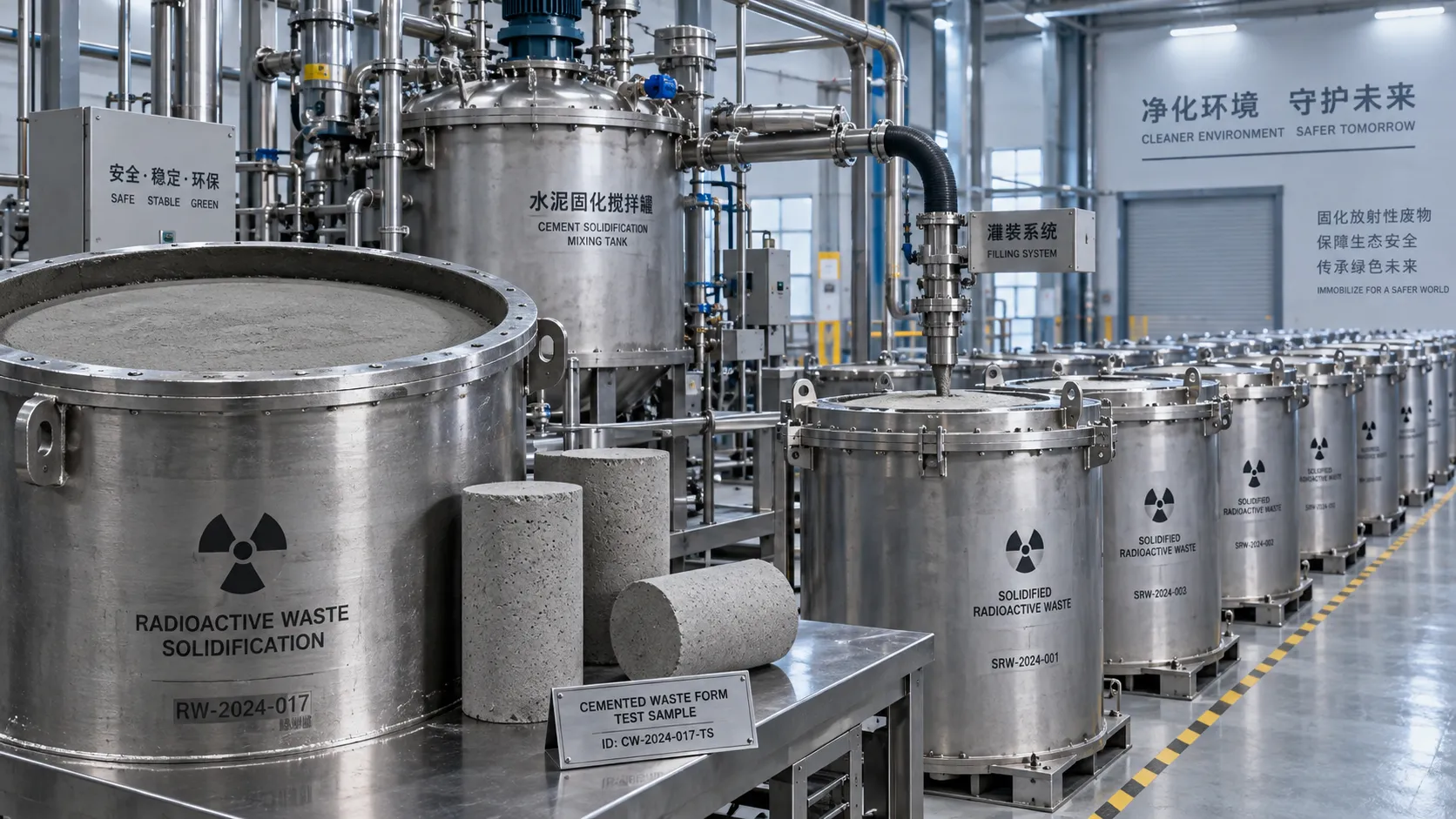
When is cementation suitable for nuclear decommissioning waste?
Explore nuclear waste treatment technology for decommissioning: learn when cementation fits, which risks to assess, and how disposal criteria guide an effective treatment choice.
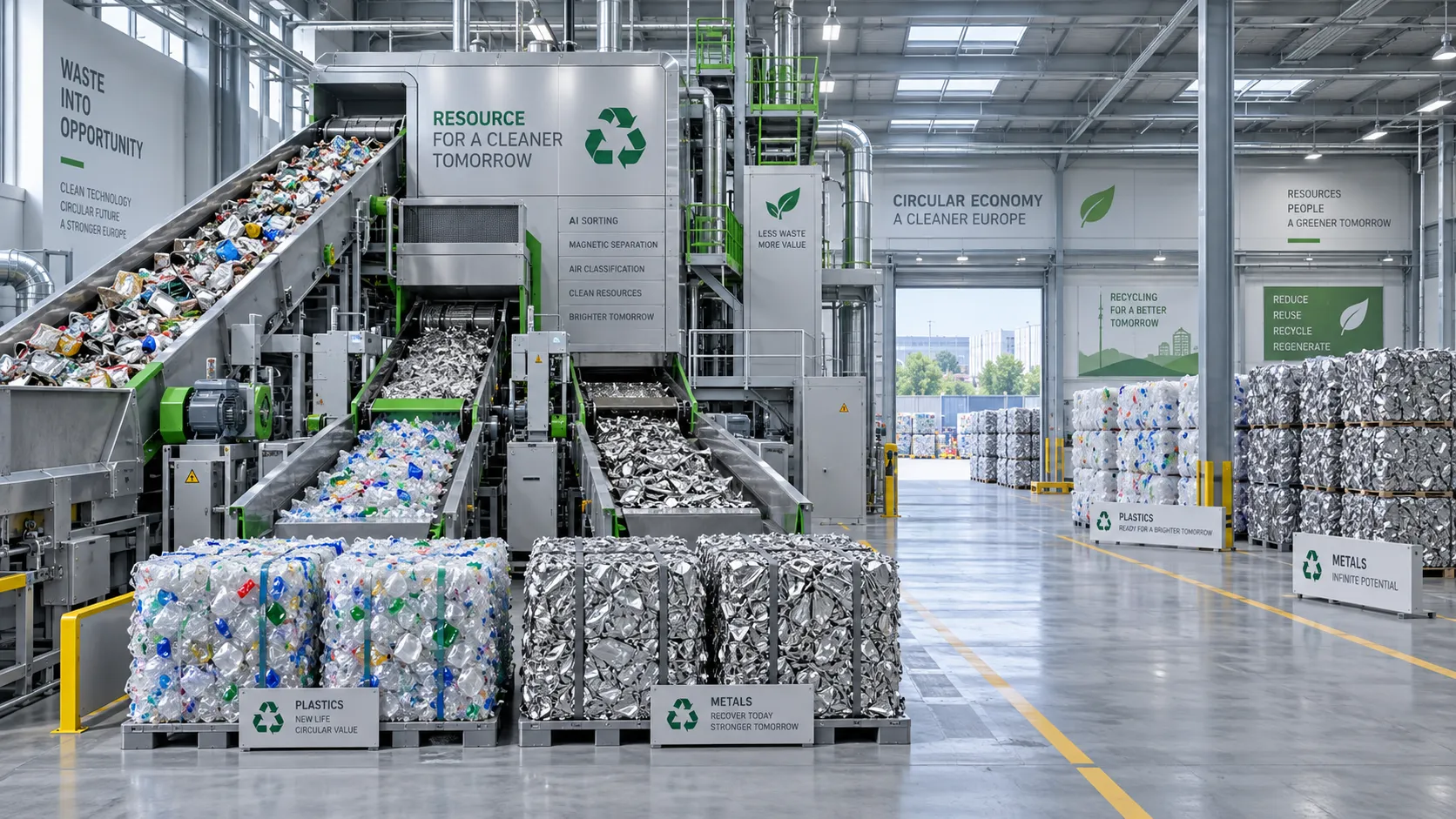
What determines payback for waste-to-resource systems in Europe?
Assess waste-to-resource systems Europe-wide: compare feedstock, recovery yields, costs and contracts to uncover payback drivers and make smarter investment decisions.
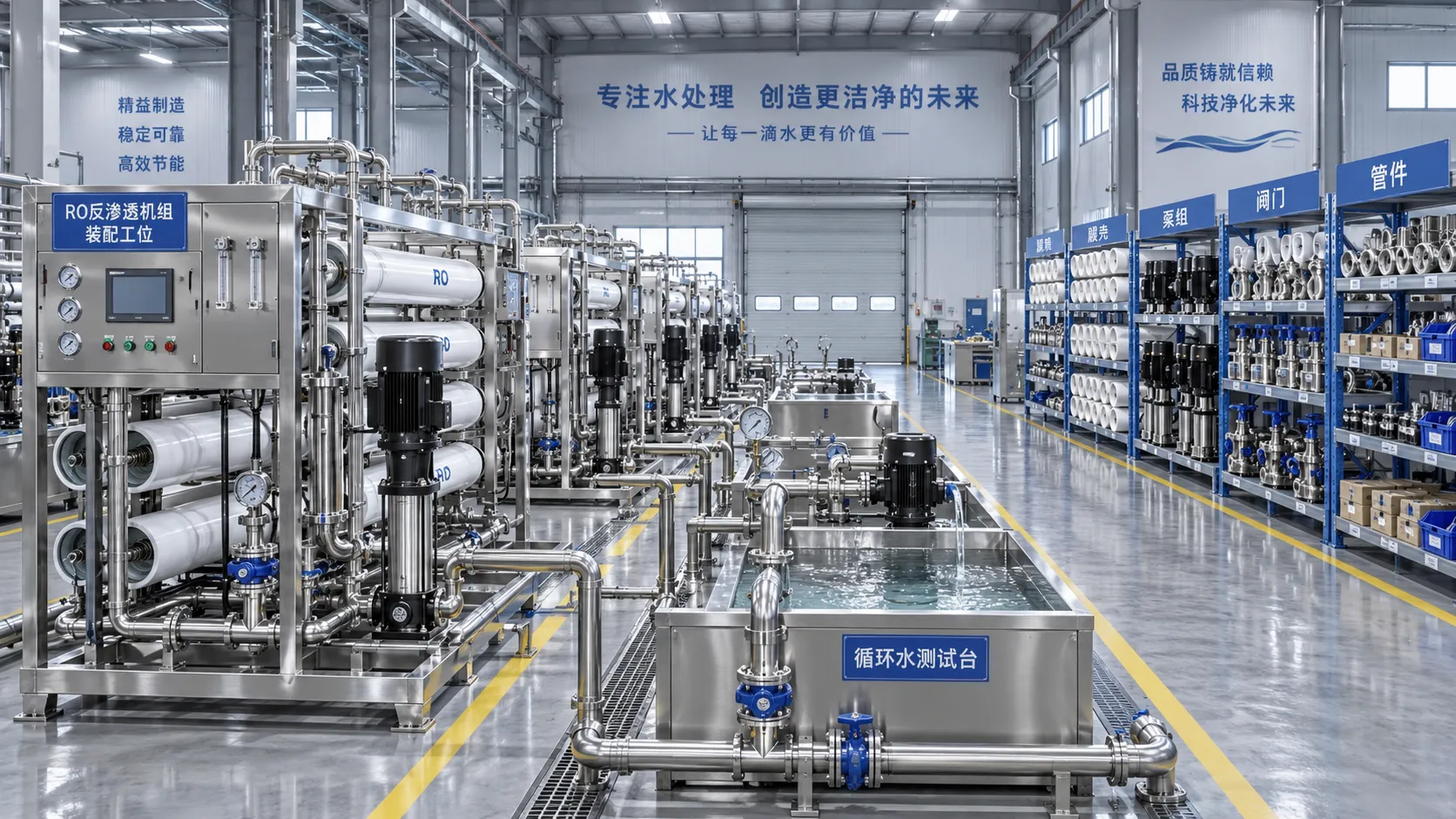
How to verify a water treatment system factory’s production capacity
Verify a water treatment systems factory’s production capacity through records, bottlenecks, component availability, and testing. Learn what to check before accepting a delivery promise.
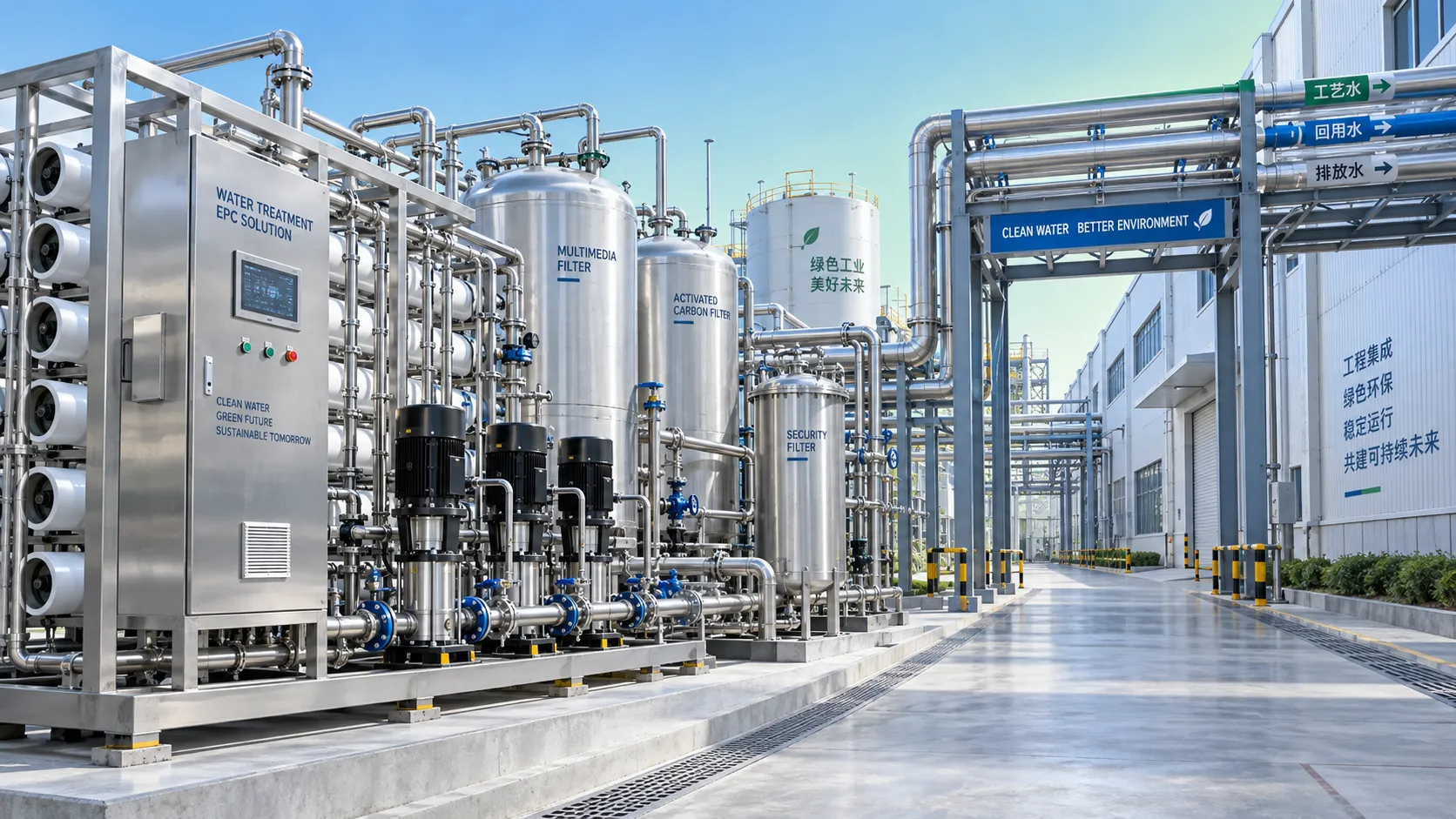
When does EPC environmental project support reduce delivery risk?
EPC environmental project support engineering reduces delivery risk by aligning design, procurement, compliance, construction, and commissioning decisions.
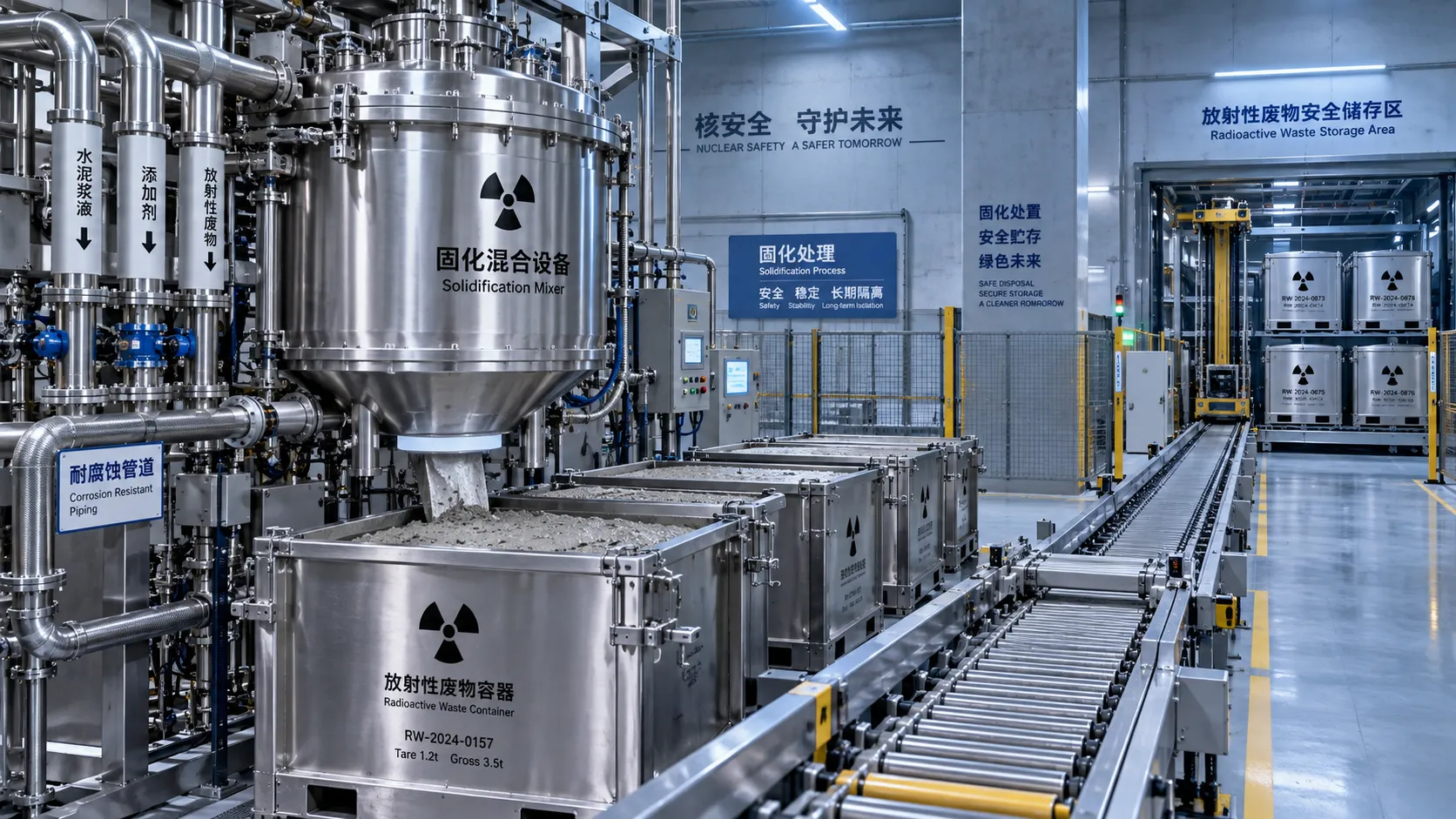
How nuclear plants select a radioactive waste solidification method
Radioactive waste management for nuclear plants: compare vitrification, cementation, polymers, and ceramics to select a compliant, durable solidification solution.
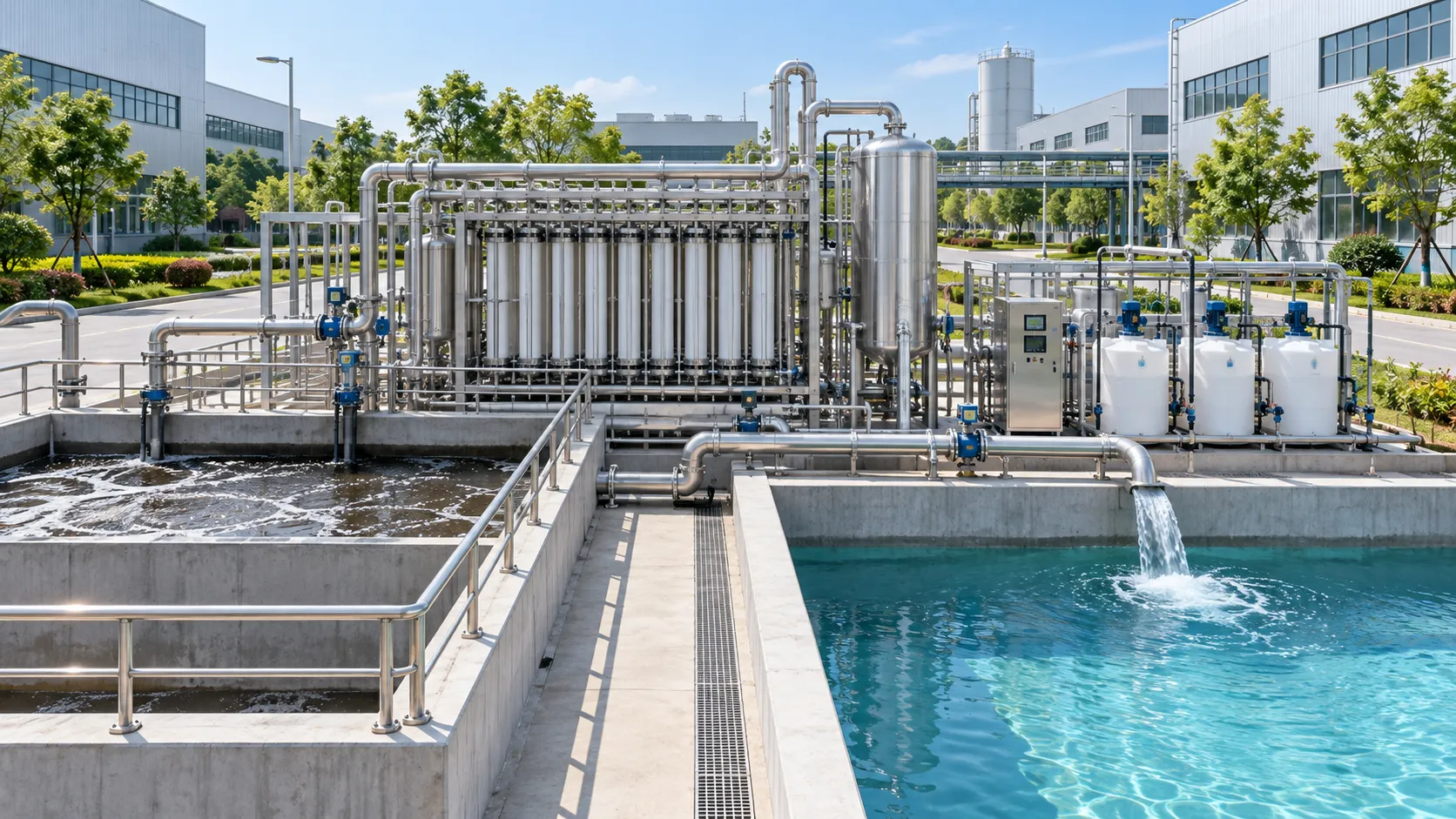
Comparing Upgrade Costs for Industrial Park Wastewater Treatment Systems
Compare costs for wastewater system upgrades in industrial parks with a lifecycle view of CAPEX, OPEX, compliance, resilience, and future expansion.
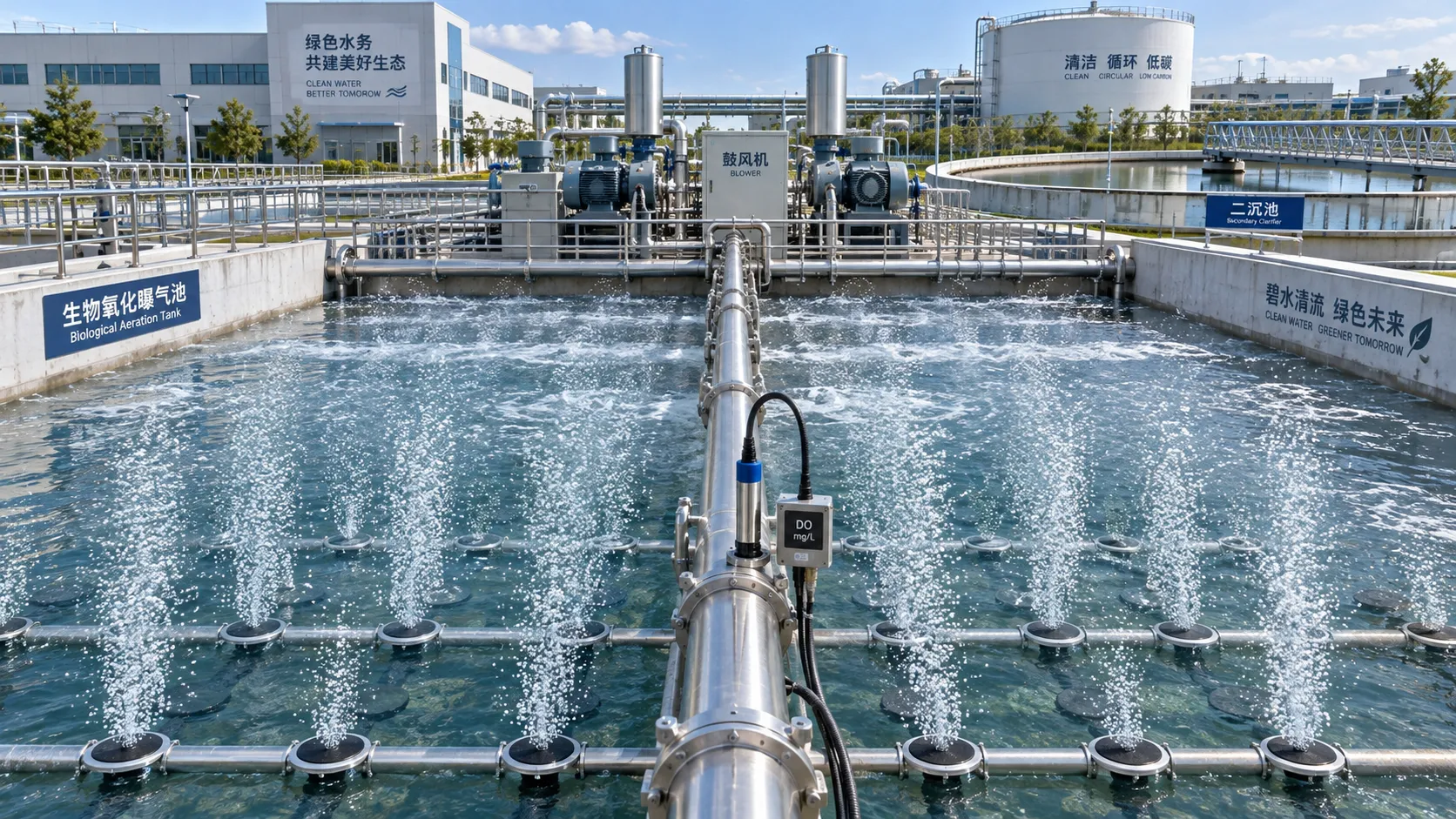
Biological Wastewater Oxidation Explained: Aeration Demand and Process Control
Biological wastewater oxidation explained: optimize aeration demand, DO control, nitrification, and sludge age for stable effluent quality and lower energy costs.
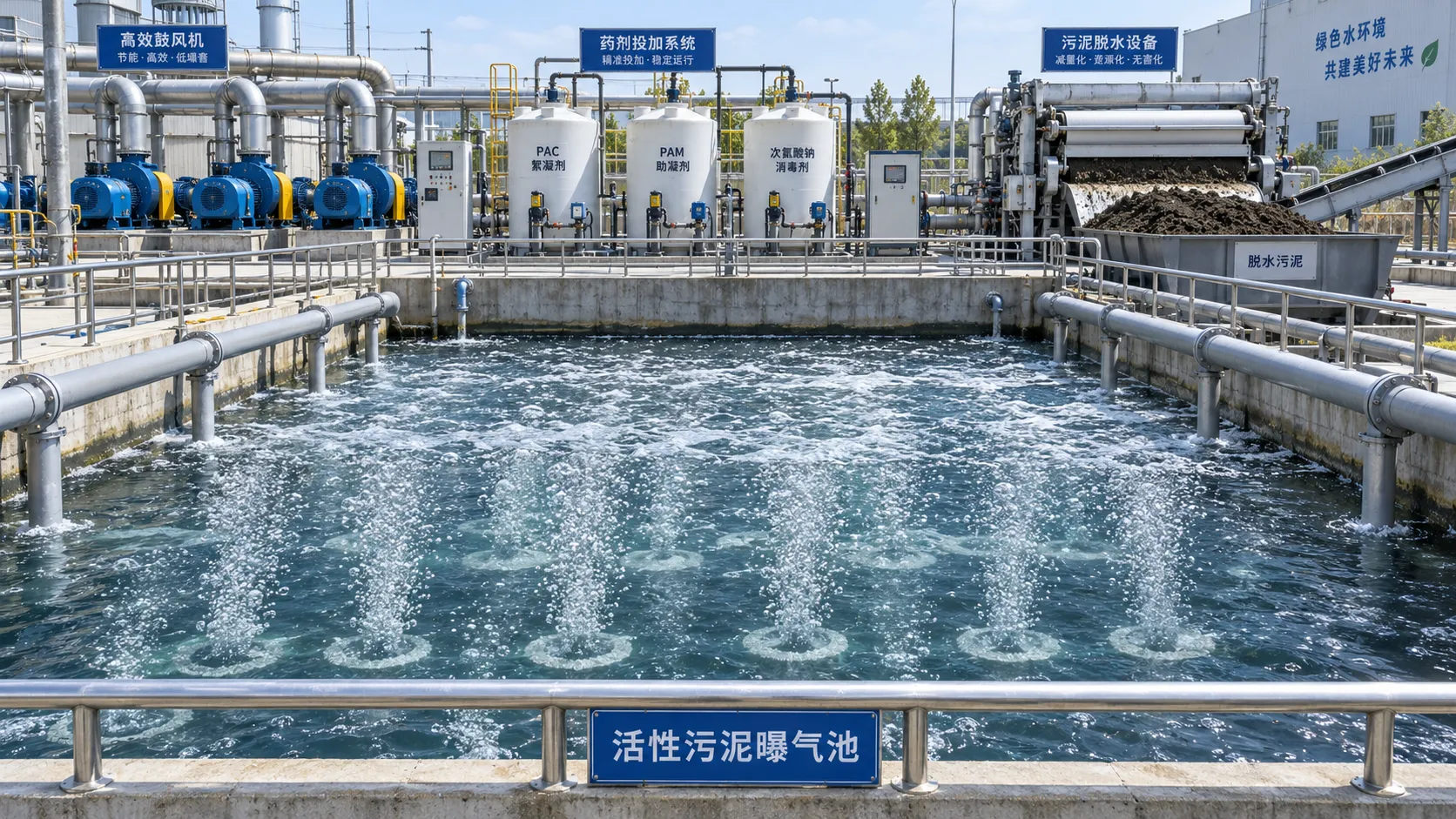
Activated Sludge Cost: Budgeting Energy, Chemicals, Sludge, and Labor
Activated sludge cost explained: compare energy, chemicals, sludge disposal, labor, and compliance risks to build a reliable lifecycle budget.
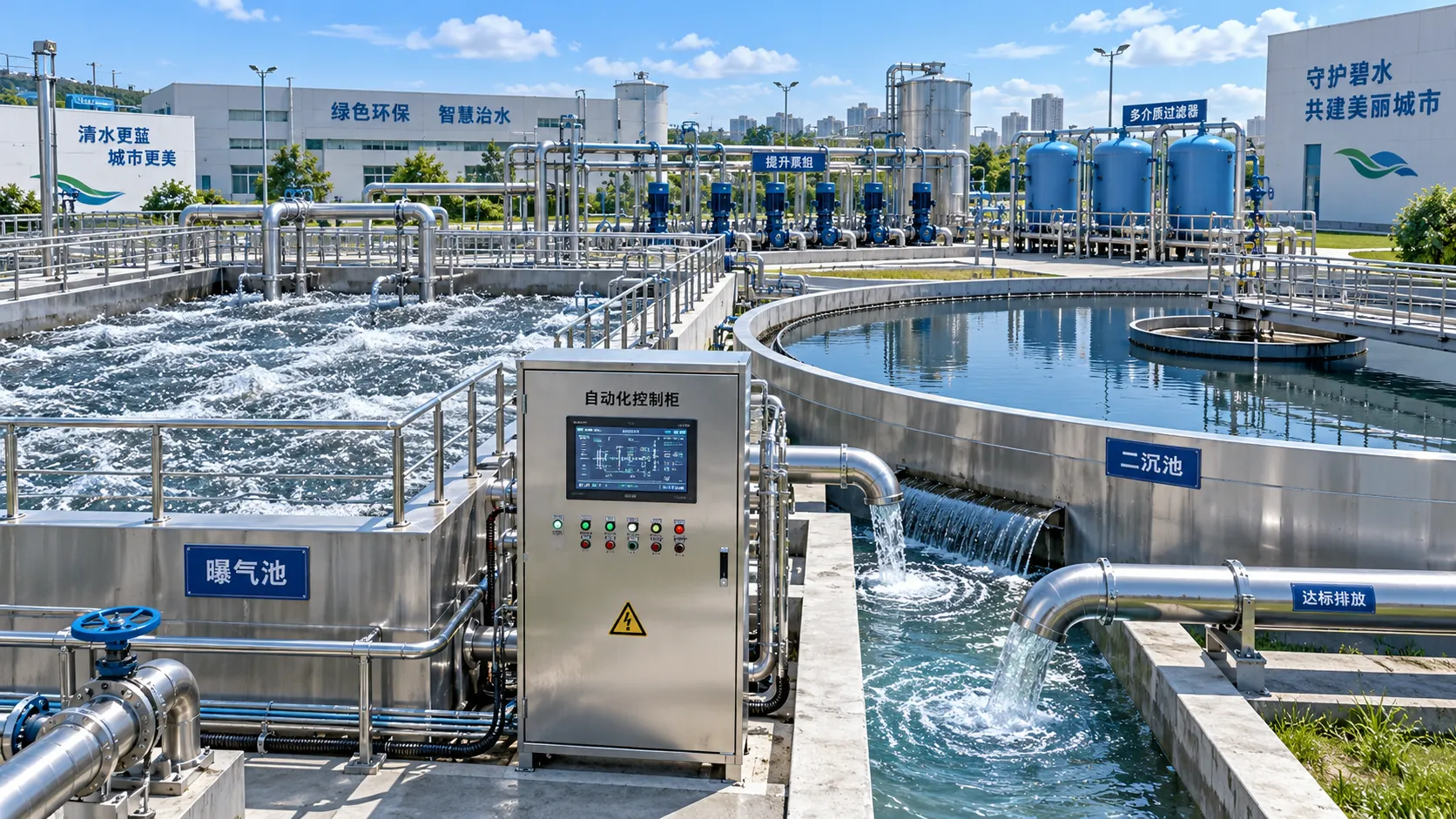
When Should Municipal Wastewater Plants Upgrade Treatment Capacity and Controls?
Municipal wastewater treatment upgrades: learn when capacity, controls, and resilient planning are needed to protect compliance and optimize plant performance.