
Industry News
Curation by industry experts
Hot Articles
Popular Tags
Sustainable Resource Management Practices That Reduce Compliance Risk
Why compliance risk now starts with resource decisions
Sustainable resource management practices have moved from policy language into daily operating discipline.
In high-impact environmental infrastructure, weak resource planning now shows up as permit delays, reporting gaps, disposal disputes, and avoidable shutdowns.
That shift is especially visible across water treatment, waste recovery, flue gas control, desalination, and nuclear waste management.
These sectors work under strict thresholds, volatile feed conditions, and growing scrutiny from regulators, lenders, insurers, and cross-border customers.
In practice, sustainable resource management practices reduce compliance risk when they connect material balance, equipment reliability, and reporting evidence into one operating logic.
That is also why intelligence platforms such as ESD matter.
The real value is not headline news alone.
It is the ability to read changing rules together with membrane performance, catalyst behavior, recycling yields, and waste stabilization limits.
Actual projects diverge because resource risk is not the same everywhere
The phrase sustainable resource management practices sounds broad, but the decision points change sharply by process type.
A ZLD wastewater plant worries about brine concentration, chemical dosing, sludge liability, and discharge evidence.
A solid waste recovery system is judged more by feedstock variability, contamination rates, recovered material quality, and downstream traceability.
Desalination projects often face another tension.
They must secure water output while proving energy discipline, intake management, brine handling, and chemical storage control.
Nuclear waste management raises the bar further, because containment integrity, storage continuity, and documentation depth are inseparable from compliance.
The common mistake is treating these sites as variations of one sustainability checklist.
More reliable judgment starts with resource pathways, not slogans.
A quick comparison of where the pressure really sits
The table looks simple, but it changes how sustainable resource management practices should be evaluated.
What counts as a strong strategy in one facility may be incomplete in another.
In water and desalination, the hidden issue is usually concentration, not volume
Many sites still frame compliance around total water throughput.
In actual operation, the more difficult question is what happens as contaminants become concentrated.
That is why sustainable resource management practices in water systems often begin with source segregation, pretreatment discipline, and realistic recovery targets.
For high-salinity industrial streams, pushing recovery too far can create scaling, unstable brine chemistry, and off-spec sludge.
The compliance risk then appears later, during disposal, not during initial treatment.
Desalination projects face a similar pattern.
Aggressive output goals can undermine membrane life, increase chemical cleaning frequency, and complicate marine discharge obligations.
A stronger approach links SWRO membrane selection, pretreatment robustness, and brine management before capacity promises are finalized.
ESD’s attention to membrane nanostructure and global rule changes is useful here because technical optimization and compliance resilience are tightly connected.
Resource recovery projects succeed or fail on traceability, not just recovery rates
In solid waste and recovery systems, high headline recycling percentages can hide a weak compliance position.
Recovered output only reduces risk when contamination thresholds, routing records, and residue classification remain defensible.
This matters in pyrolysis, AI sorting, metals recovery, and secondary materials trading.
A line that performs well with stable feed may struggle when municipal waste composition shifts or industrial scrap quality drops.
Sustainable resource management practices therefore need tighter feed characterization, contamination checkpoints, and downstream acceptance criteria.
More mature operators also watch claim risk.
If recycled content, circularity value, or avoided disposal figures cannot be verified, the compliance issue can spread into contracts and cross-border trade reporting.
That is one reason CBAM-related intelligence and commercial insight now influence equipment and process choices much earlier.
Air and nuclear systems demand a stricter view of reliability
Flue gas treatment and nuclear waste management sit at the sharper edge of environmental accountability.
Here, sustainable resource management practices are not limited to reducing input use.
They must also preserve stable control under upset conditions.
In flue gas systems, low-temperature SCR behavior, reagent purity, and by-product routing can decide whether an installation stays inside limits during load changes.
A narrow focus on average consumption misses the real risk.
The harder question is how the system behaves at startup, ramping, fuel variation, or maintenance delay.
Nuclear waste management goes further because long-duration stewardship defines the whole compliance model.
Material conditioning, vitrification stability, package performance, and storage monitoring all have to support each other.
In this setting, sustainable resource management practices mean conserving safety margins as carefully as conserving materials.
Where resource strategies are often misread
Several mistakes repeat across sectors, even in technically advanced projects.
- Judging performance by design parameters alone, while ignoring seasonal feed variation and upset loads.
- Choosing the lowest acquisition cost, then underestimating reagent demand, replacement cycles, or residue handling fees.
- Treating similar sites as identical, despite different permits, disposal routes, marine conditions, or reporting frameworks.
- Tracking sustainability metrics separately from compliance evidence, which creates gaps during audits or claims review.
- Assuming recovery always lowers risk, even when secondary outputs lack stable offtake or fail quality thresholds.
These are not minor administrative issues.
They reshape long-term permit confidence, insurance conversations, and financing quality.
A practical way to adapt sustainable resource management practices
A workable method starts by mapping the full resource chain around the asset.
That includes inputs, conversion losses, residues, recycled streams, emergency pathways, and evidence records.
From there, sustainable resource management practices become easier to prioritize.
- Define which resource flows trigger the highest compliance consequence when quality drifts.
- Match equipment choices to real operating envelopes, not nominal vendor curves.
- Build traceability into recovered materials, emissions control inputs, and waste conditioning records.
- Review regulatory updates together with process data, especially where CBAM or discharge rules affect commercial exposure.
- Stress-test maintenance intervals against compliance-critical components such as membranes, catalysts, sorting sensors, and containment packages.
This is where a strategic intelligence layer adds value.
When regulatory change, equipment evolution, and market demand are viewed together, adaptation becomes less reactive and more defensible.
The next step is to tighten the link between operations and evidence
The strongest sustainable resource management practices do not begin with broad sustainability claims.
They begin with a precise reading of where resource imbalance can trigger compliance exposure.
Across water treatment, waste recovery, desalination, flue gas control, and nuclear waste management, the better question is rarely whether a practice looks efficient.
It is whether the practice remains auditable, stable, and adaptive when operating conditions change.
A useful next move is to review current resource flows against permit conditions, maintenance cycles, and reporting obligations.
Then compare those findings with scenario-specific constraints, from brine concentration to residue traceability to long-term containment integrity.
That is usually where risk becomes visible early enough to manage well.
Recommended News

How high purity heavy metal recovery affects recovered metal value
High purity heavy metal recovery boosts recovered metal value by improving payability, reducing penalties, and unlocking stronger buyer opportunities. Explore smarter netback strategies.
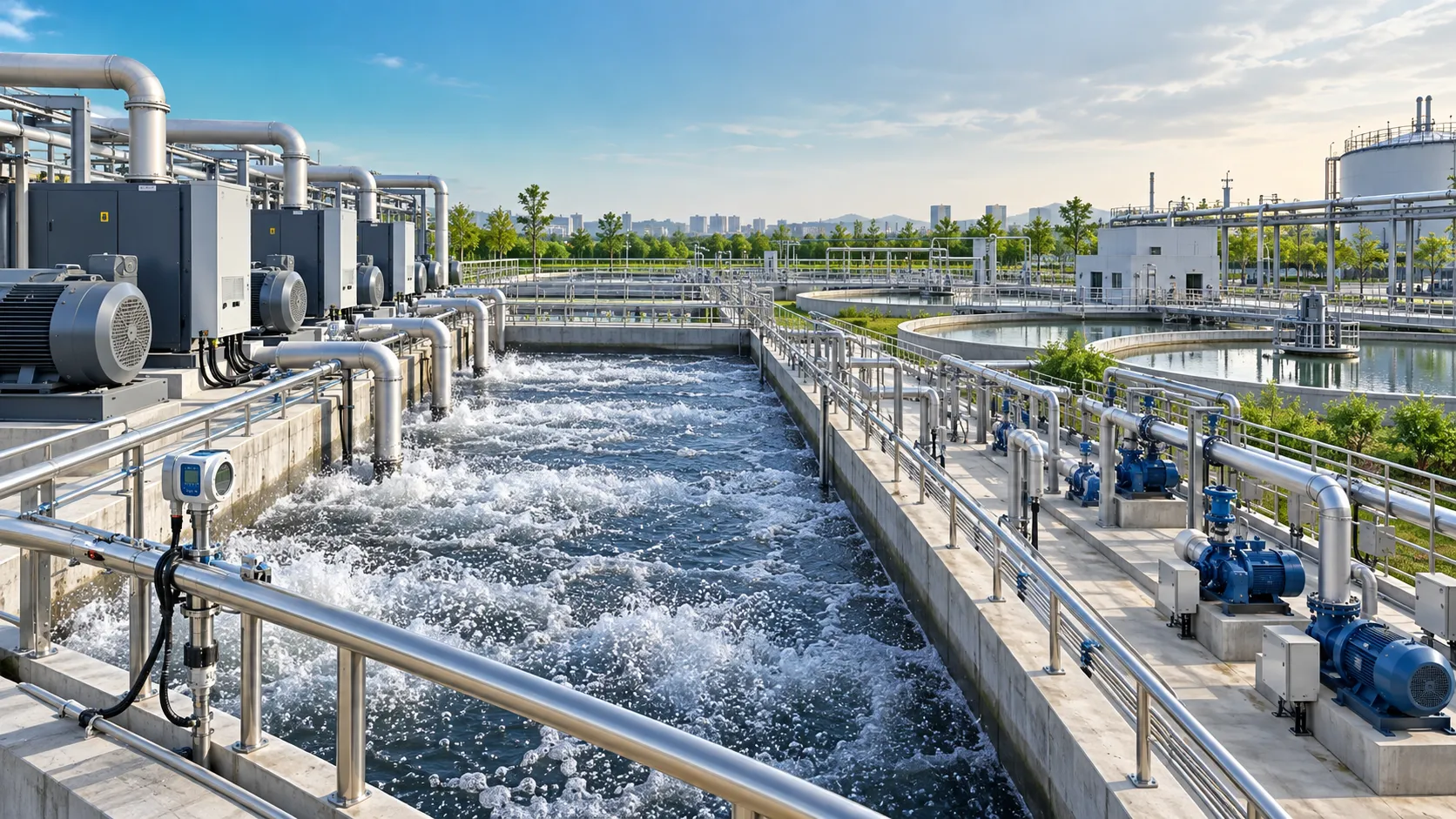
When does environmental equipment intelligence reduce wastewater plant energy use?
Environmental equipment intelligence for wastewater plants cuts energy use through smarter aeration, pumping, and data-driven controls—without compromising compliance. Discover when it delivers measurable savings.
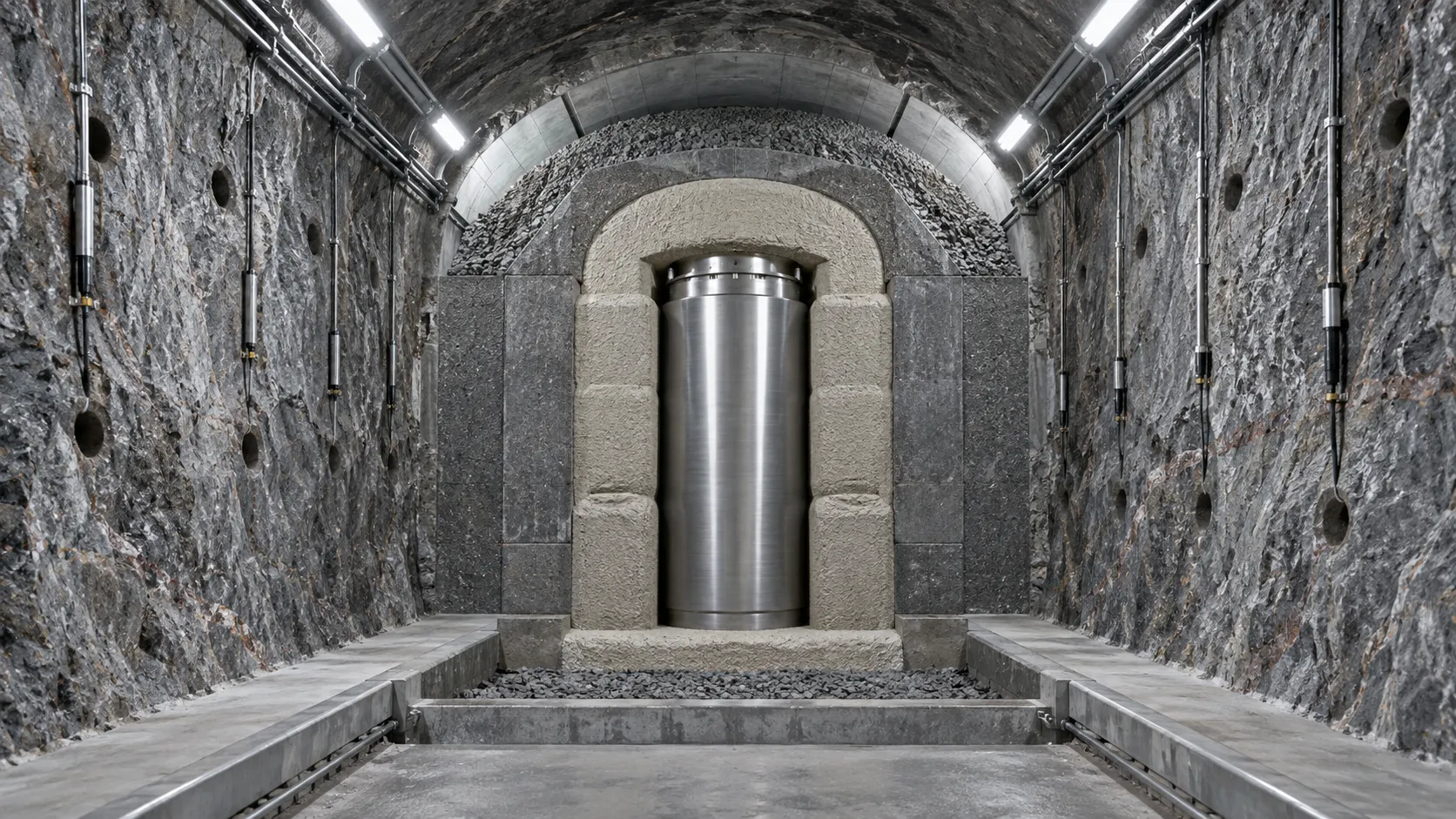
What Evidence Supports the Long-Term Safety Case for Geological Disposal?
Long-term safety of geological disposal: explore the evidence behind multi-barrier systems, site science, uncertainty testing, and auditable safety cases.
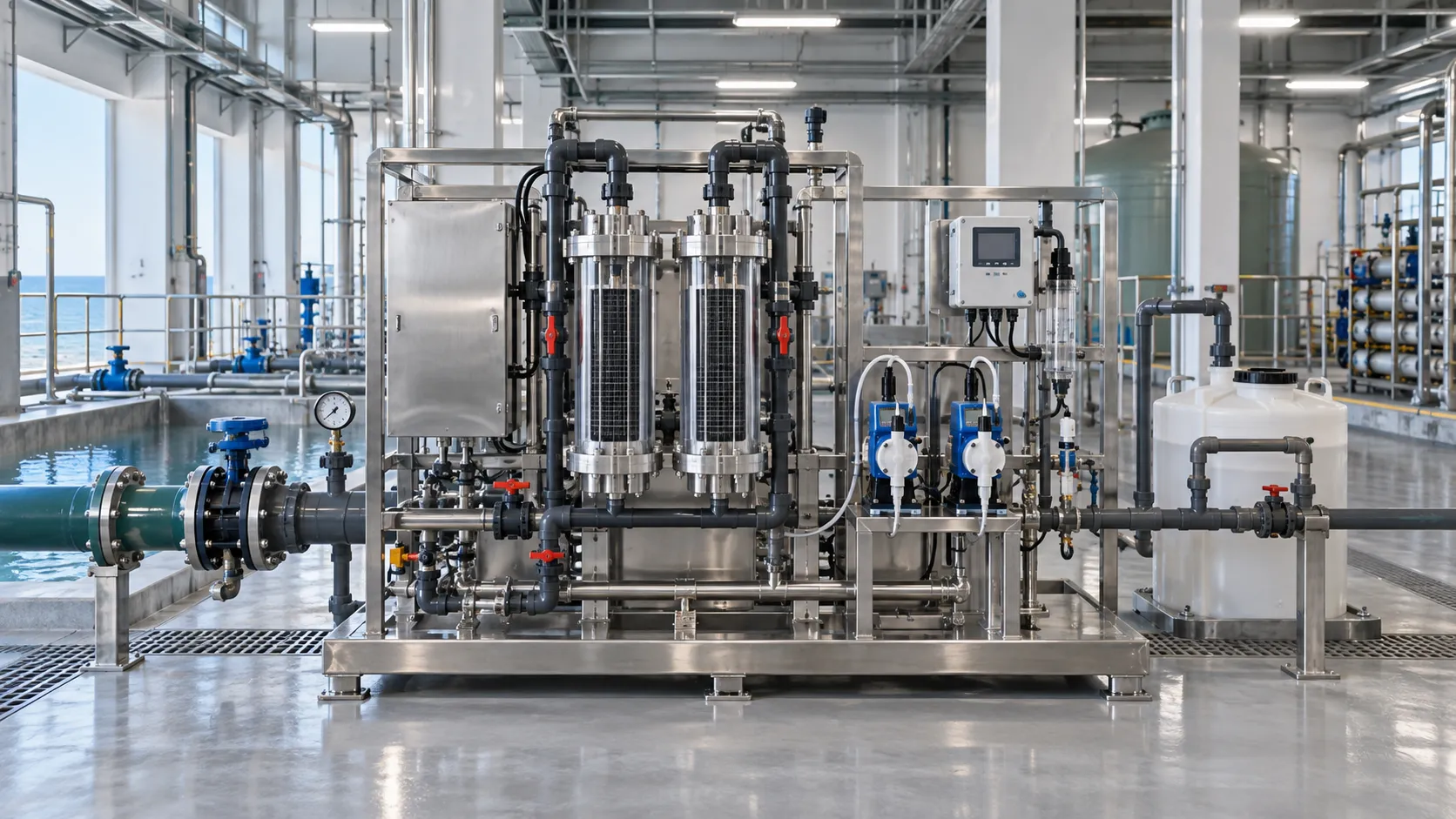
What Do Seawater Disinfection Systems Cost Over Their Full Operating Life?
What are the costs associated with seawater disinfection systems? Explore lifecycle expenses for equipment, energy, chemicals, maintenance, compliance, and risk.
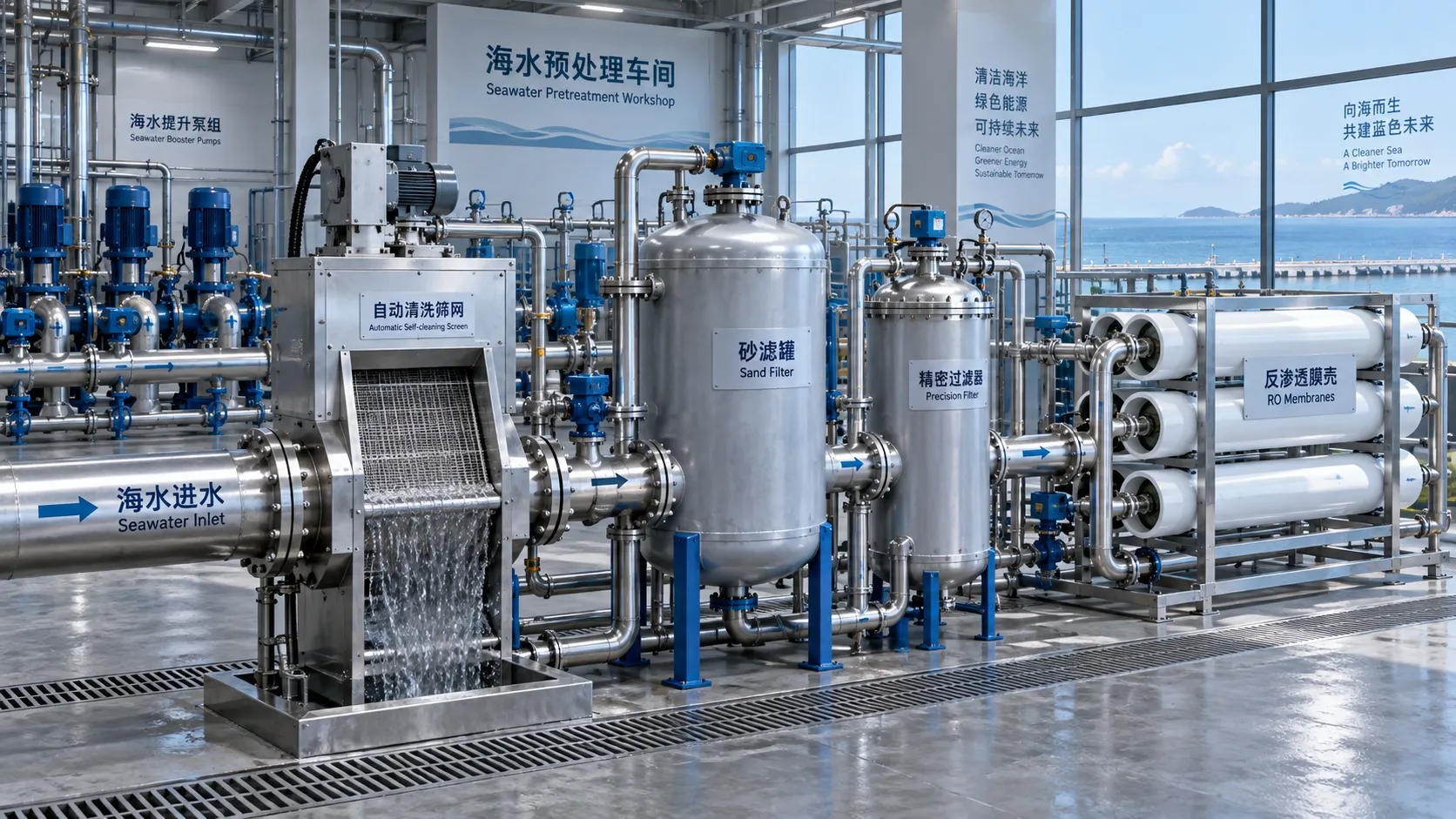
How to Improve Industrial Seawater Quality Before Cooling or Membrane Treatment
How can I improve the quality of seawater used for industrial processes? Explore proven pretreatment strategies for cooling systems and RO membranes.
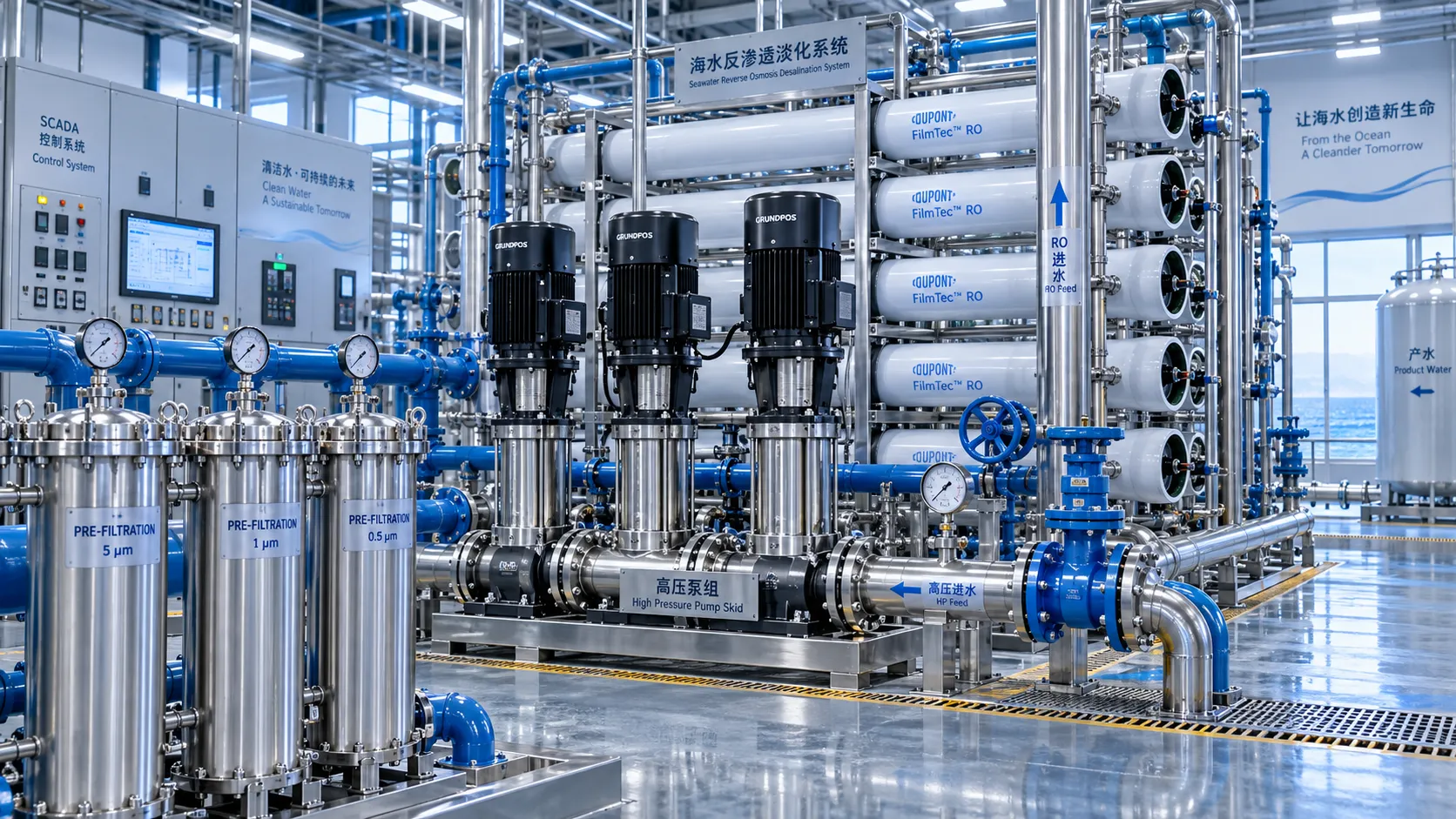
Desalination Plant Maintenance Priorities That Prevent Unplanned Downtime
Desalination plant maintenance priorities that reduce unplanned downtime: protect pretreatment, RO membranes, pumps, chemical dosing, and critical controls.

Which supplier evaluation support tools improve audit consistency?
Supplier evaluation support tools improve audit consistency with controlled checklists, evidence capture, risk scoring, CAPA workflows, and traceable approvals. Explore the essentials.
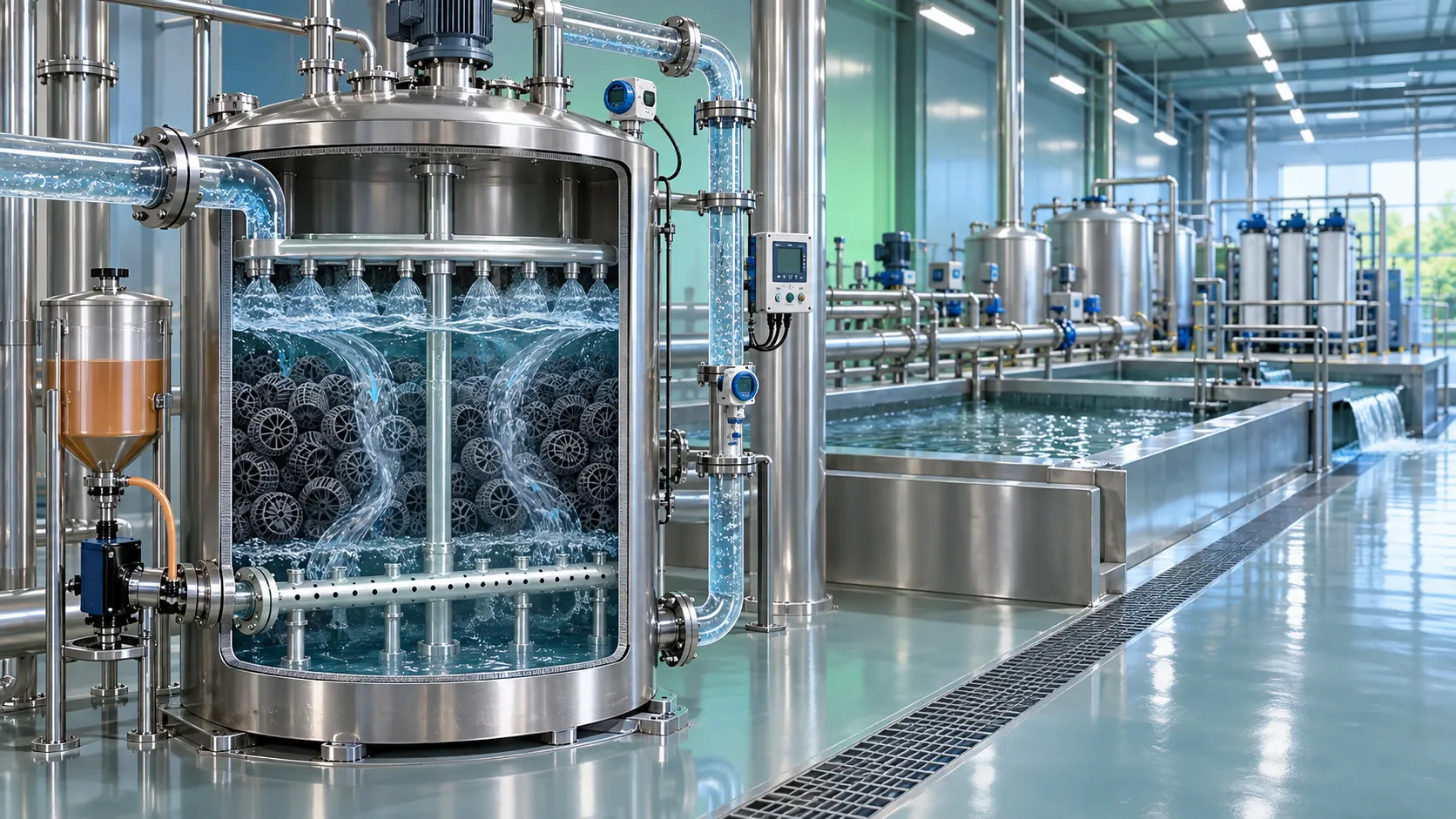
How reactor retention time affects denitrification equipment performance
Denitrification equipment reactor performance depends on retention time, carbon, mixing, and load control. Explore practical insights for reliable nitrogen removal.

How feed salinity affects energy use in ZLD system brine treatment
ZLD system brine treatment: discover how feed salinity drives energy use, scaling risk, and technology choices for efficient, reliable zero liquid discharge.