
Industry News
Curation by industry experts
Hot Articles
Popular Tags
Circular Economy Technologies Europe: 2026 Market Shifts to Watch
Circular economy technologies Europe is moving from ambition to industrial selection
In 2026, circular economy technologies Europe will be judged less by narrative and more by measurable system performance.
That shift matters because regulation, energy costs, and raw material insecurity are now converging at the same time.
What used to be framed as sustainability strategy is becoming operating infrastructure across water, waste, emissions, and materials recovery.
The strongest market signals are appearing where compliance pressure meets equipment intelligence.
This is especially visible in industrial wastewater reuse, AI-enabled sorting, advanced thermal recovery, and resource-efficient desalination.
Seen through the lens of ESD, the market is no longer treating these fields as separate environmental verticals.
They are being stitched into one ecological defense architecture, where purification limits, closed-loop logic, and compliance data interact continuously.
For commercial evaluation, that means 2026 is not just about growth.
It is about identifying which circular economy technologies Europe can scale under tougher technical and regulatory conditions.
Why the shift is becoming more visible now
The immediate driver is stricter European policy alignment around waste, carbon, water stress, and strategic autonomy.
CBAM has sharpened the cost of inefficient production chains.
Extended producer responsibility is expanding beyond packaging into broader material accountability.
At the same time, critical mineral supply risk is pushing Europe to reconsider urban mines, industrial residues, and contaminated secondary streams.
Water stress adds another layer.
Regions once focused on discharge control are now reassessing reuse, brine management, and resilience of freshwater intake.
That is why circular economy technologies Europe increasingly overlaps with advanced treatment infrastructure.
The market is rewarding systems that recover value while reducing compliance exposure.
- Industrial sites want lower virgin input dependence, not only lower waste volumes.
- Investors are examining traceability, process stability, and energy intensity with greater scrutiny.
- Public tenders increasingly favor technologies with verifiable circularity and auditable environmental performance.
This makes technical detail commercially relevant.
Membrane durability, catalyst performance, pyrolysis output consistency, and vitrification stability are no longer specialist footnotes.
They are becoming decision filters.
The demand side is no longer looking for isolated equipment
One of the clearest 2026 changes is the move from single-device procurement toward integrated process lines.
In circular economy technologies Europe, buyers are asking how one node improves the economics of the whole loop.
A sorting line is being judged by downstream purity.
A water treatment unit is being judged by reuse yield, brine burden, and energy profile.
A flue gas system is being judged by whether it preserves future compliance options.
This explains why digital layers are rising in value.
AI sorting, predictive diagnostics, and process twins are no longer marketed as optional intelligence.
They help prove that recovery rates and uptime assumptions can hold in live operating conditions.
From a market perspective, circular economy technologies Europe is becoming a platform story rather than a component story.
Several sectors will feel the impact earlier than others
The effects will not be evenly distributed.
Heavy industry, utilities, municipal infrastructure, and resource processing are likely to move first.
These sectors already operate under high compliance visibility and capital intensity.
For them, circular economy technologies Europe offers a way to defend margins while protecting license to operate.
Water and wastewater
Industrial clusters are revisiting wastewater as a recoverable resource stream.
The most competitive projects combine high-concentration treatment, reuse loops, and tighter chemical control.
This directly supports the circular economy technologies Europe narrative through lower freshwater dependence.
Solid waste and secondary materials
Urban mining is gaining stronger economic logic as imported feedstocks remain volatile.
The winning systems will be those that improve material purity before thermal or chemical recovery begins.
That makes AI sorting and advanced preprocessing central to circular economy technologies Europe.
Desalination and water security
Desalination is no longer only a supply response.
In southern Europe and island systems, it is increasingly being linked to industrial reuse, brine strategy, and grid-aware efficiency planning.
This is where ESD’s equipment-centered intelligence becomes practical.
Understanding membrane nanostructure, fouling behavior, and recovery ratios now informs broader commercial judgment.
The next battleground is proof, not promise
A more subtle change is happening in project evaluation.
Claims around circularity are losing value unless they are backed by traceable operating evidence.
In circular economy technologies Europe, proof now means more than lifecycle language.
It includes recovery yield over time, contamination tolerance, maintenance cycles, and compliance resilience under changing standards.
This is one reason strategic intelligence platforms matter more in 2026.
The real advantage comes from linking regulation, engineering performance, and market timing in one assessment frame.
ESD’s view across water treatment, waste recovery, flue gas control, desalination, and nuclear waste management reflects that need.
These domains may look separate on paper.
In practice, they share the same capital question.
Can the technology hold value under tighter ecological limits?
- Check whether circular performance depends on ideal feedstock conditions.
- Review how the technology behaves under low-temperature, high-salinity, or contaminated inputs.
- Examine whether data outputs support permitting, financing, and EPC tender credibility.
Where to look when judging 2026 opportunities
Not every fast-growing segment will become a durable market.
The stronger signals in circular economy technologies Europe are usually found where three conditions align.
There must be regulatory inevitability, technical maturity, and visible budget commitment.
Projects that meet only one or two of these tests may still attract attention, but they carry higher execution risk.
For 2026, the more reliable opportunities are likely to cluster around retrofit-friendly systems, compliance-linked recovery upgrades, and data-rich treatment assets.
That includes reuse-oriented water infrastructure, intelligent waste sorting, high-efficiency desalination modules, and emissions systems prepared for stricter thresholds.
There is also a strategic edge in niche but difficult fields.
Nuclear waste handling, hazardous residue stabilization, and advanced vitrification remain smaller markets, yet they signal Europe’s broader preference for extreme reliability.
That preference can spill over into mainstream circular economy technologies Europe by raising expectations for verification and containment performance.
A practical reading of the market from here
The 2026 outlook is not defined by a single breakthrough.
It is defined by convergence.
Circular economy technologies Europe is becoming the meeting point of compliance, resource security, industrial decarbonization, and equipment intelligence.
That is why superficial growth indicators will be less useful than operational evidence and regulatory fit.
The next step is to map which applications already show loop-closing economics under real constraints.
Then compare technologies by recovery stability, energy burden, data transparency, and adaptation to incoming standards.
For ongoing assessment, keep watching feedstock quality trends, water scarcity exposure, CBAM-linked cost pressure, and evidence from large EPC-led deployments.
That approach gives circular economy technologies Europe a clearer commercial frame.
It turns trend watching into a structured view of where resilient value is actually being built.
Recommended News
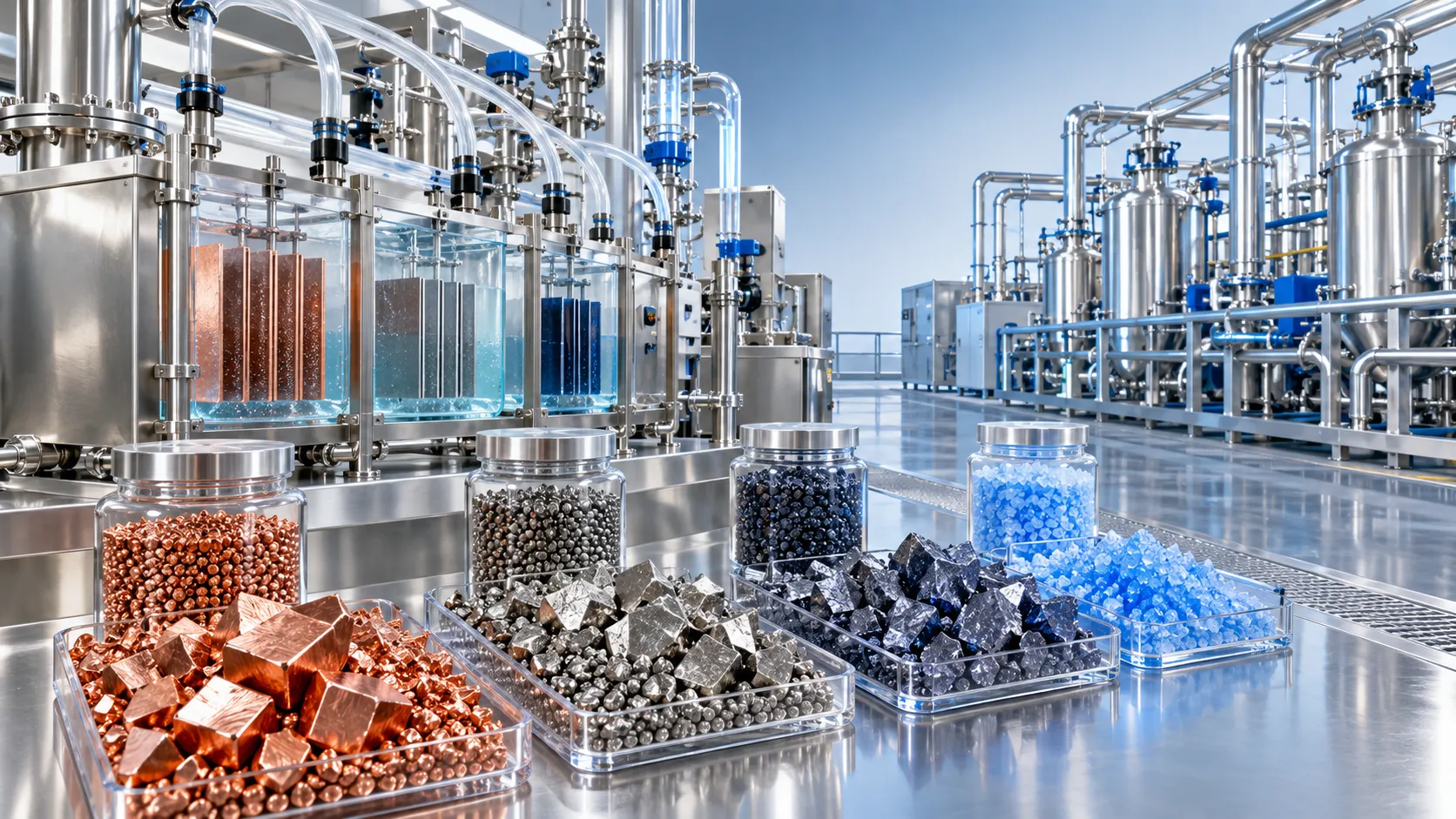
How high purity heavy metal recovery affects recovered metal value
High purity heavy metal recovery boosts recovered metal value by improving payability, reducing penalties, and unlocking stronger buyer opportunities. Explore smarter netback strategies.
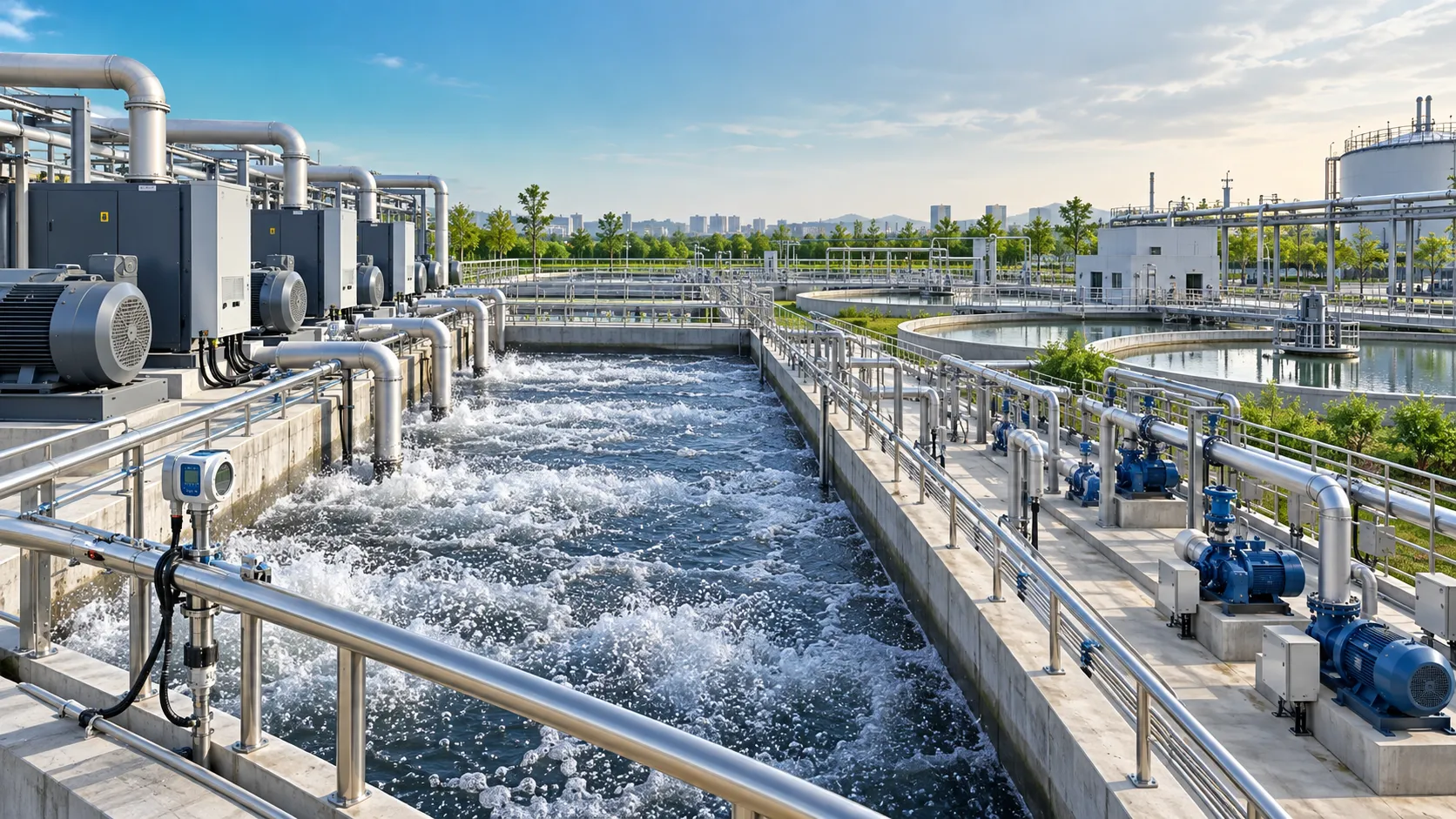
When does environmental equipment intelligence reduce wastewater plant energy use?
Environmental equipment intelligence for wastewater plants cuts energy use through smarter aeration, pumping, and data-driven controls—without compromising compliance. Discover when it delivers measurable savings.
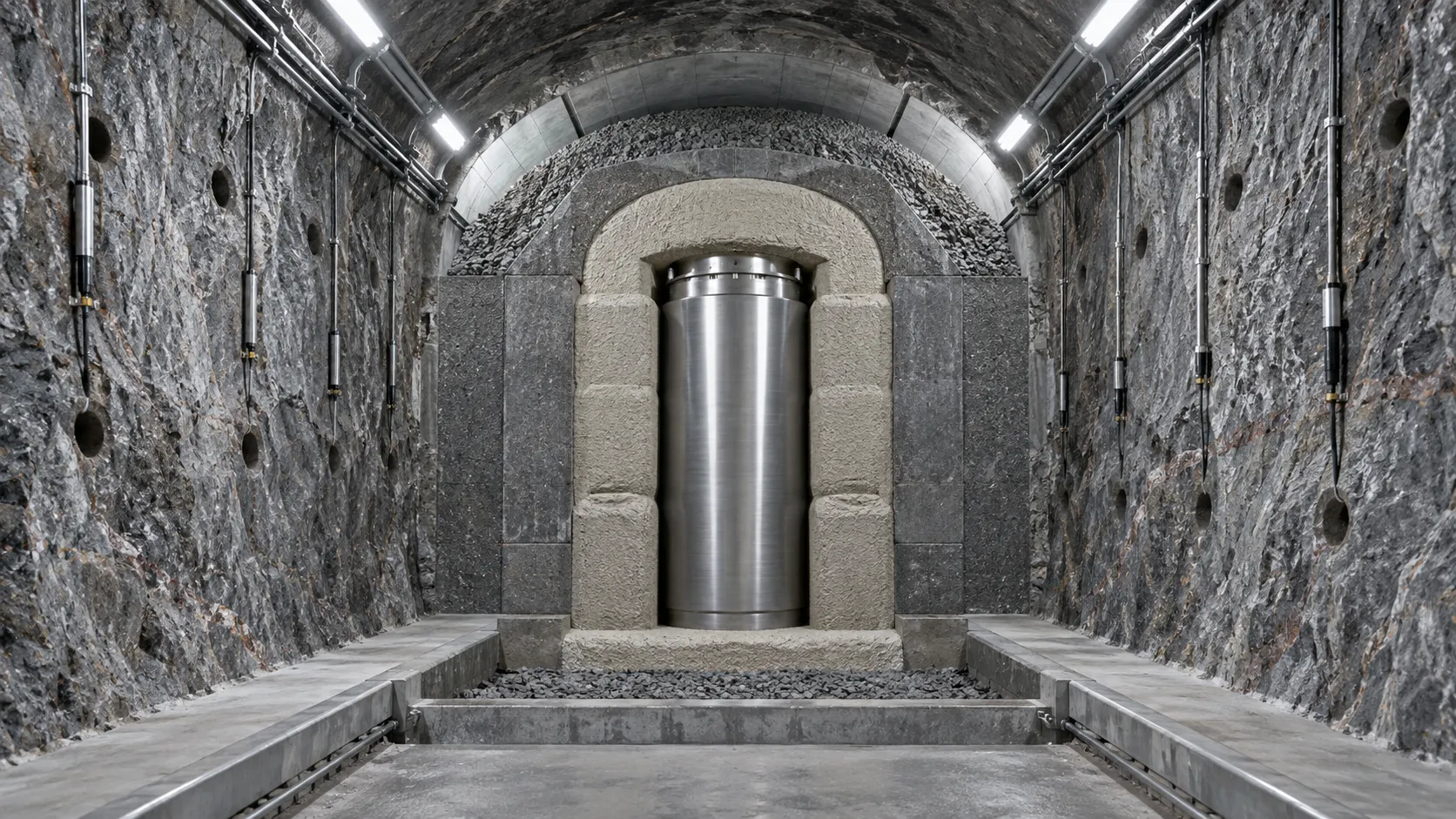
What Evidence Supports the Long-Term Safety Case for Geological Disposal?
Long-term safety of geological disposal: explore the evidence behind multi-barrier systems, site science, uncertainty testing, and auditable safety cases.
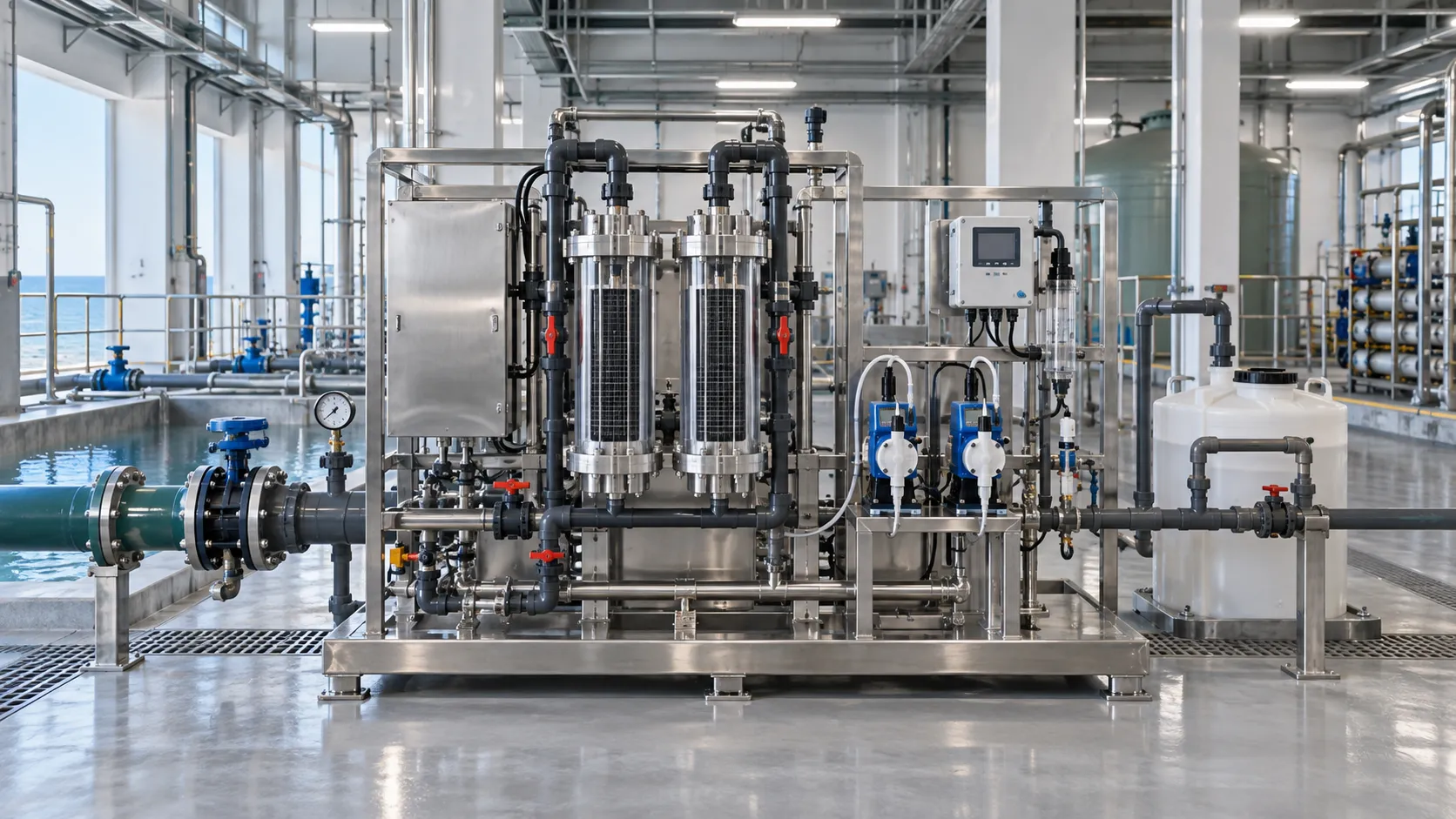
What Do Seawater Disinfection Systems Cost Over Their Full Operating Life?
What are the costs associated with seawater disinfection systems? Explore lifecycle expenses for equipment, energy, chemicals, maintenance, compliance, and risk.
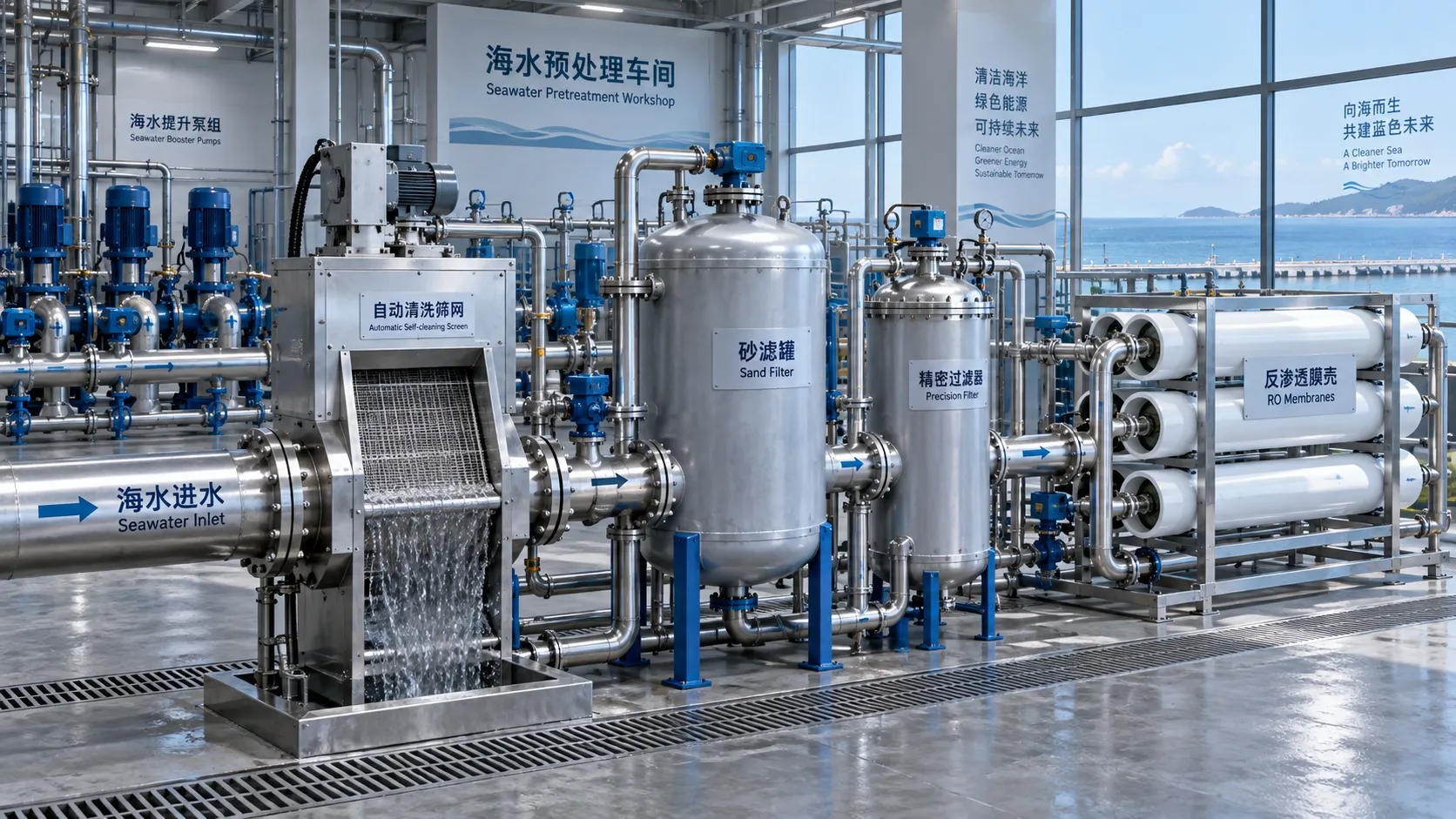
How to Improve Industrial Seawater Quality Before Cooling or Membrane Treatment
How can I improve the quality of seawater used for industrial processes? Explore proven pretreatment strategies for cooling systems and RO membranes.
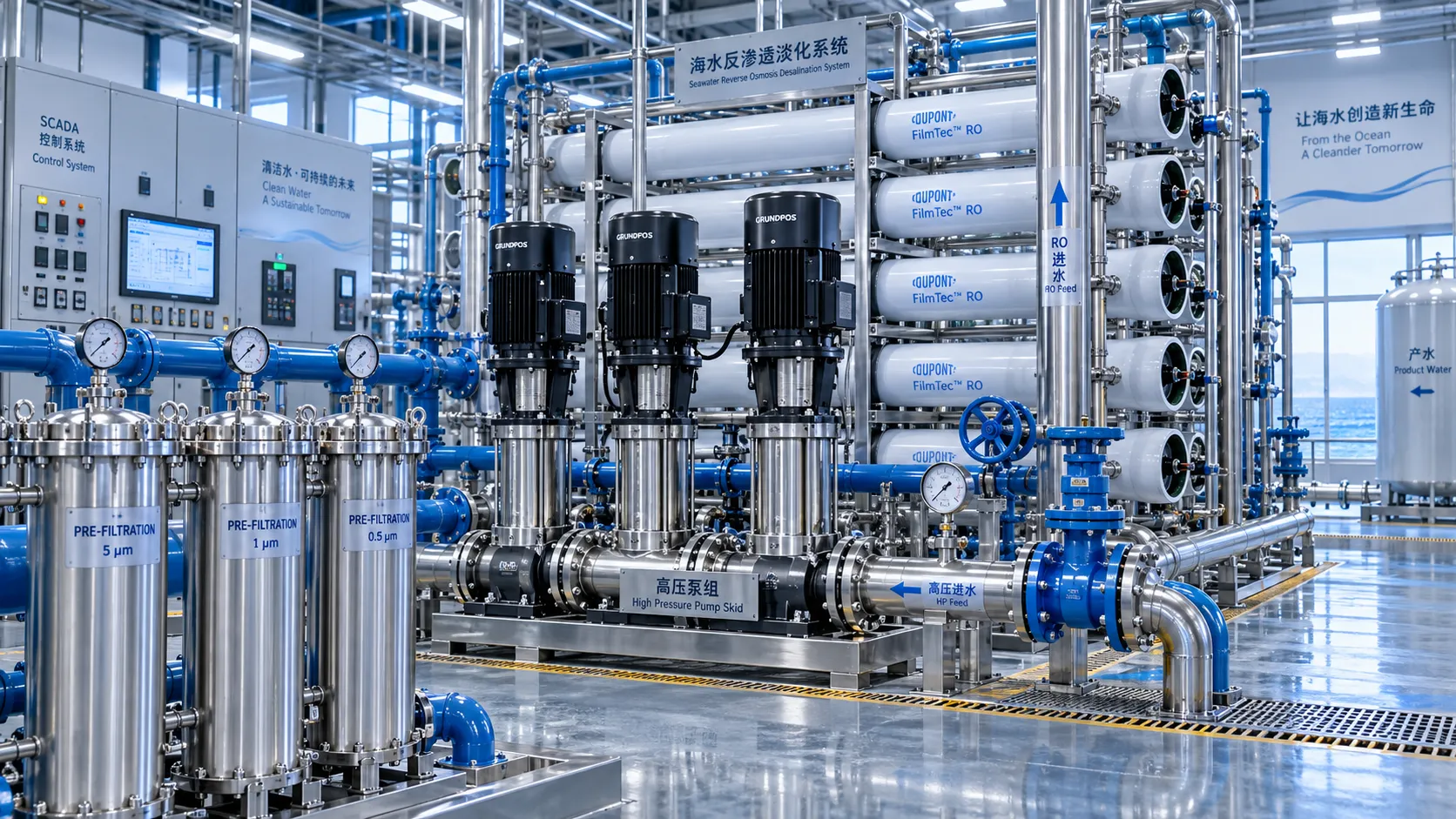
Desalination Plant Maintenance Priorities That Prevent Unplanned Downtime
Desalination plant maintenance priorities that reduce unplanned downtime: protect pretreatment, RO membranes, pumps, chemical dosing, and critical controls.
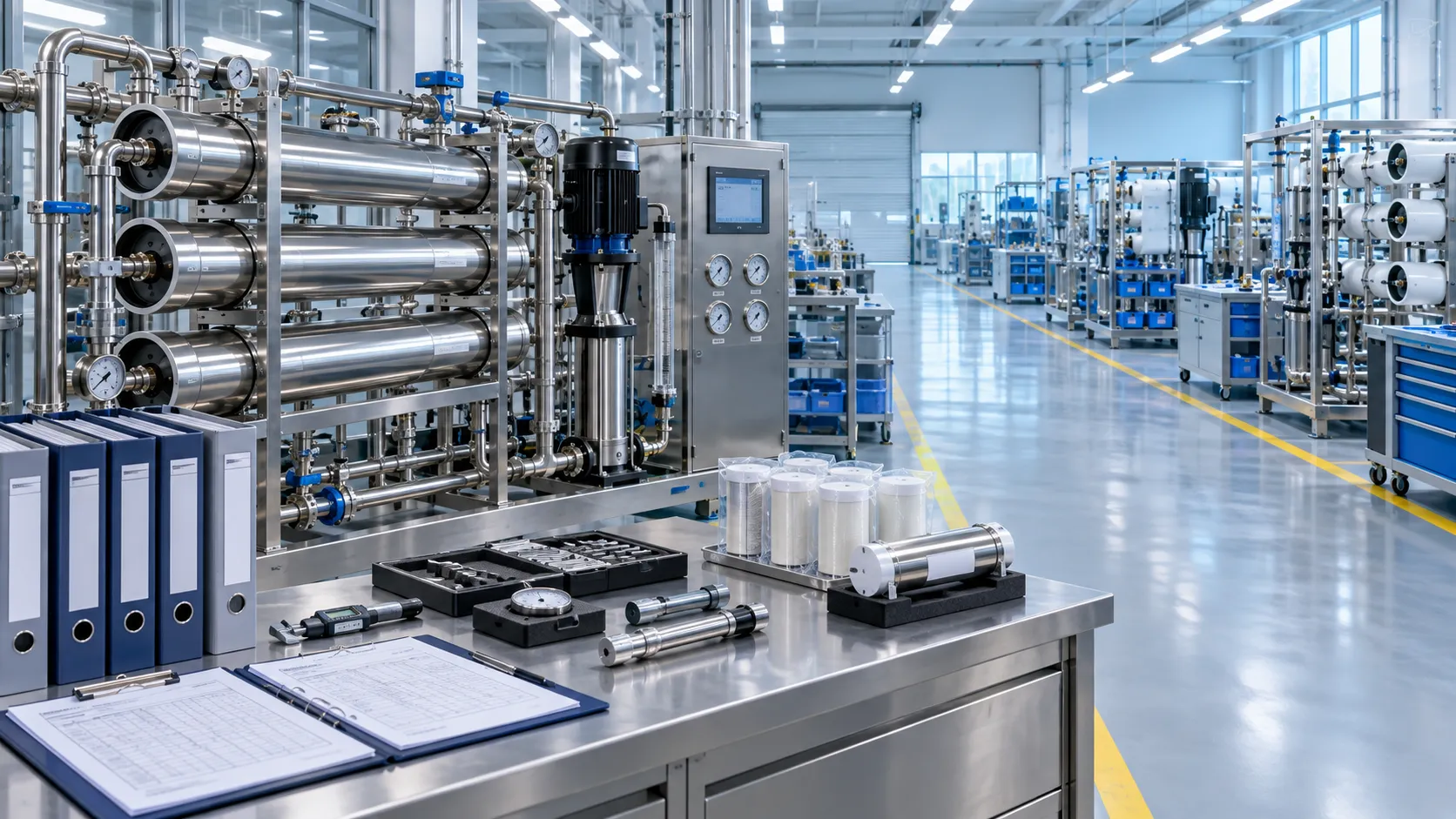
Which supplier evaluation support tools improve audit consistency?
Supplier evaluation support tools improve audit consistency with controlled checklists, evidence capture, risk scoring, CAPA workflows, and traceable approvals. Explore the essentials.
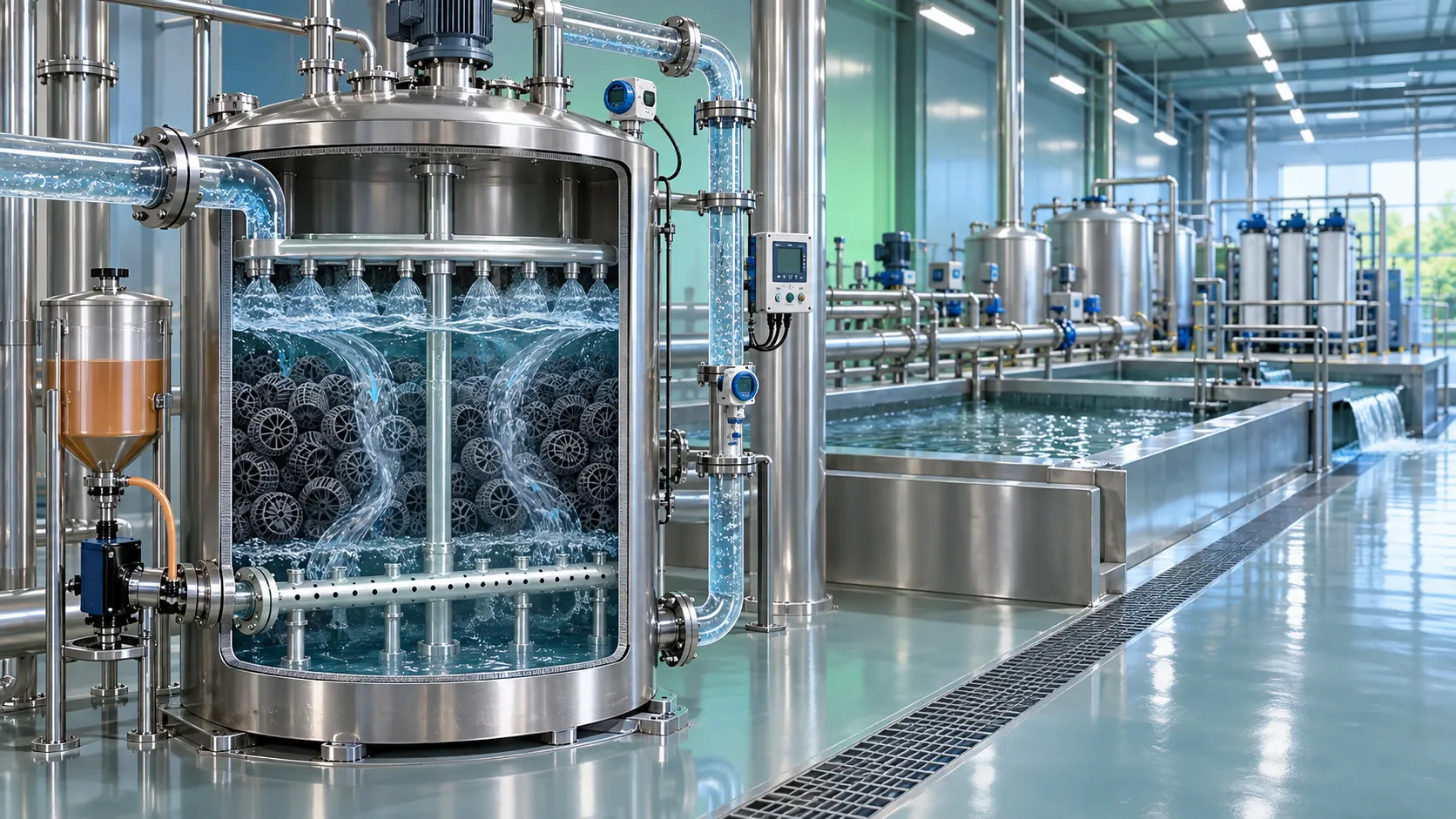
How reactor retention time affects denitrification equipment performance
Denitrification equipment reactor performance depends on retention time, carbon, mixing, and load control. Explore practical insights for reliable nitrogen removal.
How feed salinity affects energy use in ZLD system brine treatment
ZLD system brine treatment: discover how feed salinity drives energy use, scaling risk, and technology choices for efficient, reliable zero liquid discharge.