
Industry News
Curation by industry experts
Hot Articles
Popular Tags
Radioactive Waste Management Solutions: When Liquid Solidification Fits Best
Choosing among radioactive waste management solutions depends on waste chemistry, regulation, storage plans, and lifecycle risk. Among the main options, liquid solidification fits best when radioactive liquids must become stable solids for safer handling, transport, interim storage, or final disposal.
This article explains when solidification is the right technical path, where it performs well, what trade-offs matter, and how to judge fit within broader nuclear waste control strategies.
What is liquid solidification in radioactive waste management solutions?
Liquid solidification is the conversion of radioactive liquid waste into a solid matrix. The matrix reduces mobility, improves containment, and supports safer packaging and disposal.
It is one of the most practical radioactive waste management solutions for low- and intermediate-level liquid streams generated by nuclear power, research, isotope production, and decontamination activities.
Typical binders include cement, bitumen, and polymers. In higher-performance cases, glass-based immobilization may also be considered, although vitrification follows a different technical route.
The goal is not simply to “dry” the waste. The goal is to immobilize radionuclides, limit leakage pathways, and produce a predictable waste form under storage and disposal conditions.
Why does this matter?
Liquids are harder to control than solids. They can spill, evaporate, penetrate defects, and complicate transport licensing. Solidification directly addresses these operational and regulatory concerns.
That is why many engineered radioactive waste management solutions place liquid treatment and final immobilization at the center of risk reduction.
When does liquid solidification fit best?
Liquid solidification fits best when the waste stream cannot remain in liquid form without creating long-term safety, compliance, or logistics problems.
It is especially suitable in the following situations:
- Aqueous radioactive concentrates from evaporation or ion exchange regeneration.
- Slurries, resins, and sludge requiring stable packaging.
- Site cleanup liquids that need transport to centralized disposal facilities.
- Interim storage systems where liquid inventory increases monitoring burden.
- Jurisdictions where disposal acceptance criteria strongly favor solid waste forms.
In these cases, radioactive waste management solutions based on solidification can simplify inventory control and improve package consistency across the disposal chain.
Where is the fit less obvious?
The fit is weaker when liquid volumes are very high, radionuclide concentrations are low, and upstream separation could sharply reduce the final waste mass.
It may also be less suitable when salts, organics, chelating agents, or reactive chemicals interfere with binder performance or long-term stability.
How do engineers decide between solidification and other radioactive waste management solutions?
The decision is rarely based on one factor. It usually combines waste characterization, disposal criteria, process reliability, and total lifecycle cost.
A useful screening approach includes five questions.
- Can radionuclides be reduced first through filtration, sorption, or evaporation?
- Will the final waste form pass compressive strength and leachability requirements?
- Does the binder tolerate the waste chemistry without swelling, cracking, or free liquid?
- Does solidification reduce transport and storage complexity enough to justify added volume?
- Will package performance remain stable over the intended storage and disposal period?
Compared with direct liquid storage, solidification often improves passive safety. Compared with advanced immobilization routes, it is usually faster and less capital-intensive.
This balance explains why it remains one of the most widely used radioactive waste management solutions in practical facility operations.
What trade-off appears most often?
The most common trade-off is volume increase. Solidification adds binder mass and can enlarge disposal volumes, even while greatly improving stability and handling safety.
Which waste streams are strong candidates for liquid solidification?
Not every radioactive liquid behaves the same. Strong candidates usually have manageable chemistry and predictable interactions with the immobilization medium.
Common candidates include evaporator bottoms, spent ion-exchange resins, filter sludges, laboratory liquids after pretreatment, and selected decontamination solutions.
Cement-based systems work well for many aqueous inorganic streams. Bitumen may suit some salt-rich streams, though fire and thermal concerns require careful assessment.
Polymer systems can offer strong encapsulation for difficult waste forms, especially where water resistance and package durability are priorities.
This kind of matrix-based treatment is a cornerstone of many modern radioactive waste management solutions, especially where standardization and disposal readiness are critical.
What risks and misconceptions should be checked before choosing solidification?
A common misconception is that any liquid can simply be mixed with cement and become safe. In practice, chemistry controls everything.
High nitrate content, borates, oils, surfactants, and complexing agents can interfere with curing, reduce strength, or increase radionuclide release over time.
Another mistake is focusing only on immediate solidification success. True performance must include storage aging, radiation effects, mechanical shock, and disposal environment compatibility.
Three risk checks are essential:
- Free liquid test results after curing.
- Leach resistance under expected disposal conditions.
- Gas, heat, or expansion behavior during storage.
Among radioactive waste management solutions, solidification is dependable when supported by full waste characterization, pilot validation, and acceptance testing.
What about compliance risk?
Compliance risk appears when the final package meets process targets but fails repository or transport rules. Disposal acceptance criteria should be reviewed before binder selection.
How do cost, schedule, and lifecycle performance compare?
Liquid solidification is often attractive because it uses proven equipment, established QA methods, and relatively mature supply chains.
Capital needs are usually lower than highly specialized thermal immobilization systems. Commissioning can also be faster when the process is modular and waste chemistry is known.
However, disposal cost can rise because added binder increases package count, weight, and storage footprint. The cheapest process step may not be the cheapest lifecycle solution.
For that reason, balanced radioactive waste management solutions compare treatment simplicity against downstream transport, storage, and repository charges.
How should a practical evaluation be structured?
A practical evaluation starts with representative sampling. Without accurate chemistry, no shortlist of radioactive waste management solutions will be reliable.
Then compare candidate binders through bench testing, curing observation, strength checks, and leach tests. Include transport and disposal package limits early.
A simple action sequence can help:
- Define waste categories and radionuclide inventory.
- Identify pretreatment options that reduce final volume.
- Screen binder compatibility and curing stability.
- Test package performance against acceptance criteria.
- Compare lifecycle cost, not only treatment cost.
When these steps are followed, liquid solidification becomes easier to position within the full portfolio of radioactive waste management solutions.
In summary, solidification fits best when radioactive liquids create handling or compliance burdens, when chemistry is compatible with a stable matrix, and when final disposal rewards safer solid waste forms.
The next step is to align waste characterization, pilot testing, and disposal criteria into one decision framework. That is the most reliable way to choose effective radioactive waste management solutions with long-term confidence.
Recommended News
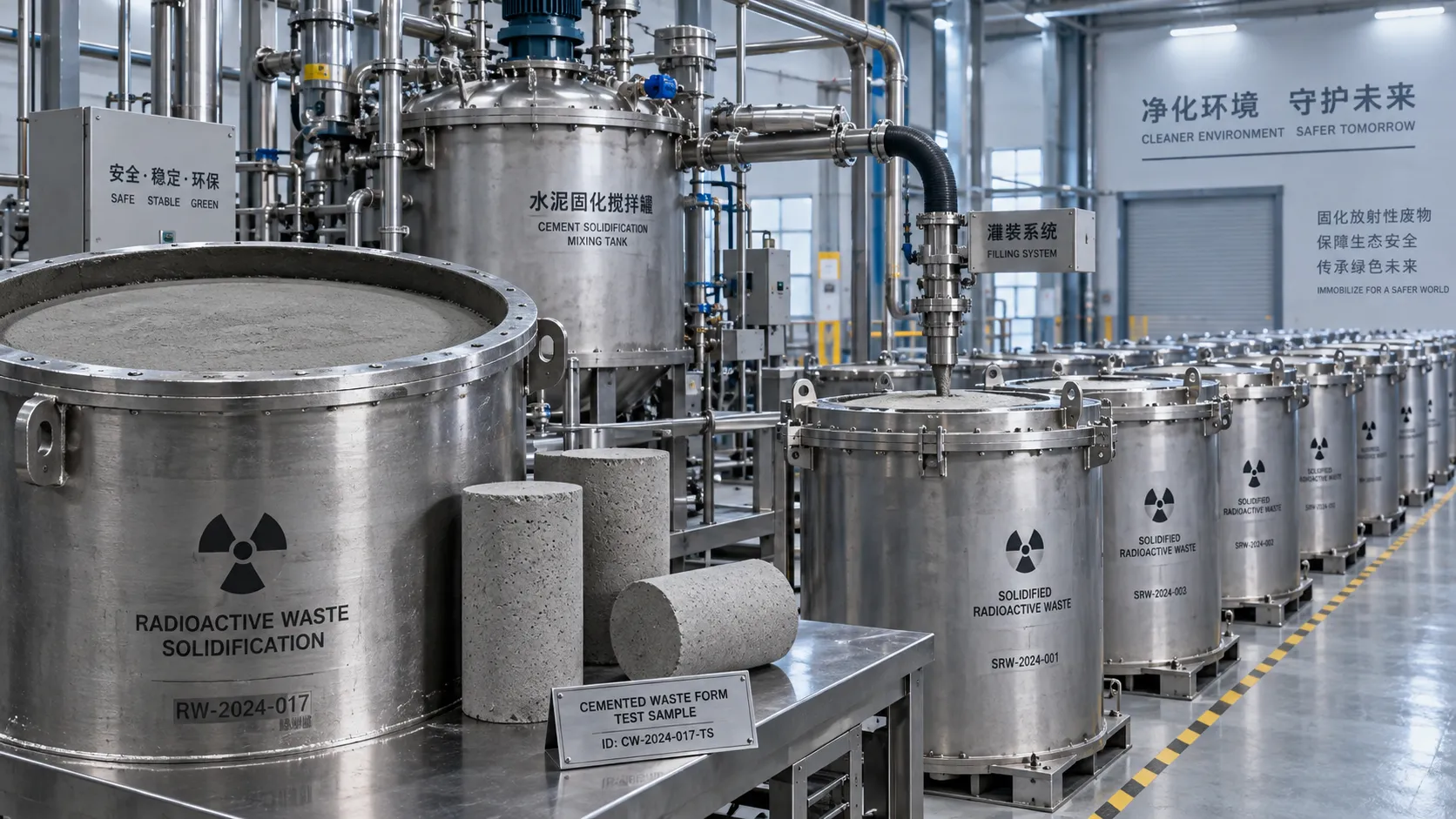
When is cementation suitable for nuclear decommissioning waste?
Explore nuclear waste treatment technology for decommissioning: learn when cementation fits, which risks to assess, and how disposal criteria guide an effective treatment choice.
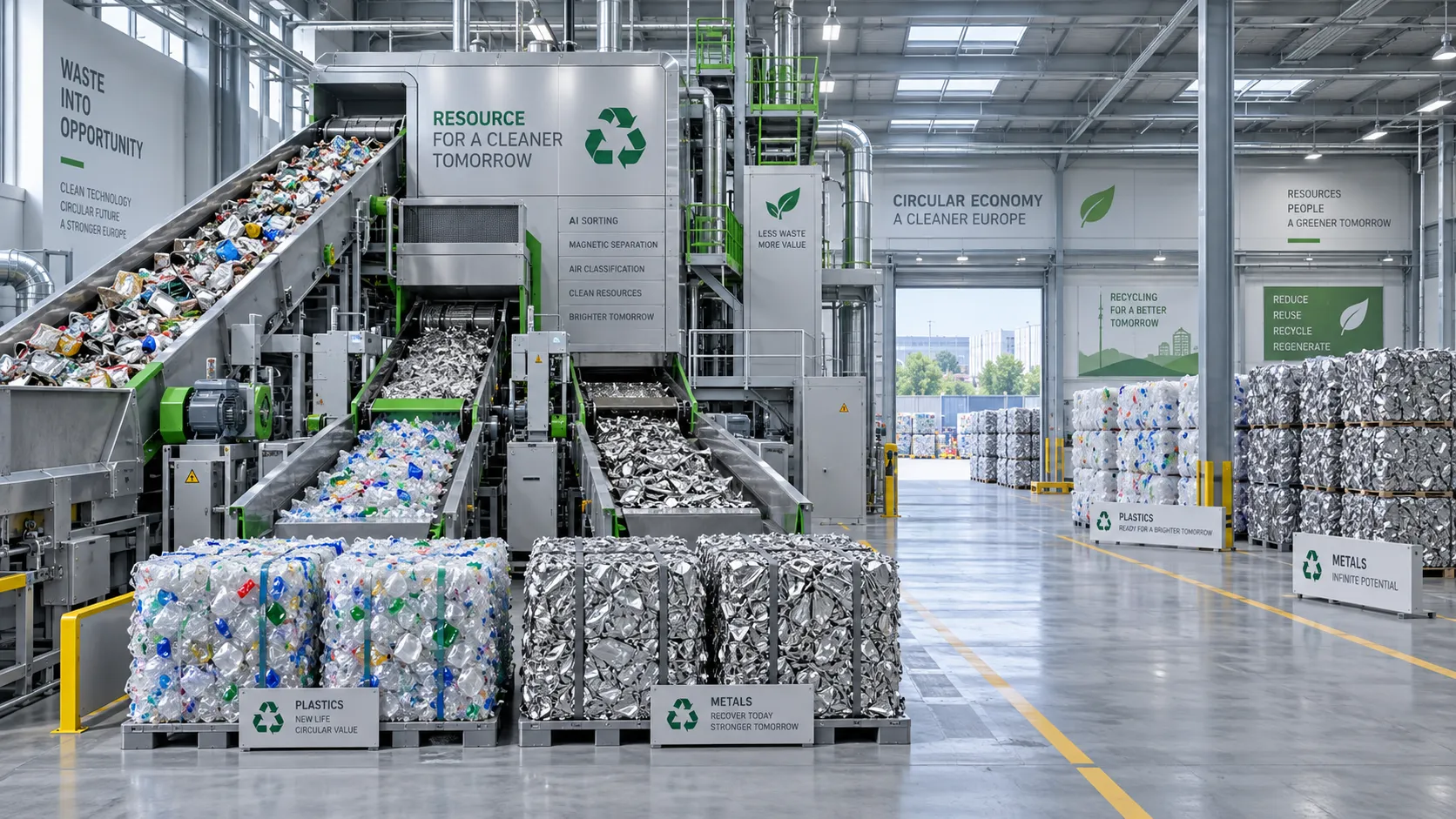
What determines payback for waste-to-resource systems in Europe?
Assess waste-to-resource systems Europe-wide: compare feedstock, recovery yields, costs and contracts to uncover payback drivers and make smarter investment decisions.
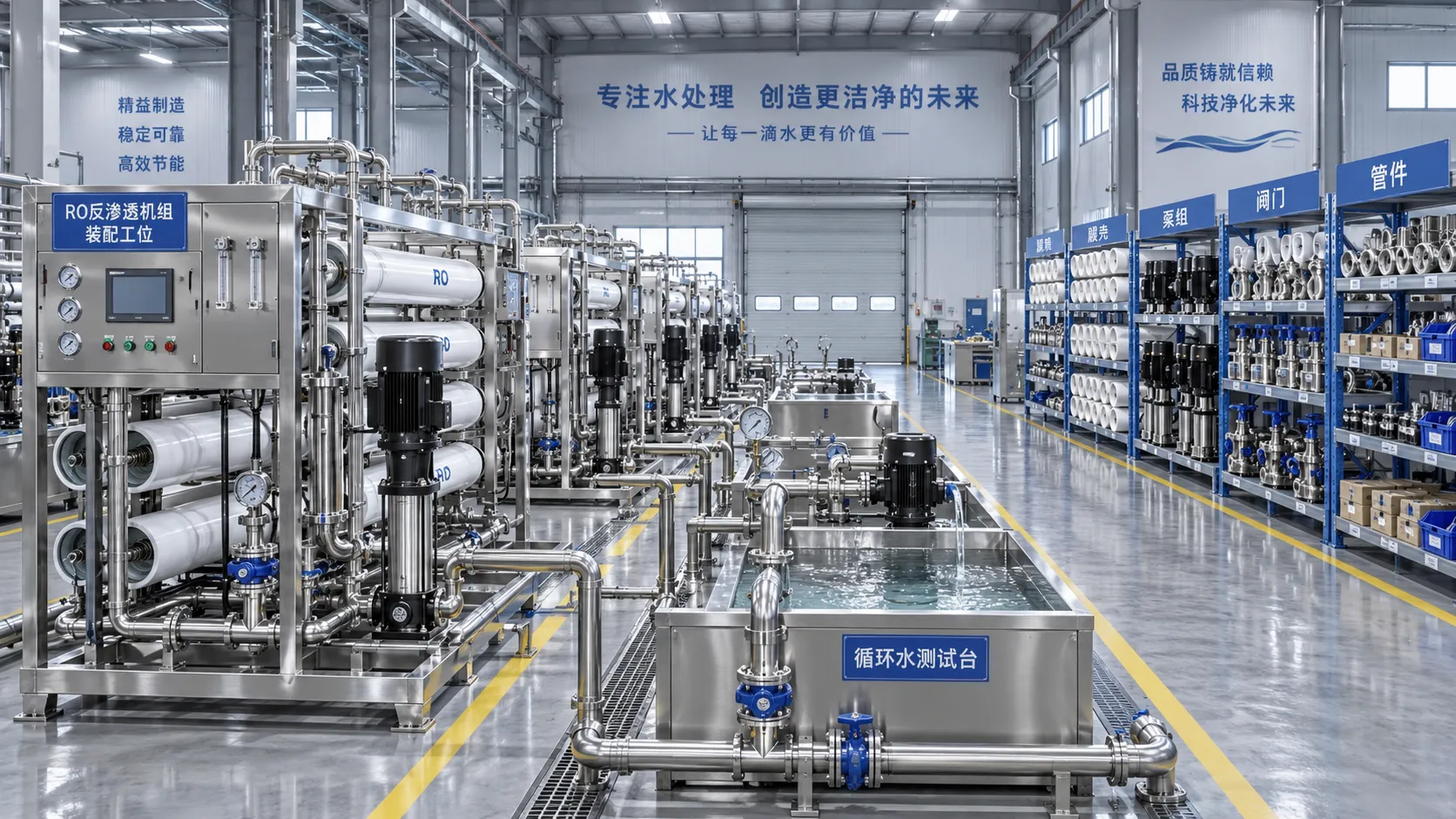
How to verify a water treatment system factory’s production capacity
Verify a water treatment systems factory’s production capacity through records, bottlenecks, component availability, and testing. Learn what to check before accepting a delivery promise.
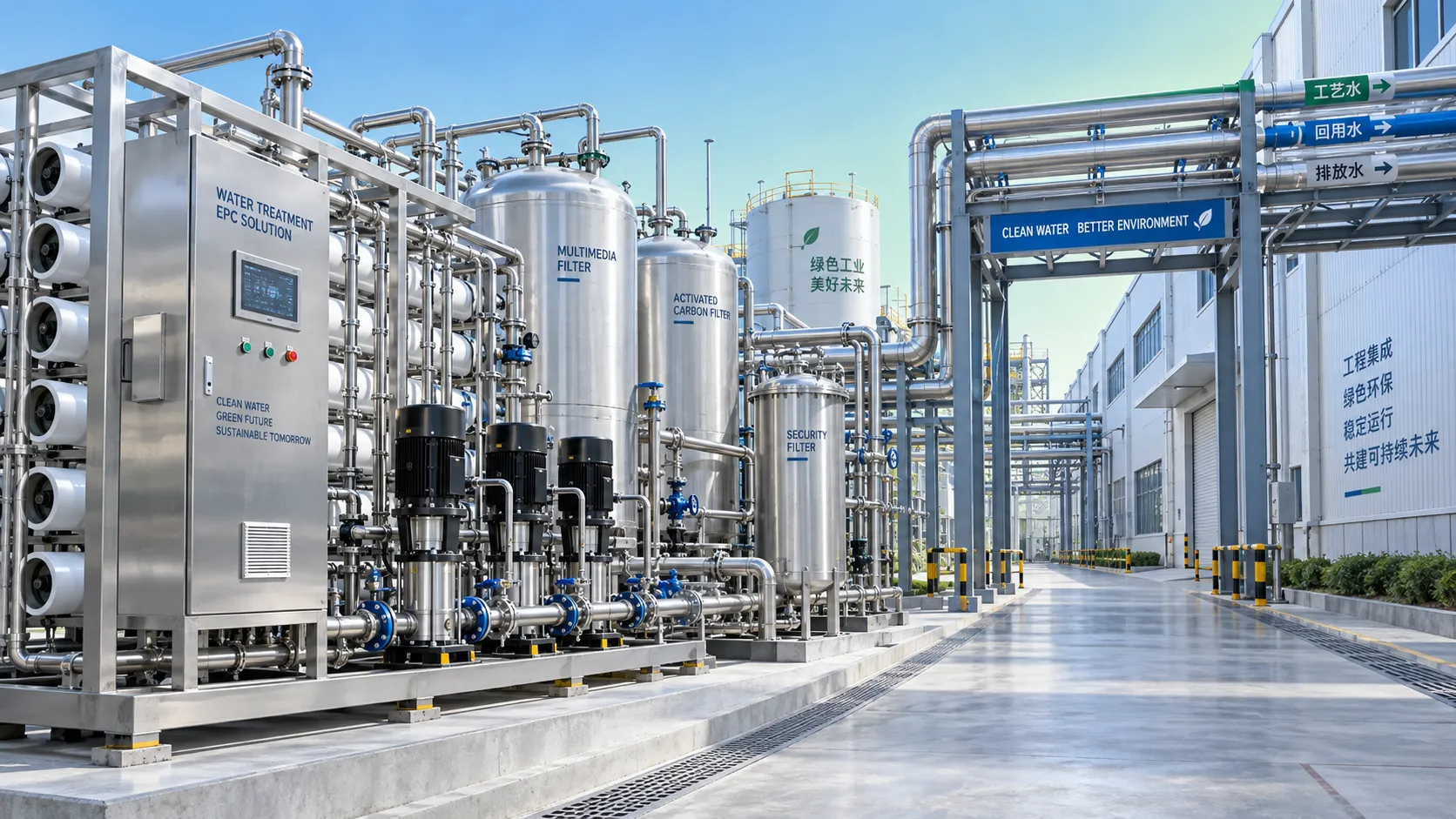
When does EPC environmental project support reduce delivery risk?
EPC environmental project support engineering reduces delivery risk by aligning design, procurement, compliance, construction, and commissioning decisions.
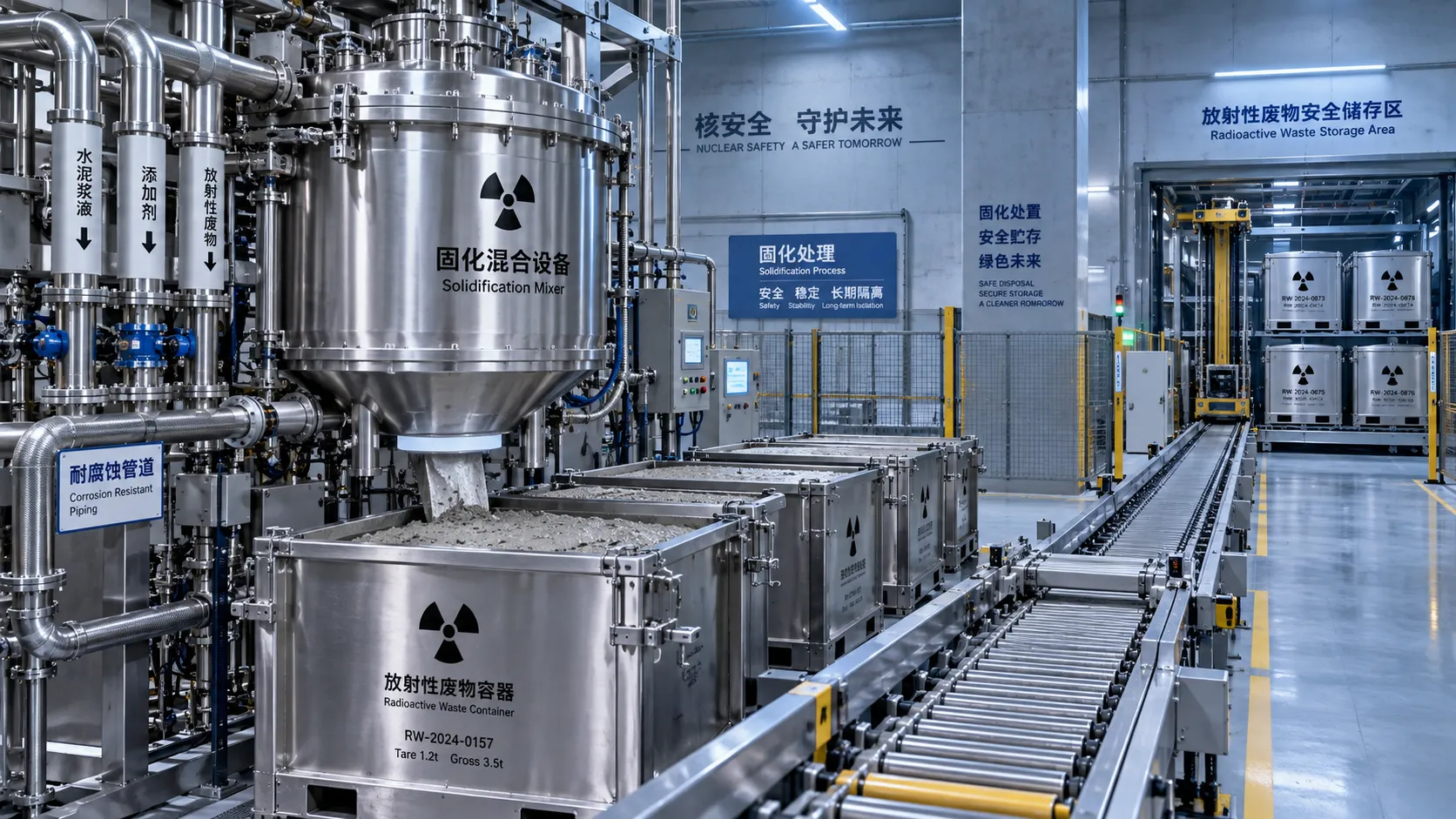
How nuclear plants select a radioactive waste solidification method
Radioactive waste management for nuclear plants: compare vitrification, cementation, polymers, and ceramics to select a compliant, durable solidification solution.
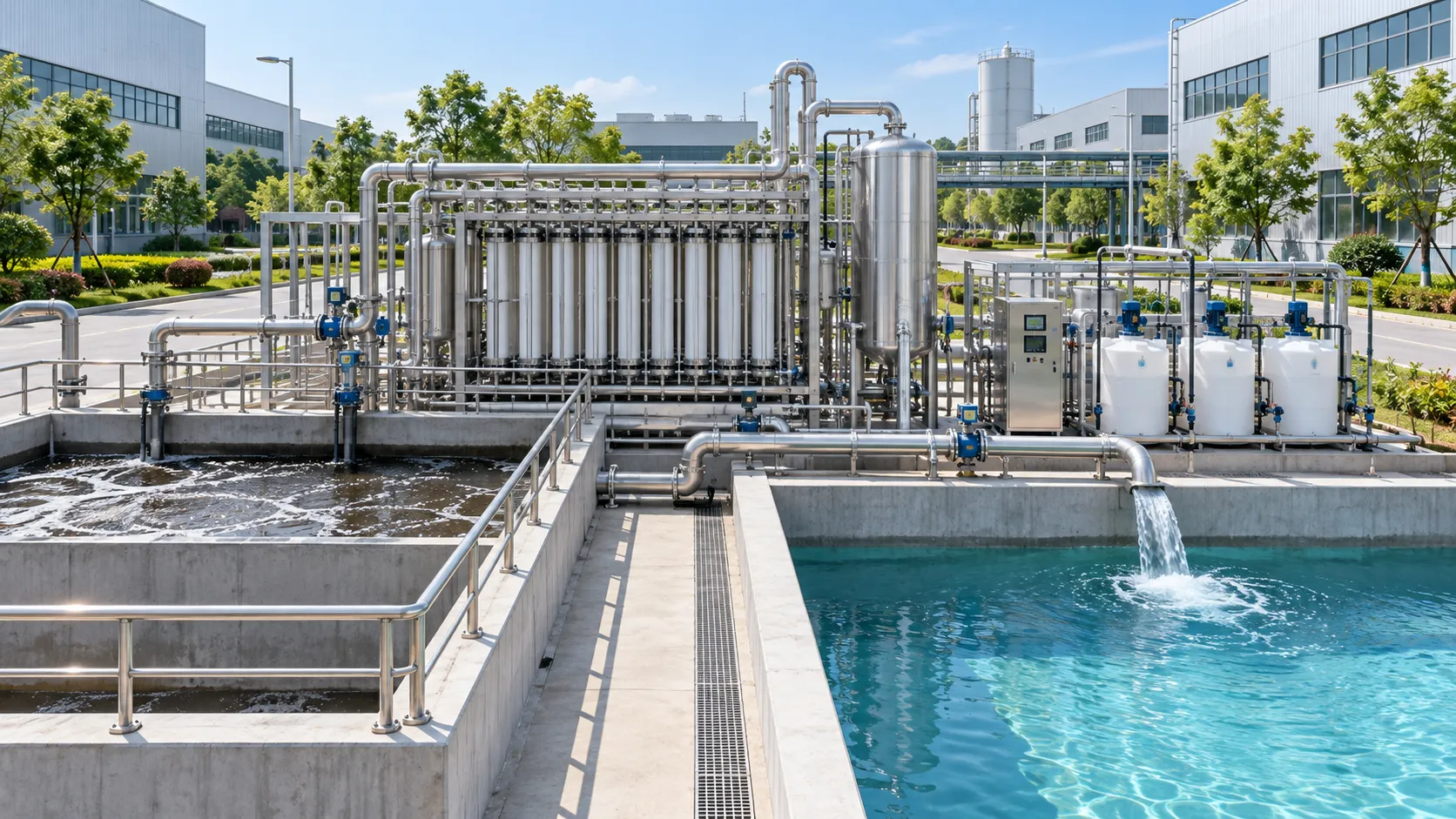
Comparing Upgrade Costs for Industrial Park Wastewater Treatment Systems
Compare costs for wastewater system upgrades in industrial parks with a lifecycle view of CAPEX, OPEX, compliance, resilience, and future expansion.
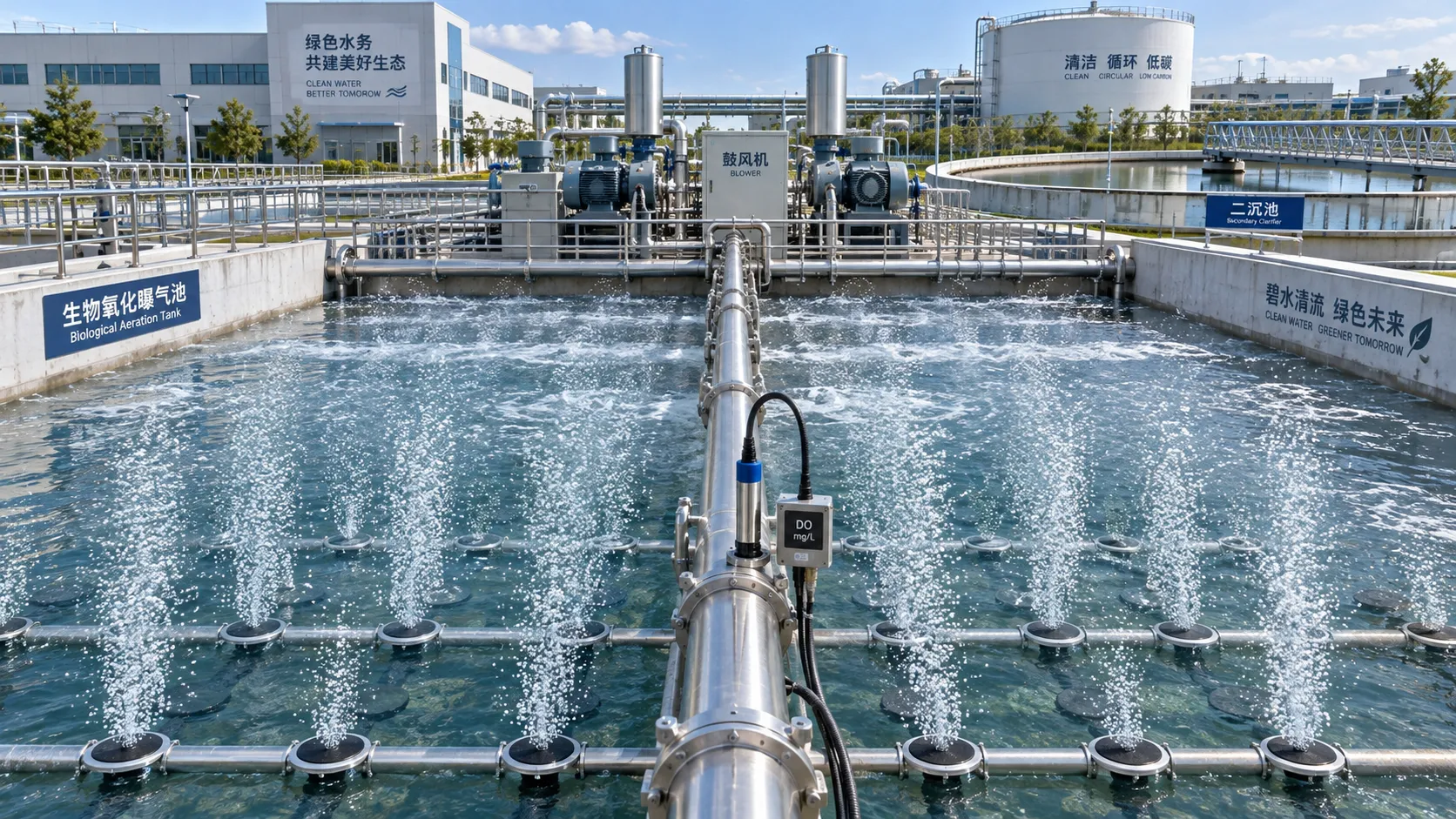
Biological Wastewater Oxidation Explained: Aeration Demand and Process Control
Biological wastewater oxidation explained: optimize aeration demand, DO control, nitrification, and sludge age for stable effluent quality and lower energy costs.
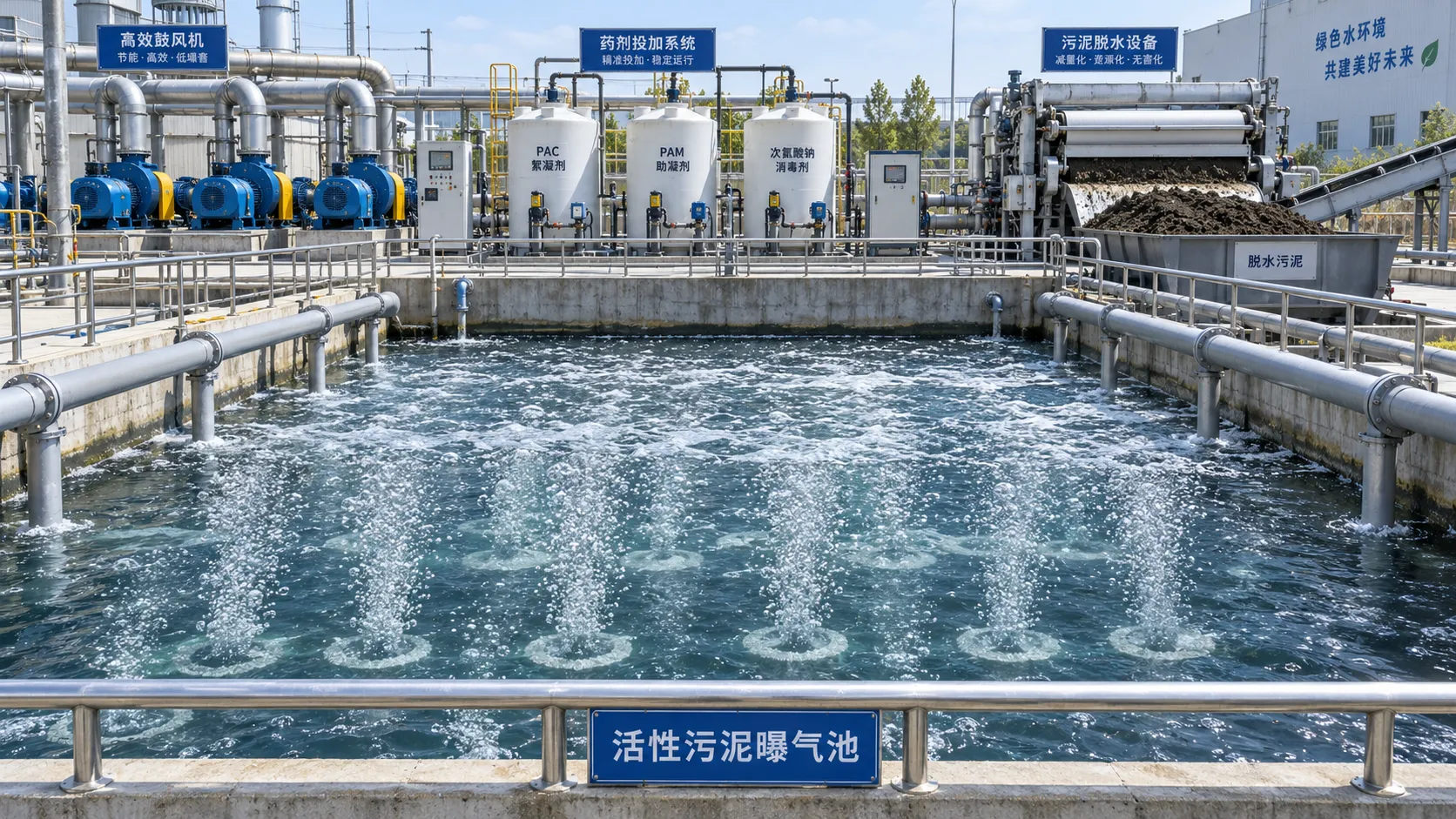
Activated Sludge Cost: Budgeting Energy, Chemicals, Sludge, and Labor
Activated sludge cost explained: compare energy, chemicals, sludge disposal, labor, and compliance risks to build a reliable lifecycle budget.
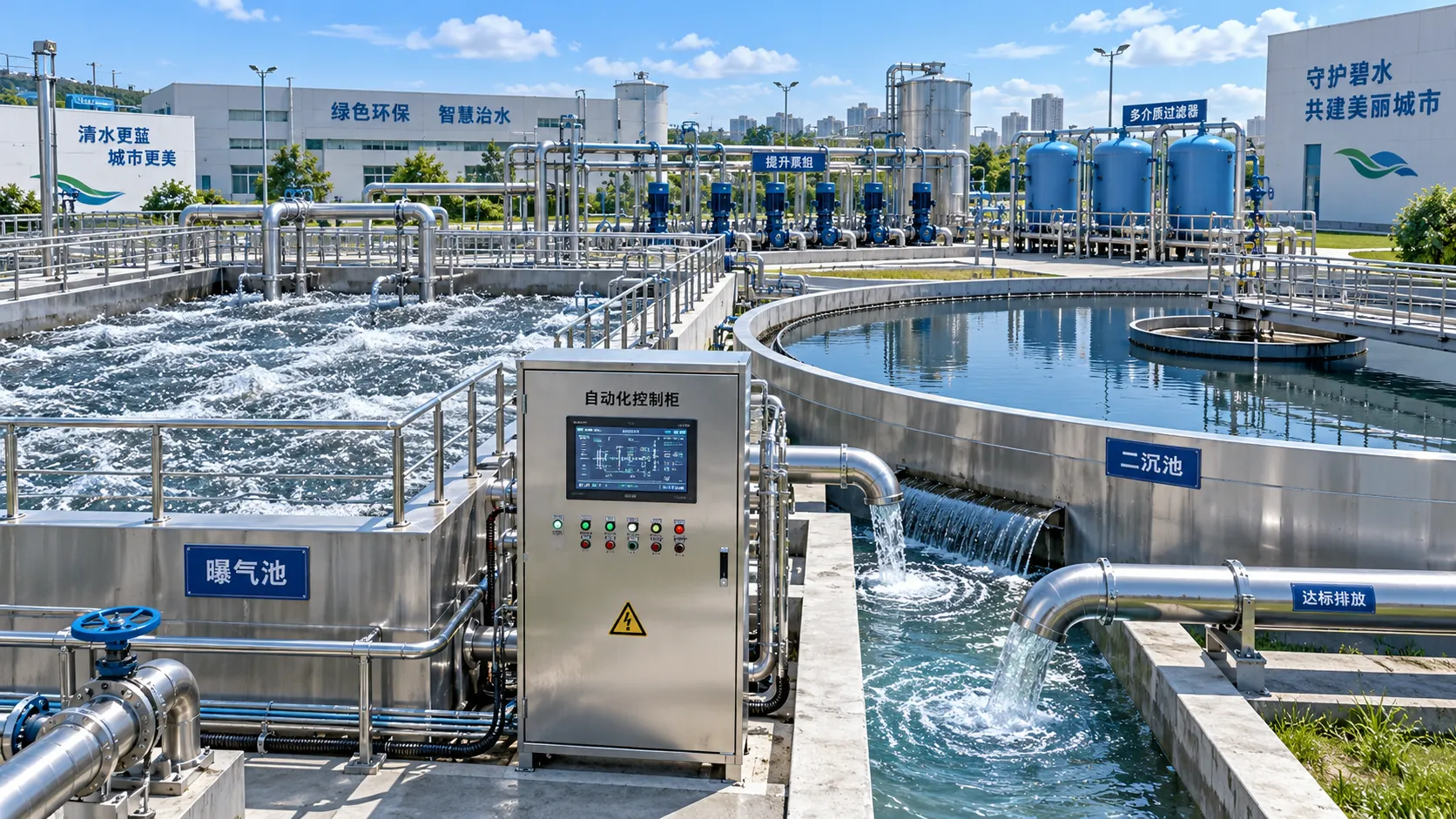
When Should Municipal Wastewater Plants Upgrade Treatment Capacity and Controls?
Municipal wastewater treatment upgrades: learn when capacity, controls, and resilient planning are needed to protect compliance and optimize plant performance.