
Industry News
Curation by industry experts
Hot Articles
Popular Tags
How to Compare Radioactive Waste Storage Facilities for Long-Term Safety
Comparing radioactive waste storage facilities for long-term safety is less about headline capacity and more about how a site behaves over decades, centuries, and, in some cases, millennia. The most credible evaluations connect engineered barriers, site geology, monitoring architecture, regulatory discipline, and lifecycle stewardship into one risk picture. That broader view matters across today’s environmental infrastructure landscape, where nuclear waste management sits beside water treatment, recovery systems, and emissions control as a core pillar of industrial ecological security.
Why long-term comparison now carries more weight
The pressure on radioactive waste storage facilities is growing from several directions at once. New nuclear programs, plant life extensions, decommissioning pipelines, and tighter public accountability are expanding the number of storage decisions that require technical scrutiny.
At the same time, the comparison standard has changed. It is no longer enough to ask whether a facility meets minimum licensing conditions at the moment of approval. A stronger review asks how safety margins hold under corrosion, groundwater migration, thermal loading, seismic disturbance, institutional failure, and changing compliance expectations.
This is also where a broader intelligence perspective becomes valuable. Within platforms such as ESD, nuclear waste management is not isolated from the rest of ecological engineering. It is assessed as part of an interlinked system where containment reliability, environmental compliance, and long-horizon infrastructure resilience all influence strategic decisions.
Start with the facility type, not the marketing label
Not all radioactive waste storage facilities are designed for the same waste class, time horizon, or failure tolerance. A useful comparison begins by separating facilities according to the material they hold and the storage concept they use.
Low-level waste sites, interim spent fuel storage systems, near-surface repositories, dry cask installations, and deep geological repositories should never be compared as if they solve the same problem. Their safety logic is different.
That distinction prevents a common mistake: comparing convenience features while missing the actual safety case. The right question is not which facility looks more advanced, but which one is better matched to the waste inventory and exposure pathway.
Containment integrity is the first real filter
Any review of radioactive waste storage facilities should begin with containment design. Long-term safety depends on how many barriers exist, how independent they are, and how each barrier degrades under realistic conditions.
For interim storage, inspect cask shell materials, weld quality, shielding performance, closure systems, and passive cooling design. For disposal facilities, look at waste form durability, overpack materials, backfill chemistry, liner systems, and cap design.
A strong facility does not rely on one perfect barrier. It uses layered defense so that failure in one element does not immediately become a release event. This principle becomes especially important where retrievability declines over time.
Questions that reveal barrier quality
- What are the expected degradation mechanisms over the full storage period?
- How were corrosion, creep, embrittlement, and radiation damage modeled?
- Are barrier assumptions supported by field evidence or only laboratory data?
- How much redundancy remains after the first barrier underperforms?
Geology and hydrology often decide the long game
When comparing long-duration radioactive waste storage facilities, the surrounding environment matters as much as the engineered package. Geological stability, groundwater movement, geochemistry, and climate exposure shape the actual release pathway.
For deep repositories, host rock behavior is central. Salt, clay, and crystalline formations each offer different strengths and uncertainties. Salt may self-seal, clay may limit radionuclide transport, and crystalline rock may provide structural strength but more complex fracture pathways.
Near-surface and interim facilities require an equally careful hydrological view. Flood risk, drainage design, perched water, coastal exposure, and future land-use pressure can all change site performance long before the official design life ends.
In practice, the better facility is often the one with fewer geologic surprises, not the one with the most ambitious structural design.
Monitoring matters, but so does what happens after an alarm
Many radioactive waste storage facilities advertise advanced monitoring. Sensors, remote inspection tools, digital twins, and environmental sampling are important, but instrumentation alone does not create safety.
The comparison should go deeper. Review what is monitored, how frequently data is validated, how anomalies are escalated, and whether operators can intervene before a deviation becomes loss of containment.
This is where technical evaluation becomes operational rather than theoretical. A site with modest instrumentation and disciplined response protocols may outperform a more digitized site with weak maintenance culture.
Signals worth checking
- Trend analysis for temperature, dose rate, moisture, pressure, and groundwater chemistry
- Calibration discipline and sensor replacement planning
- Inspection access for casks, tunnels, caps, and drainage systems
- Predefined decision thresholds and corrective action timelines
Regulatory strength is more than a checklist issue
A technically strong facility can still become a weak long-term asset if governance is inconsistent. Comparing radioactive waste storage facilities requires attention to the quality of the regulatory setting, not just the existence of permits.
Useful indicators include the transparency of the licensing basis, independence of oversight, periodic safety review requirements, public reporting practices, and the treatment of post-closure uncertainty. International alignment also matters, especially when facilities are benchmarked across jurisdictions.
Within the wider environmental compliance framework tracked by ESD, this point is familiar. Strong infrastructure performance depends on the interaction between engineering limits and policy discipline. Nuclear waste management simply makes that relationship harder to ignore.
Compare lifecycle risk, not only current condition
A facility can look stable today and still carry hidden long-term risk. The most useful comparisons consider the full lifecycle, including loading, operation, inspection, transfer, closure, institutional control, and possible retrievability.
This broader approach is especially relevant when facilities depend on assumptions about future funding, skilled labor continuity, energy supply, or site access. Long-term safety weakens quickly when stewardship assumptions are optimistic.
What a practical comparison framework looks like
In real assessments, a weighted framework usually works better than a yes-or-no screen. Radioactive waste storage facilities can be scored across technical, environmental, operational, and governance dimensions, then adjusted for waste type and intended storage duration.
The weighting should reflect consequence, not convenience. A minor logistics advantage should never offset a major uncertainty in hydrogeology or barrier degradation.
- Assign higher weight to irreversible failure pathways
- Separate proven performance from modeled expectations
- Distinguish interim adequacy from permanent isolation potential
- Test scenarios under extreme weather, power loss, and governance disruption
- Document assumptions that would change the ranking
This method also supports cross-sector thinking. The same discipline used to evaluate ZLD reliability, flue gas treatment resilience, or membrane durability can strengthen reviews of nuclear containment systems when adapted to radiological risk.
A sharper next step for facility evaluation
The safest comparison of radioactive waste storage facilities comes from narrowing the decision to evidence that remains credible over time. Focus on barrier independence, geological predictability, monitoring response quality, regulatory maturity, and lifecycle stewardship before reviewing secondary features.
Where several facilities appear similar, the tie usually breaks on uncertainty management. The stronger option is the one that explains its assumptions clearly, tests failure pathways rigorously, and leaves less room for unmanaged drift.
A useful next move is to build a comparison matrix around the specific waste inventory, storage horizon, site conditions, and closure pathway under review. That approach turns a broad safety discussion into a decision tool that can be defended technically, operationally, and strategically.
Recommended News
When is compaction suitable for solid nuclear waste treatment?
Is compaction right for solid nuclear waste treatment? Discover suitable waste streams, key safety checks, and disposal requirements to reduce package volume and optimize costs.
How solids concentration affects dewatering in waste recovery systems
Optimize waste recovery systems dewatering with insights on solids concentration. Learn to balance throughput, cake dryness, and solids capture while avoiding costly equipment overloads.
How to compare technical specs in an environmental equipment directory
Use this environmental equipment directory technical guide to compare capacity, energy use, compliance, and supplier evidence. Build a defensible shortlist and choose with confidence.
How to assess a zero liquid discharge equipment supplier’s energy claims
Assess a zero liquid discharge equipment supplier’s energy claims. Learn how to verify system boundaries, compare real costs, and demand testable guarantees before you buy.
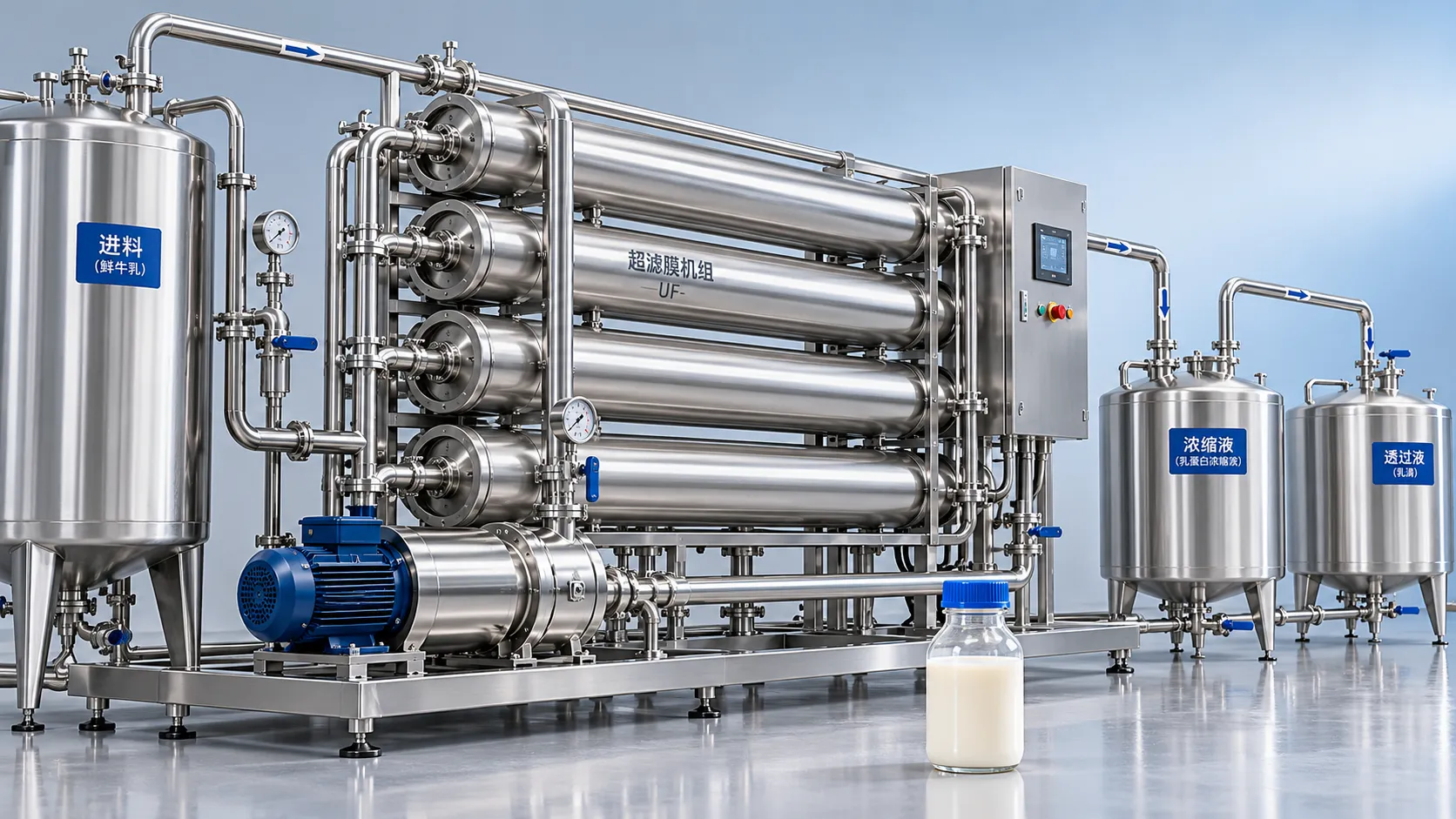
Which membrane filtration process suits dairy protein concentration?
Explore membrane filtration for dairy: compare UF, MF, and RO to select the right process for protein concentration, lactose reduction, and better recovery. Find your best fit.
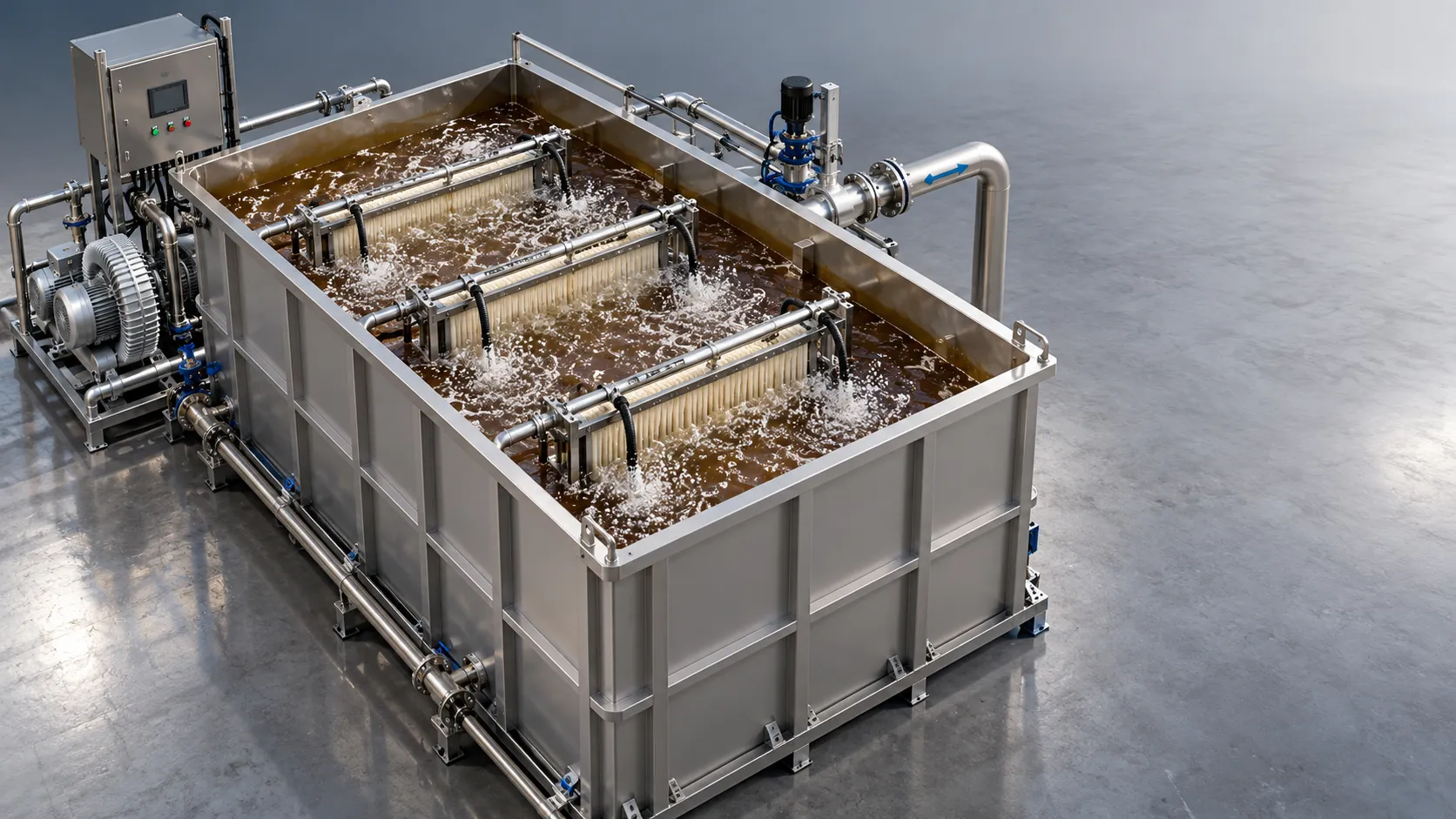
When is an MBR suitable for wastewater purification for bioprocessing?
For wastewater purification for bioprocessing, discover when an MBR fits your needs. Compare water quality, fouling risks, and lifecycle costs before investing.
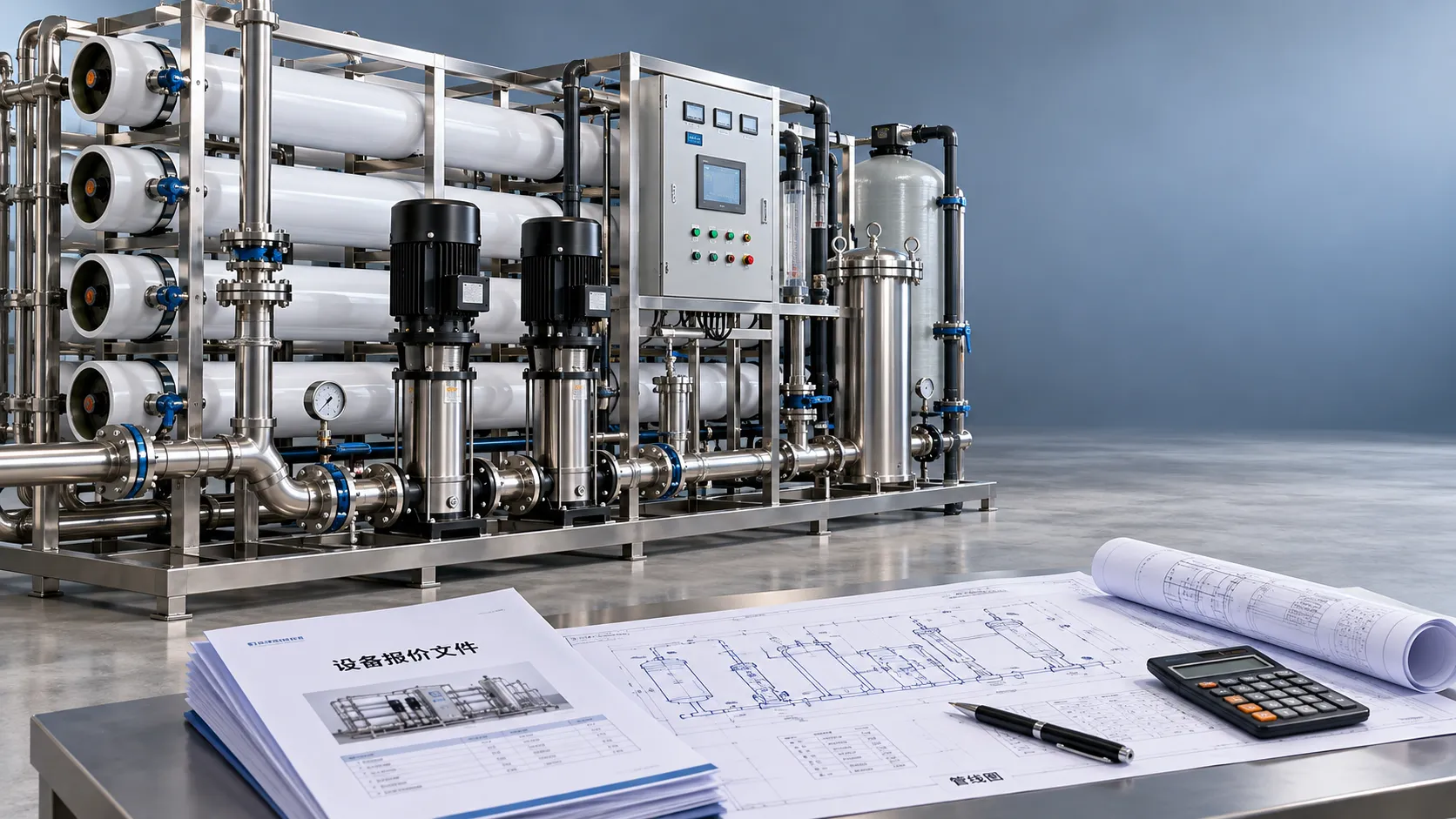
How to check a water treatment quotation for hidden project costs
Review your water treatment quotation for hidden costs, scope gaps, and operating expenses. Learn what to check before signing to protect your budget and avoid costly surprises.
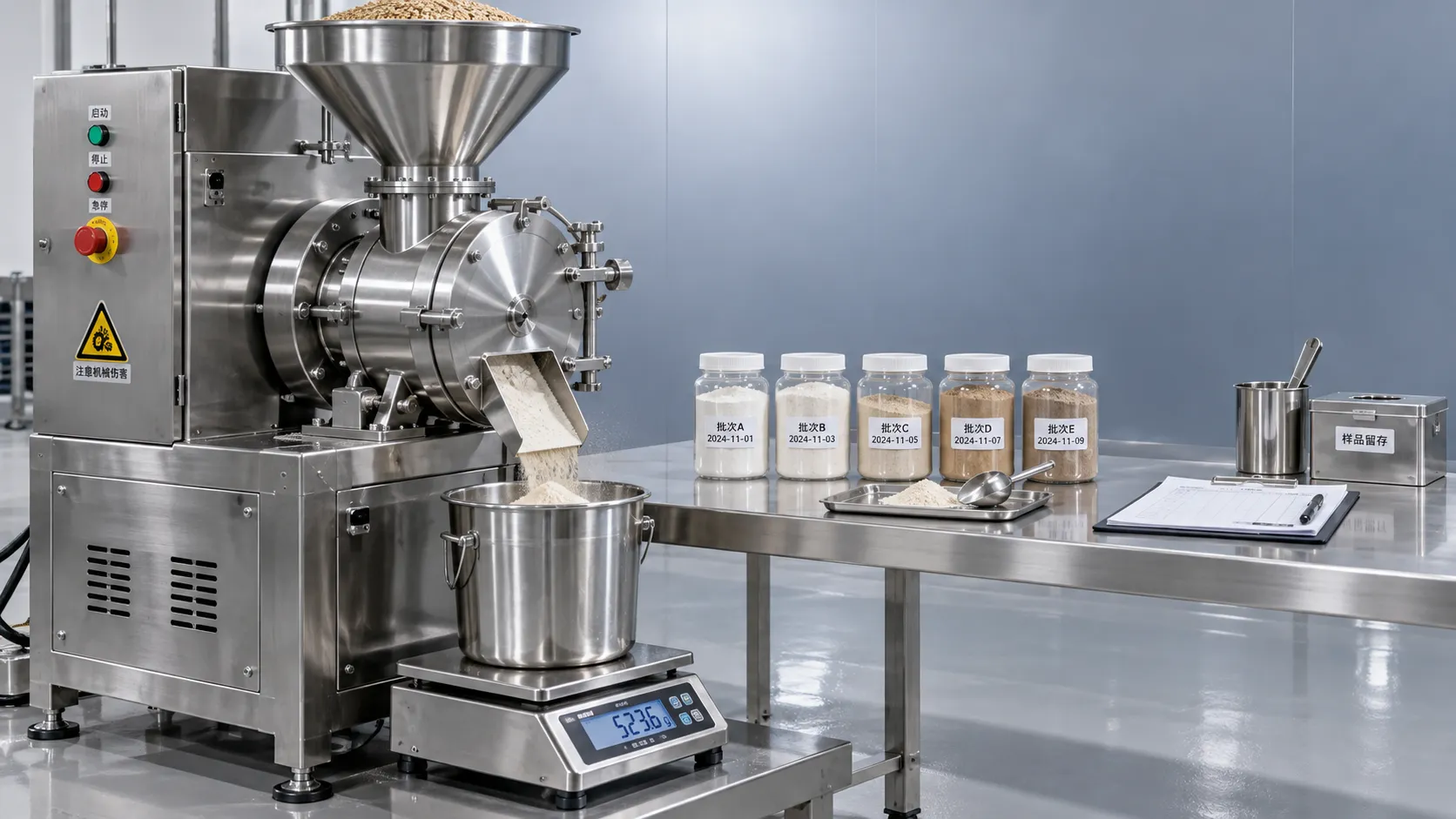
How to vet ingredient processing equipment manufacturers using trials
Vet ingredient processing equipment manufacturers with real-world trials. Learn how to verify yield, cleaning, energy use, and scale-up before you invest.
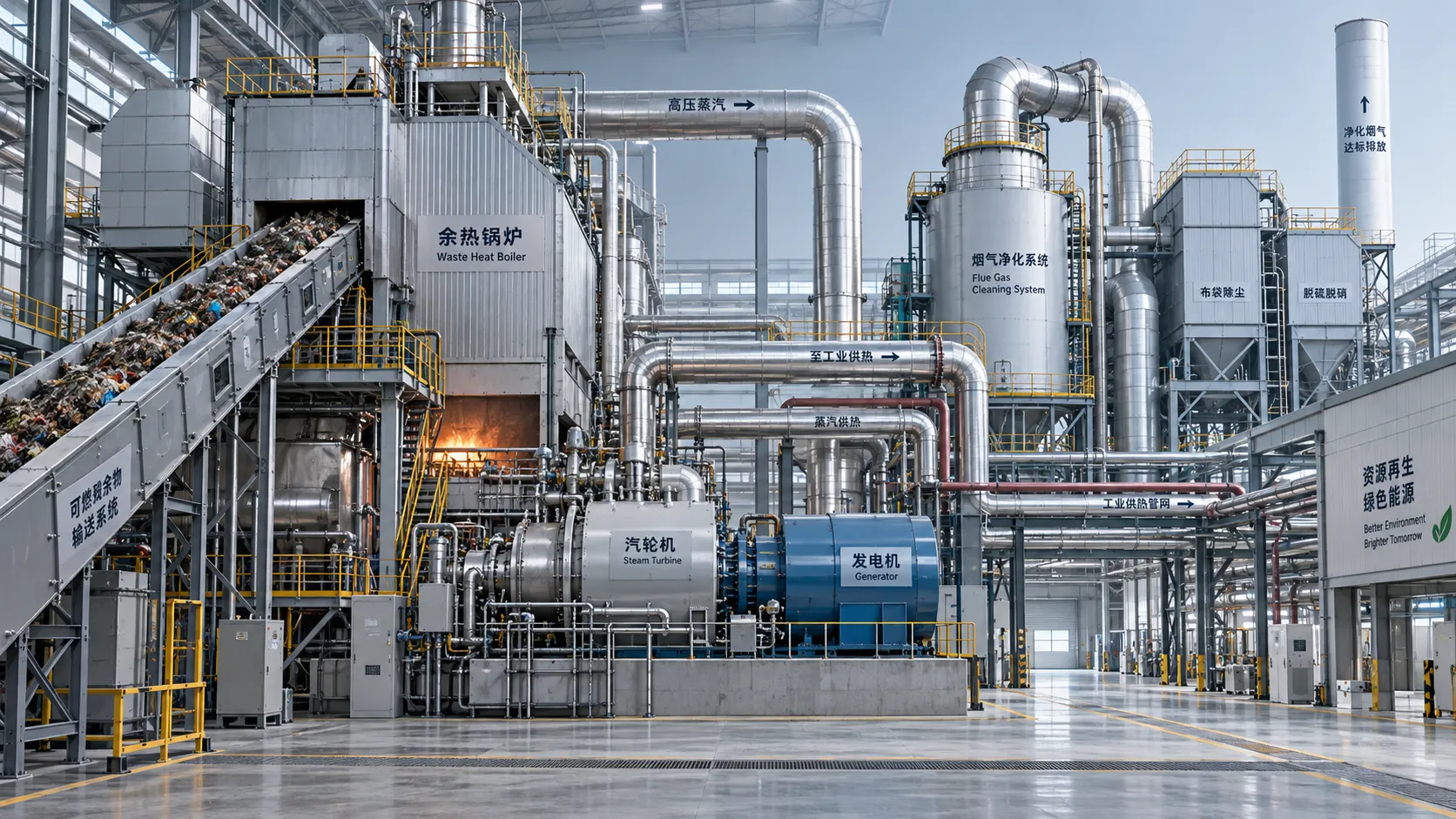
When is energy recovery viable in the solid waste recovery process?
When is energy recovery viable in the solid waste recovery process? Explore feedstock quality, net energy, emissions, and costs to assess feasibility and make smarter investment decisions.