
Industry News
Curation by industry experts
Hot Articles
Popular Tags
Wastewater Purification: Key Metrics for System Selection
Selecting a wastewater purification system is rarely a simple comparison of flow rate, footprint, or capital cost. The stronger decision comes from reading the metrics behind performance: how reliably contaminants are removed, how much energy is consumed, how much sludge is created, and how stable compliance remains when influent quality shifts. In a market shaped by tighter discharge rules, water scarcity, and decarbonization pressure, wastewater purification has become a technical and strategic choice at the same time.
That is why system selection now sits at the intersection of process engineering, environmental governance, and long-term asset reliability. Across municipal sewage, industrial effluent, reuse projects, desalination-linked treatment, and even high-risk closed-loop applications, the wrong metric focus can produce a plant that performs well on paper yet struggles in operation.
From the perspective of ESD’s broader ecological intelligence framework, wastewater purification is not an isolated utility. It connects to resource recovery, ZLD strategy, compliance resilience, and the wider push for equipment intelligence across large treatment infrastructures.
What system selection really means
At its core, wastewater purification is the controlled reduction of physical, chemical, and biological contaminants to meet a target outcome. That outcome may be discharge, reuse, recycling, concentration, or near-complete liquid elimination.
The system itself can include screening, equalization, biological treatment, clarification, membrane separation, advanced oxidation, adsorption, evaporation, or polishing steps. Selection is therefore not about choosing one machine. It is about building a process train that remains coherent under real operating conditions.
A technically sound choice asks several linked questions. What must be removed? How stable is the influent? What is the final water objective? Which constraints are non-negotiable? How much operating variability can the plant absorb?
Why the industry is paying closer attention
The pressure on wastewater purification is rising from several directions at once. Regulations are tightening, especially for nutrients, refractory organics, heavy metals, PFAS-related concerns, and trace contaminants with public visibility.
At the same time, water is no longer treated as an inexpensive disposable input. Reuse targets, drought risk, and industrial continuity planning are pushing facilities to evaluate treated effluent as a recoverable resource.
Energy also changes the equation. A system with excellent removal can still become unattractive if specific energy consumption is high, chemical demand is unstable, or sludge handling costs erode lifecycle value.
This wider context explains why portals such as ESD emphasize intelligence stitching across treatment technologies, compliance trends, and equipment evolution. Wastewater purification decisions increasingly depend on cross-disciplinary reading rather than isolated vendor claims.
The metrics that deserve the closest attention
Not every project values the same indicators in the same way. Still, several metrics consistently shape whether a wastewater purification system succeeds over time.
Removal efficiency and pollutant specificity
Removal efficiency should never be read as a single headline number. COD, BOD, TSS, ammonia, total nitrogen, phosphorus, dissolved salts, silica, oils, toxic metals, and micropollutants behave differently.
A biological system may perform well on biodegradable organics yet fail on high salinity or toxic shock loads. Membranes may deliver strong solids separation while requiring upstream control for fouling and scaling.
Hydraulic and organic loading flexibility
Design flow is only the start. Real plants face peak surges, seasonal shifts, production swings, and startup instability. Good wastewater purification systems tolerate changing loads without a sharp loss in effluent quality.
This becomes critical in mixed industrial parks, food processing, mining, petrochemicals, and municipal networks with inflow variation.
Specific energy consumption
Energy per cubic meter treated often reveals more than total plant power. Aeration intensity, pumping head, pressure-driven membranes, evaporation duty, and thermal integration all affect the real operating profile.
In advanced wastewater purification, energy should be linked to treatment objective. A reuse-grade system can justify higher demand if water recovery or compliance security offsets the cost.
Sludge and concentrate generation
Every separation process moves contaminants somewhere. A system that lowers pollutant concentrations in water may create sludge, brine, spent media, or hazardous residuals that are expensive to manage.
For this reason, wastewater purification should be evaluated as a full mass-balance problem, not only an outlet-water problem.
Compliance stability
Average performance can hide operational risk. Discharge permits are usually tested at the edge cases: shutdowns, spikes, weather events, upstream upset, or feed composition drift.
The better metric is often not best-case removal, but consistent compliance under disturbance.
Reliability and maintainability
Lifecycle reliability includes membrane fouling rate, pump durability, blower efficiency decay, sensor stability, spare-parts access, cleaning frequency, and automation quality. A high-performance system that is difficult to maintain becomes operationally fragile.
How metrics shift across treatment scenarios
The same wastewater purification criteria do not carry identical weight in every project. Context changes the priority order.
Municipal and regional plants
For municipal treatment, nutrient removal, wet-weather resilience, sludge handling, and power efficiency often dominate. Odor control and operator simplicity can also shape practical success.
Industrial wastewater
Industrial streams demand closer attention to toxicity, salinity, surfactants, metals, solvent residues, and batch variability. Pretreatment compatibility becomes as important as the core treatment technology.
Water reuse and closed-loop systems
Where reuse is the target, polishing quality, pathogen control, dissolved solids management, and monitoring confidence move to the front. The system must protect downstream assets, not only meet a discharge number.
High-concentration and ZLD pathways
For ZLD-oriented wastewater purification, recovery rate, scaling behavior, thermal duty, and concentrate chemistry become decisive. Here, residual management is central rather than secondary.
This is one area where ESD’s wider coverage matters. Large water treatment plants, desalination systems, and resource recovery networks increasingly share the same selection logic: maximize purity while controlling energy and residuals.
Reading beyond vendor data sheets
A common mistake in wastewater purification selection is relying too heavily on ideal-condition data. Bench tests and reference projects matter, but only if they are interpreted with process context.
- Check influent characterization depth, including peak values and inhibitory compounds.
- Ask how performance changes during startup, cleaning cycles, or partial-load operation.
- Review chemical consumption under realistic water chemistry, not nominal conditions.
- Trace residual streams to their final disposal or recovery route.
- Compare automation, instrumentation, and alarm logic, not just process hardware.
- Look at failure modes and operator intervention frequency.
In practice, the most useful metric set combines process performance with operational evidence. That includes uptime, cleaning intervals, membrane replacement trends, sludge dryness, and actual permit history.
Where business value becomes visible
The business case for wastewater purification is broader than fee avoidance. Reliable treatment protects production continuity, reduces compliance exposure, supports site expansion, and strengthens water resilience.
In some facilities, a better purification pathway also unlocks recovery value through water reuse, salt concentration management, heat integration, or byproduct capture. In others, the value lies in reduced volatility and easier reporting under stricter environmental frameworks.
This is especially relevant as climate pressure, carbon accounting, and regulatory scrutiny begin to interact. A treatment system is no longer judged only by end-of-pipe performance. It is judged by how intelligently it fits the site’s long-term operating model.
A practical path for the next evaluation round
A more defensible wastewater purification decision starts with a disciplined shortlist of metrics. Begin with pollutant profile, target water quality, residual burden, energy intensity, and compliance risk under variable operation.
Then compare technologies as integrated process trains rather than isolated units. Biological, membrane, chemical, and thermal steps each solve different parts of the problem, and the interfaces often decide the final outcome.
It also helps to track external signals. Changes in discharge standards, reuse economics, CBAM-related pressure, and regional water stress can quickly alter the value of one wastewater purification route over another.
The next step is not to chase the highest removal number. It is to build a clear metric framework, test it against real operating conditions, and use that framework to judge which system remains technically credible over years, not just during commissioning.
Recommended News
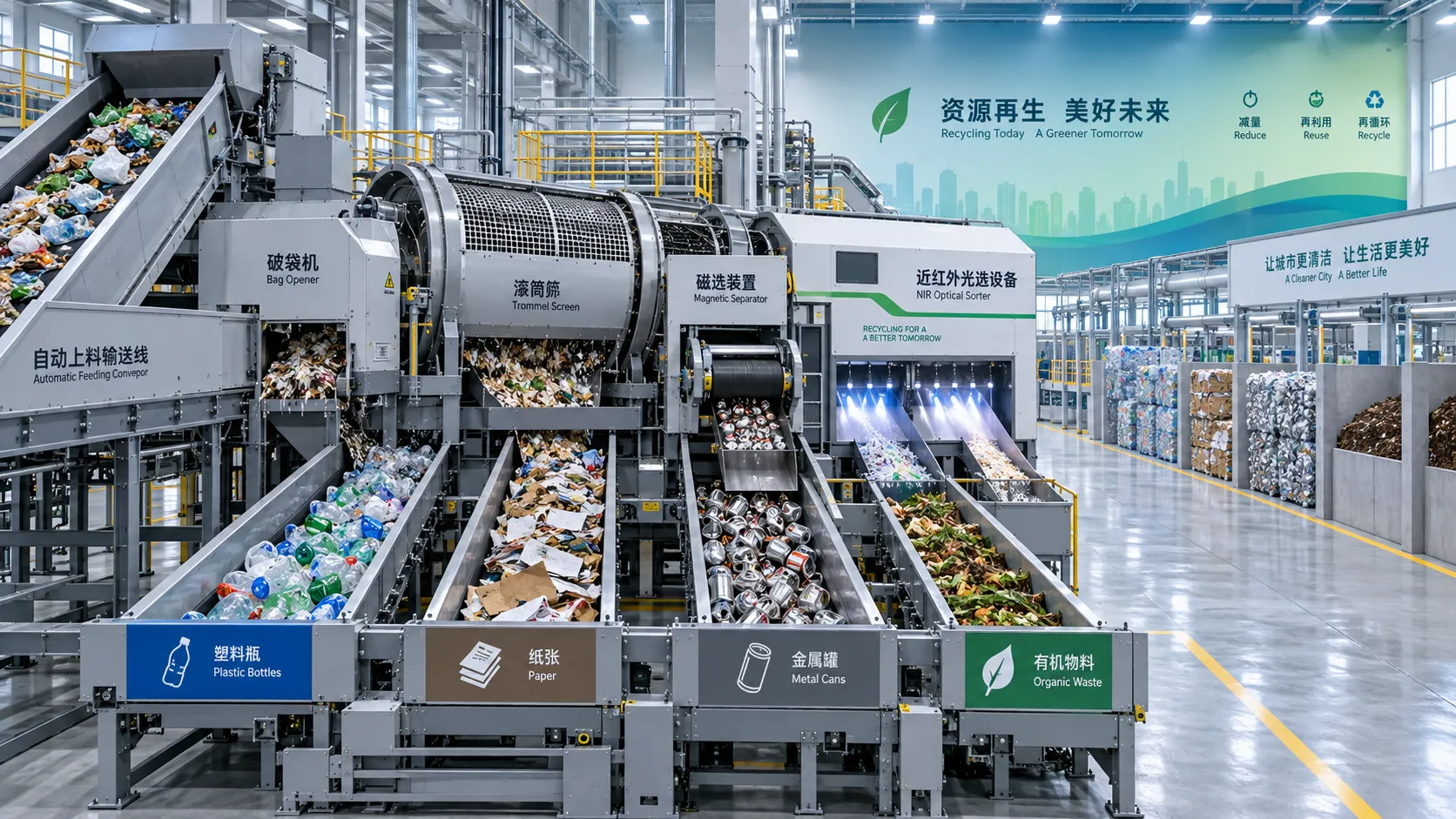
How to choose waste sorting equipment for mixed municipal waste
Waste sorting equipment selection guide for mixed municipal waste: compare technologies, improve recovery, reduce downtime, and build reliable output streams.
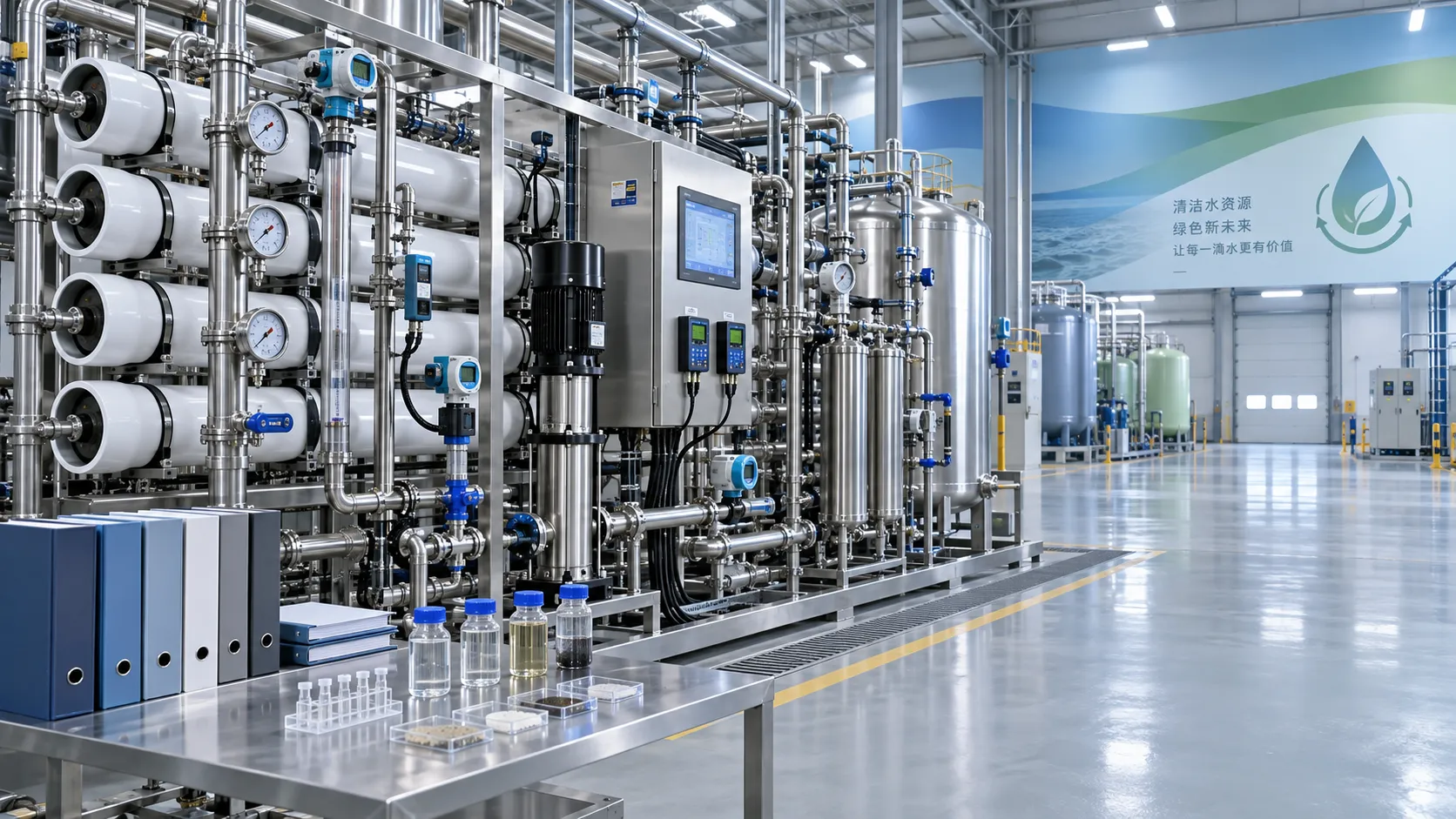
How to verify standards in an environmental equipment directory
environmental equipment directory standards reference: learn to verify certifications, performance evidence, scope, and project fit for confident, compliant equipment selection.
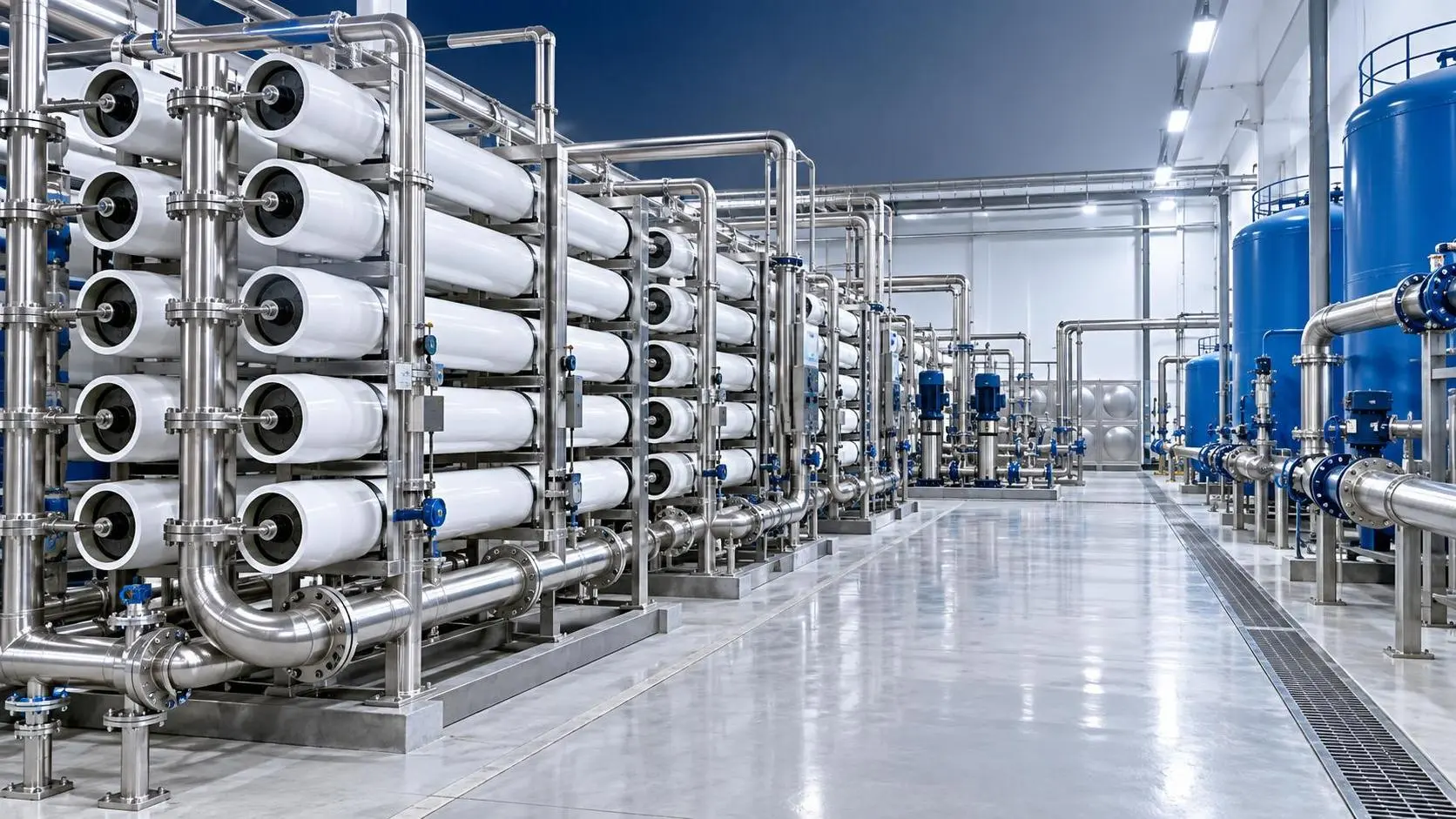
When high flux membrane water treatment justifies a larger footprint
High flux membrane water treatment can justify a larger footprint when variable feedwater, fouling risk, and uptime demands require resilient, lower-flux operation.
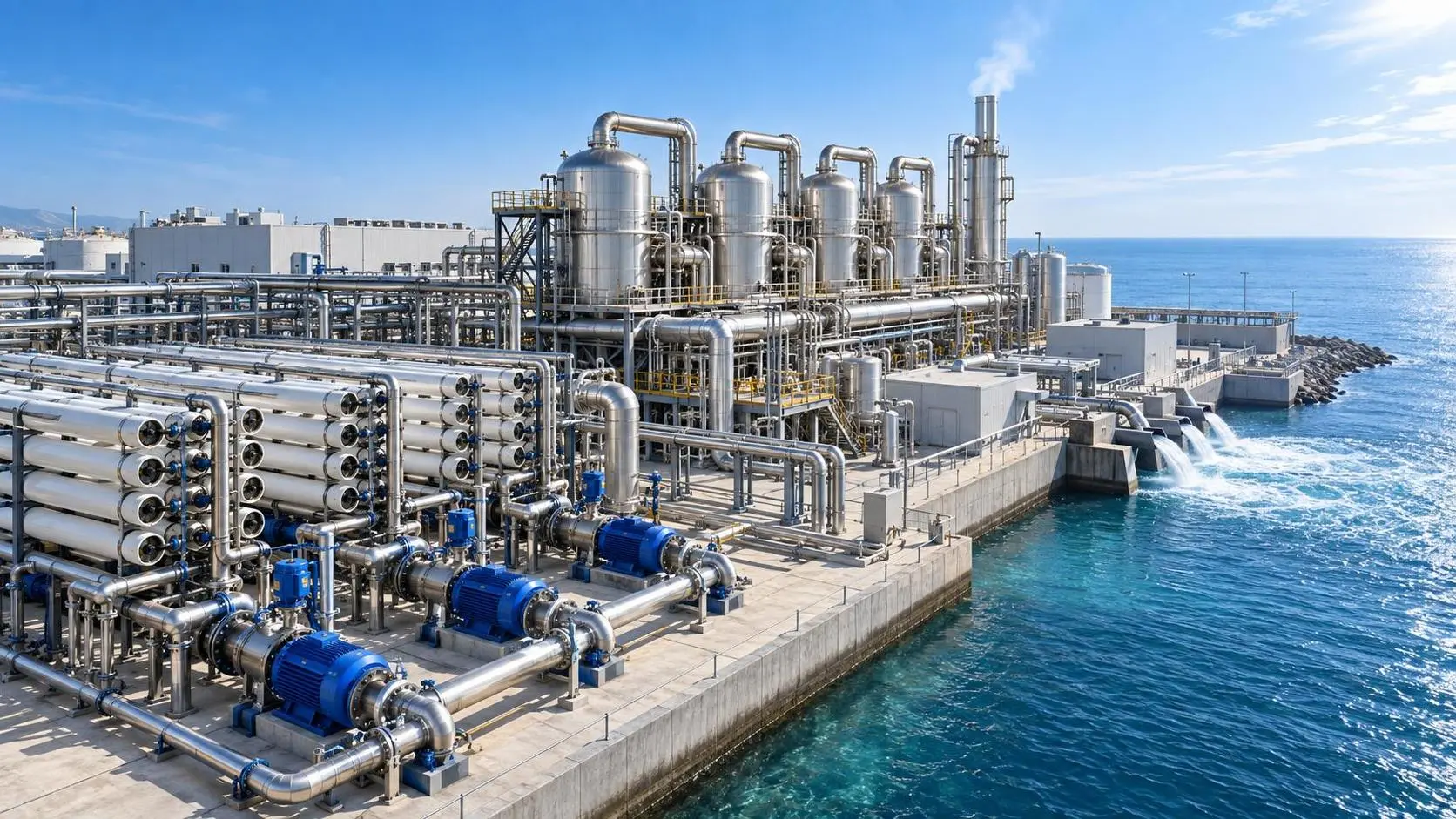
RO vs MED desalination: which is more energy-efficient at scale?
Desalination technology comparison: RO vs MED at scale. See how energy use, waste heat, feedwater, carbon, and flexibility determine the best choice.
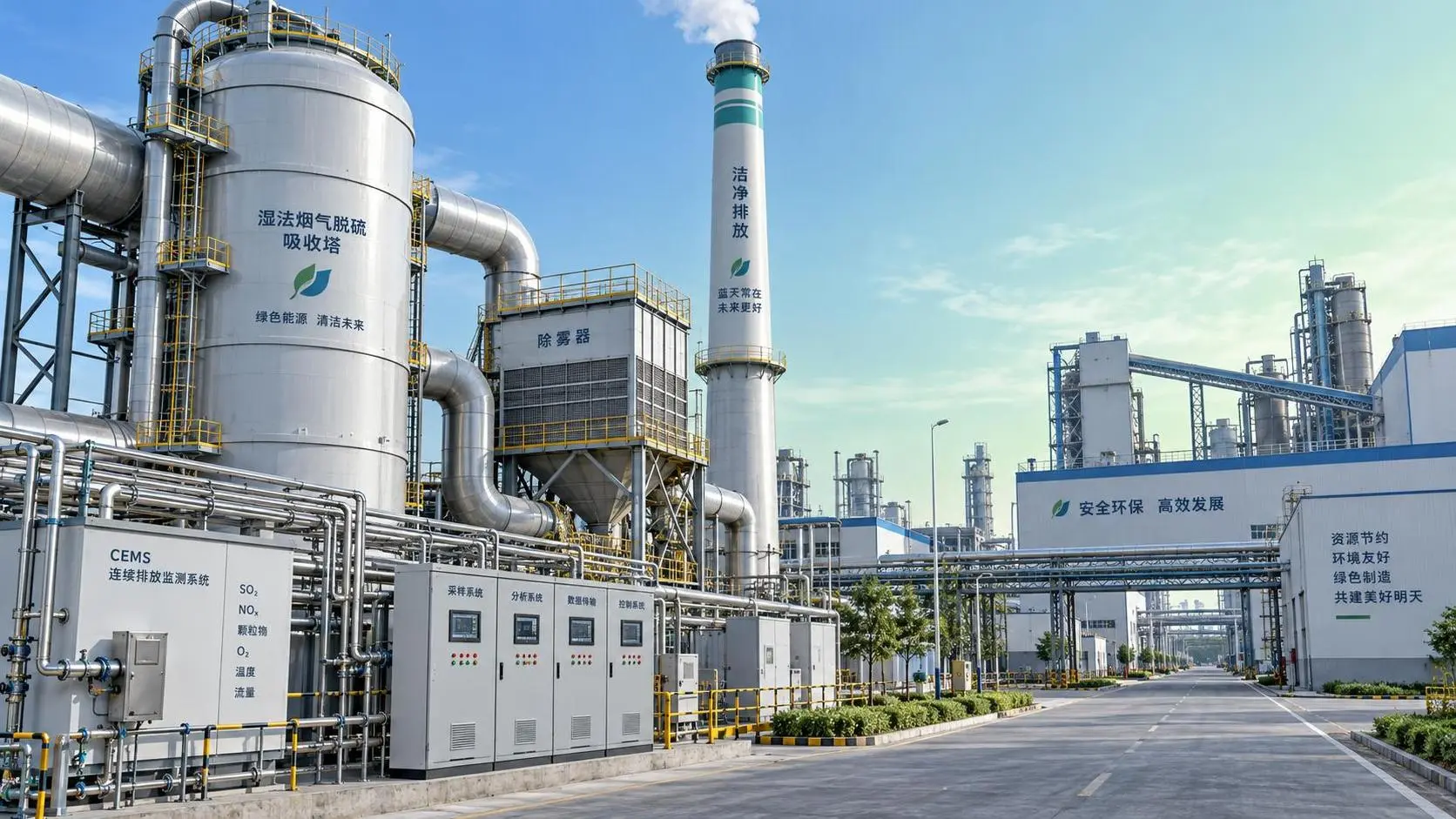
Which ISO standards apply to flue gas treatment systems?
Flue gas treatment systems ISO standards: explore key requirements for emissions testing, CEMS, safety, fabrication, corrosion control, and compliant project evaluation.

When corrosion resistant purification systems are needed for brine treatment
Corrosion resistant purification systems for brine treatment: assess chloride, heat, scaling, materials, and lifecycle reliability for demanding water projects.

How preventive maintenance reduces seawater desalination equipment downtime
Seawater desalination equipment maintenance reduces downtime through proactive monitoring, pretreatment protection, and planned repairs. Explore practical strategies for reliable RO performance.
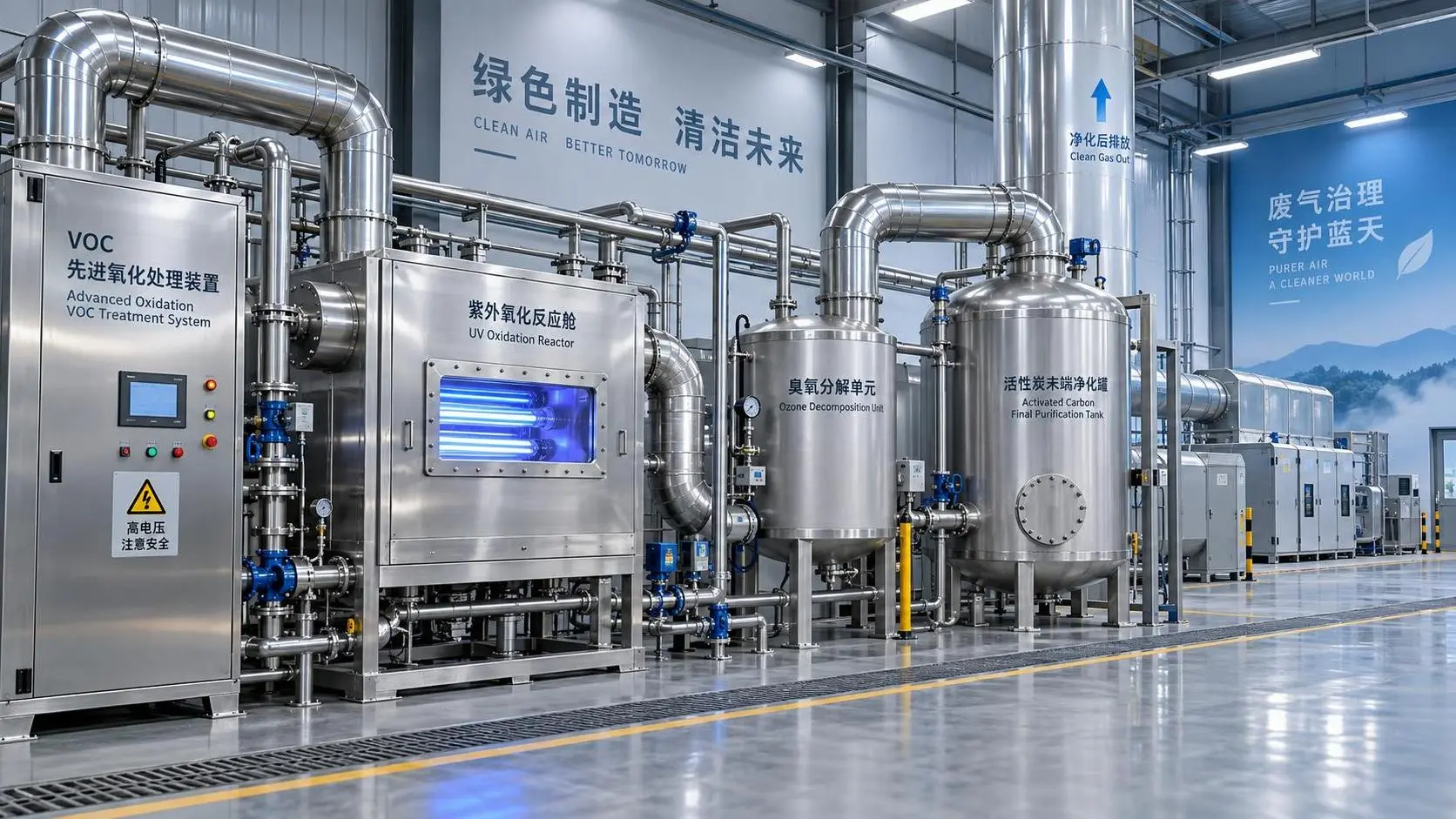
When are advanced oxidation processes the right choice for VOC control?
Advanced oxidation processes for VOC control: learn when AOPs outperform conventional options, manage by-products, and achieve reliable compliance.
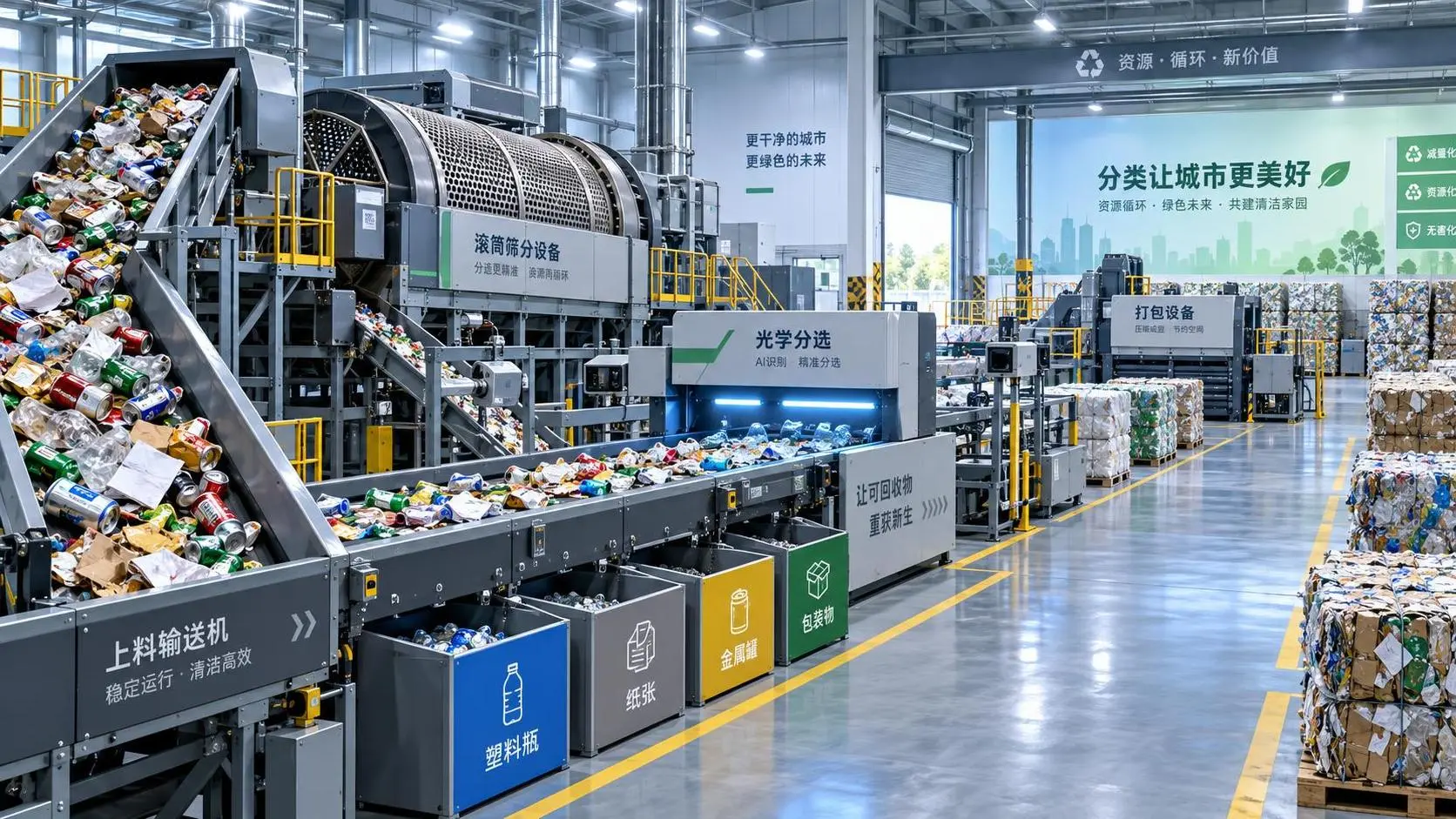
What throughput should municipal waste sorting equipment deliver?
Waste sorting equipment for municipal waste: learn how to set reliable throughput based on peak loads, material quality, uptime, and recovery targets.